 Tours
Tours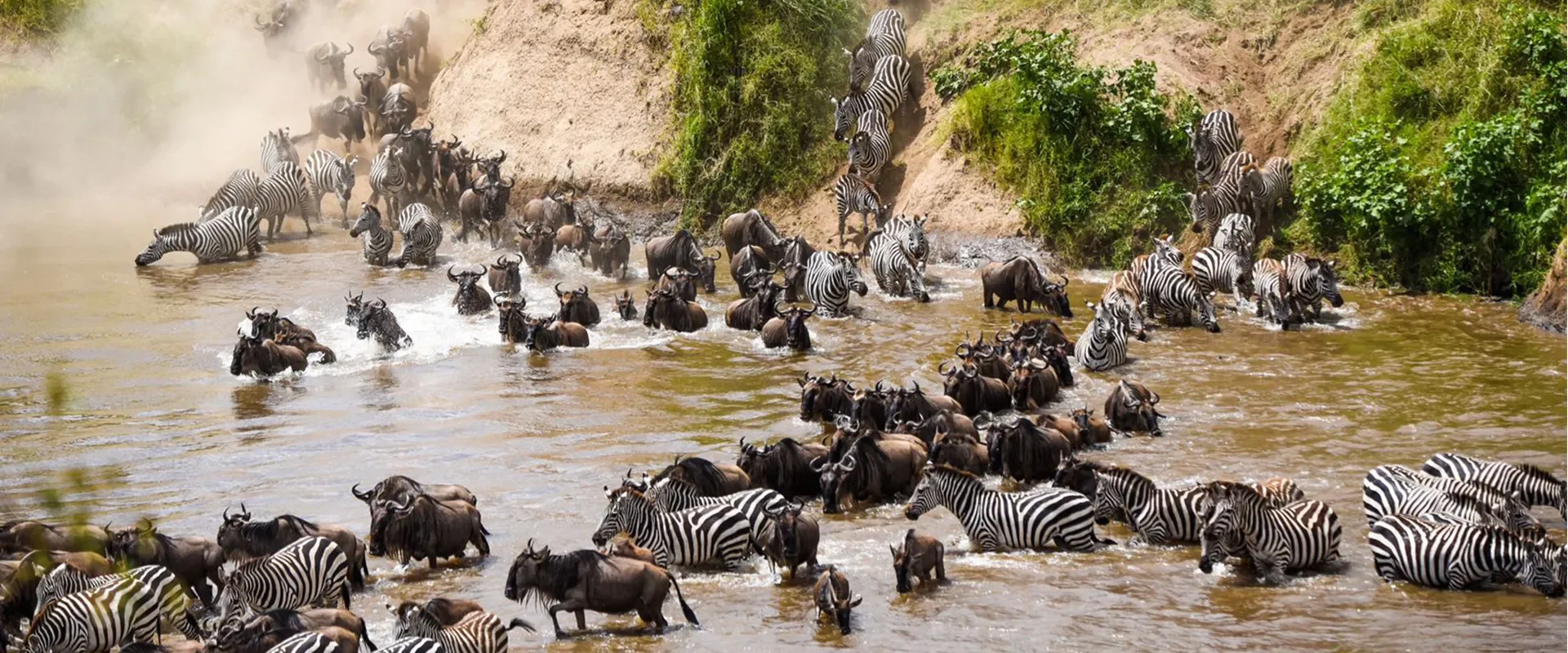
Cross-border safaris work best as one-way arcs. Start in Nairobi or Arusha, move through the parks in geographic sequence, finish at the other end — no doubling back, no wasted transfer days. The two main Tanzania–Kenya crossings used by these itineraries are Namanga (road, central) and Isebania (road, western approach via Serengeti). A fly-in connection between the Serengeti and the Masai Mara is also available, covering the border in under an hour.
What a cross-border route adds#
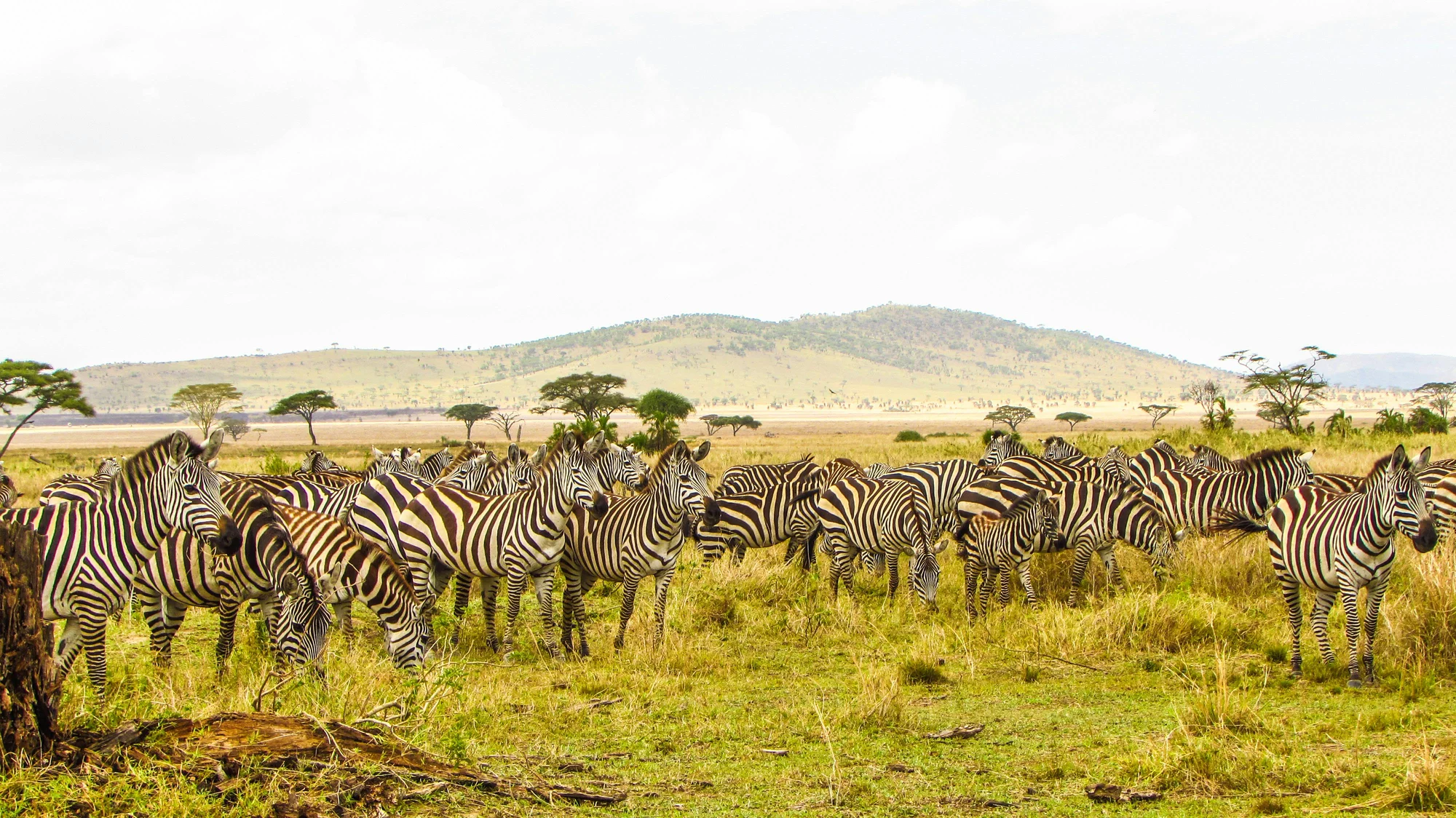
The Mara permits two things Tanzania's parks don't: night drives and off-road driving in private conservancies. Add Ngorongoro Crater descents and Tarangire elephant herds, and a cross-border itinerary covers more habitat variety than any single-country route. The tradeoff: two sets of park fees, a border crossing, and either an overland leg or a bush flight between countries.
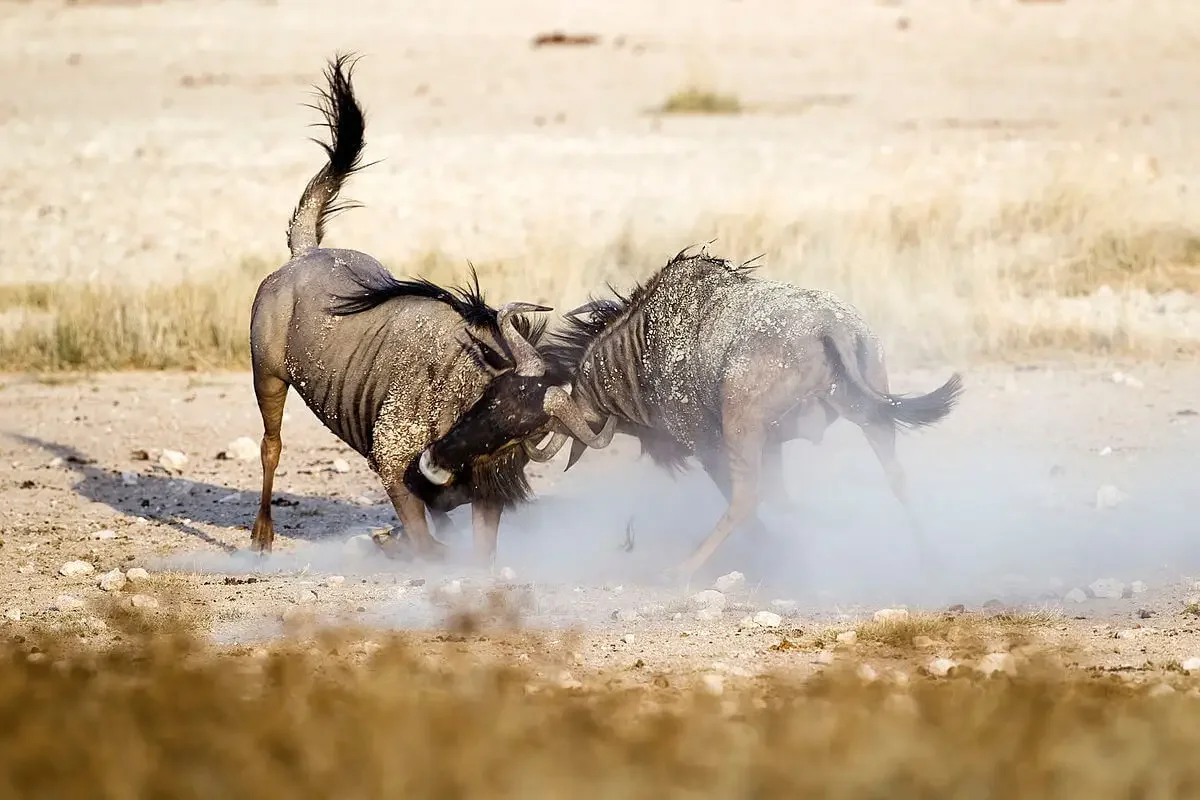
For the Great Migration, crossing the border is often the point. The wildebeest move north from Tanzania into the Mara between July and October, crossing the Mara River both ways. Following this arc tracks actual animal movement rather than waiting in one spot. See migration crossing safaris for itineraries built around those river crossings, or fly-in safaris if you want to bridge the two countries by bush plane rather than road.