 Tours
Tours
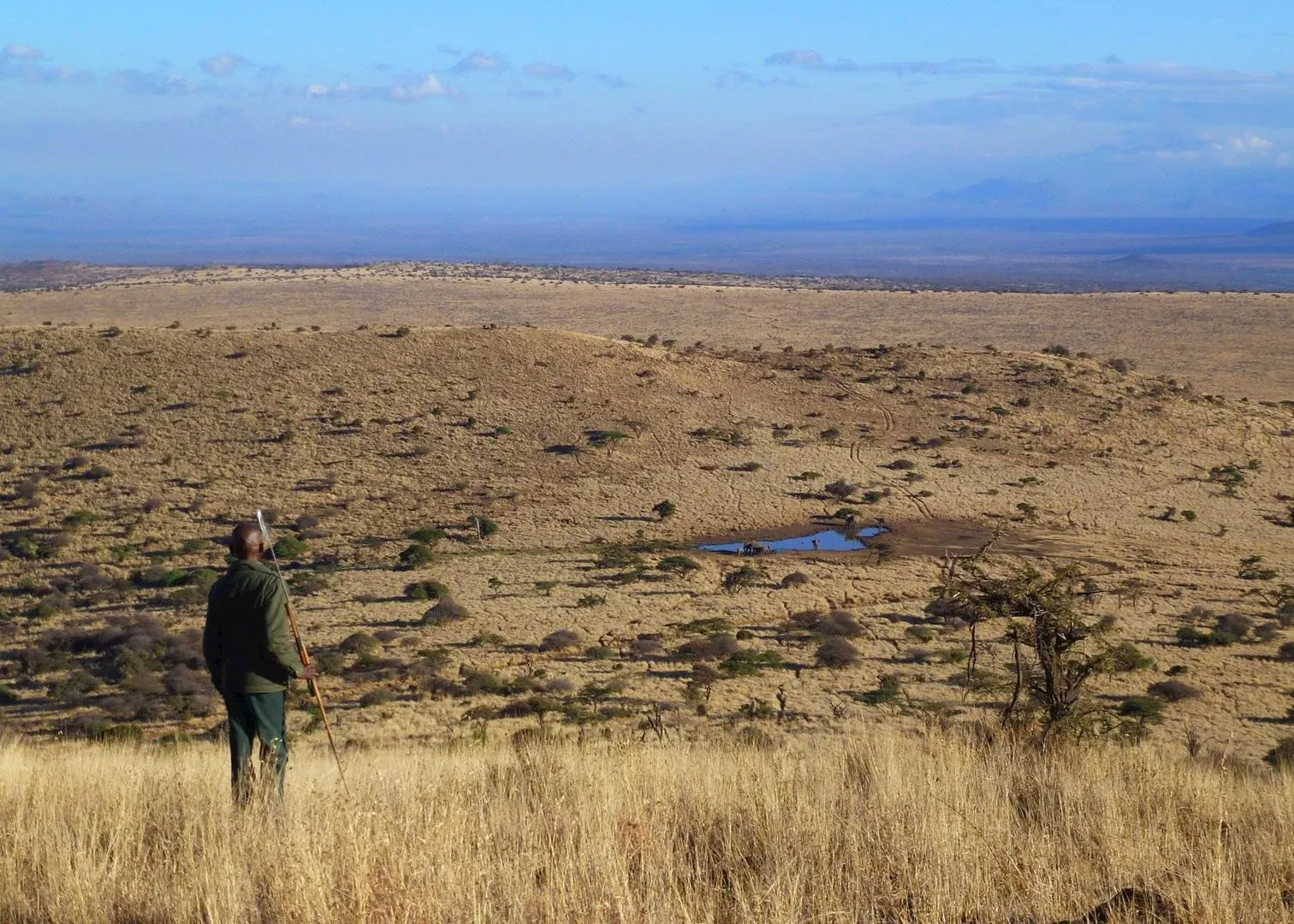
Most Tanzania safaris happen from a vehicle. Walking safaris are different — a licensed guide and an armed ranger lead a small group on foot, reading the landscape in detail no Land Cruiser window can match. You stop to examine lion tracks, learn which trees elephants favour in dry season, and understand how the grass changes near a seasonal stream. It demands more attention than a game drive and rewards it accordingly.
Where walking matters most#
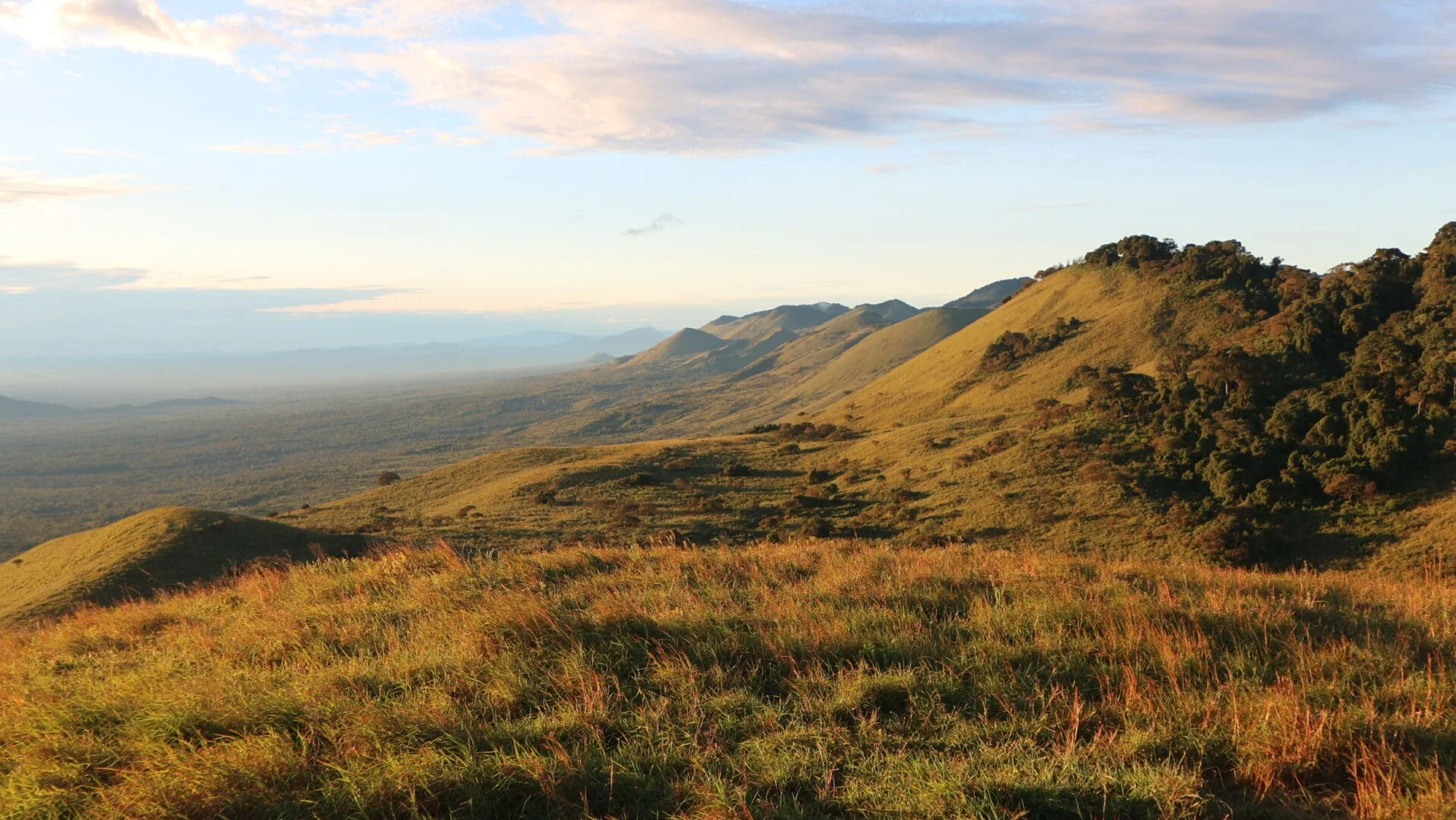
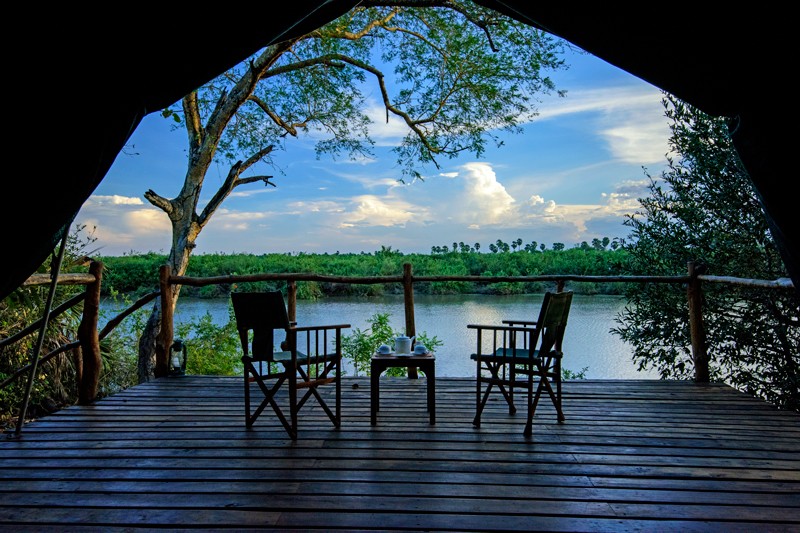
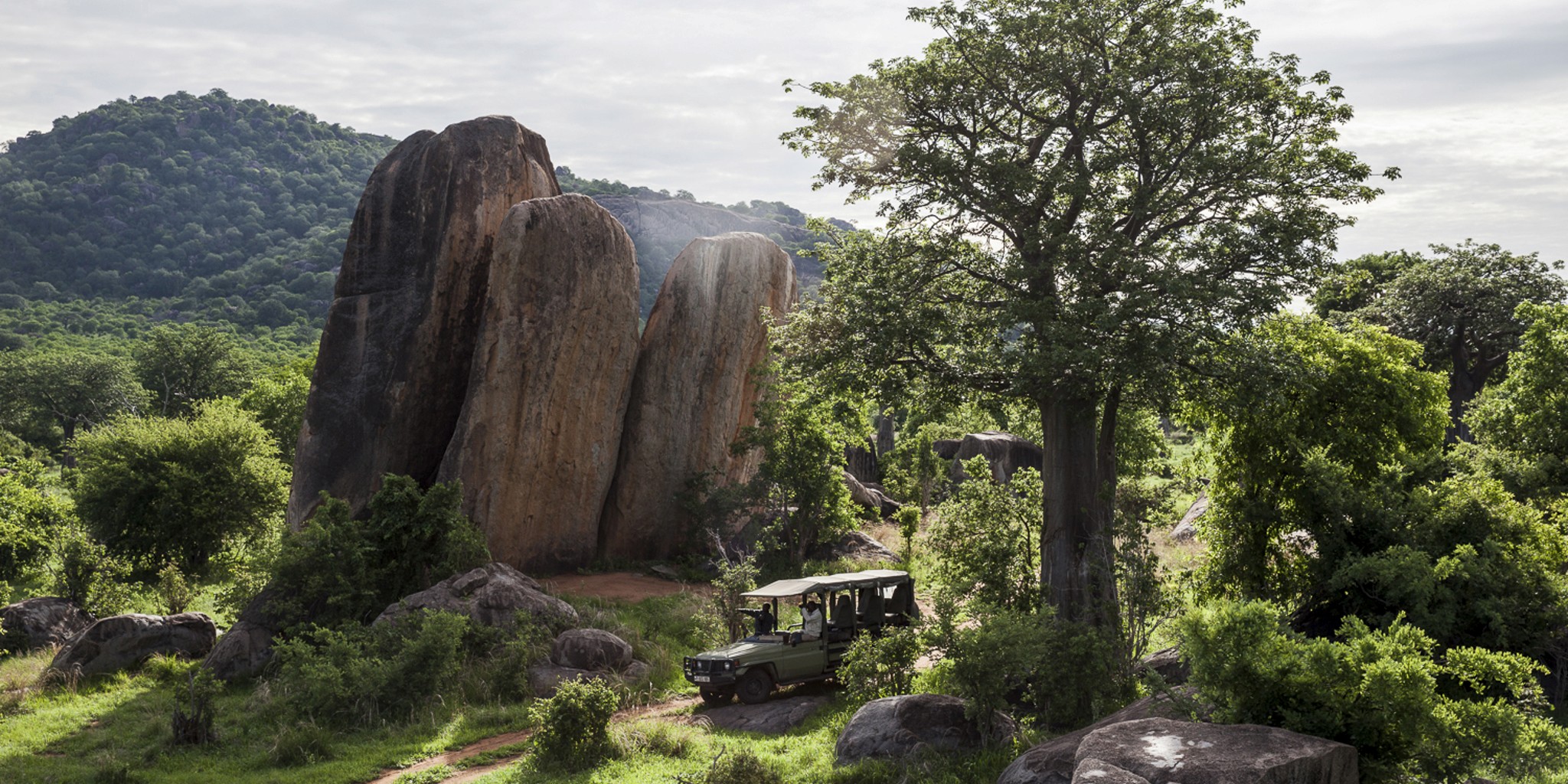
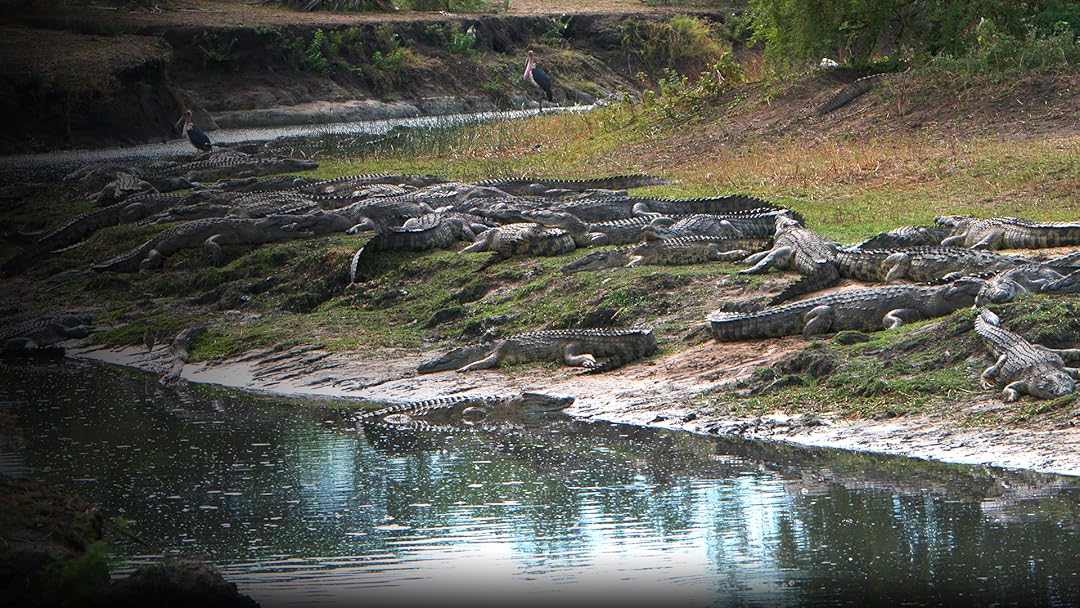
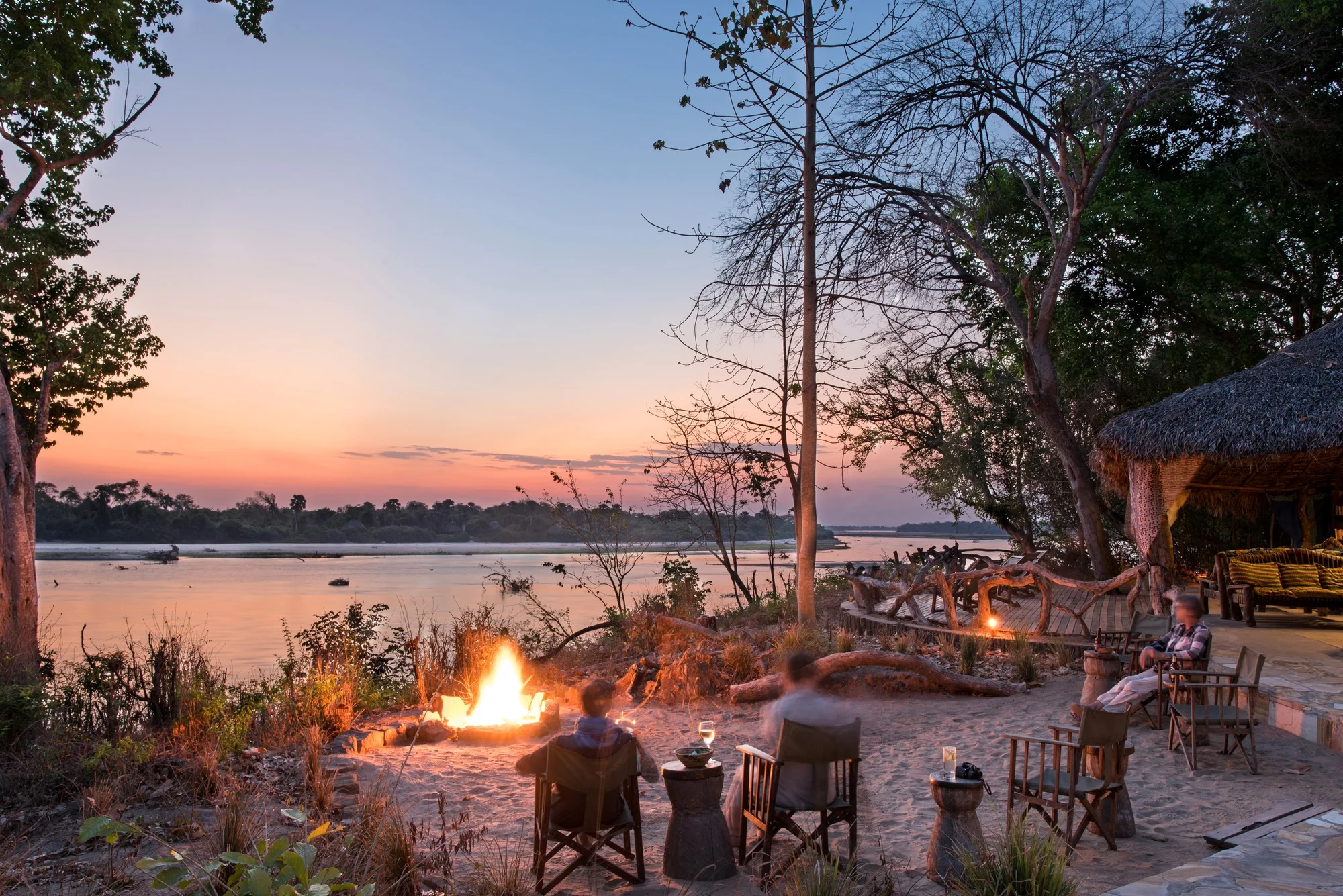
Ruaha National Park is the most consistent walking destination in Tanzania. Dry miombo woodland and open riverine terrain make for clear sightlines and few other vehicles. Nyerere National Park pairs walking with boat safaris on the Rufiji River — two activity types no northern-circuit park can offer together. Katavi National Park operates only July through October and suits travellers who want genuine remoteness.
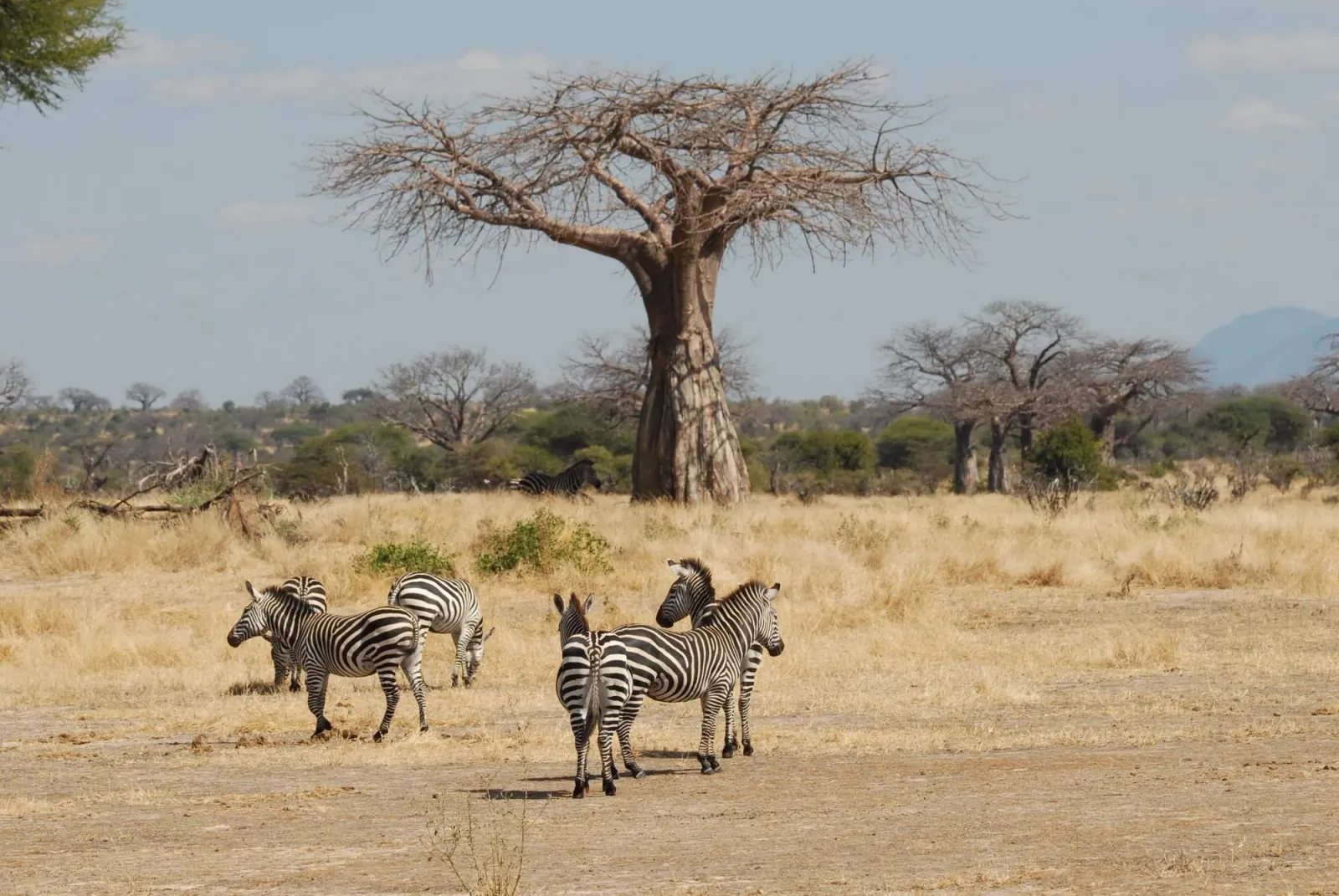
On the northern circuit, walking is available inside Tarangire National Park and in concessions near Ngorongoro — shorter guided walks rather than full-day expeditions. Most southern-park walkers arrive by bush flight; the southern circuit links Ruaha and Nyerere as a natural fly-in pairing. Travellers drawn to remote parks with low visitor density will find significant overlap with off-the-beaten-path safaris.