 Tours
Tours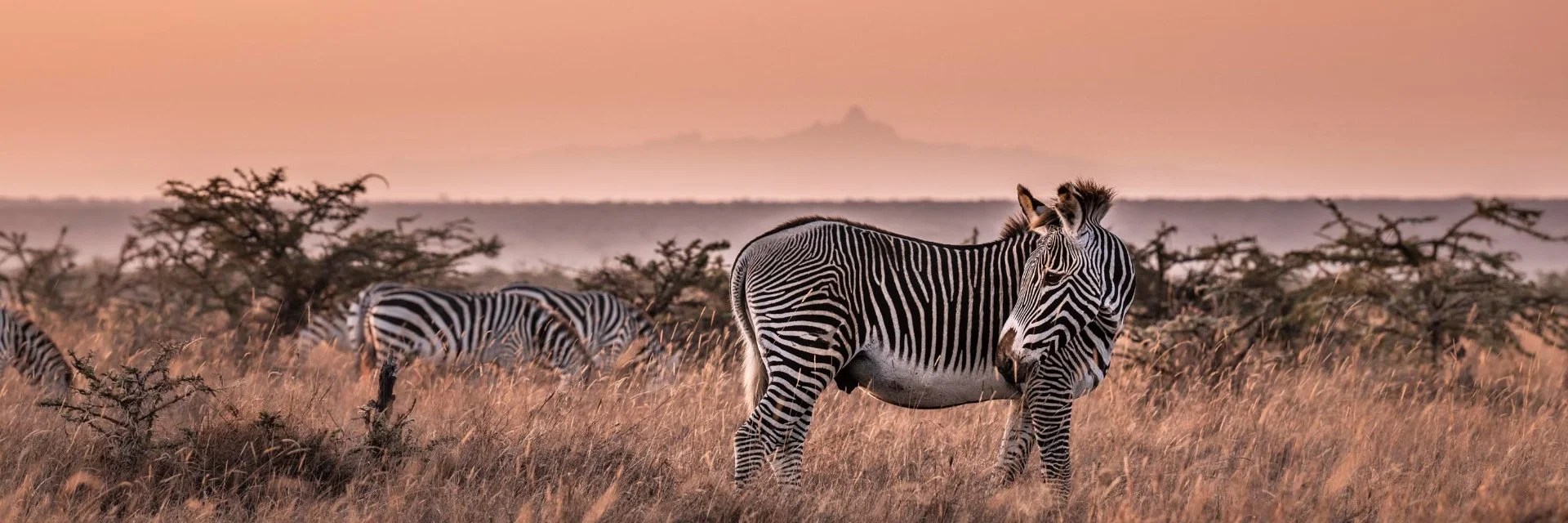 LuxePartagé
4-Day Laikipia Fly-In Safari
4 days·3 nights
Safari Lodge
Confortables lodges safari permanents
Hébergements Elewana Loisaba Lodo Springs
$5,725 par personne pour 2 voyageurs
Tour packages
The Masai Mara and its private conservancies, Amboseli with Kilimanjaro behind the elephants, and Samburu's northern dry-country specials — Kenya's safari circuit is Africa's most accessible.
LuxePartagéConfortables lodges safari permanents
 LuxePartagé
Confortables lodges safari permanents
 LuxePartagé
Confortables lodges safari permanents
 Ultra luxePrivé
Plunge pools, plutôt adultes
 LuxePartagé
Confortables lodges safari permanents
 LuxePartagé
Confortables lodges safari permanents
 Ultra luxePartagé
Plunge pools, plutôt adultes
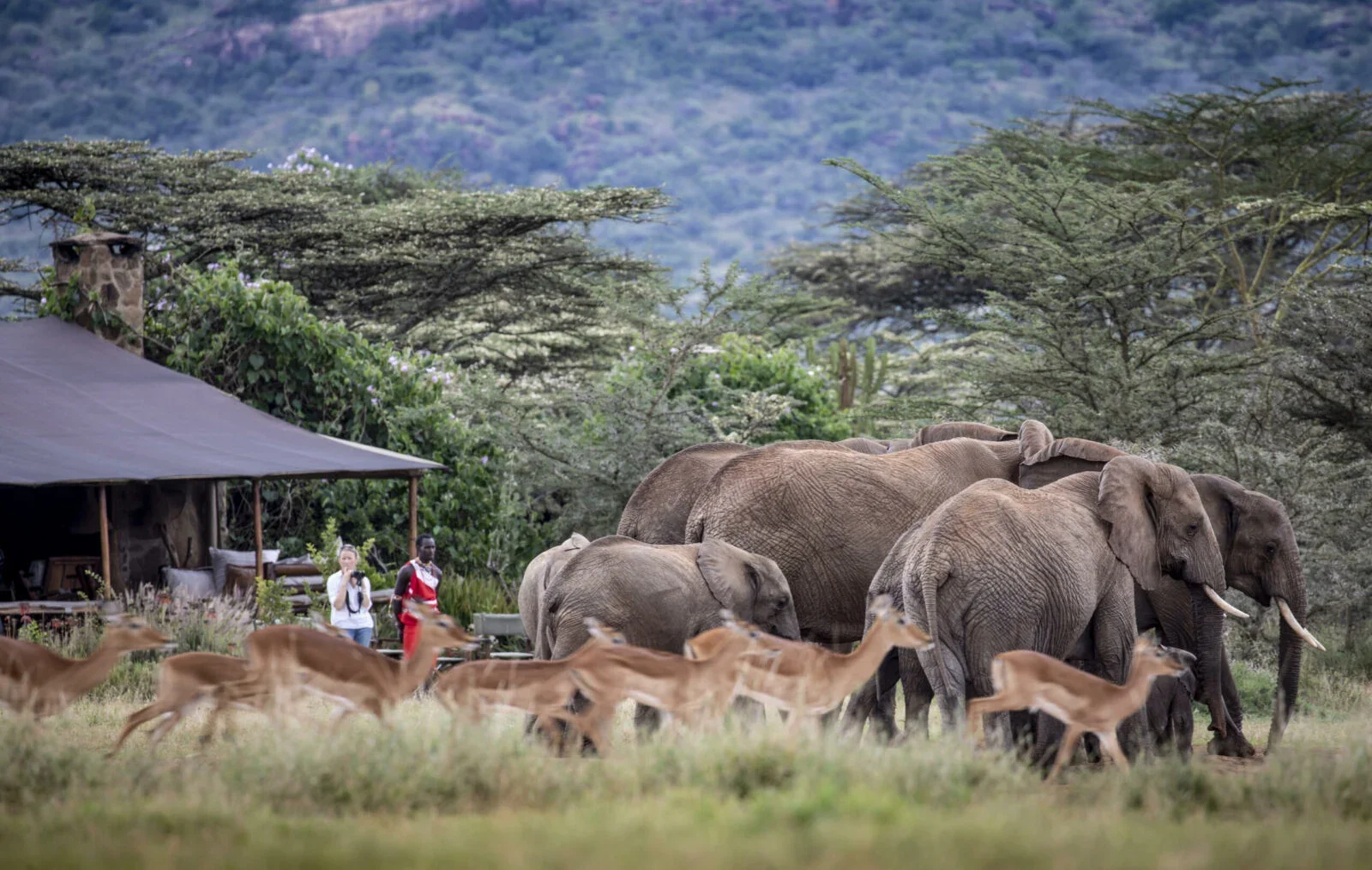
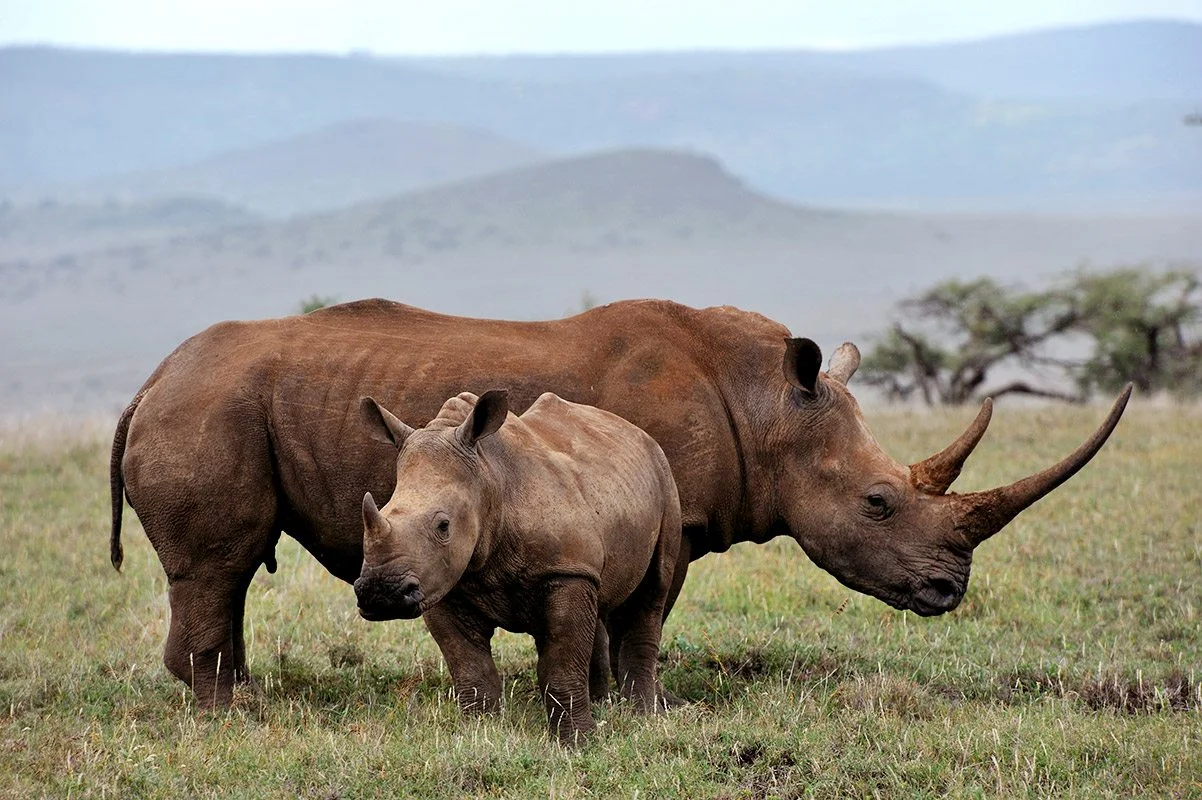
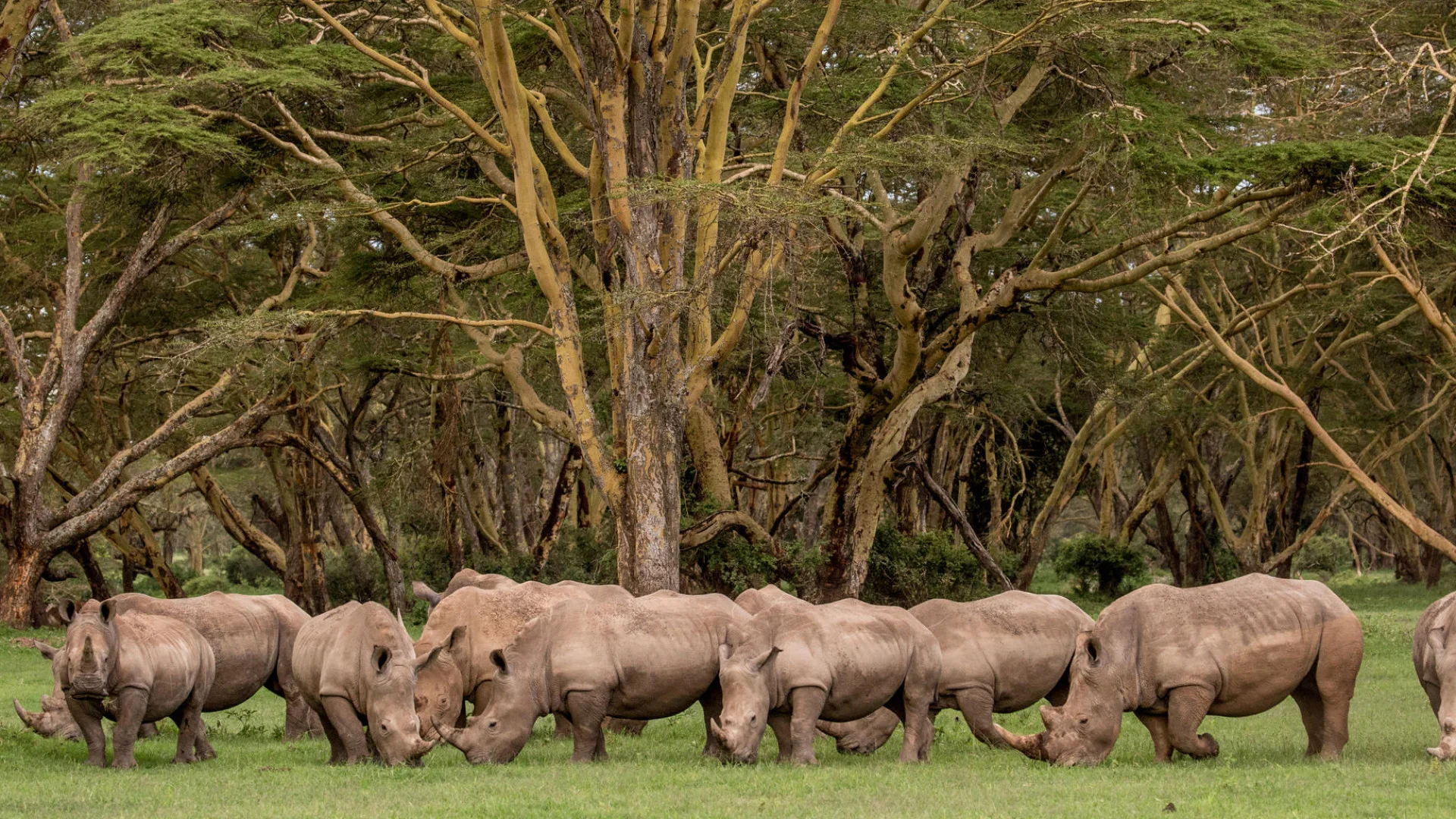
Two of northern Kenya's most distinctive ecosystems back-to-back, without a single vehicle transfer between them. Two nights in Meru National Park — Born Free country, rhino sanctuary, and the lush Tana River wilderness that most Kenya visitors never reach — followed by three nights on the Loisaba Conservancy's 56,000-acre Laikipia Plateau, where horseback safaris, walking, mountain biking, and the open-air Star Beds experience are woven into the same days as Grevy's zebra, wild dog, and lion sightings across high-altitude grassland. Both destinations are as far from the standard Mara-and-Amboseli circuit as it is possible to be.
Two of Kenya's most distinctive private conservancies, linked by a single bush flight and separated by everything that matters in a safari landscape. Mara North Conservancy delivers three nights in the migration corridor with the full suite of privileges denied to vehicles inside the main Masai Mara reserve — off-road pursuit of lions and cheetahs, night drives after dark, and walking safaris through the same terrain that 70,000 acres of protected grassland reserves for exactly this kind of encounter. Then a flight northwest carries you to the Laikipia Plateau and Loisaba Conservancy, where altitude, horseback safaris, mountain biking, and Kenya's rarest northern species produce a second three-night stay so different from the first that both destinations benefit from the comparison.
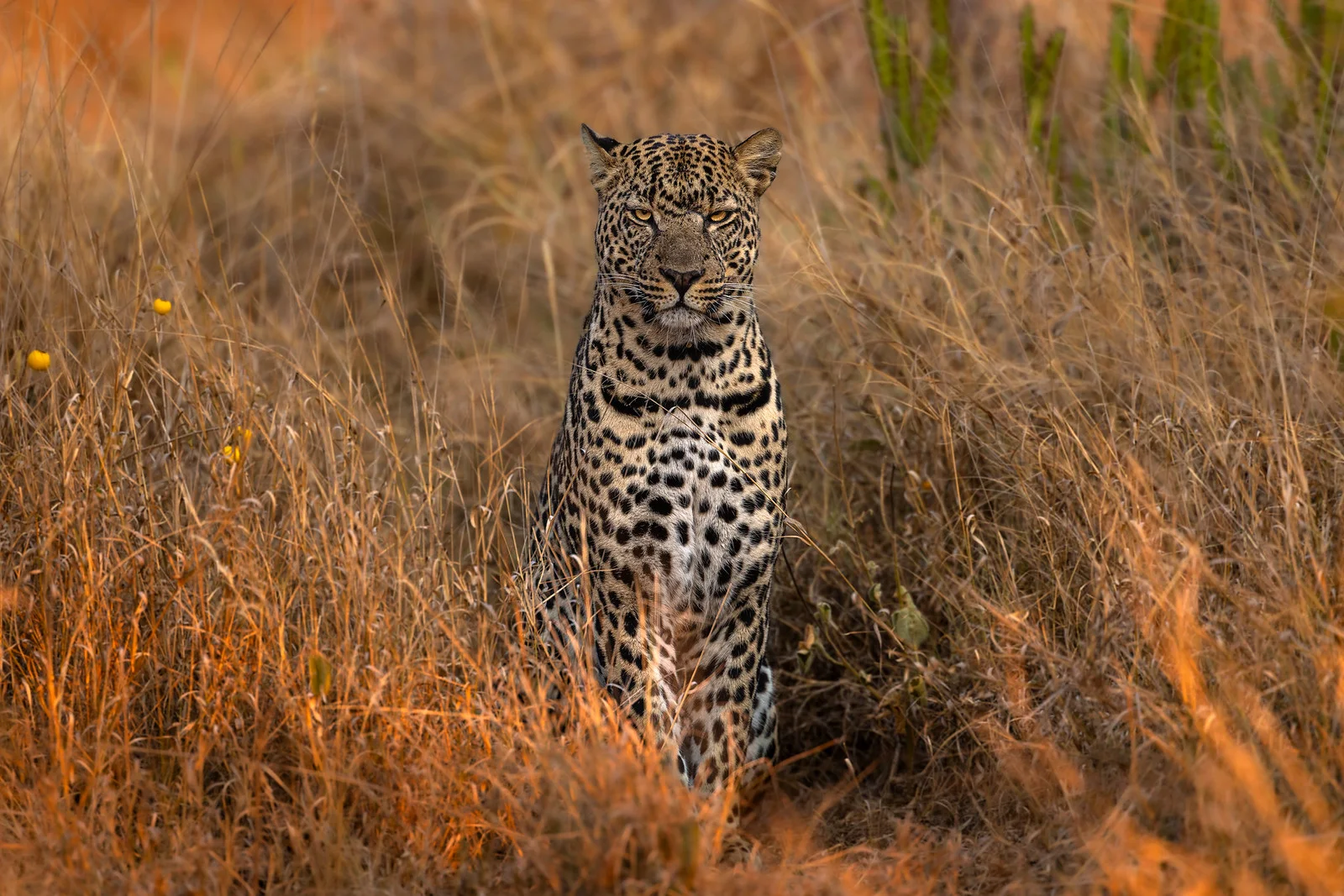
Six consecutive walking days through terrain that most Kenya visitors will never see — old-growth Podocarpus and Cedar forest on the upper Karisia Hills, seasonal sand-river luggas in the dryland acacia transition, and granite rock outcrops above the Ewaso Nyiro River. Camels carry the camp ahead each day; Laikipia Maasai trackers read the ground beneath your feet. This is a fly-in, walk-out wilderness expedition that covers roughly 70 kilometres on foot, starting in montane forest where Crowned Eagles nest and ending at a river pinnacle where elephant herds drink at dusk. No roads, no vehicles on route, no other tourists.

Eight days, two entirely different worlds, and every step of it on foot. This is Karisia's most ambitious walking hybrid: four days of camel-supported safari across the eastern Laikipia Plateau — acacia thornbush, sandy luggas, elephant herds at the Ewaso Nyiro River — followed by three days walking Mount Kenya's moorland zone above 3,200 metres, where giant groundsels stand sentinel at the tarns and the air has the bite of altitude. Neither phase resembles the other in landscape, temperature, or ecology. Together they make the most complete on-foot exploration of north-central Kenya that any single itinerary offers.
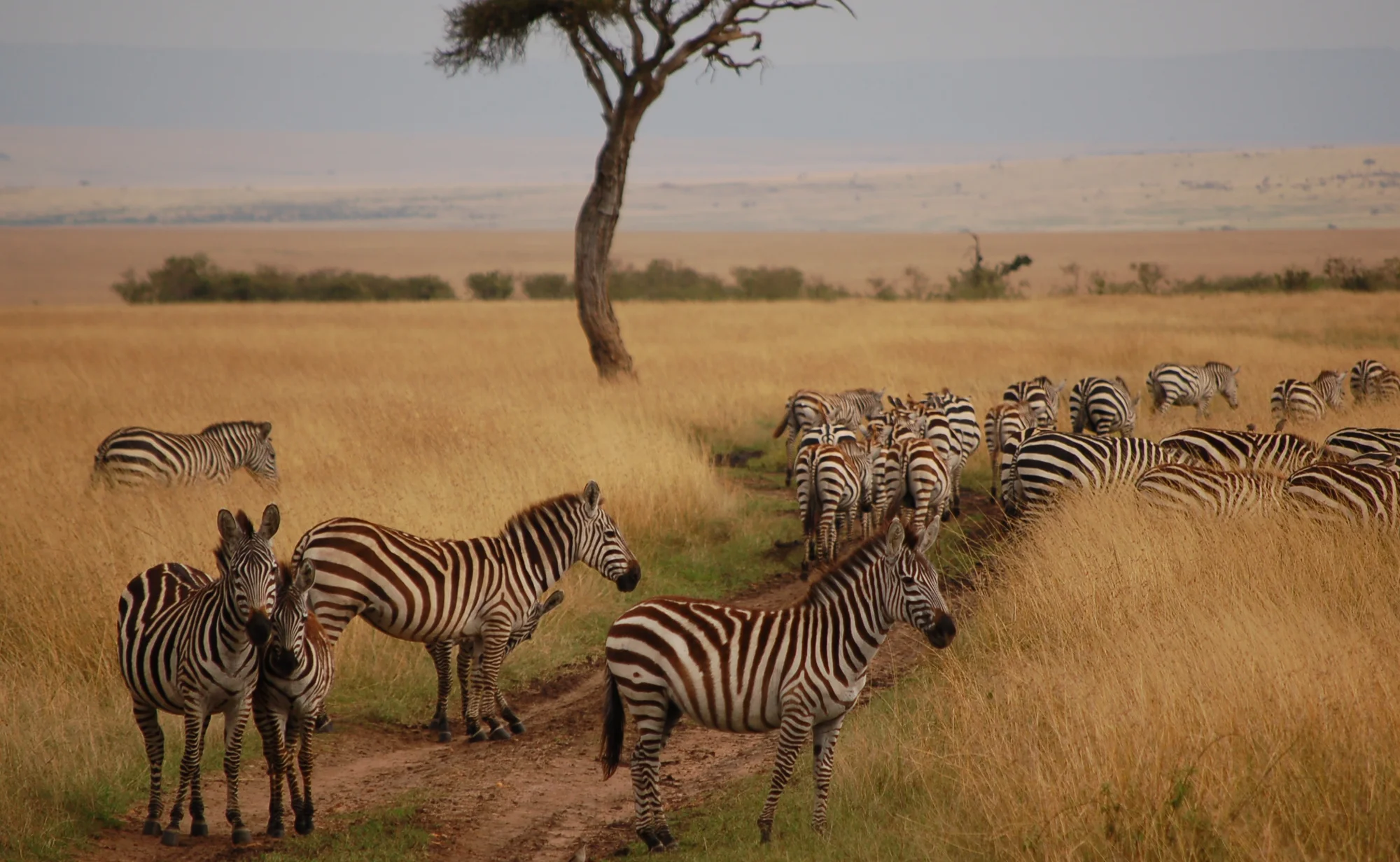
Three of Kenya's most celebrated wilderness zones in a single ten-day arc: Samburu National Reserve for the Special Five along the Ewaso Ng'iro River, Lewa Wildlife Conservancy for the highest black rhino density in Kenya against a Mount Kenya backdrop, and the Mara North Conservancy for exclusive big cat territory where night drives and walking safaris are available every evening. All transfers are by bush flight — no long road days, no wasted mornings, each destination fully inhabited.
Kenya's safari circuit centres on the Masai Mara national reserve — note: a national reserve, not a national park, managed by Narok County rather than Kenya Wildlife Service. That distinction matters: unlike Tanzania's national parks where rules are set by TANAPA, the conservancies that surround the Mara operate under their own agreements with Maasai landowners, and those conservancies unlock experiences unavailable in the main reserve. Nairobi is Africa's best-connected safari gateway, with direct flights from London, Amsterdam, Dubai, Doha, Mumbai and a dozen other hubs — which makes Kenya the natural choice for travellers without extra days to burn on connections.
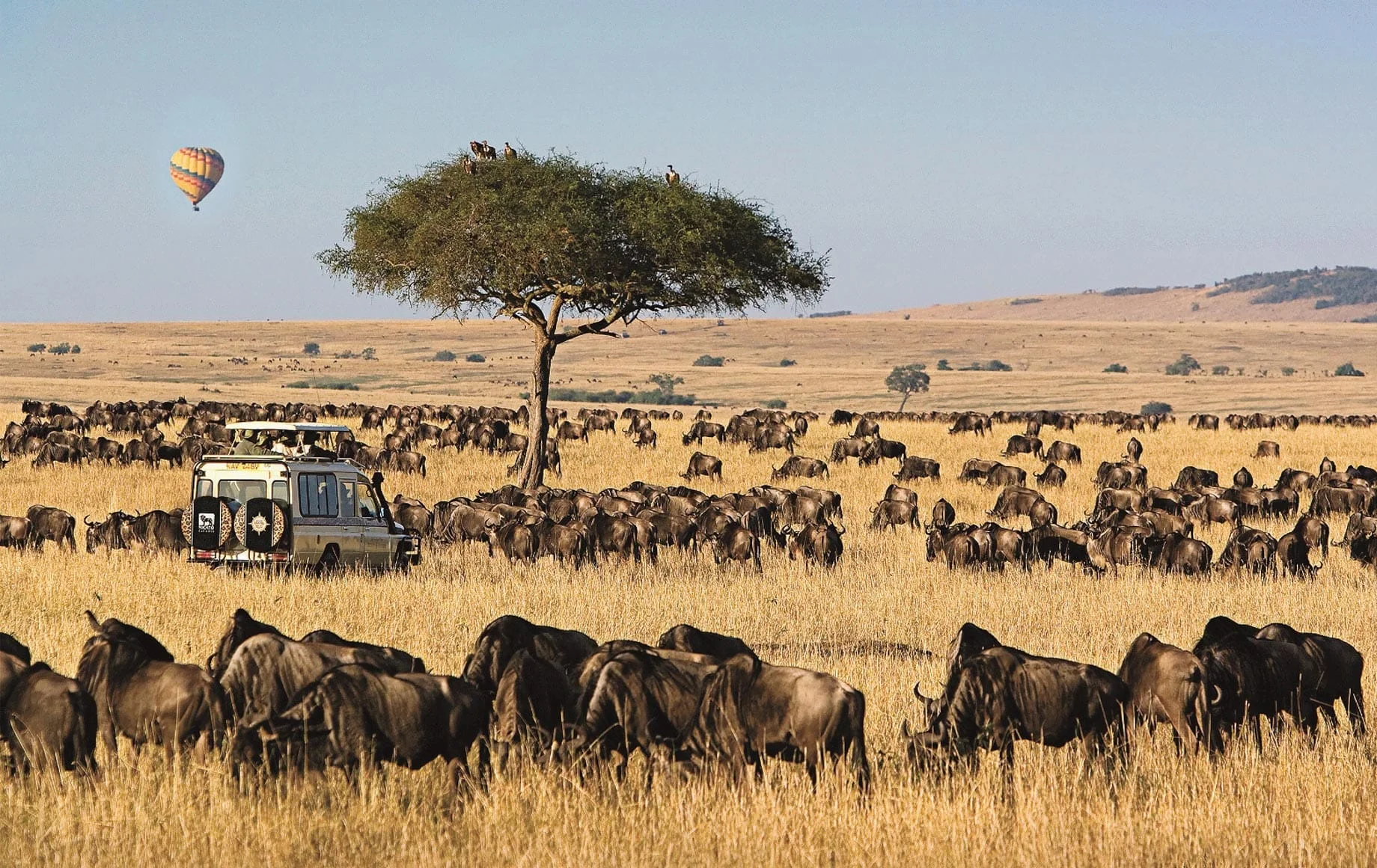
The Masai Mara national reserve covers approximately 1,510 sq km of open savanna and riverine forest along the Mara River. It holds all of the Big Five and the highest lion density of any reserve in Africa. Reserve fee: $80/adult/day (main reserve). The surrounding private conservancies — Olare Motorogi, Naboisho, Mara North — add roughly 200,000 acres of Maasai-leased land. Inside the conservancies, the rules change entirely: off-road driving to follow animals, night drives (7–9 PM), walking safaris, and private bush dinners are all permitted. Vehicle numbers are strictly capped, so encounters unfold without the minivan crowds that can gather at a lion kill inside the main reserve. Conservancy fees run roughly $80–150/person/night, usually included in the camp rate.
From Nairobi, the Mara is 45 minutes by light aircraft from Wilson Airport (not JKIA, which is on the other side of the city), or a 5–6 hour drive via Narok. For anyone spending three or more nights in the Mara, flying in is strongly recommended.
Cross-links: Great Migration crossings (Jul–Oct) · honeymoon conservancy stays · Big Five safaris
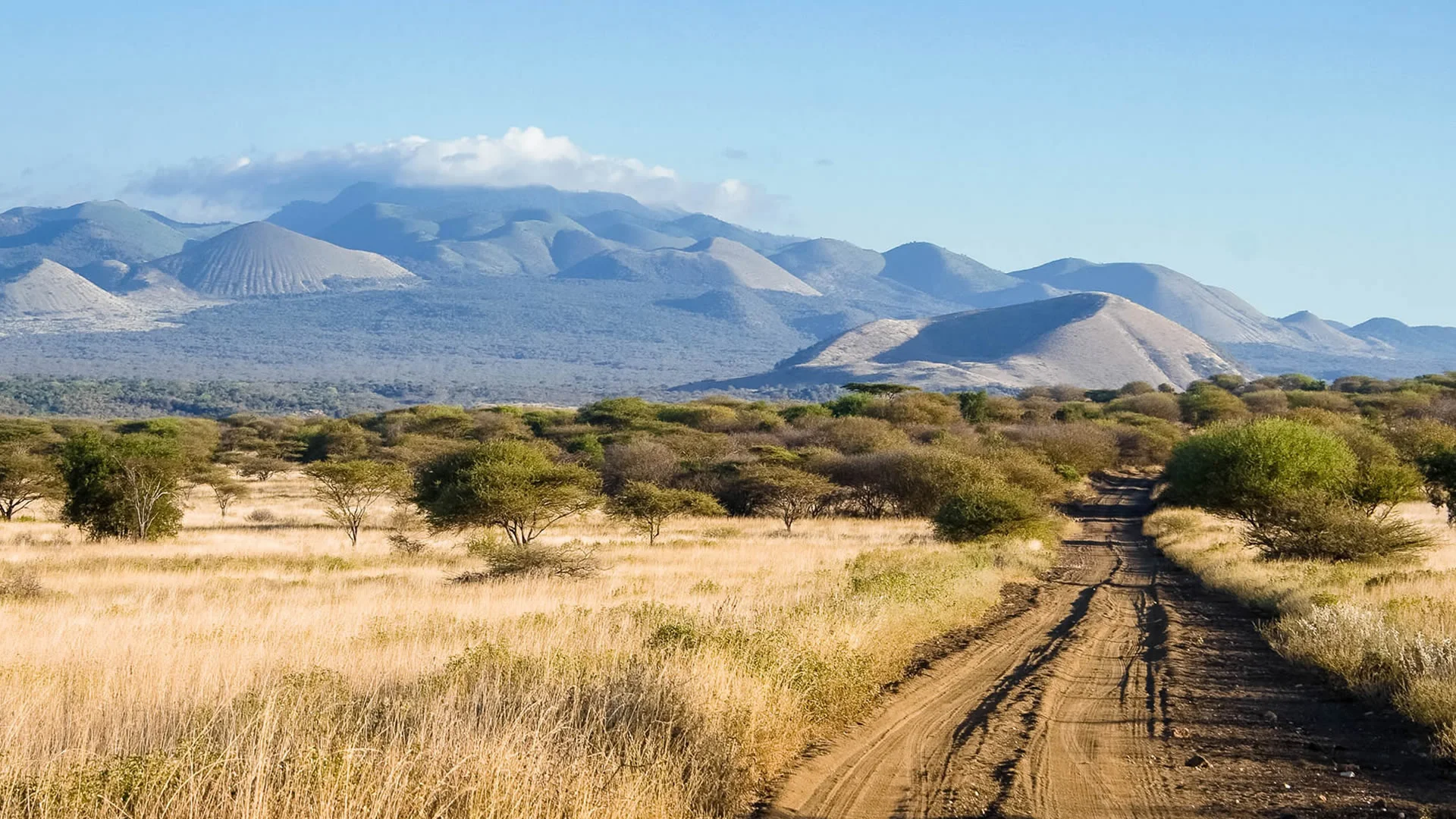
Samburu National Reserve is Kenya's most compelling reason to go north. The draw is the Samburu Special Five — five dry-country species found in northern Kenya and nowhere in the south: Grevy's zebra, reticulated giraffe, Somali ostrich, gerenuk, and beisa oryx. The Ewaso Ng'iro River bisects the reserve, keeping wildlife visible along its banks all year. Reserve fee: $70/adult/day. Access: 5–6 hours by road from Nairobi via Isiolo, or 1–1.5 hours by bush flight from Wilson Airport.
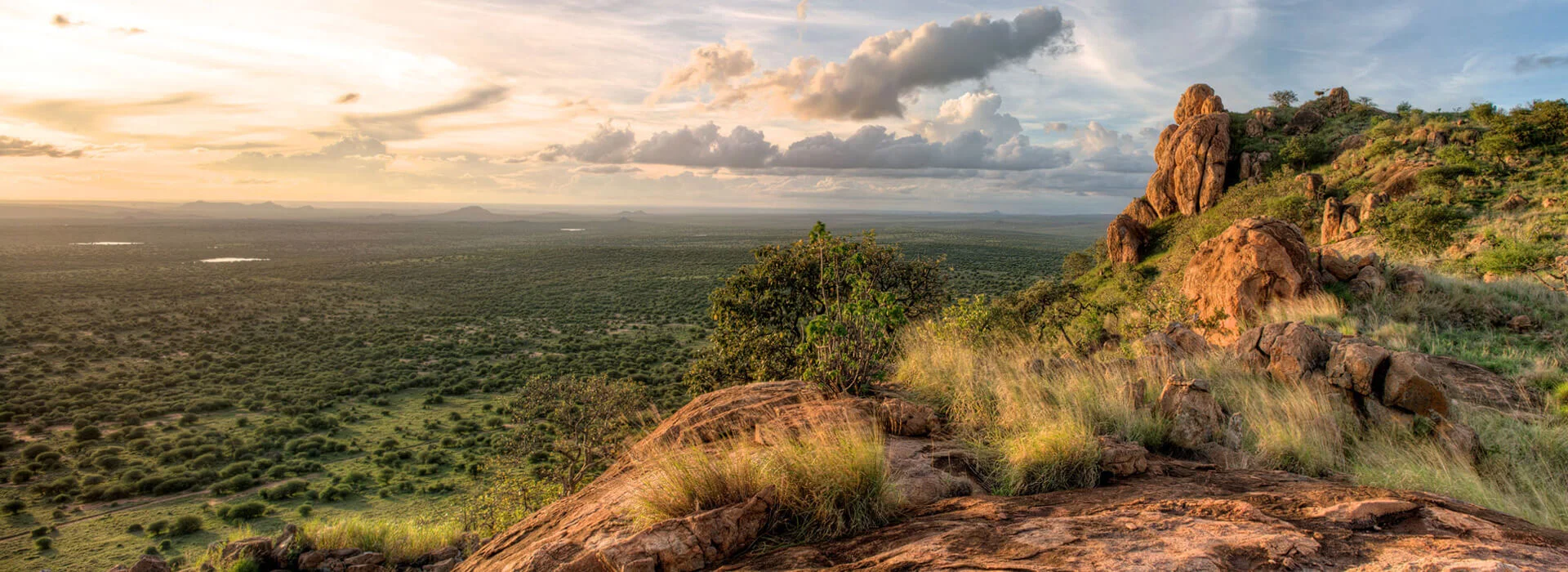
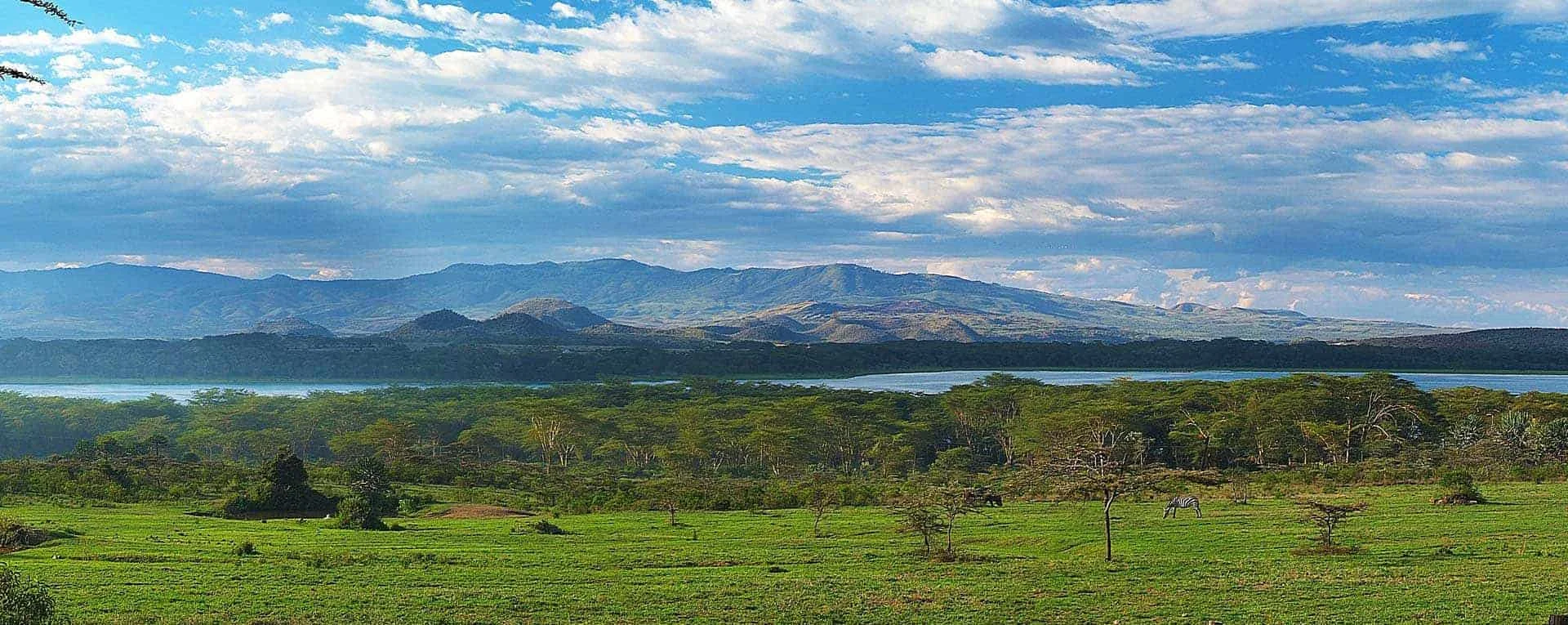
The Laikipia plateau sits at 5,500–7,000 feet — cool nights, a significantly lower malaria risk than low-lying parks, and a pioneering community conservancy model that has rewarded conservation with some of the highest wildlife densities in Kenya outside the Mara. Laikipia is home to the largest population of black rhino in Kenya, Grevy's zebra, wild dog, and the last two Northern White Rhinos on Earth at Ol Pejeta Conservancy. The activity palette here goes well beyond a standard game drive: horseback safaris, camel treks, walking with an armed guide, fly camping, and mountain biking are all available. Drive time from Nairobi is 3.5–4.5 hours to Nanyuki, or 35–60 minutes by bush flight from Wilson.
Cross-links: Kenya's off-the-beaten-path reserves · family safaris
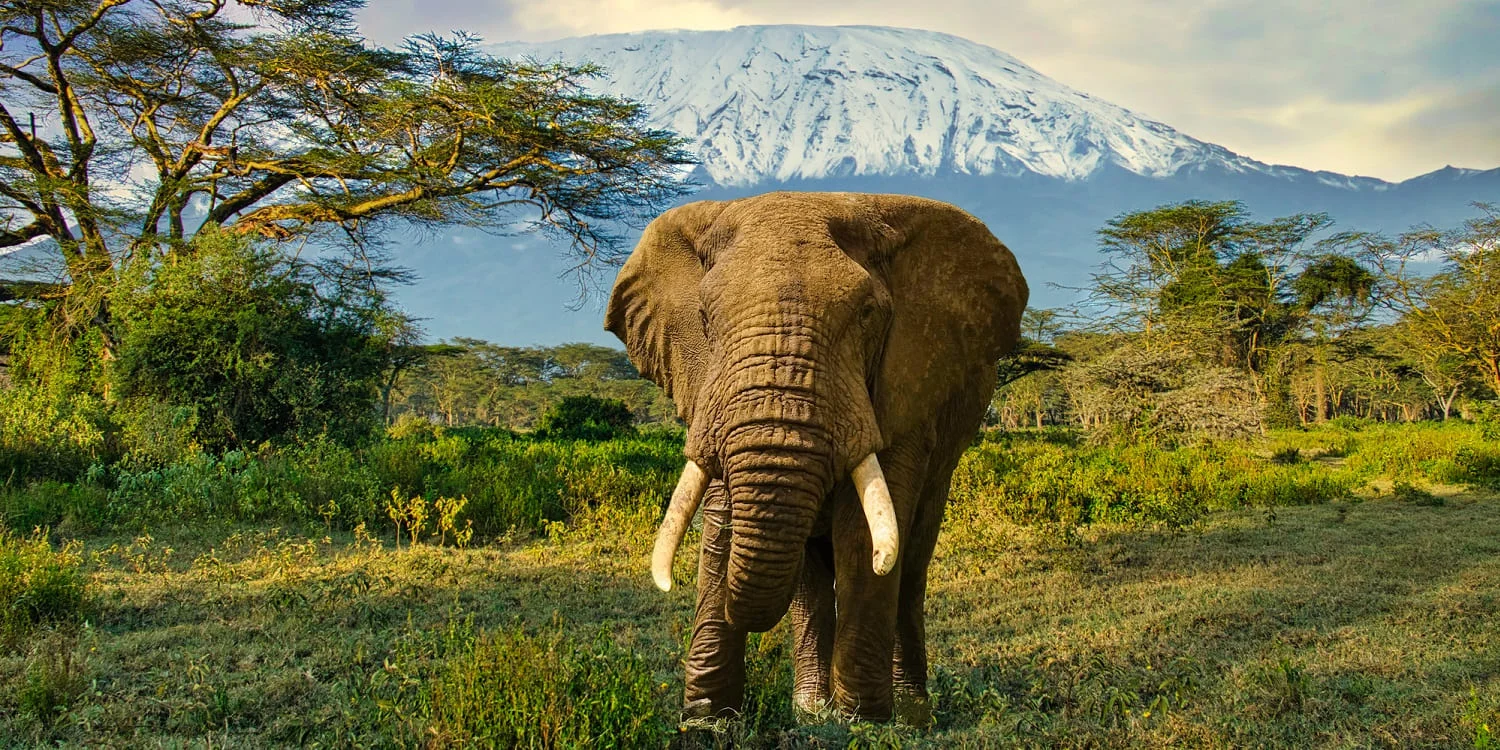
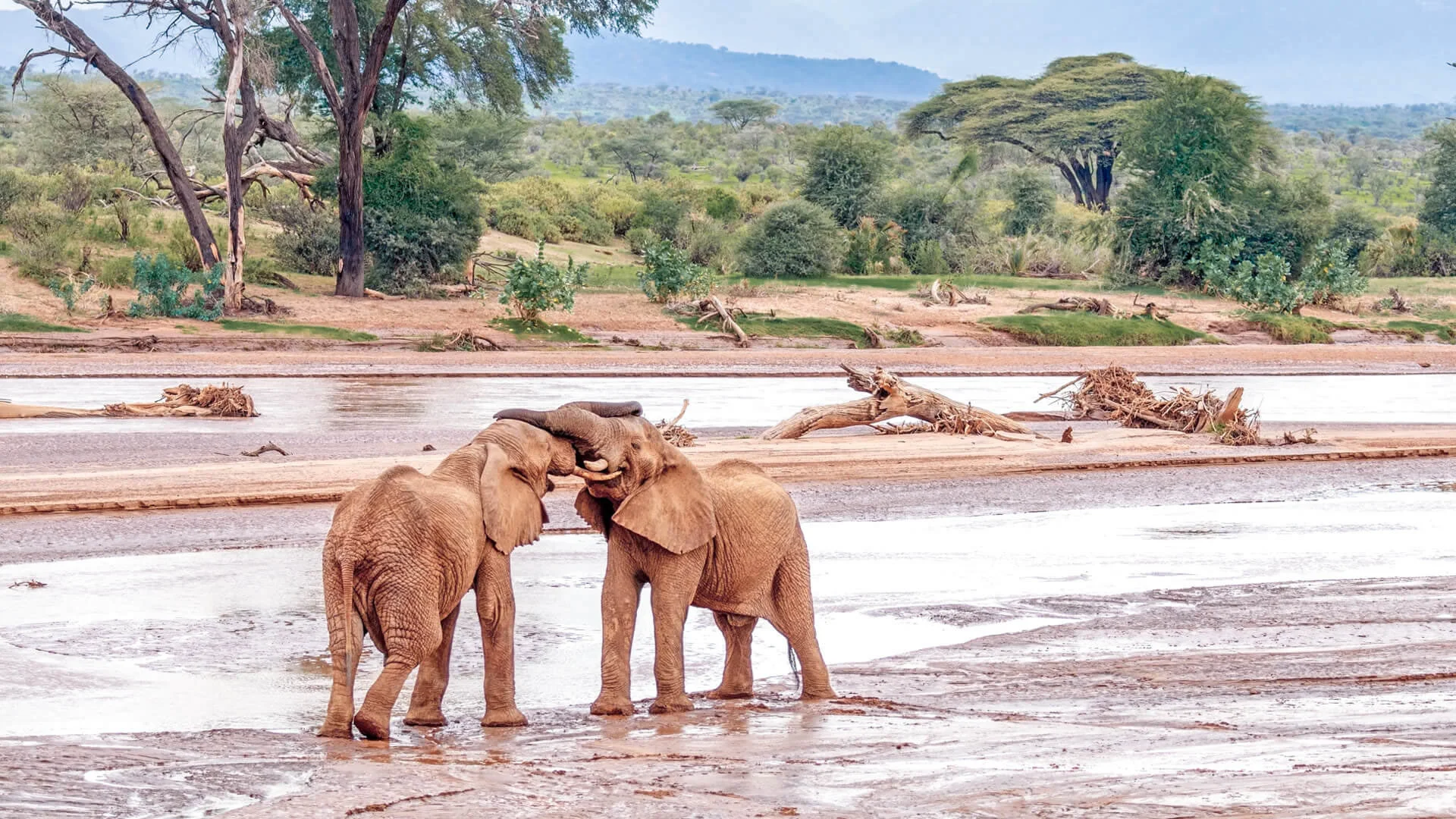
Amboseli National Park (392 sq km) is Kenya's most iconic backdrop: large elephant herds with big-tusked bulls moving across open swamp, with Kilimanjaro filling the horizon behind them. The mountain is most visible early morning before cloud builds by midday, so an early game drive is essential. Park fee: $43/adult/day. Drive time from Nairobi: 4–5 hours via the Namanga road. Bush flight from Wilson: approximately 45 minutes. Amboseli works naturally as a two-night stop on a Kenya circuit, paired with the Mara or extended into Tsavo for a longer journey.
| Month | Best area | Notes |
|---|---|---|
| Jan–Feb | Amboseli, Laikipia | Short dry; clearest Kilimanjaro views in Amboseli; calving in Amboseli |
| Jun–Oct | Masai Mara | Dry season; Great Migration arrives from Tanzania Jul–Oct |
| Jul–Oct | Mara River crossings | Peak season — book 6–12 months ahead for the best conservancy camps |
| Jun–Oct | Samburu, Laikipia | Best dry-season game viewing across northern Kenya |
| Apr–May | Anywhere | Long rains; some roads difficult; fewer visitors; discounts available |
| Nov | Any | Short rains begin; lush green landscape; fewer crowds; some deals |
Verified Kenya pricing benchmarks (per person, based on double occupancy): a 4-day Masai Mara fly-in runs mid-range $1,500–$2,200 pp, luxury $2,500–$4,000 pp. A 7-day circuit (Mara plus Amboseli or Samburu) runs mid-range $2,500–$3,500 pp, luxury $4,000–$6,000 pp. Reserve and conservancy fees are typically included in these figures. Prices on this site are per person, direct from the operator.
For budget options see value-tier Kenya safaris. For the top tier, see Kenya's top conservancy camps.
Nairobi's Jomo Kenyatta International Airport (JKIA) is Africa's best-connected aviation hub, with direct services from London, Amsterdam, Paris, Dubai, Doha, Abu Dhabi, Mumbai, and many others. All bush flights depart from Wilson Airport — a separate domestic terminal 6 km southwest of the CBD, about 30 minutes from JKIA in light traffic. Budget a 60–90 minute buffer for Nairobi traffic on any morning departure.
For cross-border trips combining Kenya with Tanzania, see Tanzania safaris starting from Nairobi.