 Tours
Tours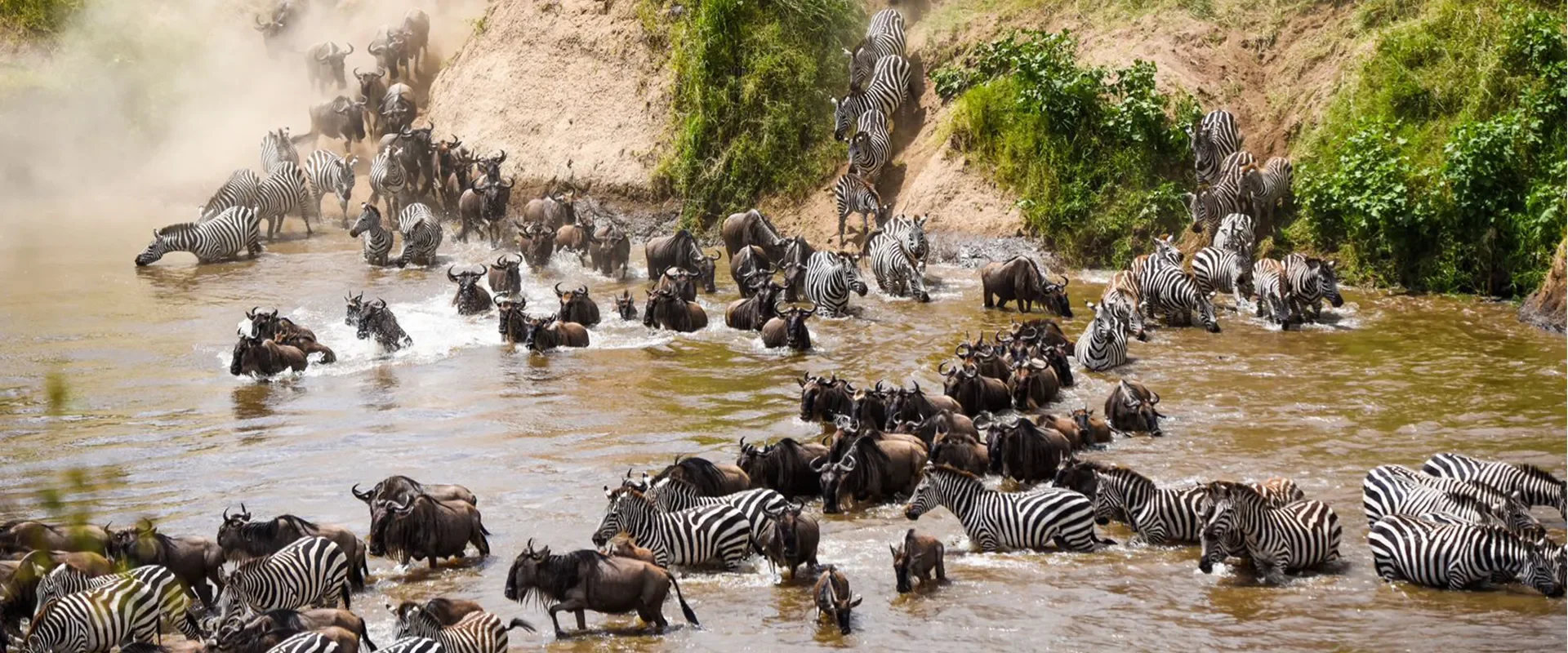
Kenya
The home of Out of Africa — the Mara, Amboseli, Laikipia, and the Indian Ocean coast.
Pourquoi Kenya
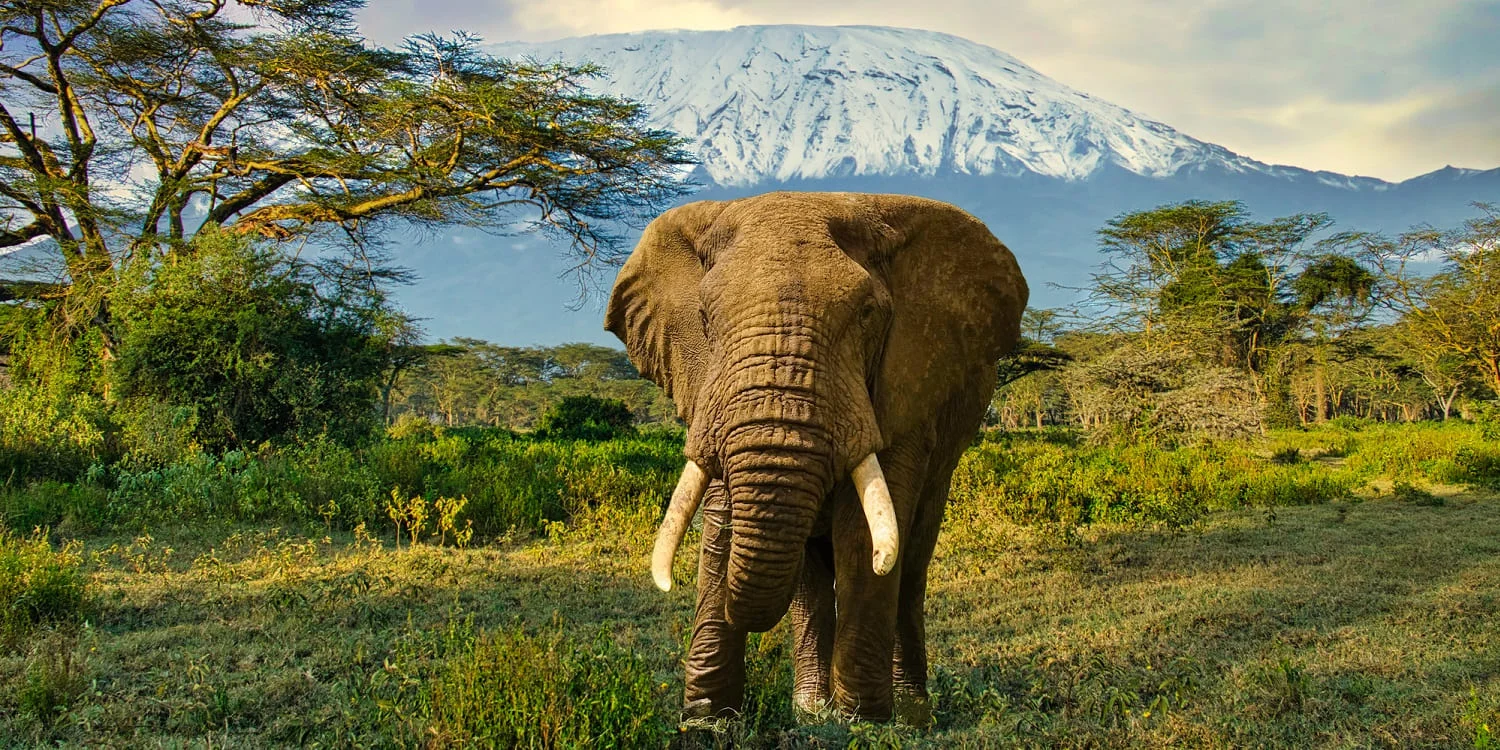
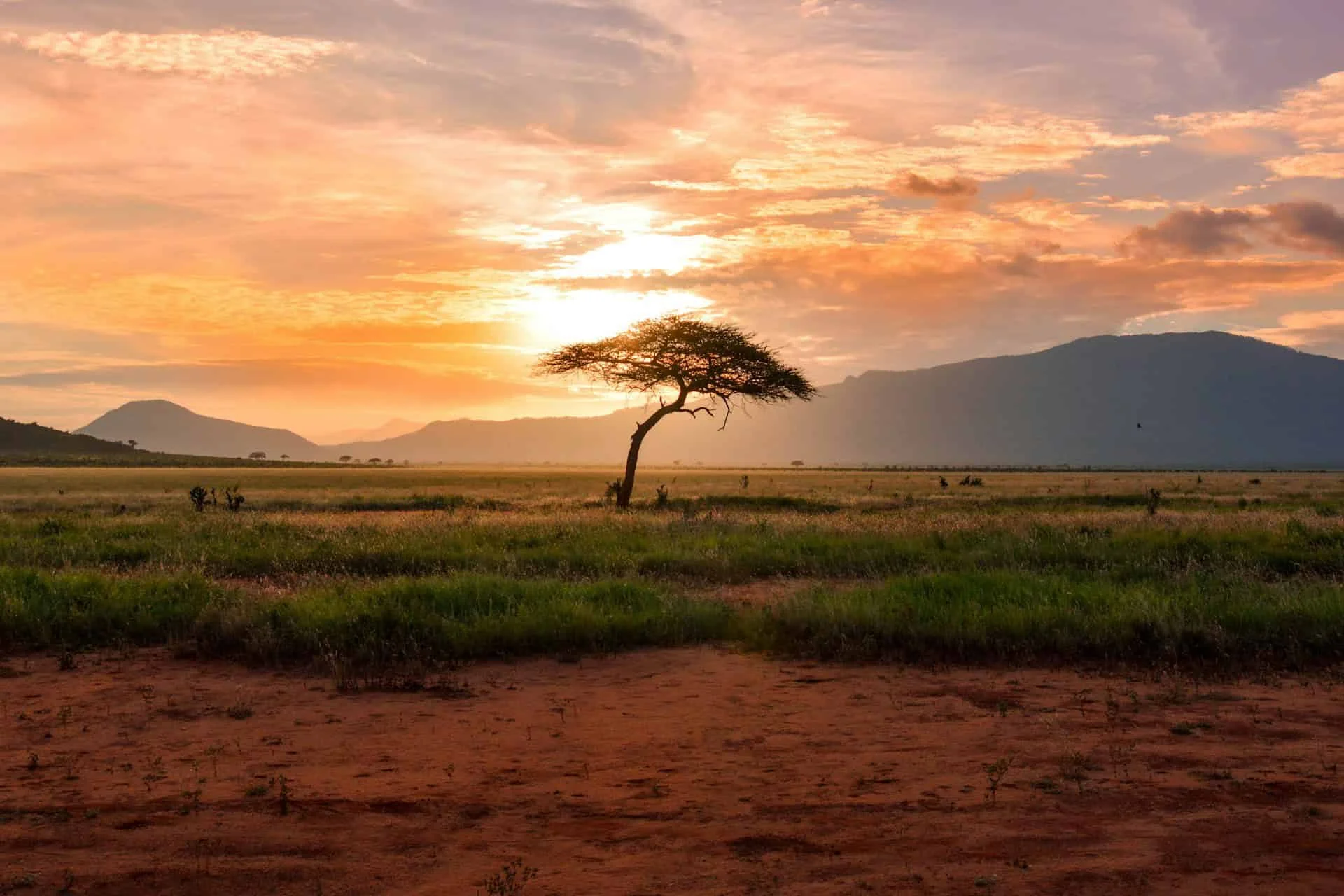
Kenya is the safari destination most travelers picture when they say "African safari" — the Out of Africa landscape, the Masai Mara at sunset, elephants under Kilimanjaro at Amboseli. The Mara holds the same migrating herds as the Serengeti for July through October — river crossings, big-cat density, predator action — and the logistics are gentler: most safari starts are a short flight from Nairobi rather than a long road transfer.
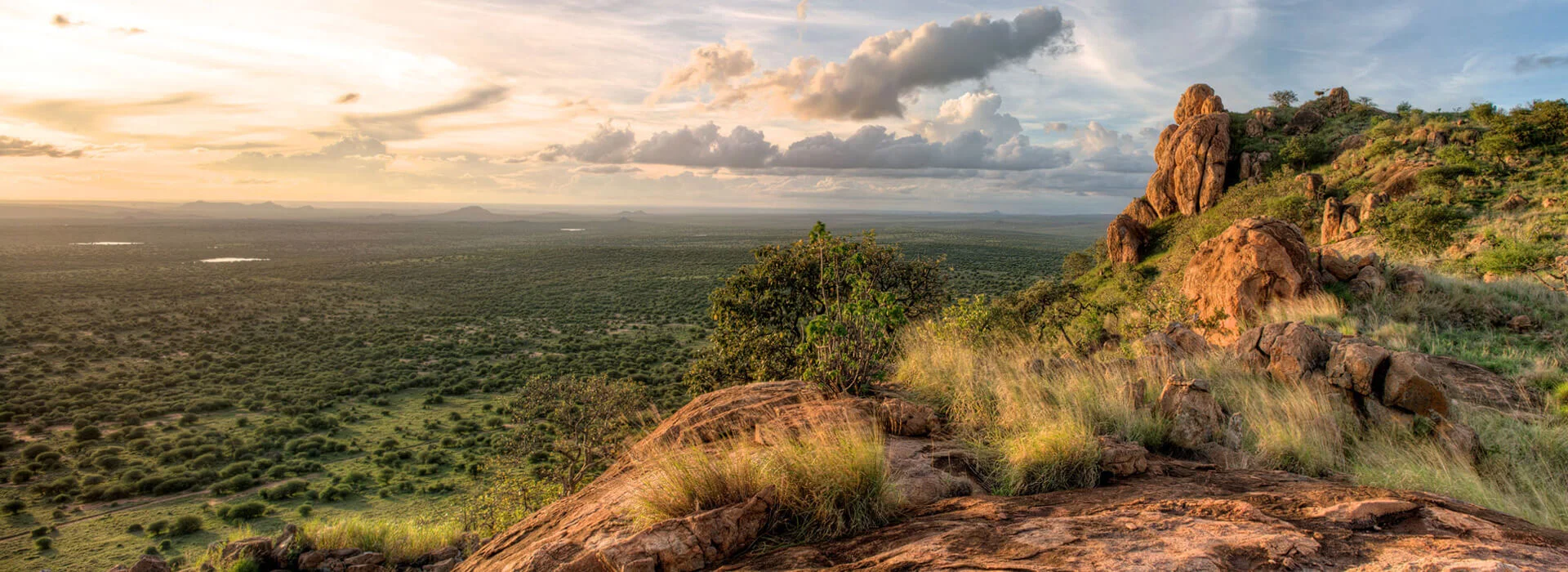
North of the Mara-Amboseli circuit, Kenya opens into Laikipia's private conservancies (Ol Pejeta, Lewa, Borana — rhino strongholds and walking-safari country) and Samburu's drier landscapes, home to the Special Five: Grevy's zebra, reticulated giraffe, Beisa oryx, Somali ostrich, and gerenuk. These are the trips for travelers who want fewer vehicles, walking and night drives, and bigger conservation stories than the classic parks allow.
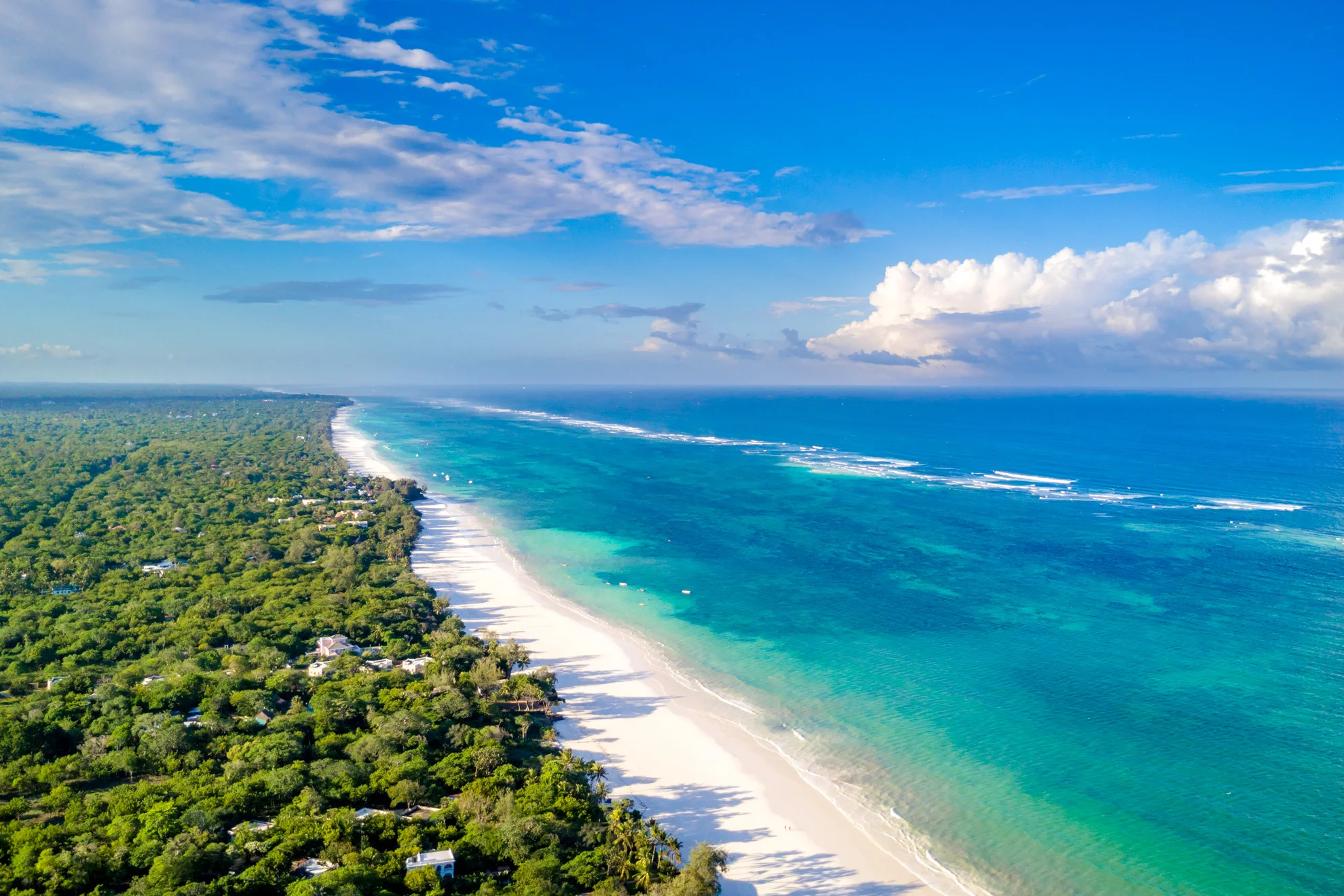
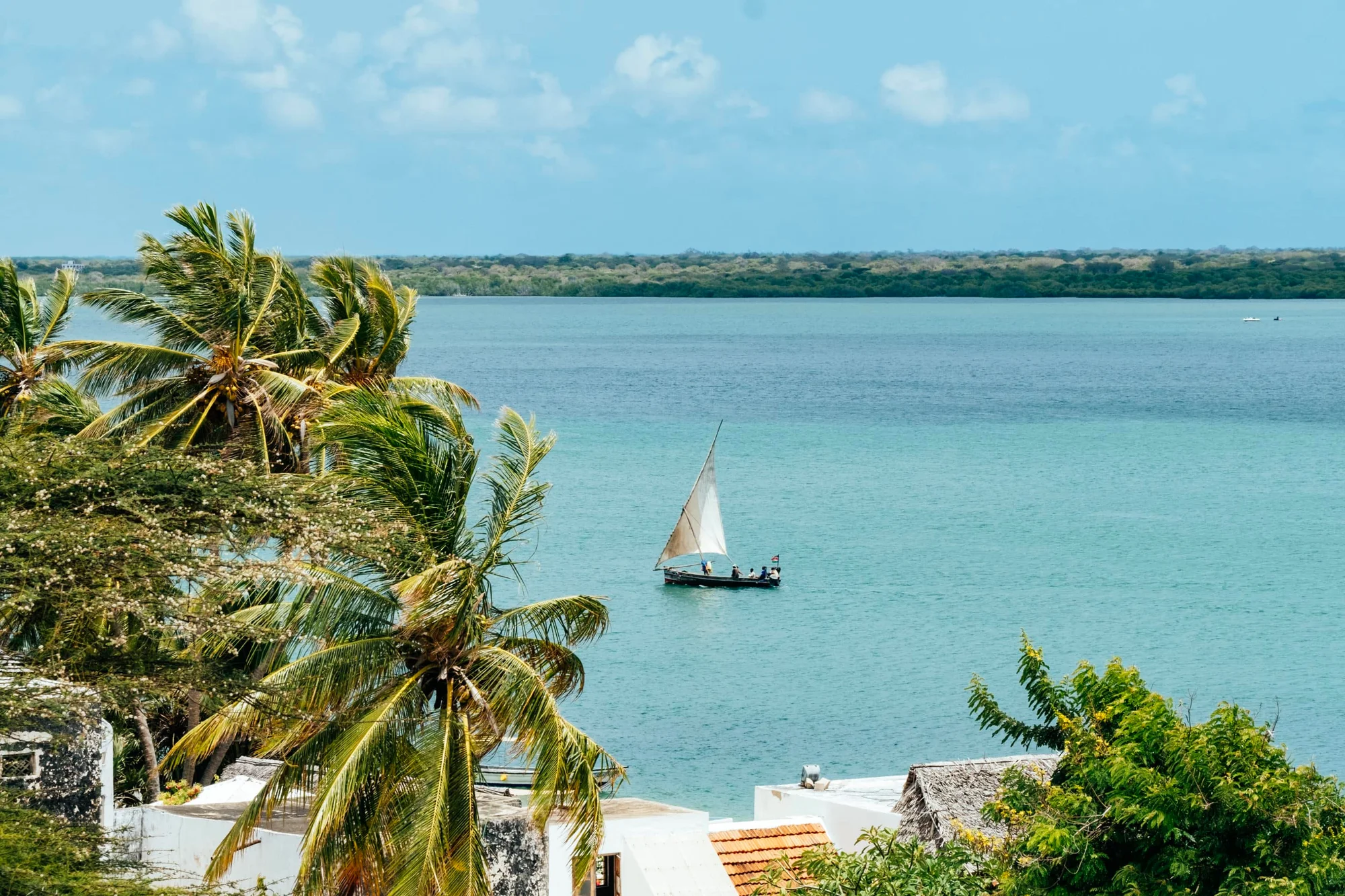
Off the mainland, the Indian Ocean coast — Diani, Watamu, Lamu — pairs into a safari trip with one short flight from Nairobi or the Mara. Tropical Swahili culture, coral reefs, dhow sailing, and the kind of laid-back beach week that finishes a safari properly. Lamu in particular is a UNESCO World Heritage town that feels closer to Zanzibar's Stone Town than to anything else on the East African coast.
Destinations phares
Voir toutes les destinations en Kenya →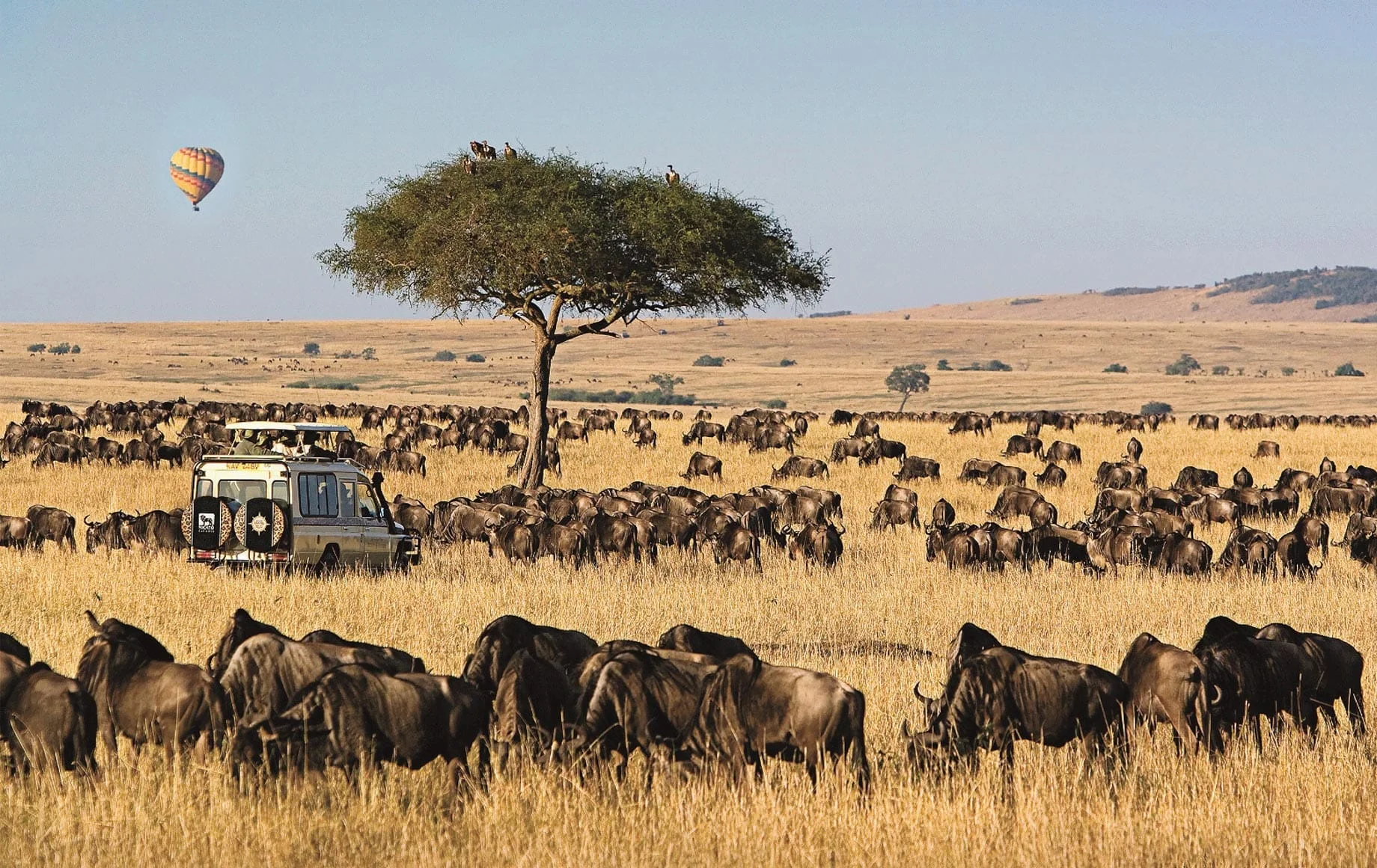
Expériences Emblématiques
Sélectionnez un thème pour voir tous les voyages correspondants.
Witness the Mara Migration
1.5 million wildebeest cross the Mara River from Tanzania into the Masai Mara every July through October — the most concentrated big-cat action on the continent.
Mara River crossings →Elephants under Kilimanjaro
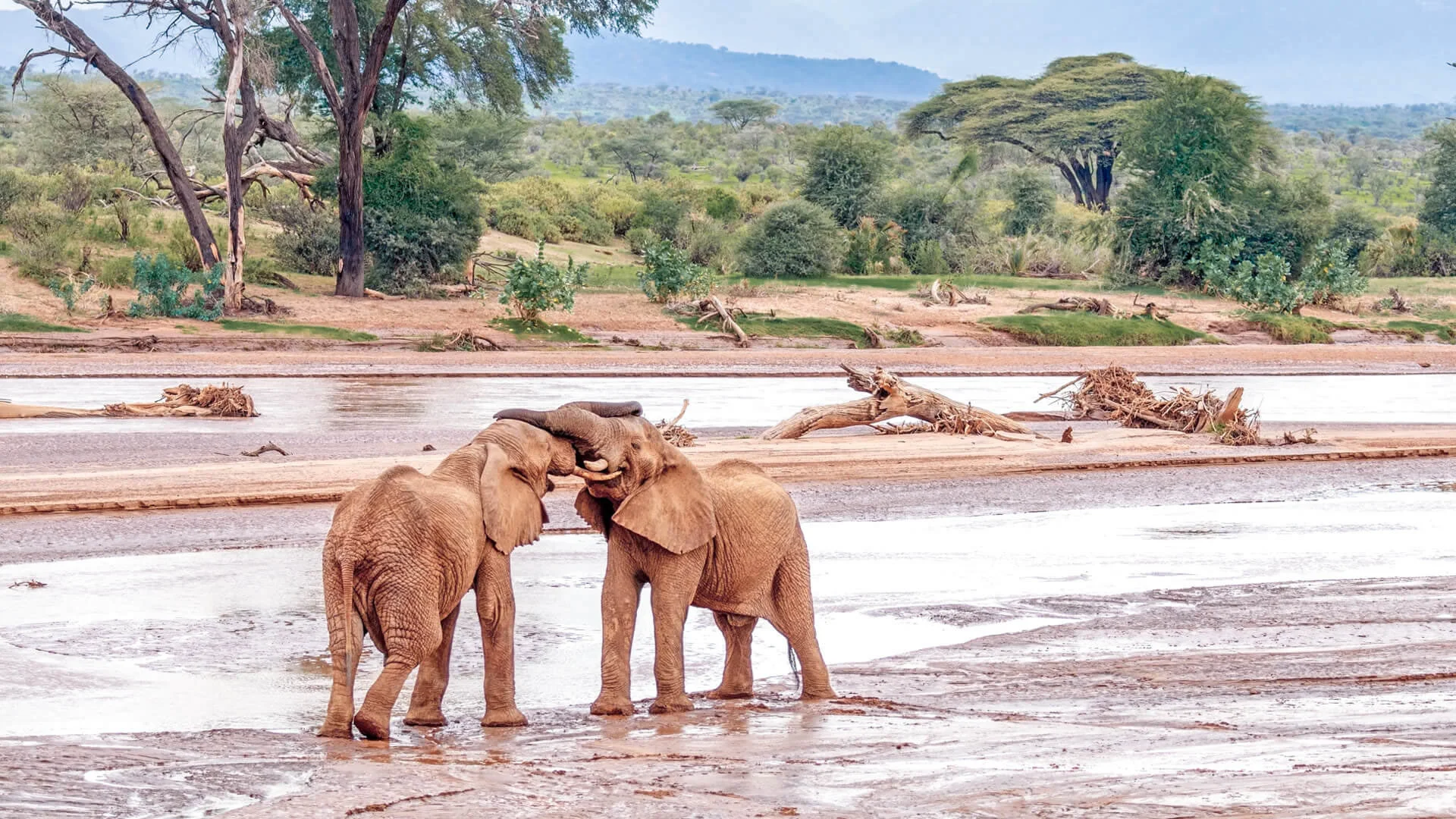
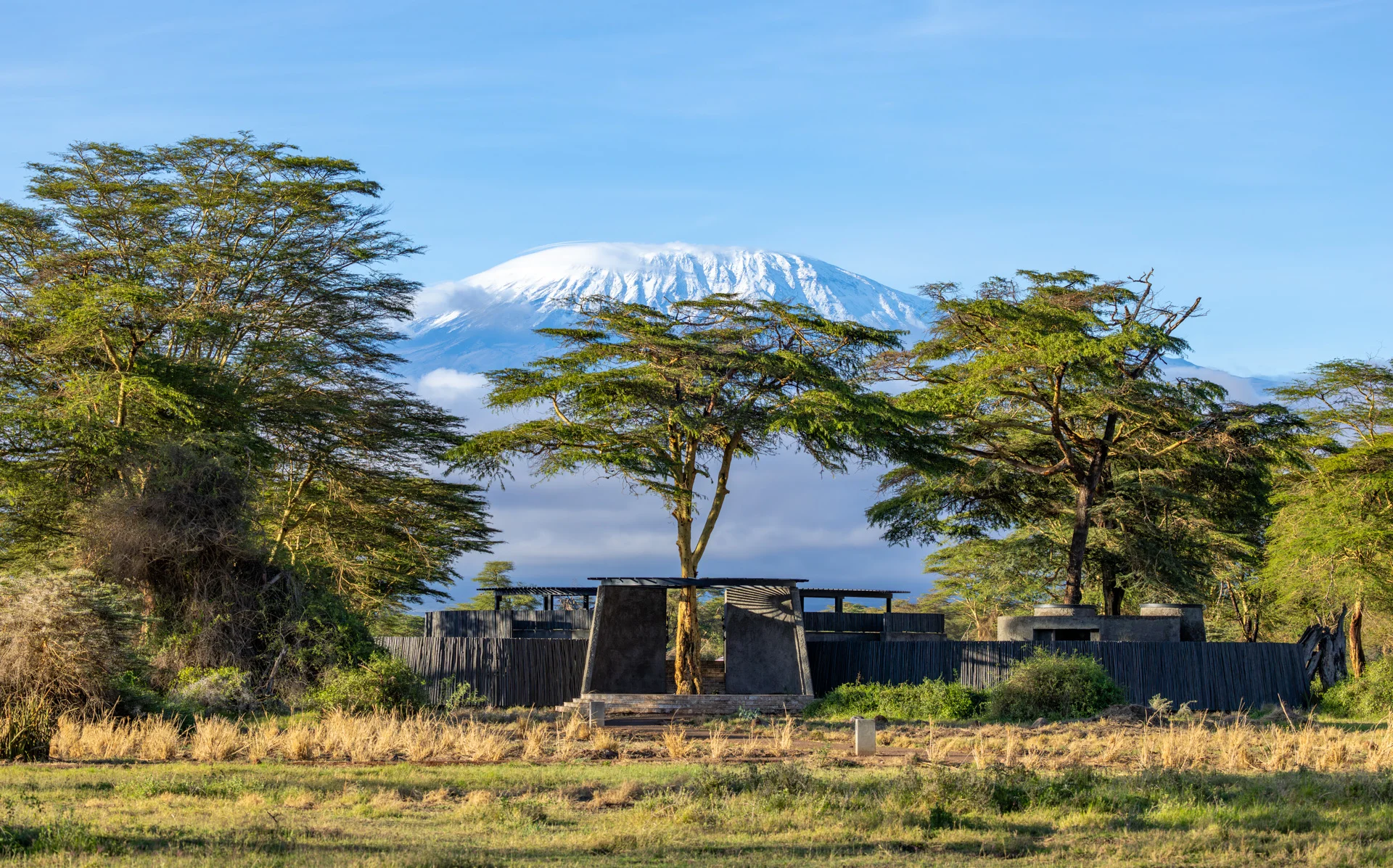
Amboseli's swamp-fed plains hold East Africa's largest tusker elephants — framed against the snow-capped summit of Kilimanjaro across the Tanzanian border.
Explore Amboseli →Rhinos and conservancies
Ol Pejeta, Lewa, Borana — Laikipia's private conservancies are rhino strongholds and the only places in Kenya you can walk with rangers, ride horseback, and do guided night drives.
Kenya conservancy safaris →The Northern Frontier
Samburu's arid scrub is home to the Special Five — Grevy's zebra, reticulated giraffe, Beisa oryx, Somali ostrich, and gerenuk — species you'll see nowhere else in East Africa.
Samburu & the Special Five →Safari + Indian Ocean
Finish your safari on the Kenyan coast — Diani's white-sand beaches, Watamu's coral reefs, or Lamu's UNESCO Swahili town — a 90-minute flight from the Mara, no backtracking through Nairobi.
Kenya coast extensions →Où séjourner
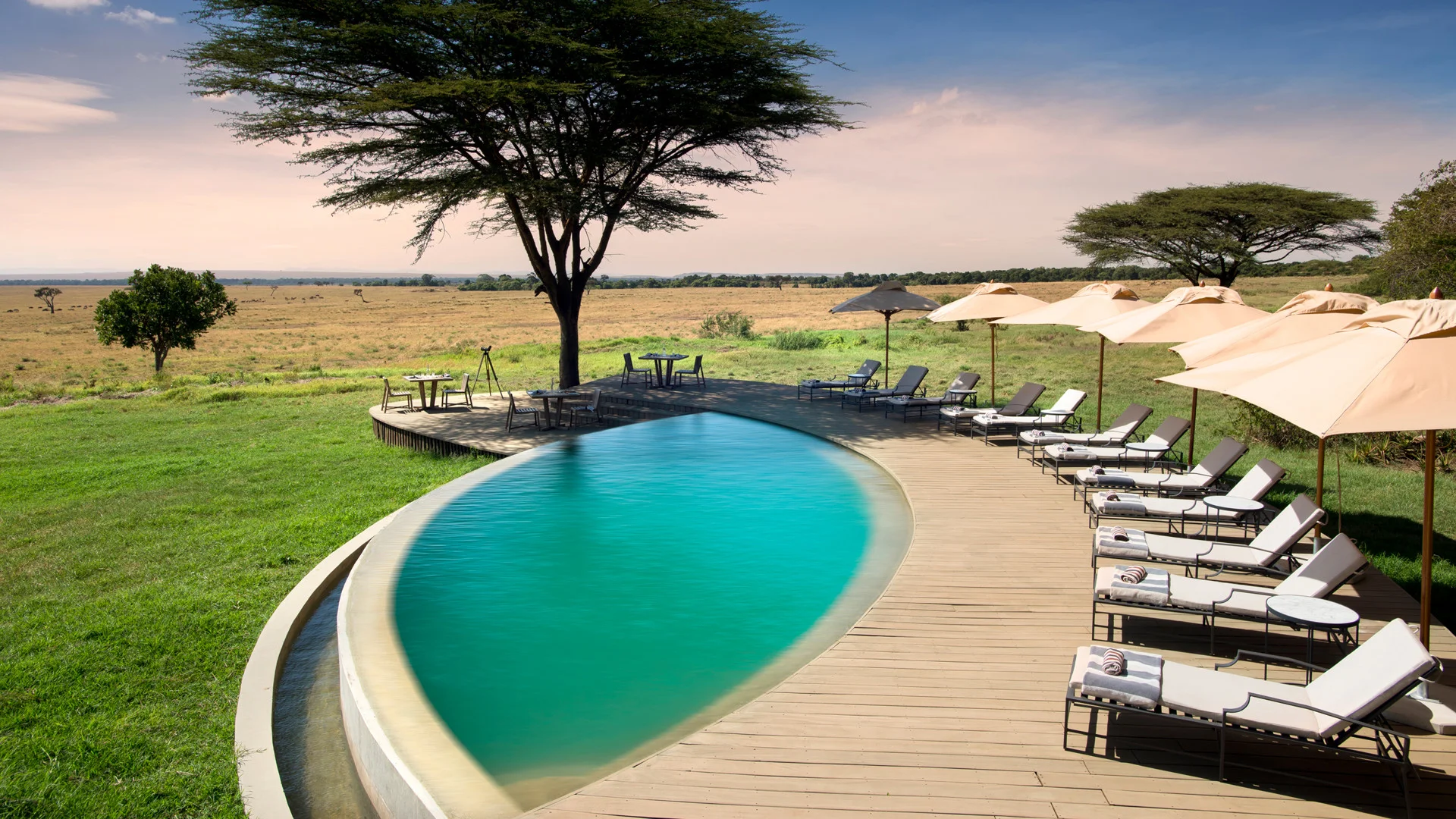
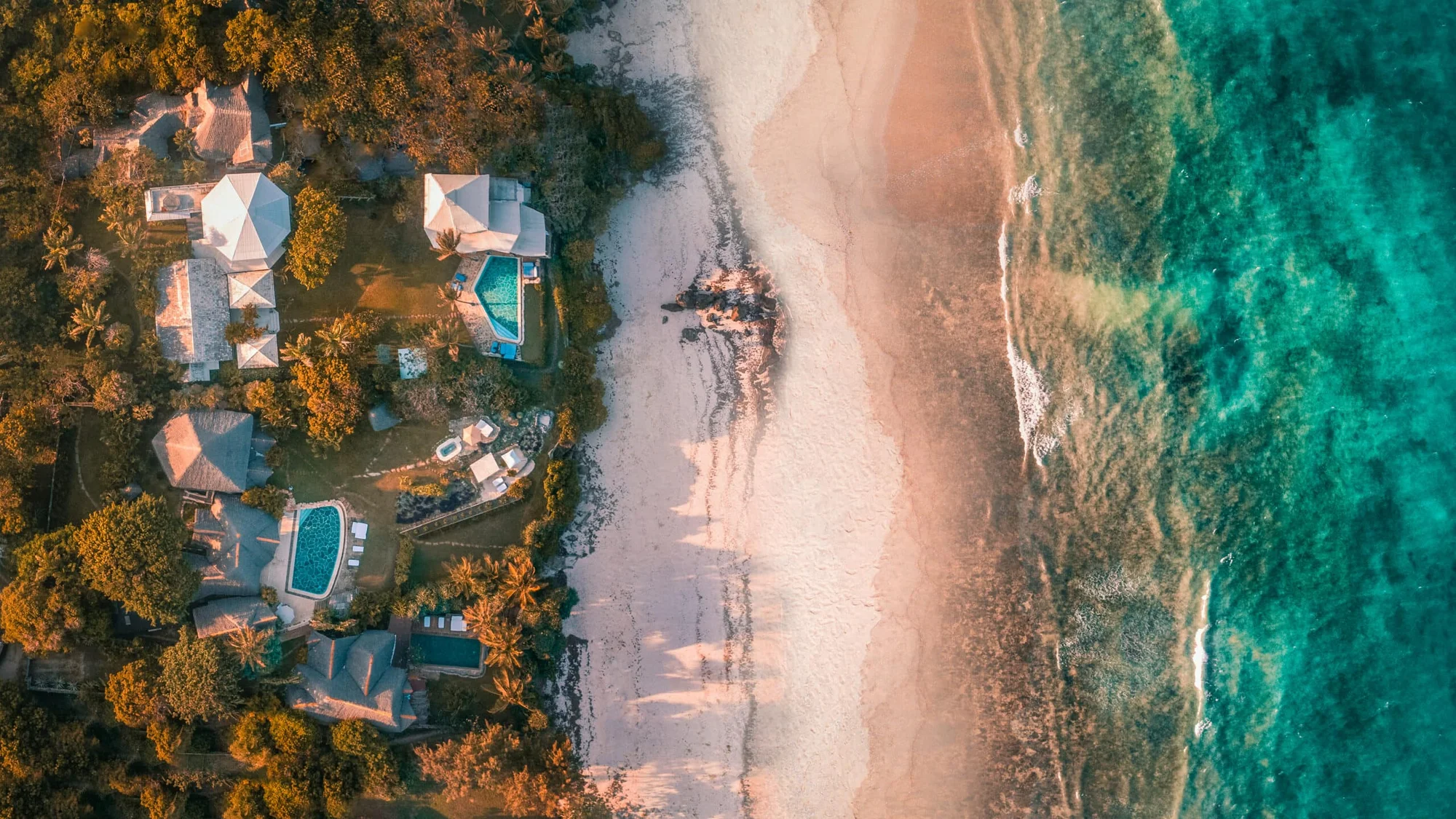
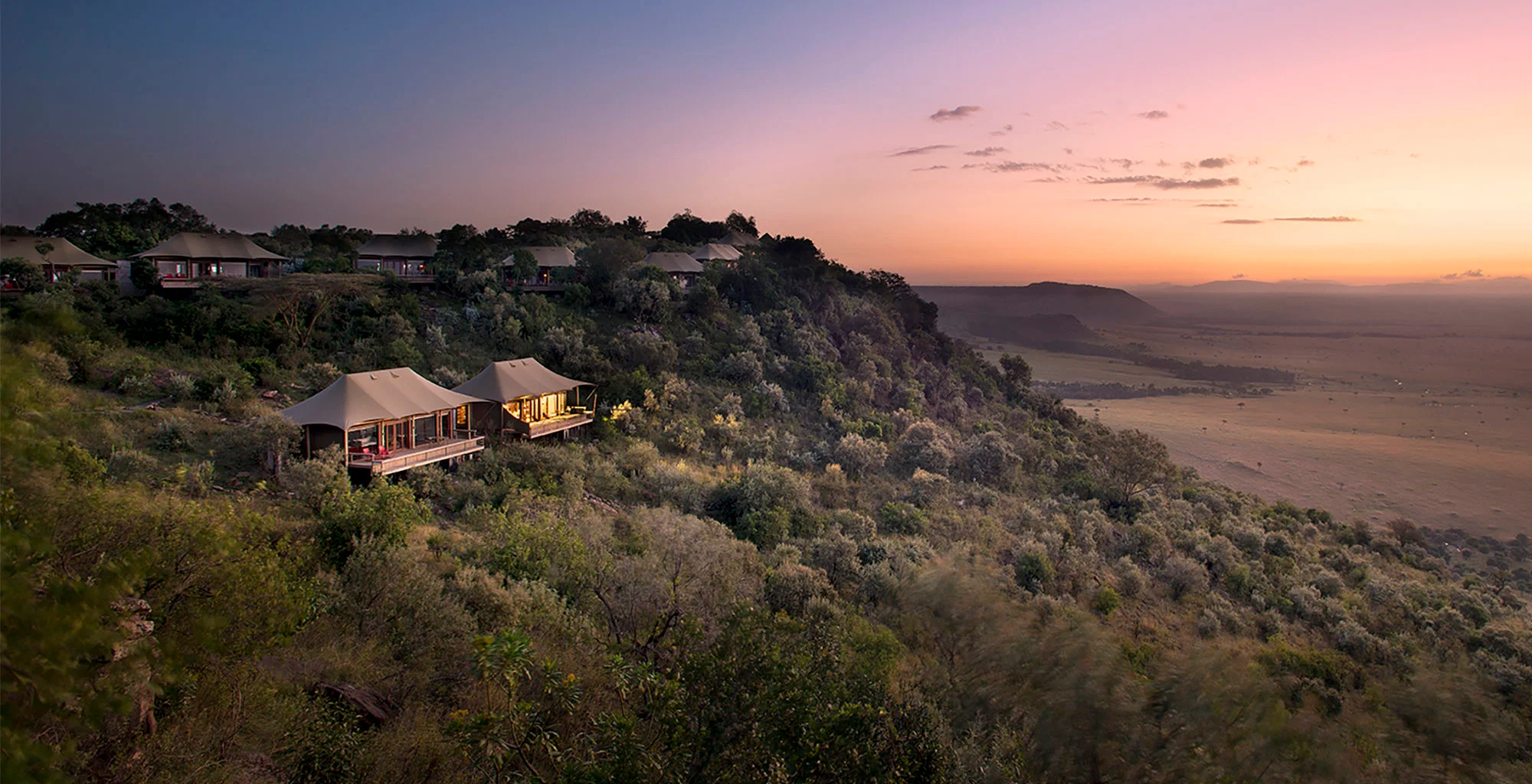
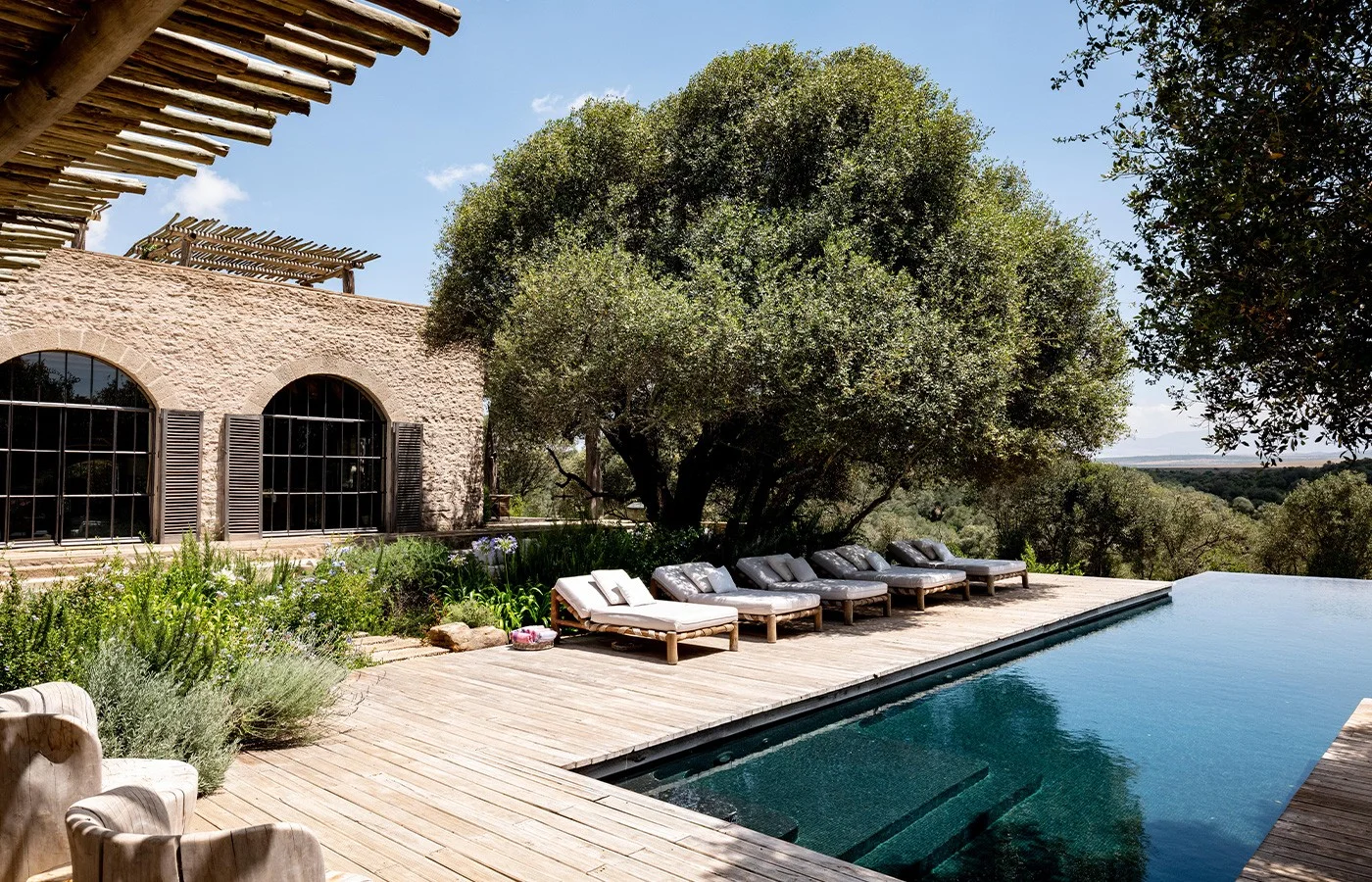
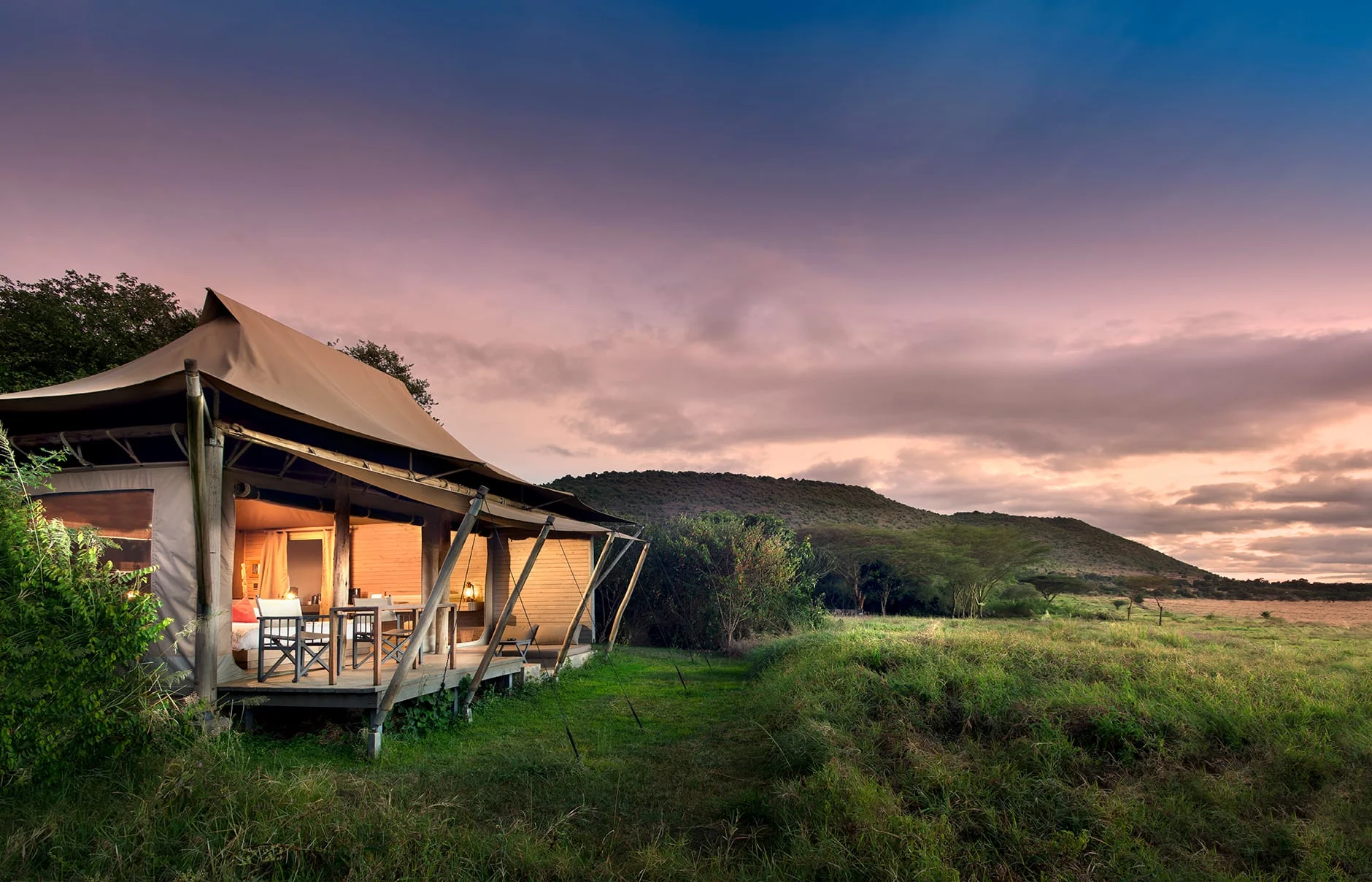
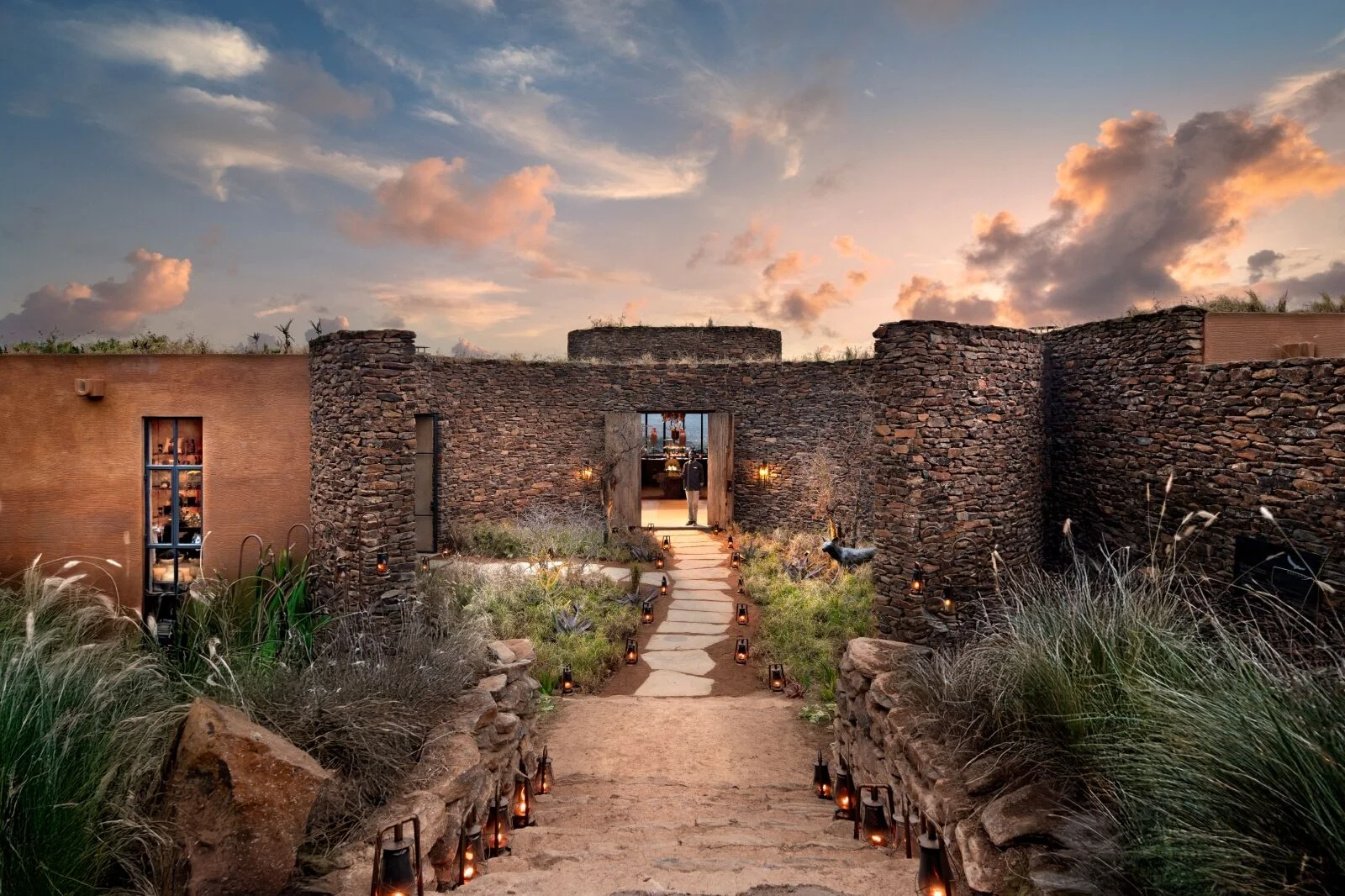
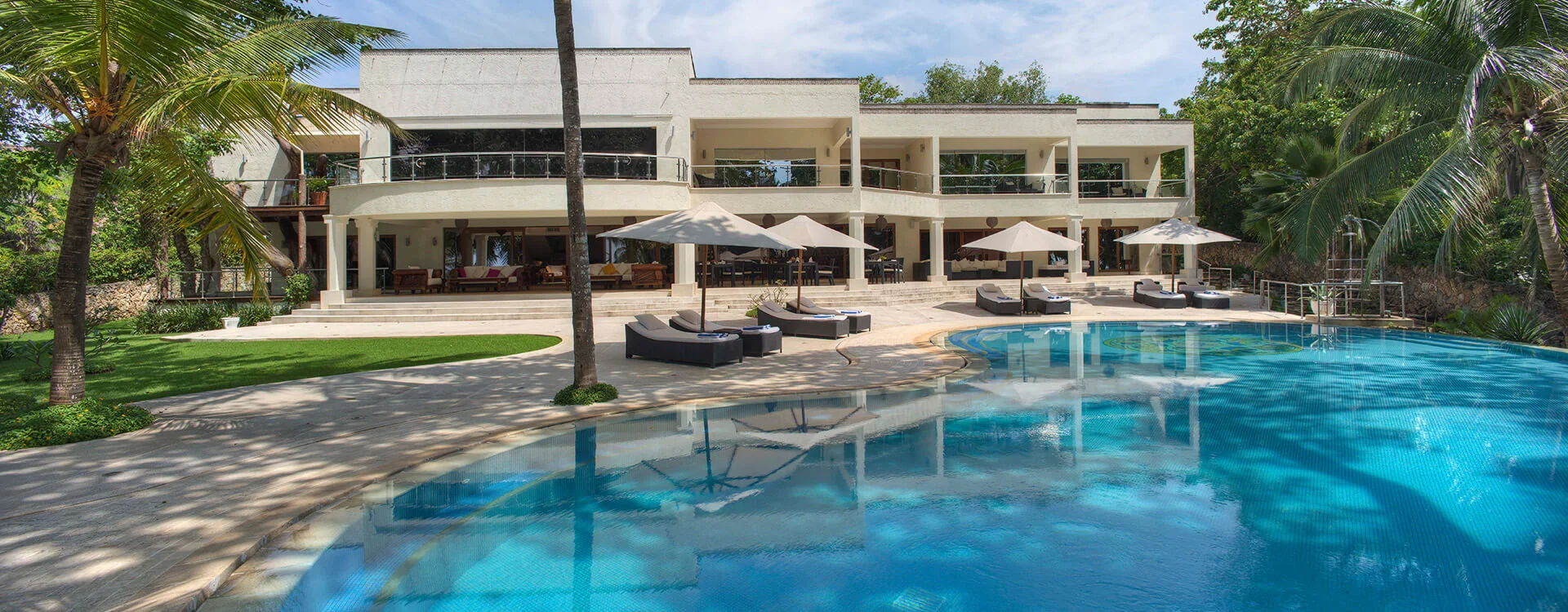
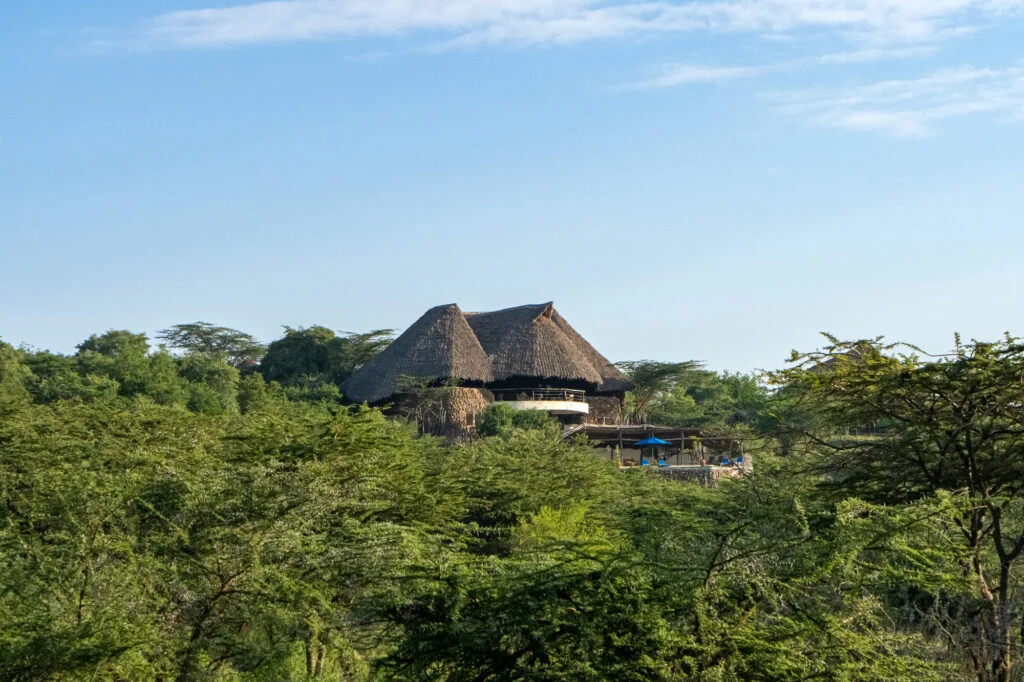
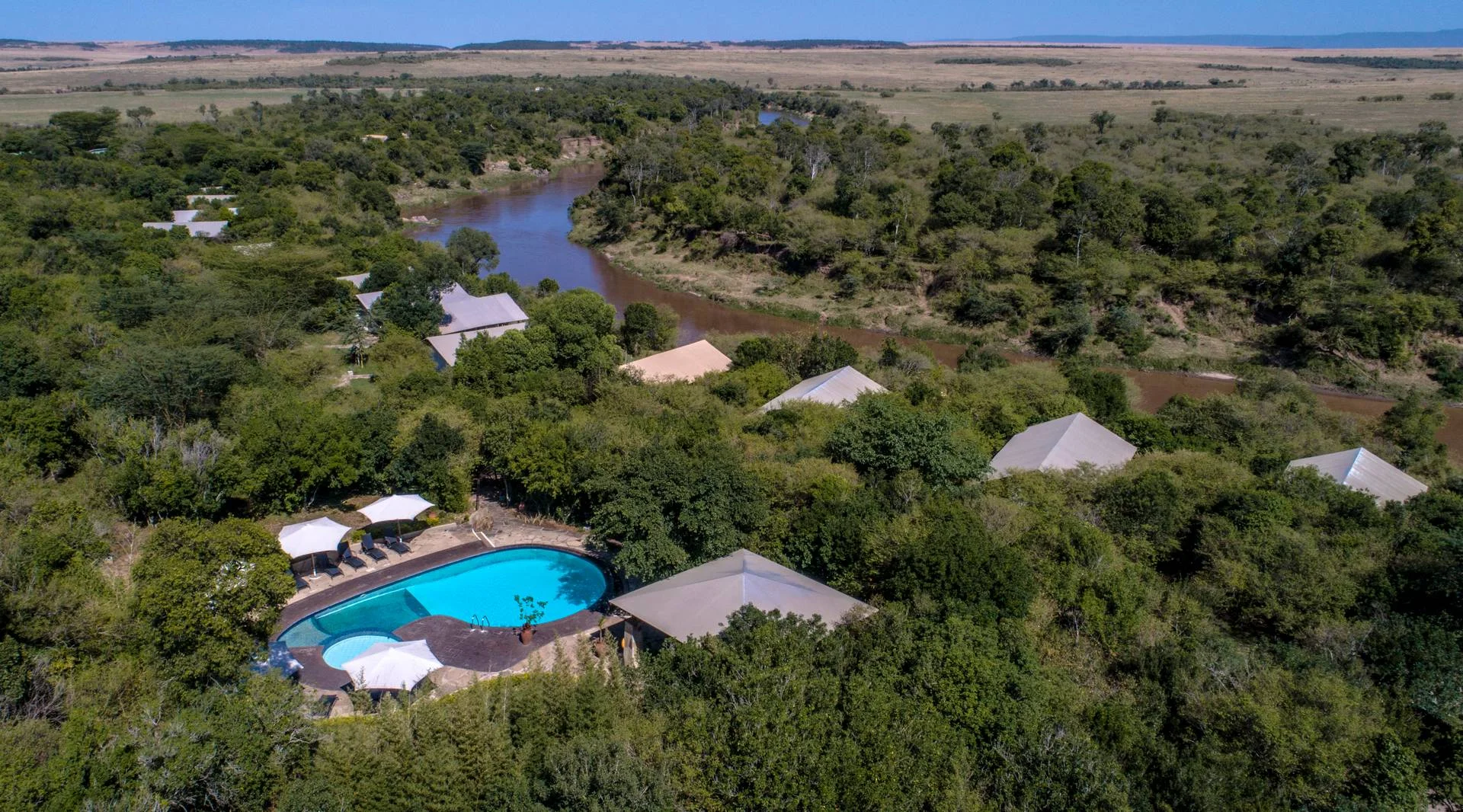
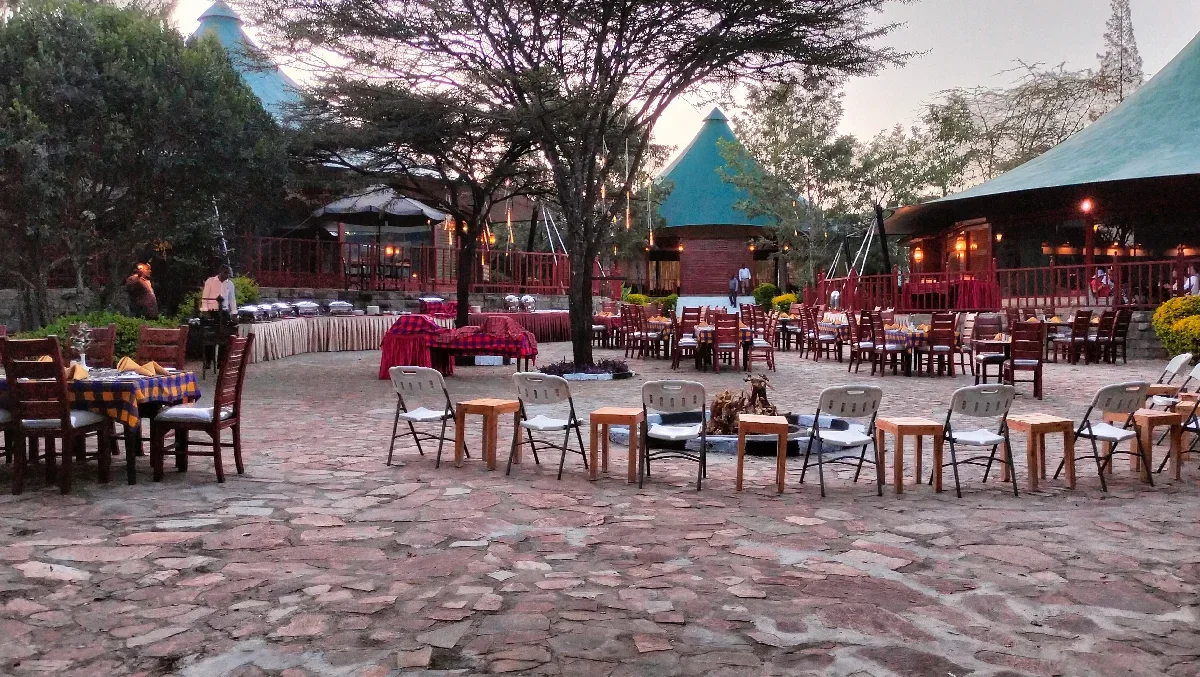
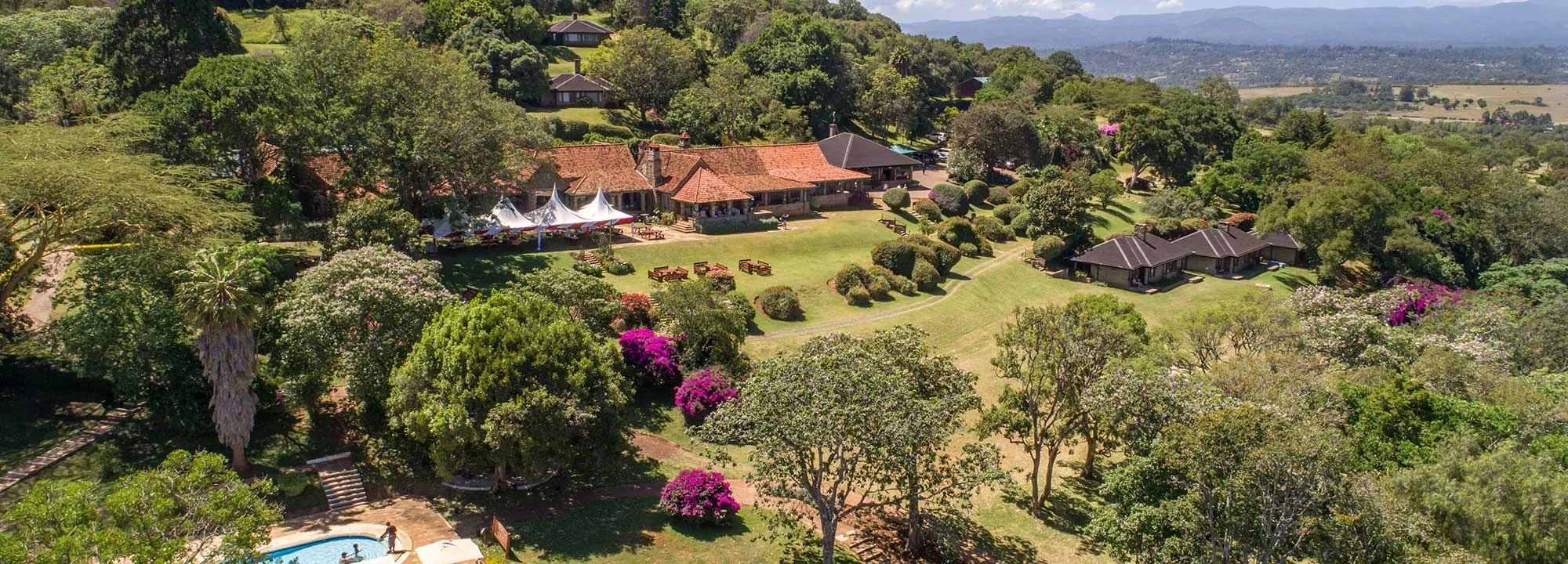
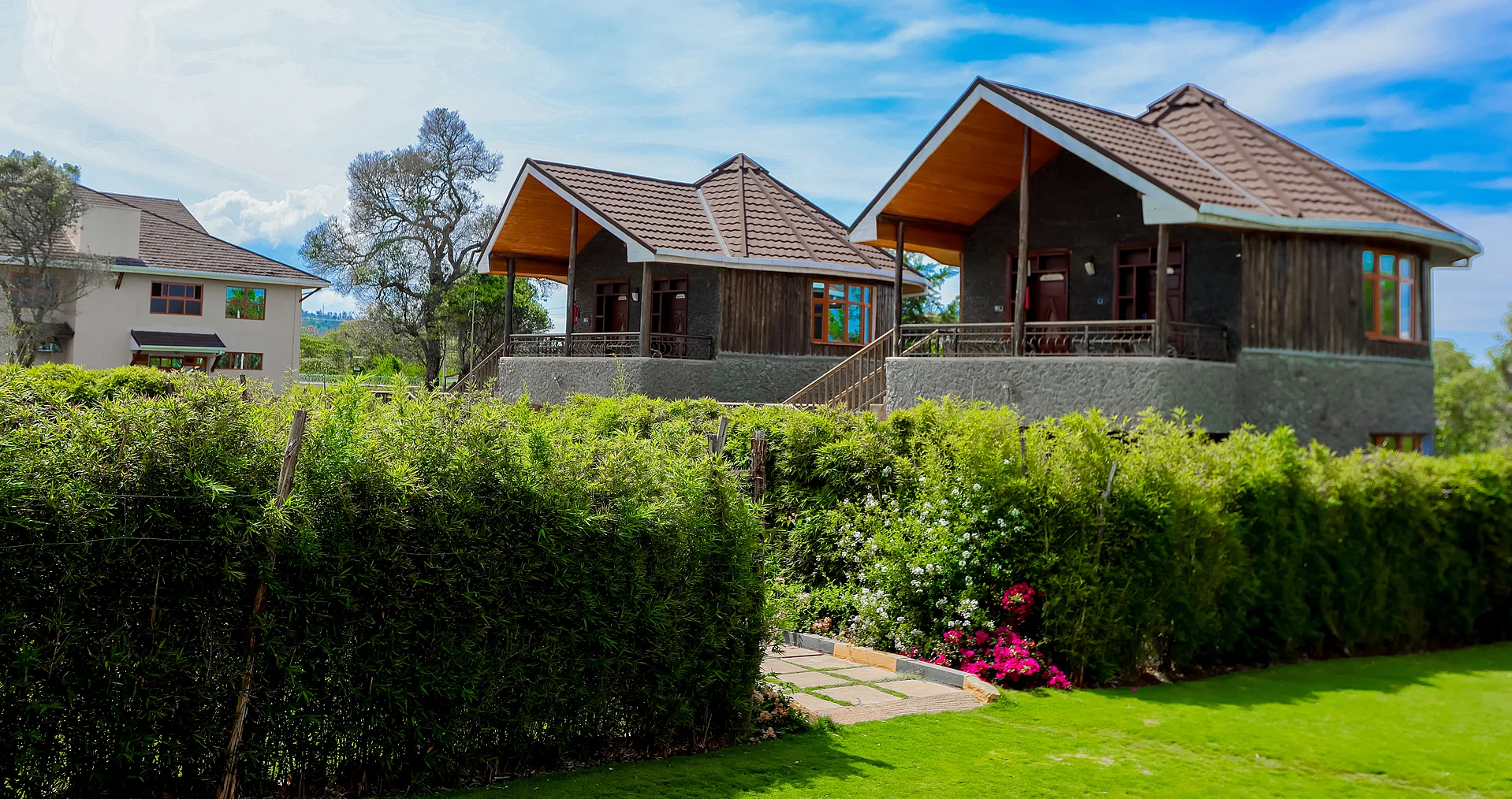
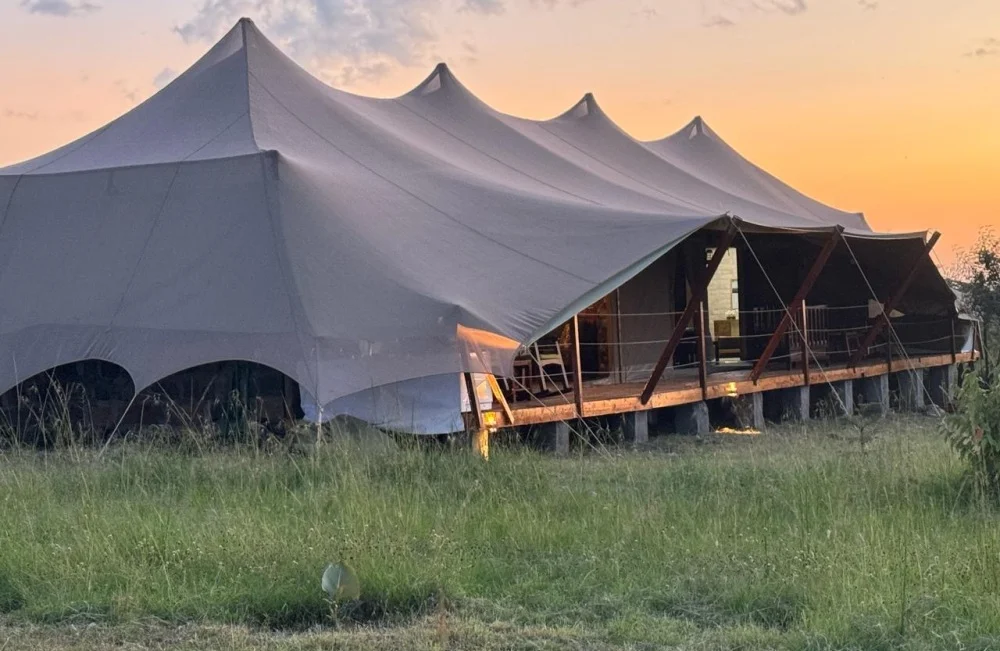
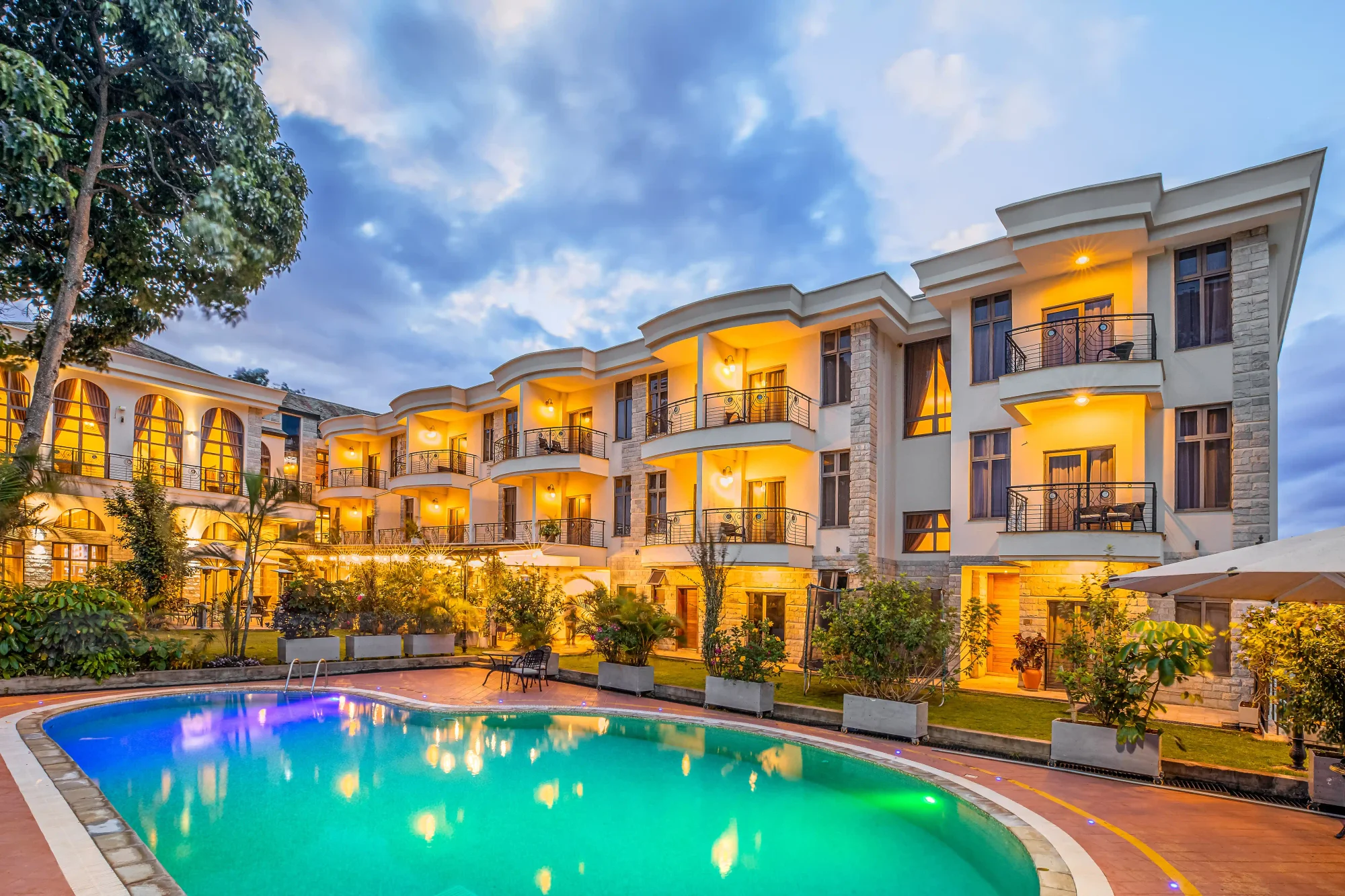
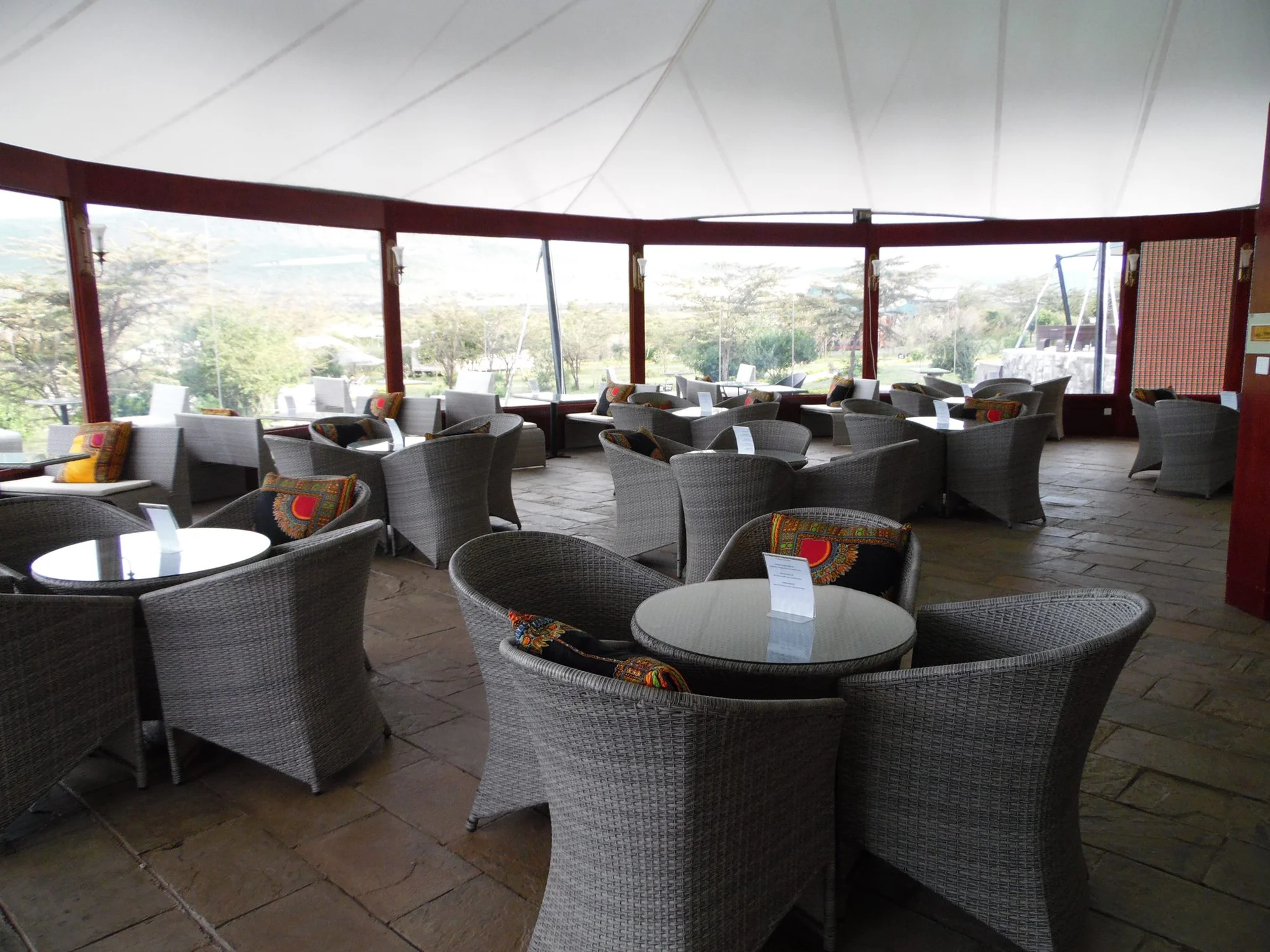
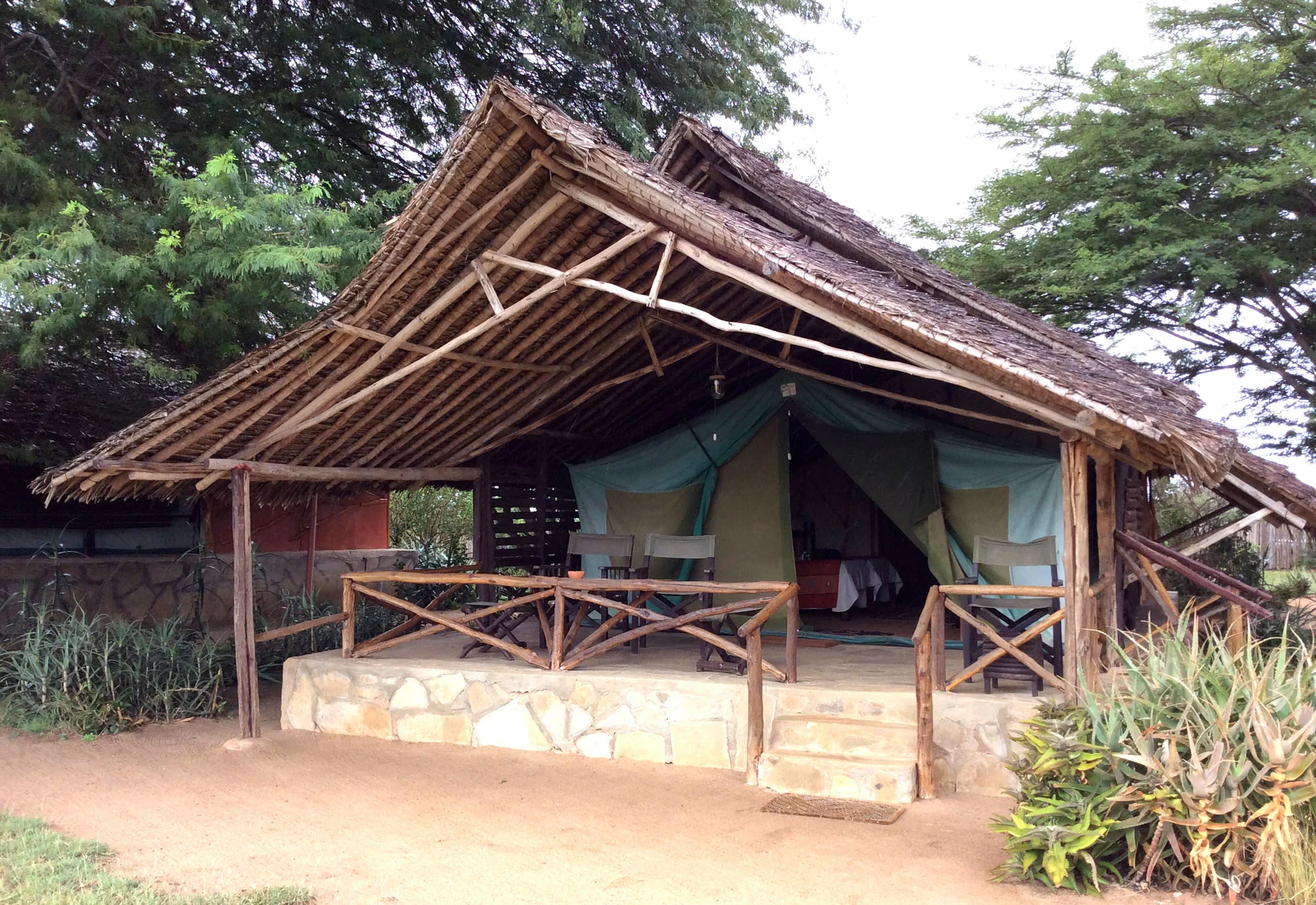
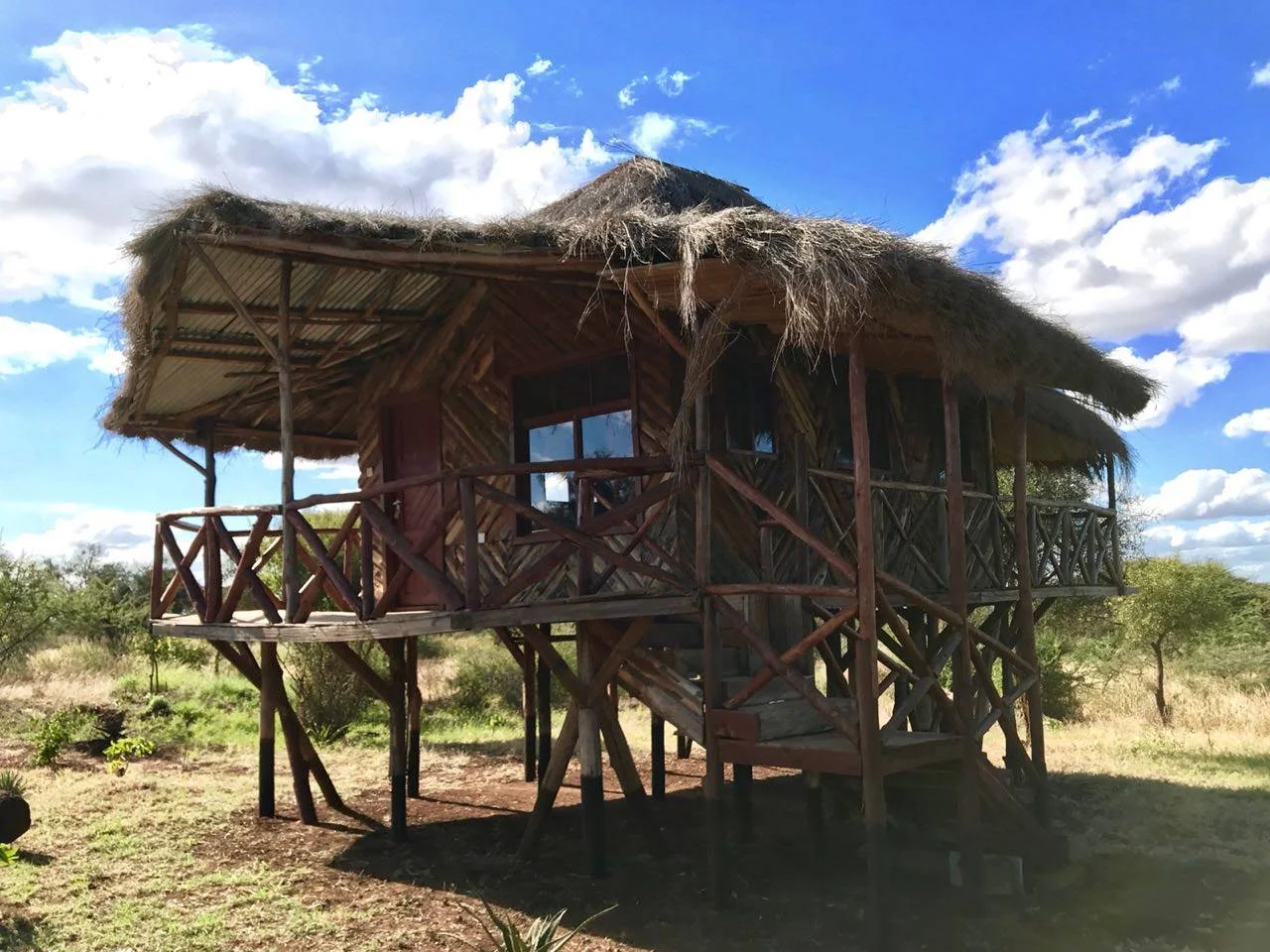
Voir 380 hébergements en Kenya →Lodges, camps sous tente, hôtels de plage et retraites en brousse — filtrez par catégorie, destination, réputation gastronomique et proximité du parc sur la page des hébergements au Kenya.
16 opérateurs touristiques vérifiés en Kenya
Entreprises locales basées en Kenya. Votre demande est transmise à un seul opérateur — pas d'agrégateur, pas de revente. Ils vous répondent directement.













Kenya en images
Meilleure période pour visiter Kenya
Chaque mois convient pour Kenya — mais l'expérience varie selon la saison. Les mois de haute saison sont plus chers et se réservent 6 à 9 mois à l'avance ; les mois intermédiaires offrent la même faune à prix réduit.
- JanHaute saison
Dry season. Clear Kilimanjaro views at Amboseli. Resident Mara wildlife abundant.
- FebHaute saison
Continued dry season. Hottest month at the coast — peak beach conditions.
- MarSaison intermédiaire
Long rains begin late month. Lower rates. Vegetation still green.
- AprBasse saison
Long rains. Coast monsoon. Some camps close; Mara remains accessible but muddy.
- MayBasse saison
Long rains continue. Camps reopen end of month. Best low-season rates of the year.
- JunSaison intermédiaire
Rains end. Dry season begins. Mara herd density rising as Serengeti herds approach.
- JulHaute saison
Migration river crossings begin into the Mara from Tanzania. Book conservancy lodges 9+ months ahead.
- AugHaute saison
Peak Mara crossings. Highest demand month — every camp full.
- SepHaute saison
Crossings continue. Best month for predator action — cubs, kills, hunts.
- OctHaute saison
Late-season crossings. Herds drift back toward Tanzania late month. Still excellent.
- NovSaison intermédiaire
Short rains. Bird migrants arrive. Lower rates and clearer afternoons.
- DecHaute saison
Holiday peak. Dry season returning. Mara remains rich; coast back in peak form.
Questions sur Kenya
Les questions que les voyageurs nous posent le plus souvent avant de réserver un voyage en Kenya.
When is the best time to visit Kenya?
Jul–Oct is the classic peak — Mara River crossings, dry-season game viewing, clear skies, and the highest prices and demand. Jan–Feb is a second peak — dry, clear Amboseli Kilimanjaro views, resident Mara wildlife abundant, and excellent coast weather. Apr–May is the long rains — many camps close, but rates drop sharply and the Mara remains accessible.
How does Kenya compare to Tanzania for safari?
Kenya is generally simpler logistically — most parks are a short flight from Nairobi, while Tanzania's southern circuit requires a separate trip from Dar es Salaam. The Masai Mara and Serengeti share the same migration; the difference is the Mara is smaller and denser, so big-cat sightings come faster. Tanzania has more variety (Ngorongoro Crater, Kilimanjaro, Zanzibar, the wild south); Kenya has stronger conservancies and the better coast for culture.
How much does a Kenya safari cost?
Mid-range safaris start around $400–500 per person per day all-inclusive. Luxury averages $800–1,500 per person per day. Ultra-luxury private conservancies in Laikipia or the Mara (Cottar's, Mara Plains, Solio, Segera Retreat) run $1,500–3,500+ per person per day. Park fees ($100/day for the Mara Reserve, $80/day for Amboseli, conservancy fees on top in Laikipia) are included in every reputable operator quote.
Do I need a visa to visit Kenya?
Most travelers now need an Electronic Travel Authorization (ETA) — applied online at etakenya.go.ke at least 3 days before arrival, $30, single-entry, valid 90 days. The old visa-on-arrival counter has been closed since 2024. East African Tourist Visa ($100) covers Kenya, Uganda, and Rwanda for 90 days — useful if combining trips. US passport holders are eligible for the standard ETA.
Is Kenya safe?
The safari circuits — Mara, Amboseli, Laikipia, Samburu, coast — are very low-crime. Standard precautions in Nairobi (use ride-hailing not street taxis, avoid downtown at night). Malaria prophylaxis recommended for the safari circuits and coast. Yellow fever certificate required if arriving from an endemic country. Good travel insurance with emergency-evacuation cover is essential — distances are large and bush airstrips are remote.
Can I combine a Kenya safari with the coast?
Yes — and it's a common shape. Spend 5–8 days on safari (Mara, Amboseli, Laikipia, or a combination), then a 90-minute flight from Wilson Airport in Nairobi direct to Diani, Watamu, or Lamu. 4–6 nights on the coast is comfortable. Diani is the busiest with the most resorts; Watamu has the best snorkelling and a more local feel; Lamu is the cultural finale — a UNESCO Swahili town with no cars, just dhows and donkeys.
What's the difference between Masai Mara conservancies and the national reserve?
The Masai Mara National Reserve is the central, government-managed core — best wildlife density, also the busiest, with high vehicle counts during the migration. The surrounding private conservancies (Mara North, Olare Motorogi, Naboisho, Mara Triangle) limit vehicles per sighting, permit night drives and walking safaris, and share revenue directly with the Maasai landowners. Conservancy stays cost 20–40% more but feel like a different (and arguably better) safari.
À explorer aussi
Tanzania
Africa's safari heartland — the Great Migration, the Big Five, Kilimanjaro, and Zanzibar.
Ouvrir →Prêt à planifier votre voyage en Kenya ?
Dites-nous en gros ce que vous souhaitez — dates, taille du groupe, style. Nous l'envoyons à un seul opérateur local vérifié. Il vous répond avec un vrai devis sous 24 heures. Pas d'agrégateurs, pas de revente.