 Tours
Tours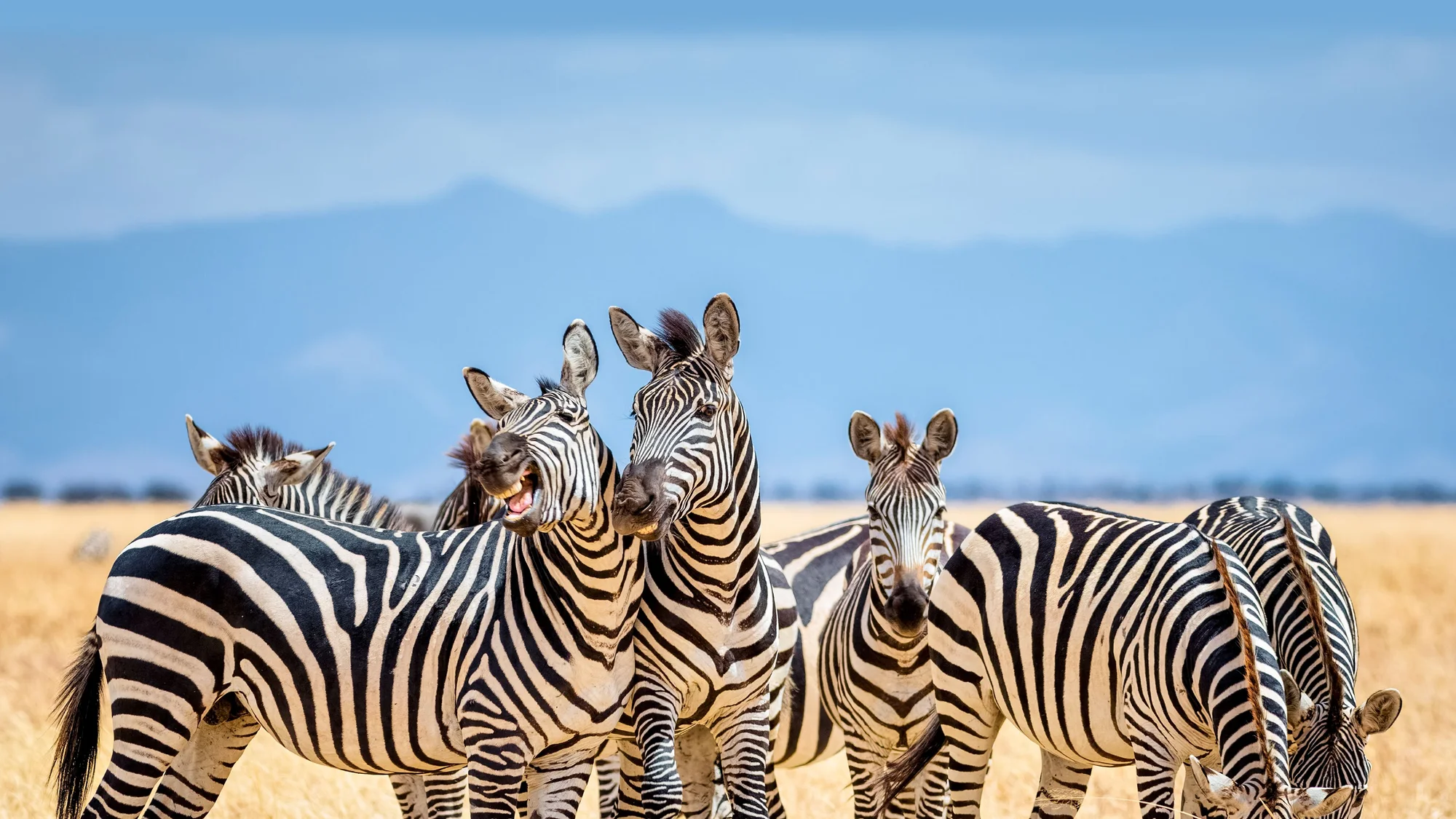
NoMiddleManTours · Jun 22, 2026 · 11 min read
A guide-grade look at zebras in Tanzania — the one species you will see (plains zebra, not Grevy's), where and when herds peak, why they march at the very front of the Great Migration, when foals are born, and what the stripes are actually for.
Zebras are the animal most people forget to plan for and the one they end up photographing most — they are everywhere on a Tanzania safari, in herds of a few dozen on the crater floor and in columns tens of thousands strong on the Serengeti plains. But there is far more to them than a striped horse in the background. In Tanzania you will see exactly one species, the plains zebra, and that single species does something genuinely important: it walks at the very front of the Great Migration, cropping the long grass so the wildebeest behind it can feed. This guide covers where and when to find them, the grazing partnership that makes them the migration's vanguard, when and where foals drop, and the real answer to what the stripes are for.
 Destination
Serengeti National Park
national_park
The short answer: which zebra, where, and when#
Tanzania has only one zebra: the plains zebra (Equus quagga, long known as Burchell's zebra). It is the broad-striped, year-round resident you will see across the northern circuit. The narrow-striped, big-eared, endangered Grevy's zebra that people sometimes ask about is a Kenyan and Ethiopian animal — found in Samburu and Laikipia, not in Tanzania at all. So if you have read about two kinds of zebra, only one is on the table here, and it is the abundant one.
Here is the at-a-glance version before the detail.
| Where | Zebra density | Best months | Why |
|---|---|---|---|
| Southern Serengeti (Ndutu) | Very high (Dec–Mar) | Dec–Mar | Calving herds gather; zebra foal alongside wildebeest |
| Western Serengeti (Grumeti) | Very high (Jun–Jul) | Jun–Jul | Migration columns cross the Grumeti River |
| Northern Serengeti (Kogatende) | Very high (Jul–Oct) | Jul–Oct | Mara River crossings; zebra often cross first |
| Central Serengeti (Seronera) | Moderate, resident | Year-round | Resident herds; not migration-dependent |
| Ngorongoro Crater floor | Moderate, resident | Year-round | Enclosed grassland holds a permanent population |
| Tarangire | Moderate to high | Jun–Oct (dry) | Concentrate at the river with the dry-season game |
The planning takeaway: you do not need to chase zebra — any northern-circuit itinerary will show you thousands. What you can choose is the spectacle. To stand inside a migration column of zebra and wildebeest, match the month to the sub-region. Serengeti park entry is US$82.60 per adult per day, all gates run 6 AM to 6 PM, and there is no driving inside the park after dark.
One species, and why that matters#
Settling the species question is worth a paragraph because it shapes expectations. The plains zebra is the most widespread and numerous of the world's three zebra species, and the population that flows through the Serengeti–Mara ecosystem — roughly 200,000 to 250,000 animals — is one of the largest concentrations of wild equids left on Earth. They are stocky, with bold stripes that run all the way under the belly, and a shadow stripe (a fainter grey line between the black stripes) on the rump that helps separate them from the now-extinct quagga and from Grevy's.
What you will not see in Tanzania is the Grevy's zebra: taller, with pinstripe-fine stripes, a white belly and rounded mouse-like ears. That animal needs the arid scrub of northern Kenya. The distinction matters because the two behave differently — Grevy's are loosely social and territorial; plains zebra live in tight, permanent family groups, called harems, of one stallion, several mares and their foals, and it is those harems, stitched together into vast aggregations, that make the migration move.
The insider truth: zebra are the vanguard of the migration#
Here is the thing almost no first-time visitor knows, and the single most useful fact in this article. In the Great Migration, zebra do not just travel alongside the wildebeest — they go first, and they go first for a reason rooted in their guts.
Zebra are hindgut fermenters with a simple, fast digestive system. They can eat the tall, coarse, low-protein tops of grasses that wildebeest cannot process efficiently. So a zebra herd moves into fresh long grass, crops the upper, fibrous layer, and in doing so exposes the shorter, greener, more nutritious shoots underneath — exactly the part the wildebeest, with their tidy mouths built for short grass, need. The wildebeest follow days later and graze the layer the zebra opened up; the smaller gazelles come last and take the lowest, freshest regrowth. Ecologists call this grazing succession, and it runs front to back: zebra, then wildebeest, then Thomson's gazelle.
It is a genuine division of labour, not a coincidence of timing. The zebra's tougher digestion lets it act as the herd's advance scout and its lawnmower at once. There is a second payoff: zebra have excellent eyesight and long memories for routes and waterholes, while wildebeest are famously poor navigators that respond to rain and the smell of distant storms. Travelling with zebra effectively gives the wildebeest a guidance system. A good guide will point this out when you are parked beside a moving column — watch the leading edge and it is very often zebra, with the dark river of wildebeest pressing up behind. Ndutu in the calving months and the Grumeti woodlands in June and July are two of the best places to watch this front-to-back order play out at close range.
 Ultra Luxury
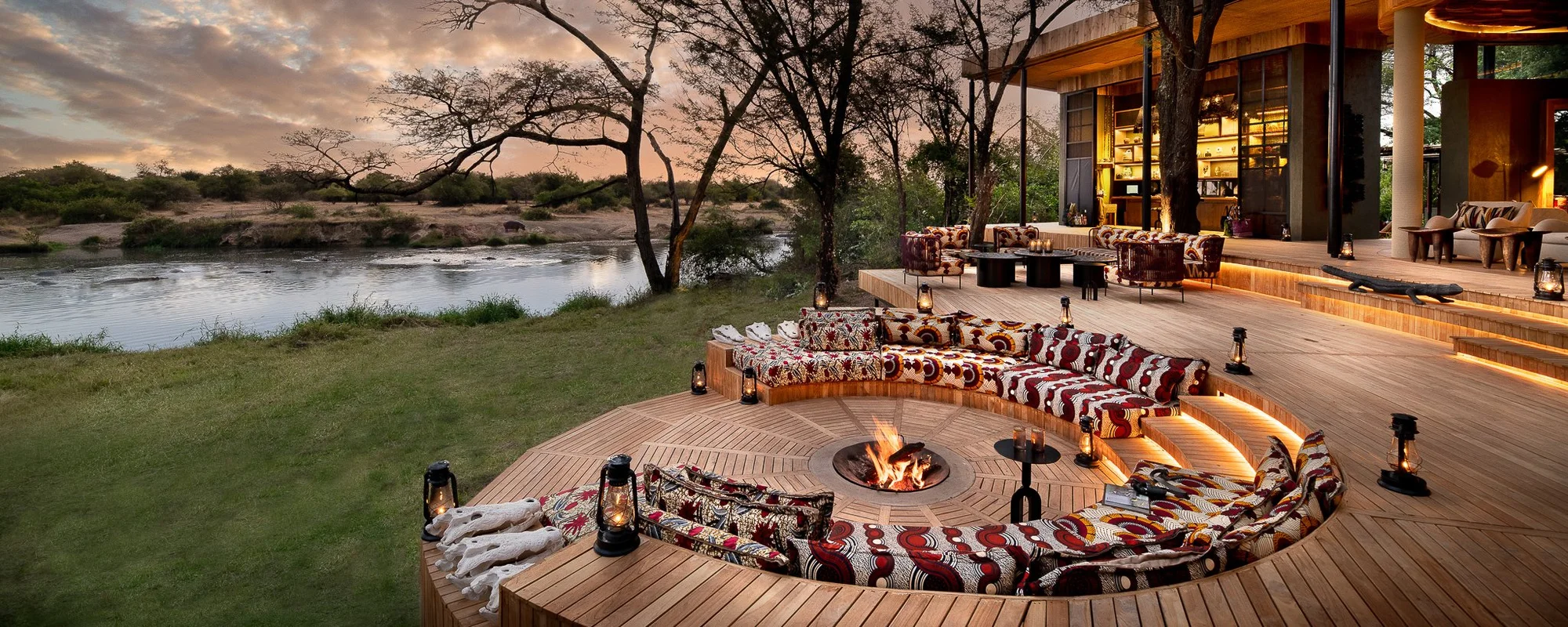
andBeyond Grumeti Serengeti River Lodge
Ultra Luxury · Serengeti National Park
Where to see zebra, sub-region by sub-region#
The Serengeti is enormous and you should never treat it as one place — Seronera in the centre is a 5- to 6-hour drive from Kogatende in the north. Where the big zebra herds are depends entirely on the month, because most of them are migrating.
In the southern Serengeti around Ndutu (December to March), the herds spread across the short-grass plains for the calving season. Zebra are part of this gathering, foaling at the same time as the wildebeest, and the open ground makes for the easiest, closest zebra viewing of the year — and the most predator drama, as lion, cheetah and hyena work the edges of the herds. Ndutu sits technically inside the Ngorongoro Conservation Area rather than the national park, which is why a small set of permanent camps stay open here year-round.
In the western Serengeti around Grumeti (June to July), the migration swings through the corridor toward Lake Victoria, and zebra-and-wildebeest columns cross the croc-heavy Grumeti River. It is quieter than the northern crossings and a strong, less-crowded place to see the herds on the move. In the northern Serengeti around Kogatende (July to October), the famous Mara River crossings happen — and it is often a wedge of zebra that tests the water and goes in first while the wildebeest hesitate on the bank.
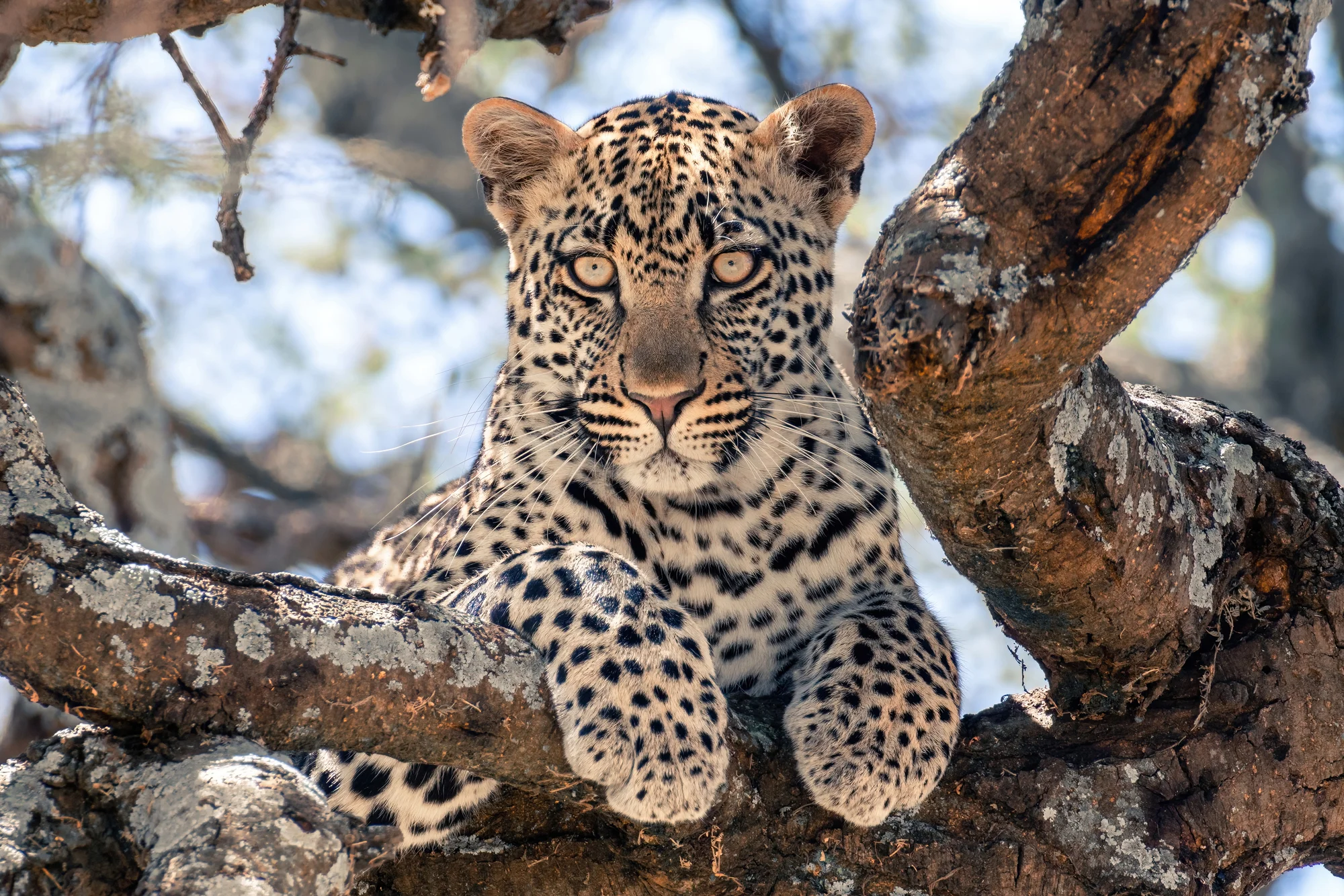
Central Serengeti around Seronera holds resident zebra year-round, so even outside migration timing you will see family groups grazing the plains, drinking at the Seronera River, and serving as prey for the area's exceptional lion and leopard density.
 Destination
Ngorongoro Conservation Area
conservation_area
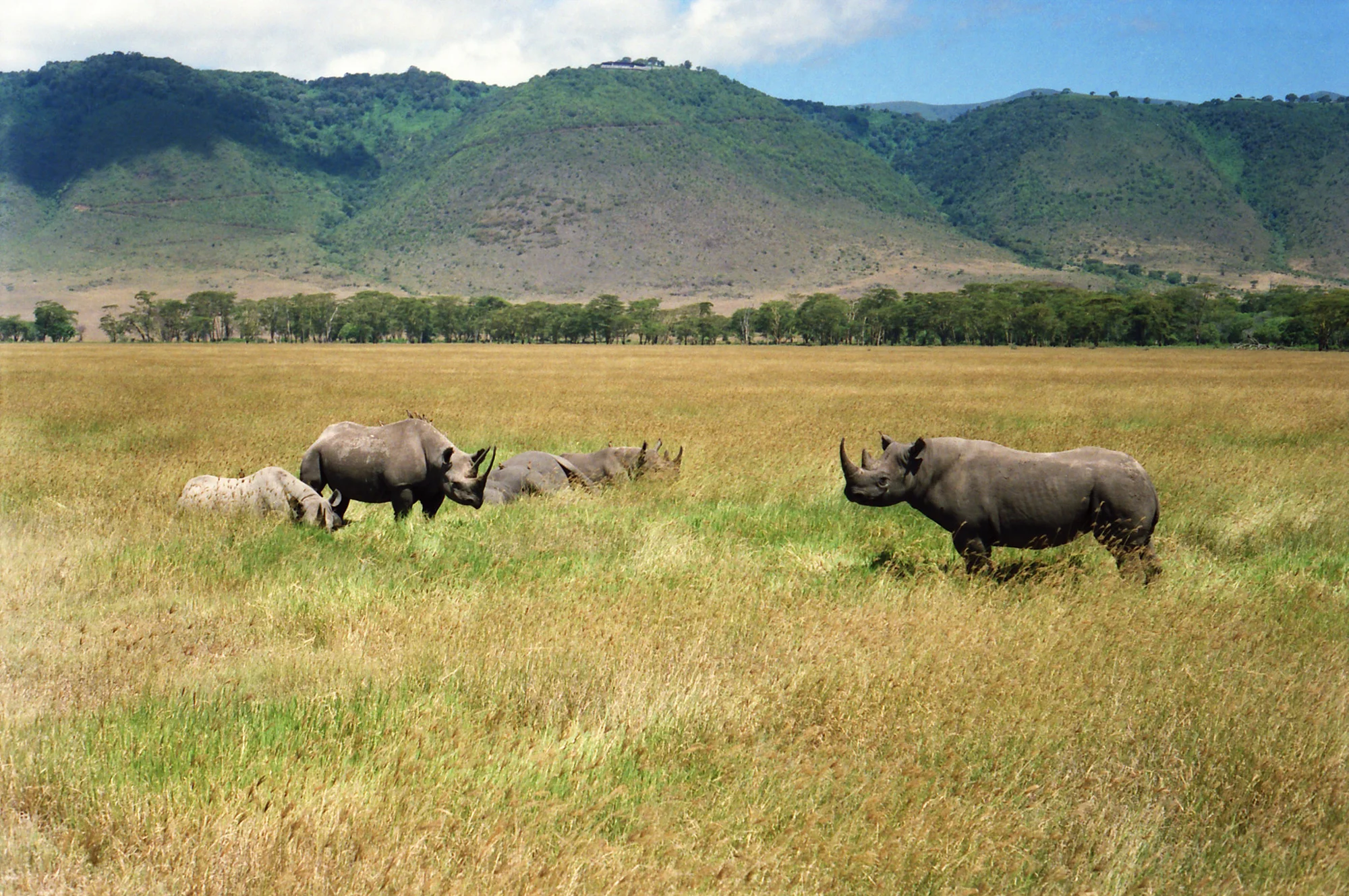
The Ngorongoro Crater floor is the reliable year-round zebra venue that needs no migration timing at all. The crater's 264 square kilometres of enclosed grassland support a permanent resident population that does not leave, so a single crater morning practically guarantees zebra at close range alongside the floor's other residents. Outside the Serengeti ecosystem, Tarangire is the other northern-circuit stronghold: zebra concentrate there with the rest of the game in the dry season from June to October, when the Tarangire River becomes the only dependable water for miles.
When zebra foal — and why timing the calving season pays off#
Zebra mares carry a single foal for about twelve to thirteen months and, like the wildebeest, they synchronise births to the green flush of the short rains. The result is that the southern Serengeti and Ndutu in January to March are not only the wildebeest calving grounds — they are the zebra foaling grounds too. You will see foals everywhere, and a young zebra is unmistakable: born reddish-brown and fuzzy rather than black, it can stand within fifteen minutes and run within an hour, because on these plains a foal that cannot keep up with the herd does not survive the first predators.
There is a tender detail worth watching for. A mare keeps her newborn away from the rest of the harem for the first few days, walking it in tight circles, so that the foal imprints on her unique stripe pattern, voice and scent before it can be confused in the crowd. Every zebra's stripes are as individual as a fingerprint, and that imprinting is how a foal finds its mother in a herd of thousands. If you want the best chance of seeing very young foals and the predator pressure that surrounds them, base in the Ndutu area in the calving window — the predator-to-prey ratio is at its most intense, and the photography is exceptional.
 Mid Range
Ndutu Safari Lodge
Mid Range · Serengeti National Park
The stripe-function debate: what the black and white is actually for#
If a guide is good, you will eventually ask the obvious question — why stripes? — and the honest answer is that science argued about it for over a century and only recently reached a strong consensus. It is one of the best campfire topics on safari, so here is the real state of the debate, not the tidy myth.
Four old ideas have largely fallen away. Camouflage does not hold up: lions, the zebra's main predator, are partly colour-blind and a bold-striped animal on open plains is, if anything, conspicuous. Confusing predators with a dazzle of motion has weak experimental support. Social recognition is real — individuals do know each other by stripe — but other striped and unstriped equids socialise fine, so it cannot be the reason stripes evolved. Heat regulation (stripes setting up cooling air eddies) has been tested and mostly failed to replicate.
The idea that has actually survived testing is the strangest one: stripes deter biting flies. Tabanid horseflies and tsetse flies, which carry diseases lethal to equids, repeatedly fail to land cleanly on striped surfaces — they misjudge their approach and veer off in the final moment. Field experiments dressing horses in striped coats, and mapping zebra ranges against fly distribution across Africa, both point the same way: the finer and more numerous the stripes, the worse the fly problem in that animal's range. In other words, the most likely answer to a question that puzzled Darwin and Wallace is not lions or camouflage — it is flies. Mention that at sundowners and watch the table go quiet.
How to actually see them: field tactics#
Zebra are easy to find but rewarding to watch well. A few guide-grade rules:
For the migration spectacle, match month to sub-region. Ndutu (Dec–Mar) for calving and foaling, Grumeti in the west (Jun–Jul) for the corridor crossings, Kogatende in the north (Jul–Oct) for the Mara River. The crater floor and Seronera deliver resident zebra any month.
Watch the front of a moving column. When you find the migration on the move, the leading animals are very often zebra. Park, switch the engine off, and let the column come to you — you will hear them before the wildebeest, with their distinctive barking "kwa-ha-ha" call rather than the wildebeest's grunt.
Go at dawn and at the water. Zebra are most active in the cool early hours and bunch nervously at waterholes and river edges, where predators wait. A waterhole at first light, or a crossing point in season, is where the drama is.
Look for foals in the calving window. January to March on the southern plains is the only time you will reliably see reddish-brown newborns — and the predator action that follows them.
Where to base yourself and how to time it#
The single most useful decision is to match your dates to the migration phase you most want to witness, then base inside that sub-region so you are on the herds at first light rather than driving in from a gate. For the calving and foaling spectacle, base in the Ndutu area December to March; for the western corridor crossings, base around Grumeti in June and July; for the dramatic northern river crossings, base near Kogatende July to October. Any of these threads the zebra into the wider Serengeti game. To compare the migration routes month by month and see which itineraries follow the herds — and the zebra at their head — start here:
Follow the Great MigrationFrequently asked questions#
What kind of zebra live in Tanzania? Only the plains zebra (Equus quagga, formerly called Burchell's zebra). It is the broad-striped, abundant species seen across the Serengeti, Ngorongoro Crater and Tarangire. The endangered, narrow-striped Grevy's zebra is not found in Tanzania — it lives in northern Kenya and Ethiopia.
Where is the best place to see zebra in Tanzania? For the biggest herds, the Serengeti during the migration: the southern Ndutu plains from December to March, the western Grumeti corridor in June and July, and the northern Kogatende sector from July to October. For a guaranteed year-round sighting with no timing required, the Ngorongoro Crater floor holds a permanent resident population.
Why do zebra travel with the wildebeest in the Great Migration? It is a grazing partnership. Zebra digest tough, tall grass that wildebeest cannot, so they move first and crop the upper layer, exposing the shorter, more nutritious grass the wildebeest then eat. Zebra also navigate and see well, while wildebeest do not, so the zebra effectively lead the way. The order runs zebra, then wildebeest, then gazelle.
Do zebra lead the migration? Often, yes. Because of their digestion and good memory for routes and water, zebra frequently form the leading edge of migrating columns, with the wildebeest following close behind. At river crossings it is regularly a group of zebra that enters the water first.
When are zebra foals born in Tanzania? Mainly January to March, on the southern Serengeti and Ndutu short-grass plains, synchronised with the wildebeest calving and the green flush of the short rains. Foals are born reddish-brown, can stand within about fifteen minutes and run within an hour.
What are zebra stripes actually for? The strongest current evidence is that stripes deter disease-carrying biting flies such as horseflies and tsetse, which struggle to land on striped surfaces. Older theories — camouflage, confusing predators, cooling and social recognition — have weaker support, though individuals do recognise each other by their unique stripe patterns.
How much does it cost to see zebra on a Tanzania safari? Zebra are seen on any standard northern-circuit safari, so there is no separate cost. Serengeti park entry is US$82.60 per adult per day, and the Ngorongoro Conservation Area is US$82.60 per adult per 24 hours plus a US$295-per-vehicle crater service fee for the descent to the floor.
Are there night drives to see zebra and their predators? No. The Serengeti, Ngorongoro and Tarangire are protected areas where driving is prohibited after the 6 PM gate closing, so there are no night drives. Zebra are most active and easiest to watch in the cool dawn and late-afternoon hours instead.
Ready to plan the real thing?
Compare honest, all-in safari packages with real lodge choices — straight to the local operator, no middleman.
Browse safari packagesKeep reading
wildlife
The Big Five in the Serengeti: Four You’ll Find, One You’ll Earn
wildlife
Hyenas in Tanzania: Spotted, Striped and Wildly Misunderstood
wildlife
Black Rhino in Tanzania: Finding the Rarest of the Five
wildlife
River Giants: Where to Meet Tanzania’s Hippos
wildlife
The Dagga Boys: Cape Buffalo in Tanzania
wildlife
Built for the Plains: A Guide to Tanzania’s Cheetahs