 Tours
Tours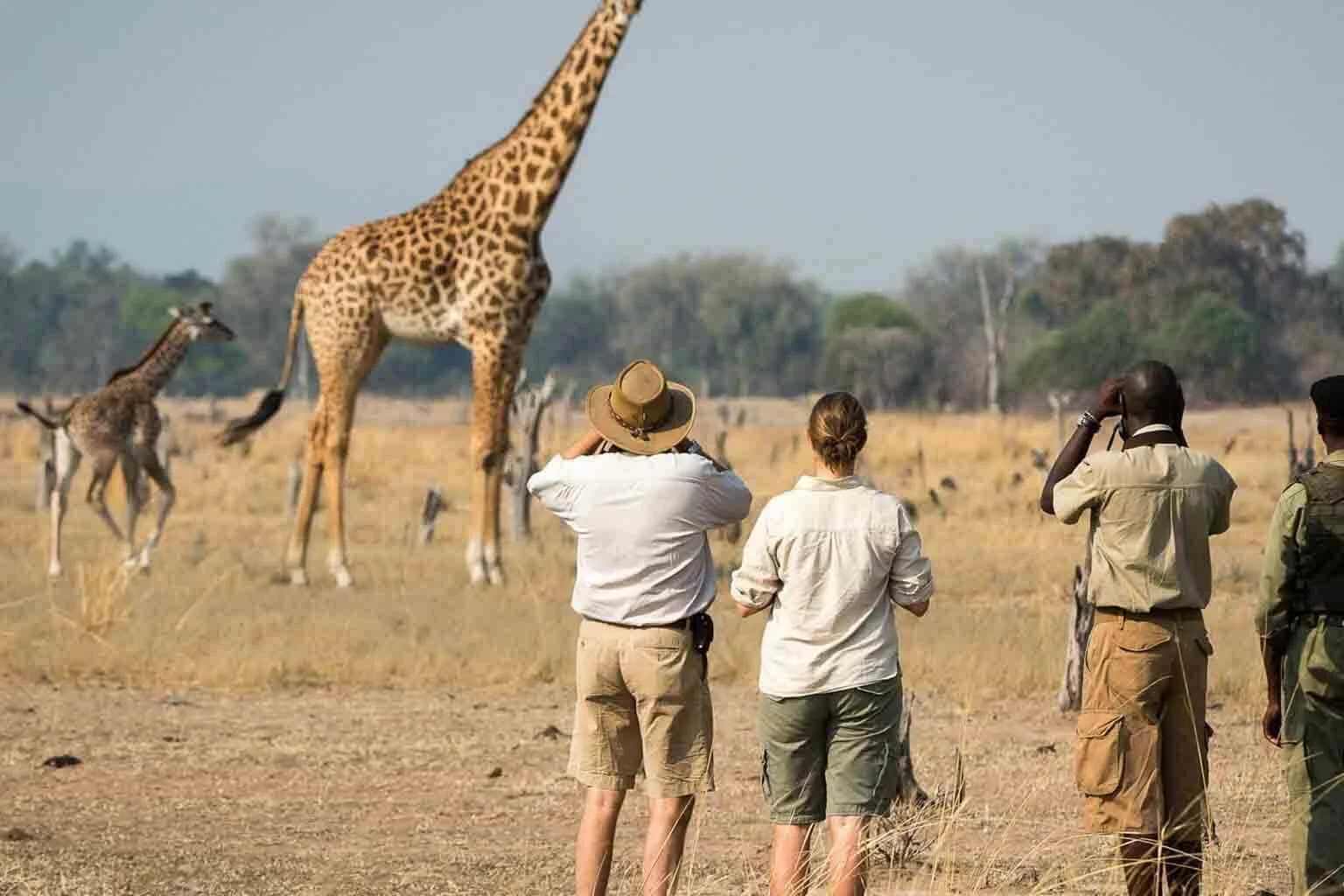
NoMiddleManTours · Jun 22, 2026 · 13 min read
A guide-grade comparison of walking safaris across Tanzania and Kenya — why you cannot walk in the big national parks, where on-foot wilderness actually excels, the styles, seasons, fitness and safety rules, and how to pick the right region.
The single most important thing to understand before you book a walking safari is this: you almost never walk inside the famous national parks. The Serengeti, the Ngorongoro Crater floor and the core Maasai Mara reserve are game-drive country — walking with guests is either banned outright or tightly restricted, because the parks are run for vehicle traffic and dense, habituated wildlife. Real walking safaris happen somewhere else: in Tanzania's wild southern and western circuit, in select private concessions on the edge of the big parks, and across Kenya's network of private and community conservancies, where the rules allow what the national reserves do not. Get the geography right and a walking safari becomes the most intimate way to experience East Africa. Get it wrong and you spend the trip wishing you had been on foot. This guide tells you exactly where to walk, when, and how to choose between the two countries.
 Destination
Ruaha National Park
national_park
The short answer: where to walk, by country and style#
Both countries do walking superbly, but they do it differently. Tanzania's strength is raw wilderness — the vast, low-traffic southern and western parks where a multi-day walking and fly-camping trip feels genuinely expeditionary. Kenya's strength is the conservancy model: private and community-owned land bordering the big reserves, where walking, night drives and off-road tracking are all permitted and the camps are built around them. Here is the at-a-glance version before the detail.
| Region | Country | Walking style | Best season | Fitness needed |
|---|---|---|---|---|
| Ruaha | Tanzania | Half-day bush walks + big-wilderness feel | Jun–Oct (dry) | Moderate |
| Nyerere (Selous) | Tanzania | Walking + boat + fly-camping combo | Jun–Oct (closed Mar–May) | Moderate |
| Katavi | Tanzania | Remote, expeditionary fly-camp walking | Jun–Oct | Moderate to high |
| Serengeti concessions | Tanzania | Short guided walks on private land | Jun–Oct | Easy to moderate |
| Ngorongoro highlands / Lake Natron | Tanzania | Crater-rim and Rift-escarpment day walks | Jun–Oct, Jan–Feb | Moderate to high |
| Laikipia | Kenya | Walking, camel & horseback, night drives | Jun–Oct, Jan–Feb | Easy to moderate |
| Maasai Mara conservancies | Kenya | Morning bush walks + night drives | Jun–Oct, Jan–Feb | Easy to moderate |
| Chyulu Hills | Kenya | Lava-ridge walks with Kilimanjaro views | Jun–Oct (clearest Kili) | Moderate |
| Samburu conservancies | Kenya | Arid-country walks, Special Five tracking | Jun–Oct, Jan–Feb | Easy to moderate |
| Mount Kenya | Kenya | High-altitude trekking (not a game walk) | Jan–Mar, Jul–Oct | High |
The honest planning takeaway: if you want the wildest, most immersive on-foot experience and you are comfortable being remote, lean Tanzania's southern circuit. If you want walking layered on top of excellent big-game viewing with shorter transfers and a softer learning curve, lean Kenya's conservancies. Many of the best trips do both countries in one itinerary.
Why you cannot just walk in the Serengeti or the Mara#
This is the rule that surprises most first-time walkers, so it is worth stating plainly. In Tanzania's flagship national parks — the Serengeti, Tarangire, Lake Manyara and the Ngorongoro Crater floor — the standard experience is the vehicle. Guided walking is not part of the normal park product the way game drives are; where short walks exist at all they are limited, ranger-led and a long way from the multi-hour wilderness walking people imagine. The Ngorongoro Crater floor in particular is strictly drive-only.
Kenya draws the line even more sharply, and it is the key to understanding the whole country. Inside the national reserves — the core Maasai Mara, Amboseli, the Tsavos — you stay in the vehicle and on the track. The freedoms walkers want, namely walking, night drives and off-road driving, are only legal on the private and community conservancies that ring those reserves. That is the entire reason Kenya's conservancy model matters for this trip: the same wildlife, on adjacent land, under different rules. A camp inside a Maasai Mara conservancy can walk you out at dawn; a camp inside the reserve cannot.
So the decision is never simply "Serengeti or Mara." For walking it is "which concession, which conservancy, which southern park" — because that is where the experience actually lives.
Tanzania: the southern and western wilderness#
Tanzania's southern circuit is the country's walking heartland, and it begins from Dar es Salaam rather than Arusha — different logistics entirely. The two anchors are Ruaha and Nyerere, the national park carved from the former Selous Game Reserve.
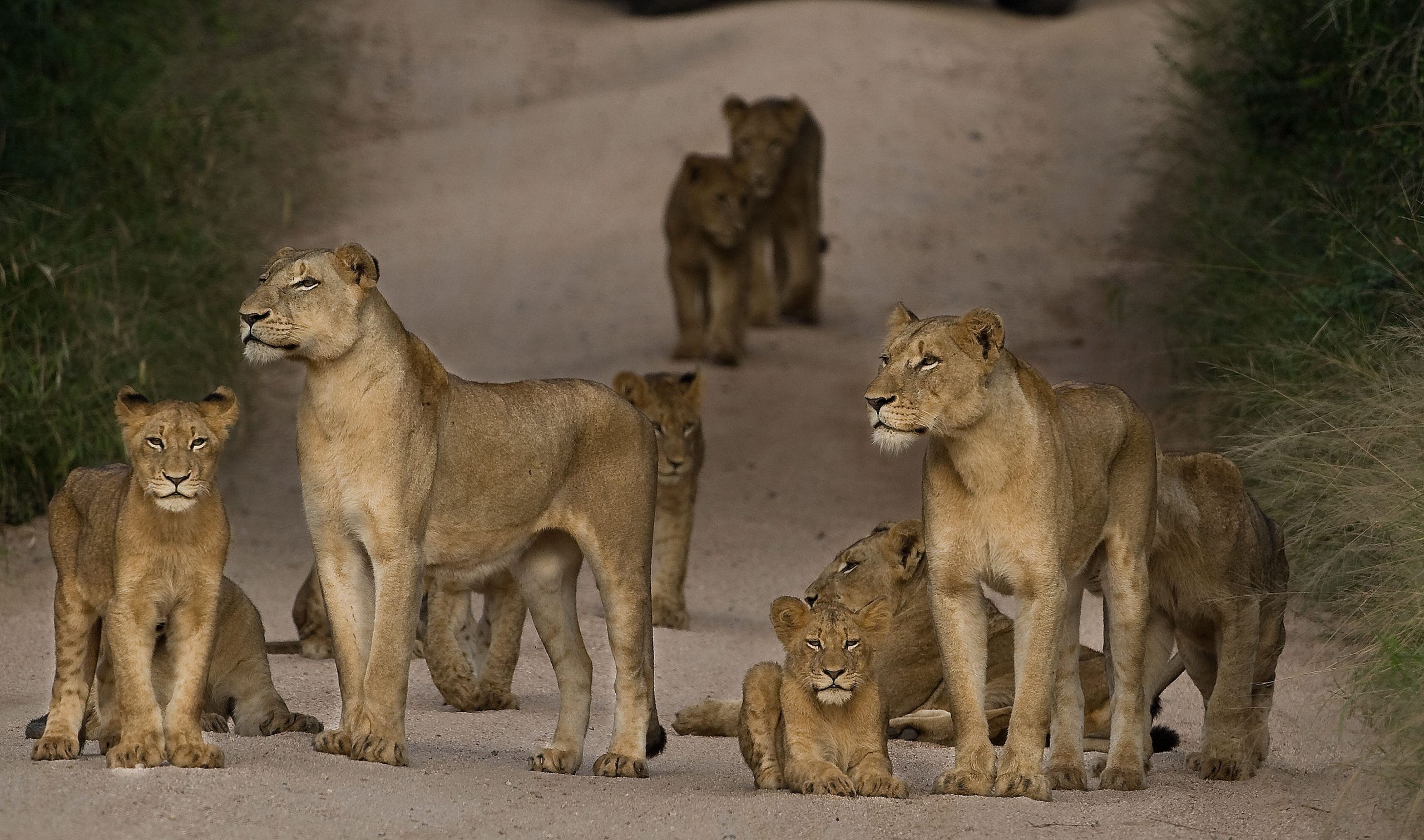
Ruaha is Tanzania's largest national park at over 20,000 square kilometres, holding roughly a tenth of the world's remaining lions and East Africa's biggest elephant population among baobab-studded hills. Crucially for walkers, park fees here are only US$35.40 per adult per day — a fraction of the Serengeti's US$82.60 — and visitor numbers are tiny, so a morning walk feels like the park is yours. Most camps close in the long rains from roughly March through May, then the Great Ruaha River shrinks to pools from June and wildlife concentrations build to a peak in August through October. That dry-season window is also when walking is at its best, because the bush thins out and the ground hardens.
 Destination
Nyerere National Park
national_park
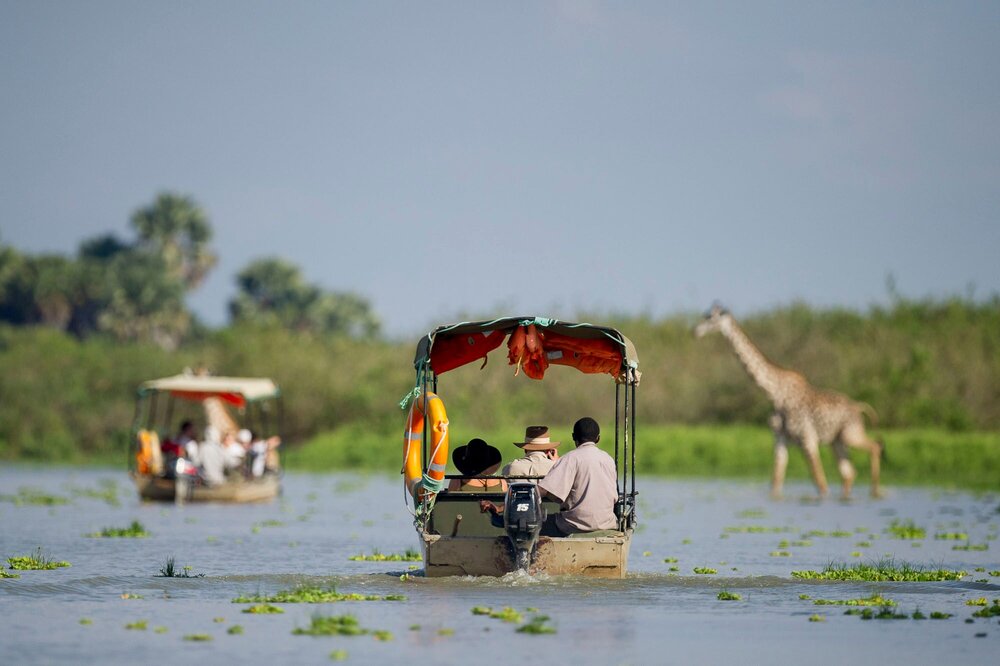
Nyerere — the river-and-channel country of the old Selous — is the other southern giant, and it is the only place in Tanzania where you can genuinely combine three modes of safari: game drive, boat safari on the Rufiji River, and walking with an armed ranger, often capped by a night under canvas on a fly-camp. Park fees are US$82.60 per adult per day, matching the Serengeti, but the experience is utterly different: hippo and crocodile-heavy waterways, sand-river walks, and possibly Africa's largest wild dog population. Like Ruaha, the camps close in the rains — plan Nyerere for June to October and avoid March to May, when roads flood and most properties shut.
Further west, Katavi is the connoisseur's choice — one of the most remote wildernesses in Africa, where the dry season crams hundreds of hippos into shrinking pools and walking safaris feel genuinely expeditionary. It rewards travellers who will fly deep and accept basic, brilliant fly-camps.
In the north, the picture is more nuanced. You will not get serious walking inside the Serengeti national park itself, but a handful of private concessions on its fringes are licensed for guided walks on foot, so a northern-circuit trip can include a short, controlled walking morning without leaving the ecosystem. And the Ngorongoro highlands offer something the crater floor never will: the rim and the surrounding volcanic uplands are walkable, with guided escarpment and crater-rim day walks at around 2,200 metres. North of there, Lake Natron sits at the foot of the Rift escarpment below the active Ol Doinyo Lengai volcano, with Maasai-guided walks to waterfalls and flamingo flats and an armed ranger required for the routes — a raw, hot, otherworldly walking landscape that few visitors reach.
Kenya: the conservancy advantage#
Kenya's walking story is the conservancy story, and it is the country's quiet superpower. Because walking, night drives and off-road tracking are permitted on private and community land but not in the national reserves, the conservancies bordering the big parks have become the home of the on-foot safari.
 Destination
Laikipia Plateau & Ol Pejeta
conservancy
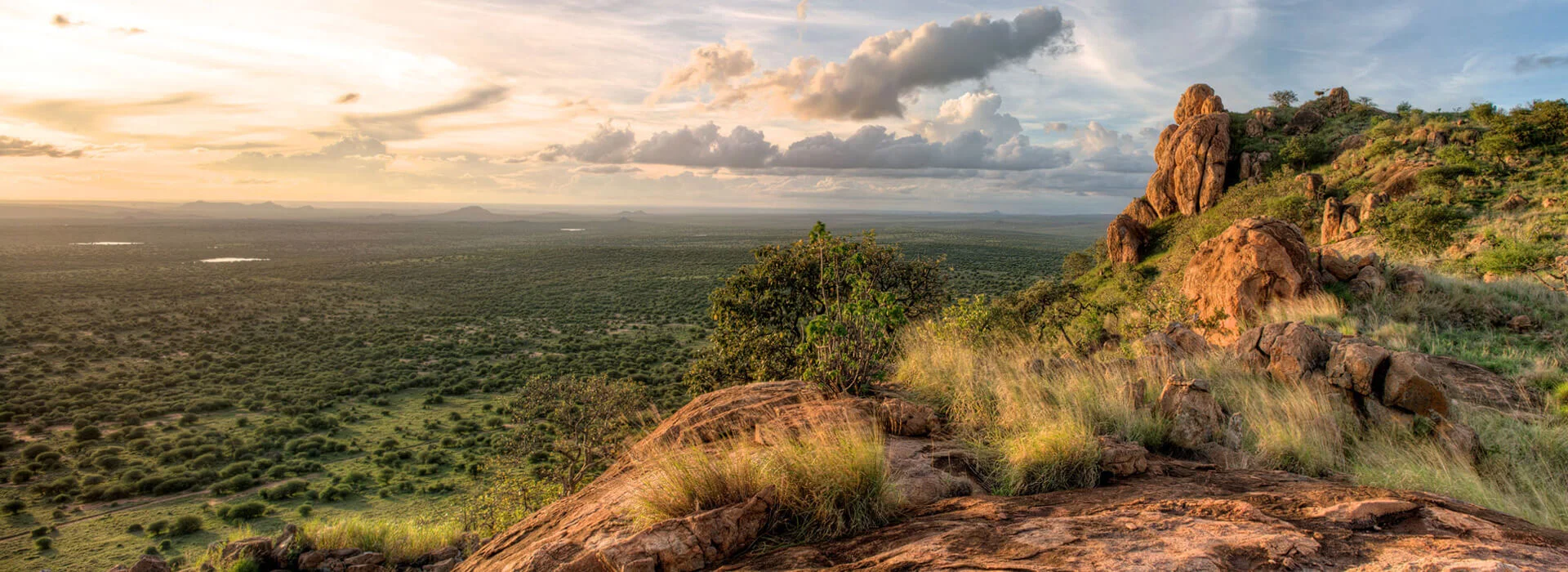
Laikipia is the standout. This high plateau of private ranches and community conservancies north of Mount Kenya is Kenya's second-largest wildlife area after the Mara ecosystem, and it offers an activity range that is simply impossible in a national park: walking safaris, camel treks, horseback riding, mountain biking, fly-camping and night drives, with far fewer vehicles than the Mara. It holds Kenya's largest populations of black rhino, Grevy's zebra and wild dog, and conservancy fees — typically around US$90 per adult per day and usually folded into the camp rate — fund the communities directly. Laikipia is the easiest place in East Africa to build a trip around walking without sacrificing big-game density. It is reachable in three and a half to four and a half hours by road from Nairobi, or a 35 to 60 minute flight.
The Maasai Mara conservancies — Olare Motorogi, Naboisho, Mara North and their neighbours — wrap the famous reserve and unlock exactly what the reserve forbids: dawn bush walks, night drives and bush dining on low-density, Maasai-owned land. Conservancy fees run roughly US$80 to US$150 per person per night and are usually built into the rate. The wildlife is the same migration-era spectacle as the reserve itself — the Mara River crossings are part of the same system as Tanzania's Kogatende crossings across the border, with the herds in the Mara roughly July through October — but you can step out of the vehicle to experience it.
 Destination
Chyulu Hills
national_park
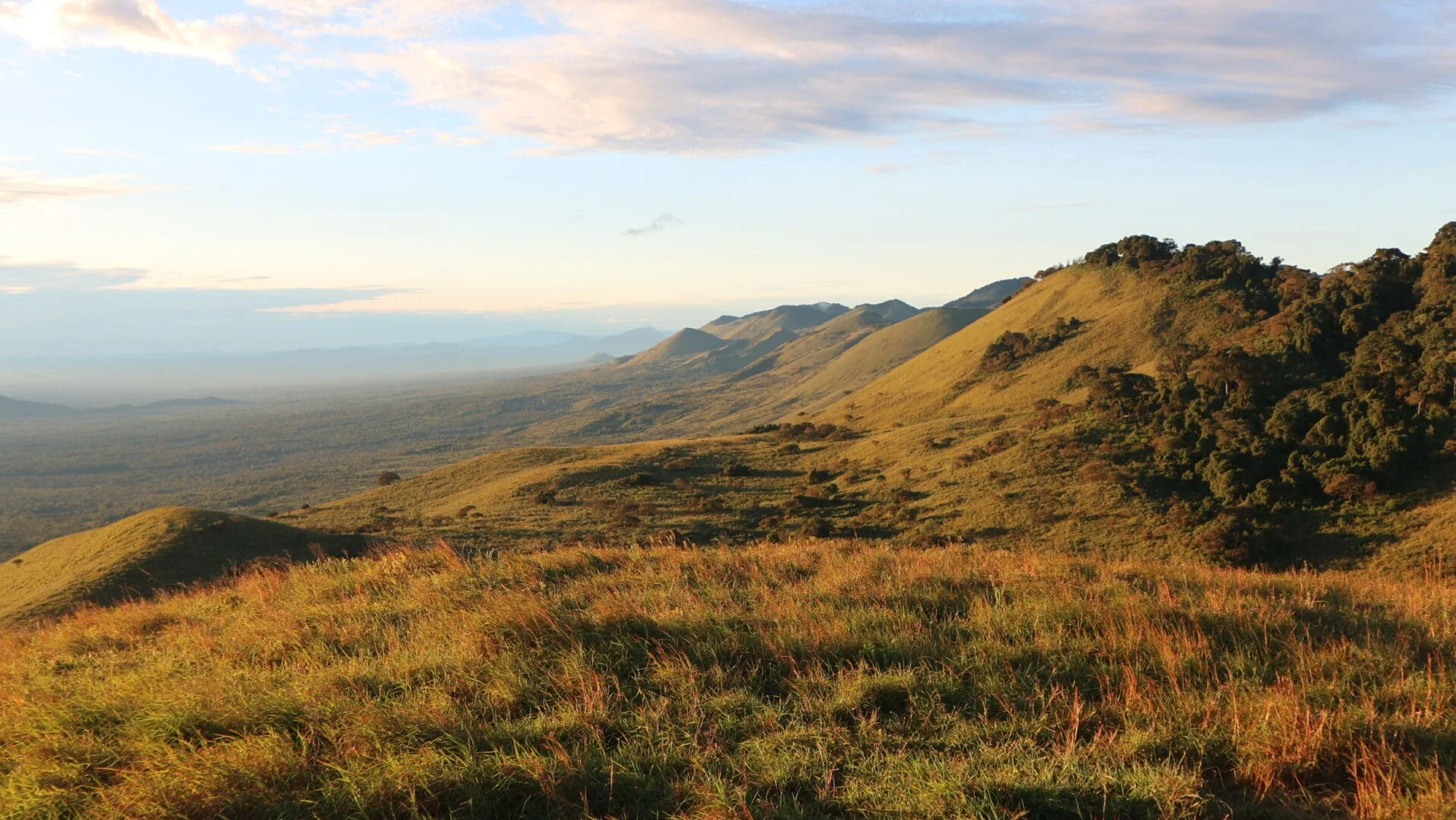
Chyulu Hills, the young volcanic ridge between Amboseli and Tsavo that Hemingway called the Green Hills of Africa, is the most scenic walking ground in southern Kenya, with Kilimanjaro filling the horizon some 35 miles away on a clear dry-season morning. This is experience-over-density country: the Big Five are present but dispersed, so you come for the lava-ridge walks, the horseback riding and the conservation immersion rather than wall-to-wall game. Further north, the Samburu region and its surrounding community conservancies — Kalama, Westgate, Namunyak — offer hot, arid-country walking and a chance to track the "Samburu Special Five," species such as Grevy's zebra and reticulated giraffe that you will not find in southern Kenya; the national reserve itself charges US$70 per adult per day, while the conservancies fold their fees into camp rates and permit the walking the reserve does not.
One Kenyan footnote that often gets miscategorised: Mount Kenya is a trek, not a game walk. Its main summit (Batian) stands at 5,199m, making it Africa's second-highest peak, but the trekking routes — Sirimon, Chogoria and Naro Moru — top out at Point Lenana (4,985m) through alpine moorland and bamboo forest; reaching the technical summit requires climbing gear, not walking boots. Treat it as a separate, fitness-heavy adventure rather than part of a walking safari.
Styles of walking safari: which suits you#
Not all walking is the same, and matching the style to your appetite is half the decision.
The half-day bush walk is the gateway, and the most common format. You set out at first light with a guide and an armed ranger for a two-to-four-hour loop, reading tracks, dung and birdsong, then return to camp for breakfast and the heat of the day. Ruaha, the Mara conservancies, Laikipia and Samburu all do this beautifully, and it requires only moderate fitness.
The walking-and-driving combination is the sweet spot for most travellers: a morning on foot, an afternoon game drive, and on Kenyan conservancies a night drive after dark to find leopard, aardvark and other nocturnal species the daytime never reveals. This is where the conservancy model pays off, because all three are legal on the same land.
The multi-day point-to-point walk with fly-camping is the immersive end of the spectrum, and Tanzania's southern and western parks are its home. You walk between simple mobile camps over several days, sleeping under canvas with the sounds of the bush around you — the closest thing to the old foot-safari tradition. Nyerere and Katavi are the classic settings, and fly-camping pairs naturally with walking because the camp moves with you.
Finally there is landscape and cultural walking — the Ngorongoro highlands, the Lake Natron escarpment, the Chyulu lava ridges — where the draw is the terrain, the views and the Maasai or Samburu guiding as much as the wildlife. These trade big-game density for scenery and immersion.
Safety, season and fitness: the rules that govern every walk#
A few non-negotiables apply wherever you walk, and understanding them sets expectations.
An armed ranger or armed guide is mandatory on a genuine walking safari, full stop — in Tanzania's parks, on Kenya's conservancies, and on the Lake Natron and Ol Doinyo Lengai routes alike. You walk single file, in a small group, behind the lead guide, and you do exactly what you are told if the group encounters elephant or buffalo. This is not theatre: walking puts you on equal footing with animals that a vehicle neutralises, which is precisely why it is thrilling and why the protocol is strict.
Minimum-age and fitness rules are real. Most walking operations set a minimum age — commonly around 12 to 16 years depending on the area — so walking-focused trips are rarely suitable for young children, and families with small kids should plan around drives and boats instead. Fitness requirements are usually moderate: you need to manage two to four hours on uneven ground in heat, but you are not racing. High-altitude exceptions are the Ngorongoro highlands, the Natron-area volcano routes and, in a different league entirely, Mount Kenya trekking, where the Sirimon, Chogoria and Naro Moru routes reach Point Lenana at 4,985m (the technical 5,199m Batian summit needs climbing gear, not walking boots).
Season decides everything. The dry season is the walking season: roughly June to October across both countries, with a secondary January-to-February dry window in much of Kenya. Two reasons — the bush thins out so you can see further and move more safely, and the southern Tanzanian parks, Ruaha and Nyerere chief among them, largely close their camps from March through May when the long rains flood the roads. If a walking safari in southern Tanzania is your priority, do not plan it for April or May; aim for the heart of the dry season instead.
How to choose — and how we match you#
Use this as your decision shortcut. Choose Tanzania's southern circuit if you want the wildest, lowest-traffic, most expeditionary walking and you are happy to fly deep and rough it a little; the trade-off is that the best parks close in the rains and logistics start from Dar, not Arusha. Choose Kenya's conservancies if you want walking and night drives layered onto first-class big-game viewing with shorter transfers, gentler fitness demands and year-round access; Laikipia and the Mara conservancies are the easiest entry points. Choose a combination — northern Tanzania for the classic game-drive parks plus a southern or western walking leg, or a cross-border trip that pairs the Serengeti ecosystem with Kenyan conservancy walking — if this is a once-in-a-lifetime trip and you want both the spectacle and the intimacy.
Because no two walking areas have the same rules, seasons or guiding standards, the operator you choose matters more here than on a standard drive safari — an experienced walking guide and the right concession or conservancy are the whole game. Rather than book direct with a single camp, the smart move is to be matched to a walking operator whose routes, season and fitness level fit yours. Browse the off-the-beaten-path routes below, then request a walking-safari quote through NoMiddleManTours and we will match you with the right operator for the country, season and style you want.
Explore off-the-beaten-path safarisFrequently asked questions#
Can you do a walking safari in the Serengeti or the Maasai Mara? Not in the core national park or reserve in the usual sense. The Serengeti and the central Maasai Mara are game-drive areas, and the Ngorongoro Crater floor is strictly drive-only. Walking happens on private concessions bordering the Serengeti and on the Maasai Mara conservancies surrounding the reserve, where walking and night drives are permitted under different rules.
Where are the best walking safaris in Tanzania? The southern circuit is Tanzania's walking heartland: Ruaha for big-wilderness bush walks at low park fees, and Nyerere (the former Selous) for the rare combination of walking, boat safaris and fly-camping. Remote Katavi in the west is the most expeditionary option, and the Ngorongoro highlands and Lake Natron offer highland and Rift-escarpment day walks.
Where are the best walking safaris in Kenya? Kenya's strength is its conservancies, where walking is legal unlike in the national reserves. Laikipia leads for activity range and low vehicle density, the Maasai Mara conservancies pair walking with night drives beside the famous reserve, Chyulu Hills offers lava-ridge walks under Kilimanjaro, and the Samburu conservancies add arid-country walking and unique northern species.
Is a walking safari safe, and do you need an armed guard? Yes, an armed ranger or armed guide is mandatory on every genuine walking safari in both countries. You walk in a small single-file group behind the lead guide and follow strict protocol around dangerous game. Done this way it is very safe, and the close, ground-level perspective is exactly what makes it special.
How fit do you need to be, and is there a minimum age? Most bush walks are two to four hours on uneven ground in heat, so moderate fitness is enough — you are not racing. There is usually a minimum age, commonly around 12 to 16 depending on the area, which means walking-focused trips are rarely suitable for young children. High-altitude exceptions are the Ngorongoro highlands, the Lake Natron volcano routes and Mount Kenya trekking, which demand serious fitness.
What is the best time of year for a walking safari in East Africa? The dry season, roughly June to October, with a secondary January-to-February window in much of Kenya. The thinner bush makes walking safer and clearer, and southern Tanzania's parks such as Ruaha and Nyerere largely close their camps from March through May during the long rains, so avoid those months for a southern Tanzanian walking trip.
How much do park and conservancy fees cost for a walking safari? In Tanzania, Ruaha is US$35.40 per adult per day and Nyerere is US$82.60. In Kenya, conservancy fees are typically around US$90 per adult per day in Laikipia and roughly US$80 to US$150 per person per night in the Maasai Mara conservancies, usually included in the camp rate, while the Samburu national reserve charges US$70 per adult per day.
Should I choose Tanzania or Kenya for a walking safari? Choose Tanzania's southern circuit for the wildest, lowest-traffic, expeditionary walking, accepting that the best parks close in the rains and logistics start from Dar es Salaam. Choose Kenya's conservancies for walking and night drives layered onto excellent big-game viewing with shorter transfers and easier access. Many of the best itineraries combine both — request a walking-safari quote through NoMiddleManTours and we will match you to the right operator.
Ready to plan the real thing?
Compare honest, all-in safari packages with real lodge choices — straight to the local operator, no middleman.
Browse safari packagesKeep reading
planning
What a Tanzania Safari Really Costs, Line by Line
planning
Lodge, Tented Camp or Mobile? Safari Stays in Tanzania, Explained

planning
Getting Your Tanzania Visa: The 2025–2026 Playbook

planning
Shots, Pills & the Yellow-Fever Trap: Health Prep for Tanzania & Kenya
planning
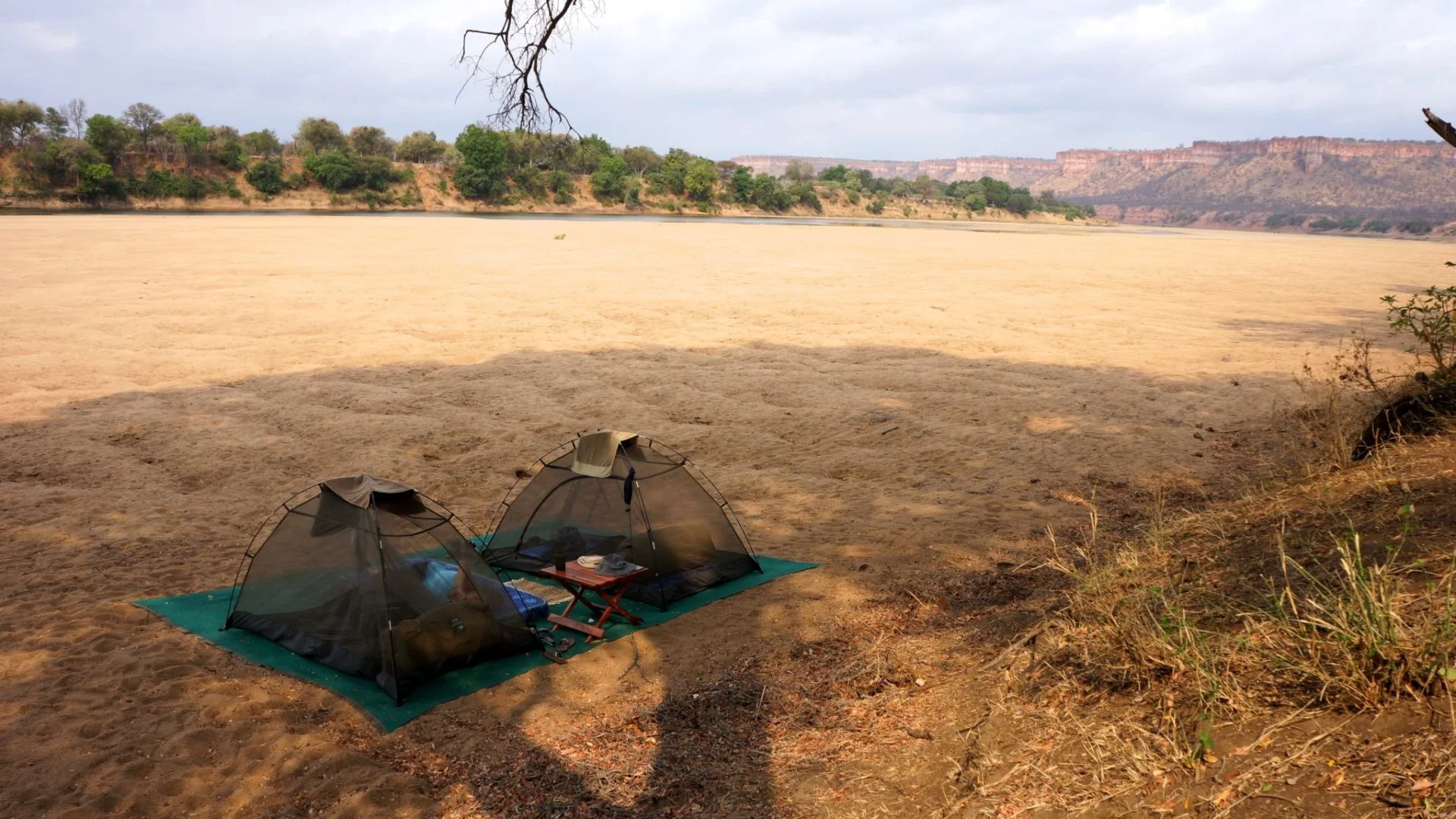
Sleeping in the Wild: Fly-Camping & Walking Safaris in Tanzania
planning
Tanzania or Kenya? An Honest Safari, Trek & Beach Showdown