 Tours
Tours
NoMiddleManTours · Jun 22, 2026 · 11 min read
A line-by-line breakdown of what a Tanzania safari really costs — the exact park fees, the $295 crater descent, vehicle and guide day rates, bush flights, and the daily per-person ranges from budget to ultra-luxury — plus why the cheapest quote almost always hides the most.
A Tanzania safari is sold as a single per-day price, but it is really four or five separate costs stacked on top of each other — government park fees that are fixed and non-negotiable, your bed, your vehicle and guide, and sometimes a flight. Understanding which of those a number includes is the only way to compare two quotes honestly, and it is exactly where cheap operators play games. This breakdown takes the price apart line by line, with the real 2025–2026 figures, so you can read any quote and know what you are actually buying — and what has been quietly left out.
Here is the headline most planners want first. A realistic all-inclusive northern-circuit safari runs roughly US$250–400 per person per day for budget, US$400–650 for mid-range, US$700–1,200 for luxury, and US$1,200–4,000+ for ultra-luxury, with park fees alone eating US$60–250 per person per day (US$82.60 on a standard Serengeti day; up to US$250 on the crater descent day) before you have slept or eaten anything. Below is why.
The fixed costs you cannot negotiate: government park fees#
Before any operator adds a vehicle, a guide or a bed, the Tanzanian government takes its cut, and these fees are identical whether you book the cheapest camping safari or the most expensive private villa. They are charged per person, per park, per day, and they are the single biggest reason Tanzania costs more than almost anywhere else in Africa.
| Fee | Amount | Notes |
|---|---|---|
| Serengeti park entry | US$82.60 / adult / 24 hrs | Premium-park rate; valid 24h from entry, not calendar day |
| Tarangire / Lake Manyara entry | US$59.10 / adult / 24 hrs | Standard national-park rate; lower than the premium Serengeti/NCA rate of $82.60 |
| Ngorongoro Conservation Area (NCA) | US$82.60 / adult / 24 hrs | NCA is not a national park — different authority, higher rate |
| Crater service fee | US$295 / vehicle / descent | Per descent, NOT per person — split it across your group |
| Crater ranger / guide | ~US$40 / vehicle | Cash at the rim gate, mandatory for the descent |
| Concession / camping fee | US$60–100 pp/night (lodge) or US$35.40 (public campsite) | Inside-park beds carry a concession fee, passed on in the lodge rate |
| VAT (Value Added Tax) | 18% | Charged on Tanzanian-supplied services |
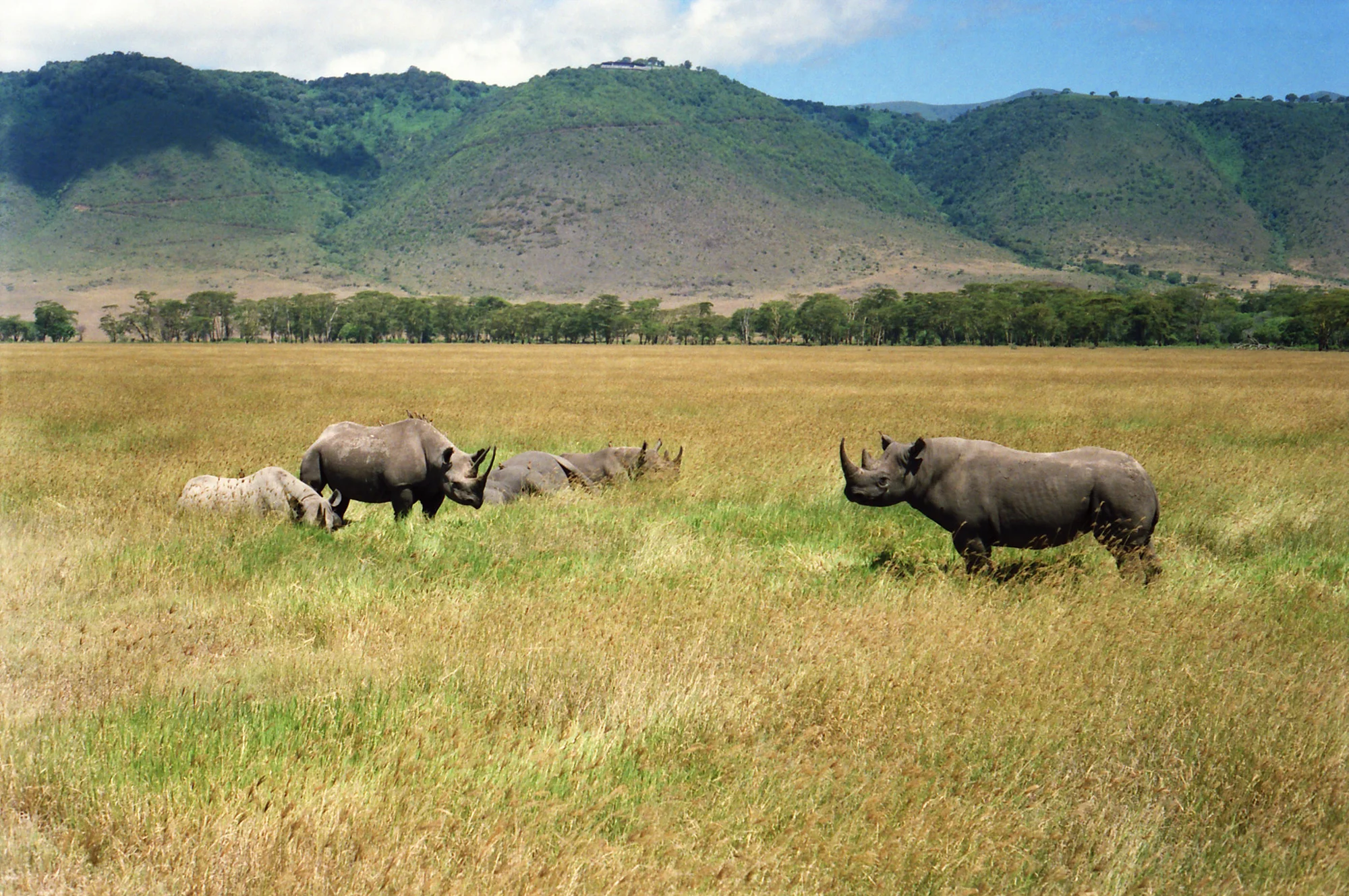
Two numbers here trip people up. The first is the crater. Descending into the Ngorongoro Crater is not covered by the NCA entry fee — it carries a separate US$295-per-vehicle service fee plus roughly US$40 for the compulsory ranger, both per descent. Because that US$335 is charged per vehicle rather than per person, it is brutal for a solo traveller and trivial for a group of six. This is the clearest example of why Tanzania is so much cheaper per head in a shared vehicle.
 Destination
Ngorongoro Conservation Area
conservation_area
The second is VAT. Tanzania levies 18% VAT on tourism services supplied inside the country, and the maddening part is that the rules and exemptions have shifted repeatedly over the past few years. Park entry fees themselves are generally quoted VAT-inclusive (the US$82.60 already contains it), but ground services — vehicle hire, guiding, some lodge components — may or may not have VAT layered on depending on the operator's structure and the latest finance act. A quote that looks 18% cheaper than its rivals sometimes simply hasn't added the VAT yet. Always ask, in writing, whether the total is VAT-inclusive.
 Destination
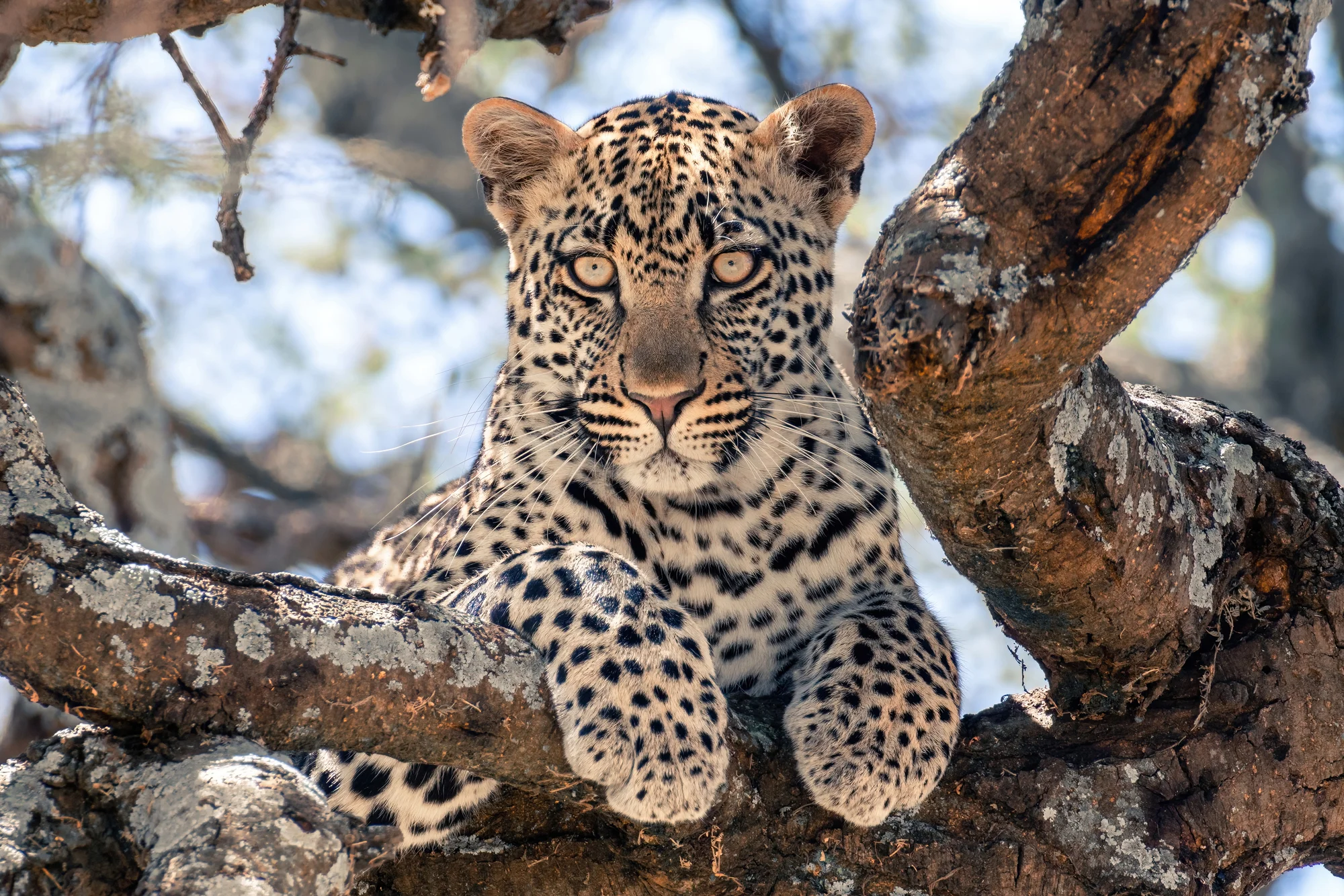
Serengeti National Park
national_park
The vehicle and the guide: the cost that buys or wrecks your trip#
After park fees, the next line is the safari vehicle and the guide who drives it — and on a private safari this is typically billed as a single day rate of roughly US$250–350 per vehicle per day, covering the pop-top Land Cruiser, fuel, the guide's salary, and his food and lodging. On a budget group safari this same cost is split across six or seven strangers, which is the entire mechanism by which a budget seat gets cheap; on a private trip for two, you carry the whole vehicle yourselves.
Here is the insider truth that no price comparison will show you: the guide is the most important purchase on the entire safari, and he is the line operators cut first to win on price. A weak guide who does not know the Seronera River leopard territories, cannot read fresh lion tracks, and won't work the radio network with other vehicles will turn a US$5,000 trip into a disappointment, while a great guide makes a budget trip unforgettable. Operators competing only on price hire green guides on low wages, run older vehicles with weak suspension and tired pop-tops, and pack the seats. The difference between a US$280 vehicle-day and a US$200 one is almost always the guide's experience and the vehicle's age — and it is the difference you will feel every single hour.
A practical knock-on: tipping is not in the headline price. Budget US$20–30 per day for the guide and a smaller pool for camp and lodge staff. On a week-long trip that is US$150–250 a couple, and it is genuinely expected, not optional.
Where you sleep: the line that swings the price most#
Park fees and the vehicle are broadly fixed. Accommodation is where the per-day number triples or quadruples, because the bed is the one component with no ceiling. These are real per-double-room, per-night, high-season, full-board rate bands — what the property itself charges before an operator bundles it.
| Tier | Bed (per double room / night, full board) | What you get |
|---|---|---|
| Budget | ~US$120–200 | Public campsites or simple lodges outside the parks; you re-enter through the gate each morning |
| Mid-range | US$200–420 | Comfortable tented camps and lodges; some inside the parks, some on the boundary |
| Luxury | US$500–850 | Premium camps and lodges, usually inside the park or on a private concession |
| Ultra-luxury | US$900–4,000 | All-inclusive private camps, butler service, exclusive concessions, no other vehicles |
The counterintuitive part is where the bed sits, not just how nice it is. Budget itineraries save money by sleeping outside the parks — in Karatu for the Ngorongoro crater, or near the gates for the Serengeti — which avoids the US$60–100-per-night concession fee but adds an hour or more of driving each way and forces a fresh US$82.60 gate fee on re-entry. Luxury and ultra itineraries sleep inside the parks precisely so you are on a sighting at first light instead of queuing at a gate at 8 AM. You are not only paying for thread count; you are paying for being in the right place at the right hour. All park gates run 6 AM to 6 PM and there is no driving after dark, so proximity to the wildlife at dawn is worth real money.
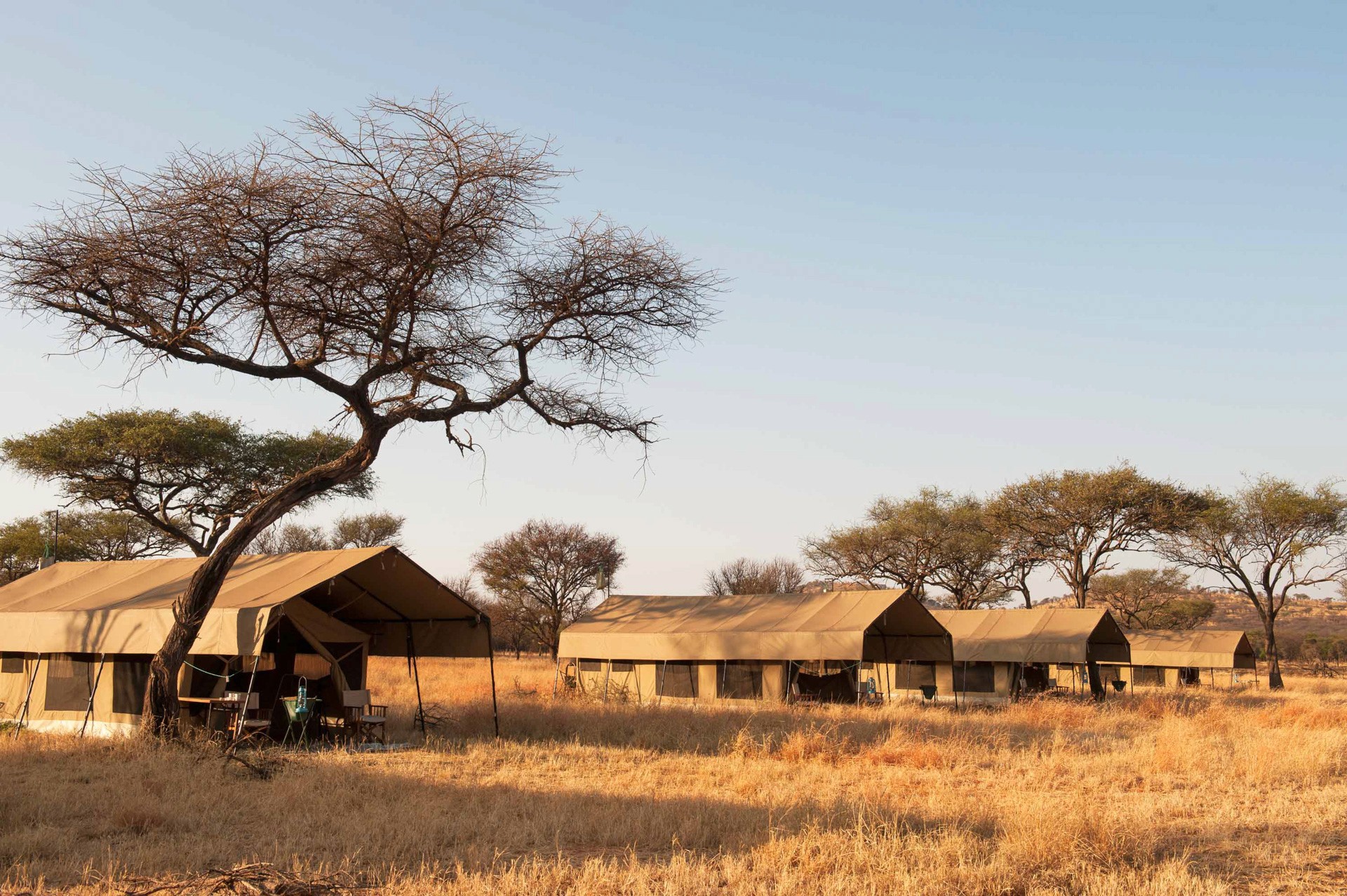 Mid Range
Kati Kati Tented Camp
Mid Range · Serengeti National Park
A genuine mid-range tented camp in central Seronera like the one above puts you among the Serengeti's highest predator density at the start and end of every day. At the very top of the market, an exclusive private-concession lodge buys you the rarest thing of all on a Tanzanian safari — the absence of other vehicles.
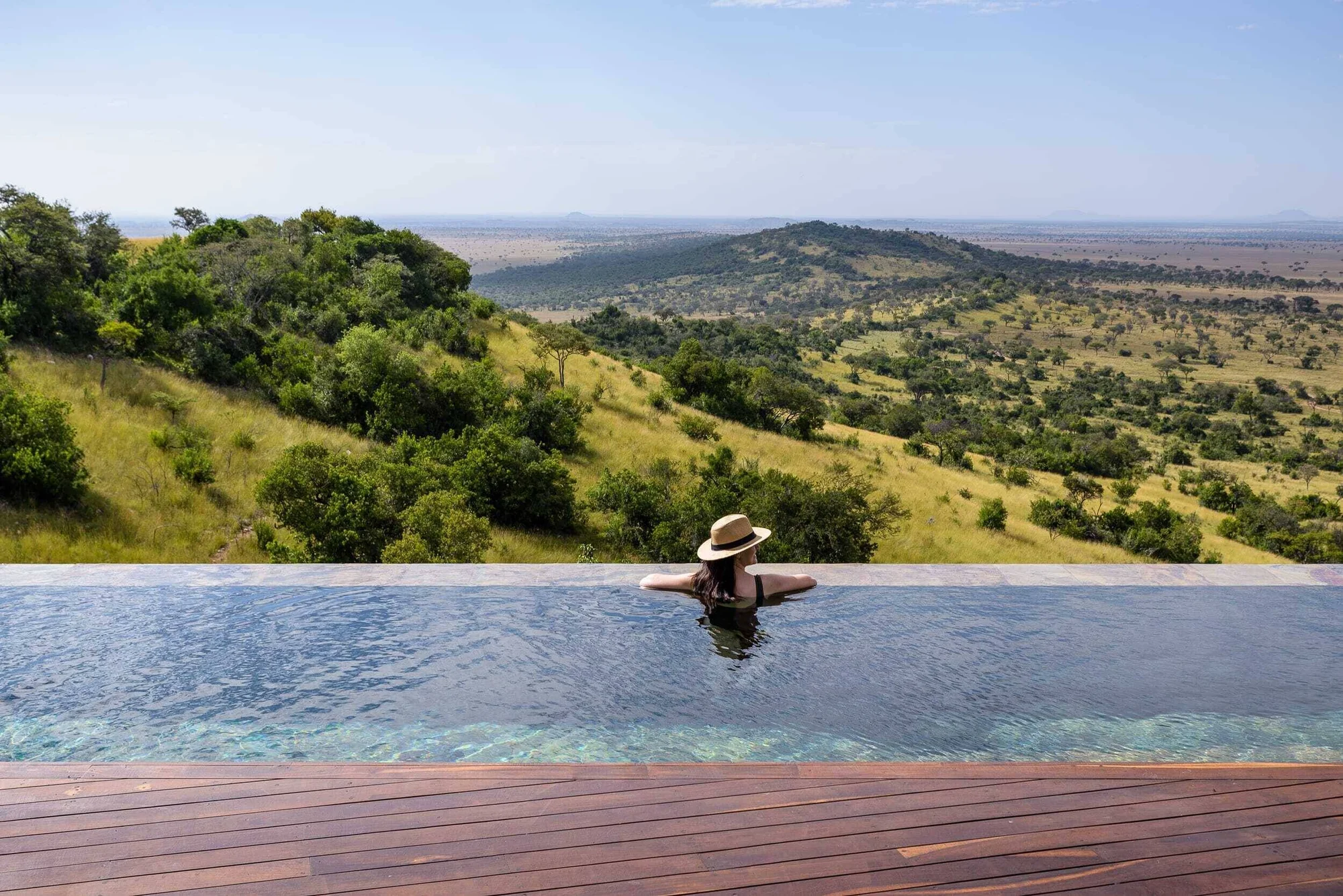 Ultra Luxury
Singita Sasakwa Lodge
Ultra Luxury · Serengeti National Park
Bush flights: the line worth paying for#
The fourth cost is internal flights, and this is where spending a little more buys back your trip. The classic anti-pattern in a cheap quote is ending a Serengeti safari with a seven-to-eight-hour drive back to Arusha over corrugated gravel — your last day on safari spent being battered in a vehicle with no game viewing. A bush flight fixes it.
| Route | Typical fare (pp) | Notes |
|---|---|---|
| Seronera → Arusha | ~US$175 | FlightLink direct; turns a brutal 7–8h drive into 1h |
| Arusha → Seronera | US$100–287 | FlightLink US$100 (cheapest); Assalaam US$170; Auric US$182; Coastal US$287 |
| Arusha → Kogatende (north Serengeti) | US$307–388 | Auric US$307 (cheapest); Coastal US$388 — book early, both on inducement |
| Seronera → Zanzibar | from US$350 | FlightLink from US$350; Assalaam US$370; Auric US$490; Coastal US$601 — plan a full transfer day |
For roughly US$175 per person, a Seronera-to-Arusha flight removes an entire wasted day. The catch most quotes don't mention: bush flights carry soft-bag-only, 15–20 kg luggage limits (including your camera bag), and many smaller routes are sold "on inducement" — they only operate if a minimum of two to four passengers book, so a solo traveller may pay a surcharge or get rebooked. Factor flights in early; they are not an afterthought.
Putting it together: a real 6-day cost stack#
Numbers in isolation are abstract, so here is how they assemble on a classic six-day northern-circuit route that runs Tarangire → Serengeti → Ngorongoro Crater, the single most popular safari shape in the country. For two people sharing a vehicle in the mid-range tier, the stack looks roughly like this:
Park & conservation fees: Serengeti (2 days × US$82.60), NCA (US$82.60), Tarangire (US$59.10), crater service (US$295 ÷ 2) and ranger (US$40 ÷ 2) — about US$450–500 per person for the week, fixed regardless of tier.
Vehicle & guide: ~US$300/day × 6 days ÷ 2 people = about US$900 per person.
Accommodation: 5 nights mid-range full board, ~US$300/room ÷ 2 = about US$750 per person.
Bush flight out (optional but recommended): ~US$175 per person.
Plus tips, drinks, VAT where applicable, and operator margin.
That is why a mid-range six-day northern-circuit safari realistically lands around US$2,500–3,500 per person, and why the same route in ultra-luxury — same parks, same fixed fees — can cross US$7,000 purely on the bed and the private vehicle. The route below is exactly that classic crater-finale shape, with packages priced across every tier so you can see the stack play out in real numbers.
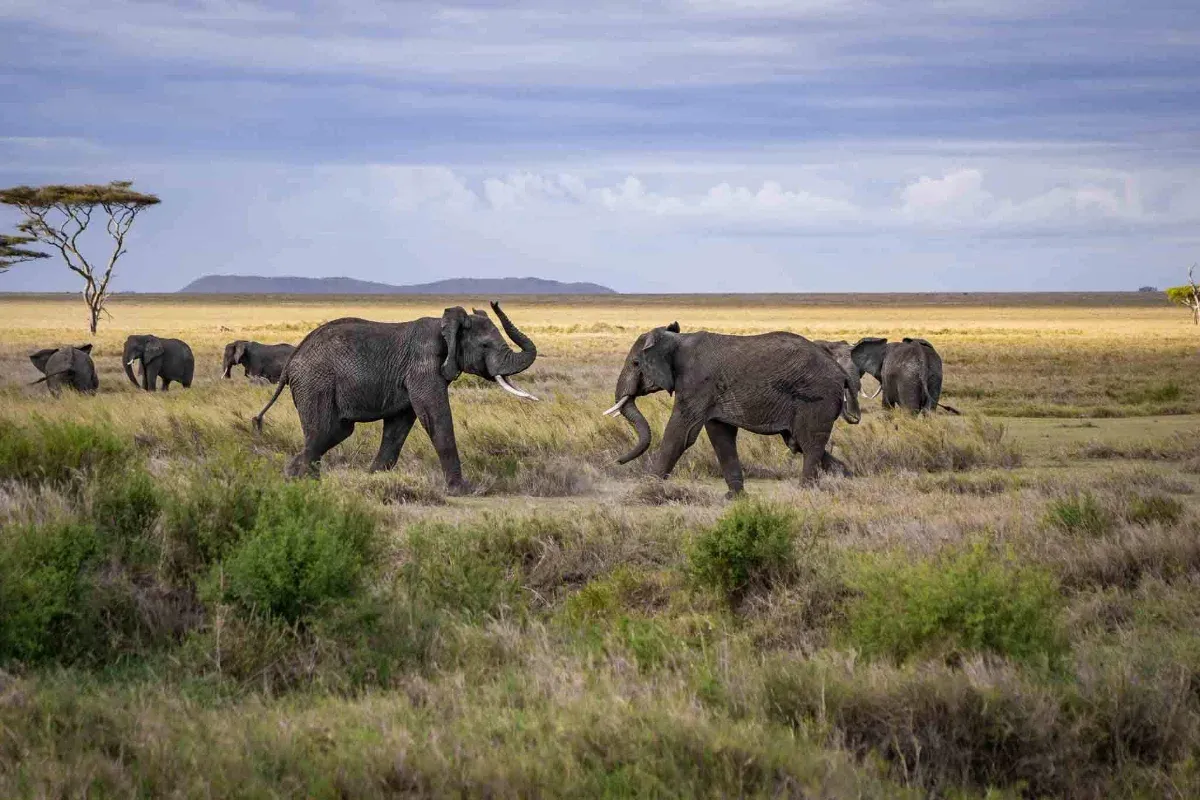 Itinerary
6-Day Northern Circuit Safari (Crater Finale)
6 days · From $1,538 pp
Why the cheapest quote almost always hides the most#
When two quotes for the "same" safari differ by 30%, the cheaper one is rarely a better deal — it is a different product with the same words. Here is what gets quietly stripped out to hit a headline number, in roughly the order operators cut it.
Fewer park days, more gate-shuffling. A cheap quote may sleep you outside the parks every night, so you lose the first and last golden hour to the commute and the gate queue, and the itinerary spends "a day in the Serengeti" that is really four hours of driving wrapped around two short drives.
Shared seats sold as private. "Safari for two" sometimes means two seats in a seven-seat group vehicle you'll share with strangers — fine if you expected it, infuriating if you didn't. Confirm whether the vehicle is private or shared.
The guide. As covered above, this is the first and most damaging cut, and it never appears on the invoice.
Excluded line items. The classics left out of a cheap total: international and sometimes domestic flights, Tanzania visa (US$50, or US$100 for US citizens), travel insurance, drinks, tips, the crater descent fee, and any activity beyond the standard game drive. Read the exclusions list more carefully than the inclusions.
VAT and "park fees not included." The most aggressive trick is quoting the per-day rate before the US$60–250 per person per day (US$82.60 on a standard Serengeti day; up to US$250 on the crater descent day) of park fees, or before 18% VAT, so the real total arrives later. A quote that says "park fees not included" is not a quote at all.
The honest test is simple: ask any operator for an all-in, VAT-inclusive total with the vehicle type (private vs shared), the exact lodges by name, and the park days written out. The operator who can produce that in writing is the one to trust — and it is the whole reason this marketplace shows real lodges and real prices up front instead of a "request a quote" form.
Browse Tanzania safarisWhat about Kilimanjaro and Zanzibar?#
Two costs sit outside the safari stack but are worth flagging because most Tanzania trips add one. A Kilimanjaro climb is priced completely differently — it is a guided expedition where reputable operators charge roughly US$2,000–4,500 for a six-to-eight-day route, and the bulk of that is mandatory park fees (about US$82.60/day plus camping and rescue fees, well over US$1,000 in fees alone) and a legally required crew of guides, cooks and porters whose wages are the line dangerous-cheap operators cut. Anything advertised under ~US$1,800 should worry you. A Zanzibar beach extension, by contrast, is far cheaper per day than safari — there are no park fees — and runs anywhere from US$100/night for a simple guesthouse to US$1,000+ for a top resort, plus the flight from the central Serengeti (from US$350 on FlightLink).
The bottom line#
Tanzania is expensive because the fixed government fees are high and unavoidable — budget US$60–250 per person per day (US$82.60 on a standard Serengeti day; up to US$250 on the crater descent day) in park fees before anything else — and because the experience genuinely improves with the vehicle, the guide and the location you pay for. The smart money does not chase the lowest number; it spends where it counts (a great guide, sleeping inside the parks at the peak season you care about, a bush flight instead of a transfer day) and saves where it doesn't (shoulder-season rates, sharing a vehicle, skipping the crater descent if rhino isn't a priority). Get the total in writing, VAT-inclusive, with the lodges named, and you will know exactly what your safari costs — line by line.
Ready to plan the real thing?
Compare honest, all-in safari packages with real lodge choices — straight to the local operator, no middleman.
Browse safari packagesKeep reading
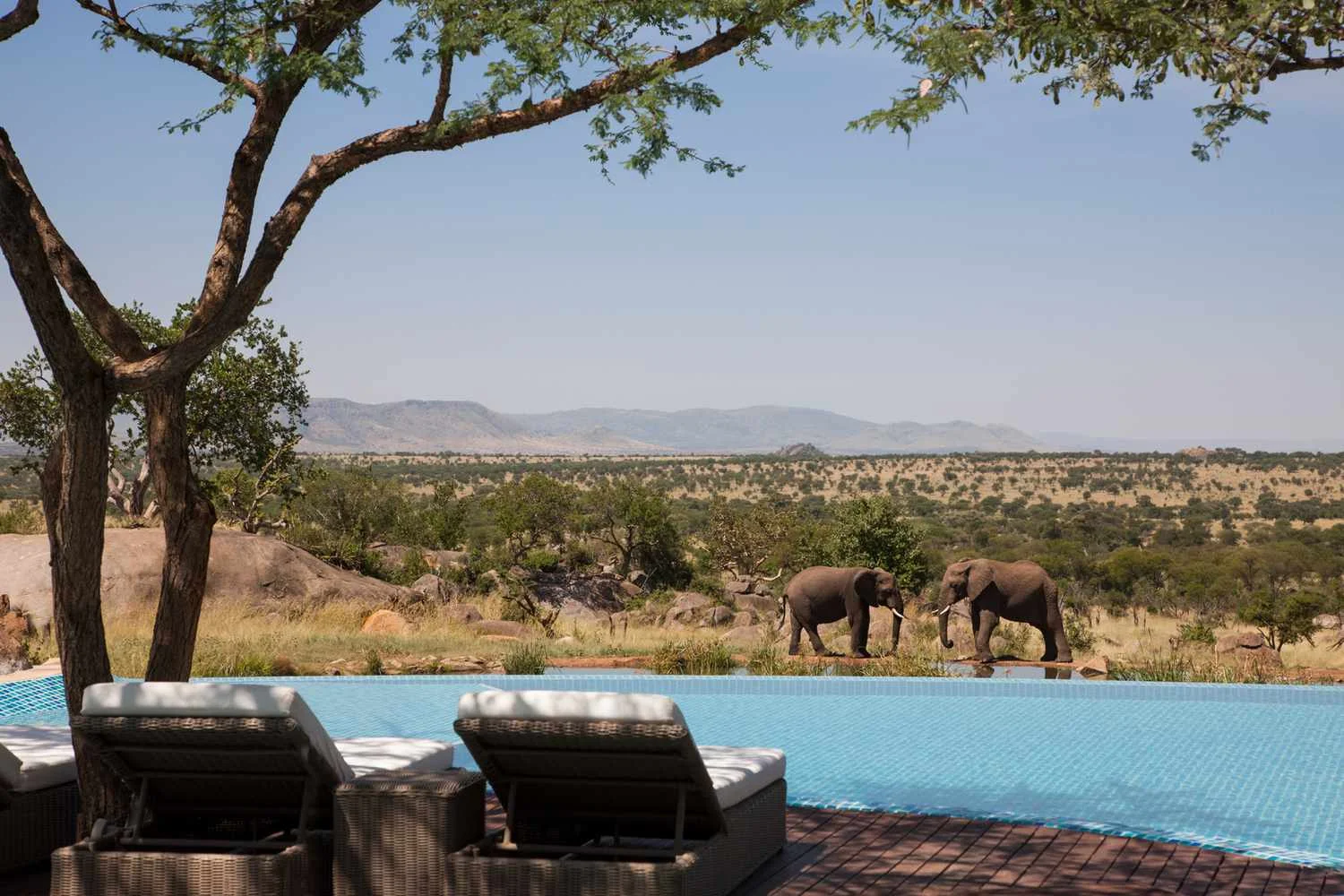
planning
Lodge, Tented Camp or Mobile? Safari Stays in Tanzania, Explained
planning
Getting Your Tanzania Visa: The 2025–2026 Playbook

planning
Shots, Pills & the Yellow-Fever Trap: Health Prep for Tanzania & Kenya
planning
Sleeping in the Wild: Fly-Camping & Walking Safaris in Tanzania
planning
Tanzania or Kenya? An Honest Safari, Trek & Beach Showdown
planning
On Foot in East Africa: Walking Safaris in Tanzania & Kenya