 Tours
Tours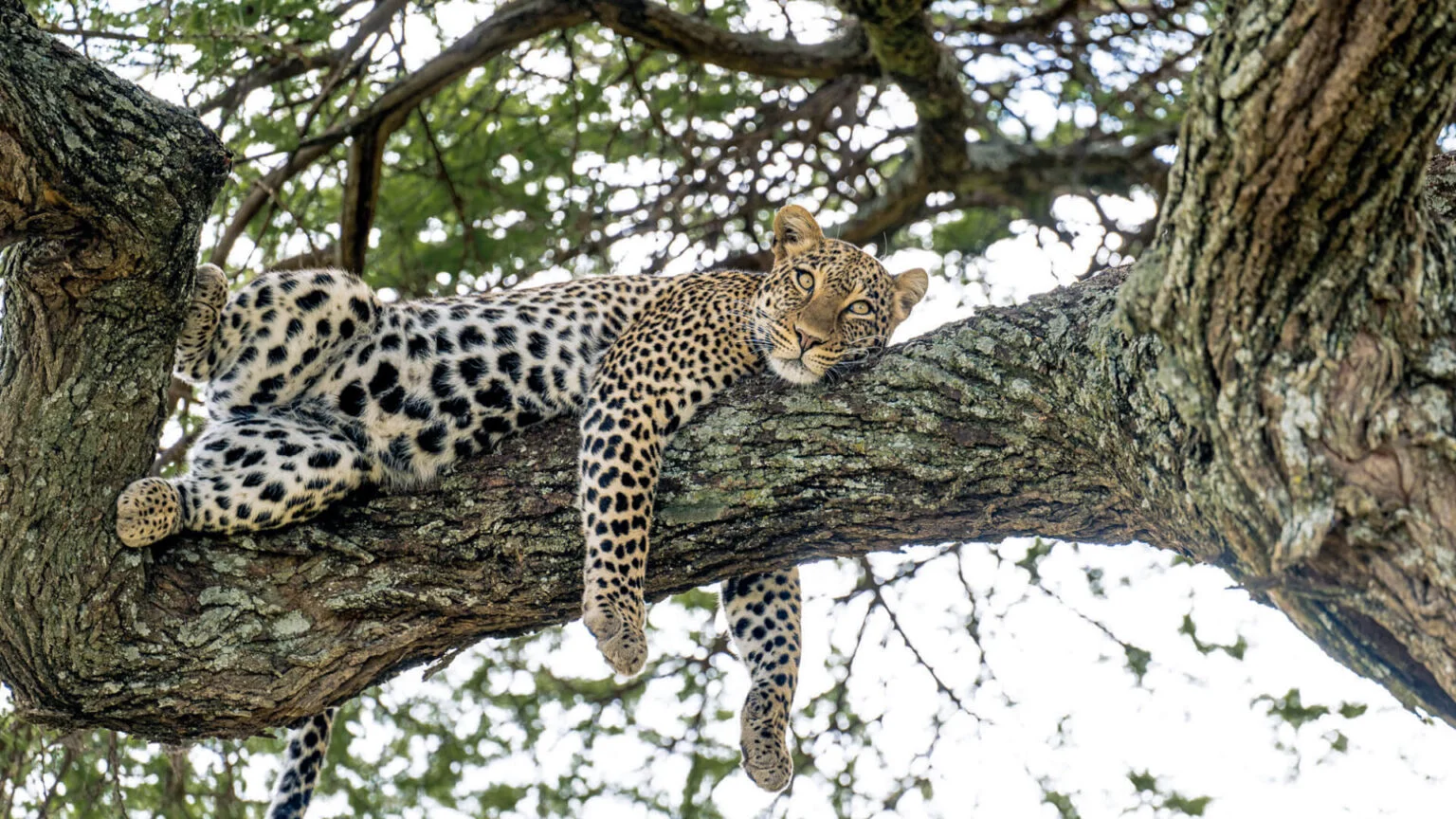
NoMiddleManTours · Jun 22, 2026 · 11 min read
A guide-grade breakdown of where, when and how to find lion, leopard, elephant, buffalo and black rhino in and around the Serengeti — with the sub-regions, months and lodges that actually deliver each one.
You can see four of the Big Five inside the Serengeti on almost any week of the year: lion, leopard, elephant and buffalo are all resident, and central Serengeti holds the highest predator density anywhere in Africa. The fifth — black rhino — is the catch. It is genuinely rare here, surviving in only one small pocket of the park, which is why most travellers who want a confirmed rhino sighting pair the Serengeti with a single morning in the Ngorongoro Crater. This guide tells you exactly where each animal lives, the months that stack the odds, and the specific landscapes and lodges to put yourself in front of.
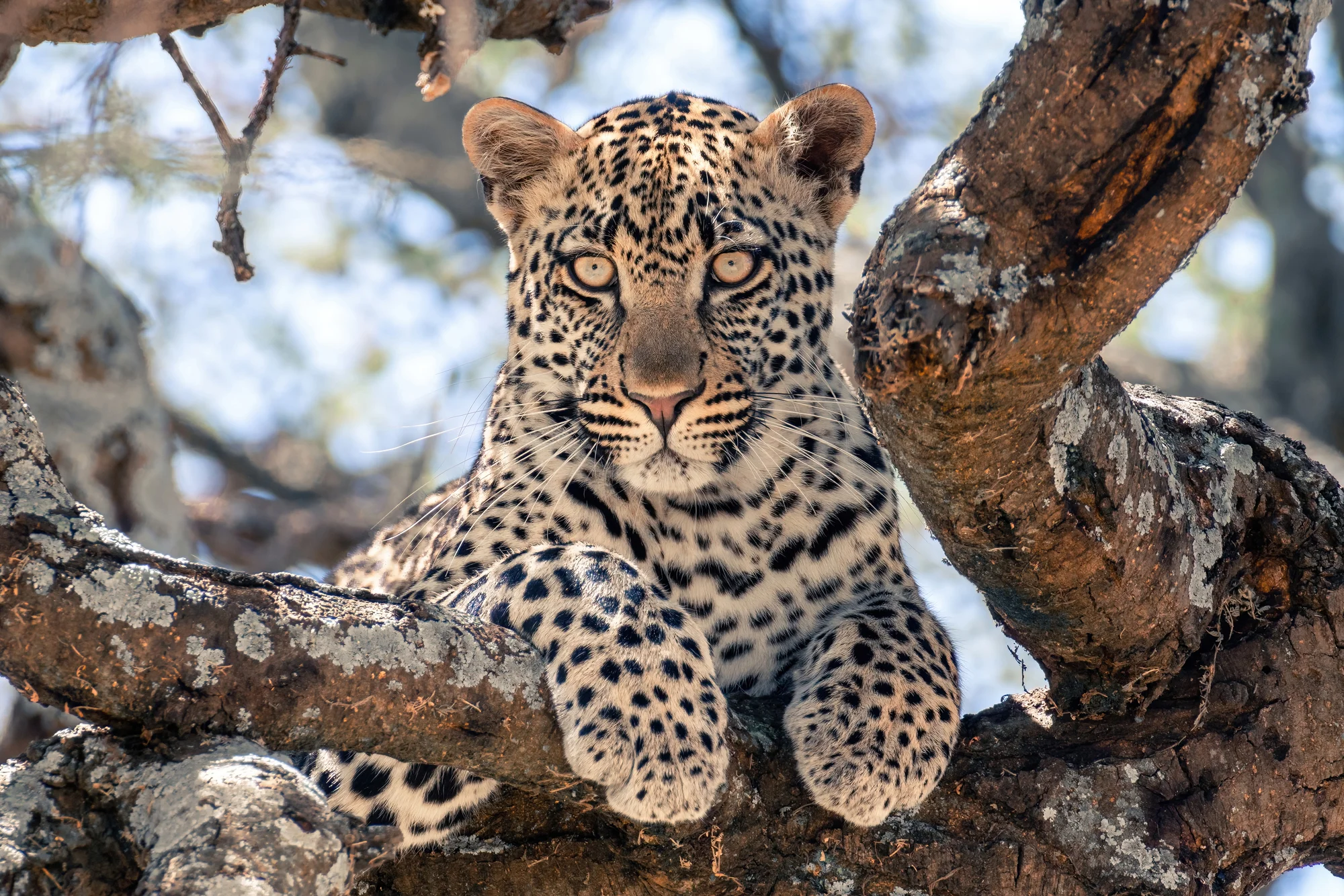 Destination
Serengeti National Park
national_park
The short answer: which of the Big Five, where, and when#
The "Big Five" is a hunting-era term for the five animals once considered most dangerous to pursue on foot — lion, leopard, elephant, Cape buffalo and rhinoceros. On a Serengeti safari, four are straightforward and one is not. Here is the at-a-glance version before the detail.
| Animal | In the Serengeti? | Best sub-region | Best months | How likely |
|---|---|---|---|---|
| Lion | Resident, abundant | Seronera (central) kopjes & river | Year-round; Jun–Oct peak | Near-certain over 2–3 days |
| Leopard | Resident | Seronera River Valley | Nov–May (more sightings) | High with a full Seronera day |
| Elephant | Resident | Northern Serengeti (Lobo/Kogatende) | Year-round | High, esp. in the north |
| Buffalo | Resident, abundant | Seronera marshes, Lobo, crater floor | Year-round | Near-certain |
| Black rhino | Very rare | Moru Kopjes only (+ Ngorongoro Crater) | Year-round, by luck | Low in the park; high in the crater |
The honest planning takeaway: budget two to three nights in the Serengeti for the cats and herds, and add a crater day if a rhino sighting matters to you. Park entry to the Serengeti is US$82.60 per adult per day; all gates run 6 AM to 6 PM and no driving is allowed inside the park after dark.
Lion — the easiest of the five#
The Serengeti carries the densest lion population on the continent, and central Serengeti around Seronera is where you stand the best chance of repeated sightings. The reason is structural: the Seronera River keeps water and prey year-round, and the granite kopjes that rise from the plains give prides shade, elevated lookouts and warm rock to lie on after a cold night. Scan the bases and tops of those outcrops mid-morning and you will often find a pride flat out in the sun.
Seasonality shifts the behaviour more than the odds. From June to October, as the dry season concentrates plains game and the migration funnels through, lions push toward rivers and waterholes to ambush moving herds — this is when you see the most hunting and the most territorial drama. From January to March the action moves south to the Ndutu short-grass plains, where prides shadow the wildebeest calving and time their own cubs to the windfall of newborn prey. In the long rains of April and May prides disperse into taller grass and are simply harder to read.
A detail most first-timers miss: the northern Lobo Hills hold resident prides year-round, independent of the migration, so a northern Serengeti itinerary is not a gamble for lion even outside crossing season. If you want the textbook image — a pride draped over a kopje at first light — base in Seronera and go out at dawn.
Leopard — patience along the Seronera River#
If lion is the easy one, leopard is the rewarding one. The Seronera River Valley holds the highest concentration of leopards in Tanzania, and the mechanism is specific: a ribbon of riverine forest threads through open plains, and the big sausage trees and flat-topped acacias along the water give leopards exactly what they need — daytime shade, a hoist point for kills, and a vantage over prey moving to water. Train your eyes on the heavy horizontal limbs of those trees, not the ground. A draped tail or a kill wedged in a fork is often the only giveaway.
Counterintuitively, the wet season from November to May is the better leopard window, not the dry. With fewer lions hunting the same ground and denser cover for ambush, leopards move more freely and are seen more often; cubs are also more active in these months. Whatever the season, leopards are crepuscular — your real chances are the first and last ninety minutes of light. A guide who knows individual cats by territory is worth more here than anywhere else on the circuit; this is a sighting you work for rather than stumble into. The same wet-season logic and forested terrain make nearby Lake Manyara a strong leopard bet too, which is why some northern-circuit trips fold in a half-day there on the way through.
Elephant — head north for the big herds#
Elephant are resident across the Serengeti, but they are not evenly spread. The largest concentration in the park is in the north, around Lobo and Kogatende, where breeding herds move through riverine woodland year-round — a population that was hammered by poaching in the 1980s and has recovered since. A northern Serengeti itinerary, often built around the July-to-October Mara River crossings, almost always delivers elephant alongside the migration spectacle.
Here is the regional nuance worth stating plainly, because it changes itineraries: for sheer elephant numbers, the Serengeti is not Tanzania's headline act. Nearby Tarangire is. In the dry months of August to October, when surrounding water sources fail, more than 3,000 elephants concentrate along the Tarangire River — the densest seasonal gathering in the country. Many northern-circuit trips open with a night or two there before pushing on to the Serengeti, which is why the elephant question is best answered across the whole circuit rather than the Serengeti alone.
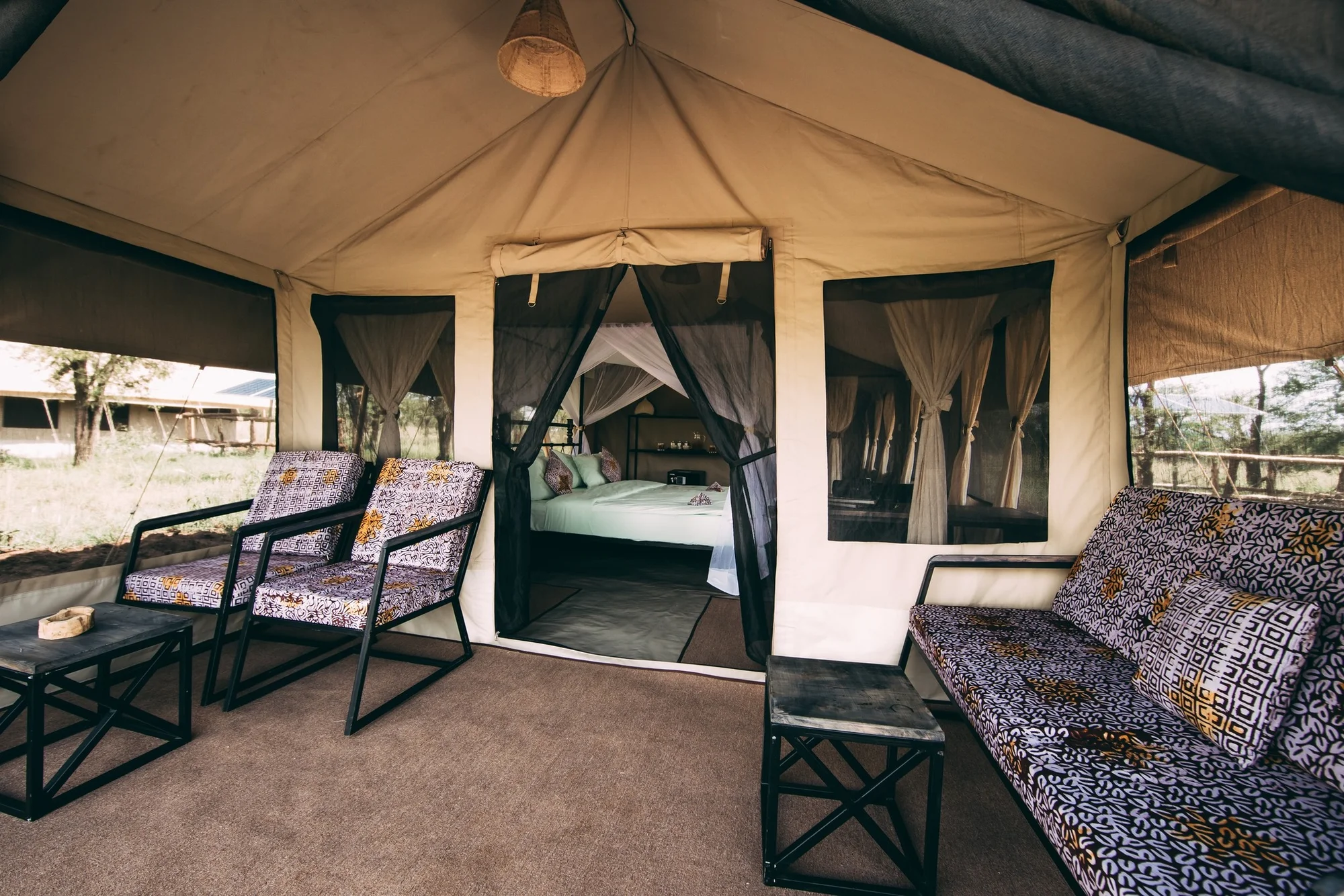 Luxury
Serengeti Tortilis Camp
Luxury · Serengeti National Park
Buffalo — abundant and easy to overlook#
Cape buffalo rarely make anyone's wish list, yet they are one of the most reliably seen of the five and, pound for pound, among the most dangerous animals in Africa. In the Serengeti you will find large herds grazing the Seronera marshes and grasslands, around Lobo, and along seasonal watercourses; old solitary bulls — the "dagga boys" caked in dried mud — tend to hold near water on their own. The Ngorongoro Crater floor also carries a dense resident herd. Buffalo are a near-certainty on any multi-day Serengeti safari, so the planning advice is simply not to drive past them: a herd at a waterhole at dusk, or a bull facing down a testing lion pride, is one of the great quiet dramas of the savanna.
Black rhino — the one you plan around#
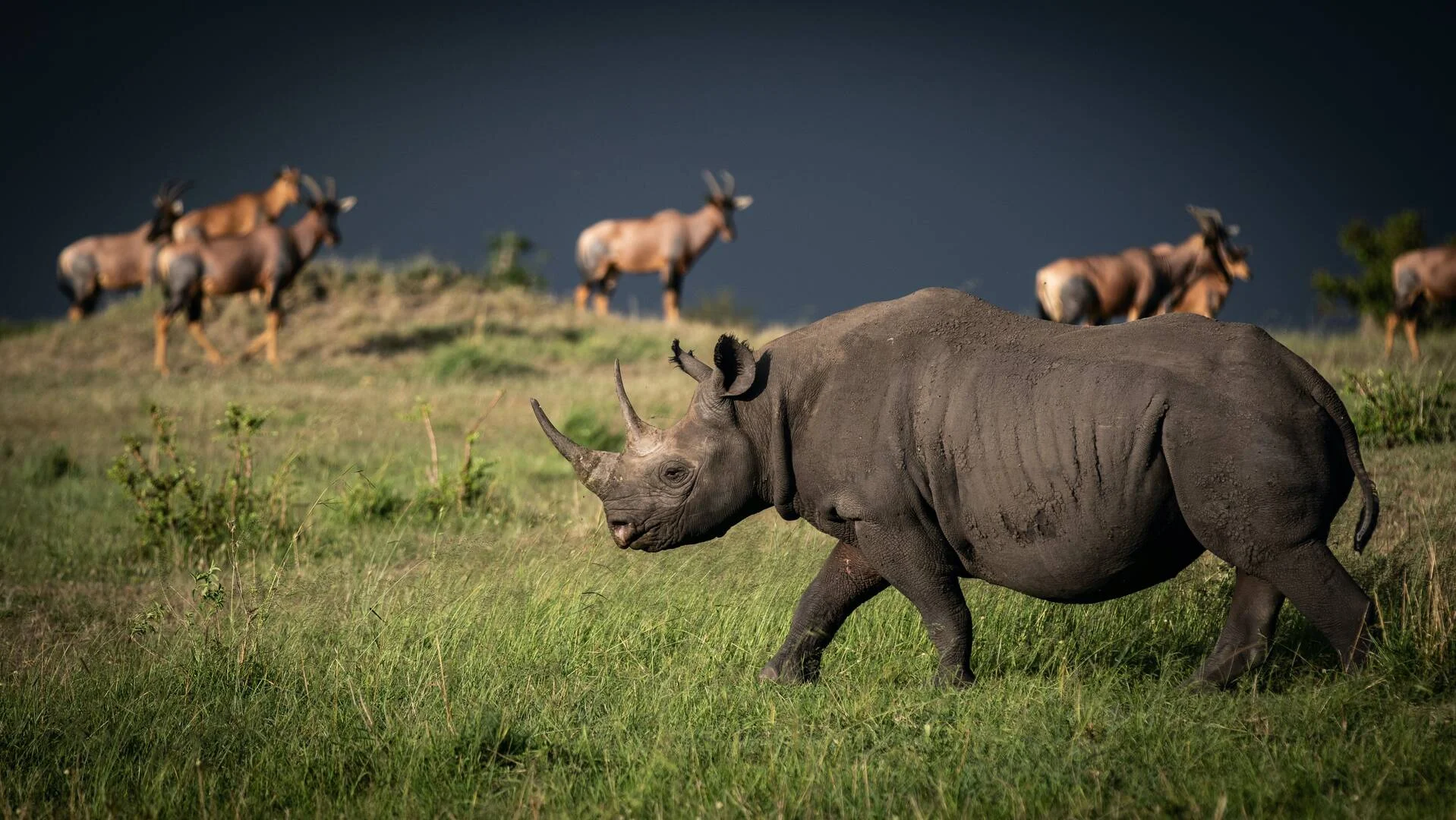
This is where realistic expectations matter. Black rhino are critically endangered, and the Serengeti's population is tiny and concentrated in a single area: the Moru Kopjes, a cluster of granite outcrops in the south-central park that is the only reliable rhino ground inside the Serengeti. Even there, sightings are a matter of luck and distance — you may glimpse one across open plain through binoculars, and many visitors who specifically ask for Moru still leave without a rhino. Treat any Serengeti rhino as a bonus, not a plan.
For a confirmed sighting, the answer is the Ngorongoro Crater — roughly a 4-hour drive from central Serengeti (Seronera), and considerably farther from the northern Kogatende sector, so it is normally done as a separate day while transiting between Karatu and the park rather than as a detour from inside the Serengeti. The crater floor holds roughly 20 to 30 black rhino in 264 square kilometres of enclosed grassland — the single best place to see the animal in Tanzania, and the reason the crater completes the Big Five for the vast majority of northern-circuit travellers. A crater morning carries its own costs: the US$82.60 conservation-area fee per adult, plus a US$295-per-vehicle crater service fee for the descent and roughly US$40 for the mandatory ranger. Descend via the Seneto road by 6 AM, work the floor — the Lerai Forest and the open grassland near Lake Magadi (the crater's alkaline soda lake) are the usual rhino ground — and ascend the Lerai road before the six-hour floor limit runs out. Pair that single day with your Serengeti nights and all five animals come into reach.
When to go for the Big Five#
Every one of the five is present year-round, so the "best time" depends on which animal and which spectacle you weight most heavily.
| Period | What's happening | Big Five angle |
|---|---|---|
| Jan–Mar | Calving on the southern (Ndutu) plains | Lion & cheetah action peaks; leopard cubs active; rhino still crater-only |
| Apr–May | Long rains, lush and quiet | Cheapest; cats harder to read in tall grass; superb for leopard, green-season solitude |
| Jun–Oct | Dry season, peak game viewing | Easiest lion; herds and predators concentrate at water; crossings in the north Jul–Oct |
| Nov–Dec | Short rains, herds moving south | Strong all-round; resident northern prides and elephants; good value |
If you can only optimise for one thing: June to October gives the most predictable big-cat and herd viewing and overlaps the famous river crossings; November to May (especially the green months) is quieter, cheaper and quietly better for leopard.
How to actually see them: game-drive tactics#
Sightings reward time in the right place far more than luck. A few field-tested rules:
Go at dawn and dusk. Cats hunt in the cool hours and rest through the heat. The first and last two hours of light hold most of the predator activity; midday is for shade, hippo pools and a packed lunch.
Read the trees for leopard, the kopjes for lion. Along the Seronera River, scan horizontal acacia and sausage-tree limbs at eye level, not the grass. Around the granite kopjes, check the shaded bases and flat tops where prides lie up.
Use the radio network — and a great guide. Serengeti guides share sightings by radio, so a strong guide turns one vehicle's leopard into yours. The single highest-leverage decision you make is the operator and the guide, not the lodge.
Give it three days, two regions. Two to three nights based in central Serengeti covers lion, leopard and buffalo comfortably; adding a northern leg or a crater day rounds out elephant and rhino. One night is a coin toss.
Stay close to the action. Sleeping inside the park near Seronera means you are on a sighting at first light instead of queuing at a gate at 8 AM.
 Luxury
Ole Serai Luxury Camp — Seronera
Luxury · Serengeti National Park
Where to base yourself#
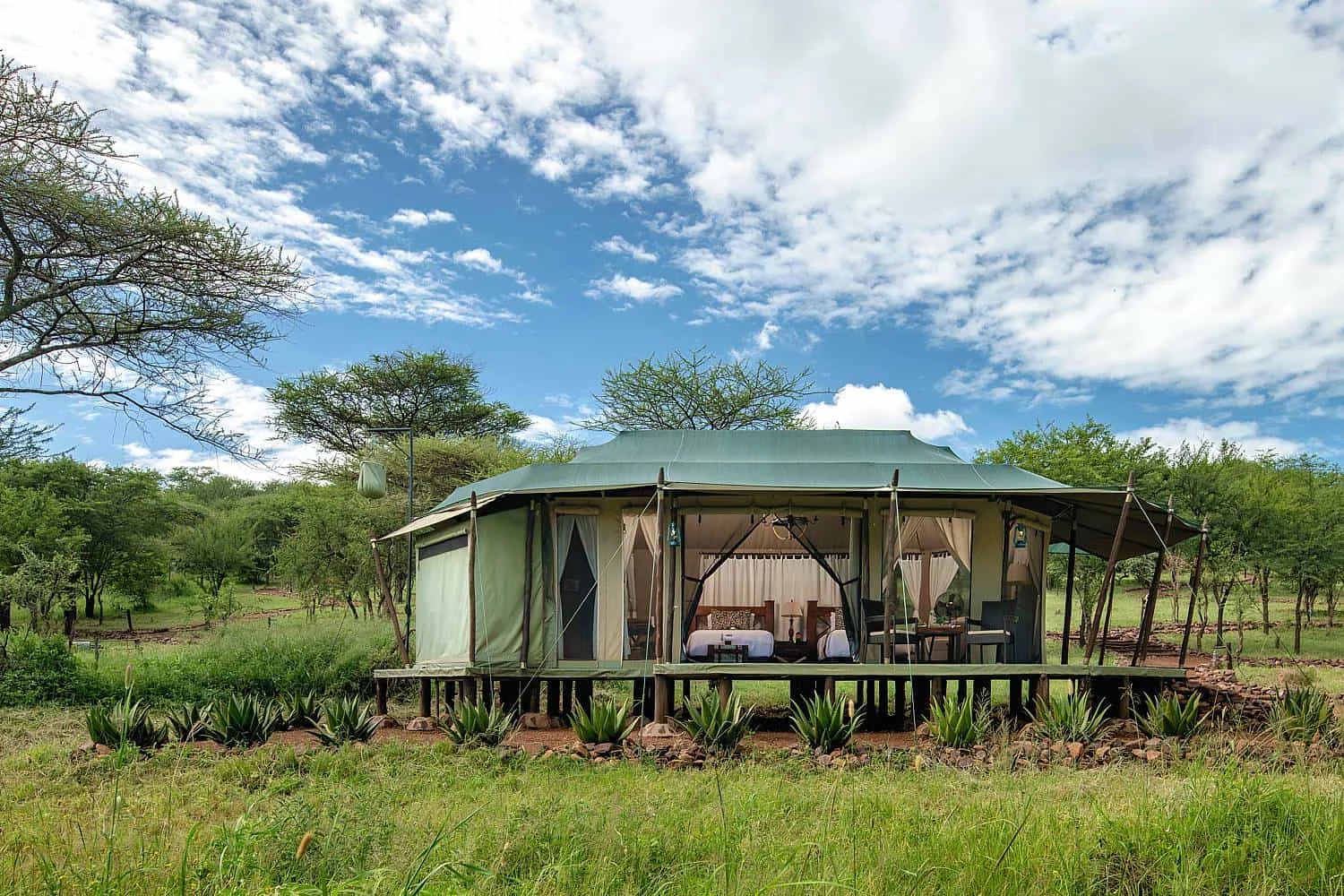
The single most useful lodging decision for the Big Five is to base in or near central Seronera, where the lion and leopard density is highest, then position a second leg around your priority — the north for elephant and crossings, or a crater-rim night for rhino. A classic Big-Five northern-circuit trip strings together Tarangire (elephant), the Ngorongoro Crater (rhino) and the central and northern Serengeti (cats, buffalo, herds), often with a bush flight to skip the long final drive. The itinerary below is one such fly-in route that threads the cat-rich Serengeti with the wider ecosystem.
 Itinerary
10-Day Mara & Serengeti Premium Fly-In
10 days
If you would rather compare every Big-Five-focused route side by side — durations, regions and lodge tiers — start here:
See all Big Five safarisFrequently asked questions#
Can you see all of the Big Five inside the Serengeti? You can reliably see four — lion, leopard, elephant and buffalo — inside the Serengeti. The fifth, black rhino, is genuinely rare and confined to the Moru Kopjes; most travellers add a day in the Ngorongoro Crater (about 4 hours from central Serengeti/Seronera) to confirm a rhino and complete the five.
What is the best month to see the Big Five in the Serengeti? June to October gives the most predictable big-cat and herd viewing and overlaps the northern river crossings. November to May is quieter, greener and cheaper, and is actually the better window for leopard because there is less lion competition.
Where are you most likely to see a leopard in the Serengeti? The Seronera River Valley in central Serengeti holds the highest leopard concentration in Tanzania. Scan the large sausage trees and flat-topped acacias along the river at dawn and dusk, when these crepuscular cats are most active.
Where do you see black rhino near the Serengeti? Inside the Serengeti, the only reliable area is the Moru Kopjes, and even there sightings are a matter of luck. For a near-guaranteed sighting, the Ngorongoro Crater floor holds roughly 20 to 30 black rhino and is the best place in Tanzania to see the species.
How many days do you need in the Serengeti to see the Big Four? Plan two to three nights based around central Seronera. That gives you enough dawn and dusk drives to find lion, leopard and buffalo comfortably, with elephant likely as well — strongest if you add a northern Serengeti leg.
How much does it cost to enter the Serengeti and Ngorongoro Crater? Serengeti park entry is US$82.60 per adult per day. The Ngorongoro Conservation Area is US$82.60 per adult per 24 hours, plus a US$295-per-vehicle crater service fee for the descent and roughly US$40 for the required ranger.
Is the Serengeti or Tarangire better for elephants? Tarangire is better for sheer elephant numbers — over 3,000 concentrate along the river in the dry season from August to October. The Serengeti's elephants are most concentrated in the north, around Lobo and Kogatende, and a northern itinerary delivers them year-round alongside the migration.
Are night drives allowed to find leopard and other cats? No. The Serengeti is a national park where driving is prohibited after the 6 PM gate closing, so there are no night drives. To search for nocturnal species after dark you need a private concession or a Wildlife Management Area, not the national park itself.
Ready to plan the real thing?
Compare honest, all-in safari packages with real lodge choices — straight to the local operator, no middleman.
Browse safari packagesKeep reading
wildlife
Hyenas in Tanzania: Spotted, Striped and Wildly Misunderstood
wildlife
Black Rhino in Tanzania: Finding the Rarest of the Five
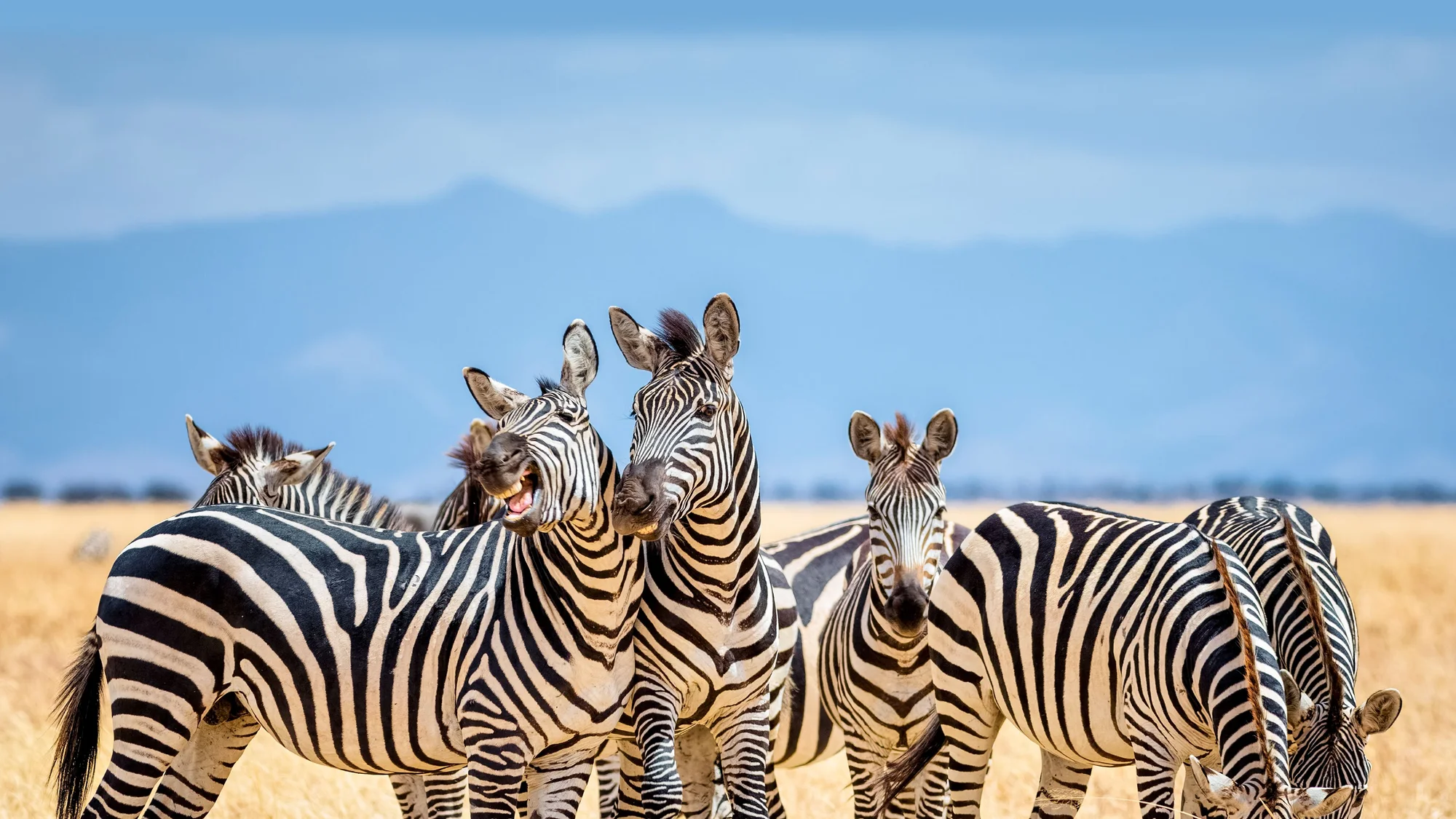
wildlife
The Stripes That Lead the Migration: Zebras in Tanzania
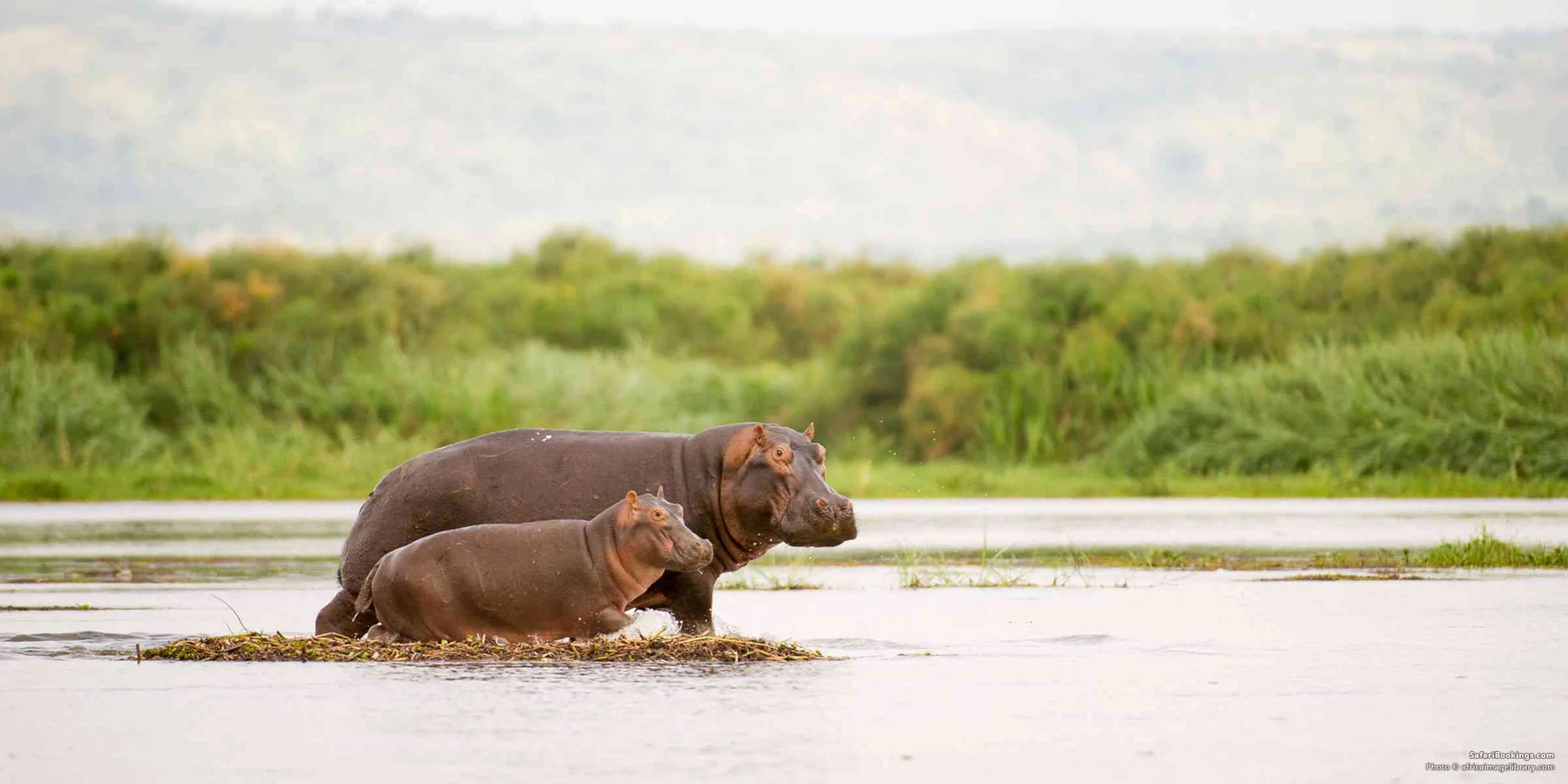
wildlife
River Giants: Where to Meet Tanzania’s Hippos
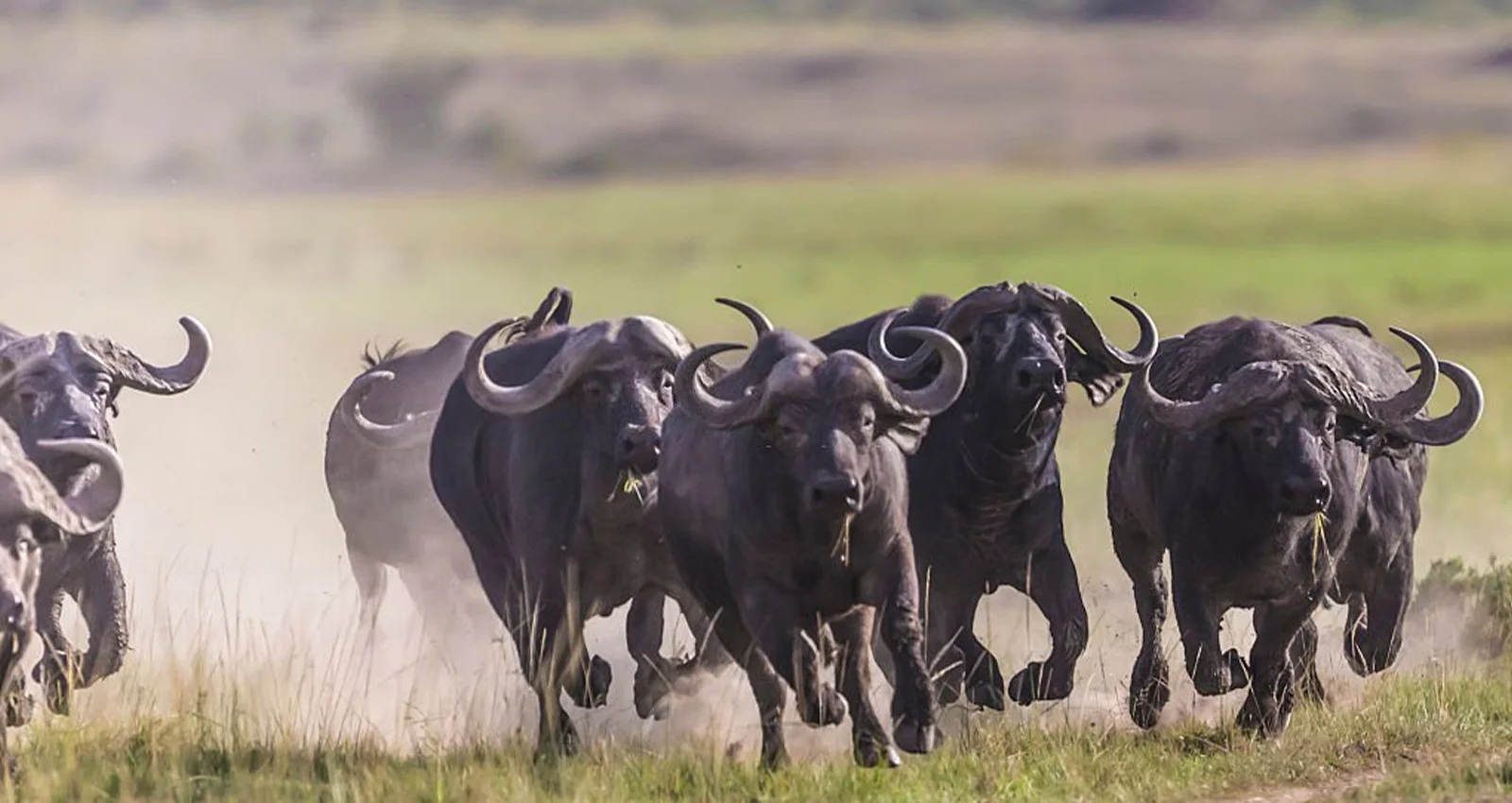
wildlife
The Dagga Boys: Cape Buffalo in Tanzania
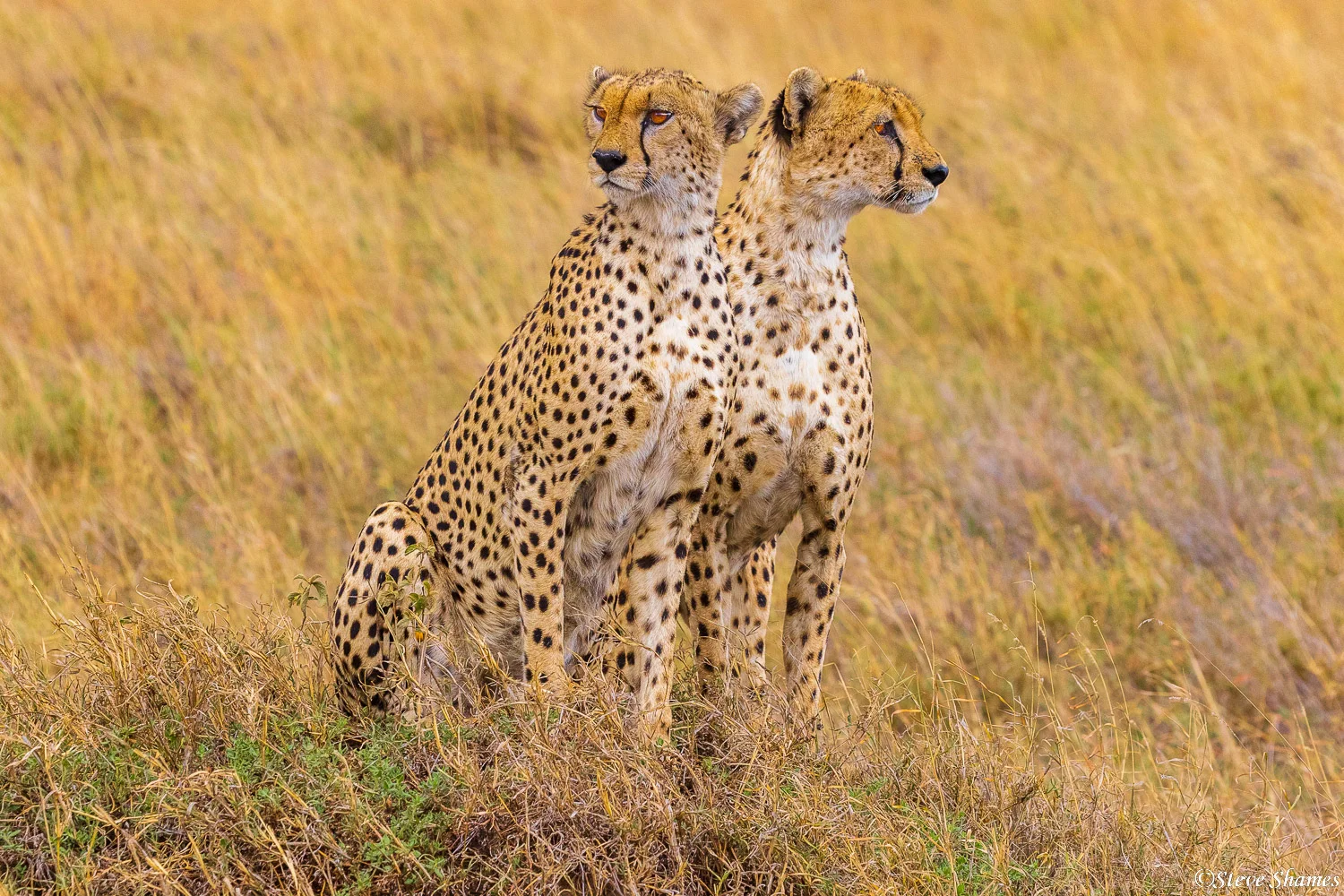
wildlife
Built for the Plains: A Guide to Tanzania’s Cheetahs