 Tours
Tours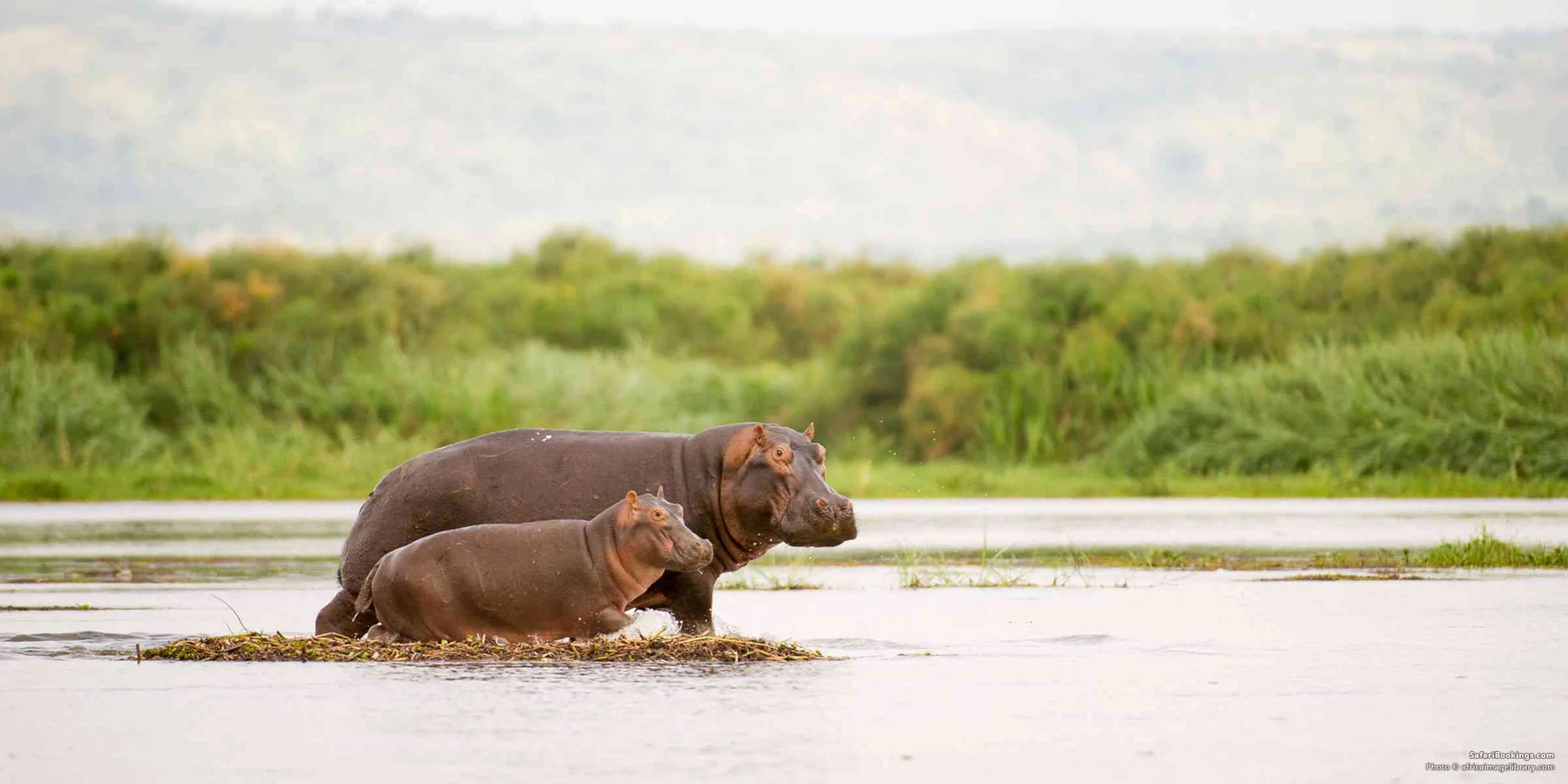
NoMiddleManTours · Jun 22, 2026 · 12 min read
Where to find hippos in Tanzania, the dry-season congregations worth planning a trip around, and the one fact that changes how you watch them — from the Retina Hippo Pool near Seronera to the 600-strong pools of remote Katavi.
A hippo is not the cuddly river-pig of cartoons. It is one of the most dangerous animals in Africa — responsible for more human fatalities each year than lions, leopards or buffalo — and watching a pod properly — knowing what the yawns mean, why they pile up in the dry season, what they are doing all night while you sleep — turns a five-minute photo stop into one of the most absorbing sightings on a safari. Tanzania happens to be one of the best countries on earth to do exactly that, from a roadside pool near Seronera that almost every northern-circuit traveller passes, to a remote western park where six hundred of them crush into a single shrinking channel. This guide covers where they are, the months that concentrate them, and how to read what you are looking at.
 Destination
Lake Manyara National Park
national_park
The short answer: where to see hippos in Tanzania#
Hippos need two things — deep enough water to submerge in by day and open grass to graze at night — so you find them wherever a permanent river, lake or swamp sits beside grassland. In Tanzania that means almost every major park has a hippo pool, but a handful deliver something far beyond the standard pod. Here is the at-a-glance version before the detail.
| Place | What you get | Best months | Effort to reach |
|---|---|---|---|
| Serengeti (Retina Hippo Pool, near Seronera) | Permanent pod of dozens, on the central circuit | Year-round | Easy — on the main route |
| Katavi (Katuma River pools) | Up to 600 hippos crammed into one shrinking pool | Aug–Oct | Fly-in only, remote |
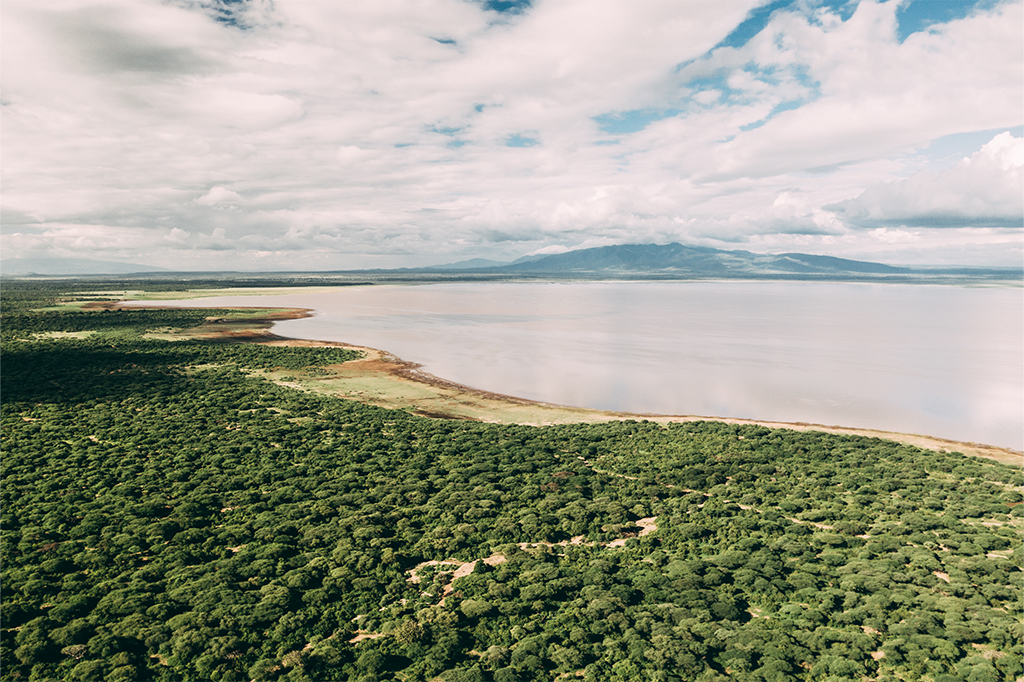
| Lake Manyara | Hippo pool near the northern entrance, with birds | Year-round | Easy — on the northern circuit |
| Grumeti (western Serengeti) | Deep river pools, big resident pods | Year-round; migration window May–Jul | Moderate — fly-in or long drive |
| Nyerere & Ruaha (southern circuit) | Boat-level views, hundreds along the rivers | Jun–Oct | Fly-in, southern parks |
The honest planning takeaway: if you are doing a standard northern-circuit safari you will see hippos without trying, at the Serengeti pool near Seronera and at the Lake Manyara pool. If you want the genuine spectacle — the writhing, grunting, mud-and-bodies density that people travel for — you go to Katavi in the late dry season, and almost nobody does.
The one fact that changes how you watch them#
Before the geography, the single piece of knowledge that upgrades every hippo sighting: hippos do not spend the day in water to keep cool the way a buffalo wallows. They are in the water because their thin, hairless skin sunburns and dries out, and they cannot sweat in the ordinary sense. They secrete a reddish oily fluid — the "blood sweat" myth comes from this — that works as sunblock and antibiotic. So the daytime pod you photograph is essentially a group of animals hiding from the sun, doing almost nothing, occasionally surfacing to breathe every three to five minutes.
The animal you are not seeing is the one that matters. After dark, hippos haul out and walk — sometimes several kilometres — to graze short grass, putting away forty to fifty kilograms of it in a night before returning to water by dawn. This is why hippo trails radiate from every pool like spokes, why lodges near hippo water warn you not to walk between your tent and the dining tent after dinner, and why the most dangerous moment with a hippo on land is when you get between it and its escape route back to the water. A hippo on a night path, cut off from its pool, is the classic fatal encounter. The yawn you find so photogenic is not a sleepy stretch either — it is a threat display, the animal showing you thirty-plus centimetres of canine and saying you are too close.
Serengeti: the Retina Hippo Pool near Seronera#
Almost every traveller on a classic northern safari passes within minutes of a hippo pool without realising it is a named landmark. The Retina Hippo Pool sits on the Seronera River in central Serengeti, a short detour off the main game-driving circuit near Seronera, and it is the reliable, year-round place to see hippos in the heart of the park. A bend in the river slows and deepens the water, and dozens of hippos pack into it — bodies overlapping, calves wedged on adults' backs, the whole pod shifting and grumbling.
Two insider notes most guides will tell you only if you ask. First, this is a sanctioned get-out-of-the-vehicle spot — one of the very few in the central Serengeti where you are allowed to stand at a marked viewpoint above the water, which is what makes it worth the detour rather than just another roadside pod. Second, time your visit for late morning when the central-circuit cats have gone to shade: midday, which is dead time for predators, is exactly when a hippo pool repays attention, because the pod is at its most crowded and the social jostling — head-tossing, mock charges, the explosive "wheeze-honk" call — peaks in the heat. The smell, frankly, is part of the experience: a pool this dense is also a communal latrine, and hippos fling dung with a flicking tail to mark territory.
Katavi: the dry-season spectacle almost nobody sees#
If the Serengeti pool is the accessible version, Katavi is the holy grail, and it is the reason a hippo article about Tanzania cannot just be a tour of the northern circuit. Katavi is the country's third-largest national park and one of the most remote — fly-in only, with so few visitors that guides say you may see more lions than people. What happens here in the late dry season is one of African wildlife's hardest-to-witness spectacles.
 Destination
Katavi National Park
national_park
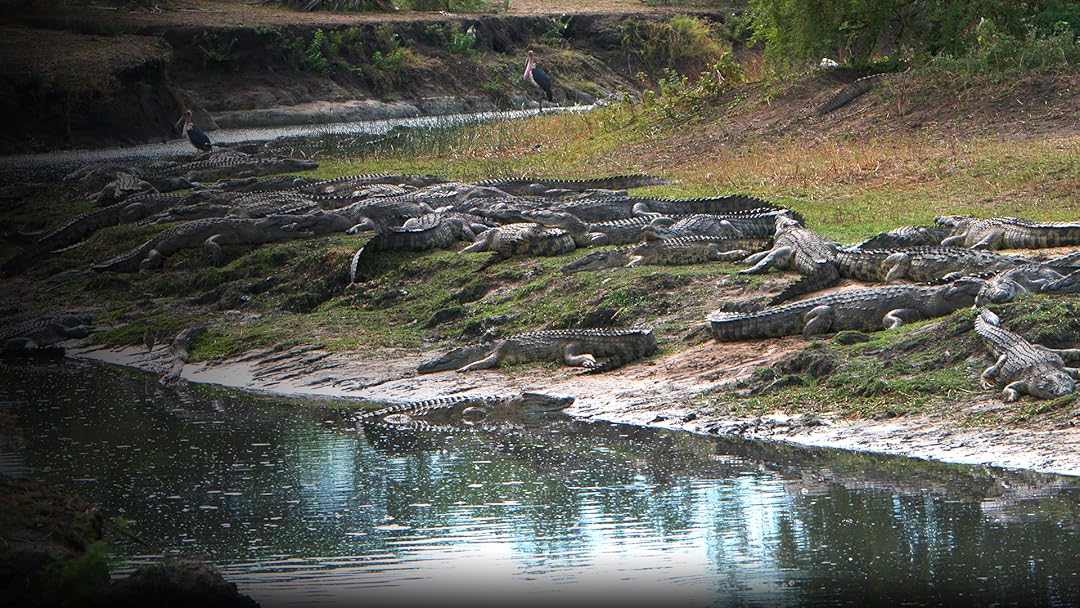
The mechanism is brutal and simple. The Katuma River and the park's seasonal lakes shrink through the dry months until, by August and September, the river is a series of disconnected muddy pools — and they hold up to six hundred hippos forced together into water that is barely enough to cover them. They are stacked three deep, packed flank to flank, in pools so crowded that fights over the last deep water are constant and the bulls carry the scars to prove it. Crocodiles wedge in among them; thousand-strong buffalo herds come down to the same water. It is loud, it stinks, and it is unforgettable. Late August into September, just before the rains break, is the absolute peak — the densities at their highest; the pools keep shrinking into October, so the spectacle holds through the tail of the dry season before the rains scatter the animals.
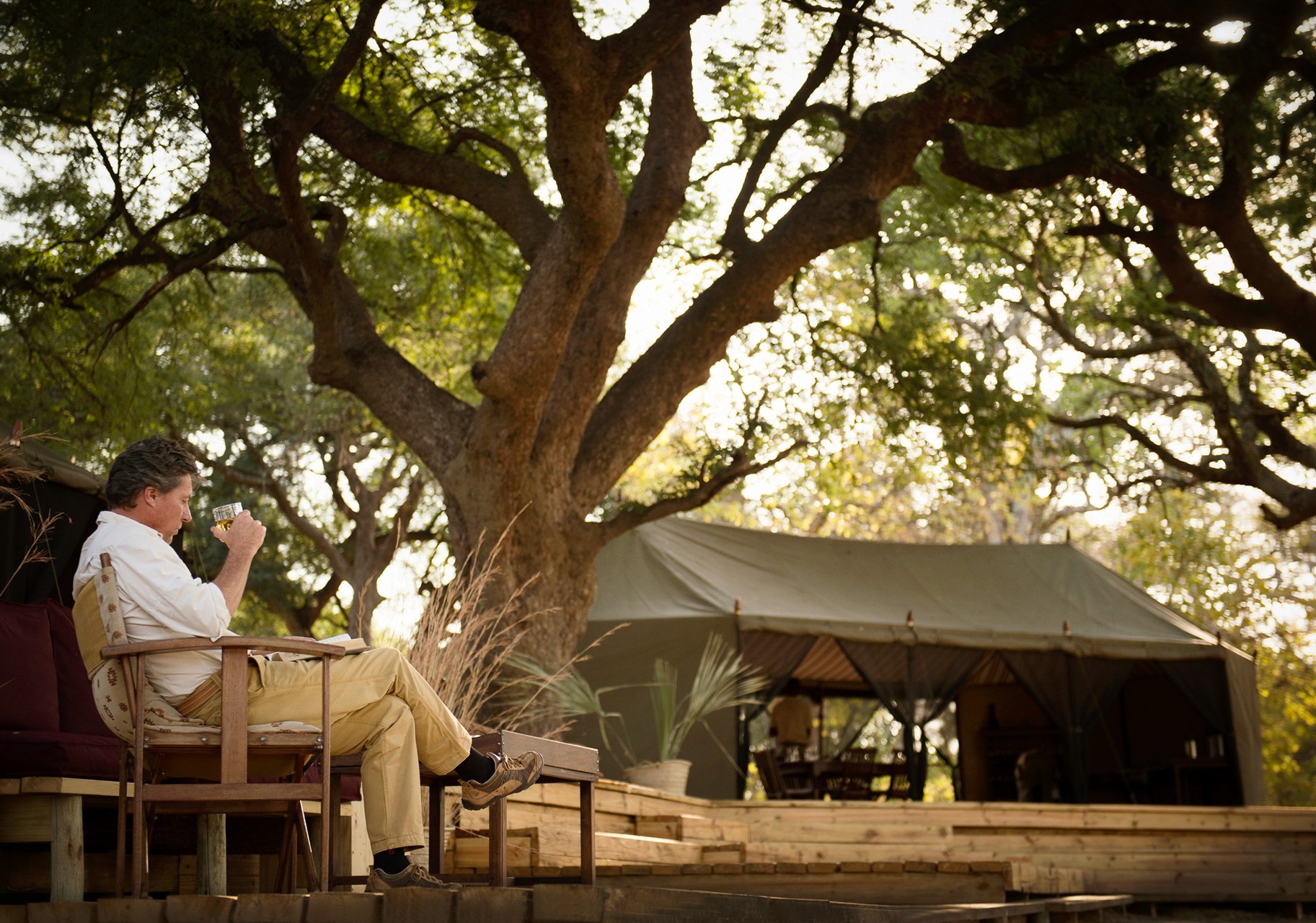
The trade-off is access and timing. Katavi's camps open roughly June and close again before the November rains, because the entire phenomenon depends on the dry-season water-concentration effect; in the wet season the animals disperse across thousands of square kilometres and the roads are impassable. You reach the park by charter flight (commonly three to four hours from Arusha), and the standard stay is two to three nights, often paired with the chimpanzees of nearby Mahale. Park entry is US$35.40 per adult per day. The classic base for the hippo and buffalo action is the long-running fly-camp below.
 Ultra Luxury
Chada Katavi
Ultra Luxury · Katavi National Park
A combined Serengeti-and-Katavi route is the most efficient way to see both the easy pool and the extreme one on a single trip — the itinerary below threads central Serengeti with the western wilderness.
 Itinerary
10-Day Serengeti & Katavi Wilderness Combo
10 days
Grumeti and the western Serengeti pools#
In the western corridor of the Serengeti — the Grumeti area — the Grumeti River carves deep, permanent pools that hold some of the largest resident hippo pods in the whole ecosystem, present year-round rather than only during the famous May-to-July migration window when the herds funnel through. These are proper river hippos in moving water, often viewed from the bank at close range, and because the western corridor sees far fewer vehicles than the central and northern Serengeti you frequently get a pod to yourself. The same Grumeti pools that draw photographers for the migration crossings are, in the off-months, one of the quietest places in the north to simply sit with a hundred hippos and watch them be hippos.
Lake Manyara and the northern-circuit pools#
Back on the standard northern route, Lake Manyara offers the most accessible hippo viewing of all. A hippo pool sits near the park's northern entrance, fed by the groundwater springs that make Manyara so green, and it doubles as one of the park's best birding spots — pelicans, storks, herons and waders work the shallows around the resting pod. Because Manyara is a small park covered thoroughly in three to four hours and sits between Tarangire and Karatu on every northern itinerary, the hippo pool is an easy, low-effort tick that most travellers see on a half-day visit. Nearby Tarangire has hippos too, in pools along the Tarangire River in the park's northern section, though they are less of a set-piece than Manyara's roadside pool.
Hippos on the southern circuit#
Tanzania's southern parks deliver hippos in a different format: from the water. On the Rufiji River system in Nyerere and along the Great Ruaha and Mwagusi rivers in Ruaha, hundreds of hippos line the channels, and the signature southern-circuit activity — the boat safari, which the northern parks cannot offer — puts you at eye level with them. There is no substitute for drifting past a pod at water level, watching them track your boat with just eyes and ears above the surface, four-metre crocodiles sliding off the banks alongside. If hippos are a priority and you have the days, a southern-circuit boat safari is the most intimate way in the country to see them.
When to go for hippos#
Hippos are present year-round in every permanent water body, so unlike the migration there is no off-season for seeing one. What the seasons change is density and drama.
| Period | What's happening | Hippo angle |
|---|---|---|
| Jan–Mar | Wet season, water everywhere | Pods spread out and relaxed; calves born in water (births peak year-round but visible now) |
| Apr–May | Long rains | Southern and western parks largely closed; northern pools still reliable |
| Jun–Jul | Early dry; Grumeti migration | Grumeti pools busy; water beginning to concentrate animals |
| Aug–Oct | Peak dry season | The spectacle window — Katavi pools at maximum density (Aug–Sep peak, shrinking further through Oct); southern boat safaris excellent |
| Nov–Dec | Short rains | Pods dispersing again; Katavi camps closing |
If you can optimise for one thing and the spectacle is what you want, target August to September — with the pools shrinking still further into October — and put Katavi at the centre of the trip. If hippos are simply a box to tick on a wider safari, any month works at the Serengeti and Lake Manyara pools.
How to actually watch them well#
A pod of hippos can look like a pile of grey boulders doing nothing. A few field habits turn that into a genuinely rich sighting:
Stay and watch the behaviour, don't just photograph. Give a pool fifteen minutes. You will start to see the structure — the dominant bull, the way subordinate animals defer, the calves, the constant low-grade squabbling. The famous "wheeze-honk" call carries for over a kilometre and you will hear pods answering each other.
Read the yawn correctly. The open-mouth gape is a threat, not a stretch. A bull doing it while facing your vehicle or boat is telling you the distance is closing. On the water especially, respect it.
Visit the pool at midday. Hippo pools are the perfect use of the dead hours when cats are in shade and game drives go quiet. The social activity in a crowded pool actually rises with the heat.
Never get between a hippo and water on foot. This is the cardinal rule near hippo lodges and on walking safaris. Their night paths to grazing are the danger zones; a hippo cut off from its pool will charge straight through whatever is in the way at speeds far faster than they look capable of.
For the closest views, take to the water. A southern-circuit boat safari, or the marked get-out viewpoint at the Retina pool, gives you the eye-level perspective that a vehicle on a road cannot.
Because the real hippo spectacle lives in Tanzania's least-visited corners, the planning often overlaps with the country's wilder, quieter routes. If you want to build a trip around remote water and low vehicle density rather than the busy northern loop, start here:
Explore off-the-beaten-path safarisFrequently asked questions#
Where is the best place to see hippos in Tanzania? For sheer spectacle, Katavi National Park in the late dry season is the best — up to 600 hippos crowd into single shrinking pools of the Katuma River in August to October. For easy, year-round viewing on a standard safari, the Retina Hippo Pool near Seronera in the central Serengeti and the hippo pool at Lake Manyara are the most accessible.
What is the Retina Hippo Pool? The Retina Hippo Pool is a named hippo viewpoint on the Seronera River in the central Serengeti, near the main game-driving circuit. A deep bend in the river holds dozens of resident hippos year-round, and it is one of the few central Serengeti spots where you are allowed to leave the vehicle at a marked viewpoint to watch them.
When is the best time to see hippos in Katavi? August and September, near the end of the dry season, are the peak, with the pools shrinking still further through October. The Katuma River and seasonal lakes contract to their smallest, forcing the maximum number of hippos into the remaining pools. Katavi camps open around June and close before the November rains, so the spectacle is a June-to-October window only.
Why are hippos considered so dangerous? Hippos are among the most dangerous animals in Africa, responsible for more human fatalities each year than lions, leopards or buffalo. They are territorial in water and graze on land at night, and the fatal encounters typically happen when a person gets between a hippo and its escape route back to the water. Their open-mouth yawn is a threat display, not a sign of sleepiness, and they move far faster on land than their bulk suggests.
What do hippos do at night? Hippos spend the day submerged to protect their thin skin from the sun, then haul out after dark and walk up to several kilometres to graze short grass, eating 40 to 50 kilograms in a night before returning to water by dawn. This nocturnal grazing is why hippo trails radiate from every pool and why lodges near hippo water warn guests not to walk around after dark.
Can you see hippos on the Tanzania northern circuit? Yes. The Retina Hippo Pool near Seronera in the central Serengeti and the hippo pool at the northern entrance of Lake Manyara are both on the standard northern circuit and are seen year-round without any special effort. Tarangire also holds hippos in pools along the Tarangire River in its northern section.
Can you do a hippo boat safari in Tanzania? Yes, but only in the southern parks. Boat safaris on the Rufiji River in Nyerere and the rivers of Ruaha put you at eye level with hundreds of hippos and large crocodiles. The northern parks, including the Serengeti and Ngorongoro, do not offer boat safaris, so northern hippo viewing is from the vehicle or a marked viewpoint only.
How many hippos gather in Katavi's pools? At the height of the dry season, up to 600 hippos crowd into a single shrinking pool of the Katuma River, stacked flank to flank with crocodiles wedged among them and thousand-strong buffalo herds coming down to the same water. It is one of the densest and most dramatic hippo congregations anywhere in Africa, and one of the least visited.
Ready to plan the real thing?
Compare honest, all-in safari packages with real lodge choices — straight to the local operator, no middleman.
Browse safari packagesKeep reading
wildlife
The Big Five in the Serengeti: Four You’ll Find, One You’ll Earn
wildlife
Hyenas in Tanzania: Spotted, Striped and Wildly Misunderstood
wildlife
Black Rhino in Tanzania: Finding the Rarest of the Five
wildlife
The Stripes That Lead the Migration: Zebras in Tanzania
wildlife
The Dagga Boys: Cape Buffalo in Tanzania
wildlife
Built for the Plains: A Guide to Tanzania’s Cheetahs