 Tours
Tours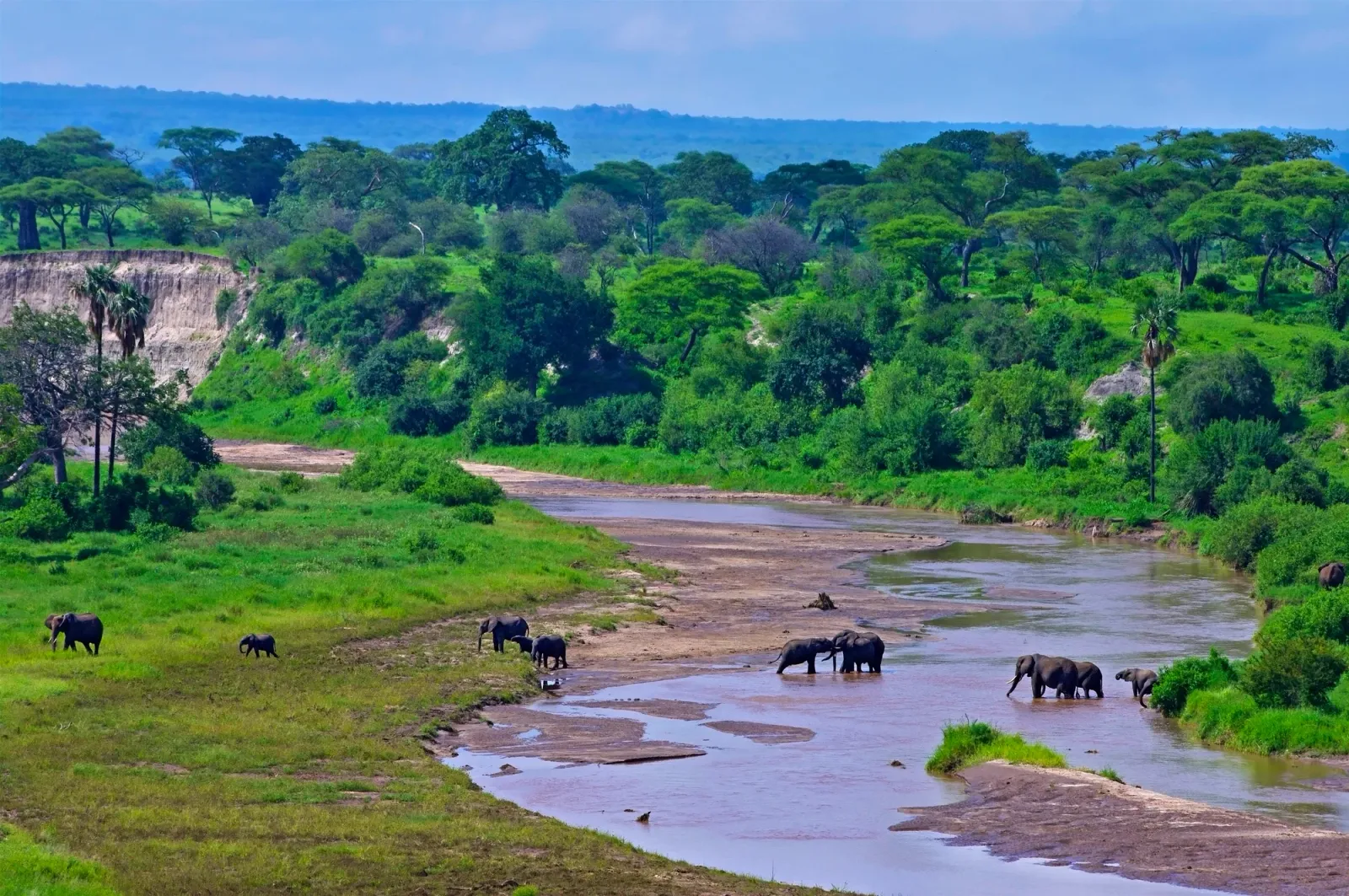
What a lodge-based safari offers#
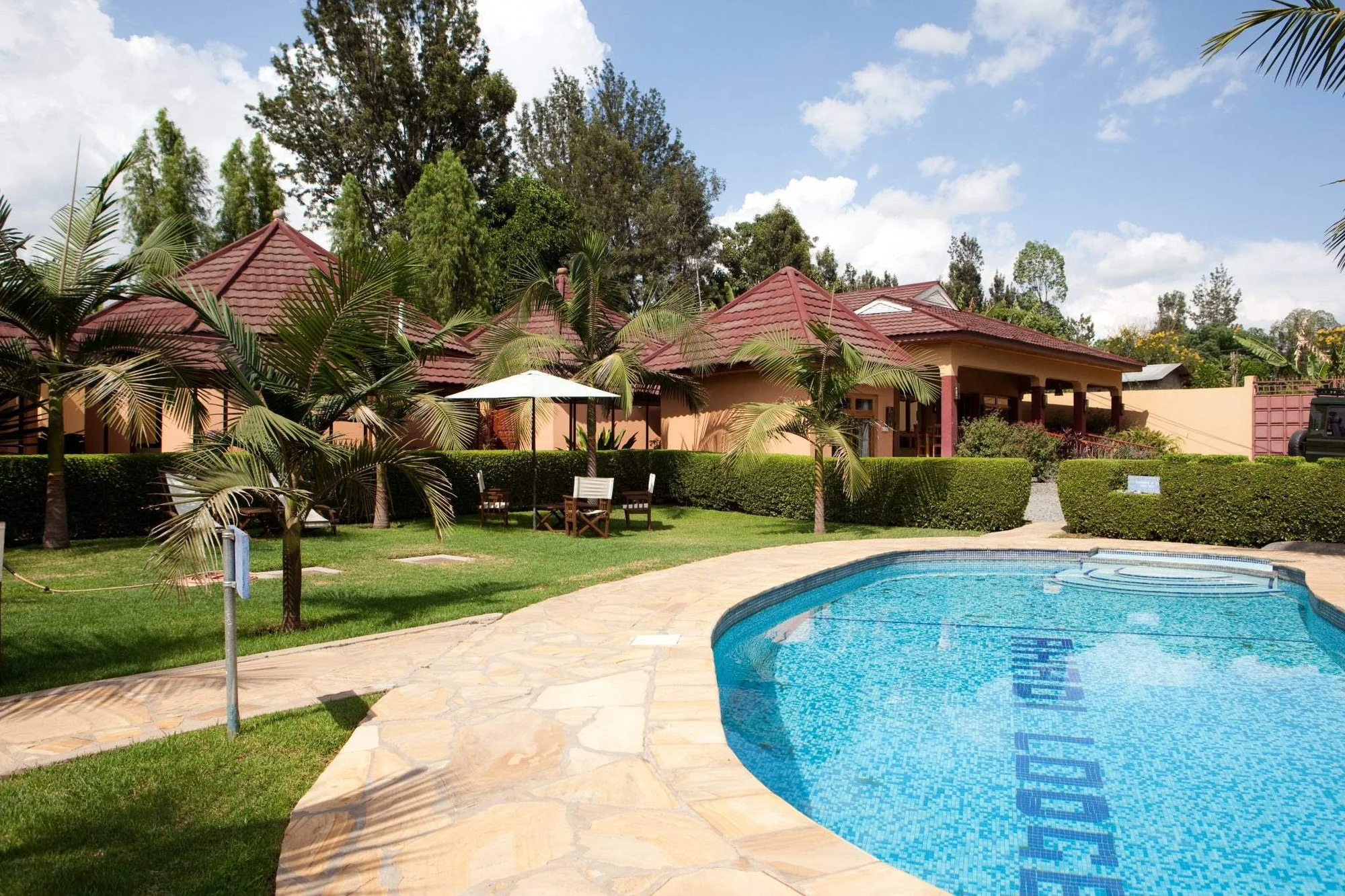
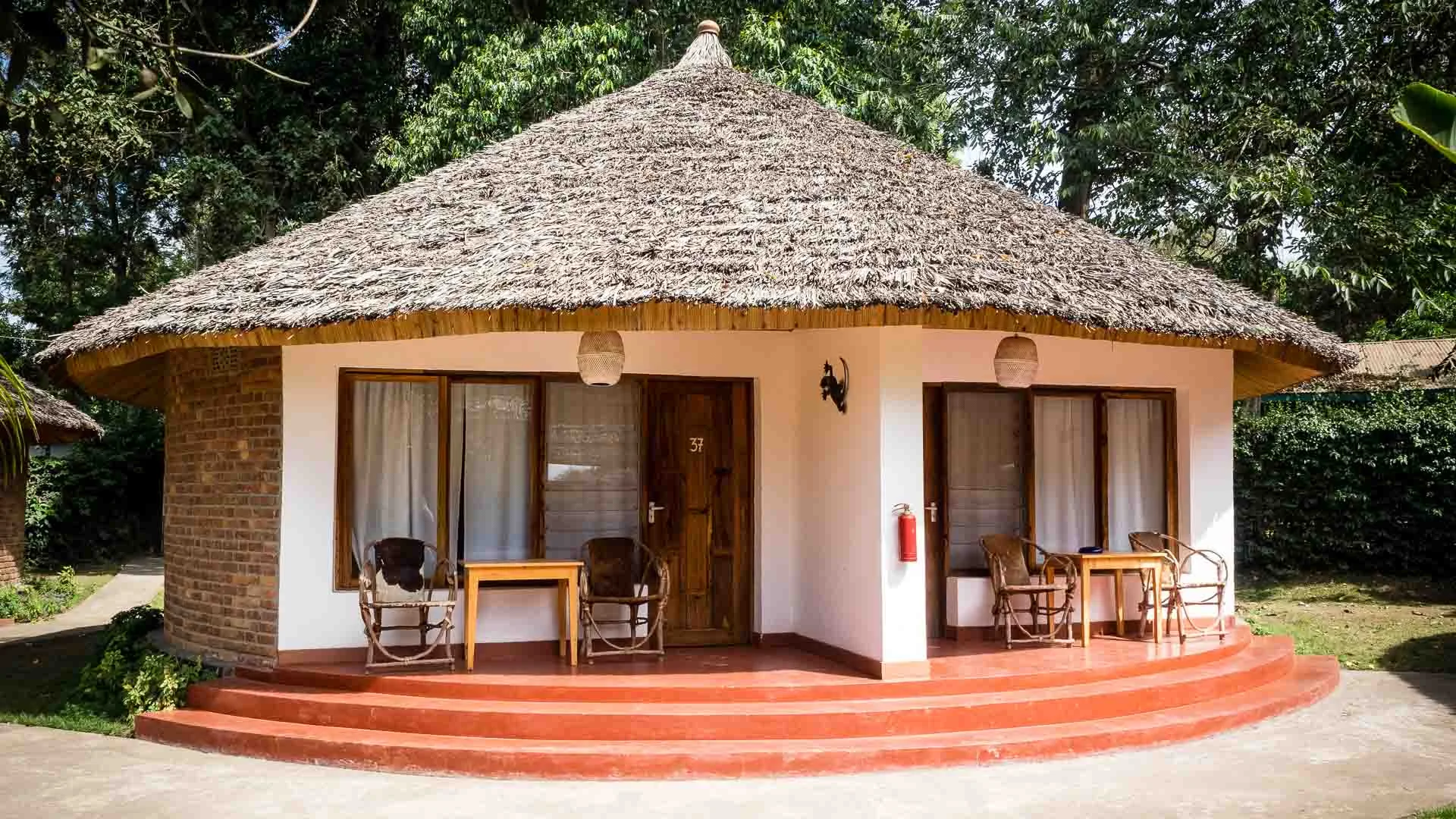
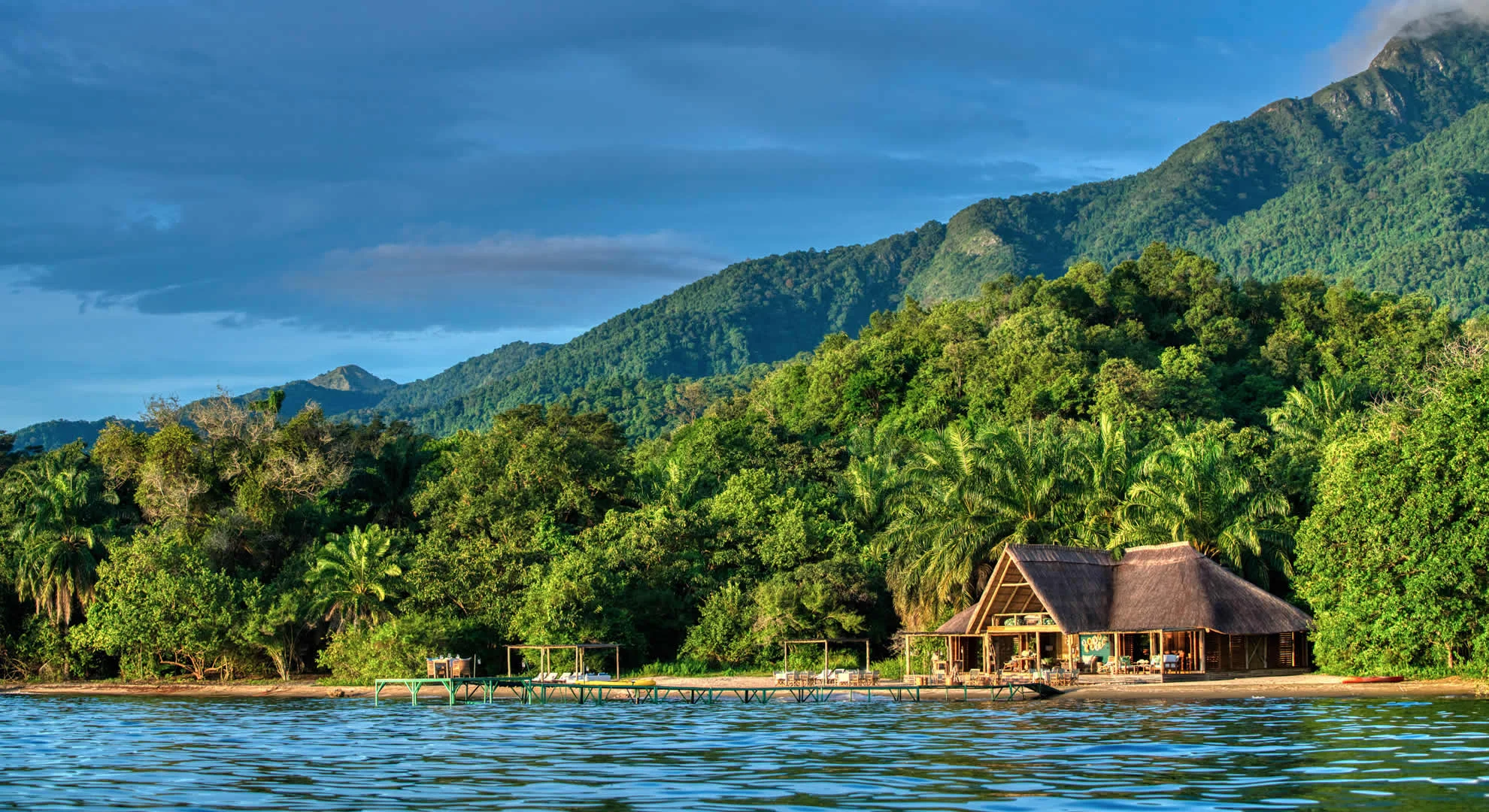
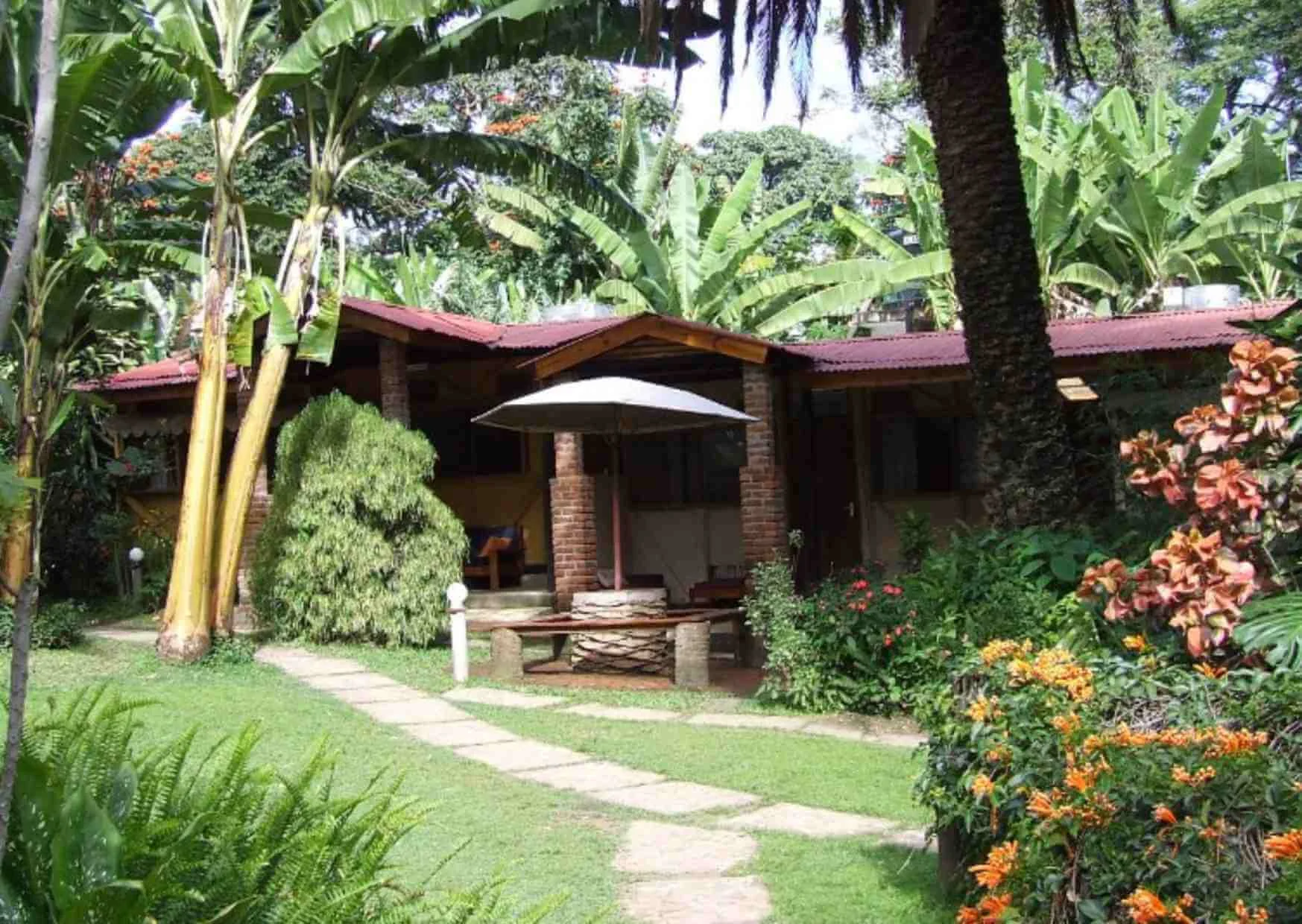
Permanent safari lodges — built from brick, stone, or timber on fixed foundations — offer consistent comfort that canvas walls cannot always match. You get reliable hot water, strong showers, air conditioning or fans, a pool to cool off during the midday heat, and a restaurant where you eat under cover. For multi-generational groups, travellers who value sleep quality above all else, or anyone visiting during the long rains when canvas can feel damp and close, a lodge is the practical choice.
That said, the best Tanzania lodges are far from generic hotel rooms. Crater-rim lodges at Ngorongoro have open fireplaces and views across the caldera. Serengeti lodges built on kopjes (granite outcrops) have the plains rolling away on three sides. Tarangire lodges sit among the baobabs that the park is known for, with elephants on the floodplain below. Architecture and setting matter as much as the tier.
Lodges versus tented camps: an honest comparison#
Lodges insulate you more from the bush than authentic tented camps. You will not hear jackals at 3 am through a solid wall. You probably will not smell the earth after rain the same way. But you will sleep better in a consistent temperature, and you will feel more comfortable if a first safari or a long itinerary with varied ages is in play. Many itineraries sensibly mix one with the other — a lodge at the crater rim, a tented camp for Serengeti nights.
Northern circuit lodges#
The northern circuit — Arusha → Tarangire → Lake Manyara → Karatu/Ngorongoro → Serengeti — is Tanzania's most-visited route and has lodge options at every tier from mid-range to ultra-luxury. Mid-range lodges run approximately $200–420 per double room per night full-board; luxury from $500–850. Crater-rim lodges at Ngorongoro command a premium over Karatu-based lodges because of the descent convenience — worth it for itineraries where you descend early morning.
Southern circuit and beyond#
The southern circuit (Nyerere, Ruaha, Mikumi) has excellent permanent lodges with far lower crowd levels than the north — and lower park fees ($35.40/adult/day in Ruaha versus $82.60 in the Serengeti). These are worth considering for second-time visitors or anyone who finds Serengeti crowd levels during peak season frustrating. See southern circuit safaris for context.
For travellers with a specific focus, also browse first-timer safaris for route guidance and family safari Tanzania for lodges with proven family programmes.