 Tours
Tours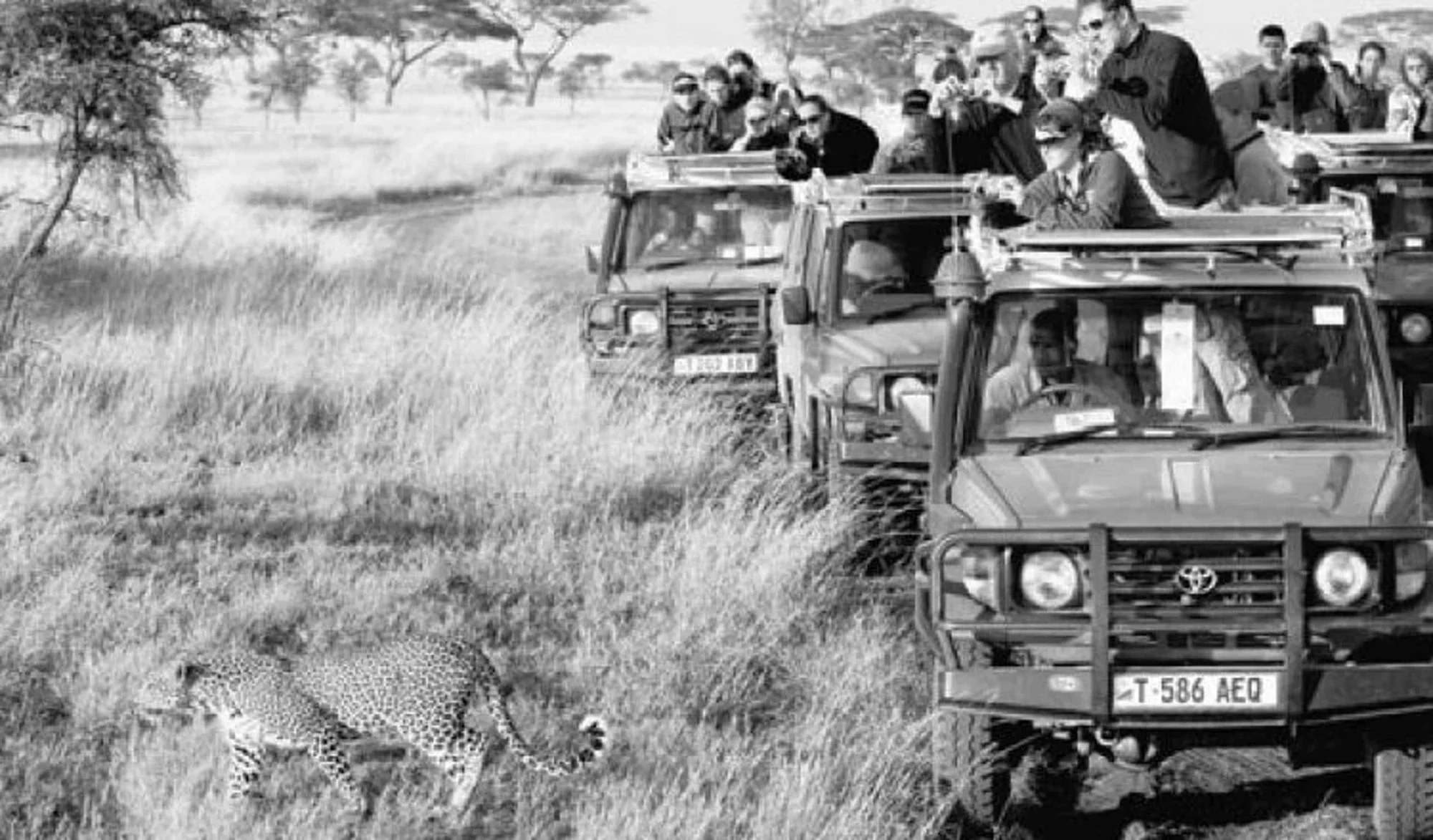
NoMiddleManTours · Jun 22, 2026 · 15 min read
A guide-grade method for vetting a Tanzania safari operator: how to check the TALA licence and TATO membership, why the local operator is usually the one running your trip anyway, the red flags that signal a reseller or a bait-and-switch, and the exact questions to ask before you pay a deposit.
The single decision that determines whether your Tanzania safari is brilliant or merely fine is not the lodge, the route, or the month — it is the operator and the guide they put in your vehicle. Get that right and a mid-range trip outperforms a luxury one run by a faceless reseller. Get it wrong and no amount of thread count fixes a guide who cannot find a leopard or a company that vanishes when your flight is delayed. This guide gives you the verification steps, the red flags, and the exact questions a 20-year safari hand uses to separate a real ground operator from a marketing front — and explains why, on most "international" bookings, a local Tanzanian company is running your trip regardless of whose logo is on the invoice.
The one thing to understand first: who actually runs your safari#
Almost every safari sold to a foreign traveller is physically operated by a Tanzanian ground operator — a licensed company with the Land Cruisers, the guides, the park accounts and the lodge contracts inside the country. The brand you found on page one of Google may be a large overseas agency, a comparison marketplace, or a referral site. In a great many cases that brand does not own a single vehicle in Tanzania. It marks up a local operator's price and forwards your booking.
This matters for two reasons. First, money: a foreign agent's markup is commonly 15 to 40 percent on top of the local operator's rate, and you receive nothing extra for it — the same guide, the same vehicle, the same lodges. Second, accountability: when something goes wrong at 6 AM at a park gate, the company that can fix it is the one with staff in Arusha, not a call centre eight time zones away. Booking the ground operator directly is how you keep the markup and gain the responsiveness. That is the whole thesis behind buying straight from the operator rather than through a chain of resellers.
 Destination
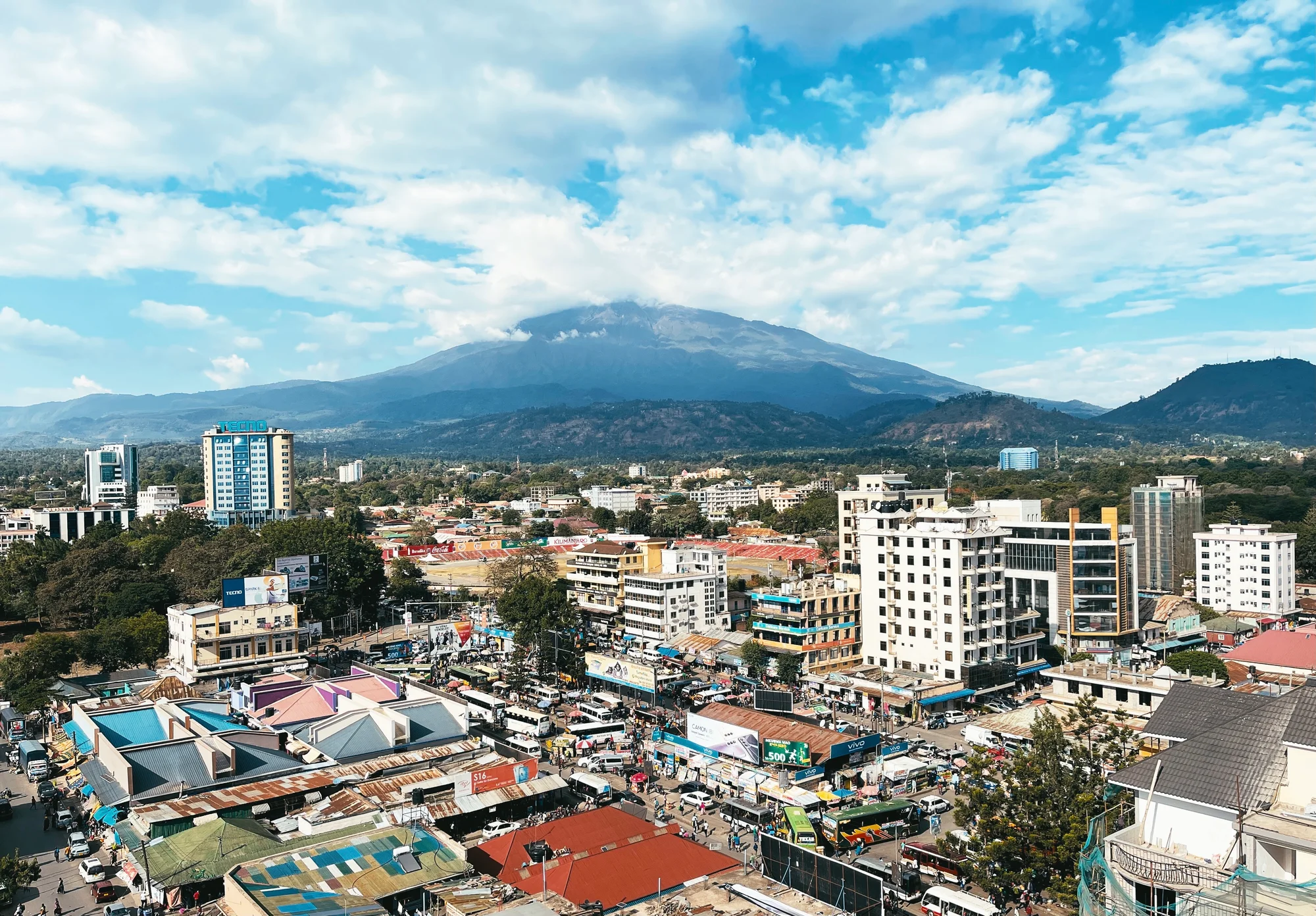
Arusha
city
How to verify a Tanzanian operator is real and licensed#
Licensing in Tanzania is not optional and it is checkable. Two credentials matter, and a serious operator will hand them over before you ask.
The TALA licence (the legal one)#
Every company legally permitted to run tours and game drives in Tanzania holds a Tourist Agent Licence (TALA), issued by the Ministry of Natural Resources and Tourism. It is renewed annually and it is what allows a company to operate vehicles inside the national parks and the Ngorongoro Conservation Area. Ask for the operator's TALA licence number and the category — "Tour Operator" is the one you want, not merely "Travel Agent," which is a reseller's licence and does not authorise running the safari itself. A genuine ground operator will give you the number without hesitation; reluctance is itself a signal.
TATO membership (the reputational one)#
The Tanzania Association of Tour Operators (TATO) is the industry body, and the overwhelming majority of established, reputable ground operators are members. TATO membership is not a legal requirement the way the TALA licence is, but it is a strong reputational filter: members are vetted, subject to a code of conduct, and reachable through the association if a dispute arises. You can ask for the membership and cross-check it. An operator who holds a current TALA licence and TATO membership, has a physical office you can point to on a map, and registers vehicles in its own name clears the bar that perhaps a third of the "operators" you find online cannot.
A practical tip most travellers never use: park-vehicle compliance is visible. Tanzanian safari vehicles operating legally carry a TANAPA permit and a registered operator identity. A company that runs its own fleet — rather than sub-chartering on the day from whoever is cheapest — is the company that controls the quality of your guide and the condition of your seat for the next ten days.
The red flags that signal a reseller or a bait-and-switch#
Once you know what a real operator looks like, the warning signs are easy to spot. Any one of these warrants a direct question; two or more together is a reason to walk.
No physical office, or a vague one. A real ground operator has a verifiable address — most cluster in Arusha, the staging town for the northern circuit, with others in Moshi for Kilimanjaro and on the coast for Zanzibar trips. "Head office in Nairobi/London/Dubai with local partners" usually means the seller is a layer between you and the people doing the work. Ask where the vehicles are garaged and who employs the guides; a reseller cannot answer cleanly.
All-online, no human you can phone. Booking forms and instant-quote widgets are fine, but before you wire a deposit you should be able to speak to a named person who can answer operational questions — gate times, luggage limits on a bush flight, whether the crater descent fee is included. If every reply is a templated email and nobody will get on a call, you are likely dealing with a marketplace, not an operator.
Suspiciously cheap. Tanzania has hard, non-negotiable cost floors set by the government, and no operator can price below them. Serengeti park entry alone is roughly US$82.60 per adult per day; the Ngorongoro Conservation Area is about US$82.60 per adult per 24 hours, and the crater descent adds a US$295-per-vehicle service fee plus roughly US$40 for the mandatory ranger. Add the vehicle, fuel, the guide's wage, and even a basic lodge, and a credible northern-circuit safari rarely lands much under US$200 to US$250 per person per day. A quote far below that is funded by cutting something you will feel: a shared vehicle sold as private, a budget camp swapped in at the last minute, or fewer park days than the brochure implies. If you want a genuinely lower price, get it honestly by choosing a leaner route or season, not by trusting a number that the park fees alone make impossible.
See genuinely affordable safarisVague itineraries. A real operator's quote names the parks, the number of nights in each, the specific lodge or camp at each stop, the gate-to-gate distances, and exactly which fees are included and excluded. A vague itinerary — "3 days Serengeti area," no lodge named, no fee breakdown — is where the margin and the disappointments hide. Insist on a day-by-day plan with the overnight base spelled out for every night. Note that an operator should base you in Karatu the night before a Ngorongoro crater day, not at a mythical "Ngorongoro town," and should never end a trip with a 7-to-8-hour drive from the Serengeti to Arusha when a bush flight exists. An itinerary that gets these logistics right was written by someone who actually runs the route.
Here is what a properly itemised northern-circuit itinerary looks like — every night placed, every park sequenced, fees disclosed — so you have a benchmark to hold a quote against:
 Itinerary
7-Day Comprehensive Northern Circuit Safari (Crater Finale)
7 days · From $2,433 pp
Shared-versus-private vehicle bait-and-switch. This is the most common Tanzania-specific trap. A quote that looks reasonable may be for a seat in a shared vehicle — you ride with strangers, on their schedule, with no control over how long you linger at a sighting. The same trip "private" costs meaningfully more because the vehicle, guide and fuel serve only your party. The bait-and-switch version sells you a private-sounding trip and quietly delivers a shared one. The fix is a single line in writing: "private 4x4 with pop-up roof, exclusive to our party, [N] passengers maximum." If the operator will not put that in the contract, you do not have a private safari.
Local operator versus foreign agent: the markup, plainly#
There is nothing inherently wrong with a foreign agency, and a good one earns its fee by curating, by handling your payment protection, and by being reachable in your own time zone. But you should know what you are paying for. When a UK or US agency sells you a Tanzania safari, the trip is almost always sub-contracted to a Tanzanian ground operator, and the agency's margin sits on top of the local price.
The honest framing is this: a foreign agent is worth a premium only if it adds real value you cannot get yourself — genuine on-the-ground vetting, financial protection, or expertise you trust. If all it does is forward your enquiry to a local company and add 30 percent, you are paying a finder's fee for a finder you do not need. The counter-move is not to distrust every agency; it is to find out who the ground operator actually is and decide whether the intermediary is earning its cut. Frequently the best-value, most-accountable booking is the local operator who would have run the trip anyway — reached directly.
This is precisely the gap a marketplace of vetted local operators is built to close: instead of one padded quote, you see the real operators, compare their actual itineraries and prices side by side, and book straight through to the company doing the work. Our tour operators directory exists for exactly that — a way to reach the licensed Tanzanian companies directly rather than through a reseller's markup.
The exact questions to ask before you pay a deposit#
Treat the enquiry as an interview. A real operator answers all of these in minutes; a reseller stalls or deflects.
| Question | What a good answer sounds like | What to worry about |
|---|---|---|
| What is your TALA licence number and category? | A number, plus "Tour Operator" | "We work with licensed partners" (they're the partner-finder, not the operator) |
| Are you a TATO member? | Yes, with a verifiable membership | Vague or "we don't bother with that" |
| Where is your office and where are the vehicles? | A specific address, usually in Arusha; own fleet | A foreign HQ with "local partners" |
| Is the vehicle private to my party, and what's the max passengers? | "Private 4x4, [N] max, in writing" | Hedging, or "comfortable group sizes" |
| Who is my guide and how experienced are they? | A named guide or a clear assignment policy | "One of our team" with no detail |
| Exactly which fees are included and which are not? | A line-item list: park entry, NCA, crater descent, ranger | "All park fees included" with no breakdown |
| What happens if a flight is delayed or a road washes out? | A concrete contingency and a 24-hour contact | Silence or a generic reassurance |
| Can I see the day-by-day with every overnight base named? | A full itinerary with each night's lodge | "Serengeti area, 3 nights" |
The single highest-leverage answer is the guide. In Serengeti — where guides share sightings by radio and a strong one can turn another vehicle's leopard into yours — the difference between an average guide and a great one is the difference between a good trip and an unforgettable one. Ask about the guide's years of experience, languages, and specialities (birding, big cats, photography) before you ask about the bedsheets.
 Destination
Serengeti National Park
national_park
Reading reviews like an operator, not a tourist#
Star ratings are nearly useless on their own; what they hide is more telling than the average they show. Read the specifics. Reviews that name the guide ("our guide Emmanuel found us a black rhino at Lerai") signal a company that fields consistent, named guides — the opposite of the sub-charter model. Reviews that describe how the operator handled a problem — a delayed flight, a sick traveller, a vehicle issue — tell you far more than a hundred "amazing trip!" entries, because every operator looks good when nothing goes wrong.
Be sceptical of a wall of five-star reviews all posted in the same week, or generic praise with no operational detail; both can be manufactured. Weight reviews that mention the things a reseller cannot fake: the guide by name, the specific lodges, how an unexpected problem was solved. And cross-reference: a TATO member with a verifiable office and reviews that consistently name its guides is a very different proposition from a glossy site with anonymous testimonials.
When a specialist beats a generalist#
Tanzania is not one product. The northern circuit — Tarangire, the Ngorongoro Crater and the Serengeti — is a different logistical animal from a southern-circuit trip out of Dar es Salaam, which is different again from a Kilimanjaro climb or a Zanzibar beach extension. An operator who runs the northern circuit week in and week out knows which lodge has the best access to the calving grounds in February and which crater road is graded this season; that operating knowledge does not transfer automatically to a Kilimanjaro summit attempt or a Mahale chimpanzee trek.
You do not need a different company for every region, but you should ask the operator what they run most. The honest ones will tell you where they are strongest and, for the parts outside their core, whether they sub-contract — at which point you are back to the markup question. For a classic northern-circuit safari, prioritise an operator whose home turf is exactly that.
Putting it together#
Choosing a Tanzania operator comes down to three checks and one mindset. Verify the credentials — a current TALA licence in the "Tour Operator" category and TATO membership. Watch for the red flags — no physical office, all-online with no human, prices below the park-fee floor, vague itineraries, and the shared-versus-private bait-and-switch. Interview hard on the guide, the vehicle, the fees and the contingency plan, and get the private-vehicle clause in writing. The mindset is simply this: find out who is actually running your trip, and book as close to them as you can. The fewer layers between you and the guide in the Land Cruiser, the more of your money funds the safari and the faster anything that goes wrong gets fixed.
When you are ready to compare real Tanzanian operators and their itineraries side by side — durations, routes, lodge tiers and honest prices — start here:
Browse Tanzania safarisFrequently asked questions#
How do I check if a Tanzania tour operator is licensed? Ask for the company's TALA licence number issued by Tanzania's Ministry of Natural Resources and Tourism, and confirm the category is "Tour Operator" rather than "Travel Agent." Then check whether the company is a member of the Tanzania Association of Tour Operators (TATO), which vets and holds members to a code of conduct. A real ground operator provides both without hesitation.
What is the difference between a local operator and a foreign agent? A local Tanzanian ground operator owns the vehicles, employs the guides, and runs the safari inside the country. A foreign agent typically sells the trip from abroad and sub-contracts it to a local operator, adding a markup of roughly 15 to 40 percent. In most cases the same local company runs your trip either way, so booking the operator directly keeps that markup and improves accountability.
Why are some Tanzania safari quotes so cheap? Tanzania has fixed government cost floors no operator can price below, including roughly US$82.60 per adult per day for Serengeti park entry and a US$295-per-vehicle crater descent fee. A credible private northern-circuit safari rarely costs much under US$200 to US$250 per person per day. A quote far below that is usually funded by a shared vehicle sold as private, a downgraded lodge, or fewer park days than promised.
What are the biggest red flags when choosing a Tanzania operator? No verifiable physical office, an all-online presence with no human you can phone, prices below the park-fee floor, vague itineraries that do not name lodges or break down fees, and the shared-versus-private vehicle bait-and-switch. Any one warrants a direct question; two or more together is a reason to look elsewhere.
Should I get a private or shared safari vehicle? A private vehicle is exclusive to your party, so you control how long you stay at a sighting; a shared vehicle puts you with strangers on a fixed schedule for a lower price. The common trap is being sold a private-sounding trip and delivered a shared one, so insist the contract states "private 4x4 with pop-up roof, exclusive to our party, with a stated maximum passenger count."
Is it cheaper to book a Tanzania safari directly with a local operator? Usually, yes. Because foreign agents commonly add a 15 to 40 percent markup on the local operator's price for the same vehicle, guide and lodges, booking the ground operator directly removes that layer. The exception is when an intermediary adds real value such as genuine vetting or financial protection that you cannot get yourself.
What questions should I ask before paying a deposit? Ask for the TALA licence number and category, TATO membership, the office address and who owns the vehicles, whether the vehicle is private and its maximum passengers, the guide's experience, a line-item list of included and excluded fees, the contingency plan for delays, and a day-by-day itinerary with every overnight base named. A real operator answers all of these quickly.
Does the tour operator or the guide matter more for a good safari? The guide is the single biggest factor in the quality of your sightings, but a good operator is what consistently puts a strong, named guide in your vehicle and keeps the logistics flawless. Choose the operator first by credentials and accountability, then confirm the specific guide and their experience before you commit.
Ready to plan the real thing?
Compare honest, all-in safari packages with real lodge choices — straight to the local operator, no middleman.
Browse safari packagesKeep reading
planning
What a Tanzania Safari Really Costs, Line by Line
planning
Lodge, Tented Camp or Mobile? Safari Stays in Tanzania, Explained

planning
Getting Your Tanzania Visa: The 2025–2026 Playbook

planning
Shots, Pills & the Yellow-Fever Trap: Health Prep for Tanzania & Kenya
planning
Sleeping in the Wild: Fly-Camping & Walking Safaris in Tanzania
planning
Tanzania or Kenya? An Honest Safari, Trek & Beach Showdown