NoMiddleManTours

Tour packages

Tanzania Safari

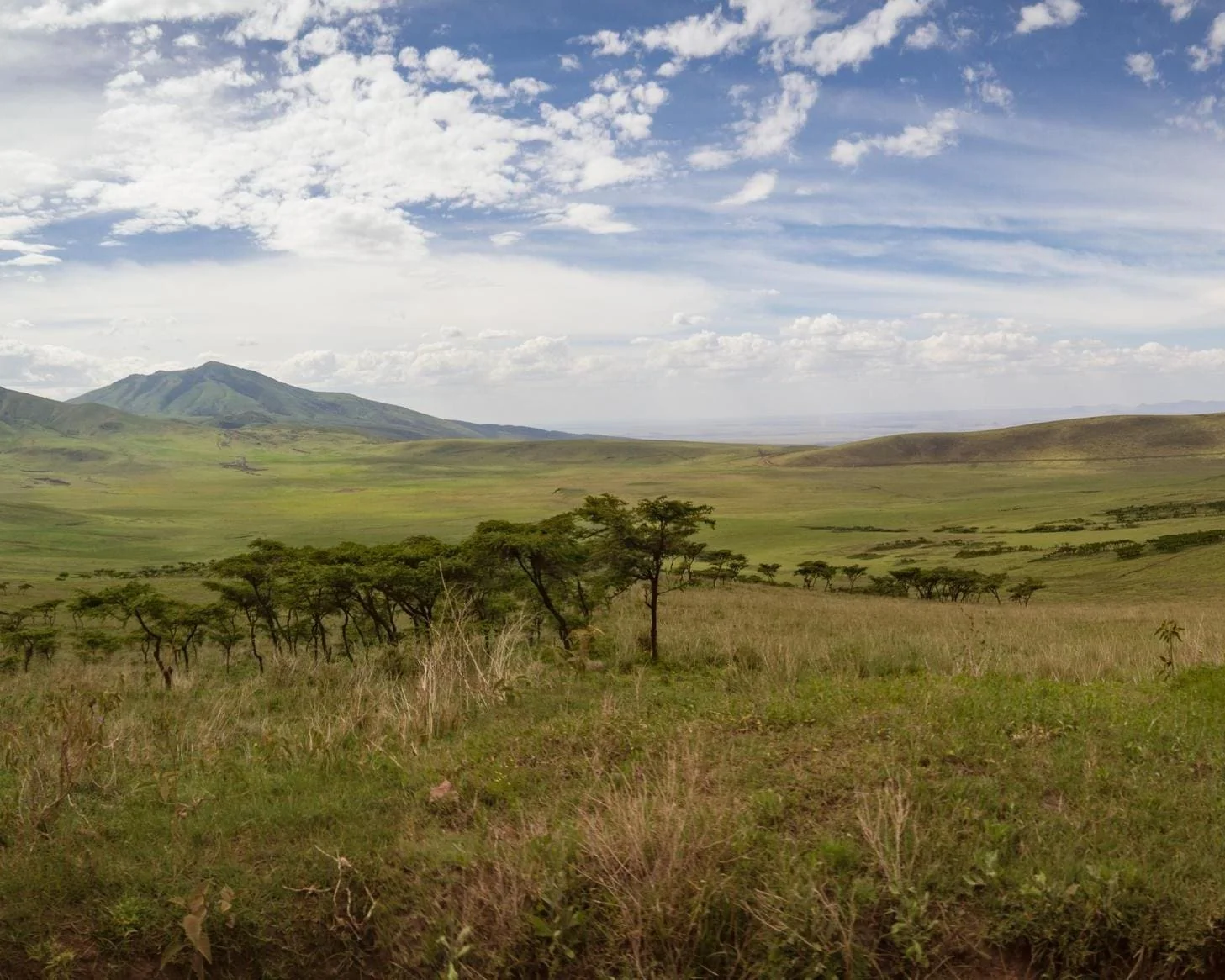
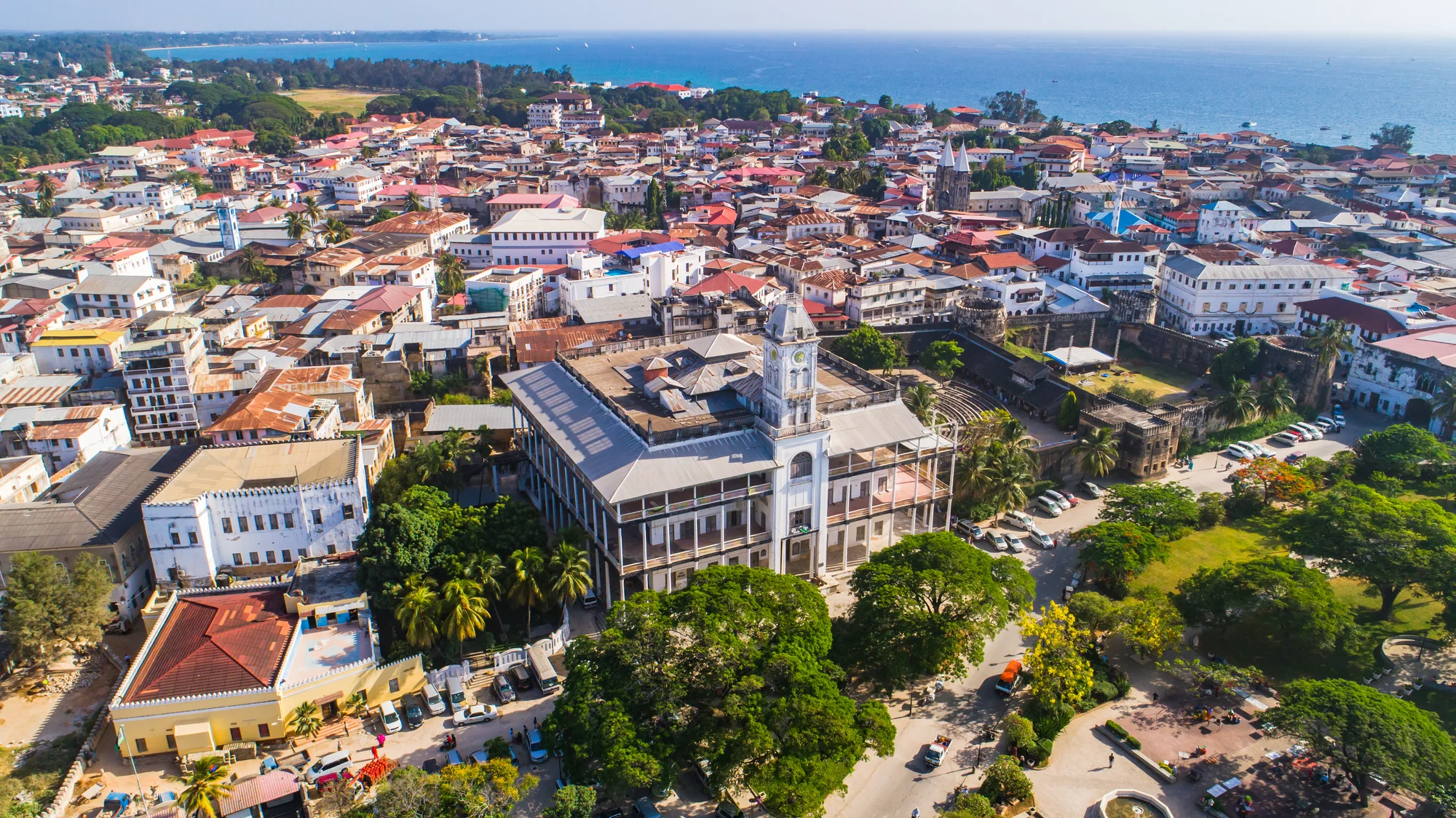
The northern circuit — Tarangire, Ngorongoro and the Serengeti — is Africa's most complete safari destination. The Great Migration, the Big Five, Kilimanjaro, and Zanzibar all within one country.

4 circuits trouvés
5-Day Pemba Island Diving Holiday

5-Day Pemba Island Diving Holiday

5 days·4 nights
Route  Dar es SalaamPemba IslandDar es Salaam

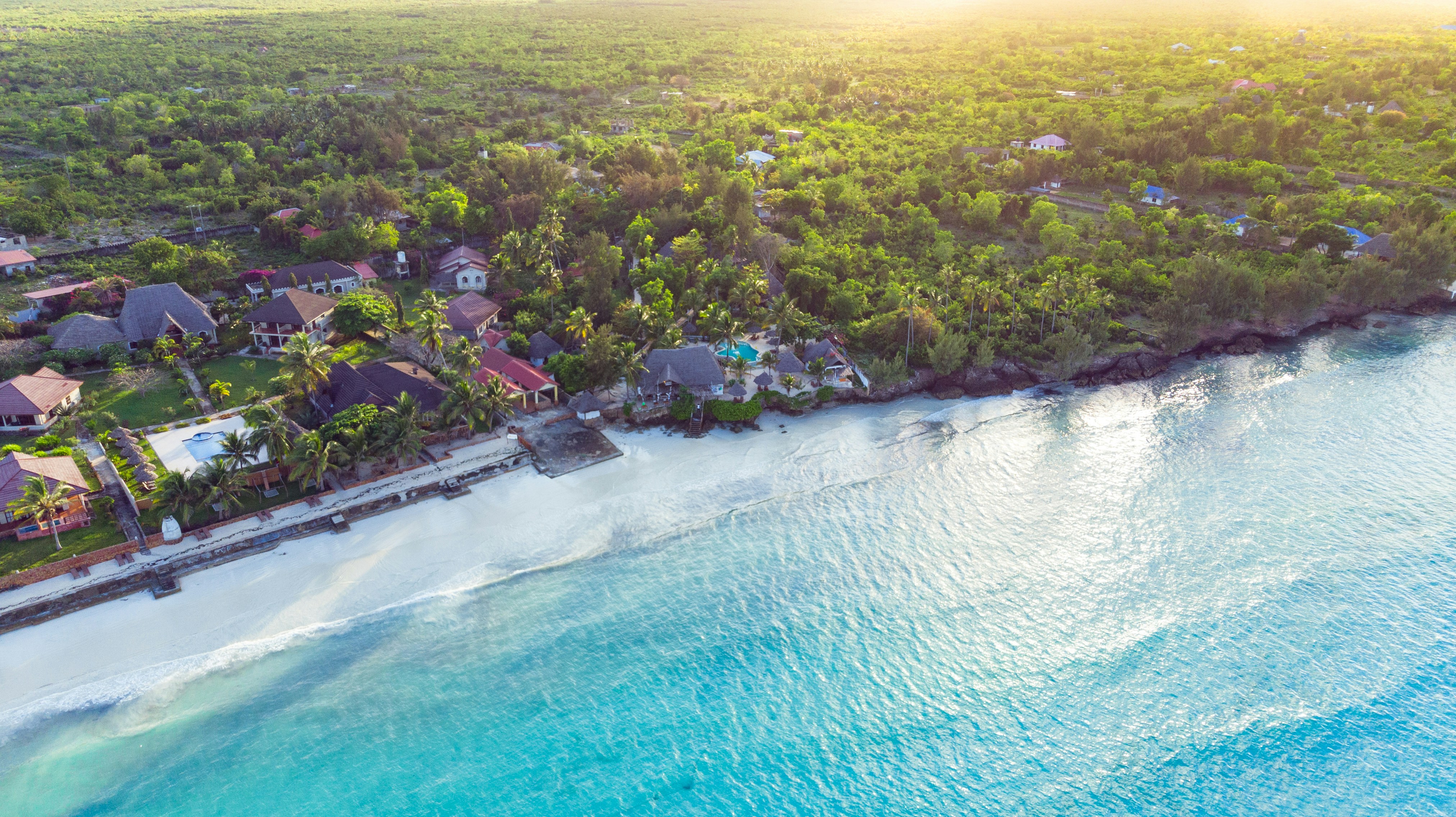
Pemba Island sits eighty kilometres north of Zanzibar and receives perhaps two percent of its visitors. The channel that runs along its western coast drops from reef crest to open ocean over one of the steepest marine walls in the Indian Ocean — a wall dive that serious divers rate among the top twenty in the world and that most of the people who have completed a discover-scuba experience in Zanzibar have never heard of. This five-day itinerary puts you in the water at the Pemba Channel's best sites, onto the pristine reefs of Misali Island marine conservation area, and, for one day above the surface, into the clove-scented forest of Ngezi Reserve to find the Pemba flying fox — a bat found nowhere else on Earth.

Devis sur demande
Voir l'itinéraire
7-Day Pemba and Mafia Island Dive Safari

7-Day Pemba and Mafia Island Dive Safari

7 days·6 nights
Route  Dar es SalaamPemba IslandMafia IslandDar es Salaam

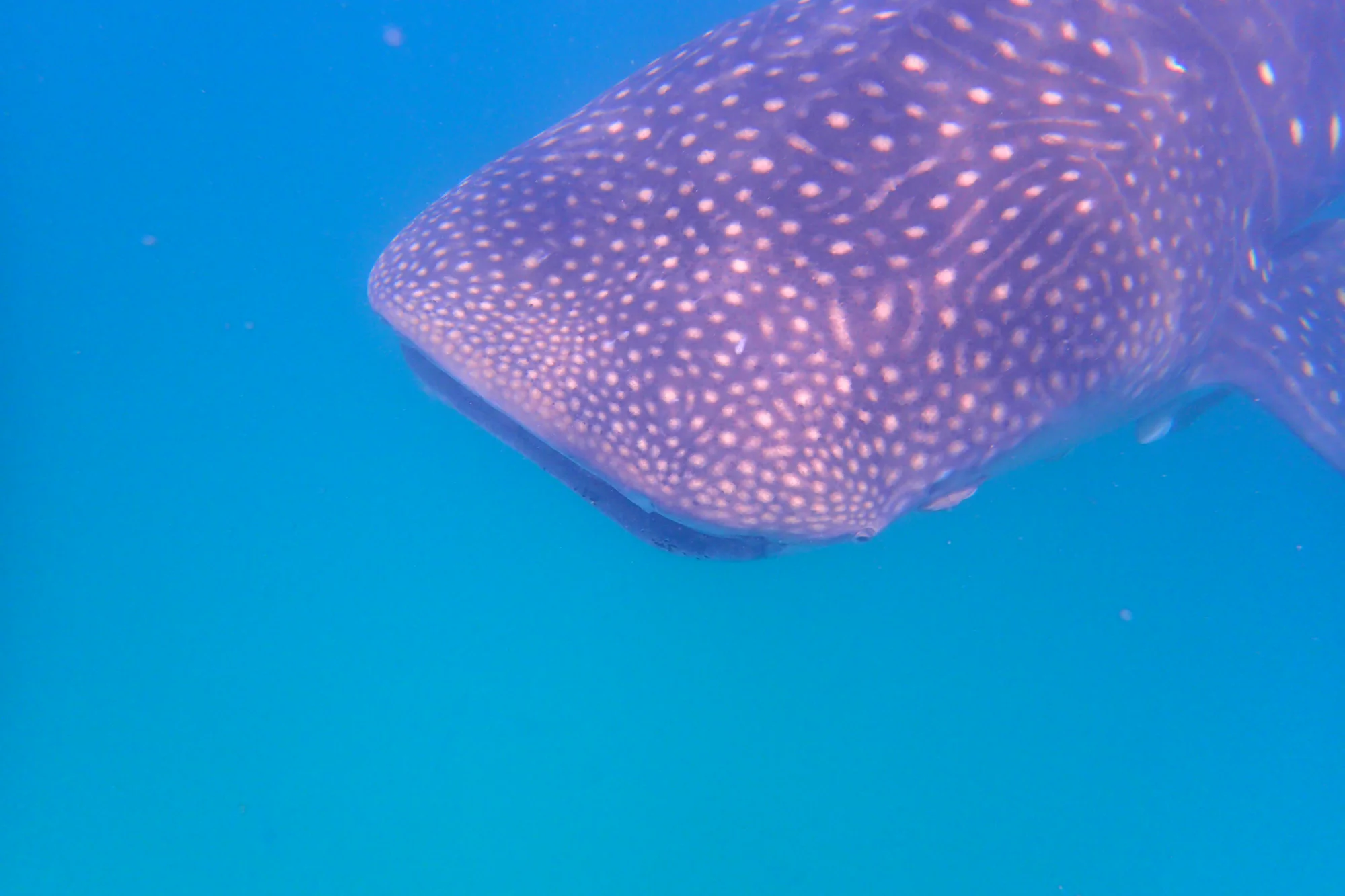
Tanzania has two dive destinations that experienced underwater photographers and dive instructors consider among the least compromised in the western Indian Ocean — and neither of them is Zanzibar. Pemba Island's Pemba Channel plunges to depths that dwarf most dive destinations in the region: the wall at Misali Island drops eight hundred metres to the channel floor, and the fish populations on the reef's upper section have not been conditioned to flee by years of spear-fishing. Mafia Island's Chole Bay, enclosed by a marine park protecting 822 square kilometres of ocean, is where whale sharks gather from October to March in Chole Channel — and where the reef beyond the channel delivers dive conditions that hold their own against the Maldives in a good month. This seven-day itinerary connects them: three nights at Pemba for the wall diving, then a half-day transit south to Mafia for three nights of whale shark encounters, outer reef diving, and the sandbank and dhow experiences that round out the bay's offerings.

Devis sur demande
Voir l'itinéraire
10-Day Northern Circuit & Pemba Island — Big Five Country to the Pemba Channel

10-Day Northern Circuit & Pemba Island — Big Five Country to the Pemba Channel

10 days·9 nights
5.0(2)

Two full days deep in Tarangire's elephant country, then a direct NCA-transit drive to three nights in the Serengeti's predator heartland — no detour through Karatu or Lake Manyara. On Day 6 the vehicle heads south to the Ngorongoro Crater rim. Day 7 opens with a 6 AM dawn descent into Africa's most spectacular caldera, the Big Five circuit in full, and a midday ascent — then the afternoon flight chain to Pemba Island. Pemba receives fewer than 5,000 visitors a year, has never hosted a mass-tourism hotel, and contains a marine environment of extraordinary quality: the Pemba Channel wall drops 700 metres off the western coast, Misali Island sits in a marine sanctuary of international significance, and the clove plantations of the interior have scented the island's air for centuries. For the traveller who wants Tanzania's full range — wildlife above the surface and below it — this is ten days with no compromise on either end.

Devis sur demande
Voir l'itinéraire
10-Day Nyerere, Ruaha & Pemba Diving Safari

10-Day Nyerere, Ruaha & Pemba Diving Safari

10 days·9 nights
Route  Dar es SalaamNyerere National ParkRuaha National ParkPemba IslandDar es Salaam

Tanzania keeps its finest secrets away from Arusha. This ten-day expedition through the southern wilderness and the Pemba Channel links two parks that fewer than one percent of the country's visitors ever see with an island whose vertical reef walls plunge 800 metres into the Indian Ocean — a combination of raw bush and open water that no northern circuit itinerary can approach. Three nights on the Rufiji River, three nights in Ruaha's baobab kingdom, and three nights on the Indian Ocean's most underrated dive island: this is the itinerary for travellers who have stopped following the crowd. Note: Nyerere and Ruaha close mid-March through end of May — this itinerary operates June through October only.

Devis sur demande
Voir l'itinéraire

Tanzania is Africa's premier safari destination, drawing more than 90% of its visitors to the northern circuit — a sequence of parks that runs from the elephant country of Tarangire through the volcanic Ngorongoro highlands and into the vast grasslands of the Serengeti. For those with more time or a taste for solitude, the southern parks of Ruaha and Nyerere and the remote western wilderness of Mahale and Katavi offer fly-in alternatives where you may go entire game drives without seeing another vehicle.

The northern circuit#

The standard northern circuit runs in a single direction: Arusha → Tarangire → Lake Manyara → Karatu/Ngorongoro → Serengeti. Each leg follows a well-maintained road and there are no backtrack days, so the route works efficiently even on tighter schedules.

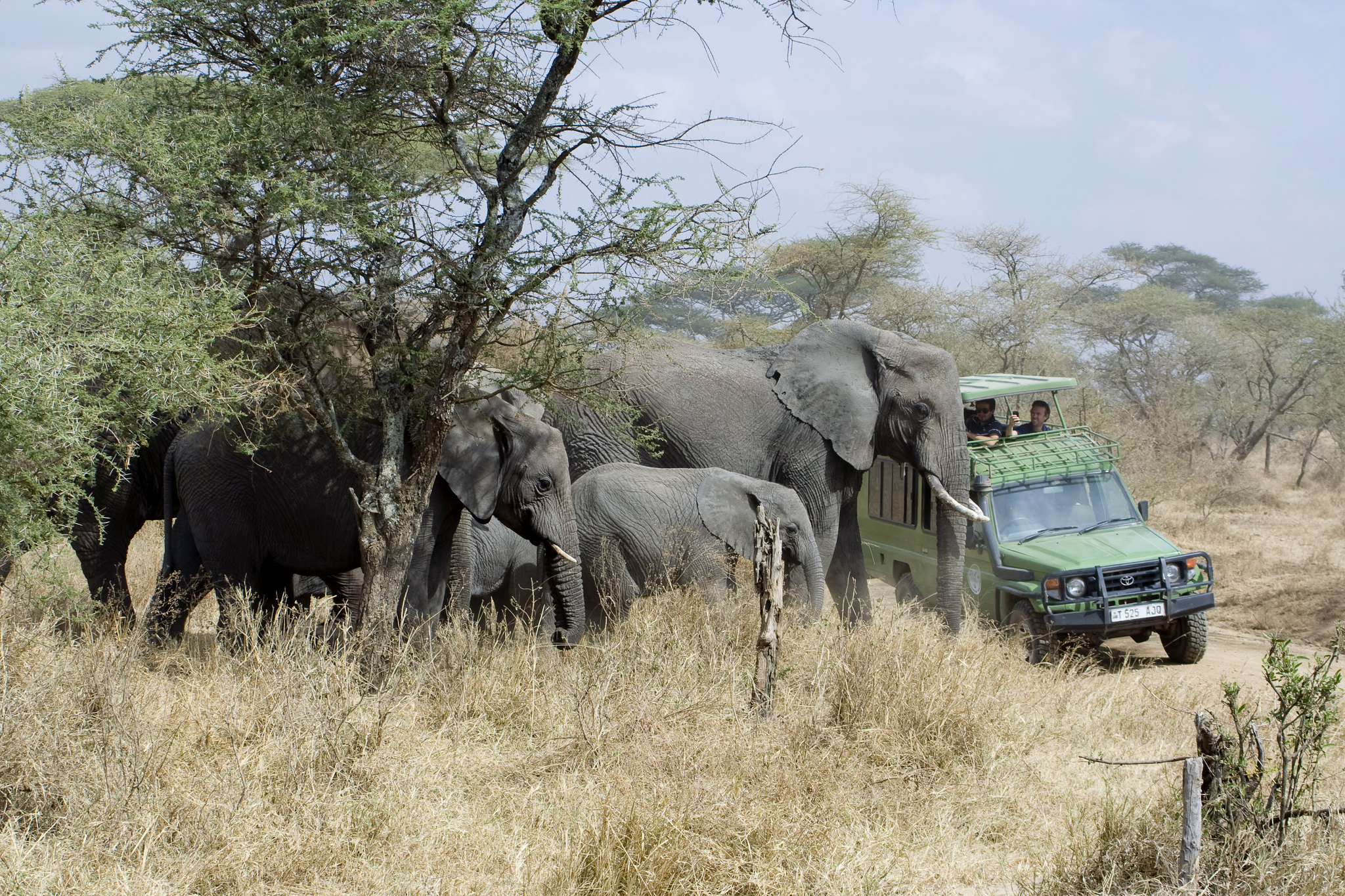
  • Tarangire National Park (2–2.5 hrs from Arusha): Africa's highest elephant densities in the dry season, ancient baobab forests, and 550+ bird species. Park fee: $59.10/adult/day. Best June–October when the Tarangire River acts as the only water source for miles around and animals converge in thousands.

  • Lake Manyara National Park (1.5–2 hrs from Tarangire gate): Famous for its tree-climbing lions, groundwater forest, and flamingo-ringed alkaline lake. A half-day here pairs well with a stay in Karatu, 30–45 minutes away. Park fee: $59.10/adult/day.

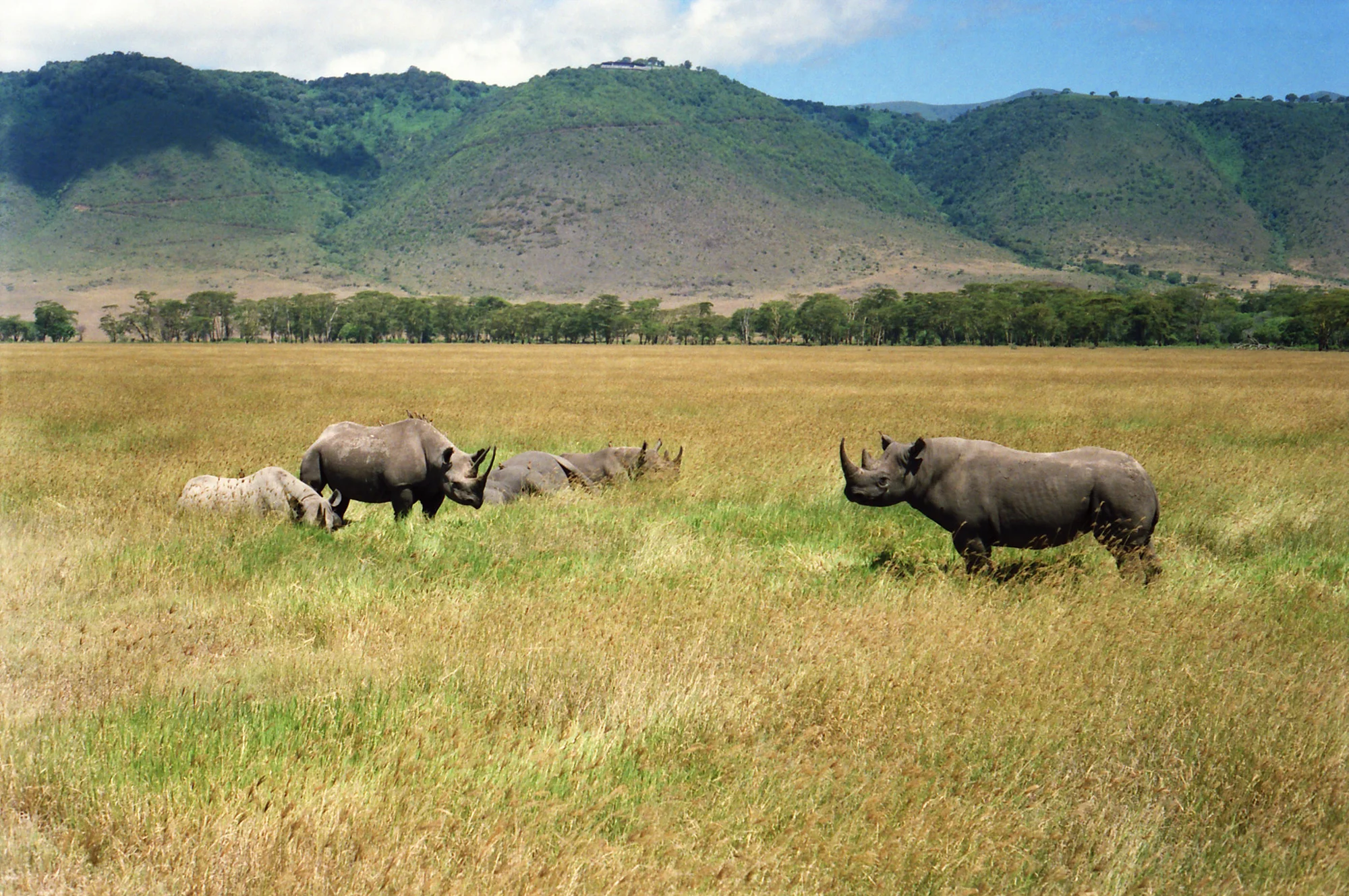
  • Ngorongoro Conservation Area (20–30 min from Karatu): The crater — 264 sq km on its floor — holds one of Africa's densest wildlife populations: black rhino, lion, elephant, buffalo, and cheetah compressed into a world-heritage caldera. Karatu is the standard overnight base (45 min to the crater rim), though rim lodges are available for those who want the crater at their doorstep. NCA conservation fee: $82.60/adult/day. The crater floor has a strict 6-hour maximum stay per visit.

  • Serengeti National Park (3–4 hrs from Karatu via Ngorongoro): Africa's most iconic savanna. Park fee: $82.60/adult/day. The Serengeti has four distinct areas — central Seronera (year-round predators, the standard base), southern plains/Ndutu (calving December–March), western corridor (Grumeti River crossings in June), and northern Kogatende (Mara River crossings July–October). Which part you visit should depend on your travel dates.

Cross-links: great migration timing · Kilimanjaro climbing · Zanzibar safari and beach combos

The southern circuit#

Tanzania's southern parks sit in a different league from the north: more remote, with fewer visitors, a longer immersion required, and experiences not possible in the national parks — boat safaris, walking safaris, fly-camping.

Ruaha National Park covers 20,226 sq km, making it Tanzania's largest national park. It holds an estimated 10% of the world's remaining lions, the largest elephant population in East Africa, and is one of very few places where both greater and lesser kudu coexist. The relative quiet is matched by a relative bargain on fees: $35.40/adult/day, less than half the Serengeti rate. Flying from Dar es Salaam takes roughly two hours.

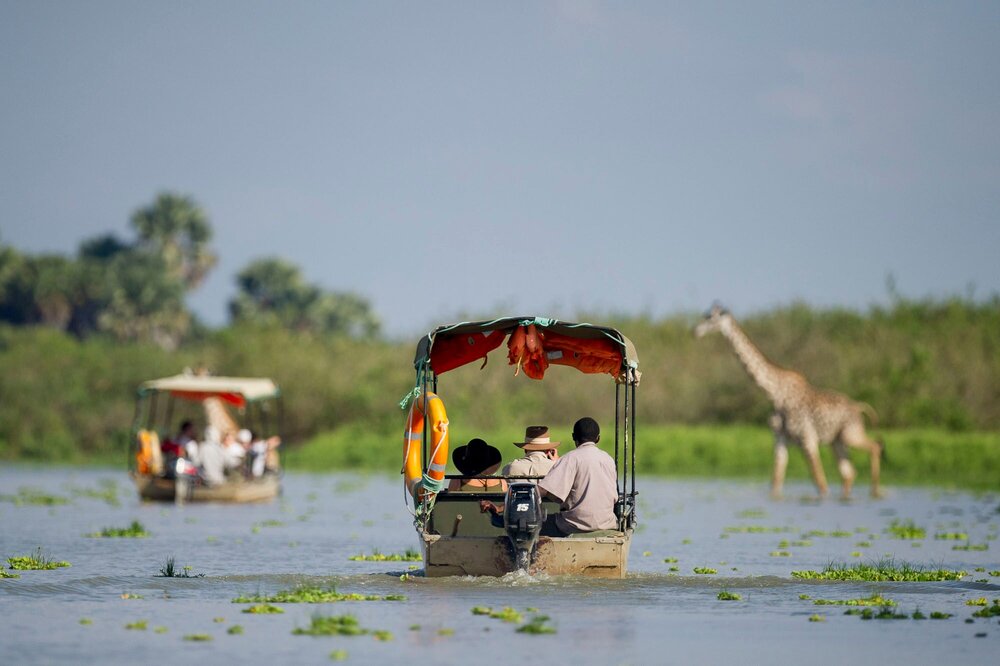
Nyerere National Park (formerly the Selous Game Reserve) is Africa's largest protected area and the only park in Tanzania offering Rufiji River boat safaris — the hippos and crocodiles come to you rather than the other way round. Walking safaris and fly-camping are also permitted. Park fee: $82.60/adult/day. Gateway: Dar es Salaam, 30–45 minutes by air or 4–5 hours by road. Most camps close March–May during the long rains.

For true remote wilderness, the western circuit adds Katavi (vast dry-season hippo and crocodile spectacles, June–October only) and Mahale (chimpanzee trekking on the shore of Lake Tanganyika). Both are fly-in only destinations requiring at minimum three to four nights each.

Cross-links: Tanzania's remote southern parks

Best time to visit Tanzania#

MonthBest areaNotes
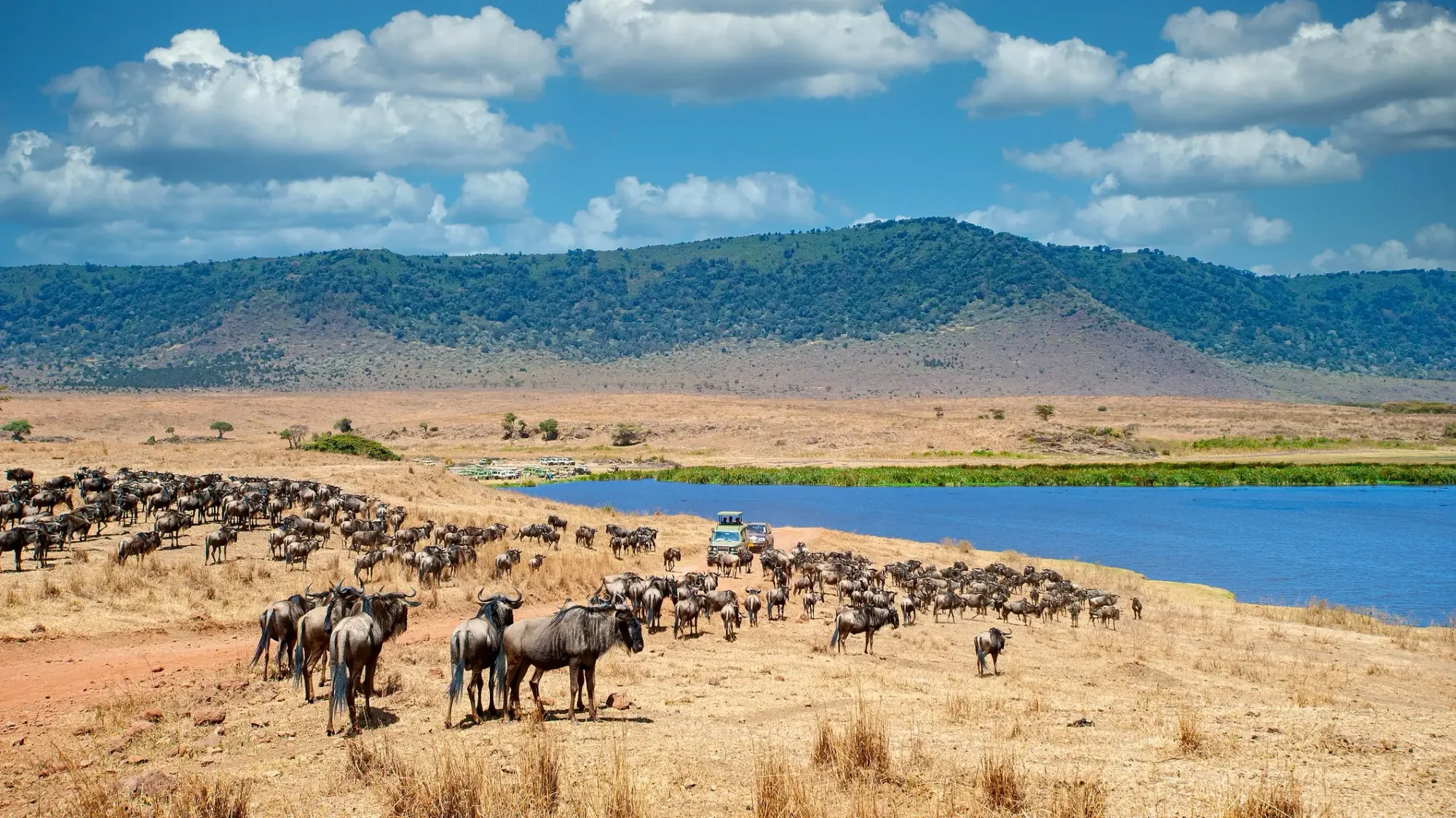
Dec–MarSouthern Serengeti (Ndutu)Calving season — 500,000 wildebeest born; intense predator action
JunWestern Corridor (Grumeti)Grumeti River crossings; far fewer vehicles than the north
Jul–OctNorthern Serengeti (Kogatende)Mara River crossings; peak season — book well ahead
Jun–OctTarangireDry season: elephant herds at Tarangire River
Jun–OctNgorongoro, Ruaha, NyererePeak dry across all parks — reliable game viewing
Apr–MayAnywhereLong rains; most southern camps close; not recommended

How much does a Tanzania safari cost?#

The largest variable is lodge tier. Verified accommodation rack rates for Tanzania mainland (per double room per night, high season, full-board including game drives) run: mid-range $200–$420, luxury $500–$850, and ultra-luxury $900–$4,000. Park fees add to this: Serengeti and Ngorongoro are $82.60/adult/day; Tarangire and Lake Manyara are $59.10/adult/day; Ruaha and Mikumi are $35.40/adult/day.

The prices on this site are per person, direct from the operator — no middleman markup layered on. For comparison between budget and luxury options, see value-tier Tanzania safaris and Tanzania's top luxury lodges.

Getting there#

The international gateway for Tanzania's northern circuit is Kilimanjaro International Airport (JRO), about 45 km east of Arusha. Most international visitors fly via Nairobi, Addis Ababa, Dubai or Doha. Arusha is 2–2.5 hours from Tarangire gate. For the southern circuit the gateway is Dar es Salaam Julius Nyerere International Airport (DAR).

Bush flights from Arusha connect to all northern-circuit airstrips: Seronera (central Serengeti) in approximately 1 hour, Ndutu in approximately 1 hour, and Kogatende (northern Serengeti) in approximately 1.5 hours. If you start or finish in Nairobi, see Tanzania safari from Nairobi.

Tanzania or Kenya?#

Tanzania for the Great Migration's full arc — three of its four seasonal phases happen on the Tanzanian side of the border, in the Serengeti. Also Tanzania for Kilimanjaro, Zanzibar, and the southern wilderness parks that have no Kenyan equivalent. Kenya for conservancy experiences (night drives, walking safaris, horseback) that are not permitted in Tanzania's national parks, easier access from Nairobi, and northern dry-country specials in Samburu that you won't find in the south. Many itineraries combine both countries. See Kenya safari itineraries.

Frequently asked questions

How much does a Tanzania safari cost?
Lodge accommodation is the main cost driver. Verified Tanzania mainland rack rates (per double room per night, high season, full-board) run: mid-range $200–$420, luxury $500–$850, ultra-luxury $900–$4,000. Park fees are on top: Serengeti and Ngorongoro charge $82.60 per adult per day, Tarangire $59.10 per adult per day. Prices on this site are per person, direct from the operator — no middleman margin.
What is the best time to go on a Tanzania safari?
It depends on what you most want to see. For calving season and dense predator action, go to the southern Serengeti (Ndutu) in February. For Mara River crossings, target the northern Serengeti (Kogatende) or Kenya's Masai Mara between July and October. For the northern circuit in general, June to October (dry season) is the most reliable window. April and May should be avoided — long rains close most southern camps and make roads difficult.
How many days do I need for a Tanzania safari?
Six to eight days is the sweet spot for a first northern circuit: enough time for Tarangire, Ngorongoro, and two to three nights in the Serengeti. Add two to three nights for Zanzibar or a specific migration event. The southern circuit (Ruaha and Nyerere) works well as a five to seven day fly-in trip from Dar es Salaam.
Do I need a visa for Tanzania?
Most nationalities require one. Tanzania offers an e-visa online at evisa.go.tz — allow five to ten business days for processing. Citizens of a handful of countries can obtain a visa on arrival, while some East African Community members enter visa-free. Always verify current requirements from official sources before travel.
Is Tanzania safe for tourists?
The main safari areas — the northern circuit and Zanzibar — are well-established tourist destinations with a strong local operator infrastructure and no significant security concerns for visitors. Standard travel-safety precautions apply. Check your government's current travel advisory before departure.