
NoMiddleManTours
Fly-In Safaris in Tanzania

Fly-In Safaris in Tanzania

A bush flight from Arusha puts you in the Serengeti in under an hour, at Nyerere in roughly the same. Fly-in itineraries trade the road transfer for an extra game drive — and in Tanzania, where the best parks are far apart, that trade is almost always worth making.

170 tripsFrom $456 pp2–18 days
Browse all trips

Tanzania's national parks are spread across a country the size of France and Spain combined. Road transfers between the northern and southern circuits can run seven hours or more. Bush flights change the equation: a light aircraft hops between airstrips in 45 minutes to two hours, opening up park combinations that would otherwise eat half a short trip in transit.

Where fly-in makes the biggest difference#

The southern circuit — Nyerere National Park and Ruaha National Park — is almost entirely fly-in territory. Both parks sit too far from Dar es Salaam for a practical road transfer. The reward is landscape with a fraction of the northern circuit's traffic: wide floodplains, elephant herds, and Rufiji River boat safaris. See wild dog safaris for southern-specialist itineraries — this region holds the highest wild dog density in Africa.

On the northern circuit, fly-in saves the most time on Serengeti-focused trips. The drive from Arusha to Seronera runs four to five hours; a bush flight cuts that to under an hour. Short-break travellers will find fly-in the only practical option. Fly-in also unlocks the remote west: Mahale Mountains National Park on Lake Tanganyika has no road access at all. For itineraries built around that isolation, see western circuit safaris.
170 itineraries · matching your filters · direct operator pricing

16-tägiges Grand Tanzania — Northern Circuit, Southern Circuit & Mnemba Island
SafariGemischt (Fahrt + Flug)Nördlicher Circuit

16-tägiges Grand Tanzania — Northern Circuit, Southern Circuit & Mnemba Island

16 days / 15 nightsLeichtmoderate pace

Es gibt eine einzige Tanzania-Reiseroute, die alles davon vereint: Tarangires Elefantenherden, die sich am uralten Fluss versammeln, den Kraterboden des Ngorongoro Crater im ersten Licht als großes Finale des nördlichen Circuits, Mara-River-Flussüberquerungen in der nördlichen Serengeti, die Bootssafaris des Rufiji durch Wildhund-Territorium, die Konzentrationen der Trockenzeit am Great Ruaha River, und schließlich Mnemba Island — ein privates Korallenatoll vor der Nordostküste Zanzibars, dessen Riff im Indischen Ozean so intakt ist, dass es sich wie ein lebendiges Archiv dessen liest, wie diese Küste aussah, bevor die moderne Welt Einzug hielt. Sechzehn Tage, acht Reiseziele, beide Circuits der tansanischen Safari-Landschaft und ein Finale auf einer privaten Insel. Der Krater sitzt nun genau dort, wo er hingehört: am letzten Morgen vor dem Flug nach Süden, ein Abstieg im Morgengrauen vom Rand aus, während der Kessel noch ganz Ihnen gehört — er schließt den nördlichen Circuit an seinem emotionalen Höhepunkt ab, bevor die Reise sich vollständig den Bootssafaris und dem Riff des Indischen Ozeans zuwendet. Hinweis: Nyerere und Ruaha schließen von Mitte März bis Ende Mai während der langen Regenzeit — diese Reiseroute findet nur von Juli bis Oktober statt.

Tarangire National ParkSerengeti National ParkNgorongoro CraterNyerere National Park+1 more
18-tägiger Kilimanjaro (Lemosho), Safari & Zanzibar
TrekkingGemischt (Fahrt + Flug)Nördlicher Circuit

18-tägiger Kilimanjaro (Lemosho), Safari & Zanzibar

18 days / 17 nightsAnspruchsvollactive pace

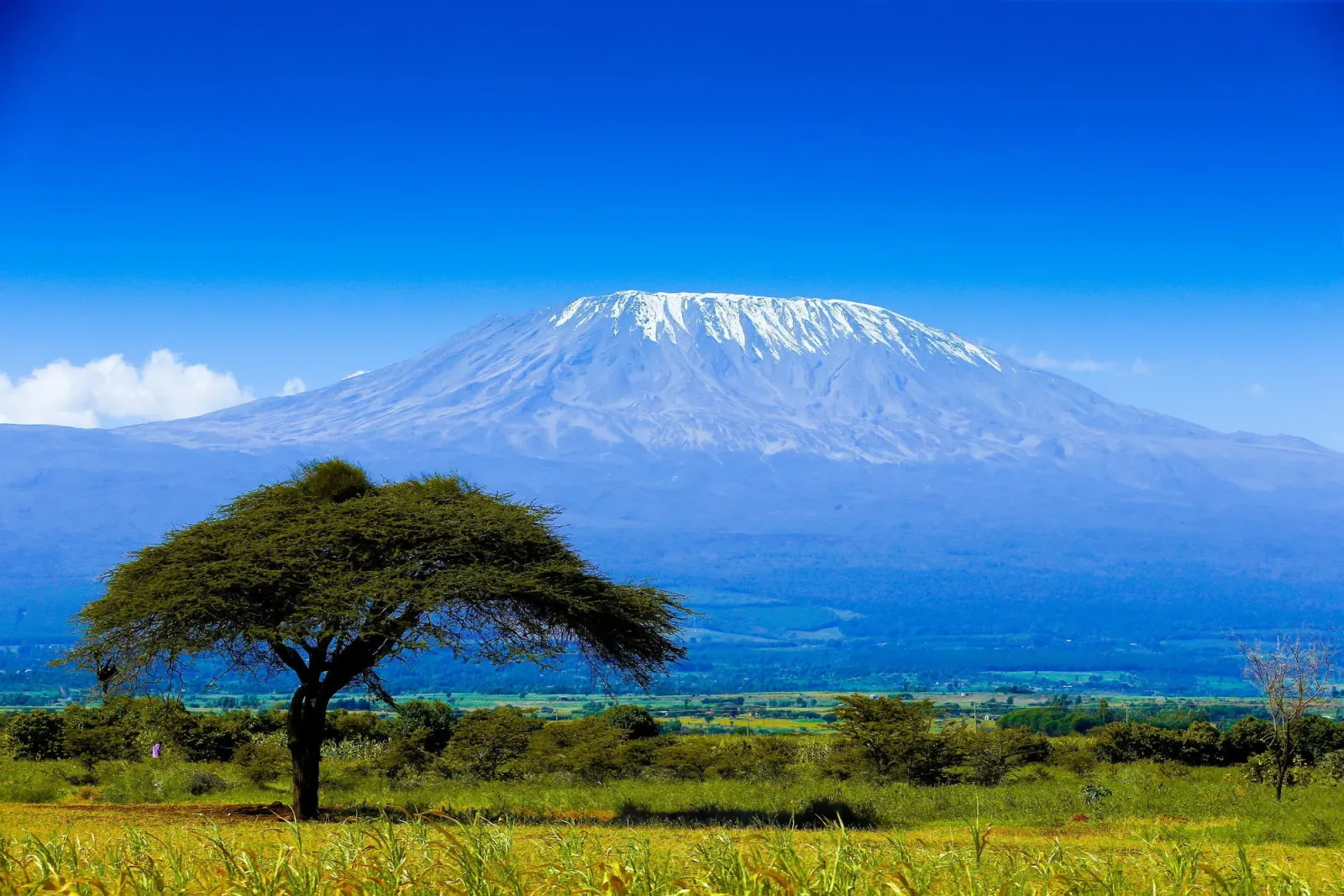
Drei Tanzanias in achtzehn Tagen. Beginnen Sie an der kalten Westflanke des Kilimanjaro, ziehen Sie durch Nebelwald und Riesen-Senecio-Moorland hinauf zum Shira-Plateau, über die Akklimatisierungsschleife am Lava Tower, hinauf über die Barranco Wall und schließlich zum Uhuru Peak auf 5.895 Metern — Afrikas höchstem Punkt, erreicht über die Lemosho-Route mit einer Gipfelerfolgsquote von 85–90 %, der besten aller Standardrouten am Berg. Dann ein Ruhetag in Arusha und der Ausrüstungswechsel von Steigeisen zu Fernglas: fünf Tage klassische Safari im nördlichen Circuit durch Tarangires Elefantenherden, drei Nächte im Raubtier-Kernland der Serengeti und der Ngorongoro Crater im Morgengrauen als großes Finale — mit Übernachtung am Rand in der Nacht zuvor und Abstieg um 6 Uhr morgens vor jedem Konvoi. Am selben Nachmittag bringt Sie ein Buschflug vom Kraterrand nach Zanzibar: die UNESCO-Weltkulturerbe-Gassen von Stone Town, gefolgt von zwei Tagen an den weißen Stränden der Nordküste. Keine andere Tanzania-Reiseroute vereint so viele unterschiedliche Ökosysteme in einer einzigen Reise, und keine beendet die Safari auf einem höheren Ton.

Mount Kilimanjaro (Lemosho Route)Tarangire National ParkSerengeti National Park (Central Seronera)Ngorongoro Crater+1 more

Frequently asked questions

How long are typical bush flights between Tanzania's parks?
Most hops run 45 minutes to two hours depending on route. Arusha to Seronera (central Serengeti) takes under an hour; Dar es Salaam to Nyerere is roughly the same.
Are there luggage restrictions on bush flights?
Yes. Most light aircraft carriers require soft bags only, with a limit of 15–20 kg per person including hand luggage. Hard-shell suitcases are not accepted.
Which Tanzania parks are only accessible by fly-in?
Mahale Mountains has no road access and is fly-in only. Katavi and Ruaha are technically reachable by road but the distances make flying the practical standard.
Is there a season when bush flights don't operate?
Several Dar–Nyerere and Dar–Ruaha routes suspend from mid-March to end of May (long rains). Northern circuit routes and Zanzibar connections run year-round.
Do fly-in safaris cost significantly more than road-based ones?
Flights add to the trip cost, but for shorter itineraries the extra days you'd spend on transfers often cost more in accommodation and park fees than the flight itself.