NoMiddleManTours

Tour packages

Tanzania Safari

The northern circuit — Tarangire, Ngorongoro and the Serengeti — is Africa's most complete safari destination. The Great Migration, the Big Five, Kilimanjaro, and Zanzibar all within one country.

34 circuits trouvés
10-Day Serengeti Fly-In & Zanzibar — The Zero-Road Tanzania

10-Day Serengeti Fly-In & Zanzibar — The Zero-Road Tanzania

10 days·9 nights

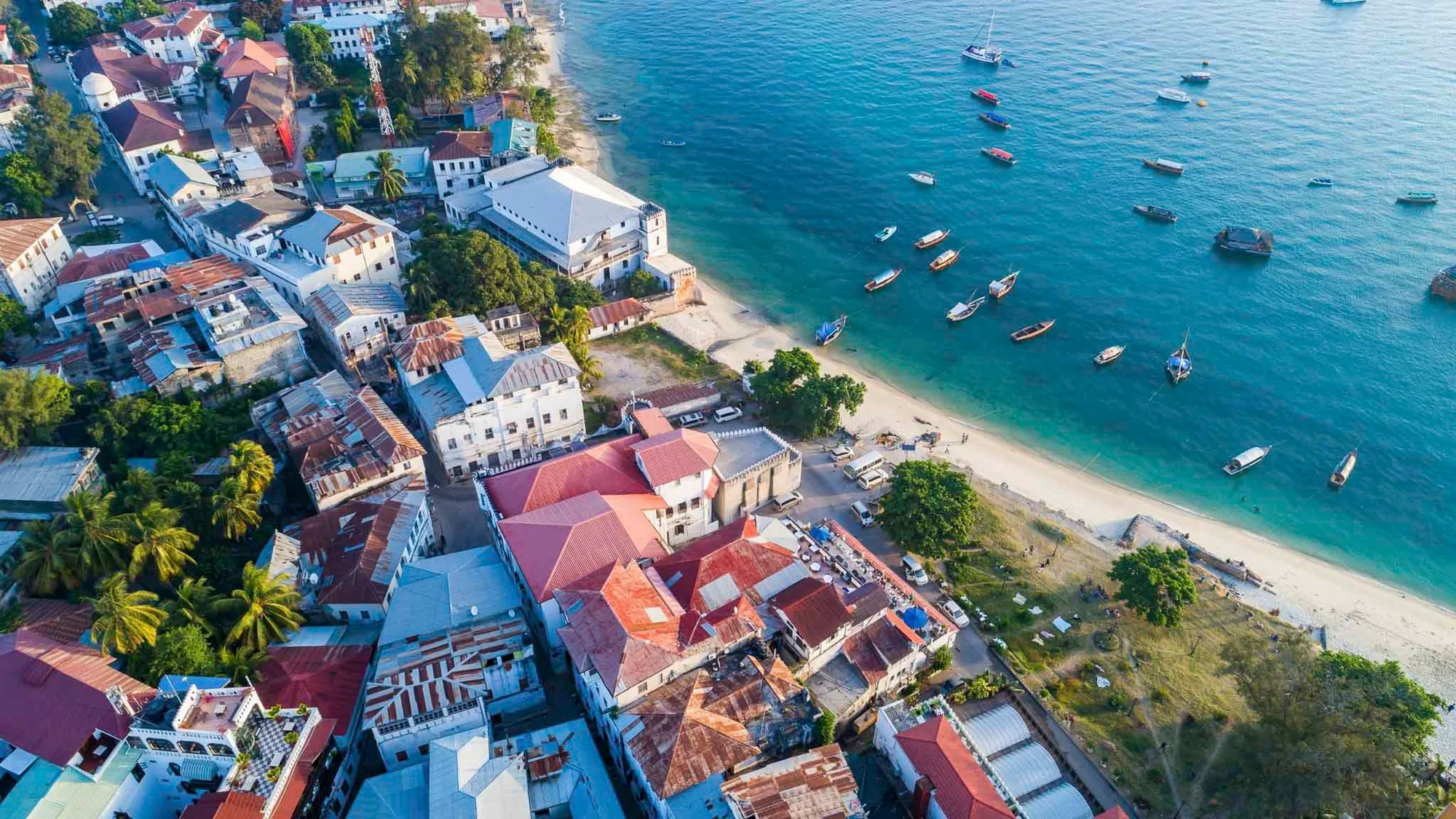
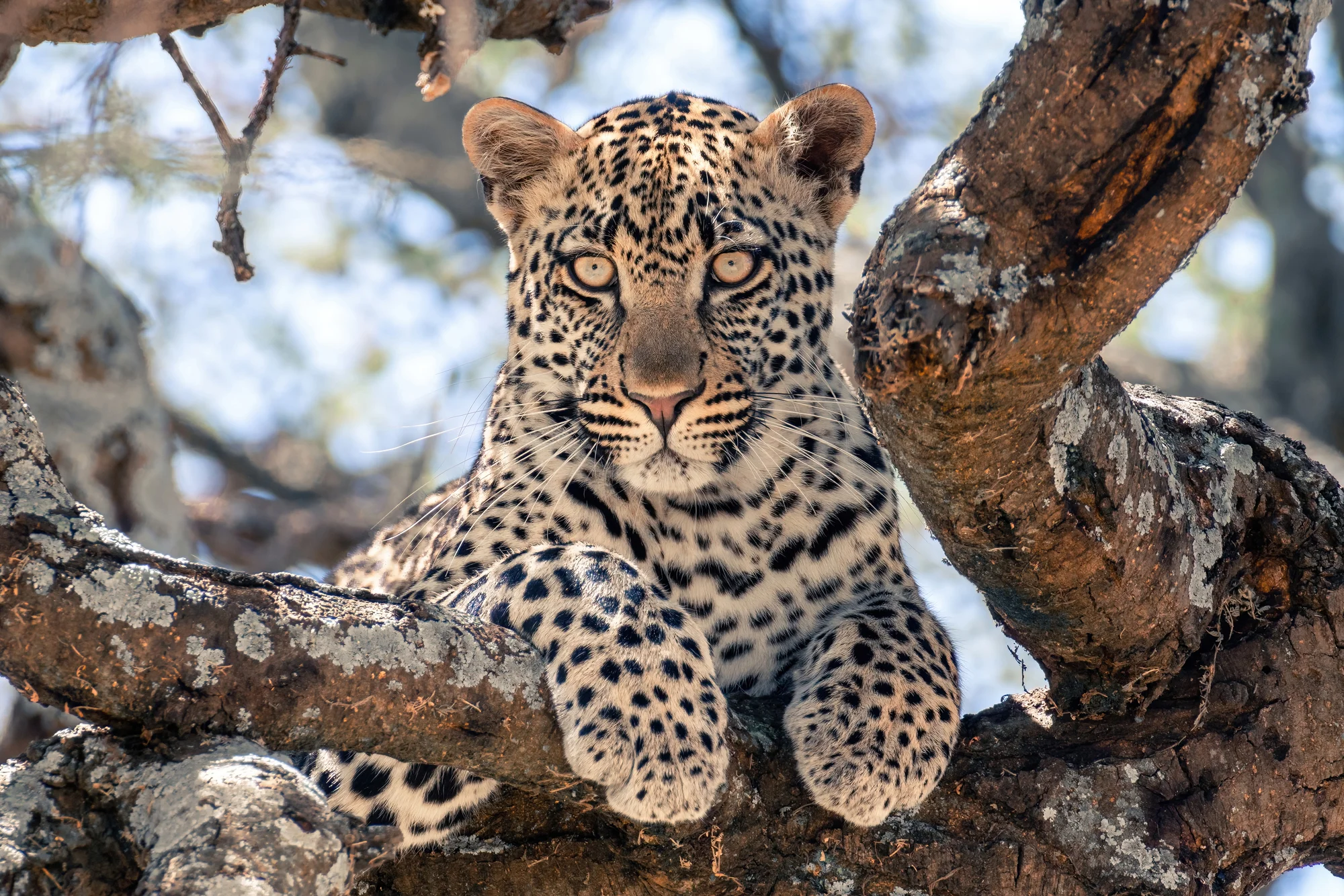
Ten days. Zero road transfers. Not a single hour on tarmac, not a single gravel correction, not a single dusty highway between parks. You fly into the heart of the Serengeti on Day 1 and spend five nights exploring three distinct zones — the Seronera Valley's leopard-dense riverine woodland, the ancient Moru Kopjes where isolated lion prides reign over granite kingdoms, and the vast southern plains where cheetahs hunt on horizons that curve with the Earth's surface. On Day 6 a bush flight converts the Serengeti into Zanzibar in a single afternoon, delivering you to the narrow coral-stone alleys of Stone Town for two nights of cultural immersion before three unhurried nights on the Indian Ocean coast. Every transfer is a flight. Every day is either deep wildlife or deep relaxation. This is Tanzania with every road removed and every compromise eliminated.

Devis sur demande
Voir l'itinéraire
10-Day Calving Season Safari & Zanzibar

10-Day Calving Season Safari & Zanzibar

10 days·9 nights

The ultimate January-to-March Tanzania trip, now with the calving plains as the opening chapter. Drive straight to the Ndutu calving grounds on Day 1 — two full nights on the southern Serengeti's short-grass ash plains where 8,000 wildebeest calves are born per day and predators hunt in the open at a level unmatched anywhere on Earth. Then move to Seronera's kopje country for a night, sleep on the Ngorongoro Crater rim, and descend at dawn into Africa's most extraordinary caldera as the grand finale of the safari. A bush flight delivers you to Zanzibar by mid-afternoon: one night in Stone Town, three nights on a warm Indian Ocean beach. Birth and beach — two acts, one unforgettable trip, with the calving spectacle first and the crater as the climax.

Devis sur demande
Voir l'itinéraire
10-Day Walking Safari (Southern) + Zanzibar  -- Nyerere, Ruaha & White Sand Recovery

10-Day Walking Safari (Southern) + Zanzibar -- Nyerere, Ruaha & White Sand Recovery

10 days·9 nights

Six days on foot in Tanzania's two greatest wilderness parks -- tracking wild dog packs along the Rufiji River in Nyerere, reading elephant spoor in Ruaha's ancient sand rivers -- followed by three days barefoot on Zanzibar's white-sand coast. The contrast is the point: physical intensity in some of Africa's wildest terrain, then total surrender to the Indian Ocean. A walking safari followed by a beach recovery is not a compromise itinerary. It is the most satisfying sequence a ten-day Tanzania trip can deliver.

Devis sur demande
Voir l'itinéraire
10-Day Southern Safari & Zanzibar  -- Nyerere, Ruaha & the Spice Island

10-Day Southern Safari & Zanzibar -- Nyerere, Ruaha & the Spice Island

10 days·9 nights

The complete Dar-based Tanzania experience: six nights of fly-in safari through Africa's largest protected area and Tanzania's largest national park, followed by three nights on Zanzibar -- Stone Town's labyrinthine history and the turquoise Indian Ocean beaches. No Arusha, no northern circuit, no crowds. Boat safaris on the Rufiji, walking safaris with armed rangers, wild dog tracking, the Great Ruaha River's dry-season spectacle, and a perfect beach conclusion -- all connected by short bush flights from a single hub.

Devis sur demande
Voir l'itinéraire
10-Day Classic Safari & Zanzibar

10-Day Classic Safari & Zanzibar

10 days·9 nights
5.0(1)
Route  ArushaTarangire National ParkSerengeti National ParkZanzibar — BeachesZanzibar (+2 more)

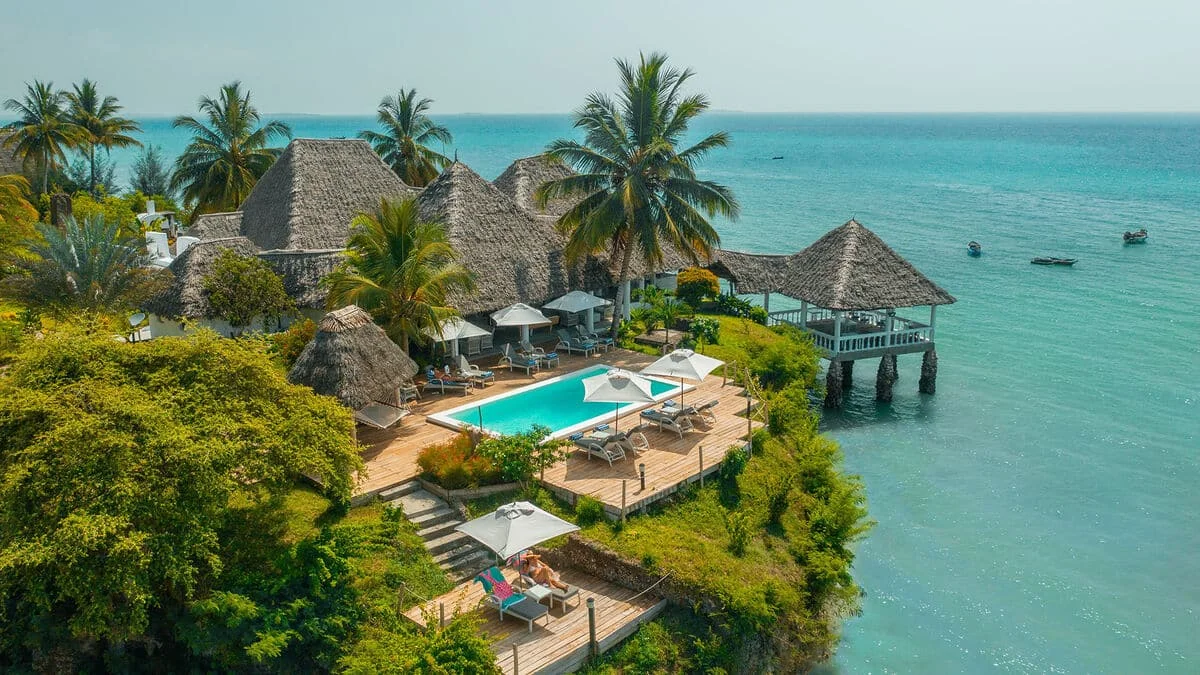
Five days of dust, big cats, and the Serengeti dawn — with the Ngorongoro Crater as the finale rather than an opener. Five days of turquoise water, Stone Town spice markets, and doing absolutely nothing on a white sand beach. The new routing puts the crater on Day 5 as the safari's closing chapter: sleep on the rim, descend at dawn ahead of the Karatu convoy, then drive to Arusha and catch the afternoon bush flight to Zanzibar. Tarangire-north on Day 1 for elephants in the baobabs. Two full Serengeti nights in the predator heartland. Then the crater. Then the ocean. Tanzania's most popular combo, sequenced the right way.

Devis sur demande
Voir l'itinéraire
10-Day Zanzibar & Northern Safari

10-Day Zanzibar & Northern Safari

10 days·9 nights

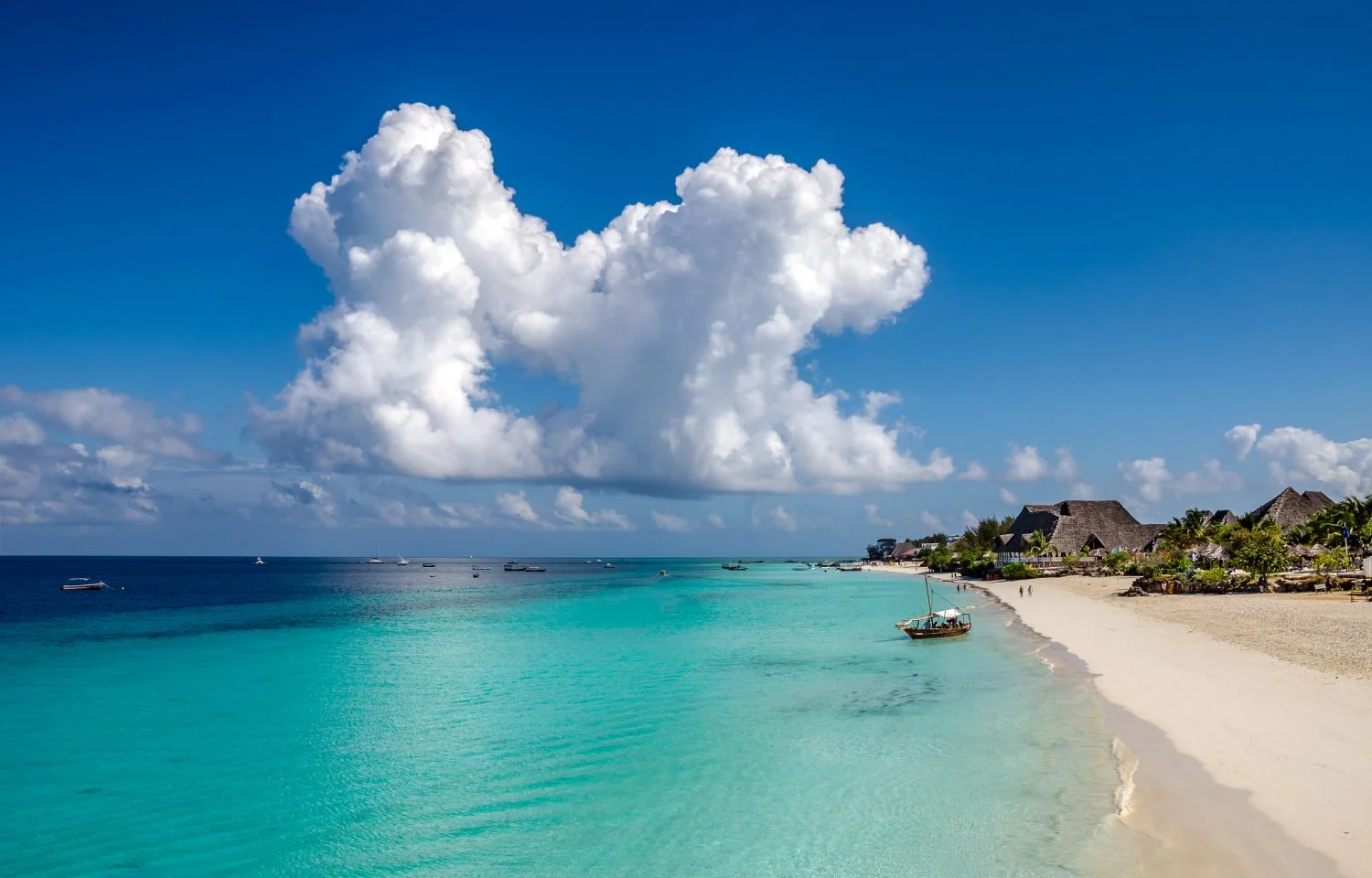
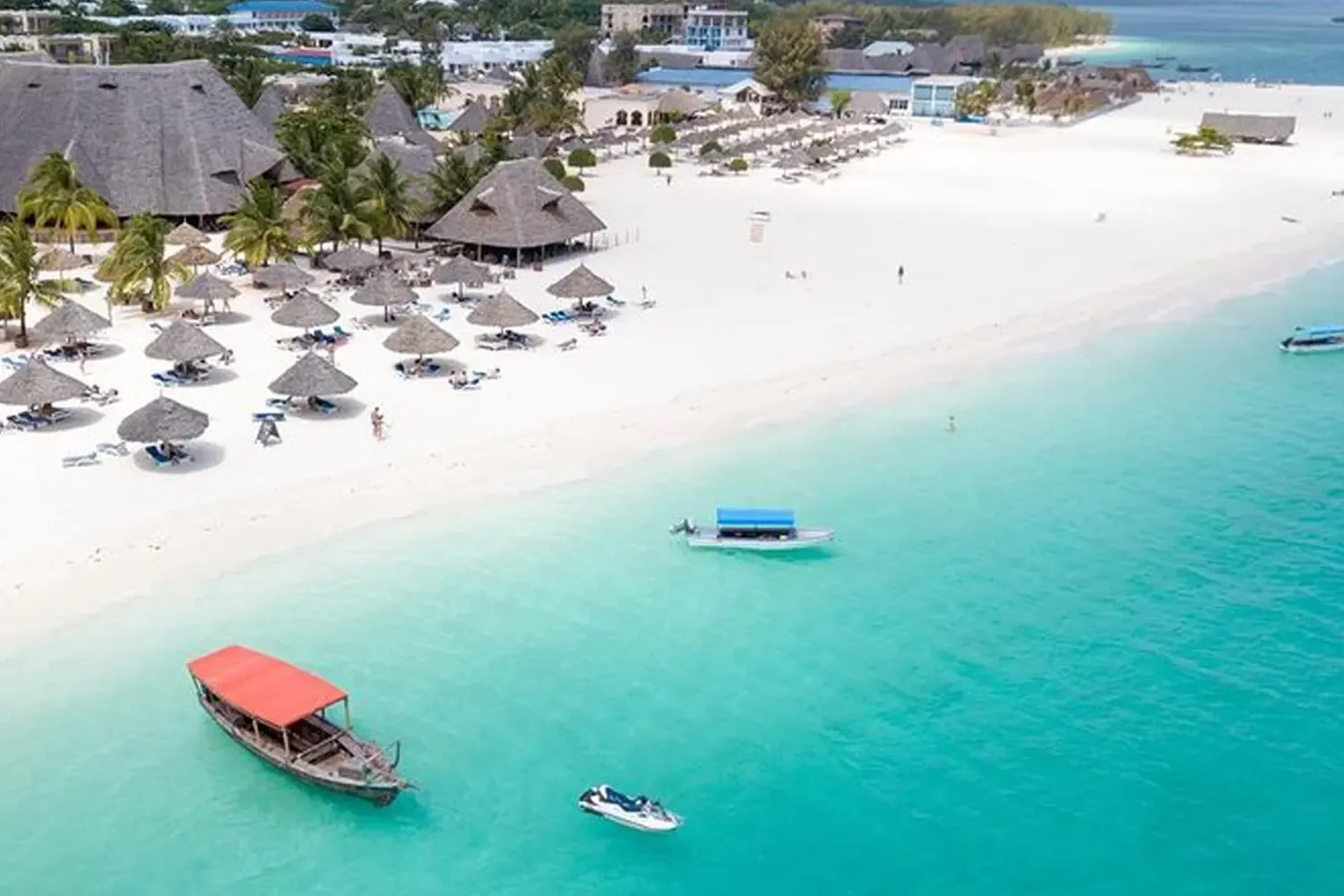
Stone Town and the north-coast beaches first — four days of Indian Ocean immersion before a single early morning. Then a scheduled flight brings you from Zanzibar to Arusha, and the safari begins: two full days in Tarangire's baobab-and-elephant landscape, two full days in the Serengeti's predator heartland at Seronera, a night sleeping on the Ngorongoro Crater rim, and a dawn descent into the caldera as the final act. The beach-first structure is deliberate: long-haul arrivals are better served by arriving rested at the first park gate than depleted. The crater-finale routing is deliberate: sleeping on the rim the night before means descending at 6 AM ahead of the Karatu convoy, with the caldera to yourself in the first golden hour, closing the week at its emotional peak. All drives from Arusha to Arusha — no bush flight exit.

Devis sur demande
Voir l'itinéraire
10-Day Kilimanjaro Marangu Route + Zanzibar Recovery

10-Day Kilimanjaro Marangu Route + Zanzibar Recovery

10 days·9 nights

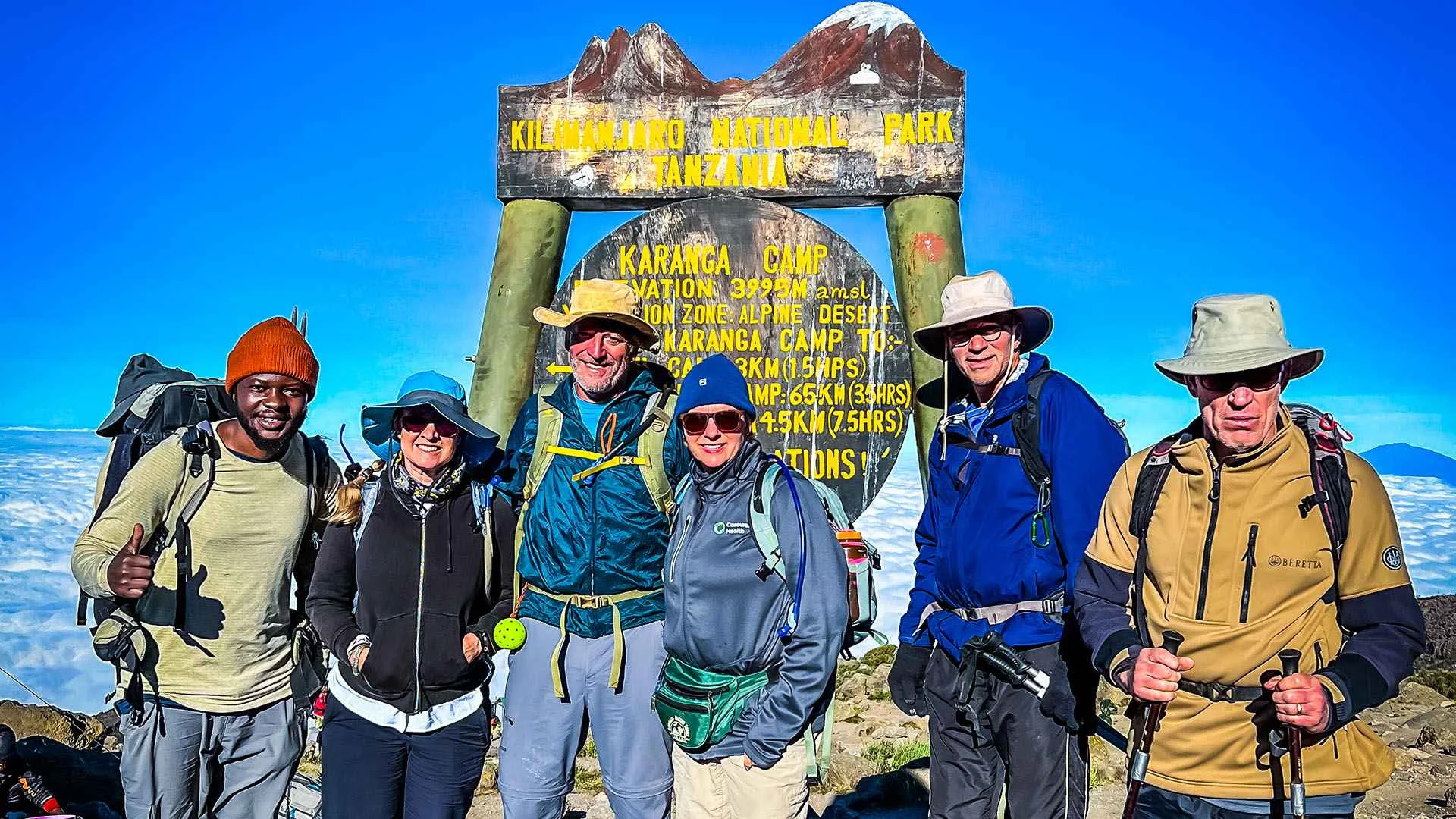
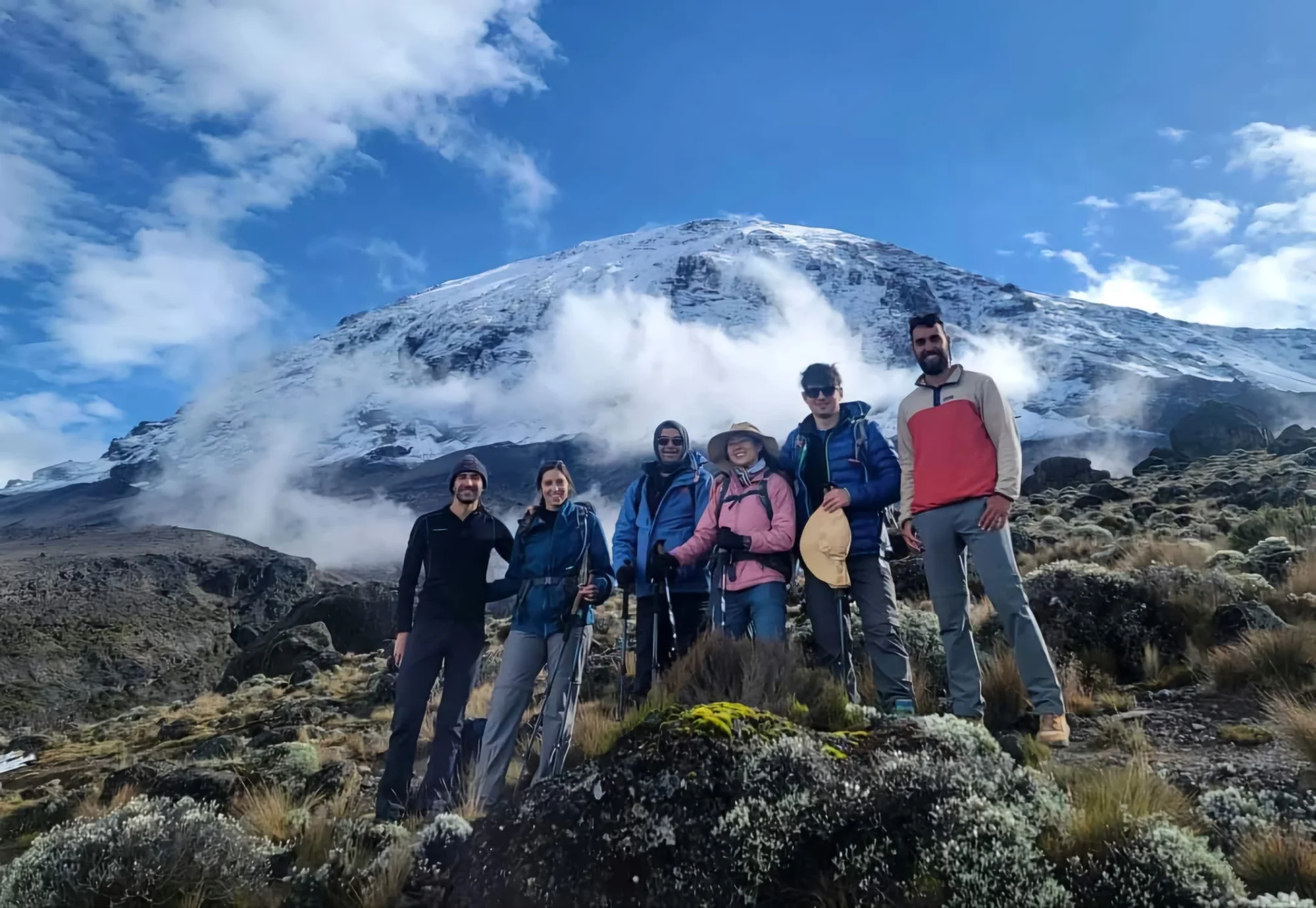
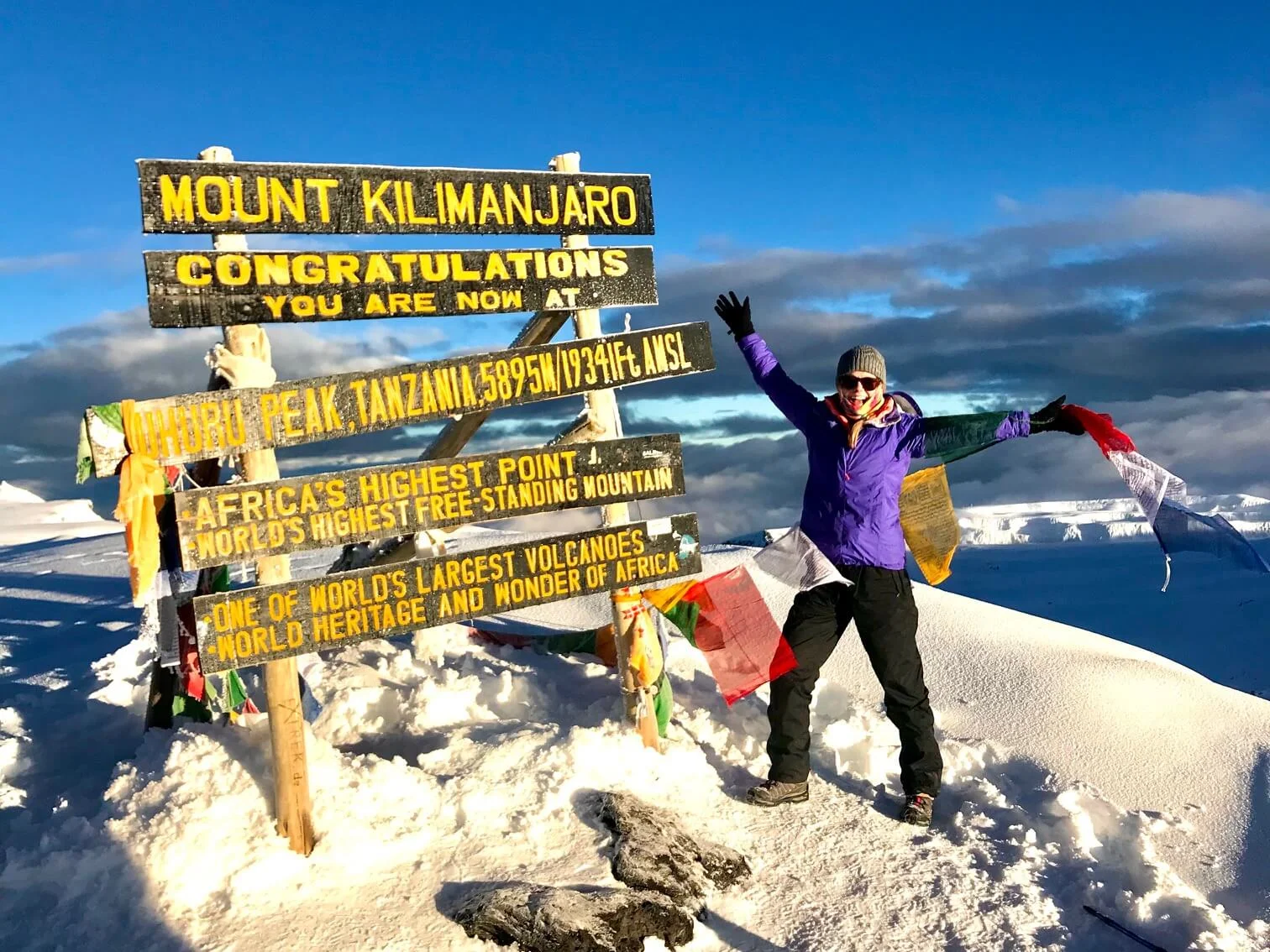
The Marangu Route is Kilimanjaro's original — the only path on Africa's highest mountain where you sleep in a bunk rather than a tent, in huts that have stood on the mountain since the colonial era. Six days on the mountain, from the humidity of the rainforest gate through moorland and alpine desert to the ice-glazed summit at 5,895 metres. Then three days in Zanzibar: Stone Town's layered history, a north coast beach, saltwater that asks nothing of you except that you float in it. Ten days, one mountain, one island, no safari — the complete contrast itinerary for climbers who want the reward to be genuinely different from the effort.

Devis sur demande
Voir l'itinéraire
11-Day Kilimanjaro Machame Route + Zanzibar Beach Recovery

11-Day Kilimanjaro Machame Route + Zanzibar Beach Recovery

11 days·10 nights

Summit Africa's highest peak via the Machame Route — Kilimanjaro's most popular path with a 70-80% success rate — then fly to Zanzibar for four days of warm-ocean recovery. Seven days of trekking through five ecological zones to 5,895 metres, followed by one night in historic Stone Town and three nights on white-sand beaches where the Indian Ocean washes the altitude from your bones. No safari, no filler — just the continent's greatest vertical adventure followed by its finest horizontal reward.

Devis sur demande
Voir l'itinéraire
11-Day Kilimanjaro Rongai Route + Zanzibar Recovery

11-Day Kilimanjaro Rongai Route + Zanzibar Recovery

11 days·10 nights

The Rongai Route approaches Kilimanjaro from its northern side — the Kenya border — where the mountain's rain shadow produces a drier climate, a quieter trail, and a remote landscape that southern-approach routes cannot offer. Seven days of tented camp trekking through five ecological zones, including the Mawenzi Tarn acclimatization camp at 4,330 metres, followed by three days in Zanzibar: one night in Stone Town, then the east coast at Paje, where the Indian Ocean's trade winds make the water turquoise and the kitesurfing wind never stops. Eleven days, Africa's highest mountain from its quietest approach, and the island's most wind-energised coast as the reward.

Devis sur demande
Voir l'itinéraire
12-Day Serengeti, Mahale Chimps and Katavi

12-Day Serengeti, Mahale Chimps and Katavi

12 days·11 nights
5.0(1)
Route  ArushaTarangire National ParkNgorongoro Conservation AreaZanzibar — BeachesDar es Salaam (+4 more)

Tanzania is not one country but three, stacked against each other in a geography so diverse that no single itinerary can contain it — unless it tries. This twelve-day journey moves through all three: the classic savannah of Tarangire, Ngorongoro, and the central Serengeti; the montane rainforest and Lake Tanganyika shoreline of Mahale Mountains, where wild chimpanzees live in a park so remote it has no roads; and the prehistoric solitude of Katavi, Tanzania's third-largest national park, where buffalo mega-herds and hippo-jammed river pools play out without an audience. Three parks. Three ecosystems. Three completely different definitions of what a safari can be. Booking note: Mahale charter flights operate Mondays and Thursdays only (Safari Air Link / Zantas Air). Departure day must be chosen so that the Day 5 Seronera→Mahale connection falls on a Monday or Thursday.

Devis sur demande
Voir l'itinéraire
12-Day Northern + Southern + Zanzibar Grand Safari

12-Day Northern + Southern + Zanzibar Grand Safari

12 days·11 nights
5.0(1)
Route  ArushaTarangire National ParkSerengeti National ParkZanzibar — BeachesZanzibar (+4 more)

Tanzania has a standard safari map that works beautifully — and then it has everything that lies beyond it. This twelve-day itinerary runs both versions in a single journey: five days across the northern circuit from Tarangire through the Serengeti to the Ngorongoro Crater as the grand finale, then three internal flights and four days in two of Africa's most remote southern parks, then a final two nights on Zanzibar's coast. Six parks. Three circuits. The crater is the climax of the northern arc, not a mid-trip transit — you sleep on the rim the night before, descend at dawn ahead of the Karatu convoy, and then drive to Arusha and fly south with the crater still vivid. One continuous arc that begins at Arusha airport and ends with bare feet in the Indian Ocean.

Devis sur demande
Voir l'itinéraire
12-Day Ultra-Luxury Private Concession Safari and Zanzibar

12-Day Ultra-Luxury Private Concession Safari and Zanzibar

12 days·11 nights
5.0(2)

Twelve days that move through every dimension of what Tanzania offers at its finest. Seven days on private concessions where the rules of national parks have never applied -- night drives spotlighting leopards and aardvarks, walking safaris with no time limits, off-road tracking of lions and cheetahs across 350,000 exclusive acres, a descent into the Ngorongoro Crater among 25,000 animals, and bush dinners under a Serengeti sky. Then five days in Zanzibar: one night in Stone Town's UNESCO labyrinth of carved doors, spice markets, and Arabic-Swahili heritage, followed by four nights at the Indian Ocean's edge in a villa with a plunge pool and a private section of white sand. This is the full ultra-luxury Tanzania experience, uncompromised at either end.

Devis sur demande
Voir l'itinéraire

Tanzania is Africa's premier safari destination, drawing more than 90% of its visitors to the northern circuit — a sequence of parks that runs from the elephant country of Tarangire through the volcanic Ngorongoro highlands and into the vast grasslands of the Serengeti. For those with more time or a taste for solitude, the southern parks of Ruaha and Nyerere and the remote western wilderness of Mahale and Katavi offer fly-in alternatives where you may go entire game drives without seeing another vehicle.

The northern circuit#

The standard northern circuit runs in a single direction: Arusha → Tarangire → Lake Manyara → Karatu/Ngorongoro → Serengeti. Each leg follows a well-maintained road and there are no backtrack days, so the route works efficiently even on tighter schedules.

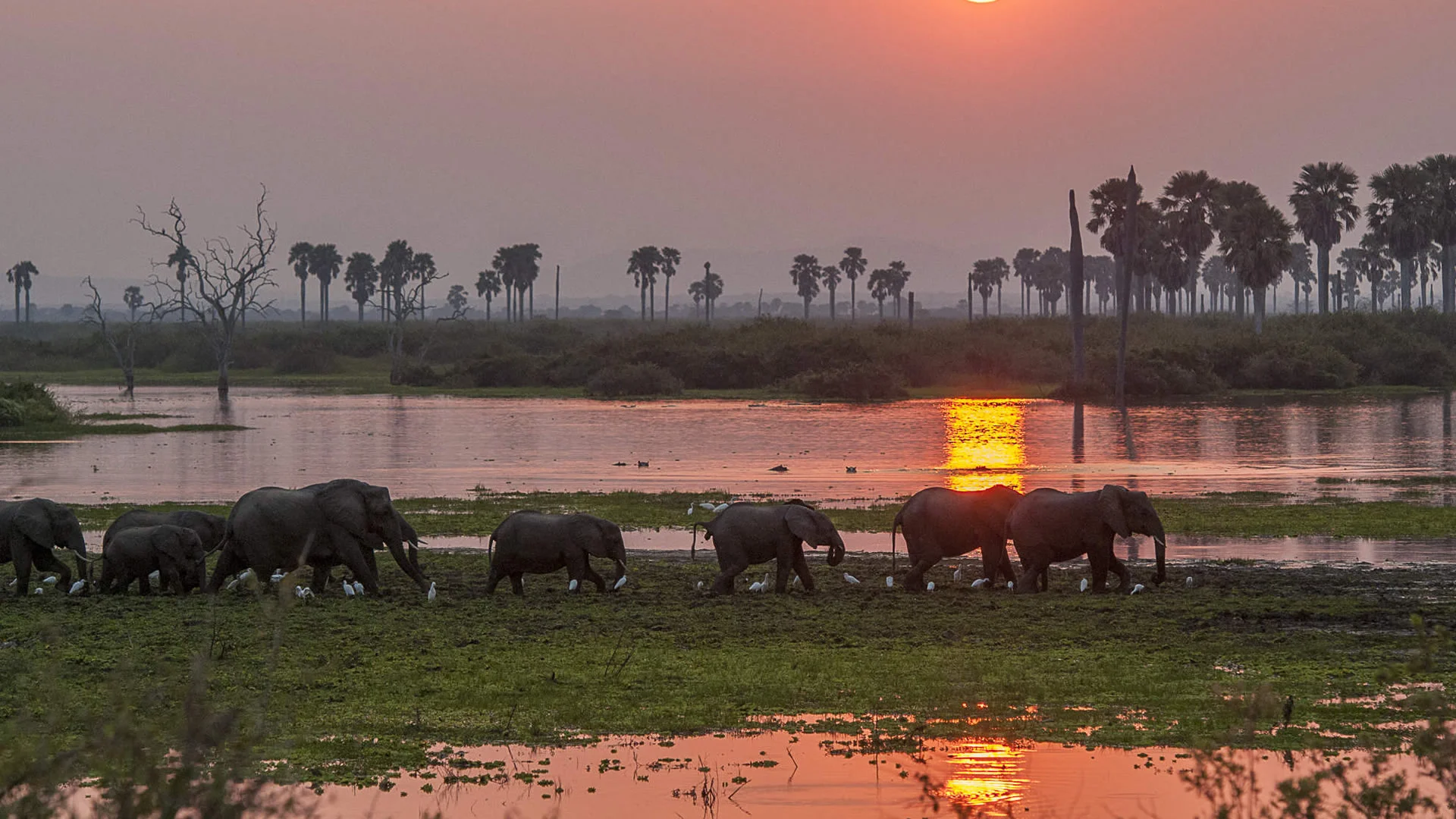
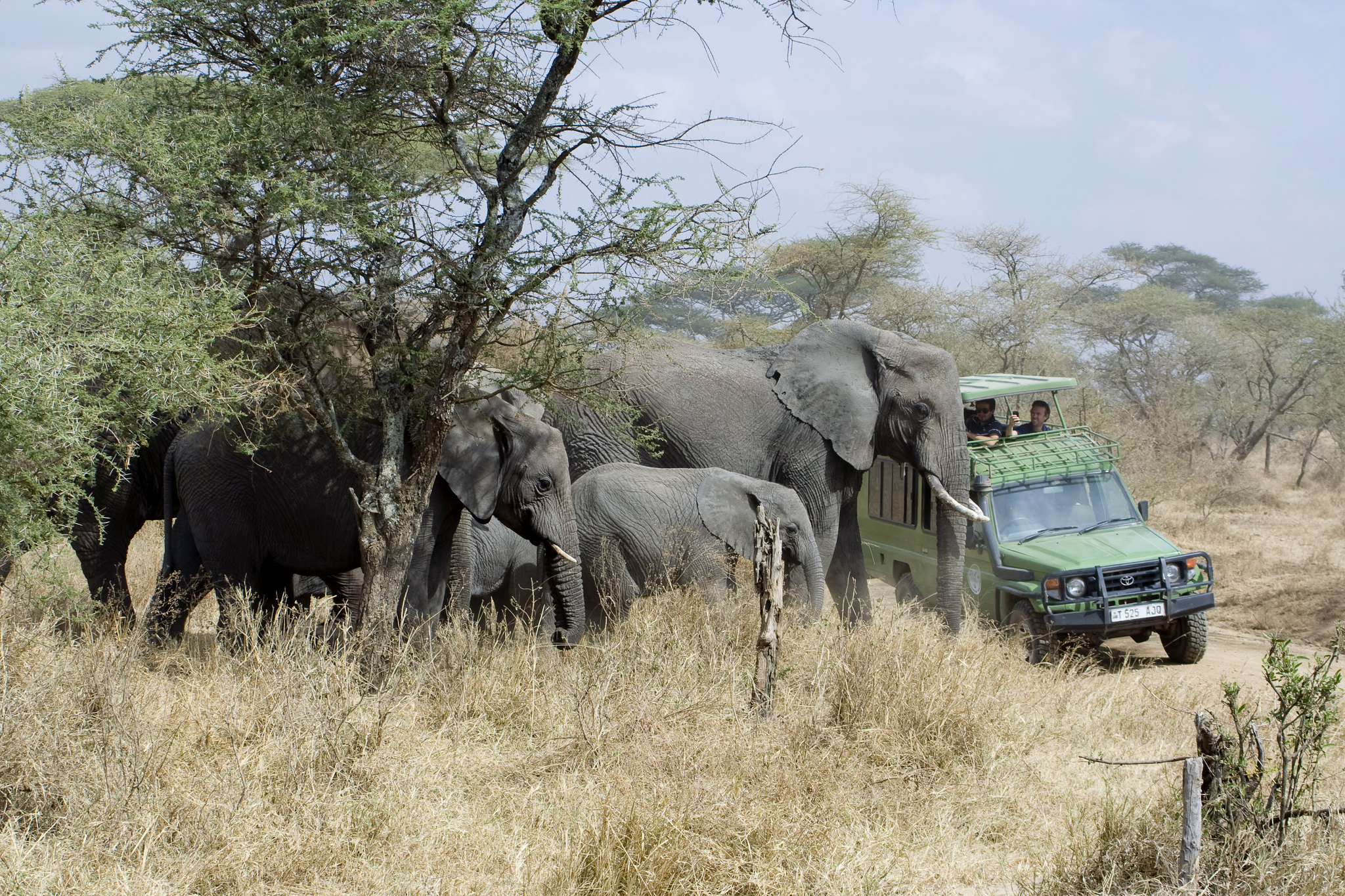
  • Tarangire National Park (2–2.5 hrs from Arusha): Africa's highest elephant densities in the dry season, ancient baobab forests, and 550+ bird species. Park fee: $59.10/adult/day. Best June–October when the Tarangire River acts as the only water source for miles around and animals converge in thousands.

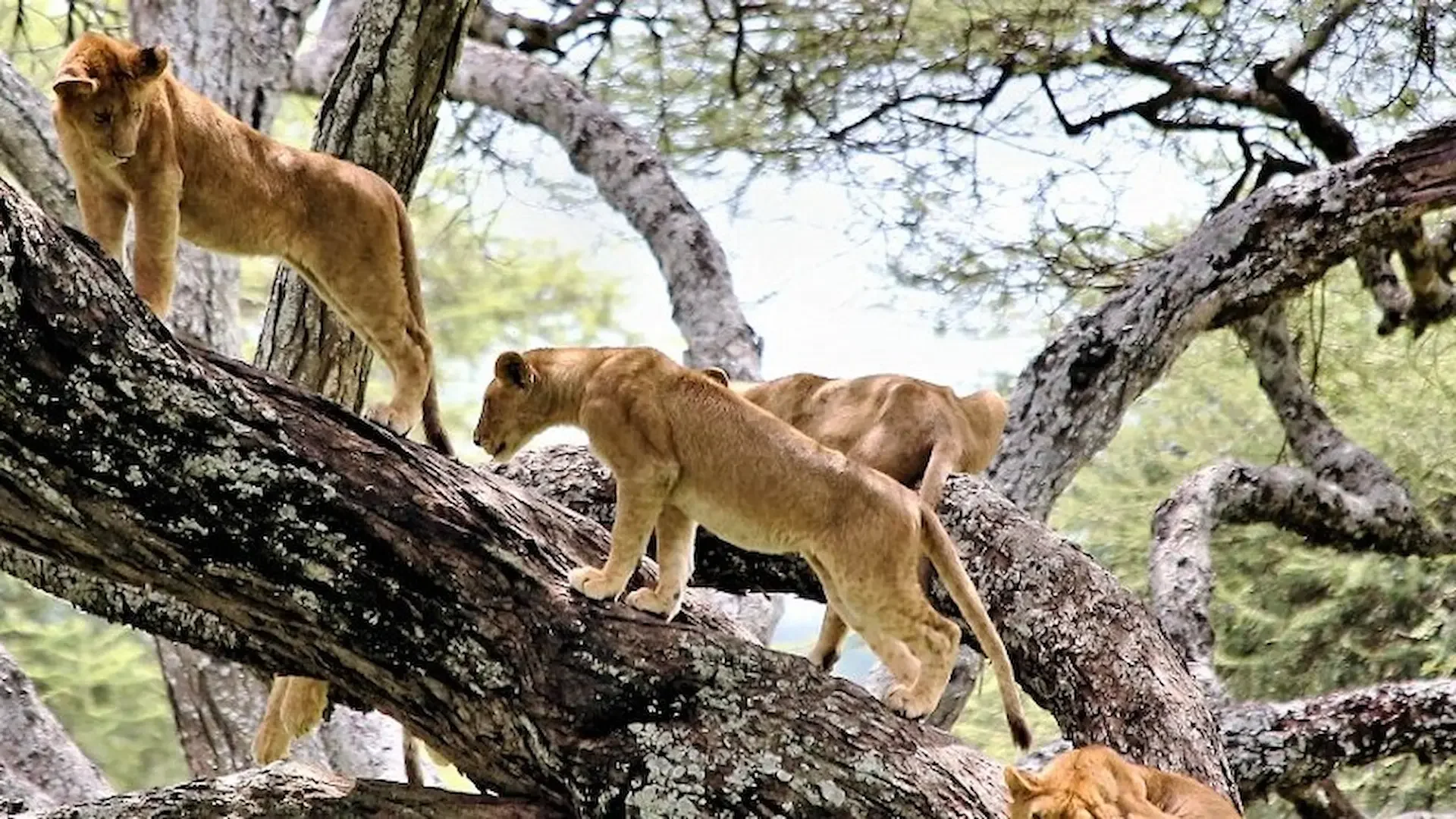
  • Lake Manyara National Park (1.5–2 hrs from Tarangire gate): Famous for its tree-climbing lions, groundwater forest, and flamingo-ringed alkaline lake. A half-day here pairs well with a stay in Karatu, 30–45 minutes away. Park fee: $59.10/adult/day.

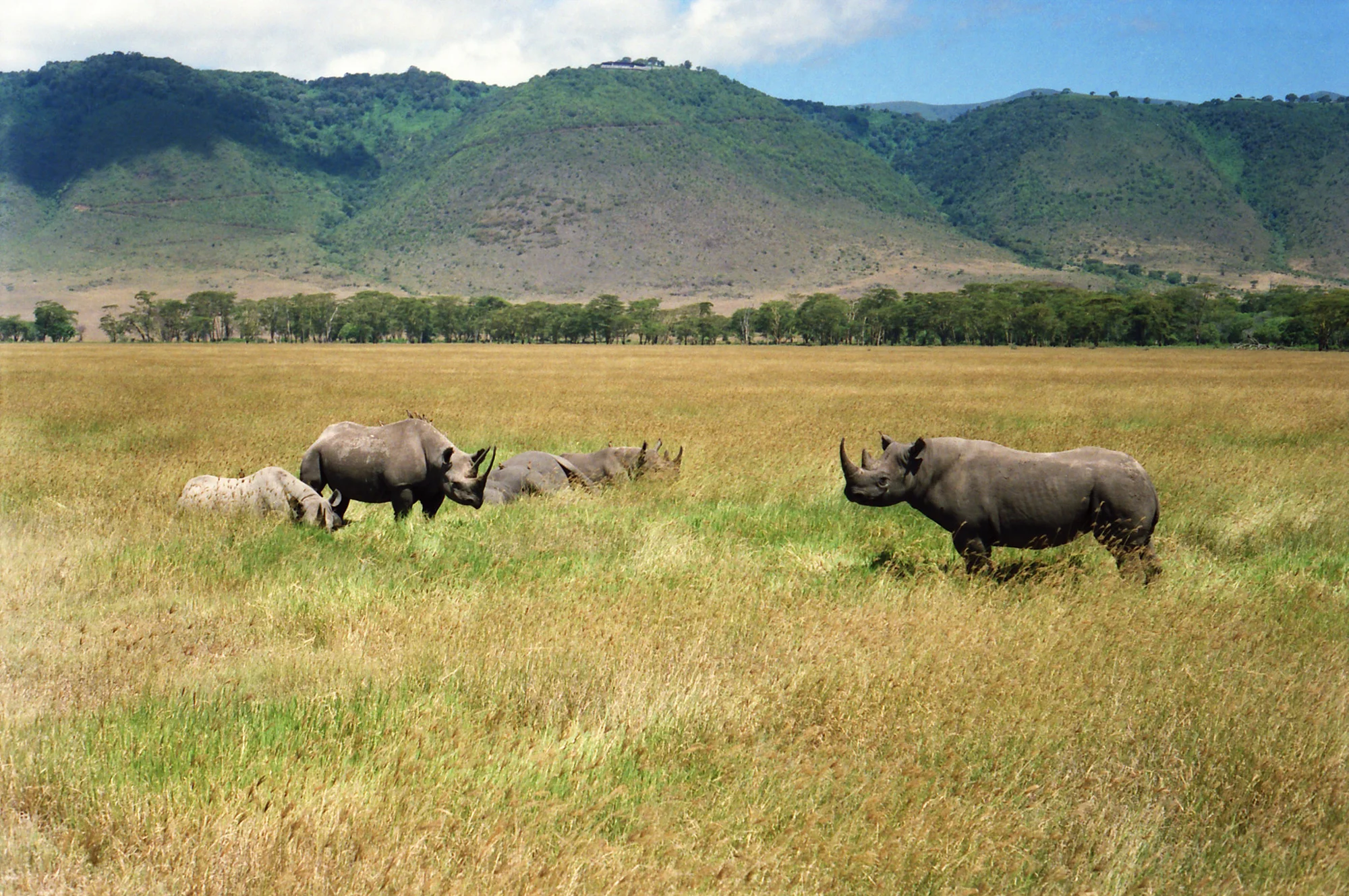
  • Ngorongoro Conservation Area (20–30 min from Karatu): The crater — 264 sq km on its floor — holds one of Africa's densest wildlife populations: black rhino, lion, elephant, buffalo, and cheetah compressed into a world-heritage caldera. Karatu is the standard overnight base (45 min to the crater rim), though rim lodges are available for those who want the crater at their doorstep. NCA conservation fee: $82.60/adult/day. The crater floor has a strict 6-hour maximum stay per visit.

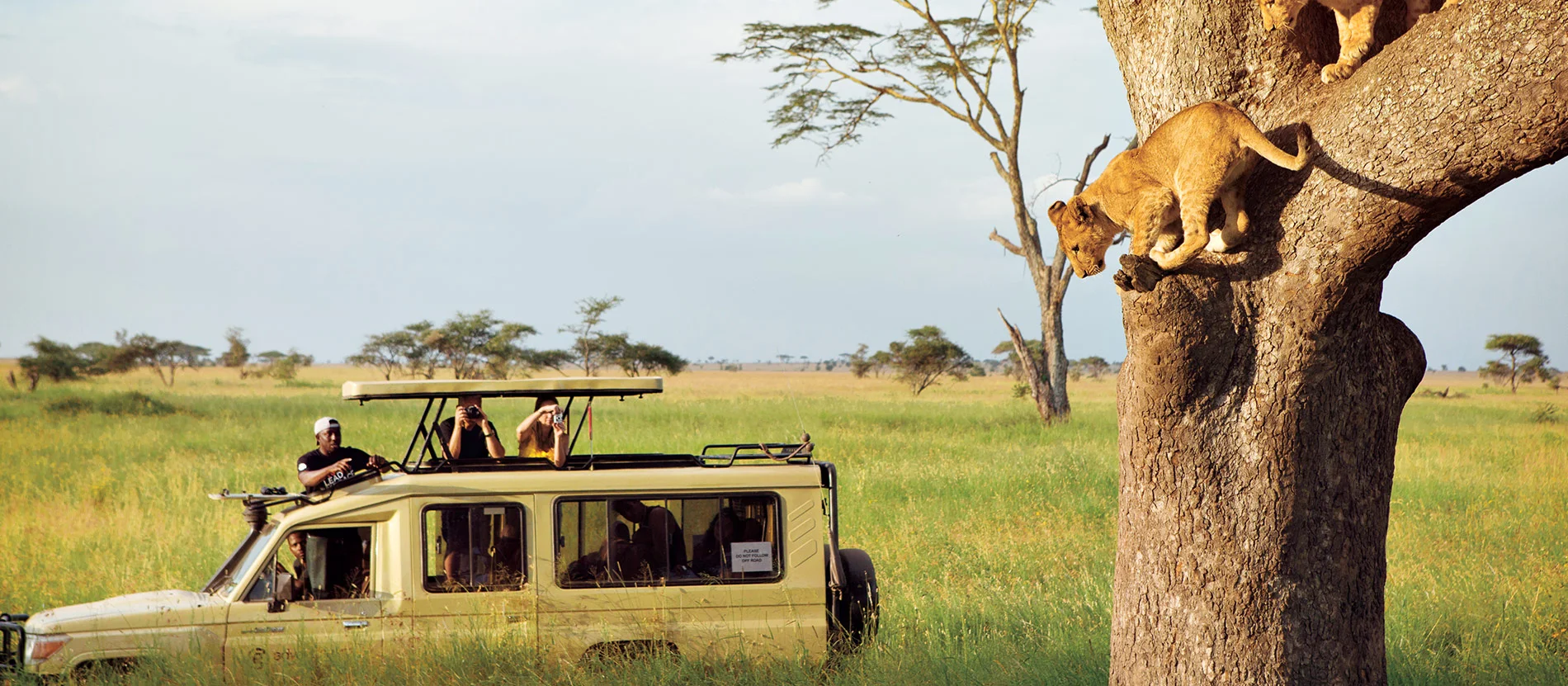
  • Serengeti National Park (3–4 hrs from Karatu via Ngorongoro): Africa's most iconic savanna. Park fee: $82.60/adult/day. The Serengeti has four distinct areas — central Seronera (year-round predators, the standard base), southern plains/Ndutu (calving December–March), western corridor (Grumeti River crossings in June), and northern Kogatende (Mara River crossings July–October). Which part you visit should depend on your travel dates.

Cross-links: great migration timing · Kilimanjaro climbing · Zanzibar safari and beach combos

The southern circuit#

Tanzania's southern parks sit in a different league from the north: more remote, with fewer visitors, a longer immersion required, and experiences not possible in the national parks — boat safaris, walking safaris, fly-camping.

Ruaha National Park covers 20,226 sq km, making it Tanzania's largest national park. It holds an estimated 10% of the world's remaining lions, the largest elephant population in East Africa, and is one of very few places where both greater and lesser kudu coexist. The relative quiet is matched by a relative bargain on fees: $35.40/adult/day, less than half the Serengeti rate. Flying from Dar es Salaam takes roughly two hours.

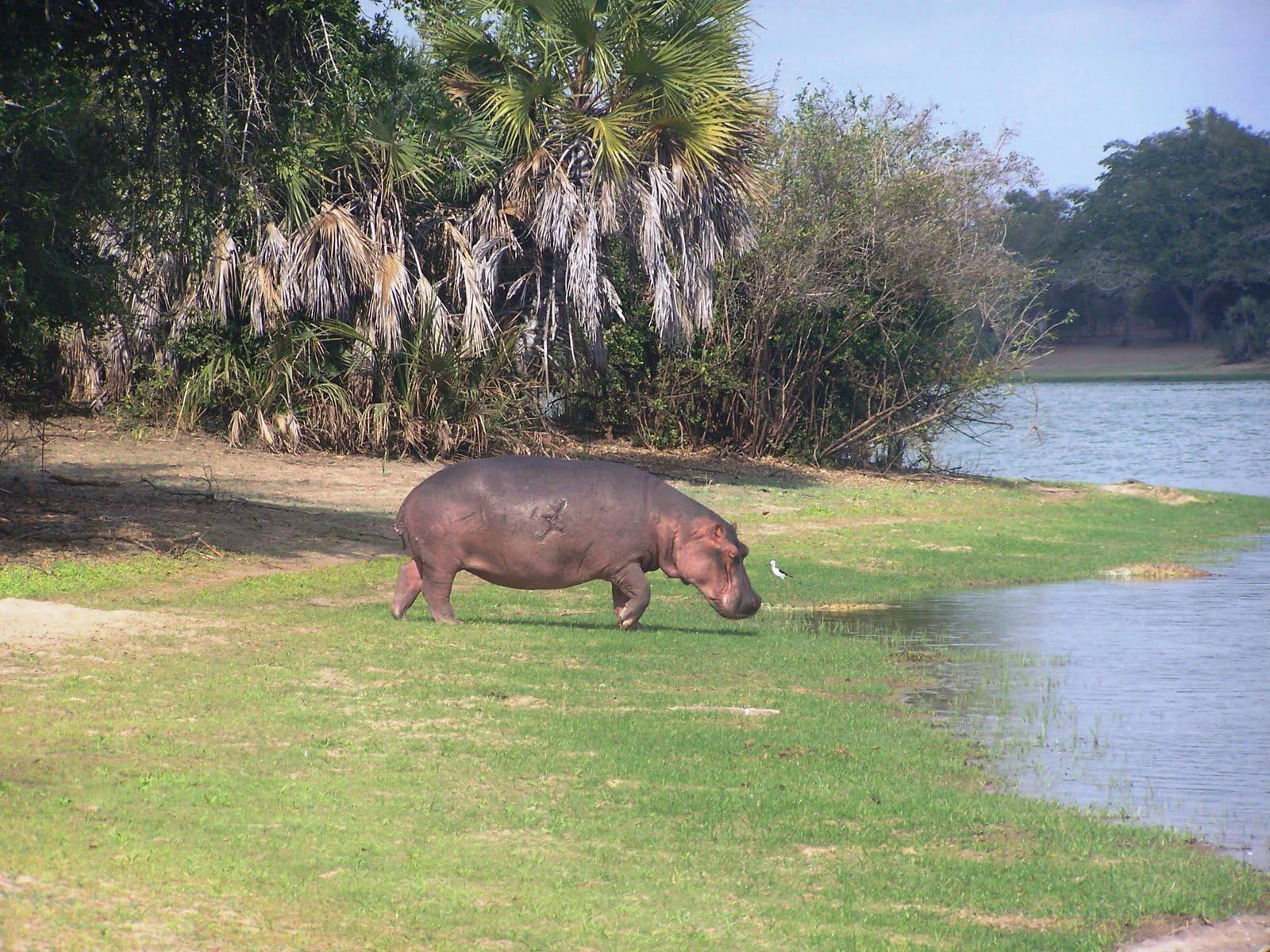
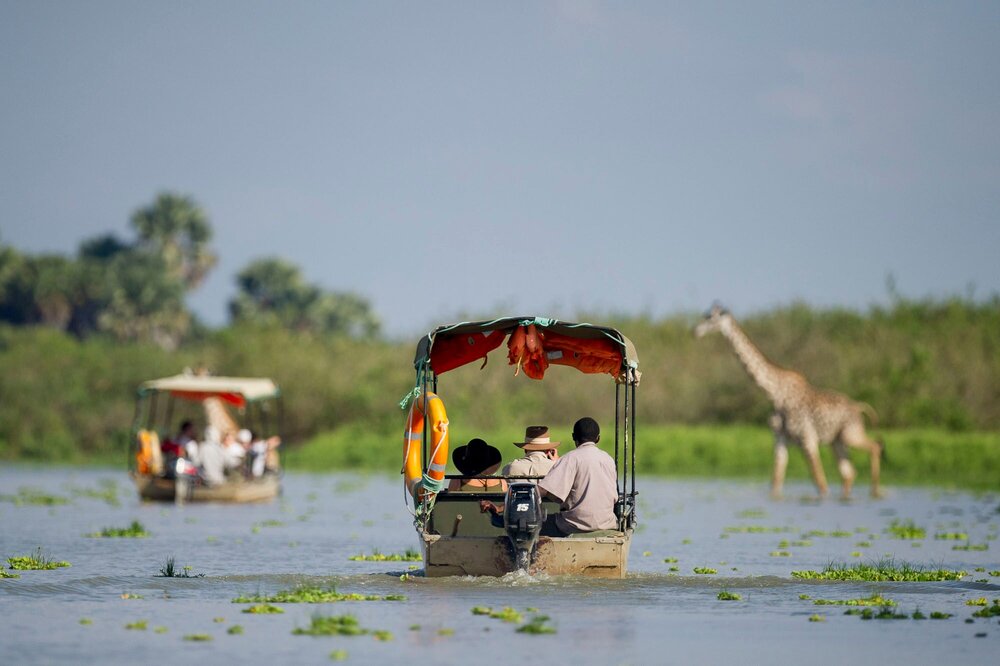
Nyerere National Park (formerly the Selous Game Reserve) is Africa's largest protected area and the only park in Tanzania offering Rufiji River boat safaris — the hippos and crocodiles come to you rather than the other way round. Walking safaris and fly-camping are also permitted. Park fee: $82.60/adult/day. Gateway: Dar es Salaam, 30–45 minutes by air or 4–5 hours by road. Most camps close March–May during the long rains.

For true remote wilderness, the western circuit adds Katavi (vast dry-season hippo and crocodile spectacles, June–October only) and Mahale (chimpanzee trekking on the shore of Lake Tanganyika). Both are fly-in only destinations requiring at minimum three to four nights each.

Cross-links: Tanzania's remote southern parks

Best time to visit Tanzania#

MonthBest areaNotes
Dec–MarSouthern Serengeti (Ndutu)Calving season — 500,000 wildebeest born; intense predator action
JunWestern Corridor (Grumeti)Grumeti River crossings; far fewer vehicles than the north
Jul–OctNorthern Serengeti (Kogatende)Mara River crossings; peak season — book well ahead
Jun–OctTarangireDry season: elephant herds at Tarangire River
Jun–OctNgorongoro, Ruaha, NyererePeak dry across all parks — reliable game viewing
Apr–MayAnywhereLong rains; most southern camps close; not recommended

How much does a Tanzania safari cost?#

The largest variable is lodge tier. Verified accommodation rack rates for Tanzania mainland (per double room per night, high season, full-board including game drives) run: mid-range $200–$420, luxury $500–$850, and ultra-luxury $900–$4,000. Park fees add to this: Serengeti and Ngorongoro are $82.60/adult/day; Tarangire and Lake Manyara are $59.10/adult/day; Ruaha and Mikumi are $35.40/adult/day.

The prices on this site are per person, direct from the operator — no middleman markup layered on. For comparison between budget and luxury options, see value-tier Tanzania safaris and Tanzania's top luxury lodges.

Getting there#

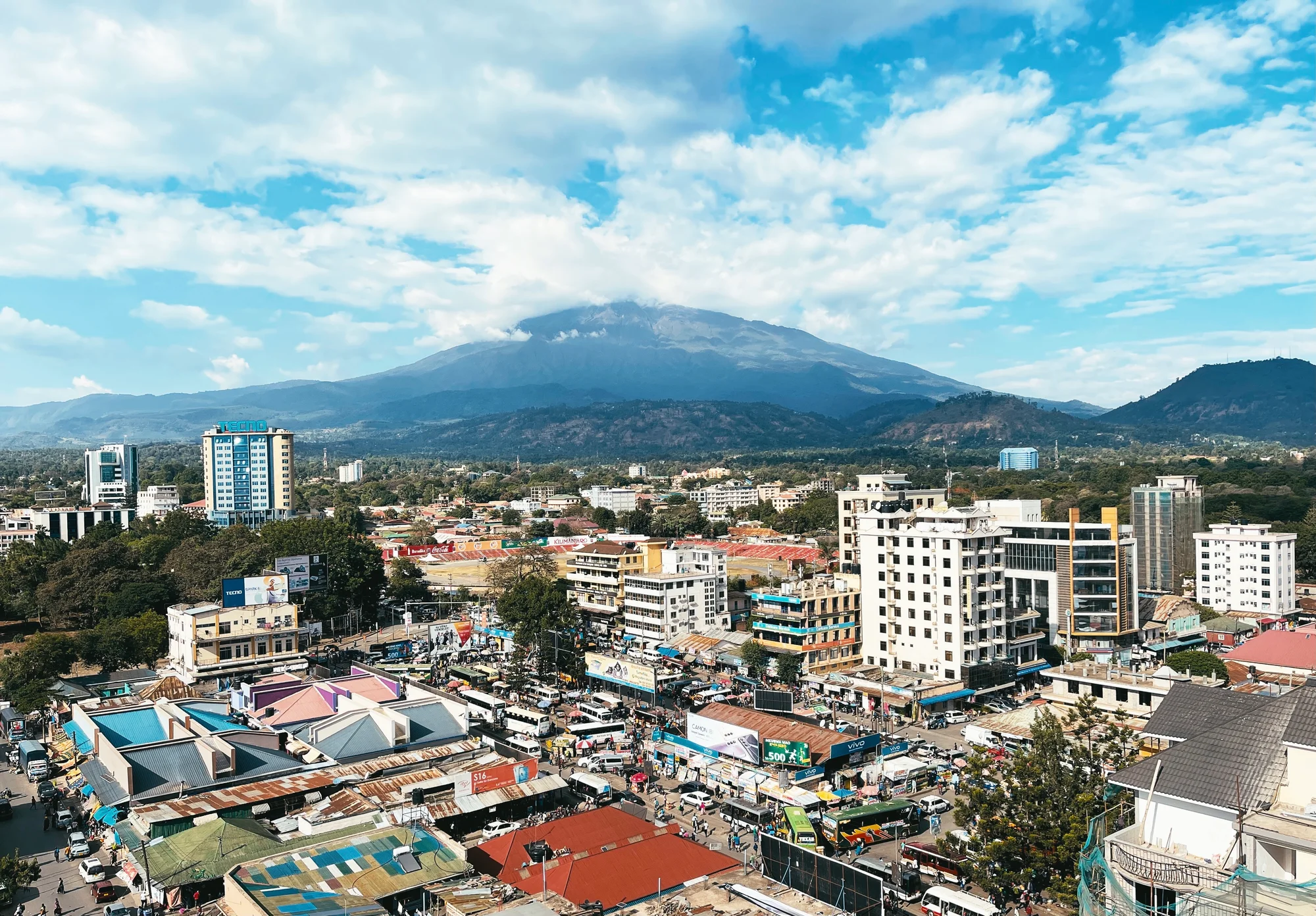
The international gateway for Tanzania's northern circuit is Kilimanjaro International Airport (JRO), about 45 km east of Arusha. Most international visitors fly via Nairobi, Addis Ababa, Dubai or Doha. Arusha is 2–2.5 hours from Tarangire gate. For the southern circuit the gateway is Dar es Salaam Julius Nyerere International Airport (DAR).

Bush flights from Arusha connect to all northern-circuit airstrips: Seronera (central Serengeti) in approximately 1 hour, Ndutu in approximately 1 hour, and Kogatende (northern Serengeti) in approximately 1.5 hours. If you start or finish in Nairobi, see Tanzania safari from Nairobi.

Tanzania or Kenya?#

Tanzania for the Great Migration's full arc — three of its four seasonal phases happen on the Tanzanian side of the border, in the Serengeti. Also Tanzania for Kilimanjaro, Zanzibar, and the southern wilderness parks that have no Kenyan equivalent. Kenya for conservancy experiences (night drives, walking safaris, horseback) that are not permitted in Tanzania's national parks, easier access from Nairobi, and northern dry-country specials in Samburu that you won't find in the south. Many itineraries combine both countries. See Kenya safari itineraries.

Frequently asked questions

How much does a Tanzania safari cost?
Lodge accommodation is the main cost driver. Verified Tanzania mainland rack rates (per double room per night, high season, full-board) run: mid-range $200–$420, luxury $500–$850, ultra-luxury $900–$4,000. Park fees are on top: Serengeti and Ngorongoro charge $82.60 per adult per day, Tarangire $59.10 per adult per day. Prices on this site are per person, direct from the operator — no middleman margin.
What is the best time to go on a Tanzania safari?
It depends on what you most want to see. For calving season and dense predator action, go to the southern Serengeti (Ndutu) in February. For Mara River crossings, target the northern Serengeti (Kogatende) or Kenya's Masai Mara between July and October. For the northern circuit in general, June to October (dry season) is the most reliable window. April and May should be avoided — long rains close most southern camps and make roads difficult.
How many days do I need for a Tanzania safari?
Six to eight days is the sweet spot for a first northern circuit: enough time for Tarangire, Ngorongoro, and two to three nights in the Serengeti. Add two to three nights for Zanzibar or a specific migration event. The southern circuit (Ruaha and Nyerere) works well as a five to seven day fly-in trip from Dar es Salaam.
Do I need a visa for Tanzania?
Most nationalities require one. Tanzania offers an e-visa online at evisa.go.tz — allow five to ten business days for processing. Citizens of a handful of countries can obtain a visa on arrival, while some East African Community members enter visa-free. Always verify current requirements from official sources before travel.
Is Tanzania safe for tourists?
The main safari areas — the northern circuit and Zanzibar — are well-established tourist destinations with a strong local operator infrastructure and no significant security concerns for visitors. Standard travel-safety precautions apply. Check your government's current travel advisory before departure.