 Tours
Tours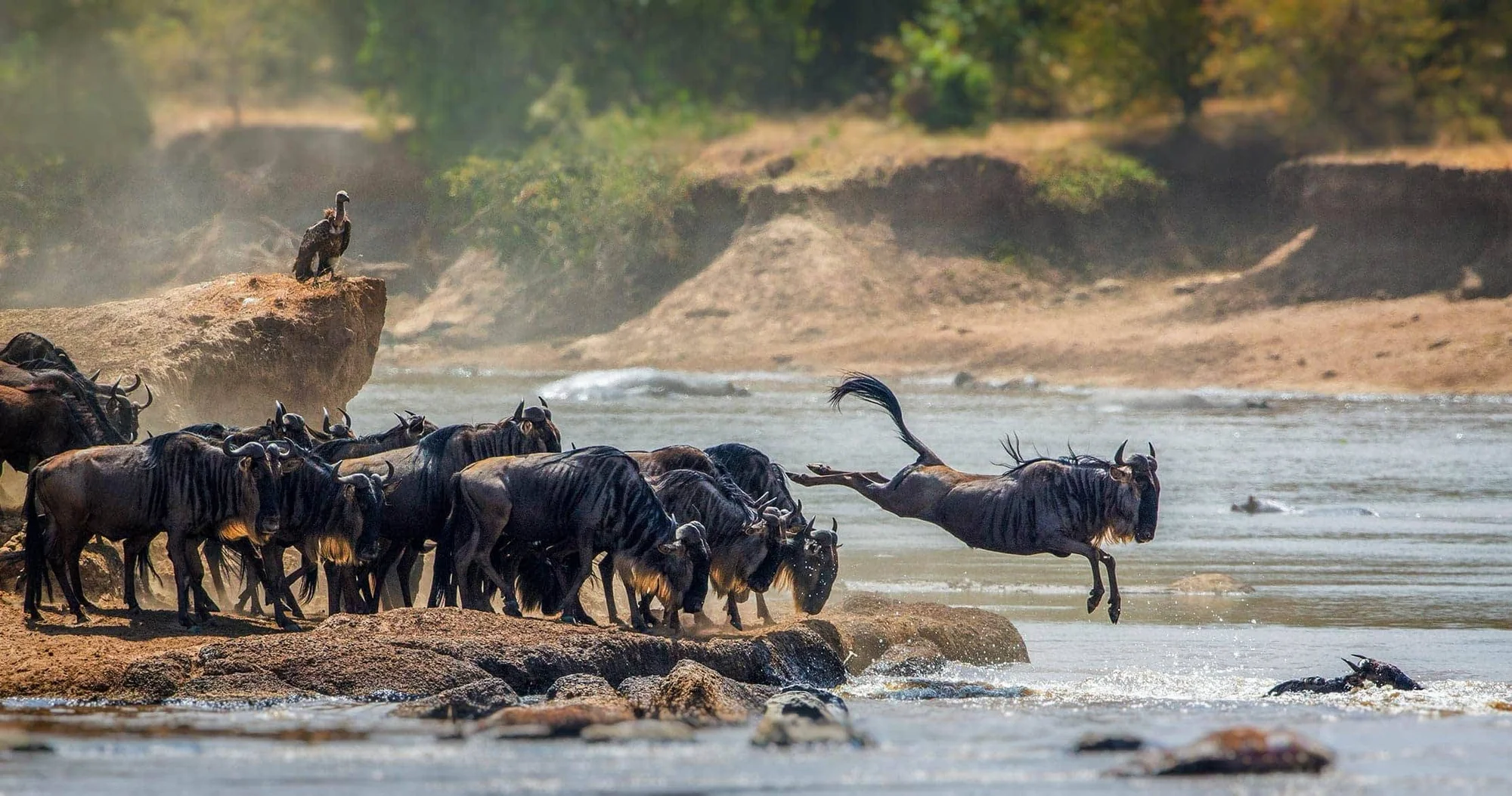 Ultra lujoCompartido
3-Day Serengeti Fly-In Safari
3 days·2 nights
Luna de miel
Piscinas privadas, orientado a adultos
Alojamientos One Nature Nyaruswiga
$6,430 por persona para 2 viajeros
Tour packages
3 to 6-day safaris designed to deliver meaningful game viewing without two weeks off work — single-park depth over multi-park rush.
Ultra lujoCompartidoPiscinas privadas, orientado a adultos
 Ultra lujoCompartido
Piscinas privadas, orientado a adultos
 Ultra lujoPrivado
Lodges con spa cada noche
 Ultra lujoCompartido
Piscinas privadas, orientado a adultos
 Ultra lujoCompartido
Piscinas privadas, orientado a adultos
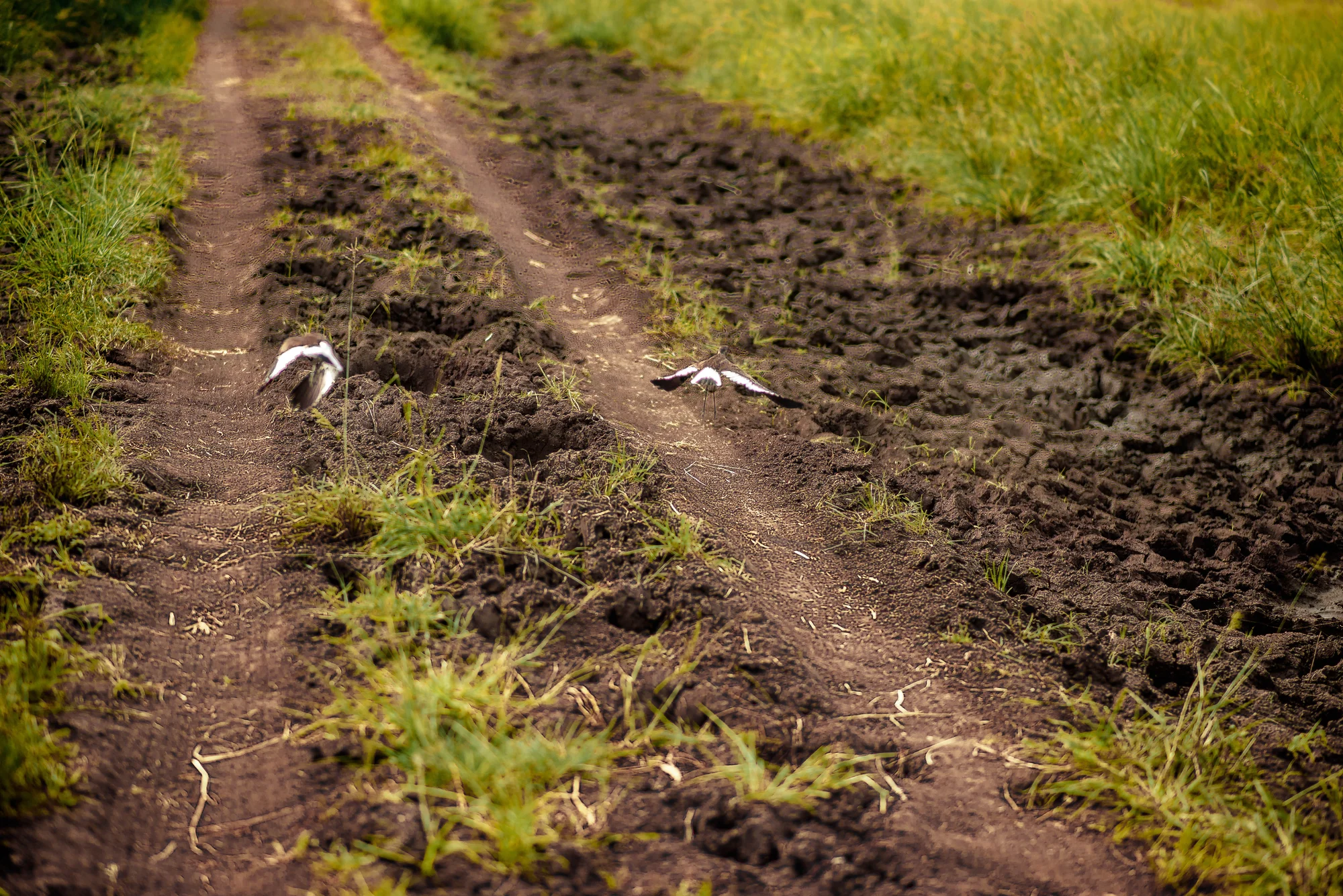
A one-night escape to Tanzania's most unusual national park, less than five hours from Dar by road. Saadani is the only park in East Africa where the bush and the Indian Ocean share the same boundary — where a game drive ends at a beach and a boat safari runs through mangrove channels into the open sea. One night changes everything the day trip cannot deliver: a sunset game drive when the light turns the coastal woodland gold, the specific silence of a beach camp after dark when elephants move through the treeline and the ocean works against the shore, and a dawn walk on an empty beach before breakfast. This is Dar's closest wilderness overnight, and it is genuinely unlike anything else on the Tanzania circuit.
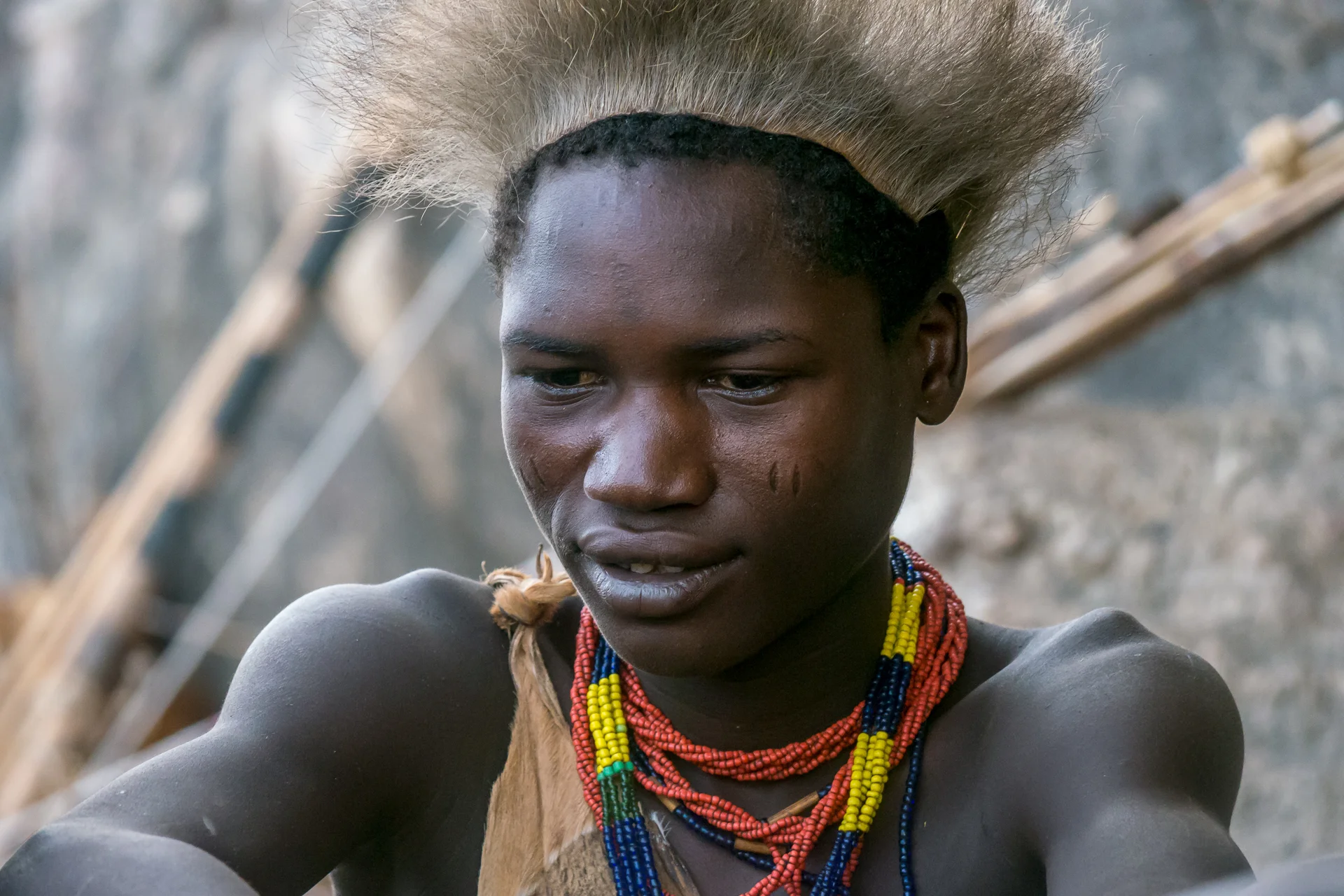
A pre-dawn hunting walk with one of Earth's last hunter-gatherer peoples, and an afternoon watching Datoga blacksmiths forge arrowheads over charcoal fires using techniques unchanged for centuries. This 2-day cultural extension slots between Karatu and the Serengeti on any northern circuit itinerary, adding the kind of human encounter that no game drive can replicate. No park fees. No vehicle queues. Just two ancient communities and the landscape they have inhabited for fifty thousand years.
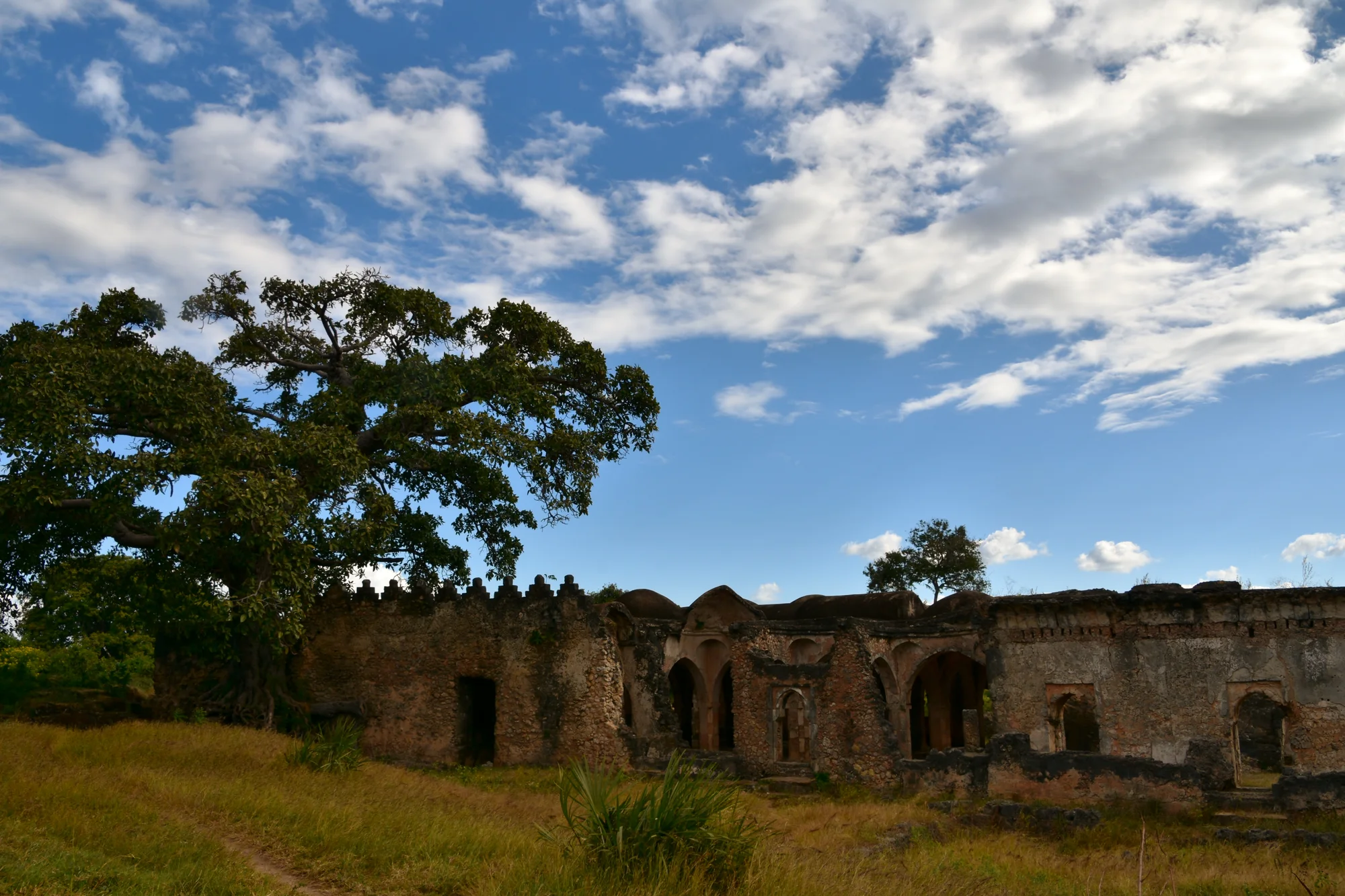
In the thirteenth century, the Arab traveller Ibn Battuta arrived at an island city on the southern coast of East Africa and declared it one of the most beautiful and well-constructed towns in the world. That city was Kilwa Kisiwani — and its coral-stone ruins, rising from the scrub and baobab trees of a small Indian Ocean island, still wait in near-total solitude for the rare traveller willing to make the journey. This three-day itinerary brings you to both of Tanzania's UNESCO-inscribed Swahili coast islands: Kilwa Kisiwani, with its Great Mosque vaulted in coral domes and Husuni Kubwa palace complex, and Songo Mnara, a second island of ruins so dense with medieval structures that archaeologists are still mapping them. No convoys. No crowds. Some of the most significant medieval archaeology in Africa, approached by wooden boat across a channel that has been carrying Indian Ocean trade for a thousand years.
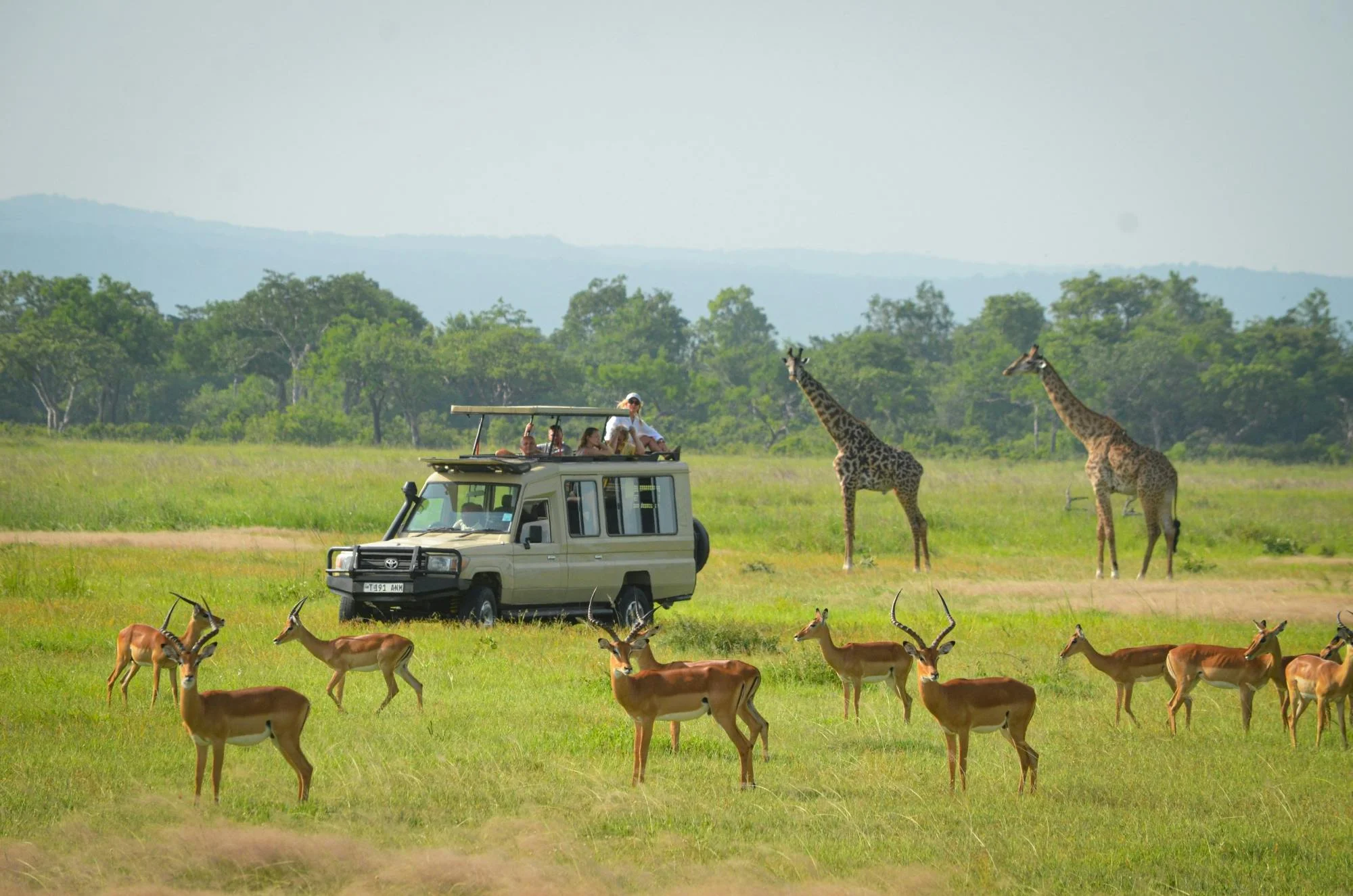
Most Zanzibar visitors want a taste of the bush without rearranging their entire trip. This itinerary gives them exactly that. A morning speedboat to Dar es Salaam, then the SGR train through the coastal plain to Morogoro, and ninety minutes of tarmac later you are on the Mkata Floodplain watching a lion pride settle into the late afternoon grass. Two nights in Mikumi. Then the whole journey reverses — train, speedboat, beach. No new flights, no airport connections, no itinerary dismantling. Just a clean, round-trip safari that fits inside three days and returns you to your Zanzibar hotel in time for sundowners.
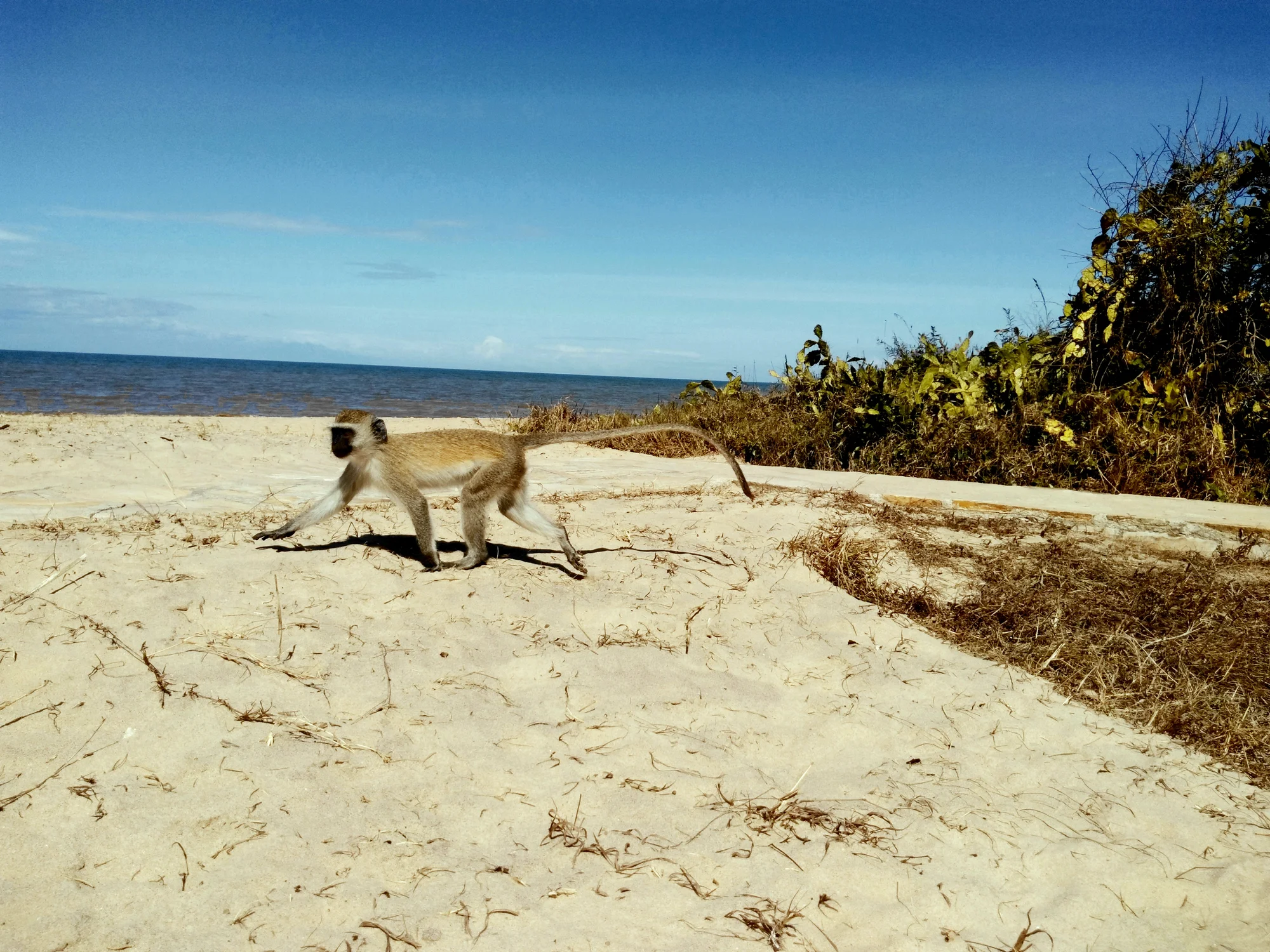
There is a moment on the first morning game drive when the coastal thicket opens up and the Indian Ocean appears ahead of you — a strip of blue on the horizon beyond the acacia scrub, wider and brighter as the vehicle moves forward, until you are driving on actual beach sand with the surf rolling in and a buffalo grazing fifty metres from the waterline. It is not a trick of geography. It is Saadani National Park doing precisely what it was always going to do: delivering the one safari experience that no other park in Tanzania — and no other wildlife park in East Africa — can match. This three-day journey combines morning game drives through genuine wildlife habitat, an afternoon boat safari up the mangrove-lined Wami River for hippos and enormous Nile crocodiles, and long unhurried hours on an Indian Ocean beach where the only footprints are yours, the sea turtle hatchlings from last night's nest, and whatever made those tracks in the wet sand at low tide.
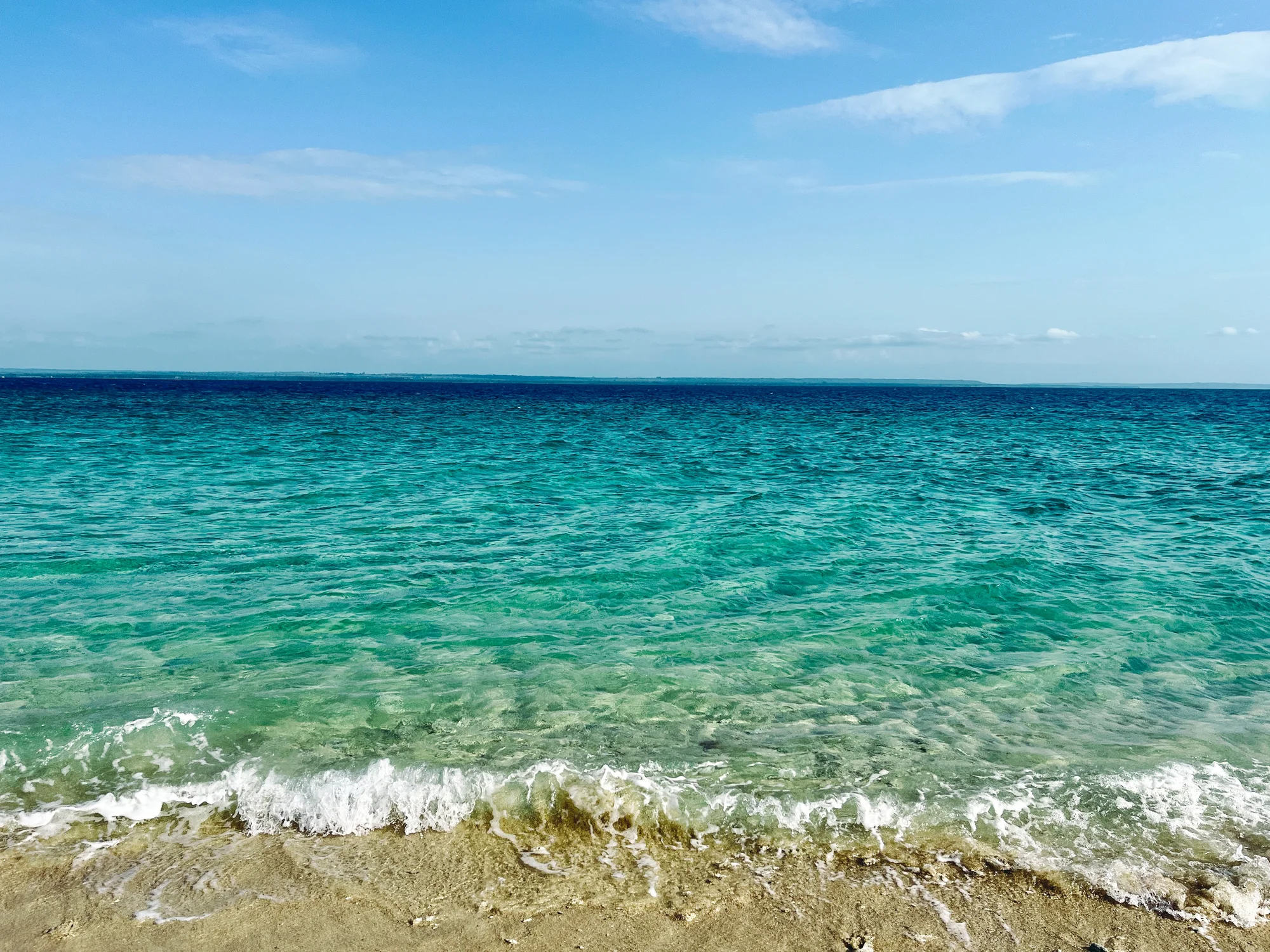
Pangani is the Tanzanian coast that the standard safari itinerary never reaches. At the mouth of the river that drains Kilimanjaro and the Usambara highlands, this small Swahili Arab town holds Omani merchant houses, a German colonial boma, an active dhow harbour, and a mangrove estuary system that rewards a slow boat trip in ways that the northern parks do not. Offshore, Maziwe Island Marine Reserve is a protected sand cay nine kilometres out — no structures, no fresh water, the island itself shrinking to almost nothing at high tide — with healthy coral and the kind of undisturbed fish community that protected waters produce over time. Three days and two nights is the correct structure for Pangani: Day 1 for arrival and the mangrove river, Day 2 for the town's cultural depth and a beach afternoon, Day 3 for Maziwe at low tide and the return drive. Four hours from Arusha, five from Dar.
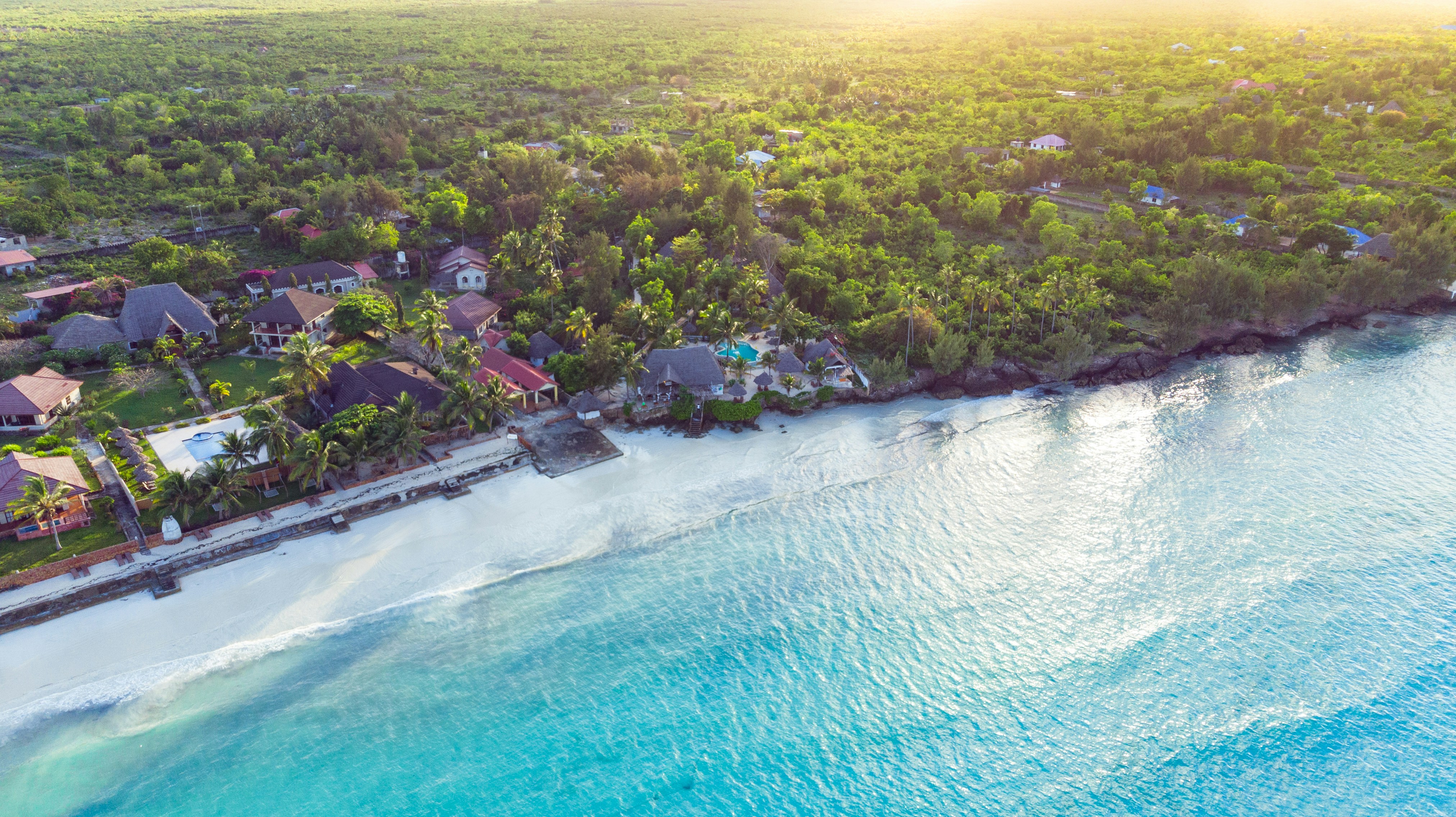
Chumbe Island is not a beach resort that happens to have good conservation values. It is a conservation project that happens to have accommodation. The distinction matters: the seven eco-bungalows that sit in the island's protected forest reserve exist because Sibylle Riedmiller, a German development worker, spent years negotiating with the Tanzanian government to turn a formerly restricted military island into a private marine sanctuary in 1994, and the accommodation was built to fund the conservation rather than the other way around. The result is an island where ninety percent of East Africa's known hard coral species have been recorded on the reef, the island forest hosts the largest concentration of coconut crabs in the western Indian Ocean, and the seven bungalows are entirely solar-powered, rainwater-fed, and composting — a genuine zero-impact operation that also happens to be one of the most beautiful places to stay in Zanzibar.
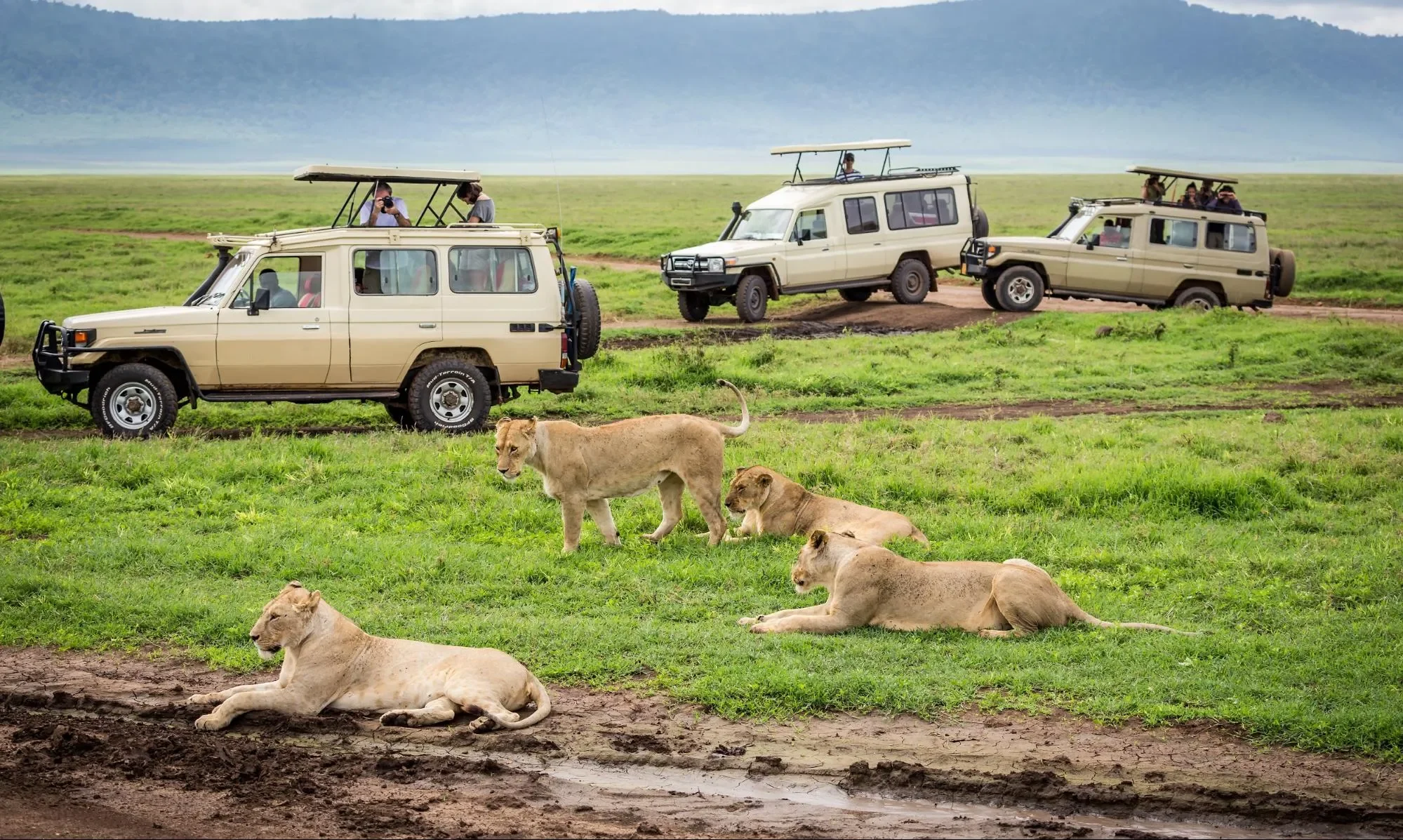
Not every safari needs two weeks. The trips here run 3–6 days — long enough to reach the main parks and see the Big Five, short enough to fit around a work trip, a connecting flight, or a tight calendar. Most are built around a single park or a two-park circuit designed to eliminate long transfer days that eat into game-viewing time.
A three to four day safari works if you keep the geography tight.
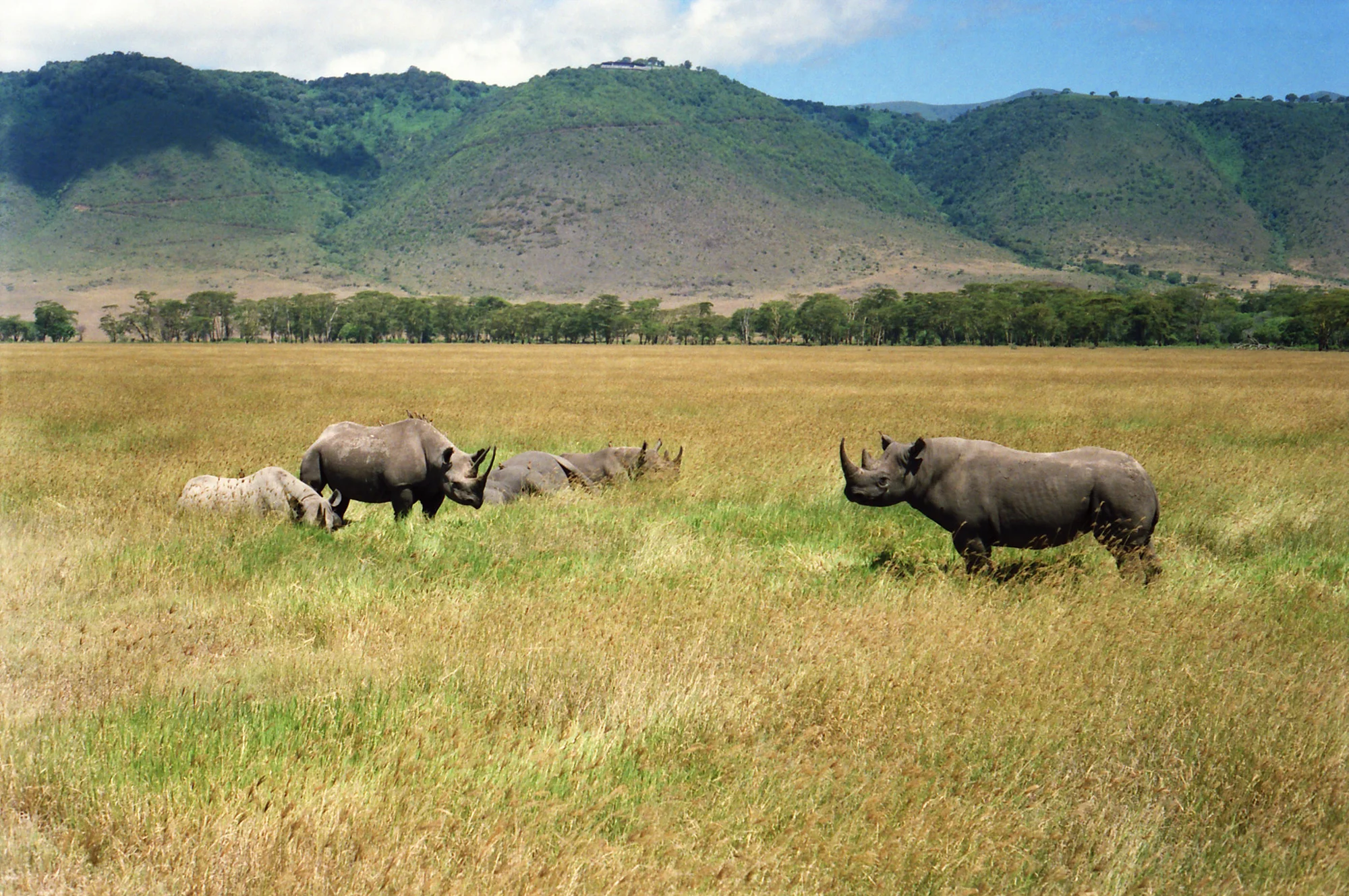
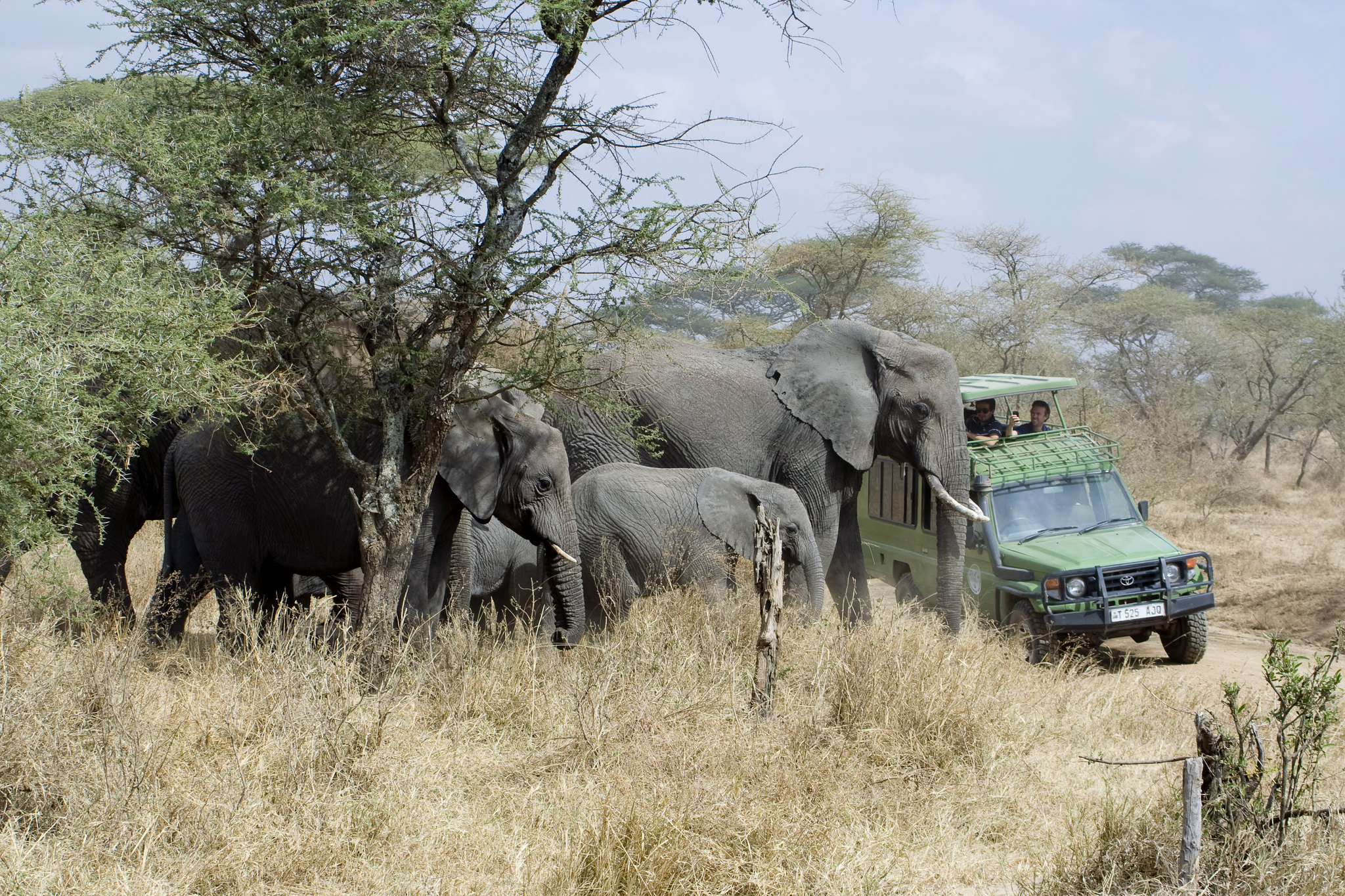
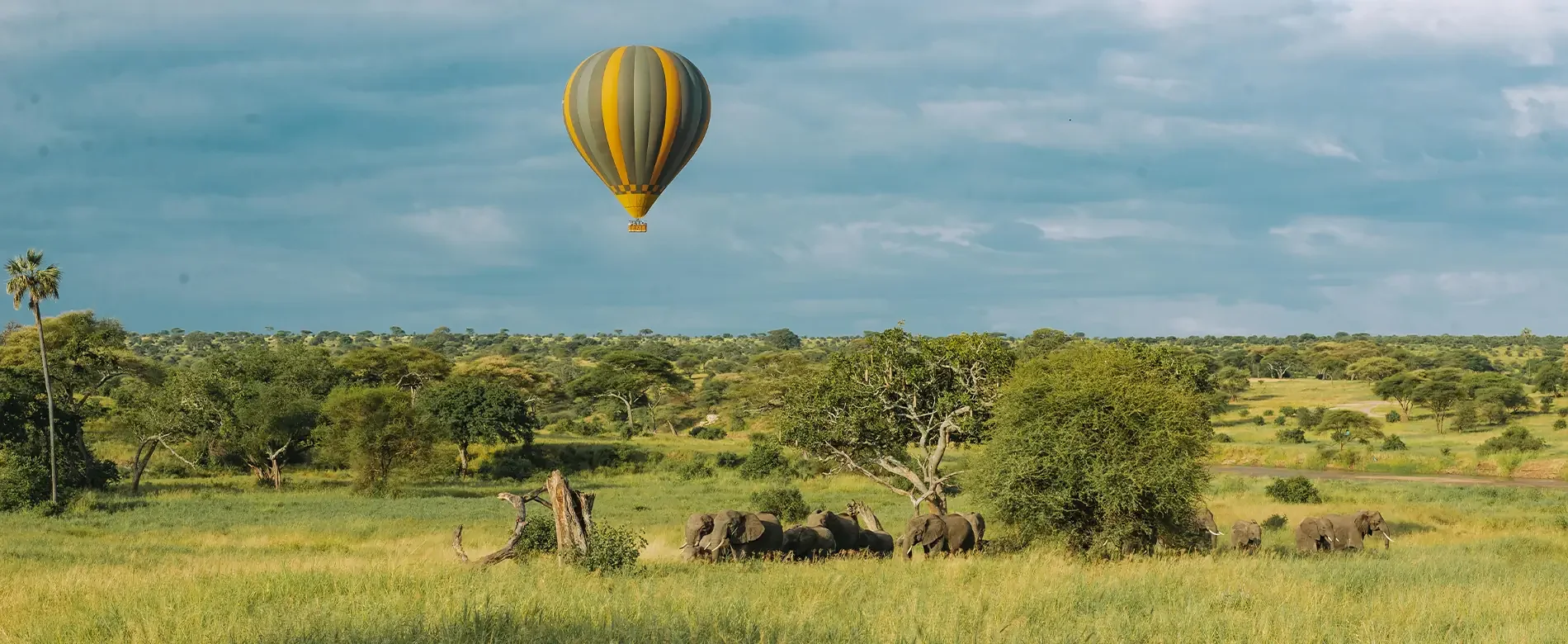
In Tanzania, the most efficient short option is the Ngorongoro–Tarangire combination: both parks are within 2–2.5 hours of Arusha, there is no long transfer between them, and each delivers a genuinely different experience — Tarangire for elephant herds in baobab country, Ngorongoro for the crater floor's concentrated wildlife including black rhino. An alternative is a Serengeti fly-in: Arusha to Seronera airstrip is approximately one hour, meaning you land in the central Serengeti on day one and can be on a game drive within 30 minutes of arrival. Two nights in the Serengeti with a bush flight both ways is a tight but worthwhile three-day trip.
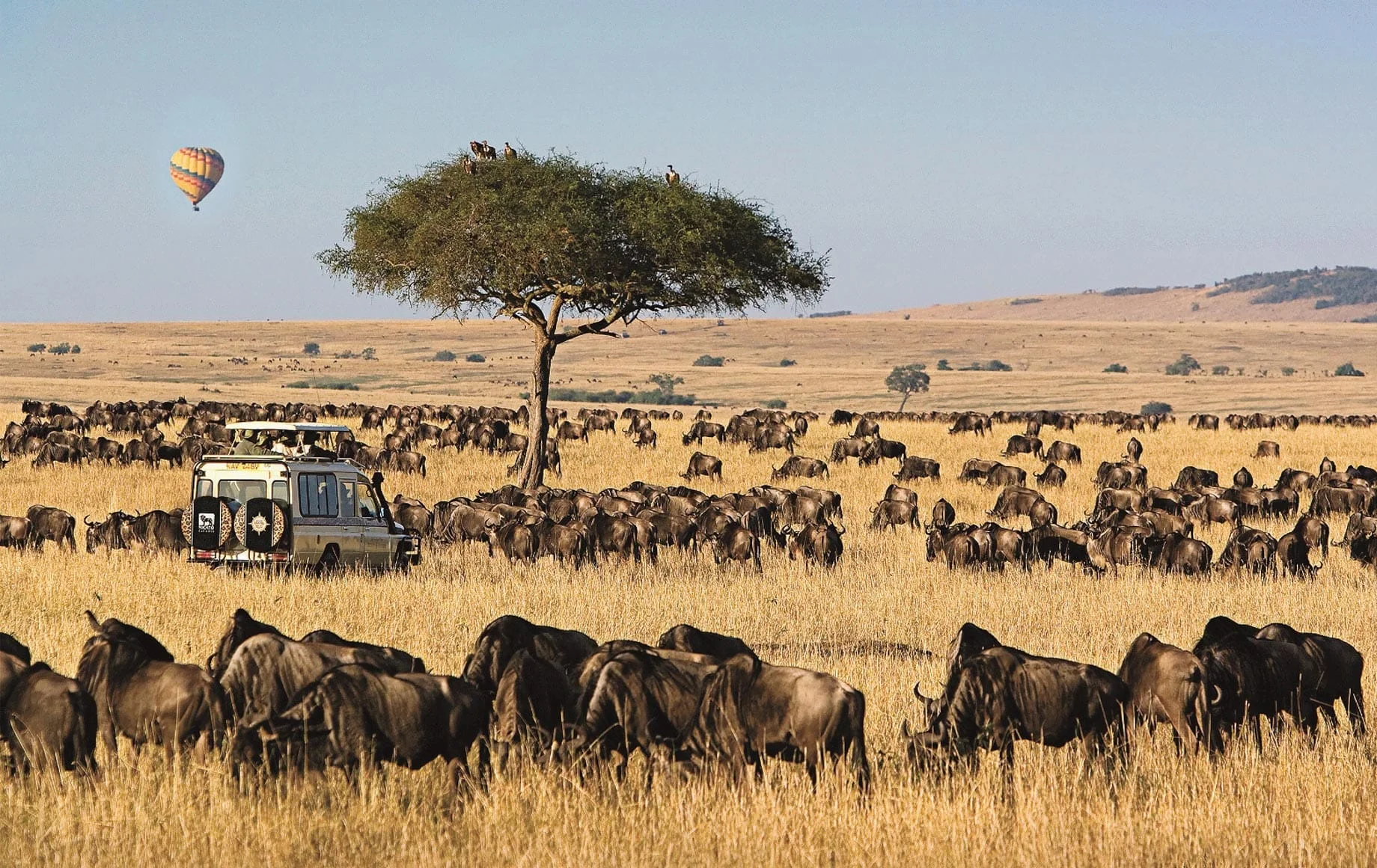
In Kenya, 3–4 days is the ideal length for a Masai Mara fly-in from Nairobi. Wilson Airport to the Mara is 45 minutes. Two to three nights gives you a full day of game drives plus enough time in the conservancies for a night drive — not possible inside the main reserve, but available at conservancy camps surrounding it. A Nairobi National Park half-day (15 minutes from the CBD, $43/adult) works as an add-on on arrival or departure day for anyone with a layover.
A five to six day safari opens up the full northern circuit in Tanzania or a two-destination Kenya itinerary.
Tanzania in 5–6 days: The northern circuit — Tarangire, Ngorongoro, and the Serengeti — is achievable in five days if one overnight transfer is accepted (typically an early departure from Ngorongoro with an afternoon arrival in the Serengeti after a scenic drive through the NCA). Six days allows a more relaxed pace with a full day in the Serengeti and time to visit Olduvai Gorge in transit. A bush flight on at least one leg — either into the Serengeti or back out to Arusha at the end — is strongly recommended to avoid a 7–8 hour drive on the last day.
Kenya in 5–6 days: The most common pairing is Masai Mara (3 nights) + Amboseli (2 nights), both accessible by bush flight from Nairobi. Alternatively, Masai Mara + Lake Nakuru covers the Big Five with the addition of rhino in a concentrated area. Northern Kenya (Samburu + Laikipia) also works well as a five to six day itinerary — one park for the Samburu Special Five, the other for activity variety, connected by a 35–60 minute bush flight.
Short trips have less tolerance for poor timing than long ones. A ten-day safari can absorb a grey day or a slow morning; a four-day trip cannot. June to October — the dry season across both countries — is the safest choice for either country. The grass is shorter, wildlife concentrates around water, and the weather is reliably clear.
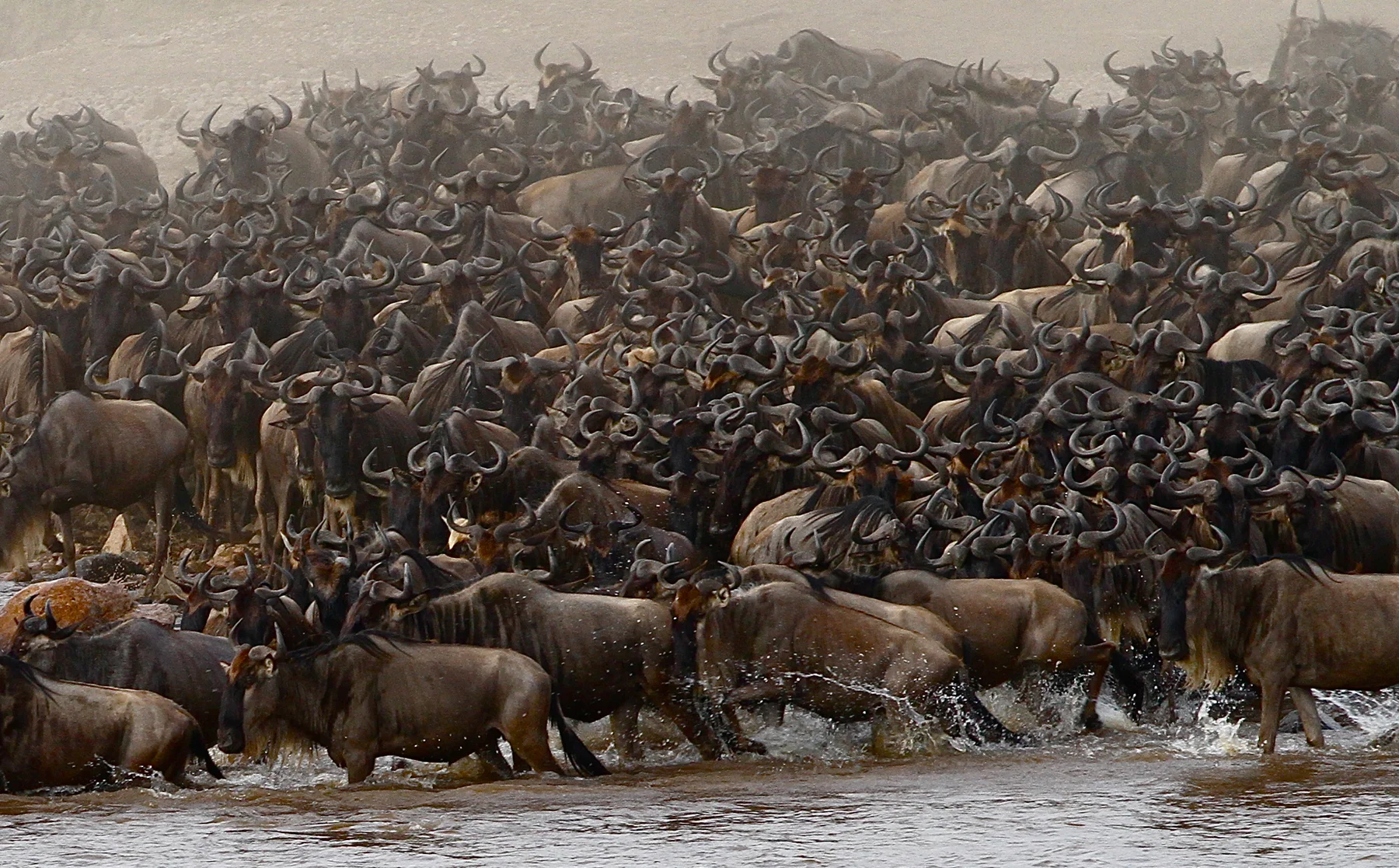
The most dramatic short-safari windows are February in the southern Serengeti (calving season — dense predator action on the open Ndutu plains) and July–October in the Masai Mara or northern Serengeti (Mara River crossings). Both windows are popular and require advance booking.
April–May is the one window to avoid if possible — the long rains make roads difficult in some areas and most southern Tanzania camps close entirely.
Three principles that convert a short trip from rushed to rewarding:
Fly between parks wherever possible. One bush flight replaces an entire transfer day. On a five-day trip, saving a full day of driving means one extra full day of game viewing — that matters.
Sleep inside or adjacent to the park, not in a town an hour away. An early game drive starts at 6 AM when the gates open; if you're driving an hour from a town first, you lose the best light. The difference in wildlife sightings between a lodge inside the park and a budget option outside it is real.
Don't try to cover three parks in three days. Two parks done properly will outperform three parks rushed. Each park has its own rhythm — predator territories, water sources, animal movements — and you only start reading those patterns after a full day on the ground.
For more options sorted by country, see Tanzania safari packages and Kenya short safari options.