 Tours
Tours
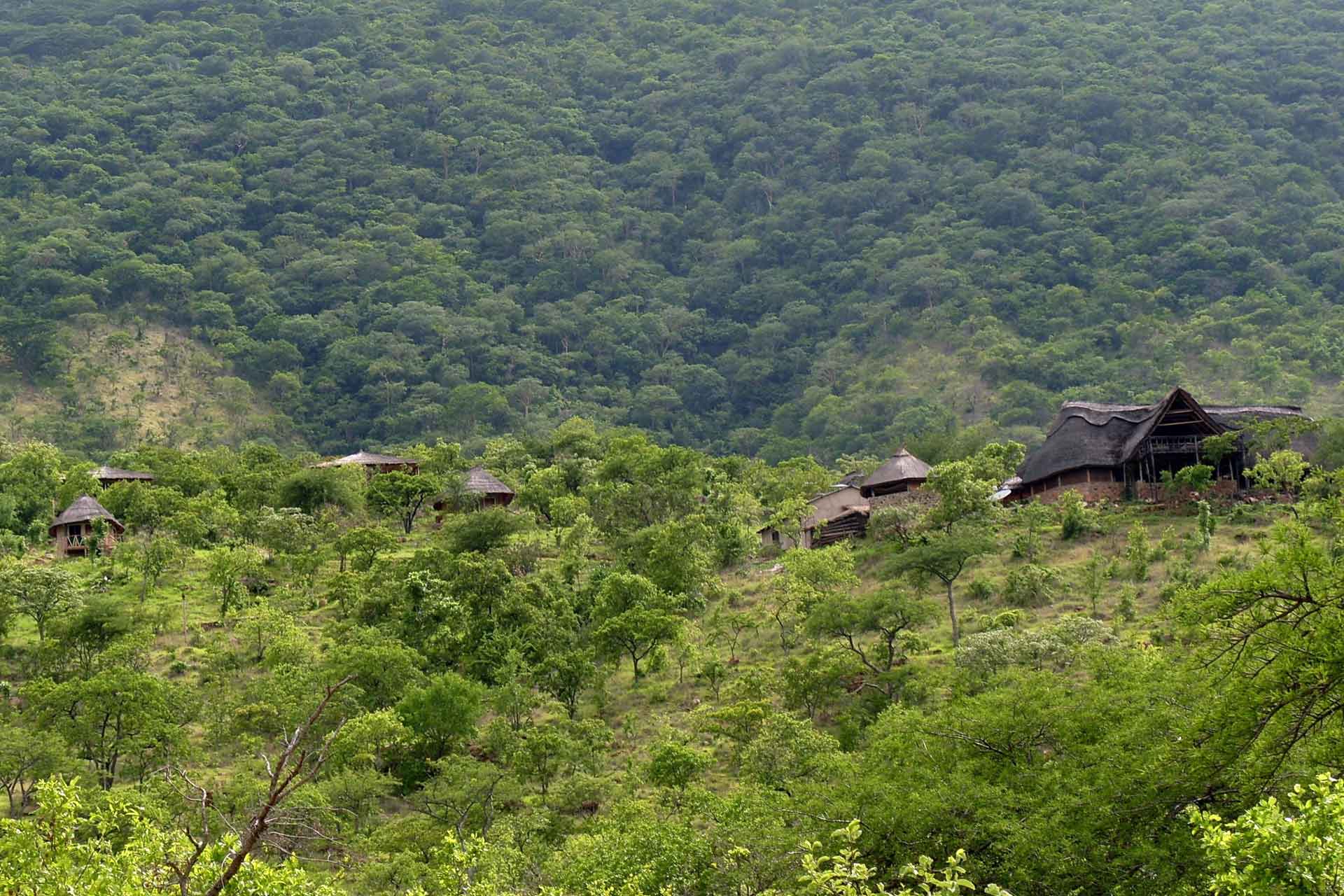
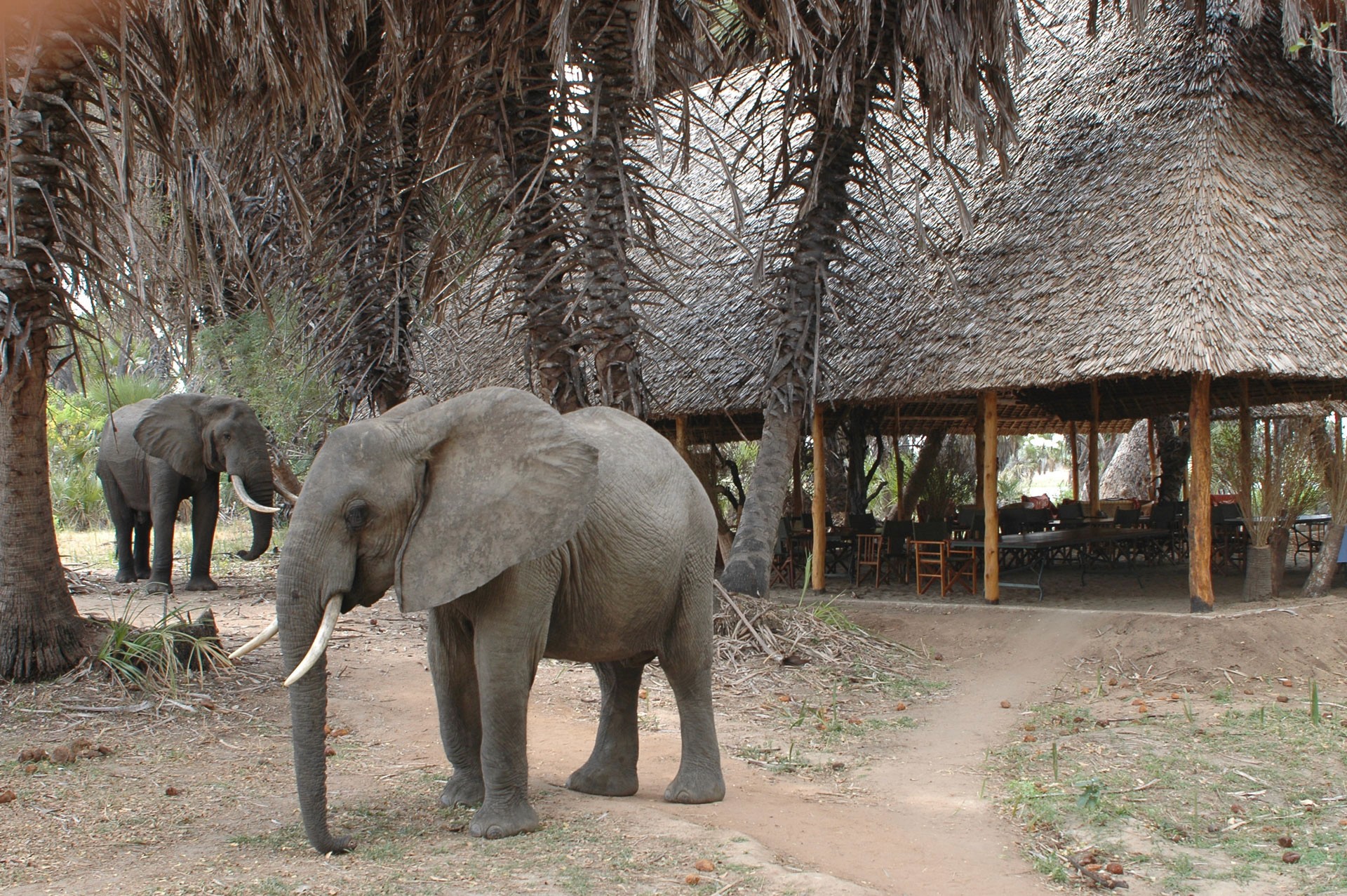
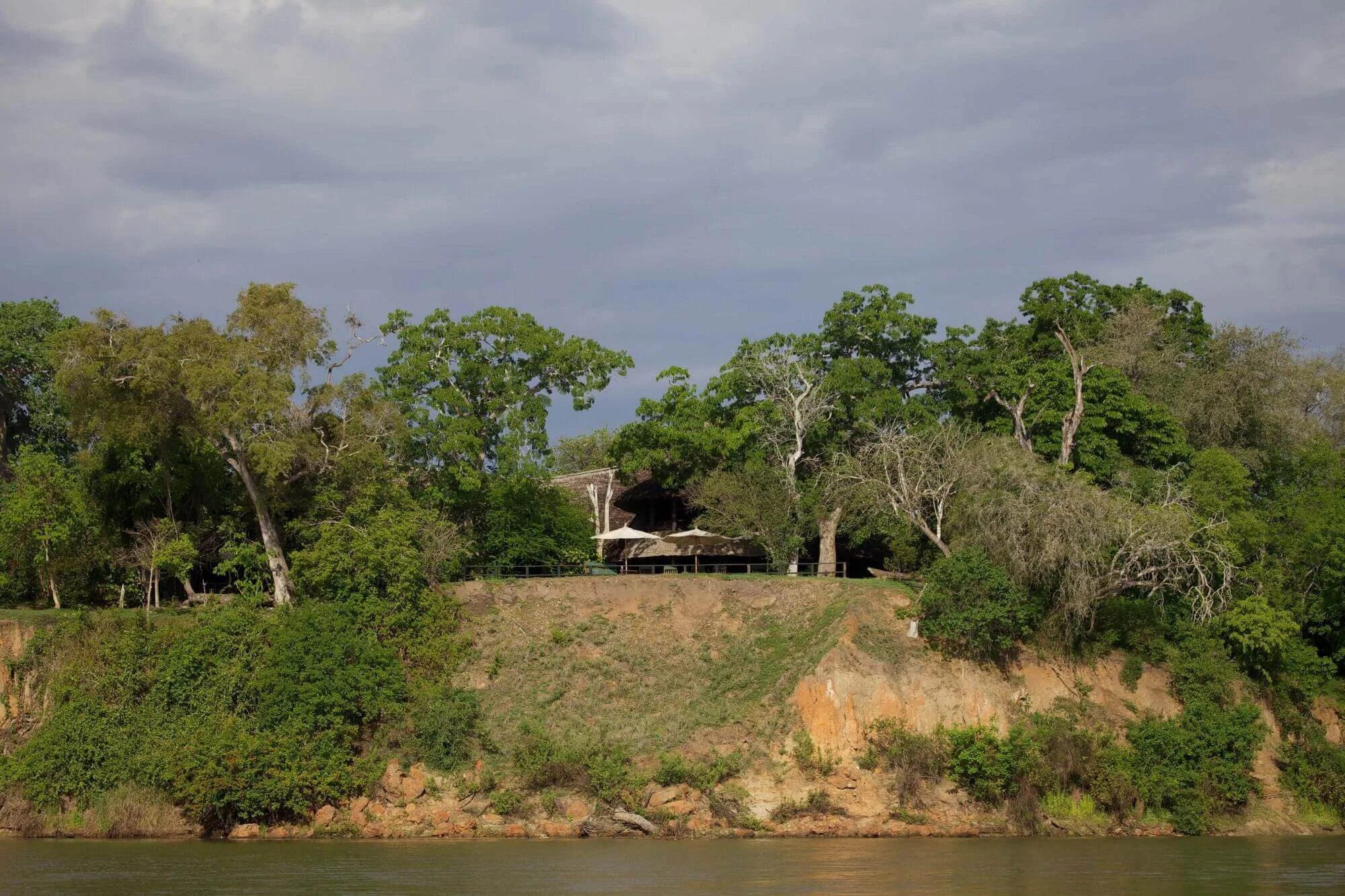
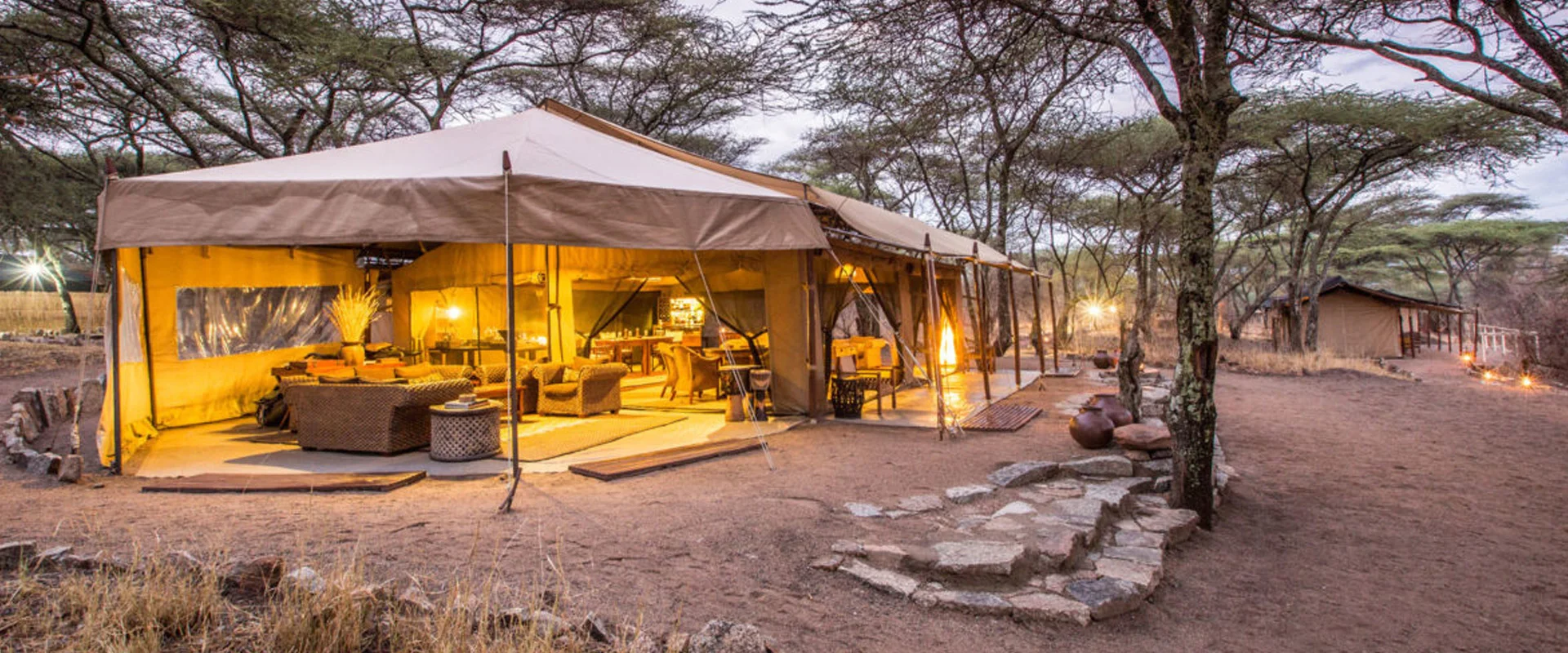
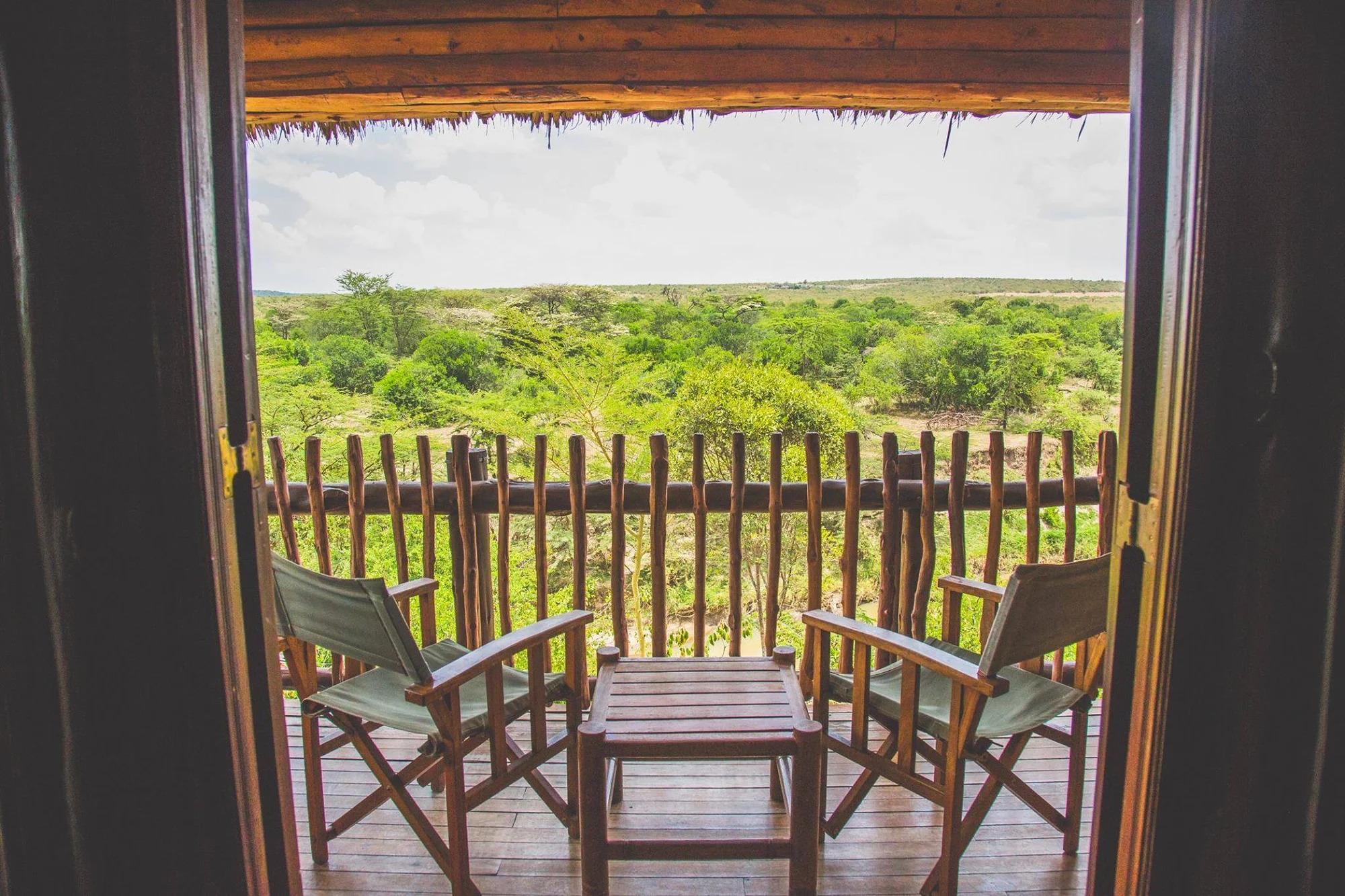
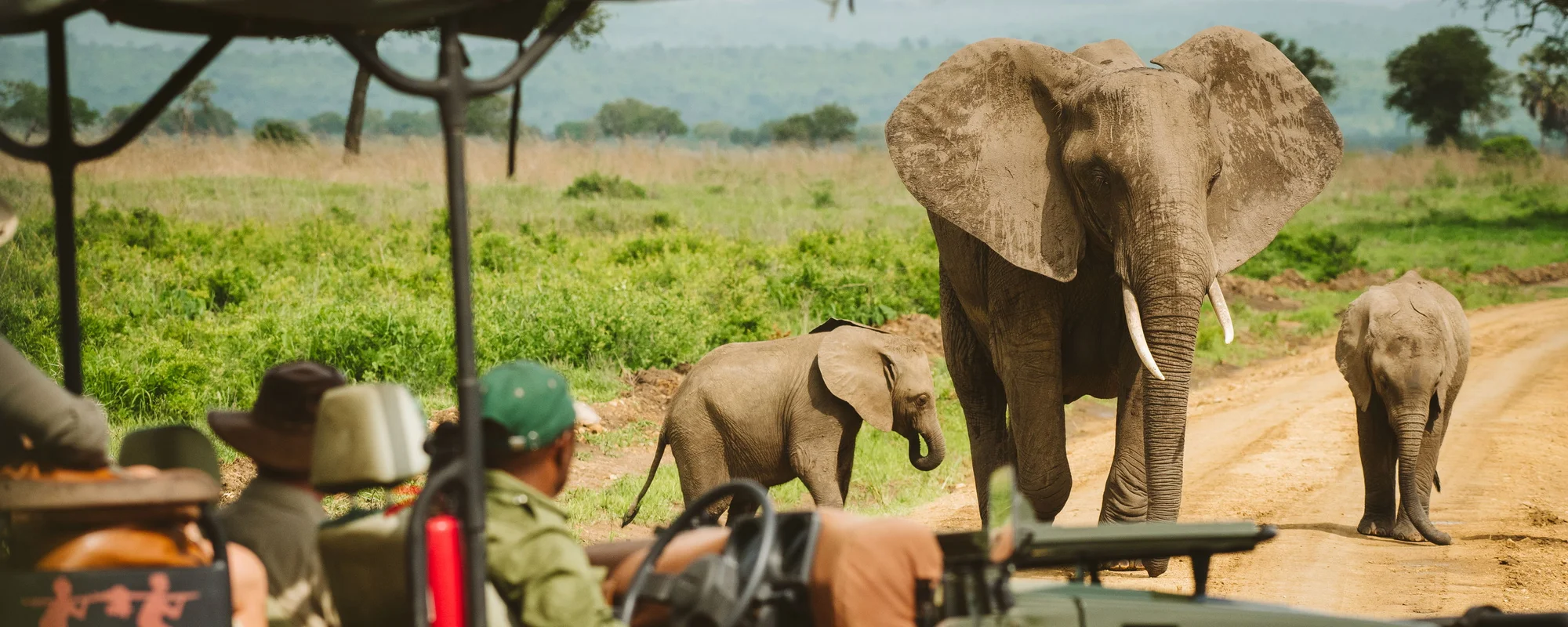
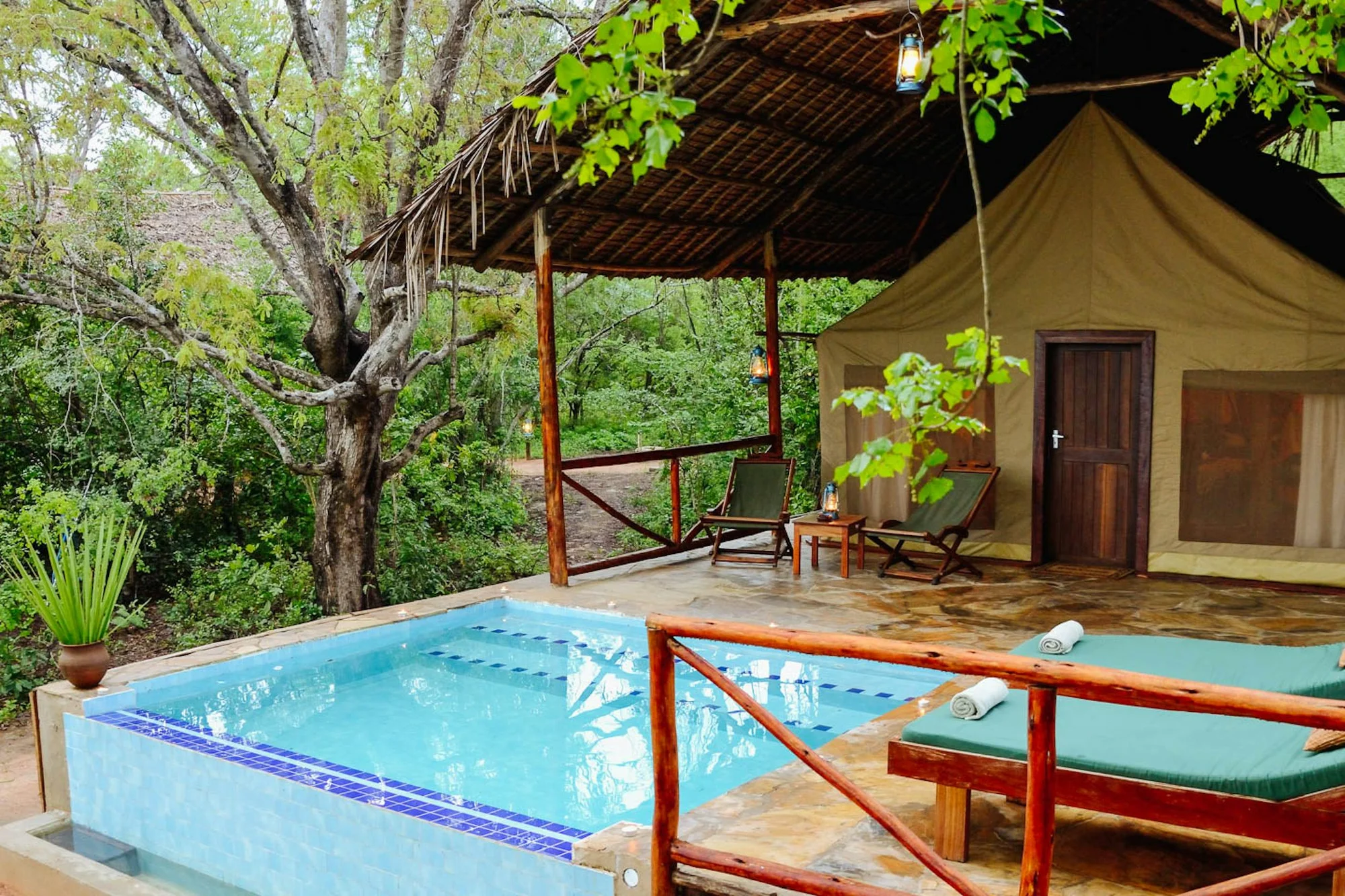
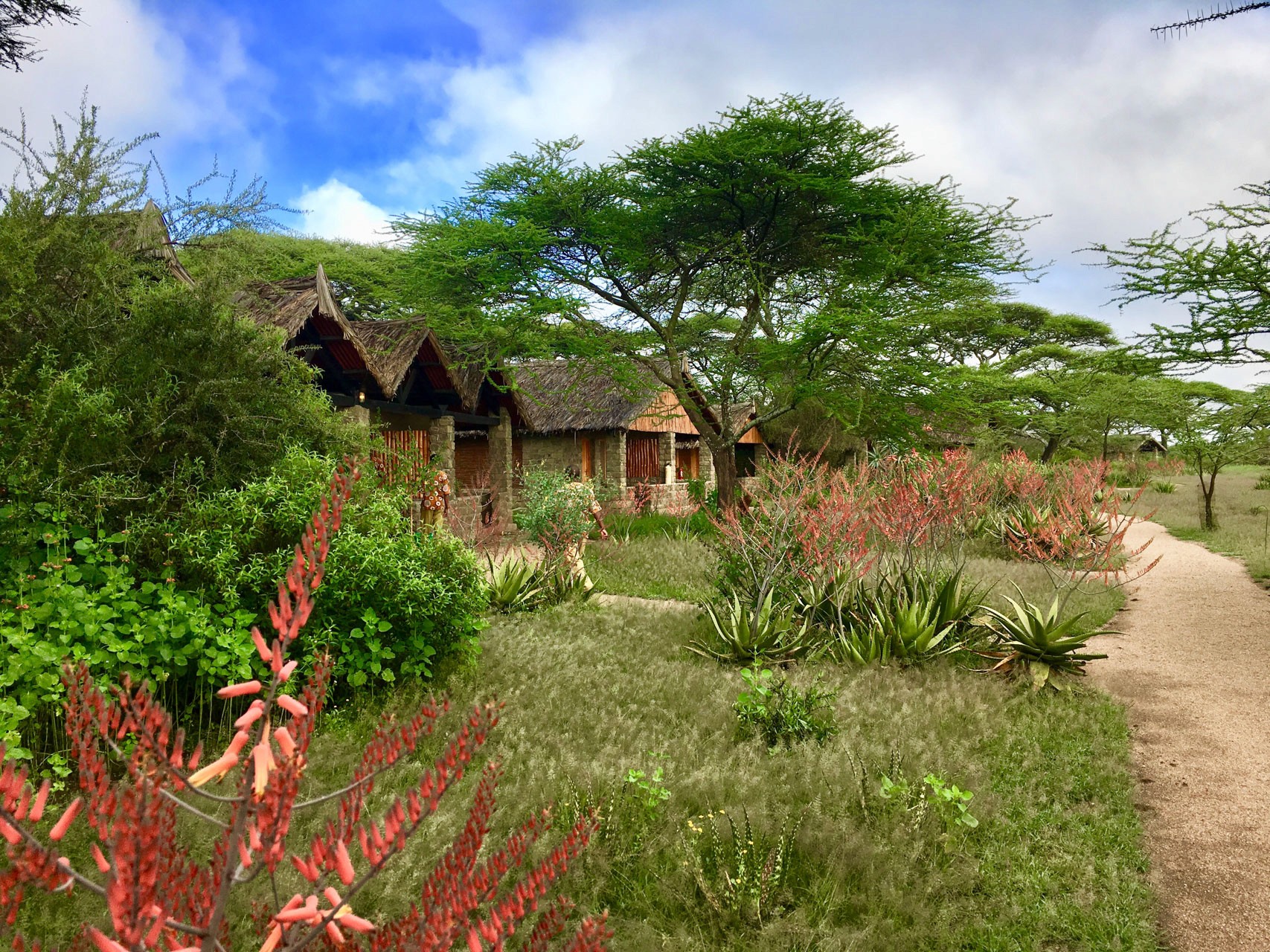
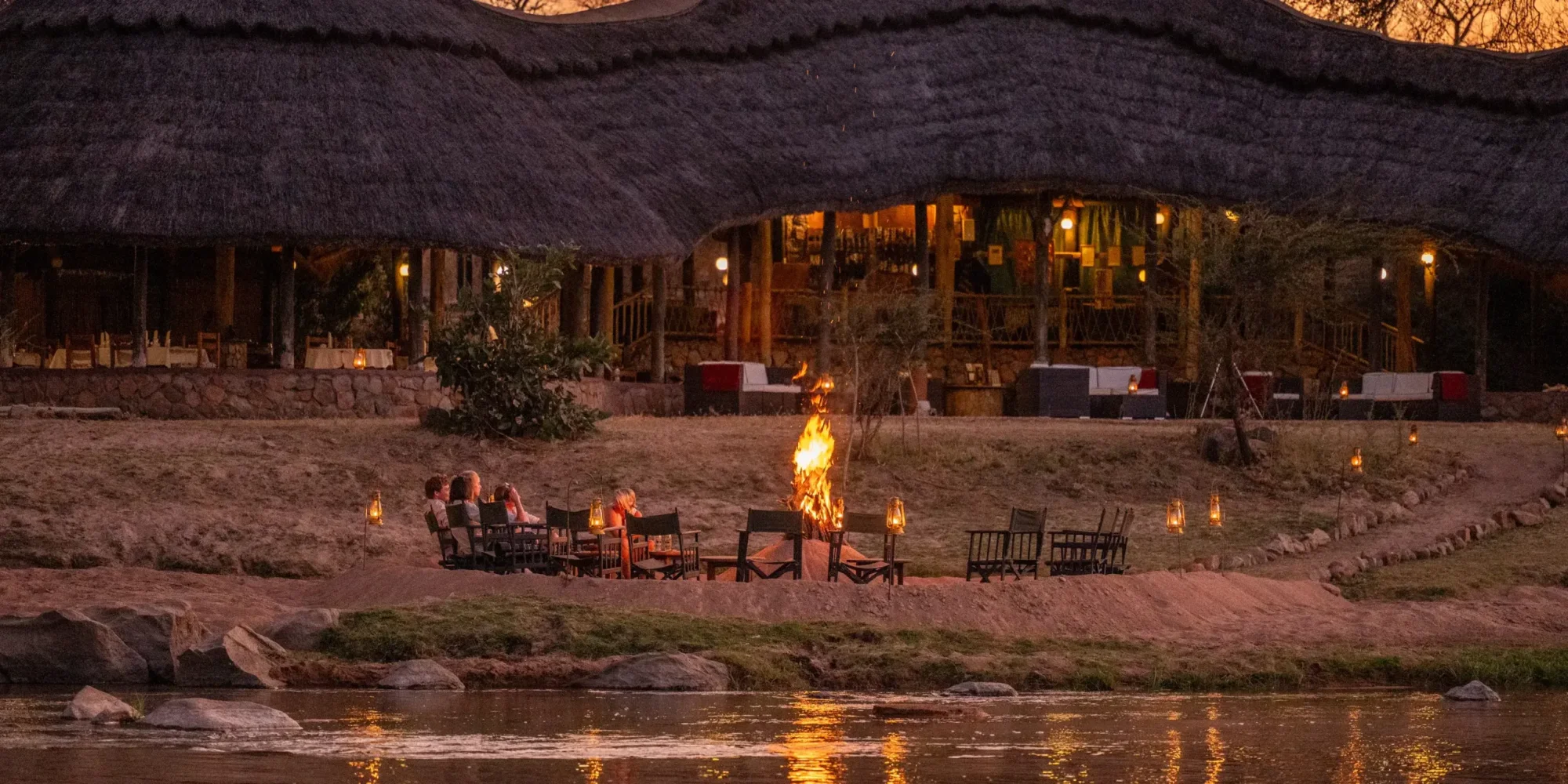
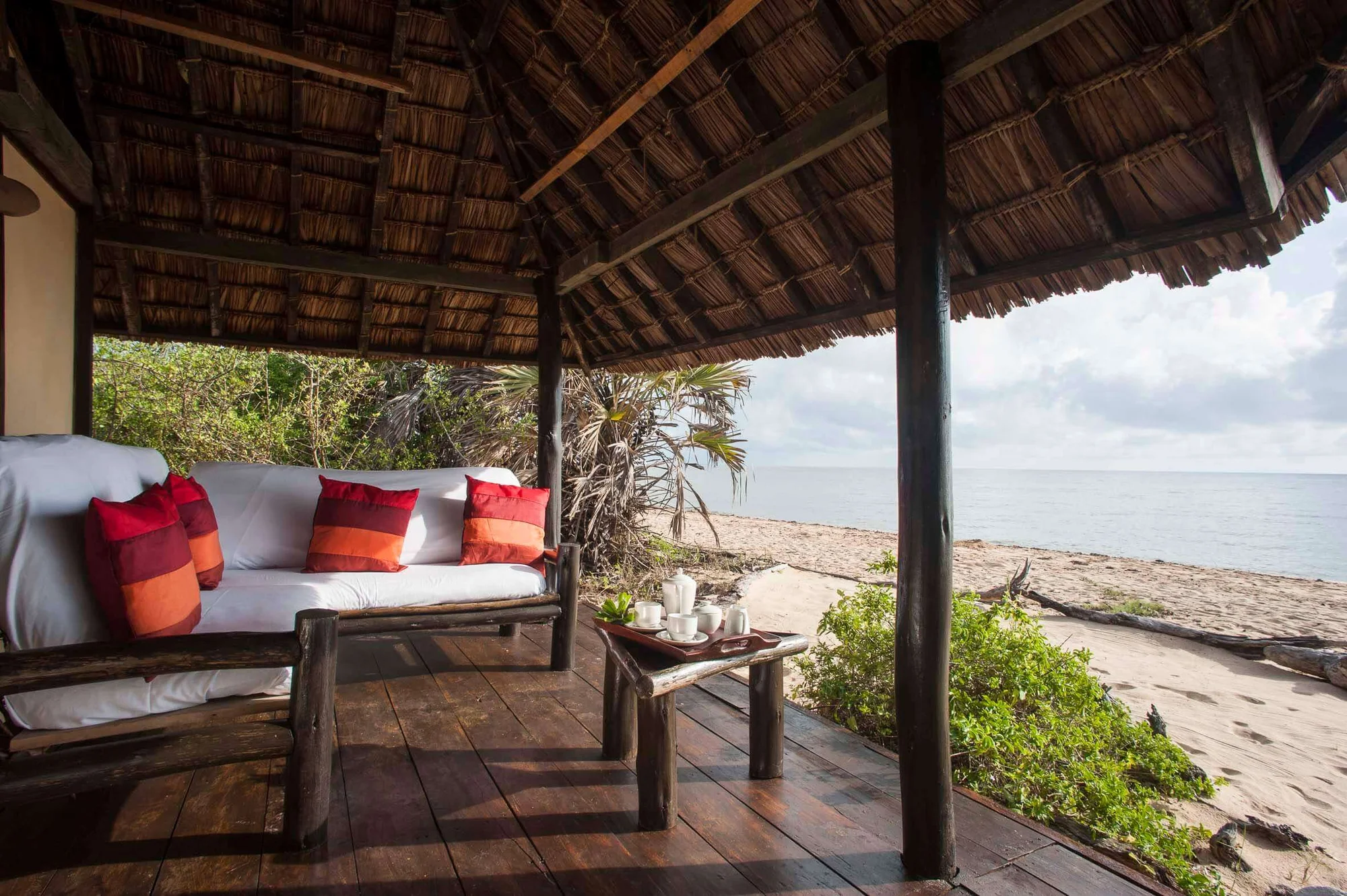
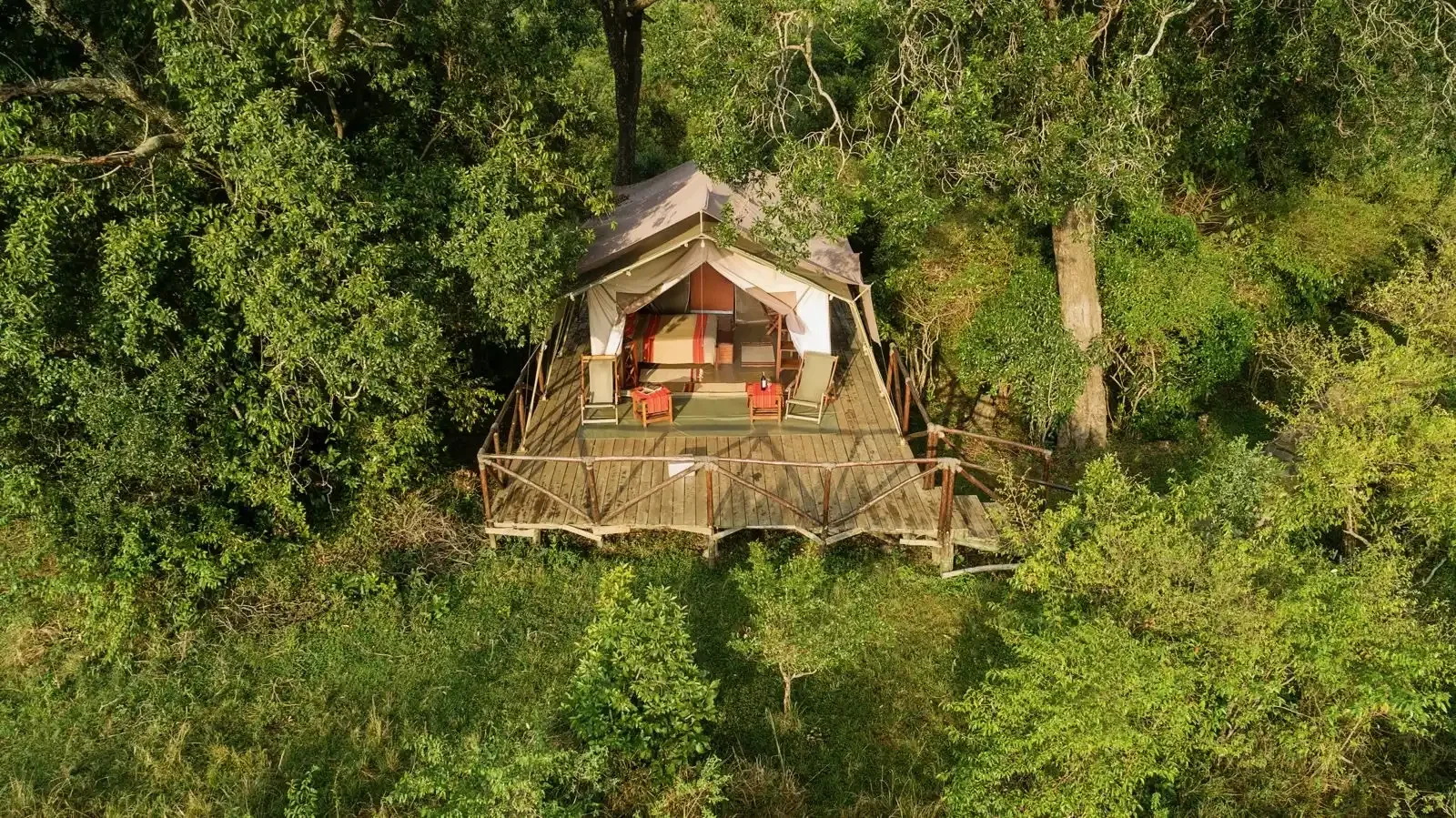
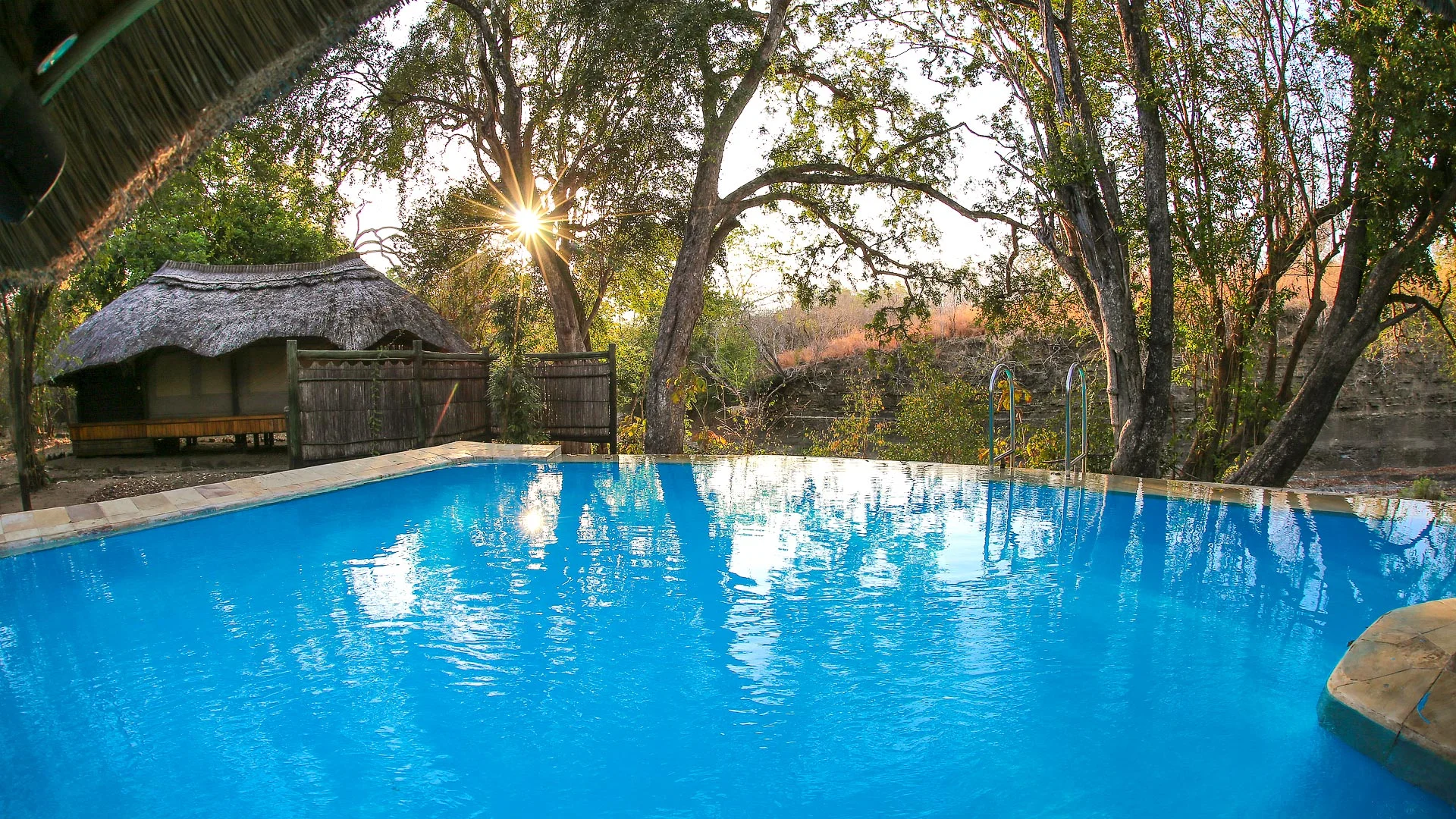
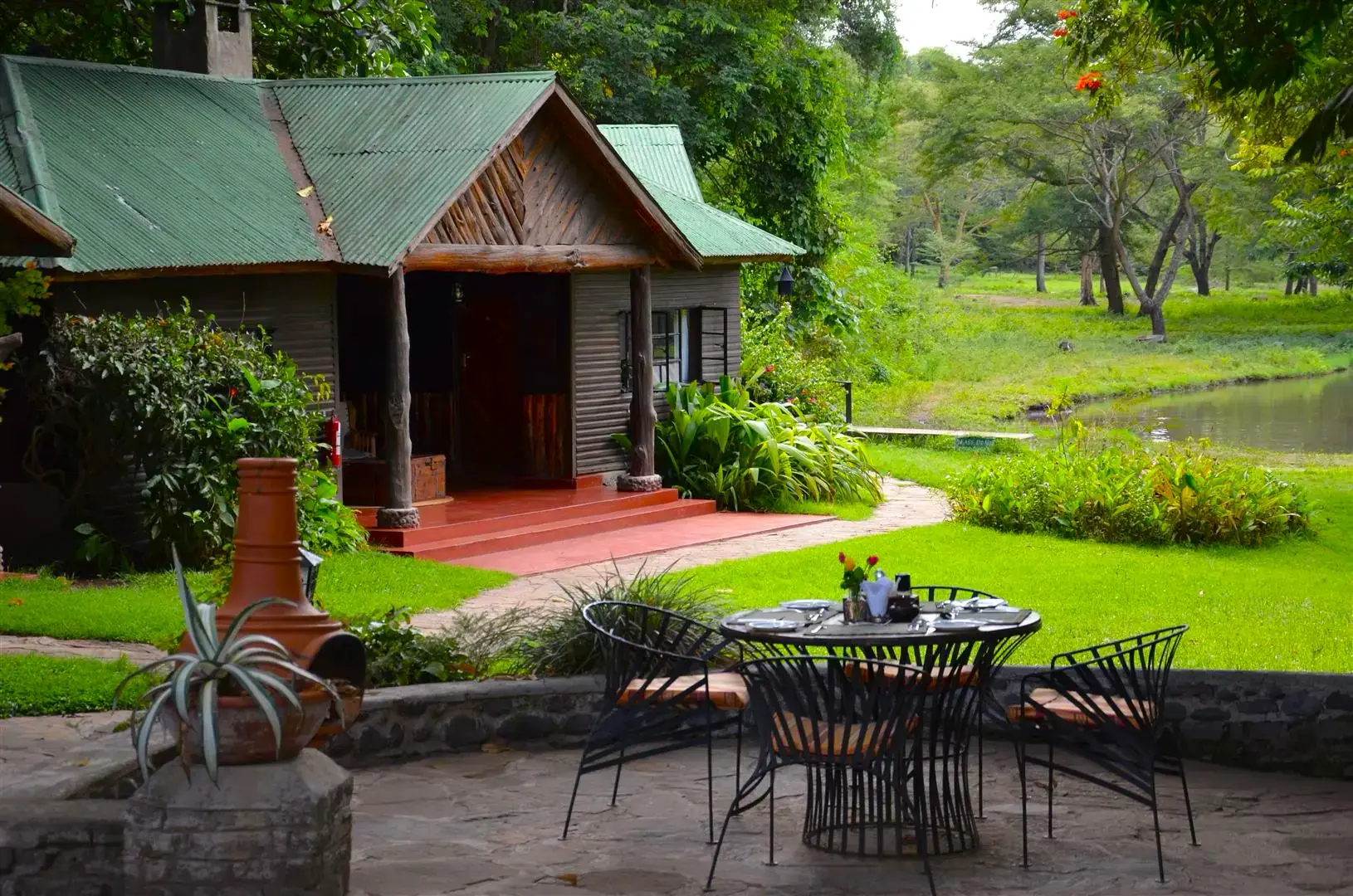
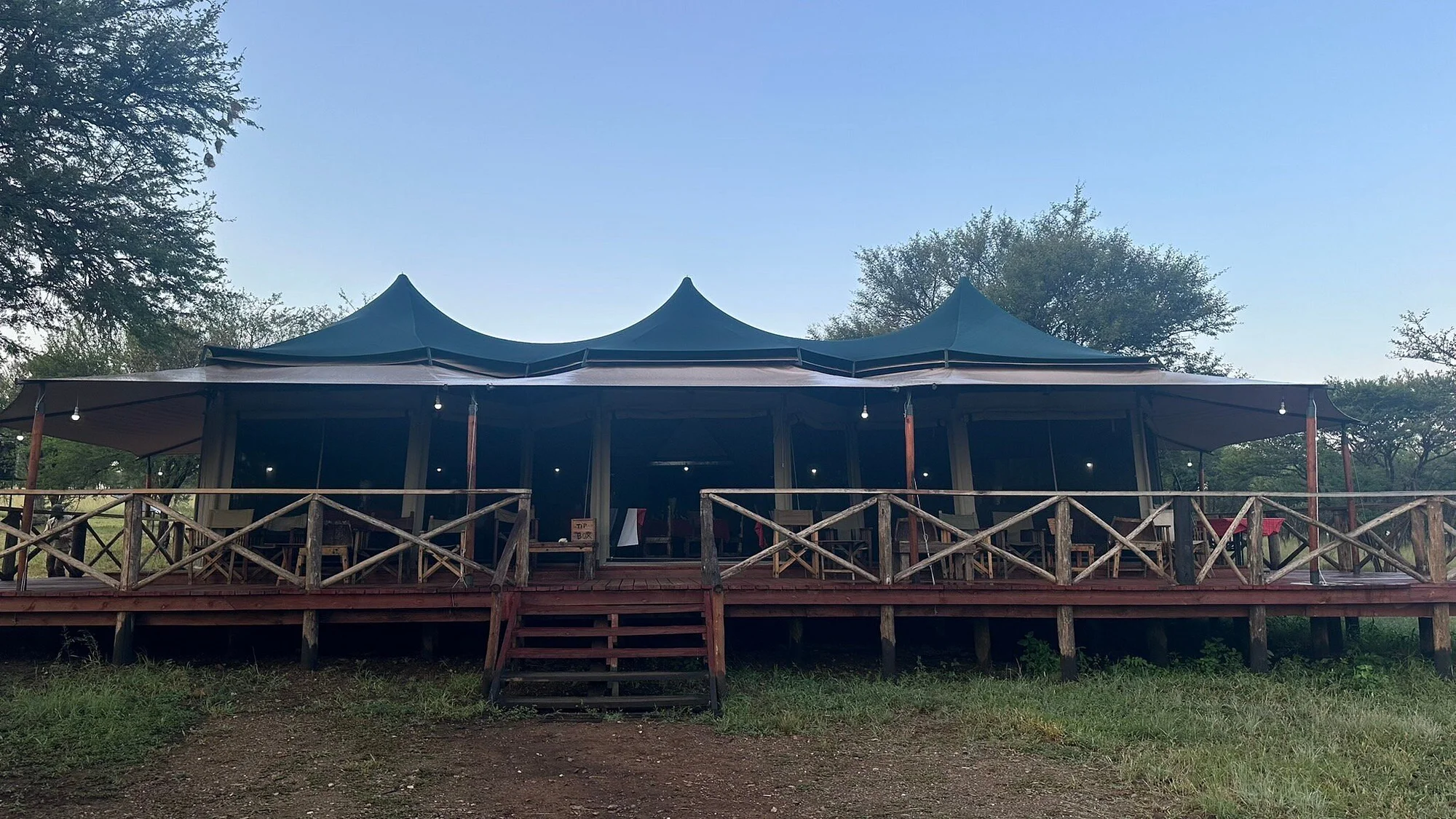
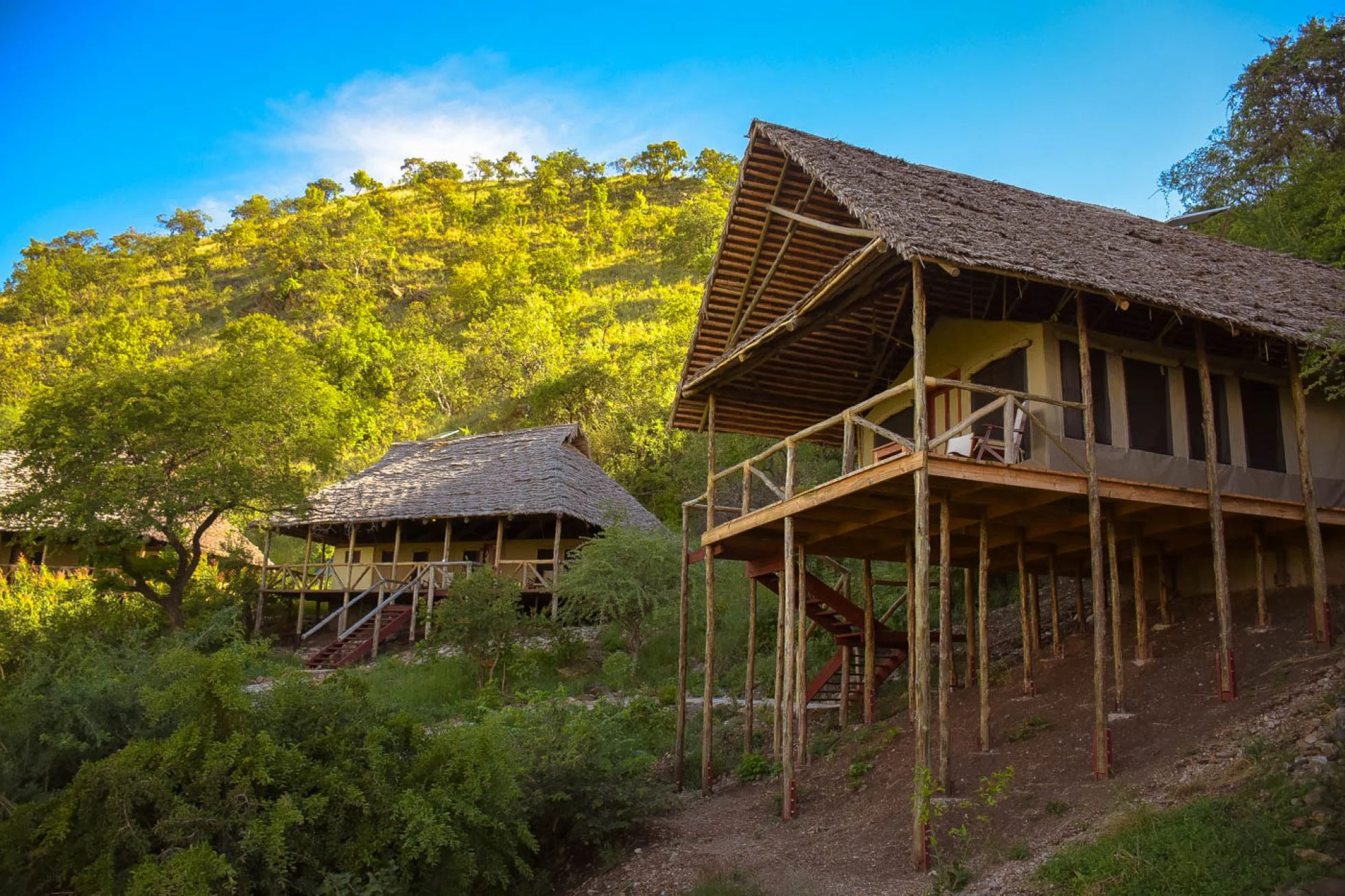
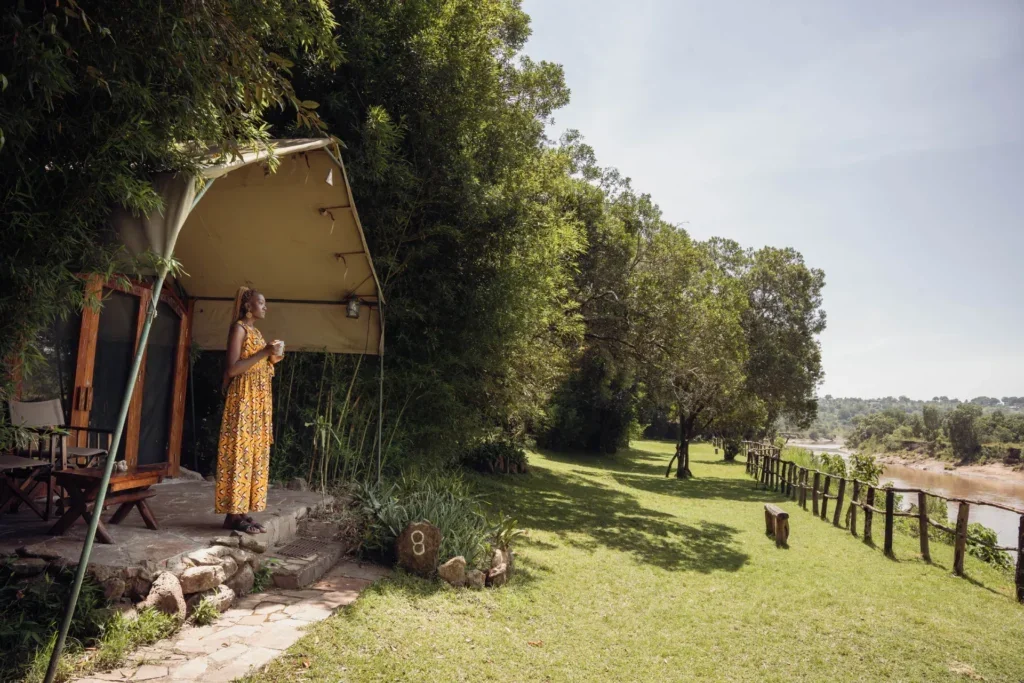
Location is the single most consequential decision in a Tanzania safari. A camp positioned on a perennial river in dry season, or within the core of a predator territory, will produce more wildlife time per day than a more distant lodge regardless of how good the guiding is. The properties below share one quality: their site was chosen because wildlife density at that specific spot is structurally higher than the surrounding park — not as a marketing claim, but as the reason the concession was awarded in the first place.
Serengeti National Park#
The Seronera River system in central Serengeti feeds year-round hippo pools and concentrates prey animals even through the quietest months — which is why the lion density around Seronera Valley is the highest in the northern circuit. Scattered across the valley, ancient granite kopjes (inselbergs rising from the plain) are where prides den, rest through midday heat, and scan for prey. Cheetah use the same outcrops. Camps that sit among or adjacent to these rock islands wake to lions that crossed through the grounds overnight.
Namiri Plains by Asilia — Eastern Serengeti's former cheetah research exclusion zone, reopened to a single camp; guests join active cheetah researchers on drives and foot surveys. Consistently among the best cheetah-sighting camps in Africa.
Four Seasons Safari Lodge Serengeti — 77-room lodge with an infinity pool overlooking an active waterhole inside Seronera; elephants and buffalo drink while guests eat breakfast. The Discovery Centre runs structured wildlife programming for all ages.
Kubu Kubu Tented Lodge — 25-tent TWC property on a ridge above the Seronera River; the infinity pool frames a valley where elephant herds cross below in the evenings. Family tents and year-round Big Five.
Siringit Central Camp — Three-time Africa's Leading Luxury Tented Safari Camp. Ten intimate tents in central Serengeti with a Michelin-starred chef; year-round resident wildlife directly at camp.
Sound of Silence Tented Camp — Eight-tent mid-range camp in central Serengeti where zebras move through the grounds nightly; à la carte kitchen with a strict zero-buffet policy, Tripadvisor's #2-rated Serengeti lodge.
Jackals Lair Tented Camp — Planet Lodges camp in central Serengeti heartland with private plunge pools on every suite, family units, and direct access to year-round big-cat territory.
For the northern reaches near Kogatende, where the Mara River crossings concentrate July through October, the Lamai Triangle holds the densest year-round elephant population in the entire Serengeti. ENVI Sisini Mara positions guests at the river itself — private plunge pools, a bush spa, and front-row crossing views without the vehicle density of the main crossing points.
Tarangire National Park#
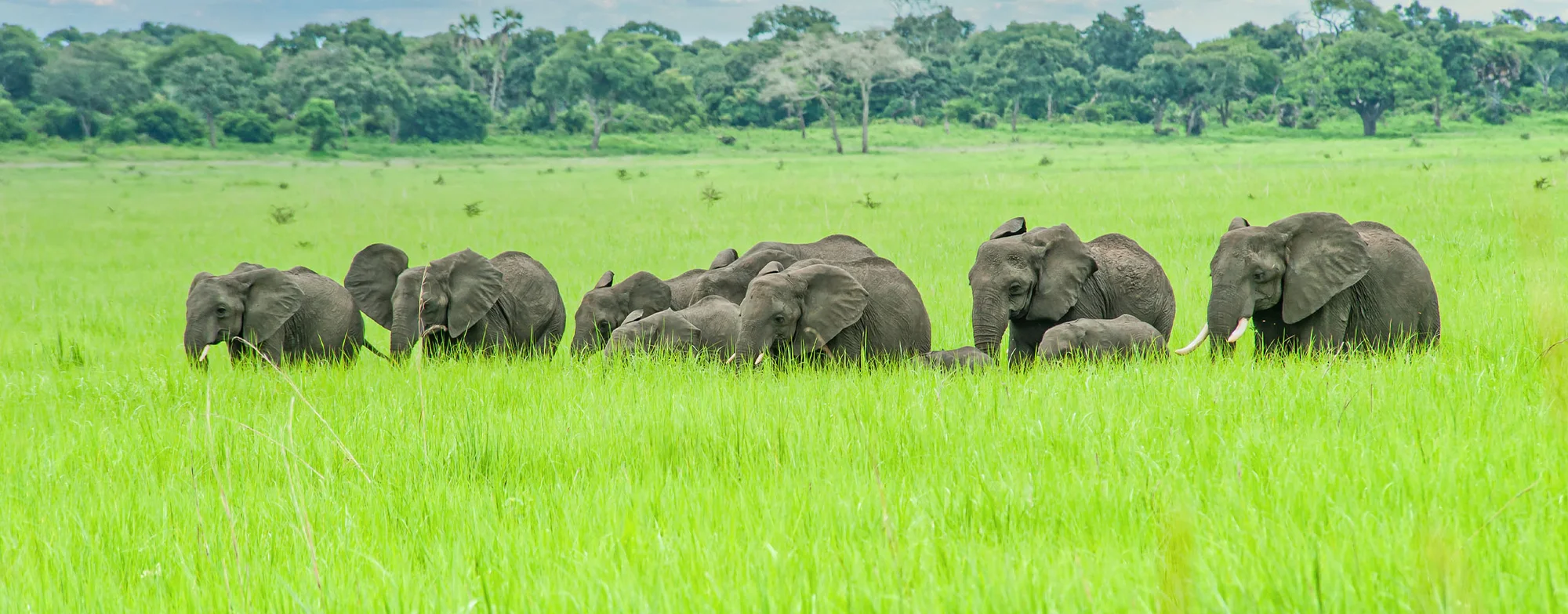
Between June and October, when surrounding water sources dry up, Tanzania's largest elephant herds — 3,000+ individuals — converge on the Tarangire River. A lodge sited along the river bank sits inside this corridor. Game drives begin in elephant country within minutes of leaving camp; views from tent verandas extend across a floodplain that functions as a 24-hour wildlife crossing. The river system also anchors one of the northern circuit's highest lion densities, with the baobab woodland providing year-round leopard habitat.
Tarangire Tortilis Camp — TripAdvisor's #1-rated Tarangire camp (5.0/5), pitched between four giant baobabs above the wetlands with walking safaris, bush dinners, and a triple-tent family option.
Tarangire Elephant Springs Camp — Boutique 10-suite camp beside the elephant-gathering springs inside the park; herds arrive at the waterhole daily from the infinity pool.
Elewana Tarangire Treetops — Twenty suites built into ancient baobabs on a private concession bordering the park; night drives and a full spa complement the resident elephant and lion sightings.
Nimali Tarangire Camp — Eight ultra-luxury suites in Randilen WMA with an underground wildlife hide — one of the few in Tanzania — plus plunge-pool family tents and night drives.
Kuro Tarangire — Nomad Tanzania's six-suite camp in the remote southern sector near Silale Swamp; night drives with night-vision equipment and chef-led dining in what most visitors never reach.
Conserve Safari Tarangire Camp — Intimate mid-range camp among ancient baobabs inside the park; elephant herds of 300 visible from the deck, with a wine list curated by the World's Best Sommelier 2023.
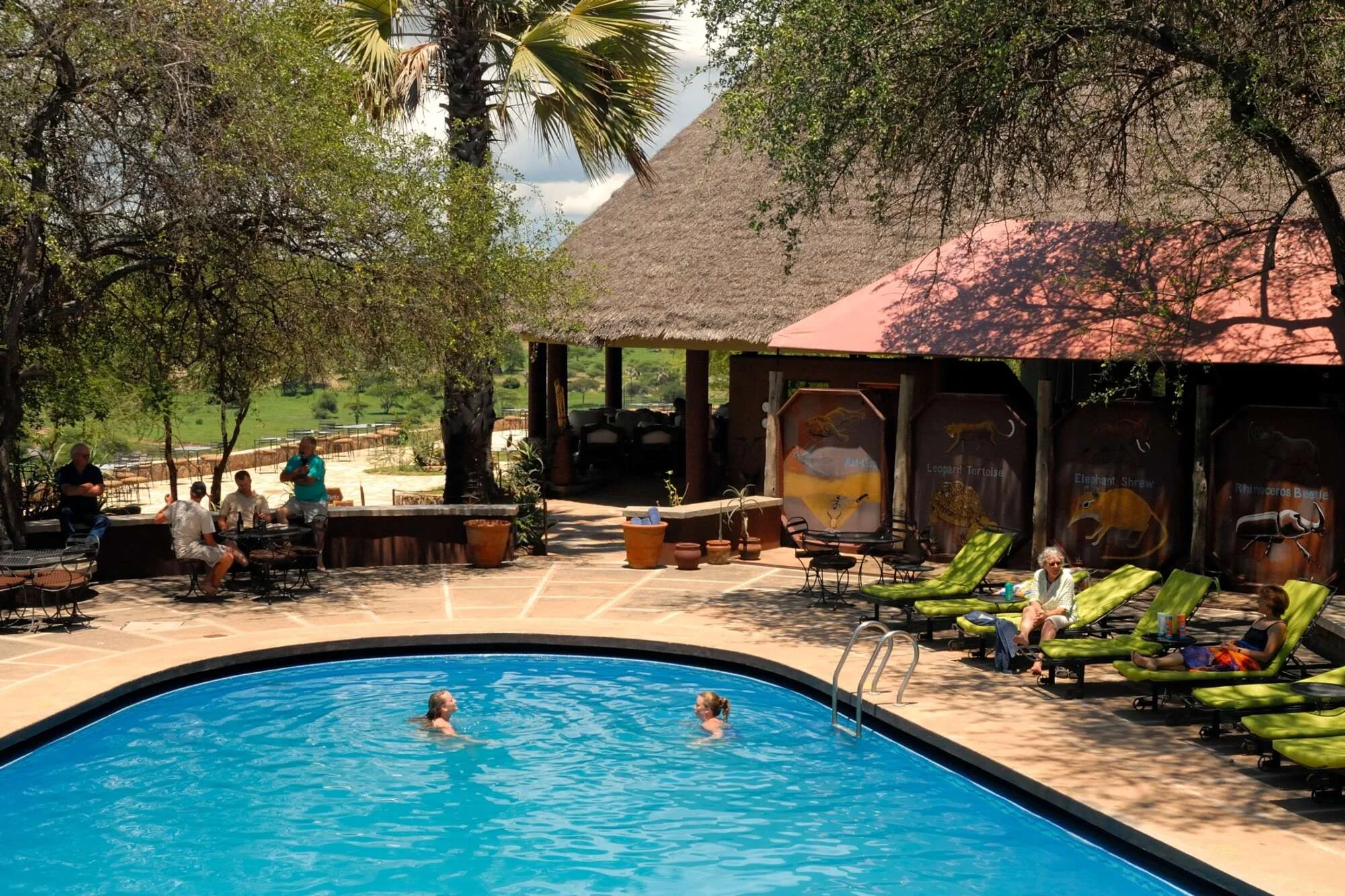
Tarangire Safari Lodge — The original Tarangire lodge, built on a river bluff overlooking the wildlife-rich Tarangire River; 40 rooms inside the park with pool, massage service, and direct river frontage.
Ngorongoro Conservation Area#
The Ngorongoro Crater floor — 260 km² of enclosed caldera — holds all of the Big Five in permanent residence. Tanzania's most reliable black rhino sightings are here; roughly 25–30 individuals live on the floor full-time. Rim lodges at 2,200 metres sit 15–20 minutes from the Seneto descent gate. That's a meaningful advantage: the standard 6 AM descent from a rim property versus 45 minutes from Karatu below means more time inside, earlier in the morning when the light is best and the predators most active.
Ngorongoro Melia Lodge — The most modern rim property: 60 crater-view rooms, heated infinity pool, two gourmet restaurants, full spa. The architecture frames the crater panorama from every public space.
Ngorongoro Lion's Paw Camp — Fifteen luxury suites on the eastern rim with direct Lake Magadi views; honeymoon and family suites, ranger-led rim walks, solar-powered, and 10 minutes to the crater descent.
Ngorongoro Ang'ata Camp — Intimate eight-tent mid-range rim camp with a family unit; 10 minutes to the crater, ranger-led walks along the rim edge, and a Maasai cultural programme suitable from age 5.
Ruaha National Park#
Ruaha holds 10% of the world's remaining lion population and the largest elephant population in East Africa — concentrated around the Great Ruaha River as it dries to isolated pools from June onwards. The river's sandbanks, granite outcrops, and baobab-dotted floodplains are where lion prides push buffalo at dusk and crocodiles claim the shallows. Wild dogs are predictably located June through August during denning season. Less than 1% of Tanzania safari visitors come here.
Jabali Ridge — Asilia's showpiece property atop a Ruaha kopje: infinity pool and private plunge pools on each suite, world-class guided walks, night drives, fly-camping, and a kitchen that sets the dining standard for the southern parks.
Mwagusi Safari Camp — Owner-managed since 1987 by Chris Fox; a waterhole hide lets guests watch lions and elephant without leaving camp, complemented by wild-dog tracking and guided walks.
Jongomero Camp — Eight-tent Laba Laba camp on Ruaha's remote Jongomero River, 70 km from any other lodge; wild dogs denning nearby, fly-camping, night drives, and riverbed dining under open stars.
Kigelia Ruaha by Nomad — Nomad's intimate six-tent camp inside Ruaha; fully inclusive, night drives, walking safaris, and fly-camping in the park's highest lion-density corridor.
Asilia Kokoko Camp — Three-tent exclusive camp (max six guests) on the Mwagusi River with retractable-roof tents for open-air stargazing and Ruaha's finest guided walks.
Ruaha River Lodge — Pioneer riverside lodge built into granite kopjes inside the park; hippos at the waterfront, walking safaris, and the only pool in this stretch of the national park.
Nyerere National Park#
Africa's largest protected area is built around the Rufiji River and its lake system. At eye level from a boat, hippo pods, Nile crocodiles on sandbanks, and elephant herds wading to drink are the structural feature of any Nyerere stay. The park's interior lakes — Manze, Nzerakera — hold wild dog territories and year-round lion prides that vehicles on the main road never reach. Camps on a river or lake peninsula sit inside this water corridor; the wildlife doesn't need to travel to them.
Sand Rivers Selous — Africa's most architecturally distinctive camp: eight open-fronted stone cottages built into Rufiji boulders with hippos at arm's reach; fly-camping, a four-day walking safari to Tagalala Hot Springs, and a boat jetty at the tent entrance.
Siwandu — Laba Laba's flagship 13-tent camp on Lake Nzerakera; boat safaris through the Rufiji channels, night drives, and fly-camping in wild dog country.
Azura Selous — Design-led luxury camp with an infinity pool over the Ruaha River, private plunge pools on every villa, the Selous's only kids' club, and a rotating bush-dining programme.
Serena Mivumo River Lodge — Twelve chalets above Stiegler's Gorge, each with a private plunge pool; boat safaris depart from the lodge jetty and the property is open year-round.
Rufiji River Camp — Foxes' original Nyerere riverfront camp: 14 tents above the Rufiji with hippos and crocodiles in direct sight from the dining area and a private jetty for daily boat departures.
Most Nyerere itineraries pair naturally with boat safaris and fly-in safaris — the park is reached by bush plane from Dar es Salaam in 30–45 minutes.