 Tours
Tours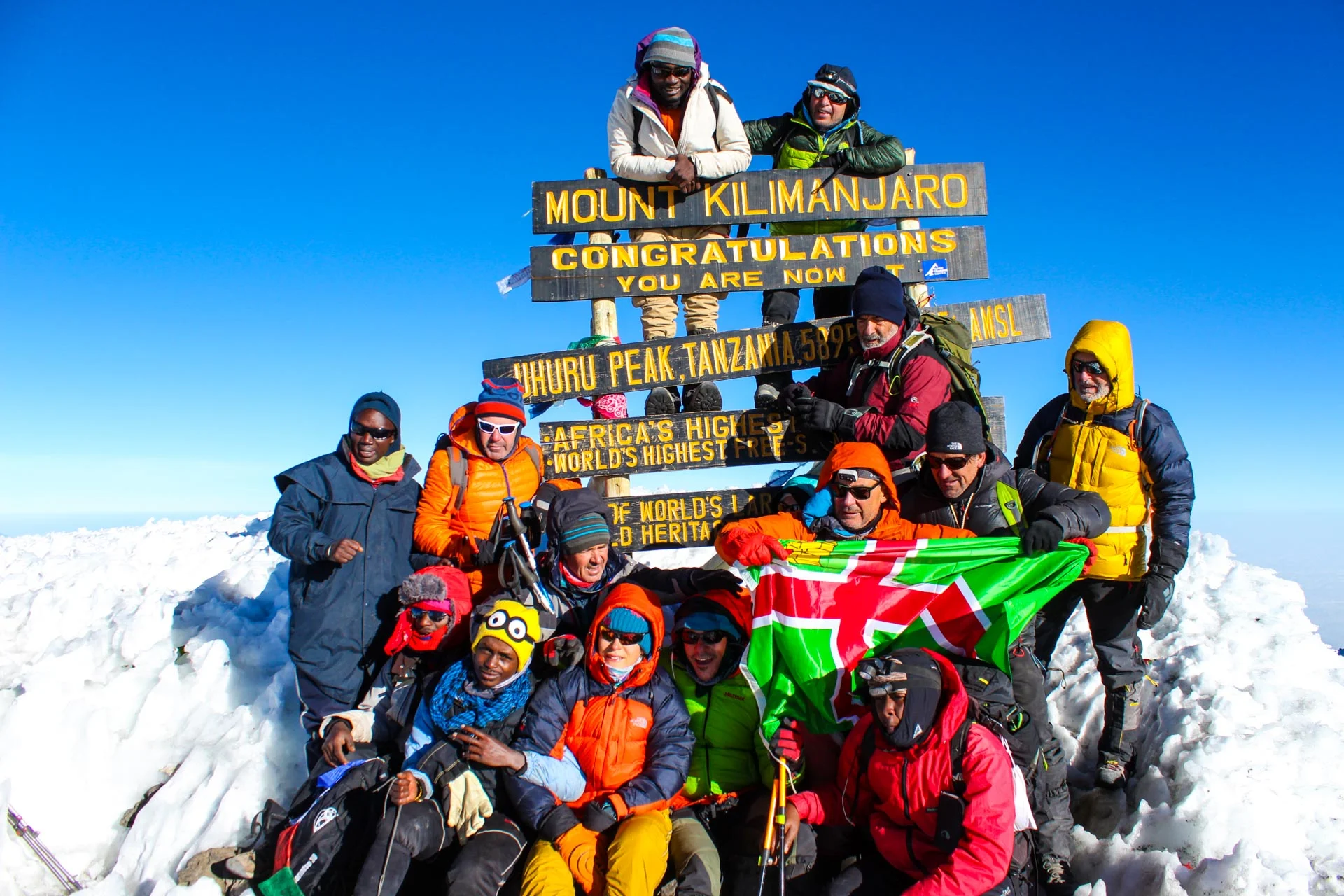 Ultra lussoPrivato
13-Day Kilimanjaro Rongai + Safari (Crater Finale)
13 days·12 nights
Luna di miele
Plunge pool, orientato agli adulti
$12,122 a persona per 2 viaggiatori
Tour packages
The northern circuit — Tarangire, Ngorongoro and the Serengeti — is Africa's most complete safari destination. The Great Migration, the Big Five, Kilimanjaro, and Zanzibar all within one country.
Ultra lussoPrivatoPlunge pool, orientato agli adulti
 Ultra lussoPrivato
Plunge pool, orientato agli adulti
 Ultra lussoPrivato
Plunge pool, orientato agli adulti
 Ultra lussoPrivato
Plunge pool, orientato agli adulti
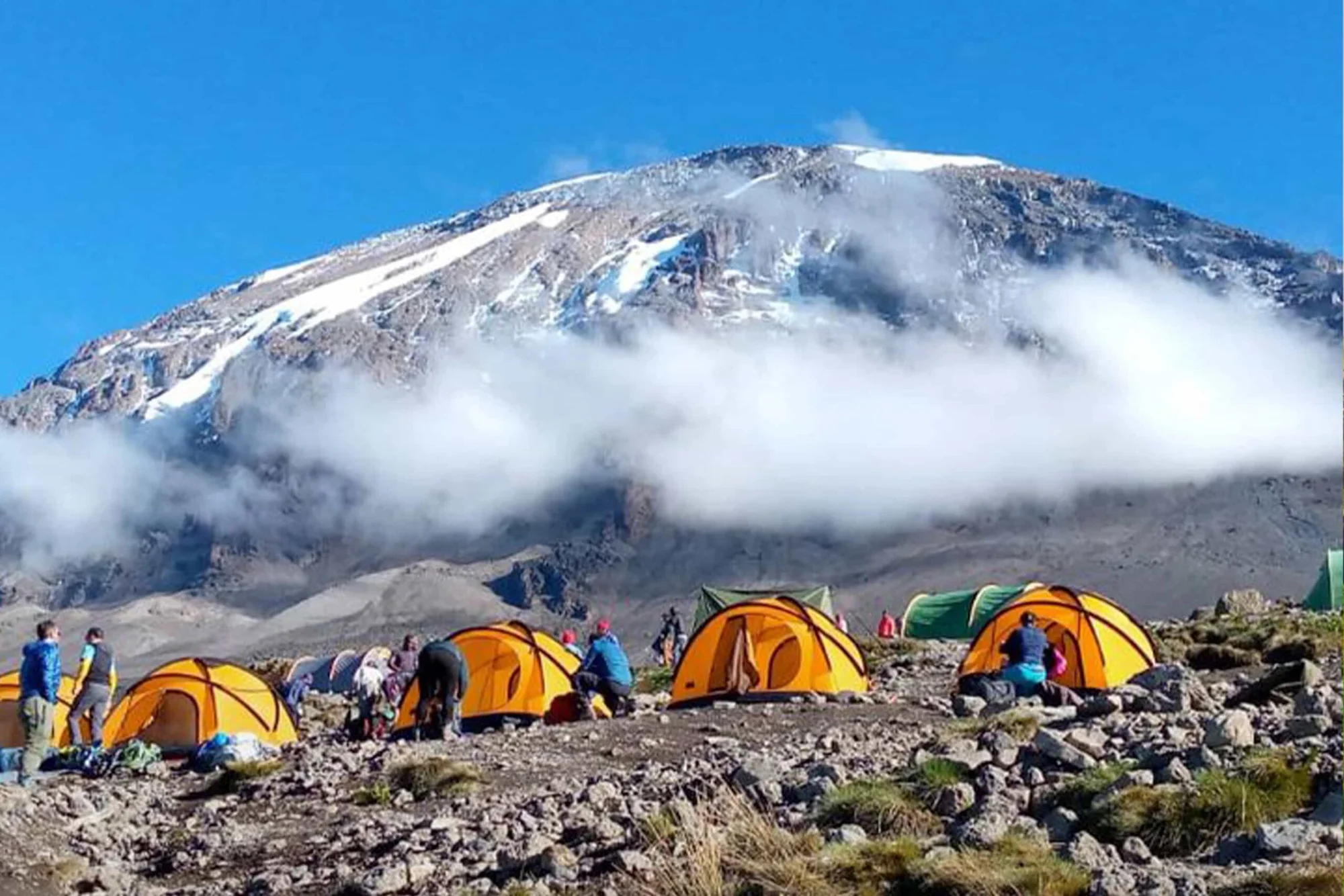
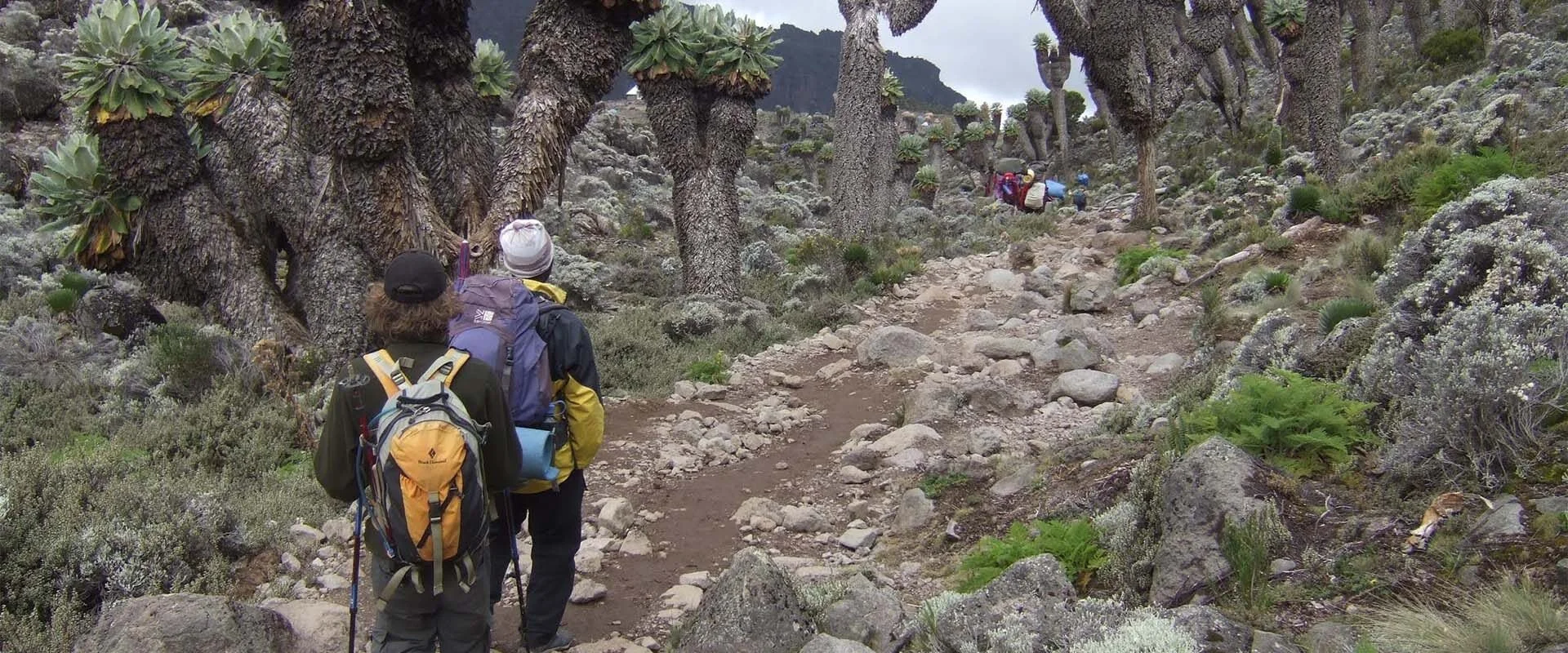
The Marangu Route is Kilimanjaro's original — the only path on Africa's highest mountain where you sleep in a bunk rather than a tent, in huts that have stood on the mountain since the colonial era. Six days on the mountain, from the humidity of the rainforest gate through moorland and alpine desert to the ice-glazed summit at 5,895 metres. Then three days in Zanzibar: Stone Town's layered history, a north coast beach, saltwater that asks nothing of you except that you float in it. Ten days, one mountain, one island, no safari — the complete contrast itinerary for climbers who want the reward to be genuinely different from the effort.
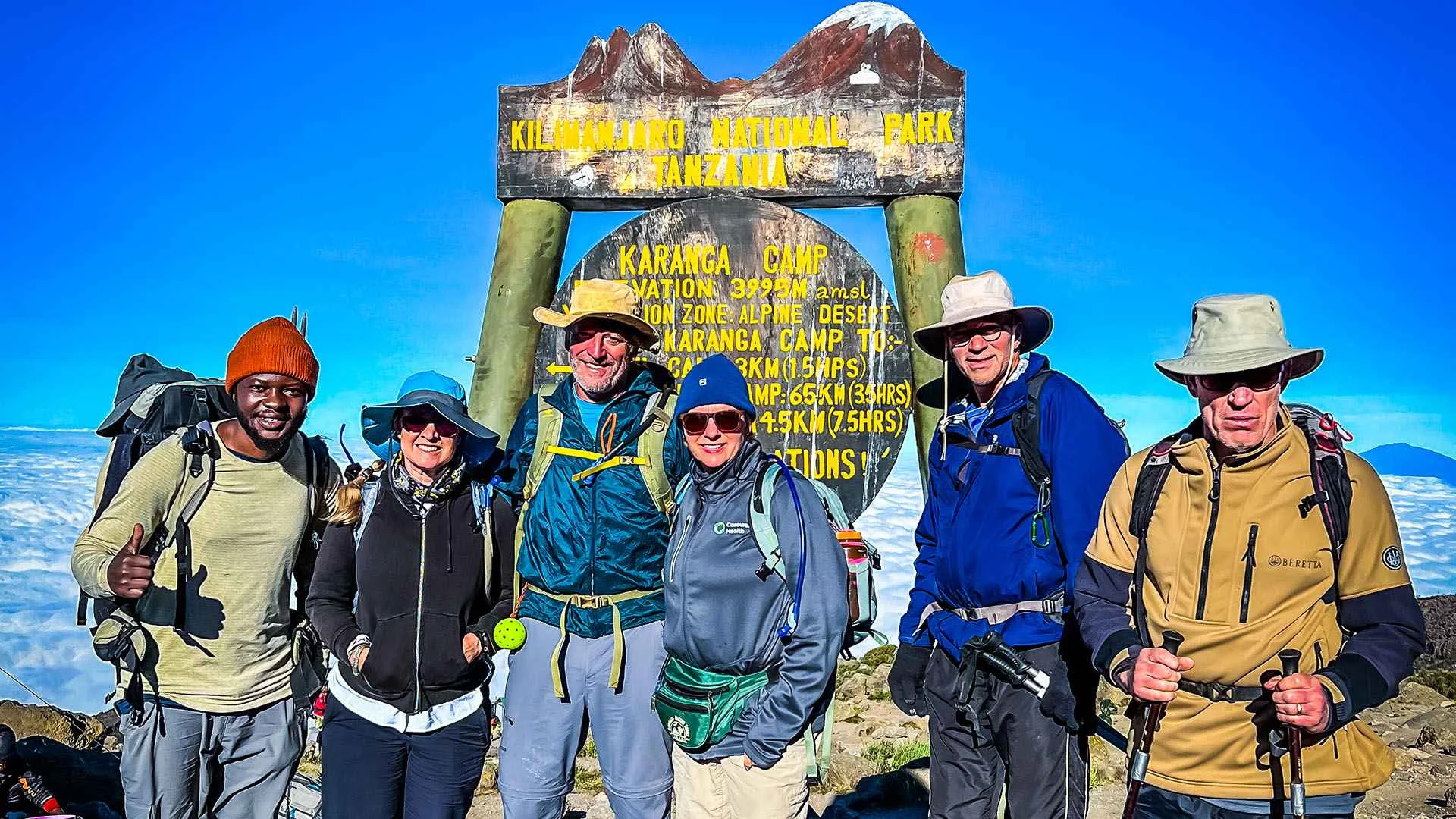
Summit Africa's highest peak via the Machame Route — Kilimanjaro's most popular path with a 70-80% success rate — then fly to Zanzibar for four days of warm-ocean recovery. Seven days of trekking through five ecological zones to 5,895 metres, followed by one night in historic Stone Town and three nights on white-sand beaches where the Indian Ocean washes the altitude from your bones. No safari, no filler — just the continent's greatest vertical adventure followed by its finest horizontal reward.
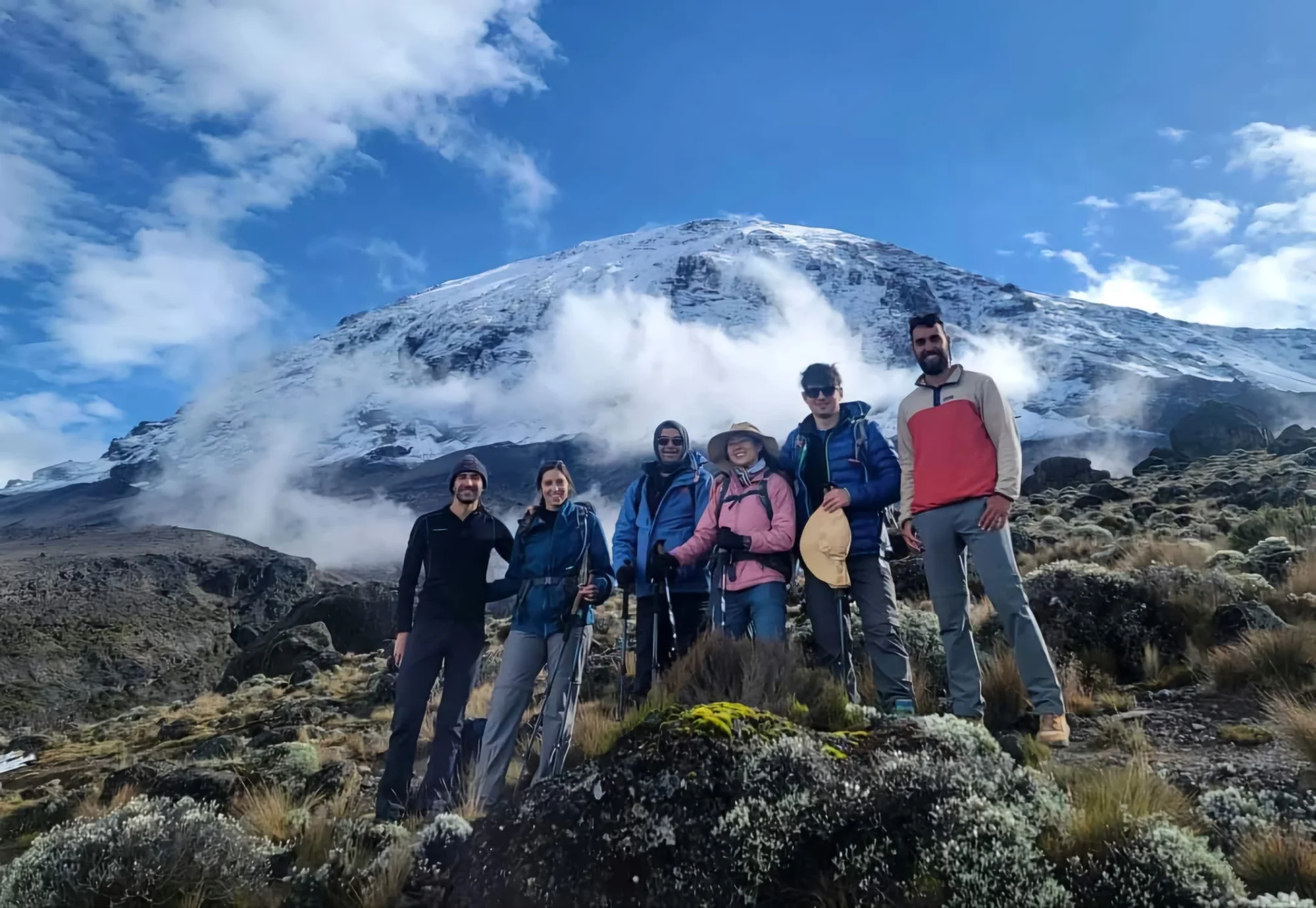
Climb two of Africa's great volcanic peaks in eleven days: Mt Meru (4,566m) as a three-day acclimatization sequence through Arusha National Park's wildlife-rich forest and moorland, then a full-day rest in Arusha before the seven-day Machame Route on Kilimanjaro to Uhuru Peak (5,895m). The combination is not coincidence — three nights above 2,500m on Meru, including one at the Saddle Hut (3,566m), produces measurably better altitude adaptation before the Machame Route begins, making this the most scientifically grounded strategy for reaching Africa's highest point.
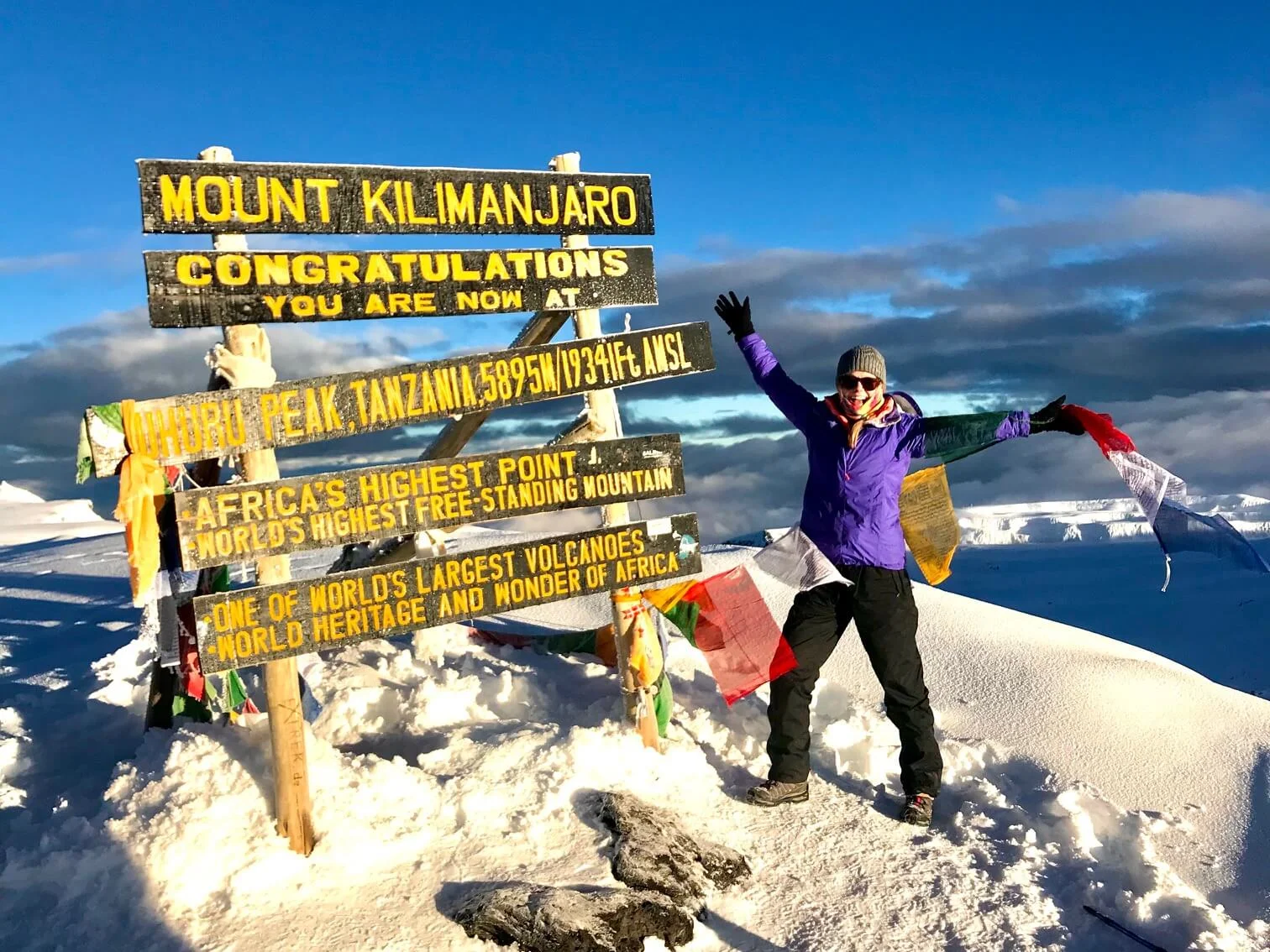
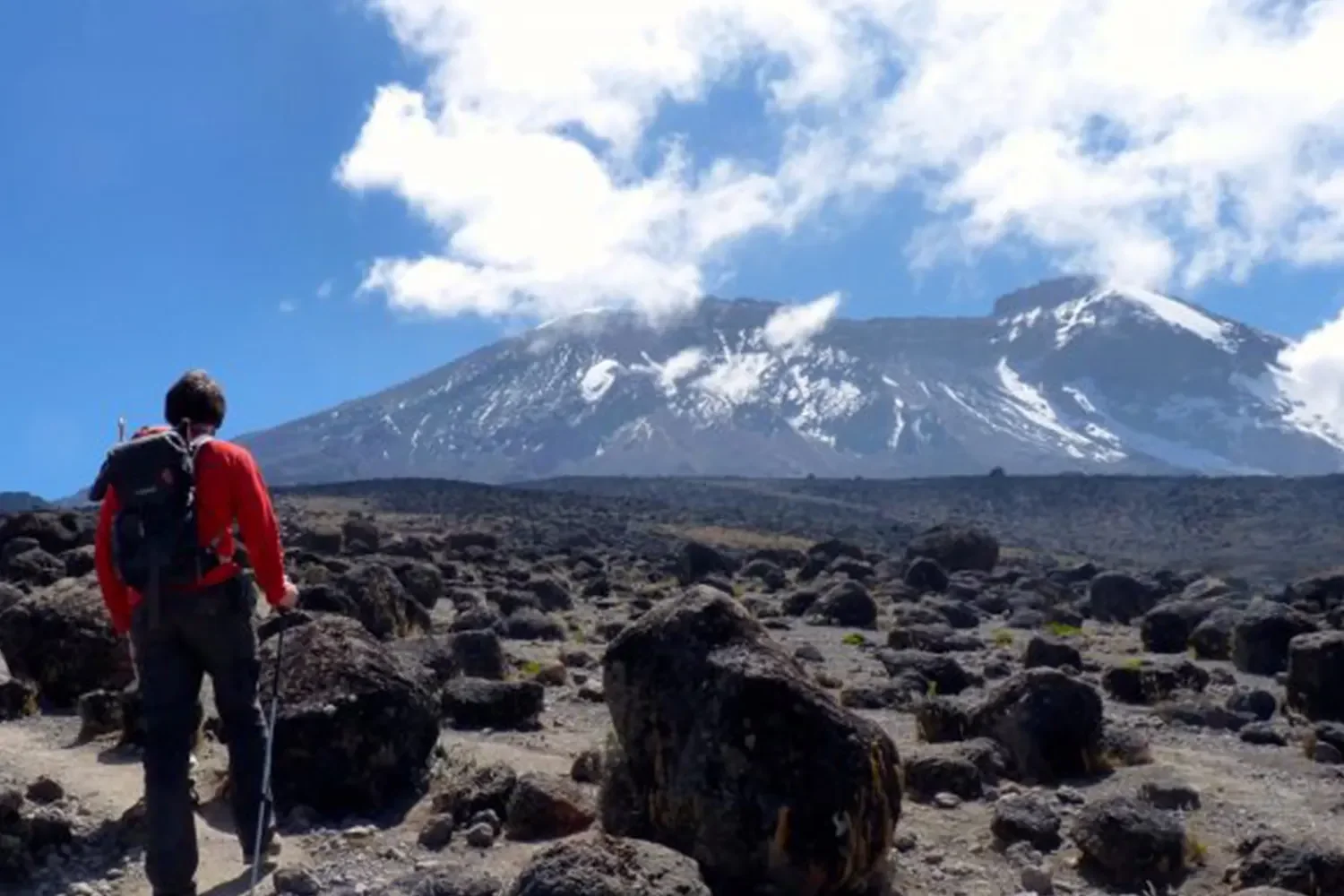
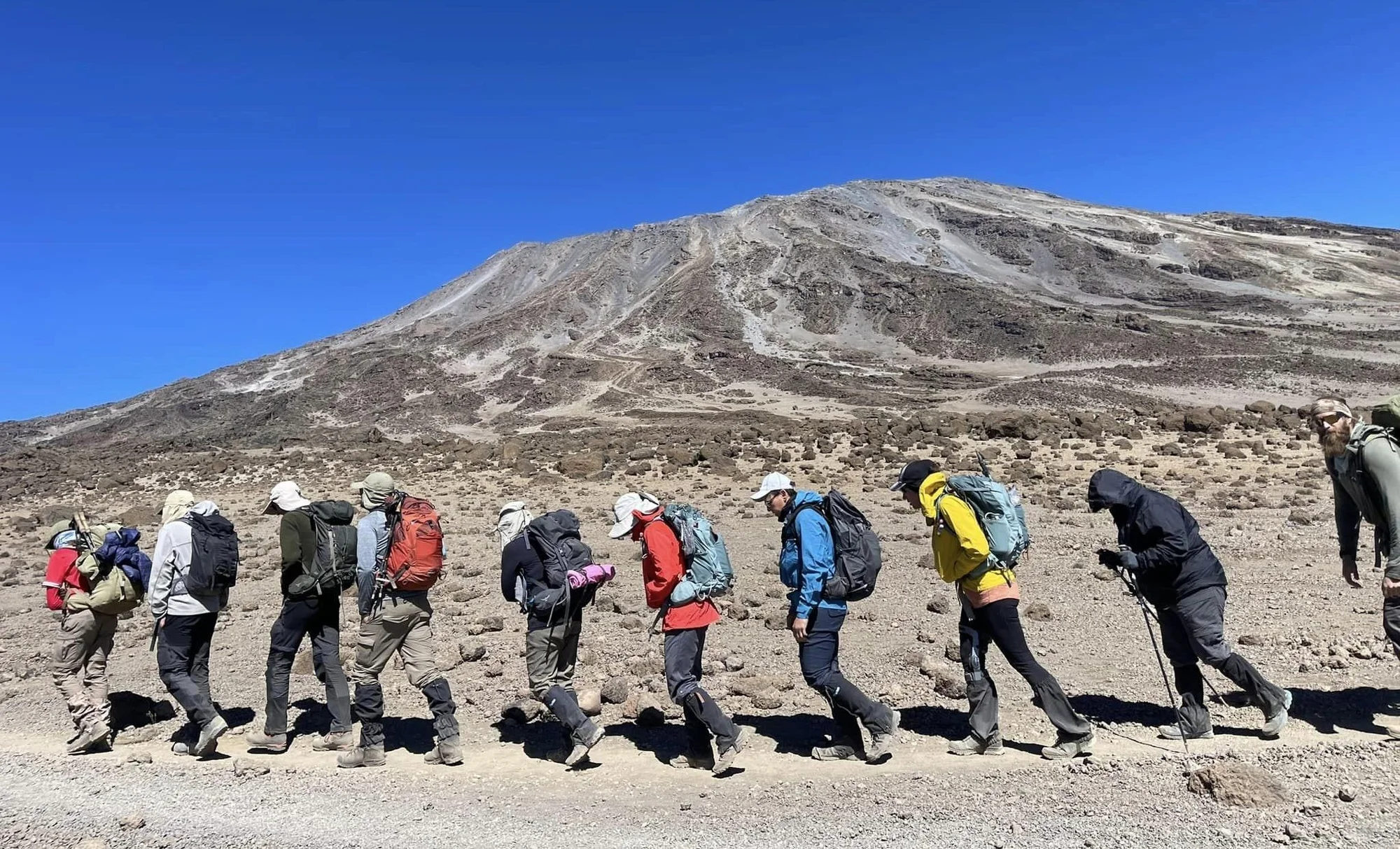
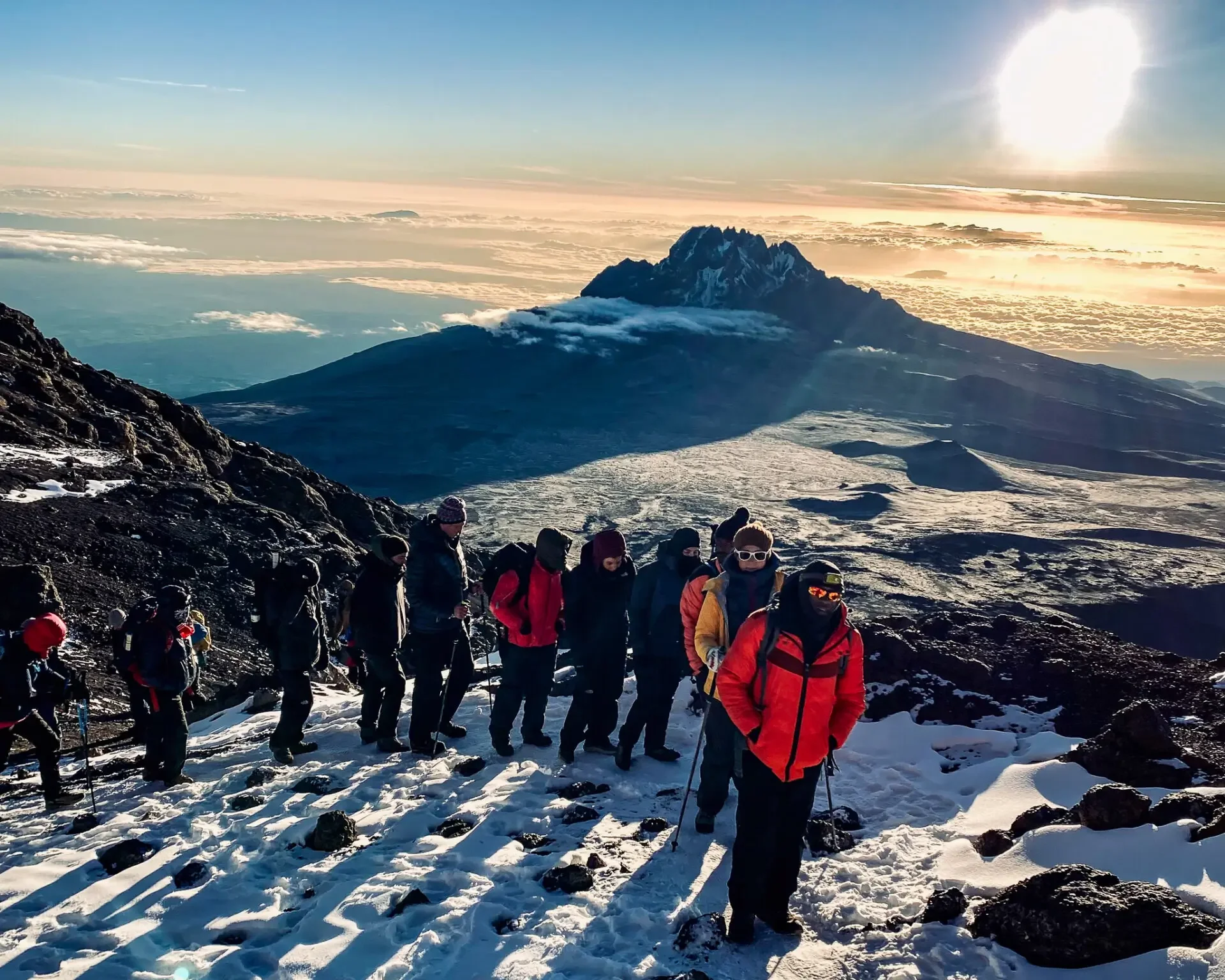
The Rongai Route approaches Kilimanjaro from its northern side — the Kenya border — where the mountain's rain shadow produces a drier climate, a quieter trail, and a remote landscape that southern-approach routes cannot offer. Seven days of tented camp trekking through five ecological zones, including the Mawenzi Tarn acclimatization camp at 4,330 metres, followed by three days in Zanzibar: one night in Stone Town, then the east coast at Paje, where the Indian Ocean's trade winds make the water turquoise and the kitesurfing wind never stops. Eleven days, Africa's highest mountain from its quietest approach, and the island's most wind-energised coast as the reward.
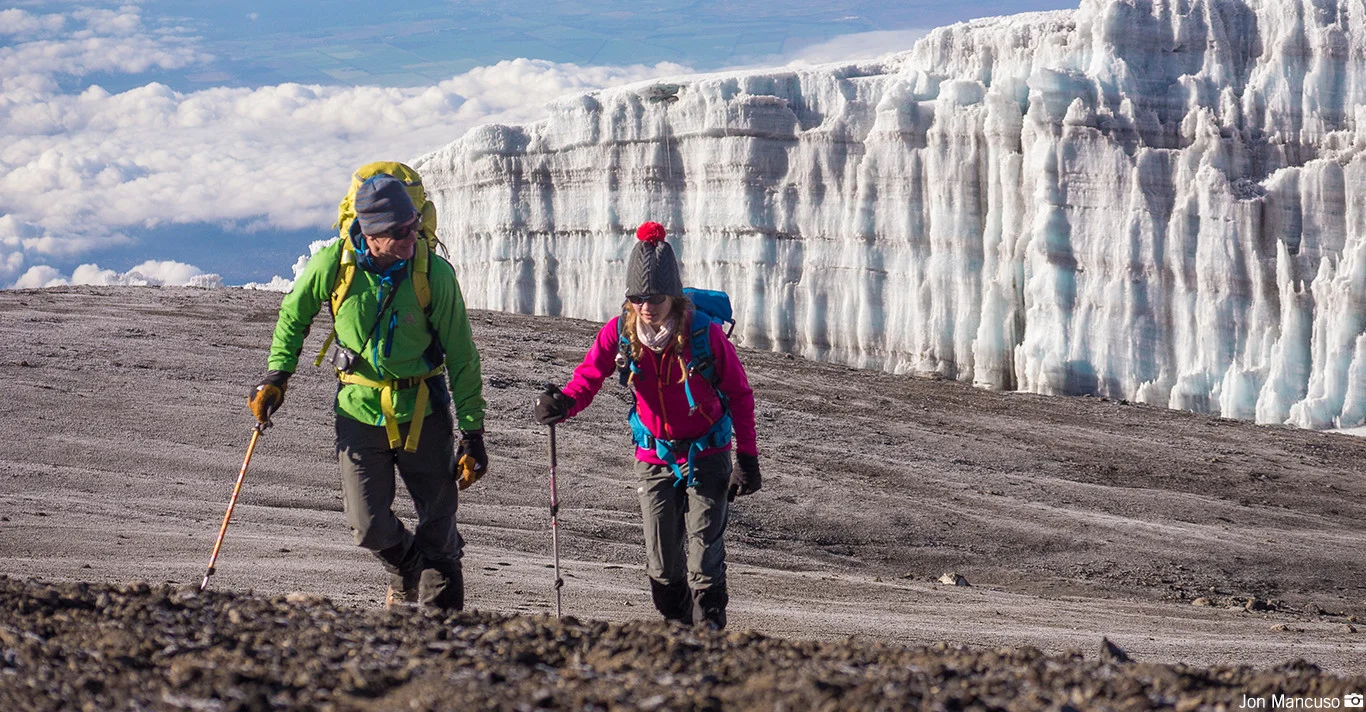
Summit Africa's highest peak via the Machame Route — Kilimanjaro's most popular path with a 70-80% success rate — then recover for one day before flying south to Tanzania's most undervisited wilderness. Days 9 through 12 swap the familiar northern circuit for a boat safari on the Rufiji River in Nyerere National Park and a fly-in afternoon in Ruaha, the country's largest national park. You begin at 5,895 metres on glacial ice. You end watching lions drink from a seasonal pool in baobab country, with almost no other vehicles in sight. This itinerary pairs two bucket-list experiences — Kilimanjaro's summit and Tanzania's southern circuit — in a combination that fewer than one percent of visitors to either destination will attempt. Note: Nyerere and Ruaha close mid-March through end of May during the long rains — this itinerary operates June through February only.
Seven days of altitude, volcanic rock, and a midnight walk to the highest point in Africa. Then a flight, a boat, and an exclusive island atoll where the Indian Ocean's house reef sits fifty metres from your banda door. This twelve-day itinerary pairs Kilimanjaro's Machame Route — summit at 5,895 metres, success rate 70-80%, one of the great walks on Earth — with Mnemba Island's private atoll experience: twelve bandas, a renowned dive site, dolphins feeding off the reef at dawn, and the specific luxury of having nothing to do that requires boots. The contrast between these two destinations is not incidental. It is the design.
Seven days on Kilimanjaro's Machame Route, summit at Uhuru Peak, descent complete. Then a flight to Zanzibar and a speedboat to Bawe Island — a 70-villa private-island resort by The Cocoon Collection, opened in 2024 on a coral islet five kilometres west of Stone Town. Four nights on Bawe: the infinity pool above the Zanzibar Channel, butler-service villas with private pools, a spa with Swahili-spice treatment menus, snorkelling from a private beach, and a morning boat across fifteen minutes of turquoise water to Stone Town's spice markets and coral-rag architecture. Summit, then private island. The contrast is geographic, climatic, and sensory — from sub-zero alpine desert to 30-degree tropical channel in a domestic flight.
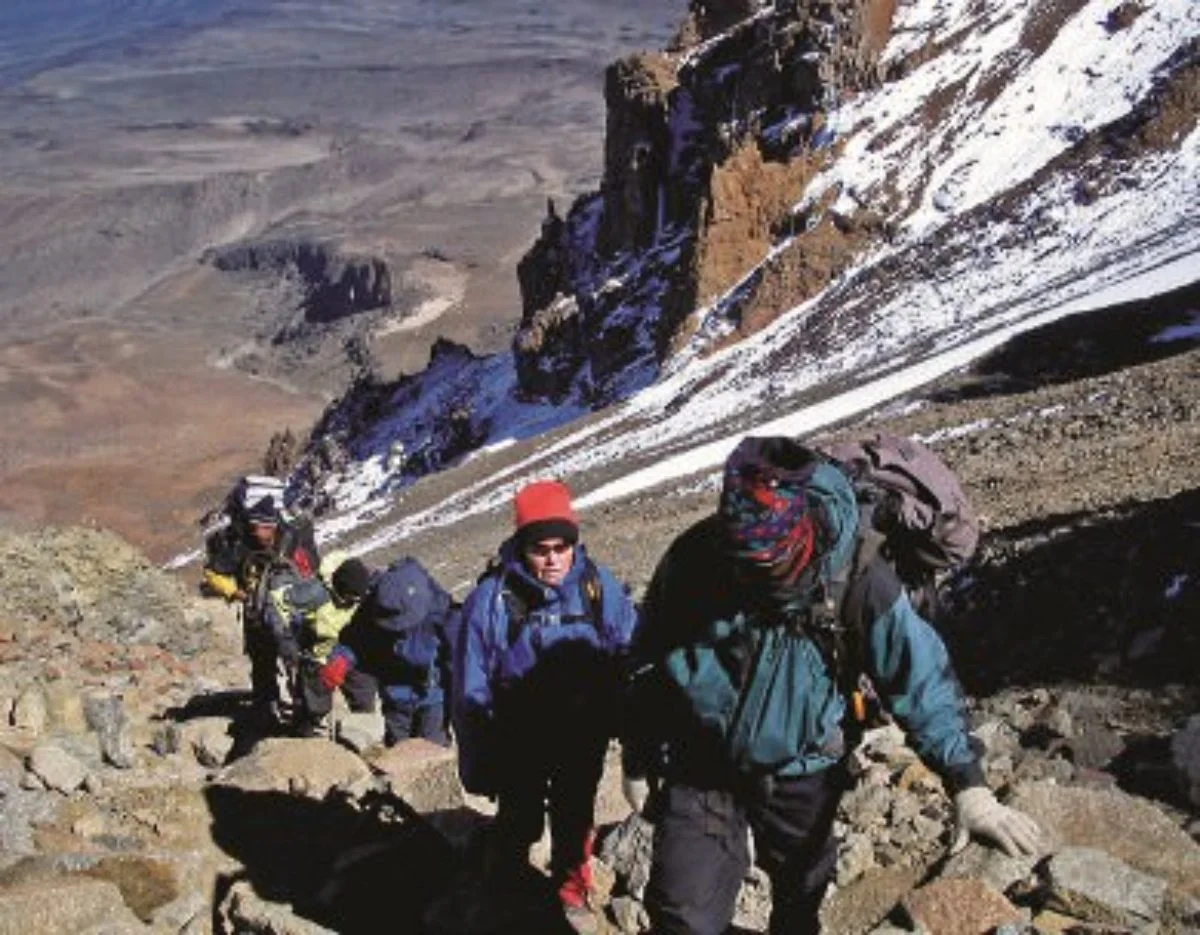
Climb Kilimanjaro via the Lemosho Route — the mountain's finest acclimatization path with an 85-90% summit success rate — then recover on the white sand beaches of Zanzibar. Eight days on the mountain through pristine western rainforest, across the Shira Plateau, over the Lava Tower acclimatization loop, and up to Uhuru Peak at sunrise. Then a flight to Zanzibar for one night exploring Stone Town's labyrinthine alleys and spice-scented markets, followed by three nights on the Indian Ocean coast where turquoise water and coral reefs undo what the mountain did to your body. No safari filler. No rushed transitions. Just the roof of Africa and the beach that heals the climb.
Tanzania is Africa's premier safari destination, drawing more than 90% of its visitors to the northern circuit — a sequence of parks that runs from the elephant country of Tarangire through the volcanic Ngorongoro highlands and into the vast grasslands of the Serengeti. For those with more time or a taste for solitude, the southern parks of Ruaha and Nyerere and the remote western wilderness of Mahale and Katavi offer fly-in alternatives where you may go entire game drives without seeing another vehicle.
The standard northern circuit runs in a single direction: Arusha → Tarangire → Lake Manyara → Karatu/Ngorongoro → Serengeti. Each leg follows a well-maintained road and there are no backtrack days, so the route works efficiently even on tighter schedules.
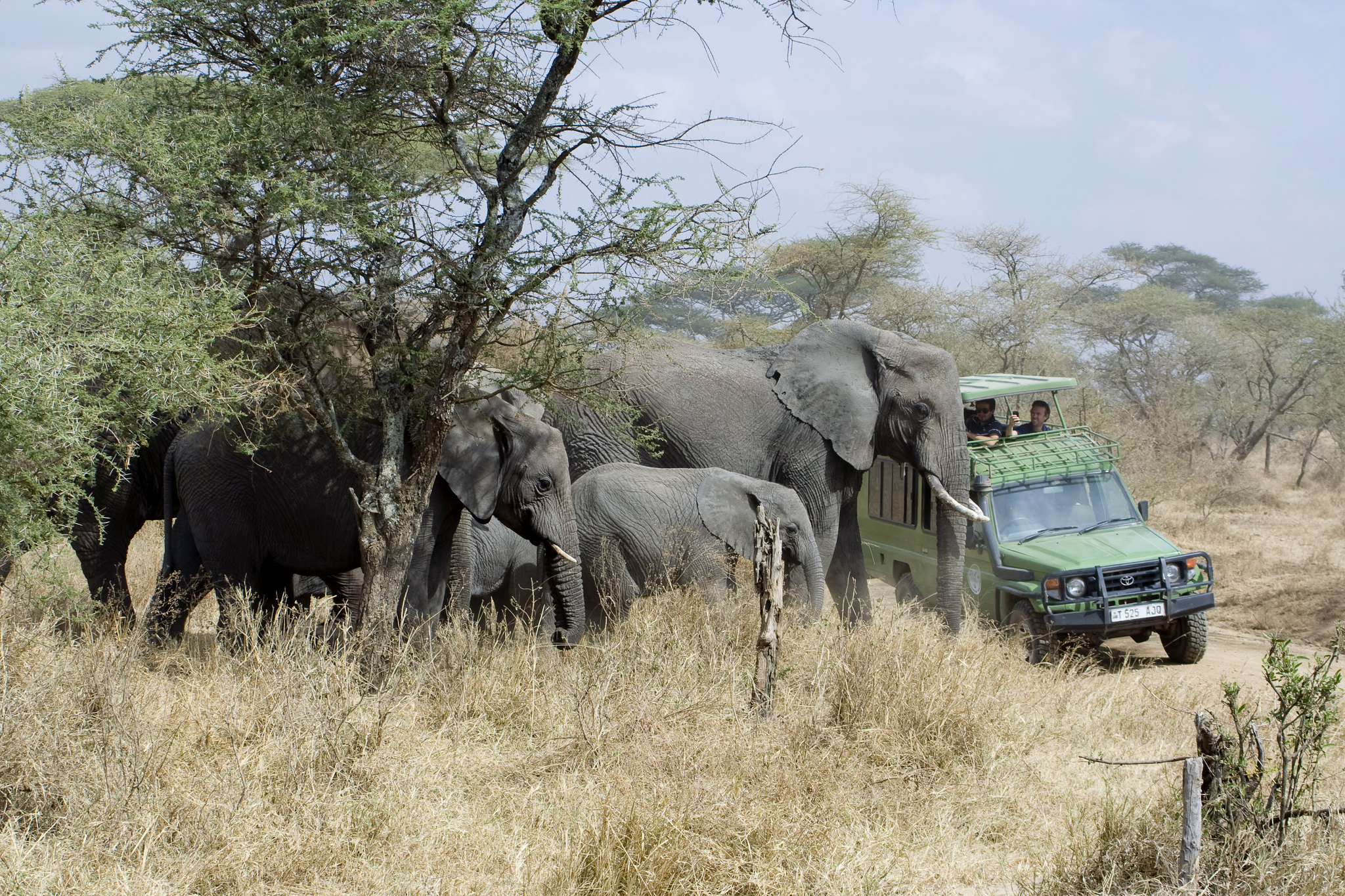
Tarangire National Park (2–2.5 hrs from Arusha): Africa's highest elephant densities in the dry season, ancient baobab forests, and 550+ bird species. Park fee: $59.10/adult/day. Best June–October when the Tarangire River acts as the only water source for miles around and animals converge in thousands.
Lake Manyara National Park (1.5–2 hrs from Tarangire gate): Famous for its tree-climbing lions, groundwater forest, and flamingo-ringed alkaline lake. A half-day here pairs well with a stay in Karatu, 30–45 minutes away. Park fee: $59.10/adult/day.
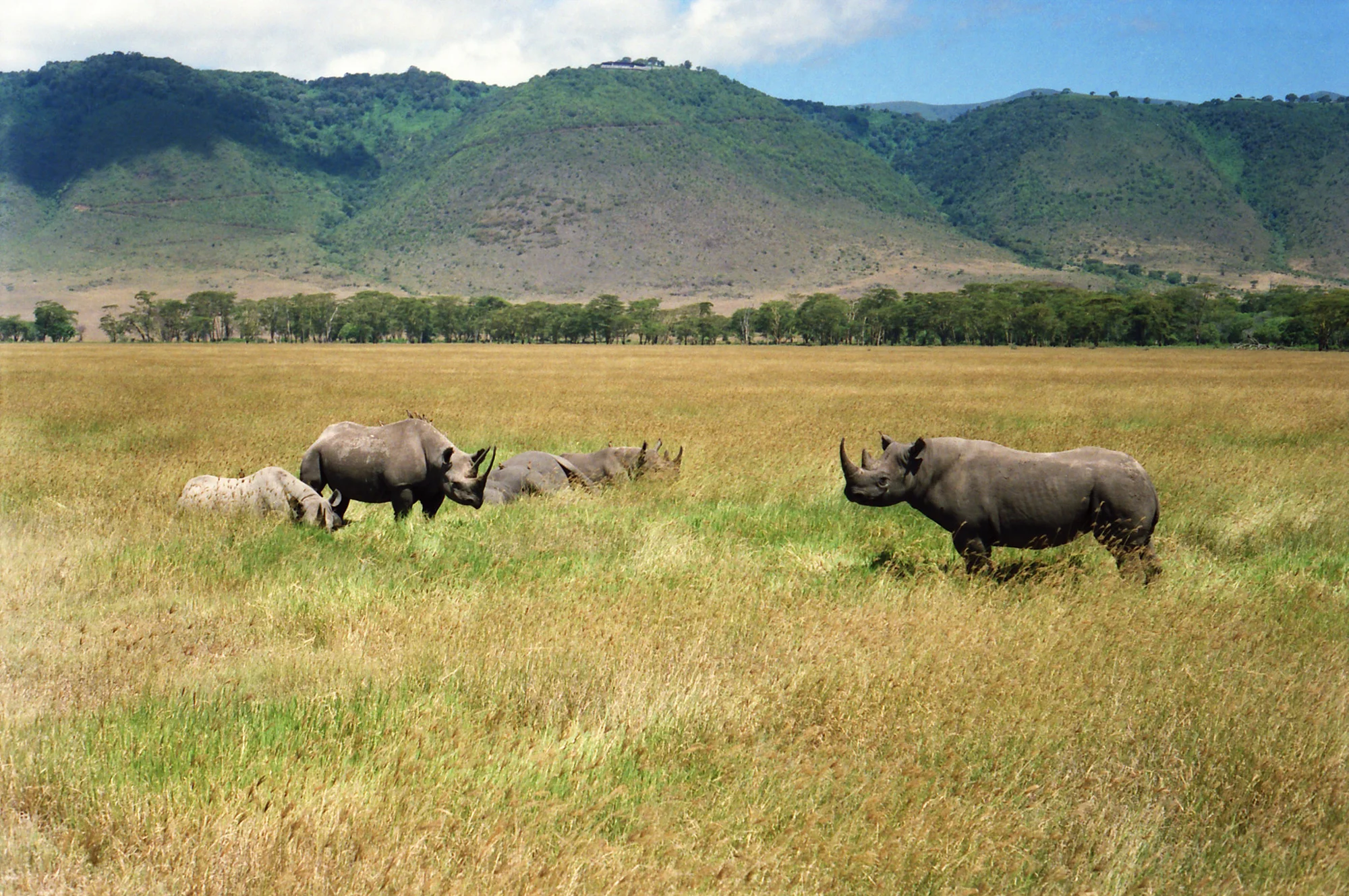
Ngorongoro Conservation Area (20–30 min from Karatu): The crater — 264 sq km on its floor — holds one of Africa's densest wildlife populations: black rhino, lion, elephant, buffalo, and cheetah compressed into a world-heritage caldera. Karatu is the standard overnight base (45 min to the crater rim), though rim lodges are available for those who want the crater at their doorstep. NCA conservation fee: $82.60/adult/day. The crater floor has a strict 6-hour maximum stay per visit.
Serengeti National Park (3–4 hrs from Karatu via Ngorongoro): Africa's most iconic savanna. Park fee: $82.60/adult/day. The Serengeti has four distinct areas — central Seronera (year-round predators, the standard base), southern plains/Ndutu (calving December–March), western corridor (Grumeti River crossings in June), and northern Kogatende (Mara River crossings July–October). Which part you visit should depend on your travel dates.
Cross-links: great migration timing · Kilimanjaro climbing · Zanzibar safari and beach combos
Tanzania's southern parks sit in a different league from the north: more remote, with fewer visitors, a longer immersion required, and experiences not possible in the national parks — boat safaris, walking safaris, fly-camping.
Ruaha National Park covers 20,226 sq km, making it Tanzania's largest national park. It holds an estimated 10% of the world's remaining lions, the largest elephant population in East Africa, and is one of very few places where both greater and lesser kudu coexist. The relative quiet is matched by a relative bargain on fees: $35.40/adult/day, less than half the Serengeti rate. Flying from Dar es Salaam takes roughly two hours.
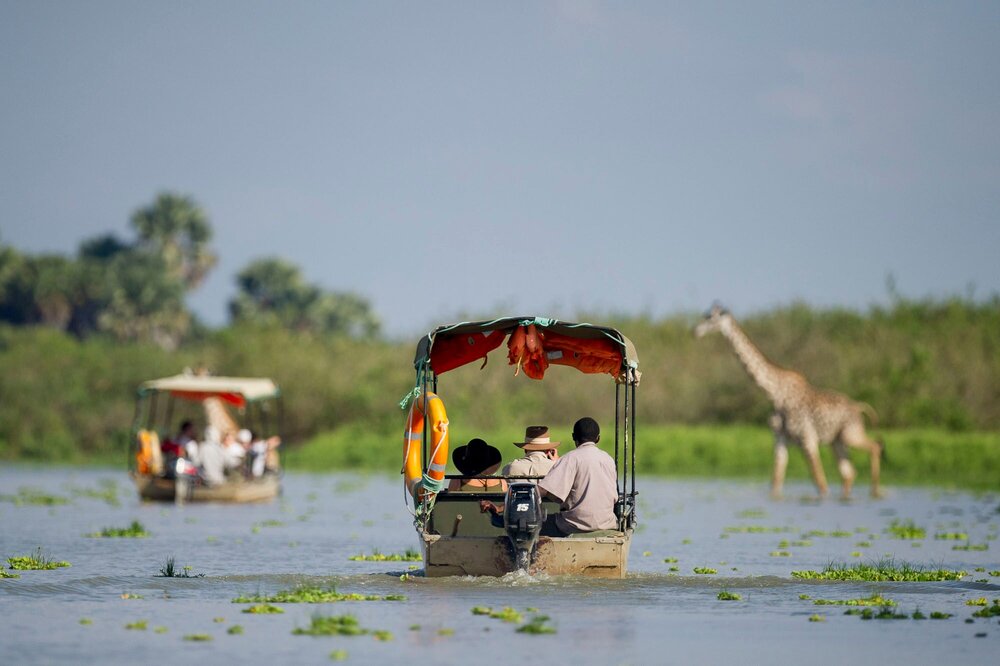
Nyerere National Park (formerly the Selous Game Reserve) is Africa's largest protected area and the only park in Tanzania offering Rufiji River boat safaris — the hippos and crocodiles come to you rather than the other way round. Walking safaris and fly-camping are also permitted. Park fee: $82.60/adult/day. Gateway: Dar es Salaam, 30–45 minutes by air or 4–5 hours by road. Most camps close March–May during the long rains.
For true remote wilderness, the western circuit adds Katavi (vast dry-season hippo and crocodile spectacles, June–October only) and Mahale (chimpanzee trekking on the shore of Lake Tanganyika). Both are fly-in only destinations requiring at minimum three to four nights each.
Cross-links: Tanzania's remote southern parks
| Month | Best area | Notes |
|---|---|---|
| Dec–Mar | Southern Serengeti (Ndutu) | Calving season — 500,000 wildebeest born; intense predator action |
| Jun | Western Corridor (Grumeti) | Grumeti River crossings; far fewer vehicles than the north |
| Jul–Oct | Northern Serengeti (Kogatende) | Mara River crossings; peak season — book well ahead |
| Jun–Oct | Tarangire | Dry season: elephant herds at Tarangire River |
| Jun–Oct | Ngorongoro, Ruaha, Nyerere | Peak dry across all parks — reliable game viewing |
| Apr–May | Anywhere | Long rains; most southern camps close; not recommended |
The largest variable is lodge tier. Verified accommodation rack rates for Tanzania mainland (per double room per night, high season, full-board including game drives) run: mid-range $200–$420, luxury $500–$850, and ultra-luxury $900–$4,000. Park fees add to this: Serengeti and Ngorongoro are $82.60/adult/day; Tarangire and Lake Manyara are $59.10/adult/day; Ruaha and Mikumi are $35.40/adult/day.
The prices on this site are per person, direct from the operator — no middleman markup layered on. For comparison between budget and luxury options, see value-tier Tanzania safaris and Tanzania's top luxury lodges.
The international gateway for Tanzania's northern circuit is Kilimanjaro International Airport (JRO), about 45 km east of Arusha. Most international visitors fly via Nairobi, Addis Ababa, Dubai or Doha. Arusha is 2–2.5 hours from Tarangire gate. For the southern circuit the gateway is Dar es Salaam Julius Nyerere International Airport (DAR).
Bush flights from Arusha connect to all northern-circuit airstrips: Seronera (central Serengeti) in approximately 1 hour, Ndutu in approximately 1 hour, and Kogatende (northern Serengeti) in approximately 1.5 hours. If you start or finish in Nairobi, see Tanzania safari from Nairobi.
Tanzania for the Great Migration's full arc — three of its four seasonal phases happen on the Tanzanian side of the border, in the Serengeti. Also Tanzania for Kilimanjaro, Zanzibar, and the southern wilderness parks that have no Kenyan equivalent. Kenya for conservancy experiences (night drives, walking safaris, horseback) that are not permitted in Tanzania's national parks, easier access from Nairobi, and northern dry-country specials in Samburu that you won't find in the south. Many itineraries combine both countries. See Kenya safari itineraries.