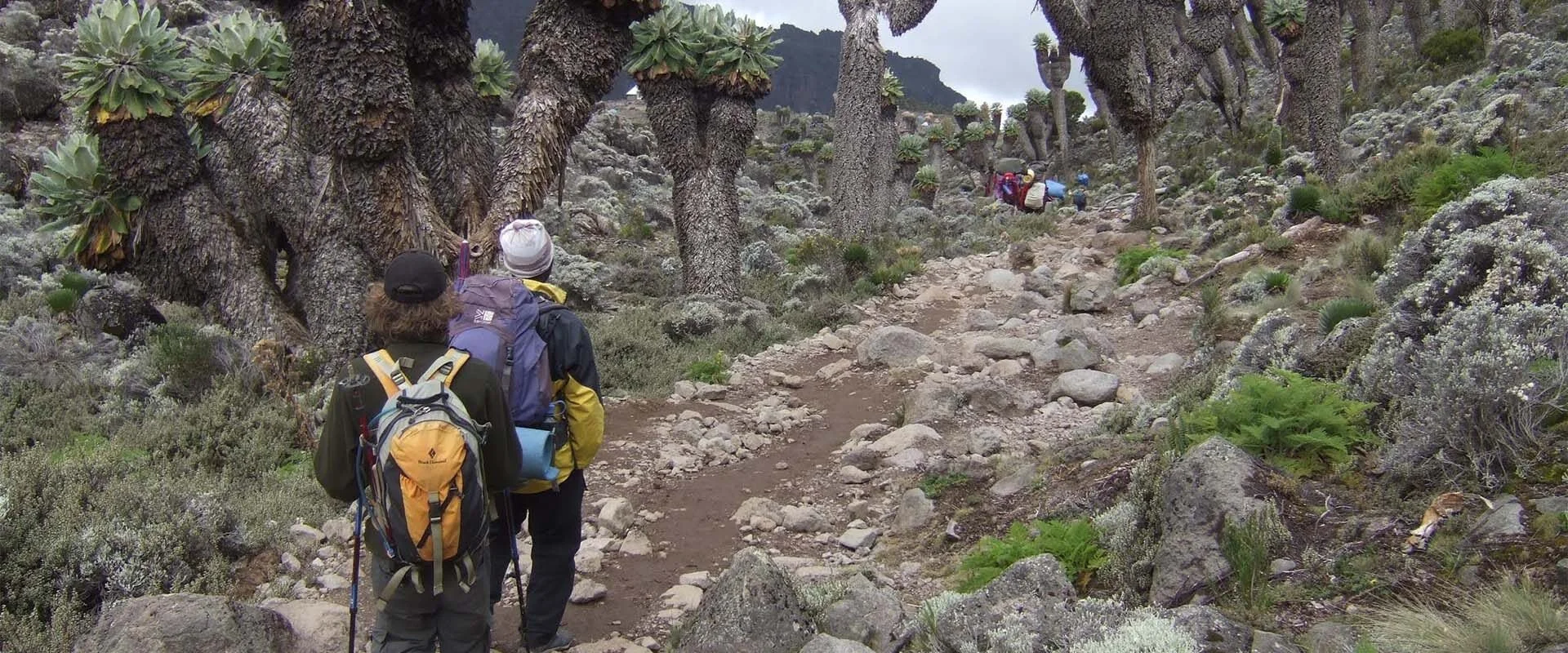
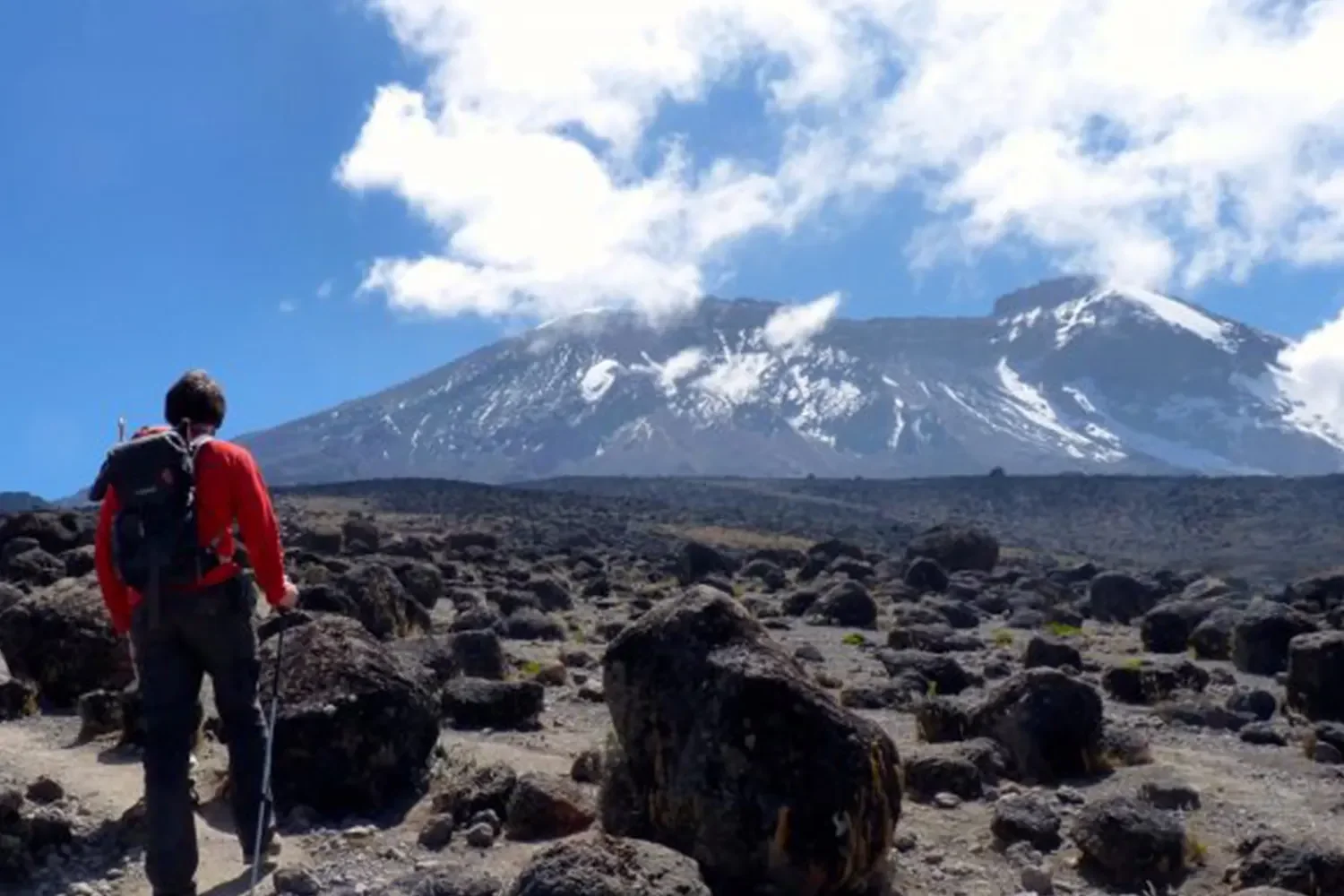
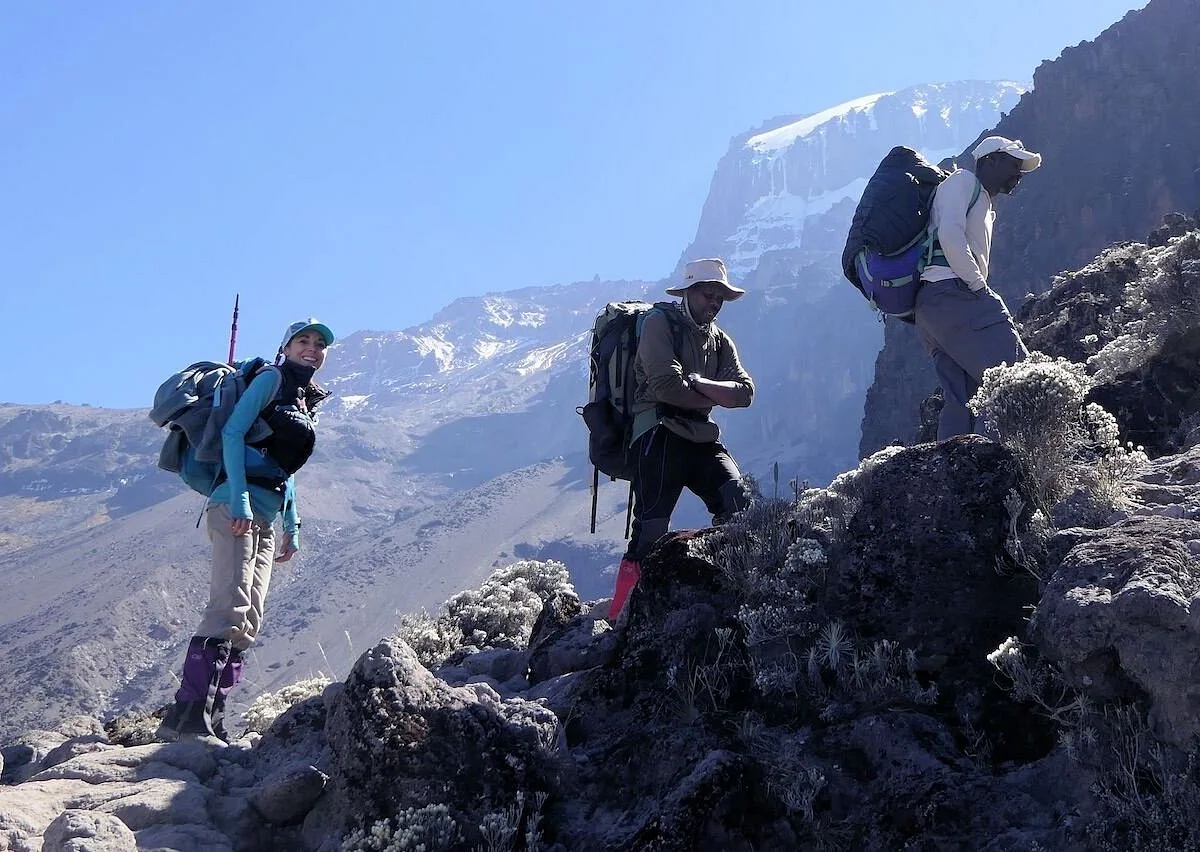
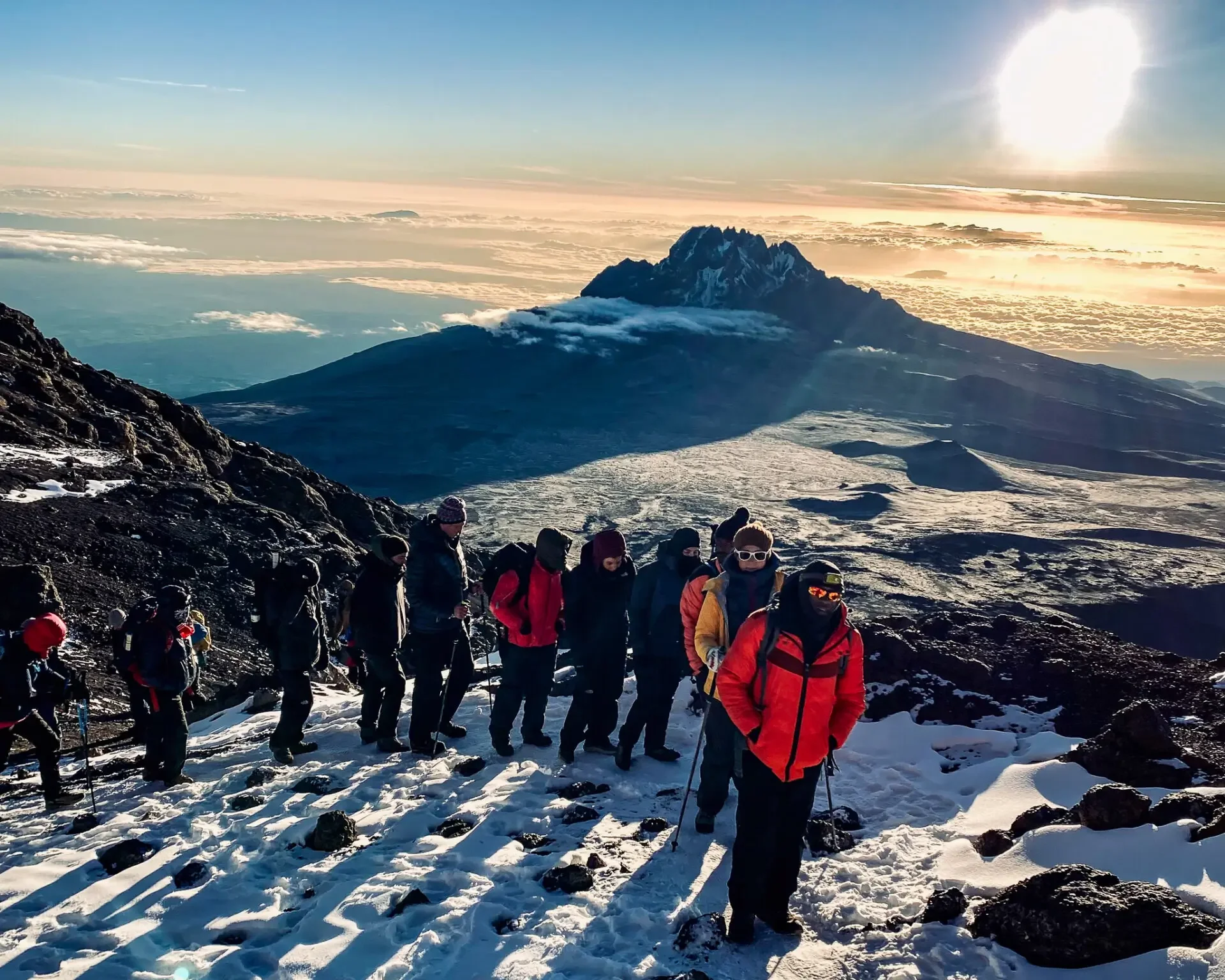
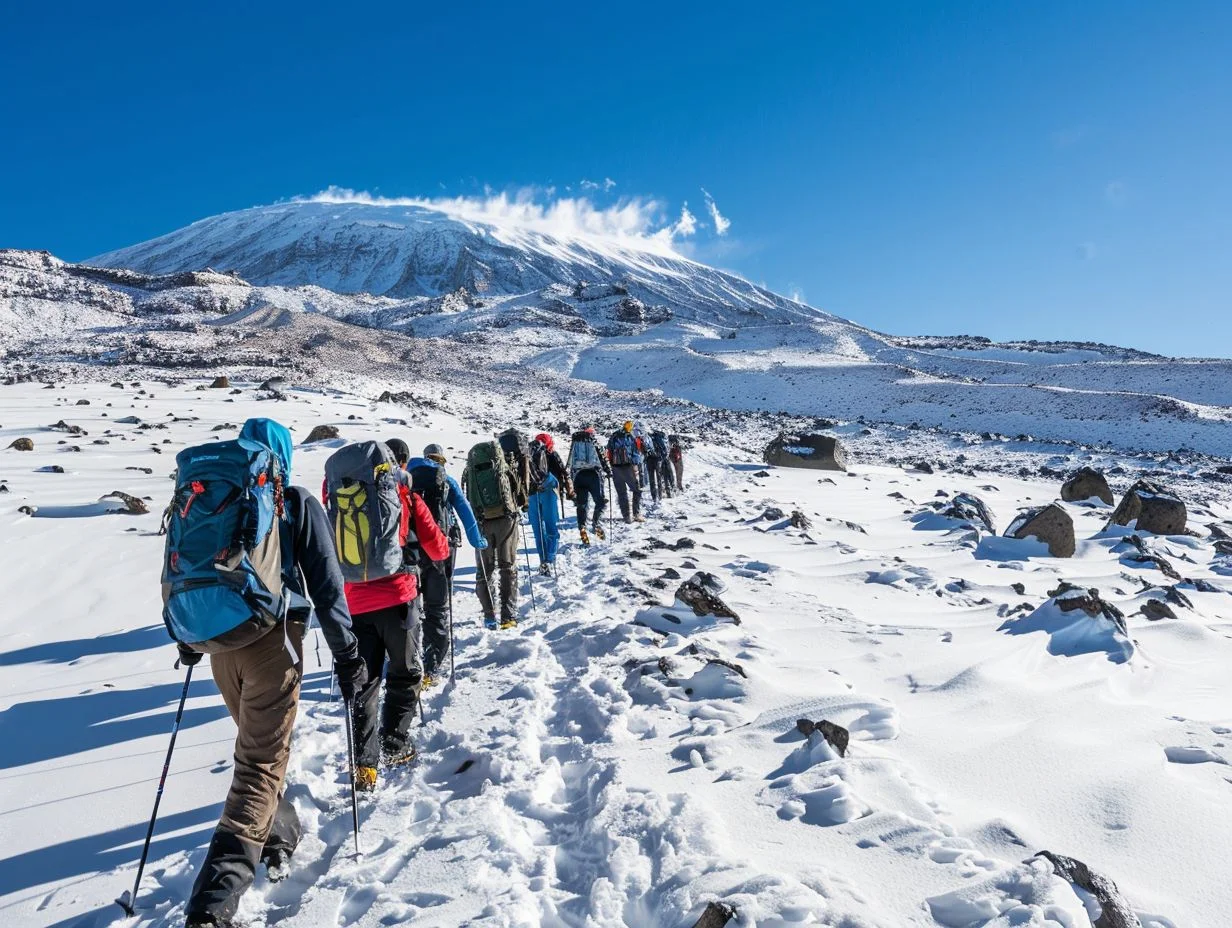
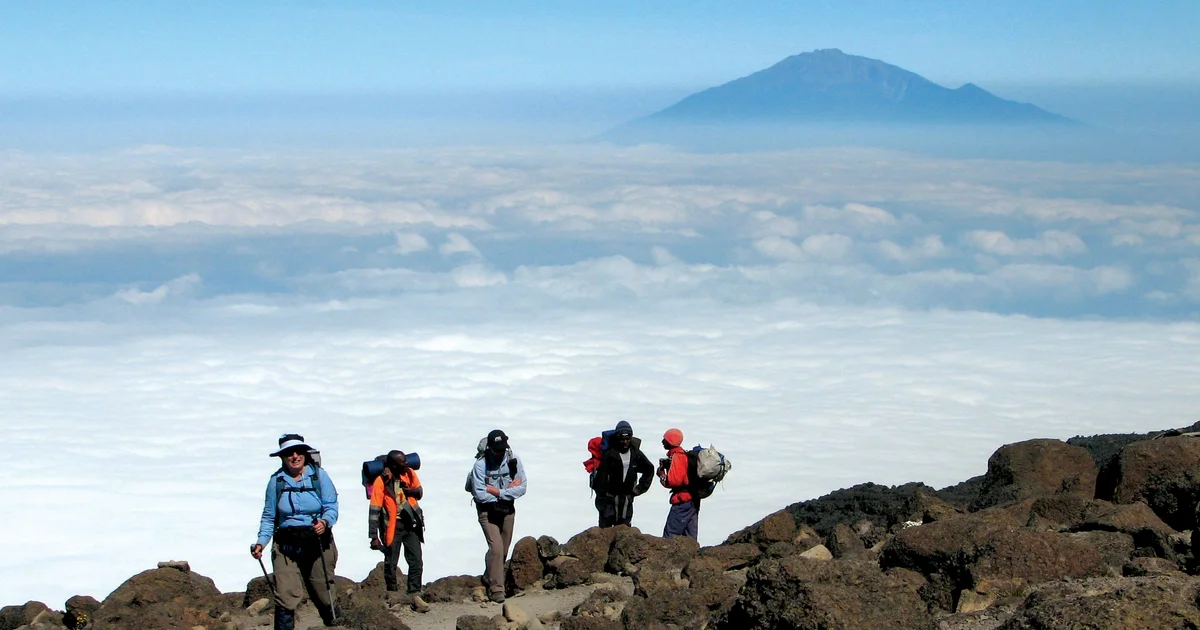
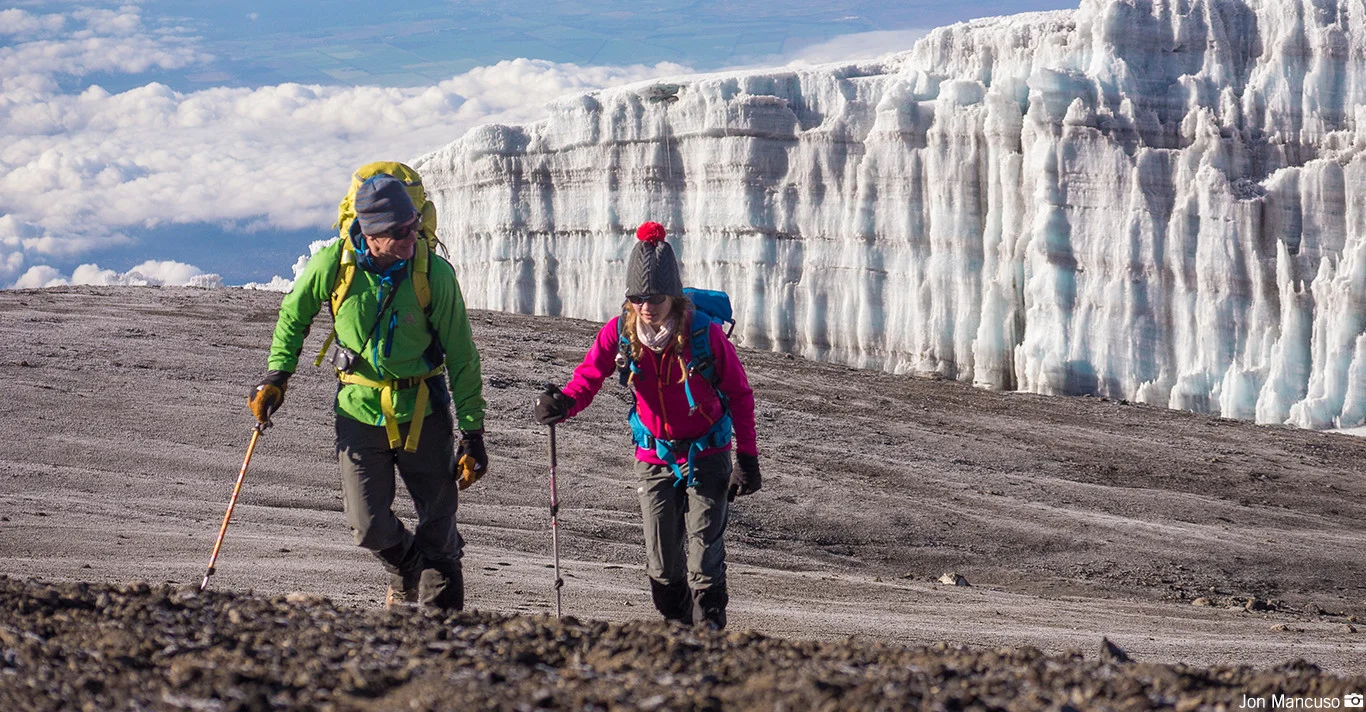
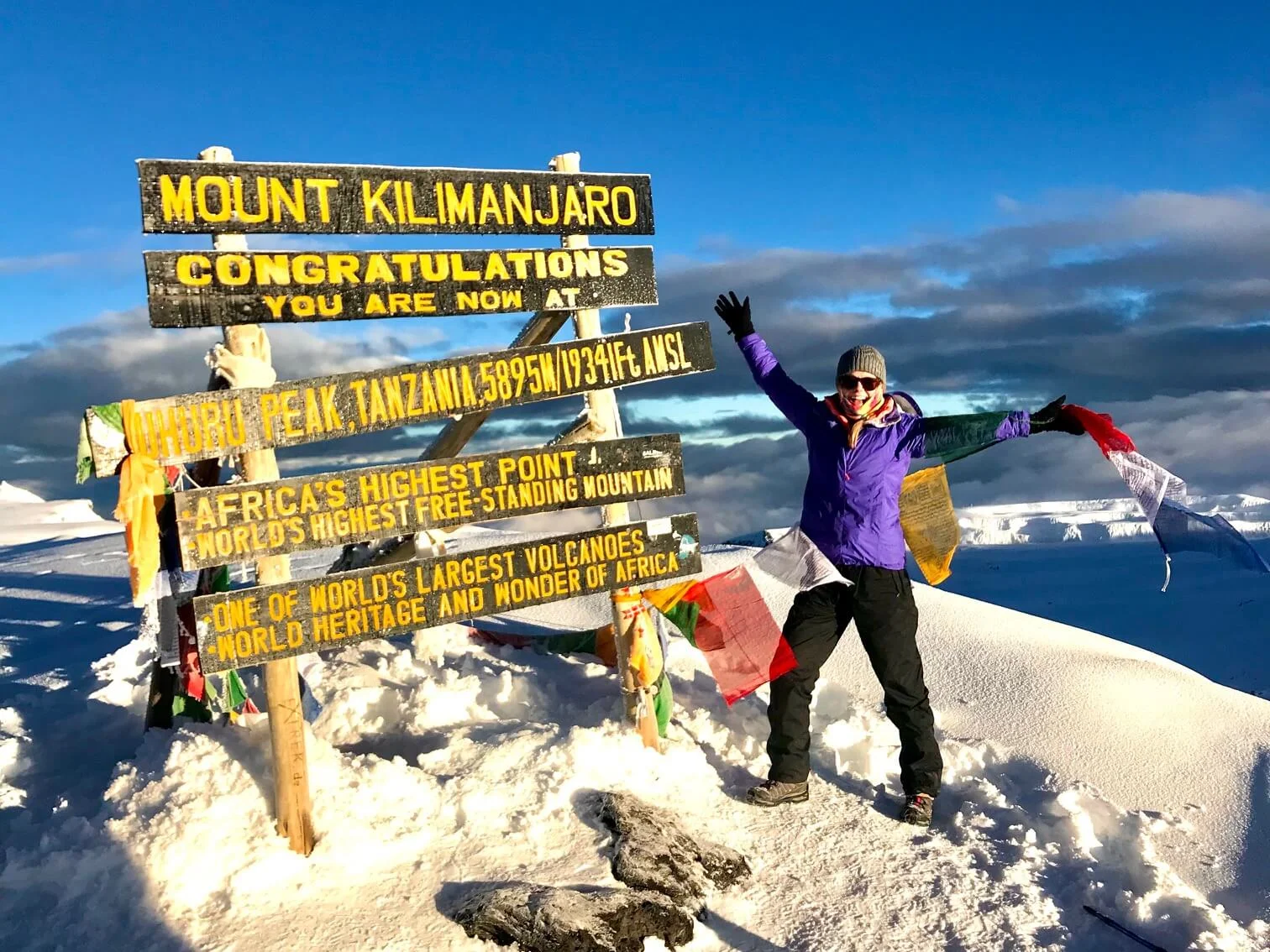
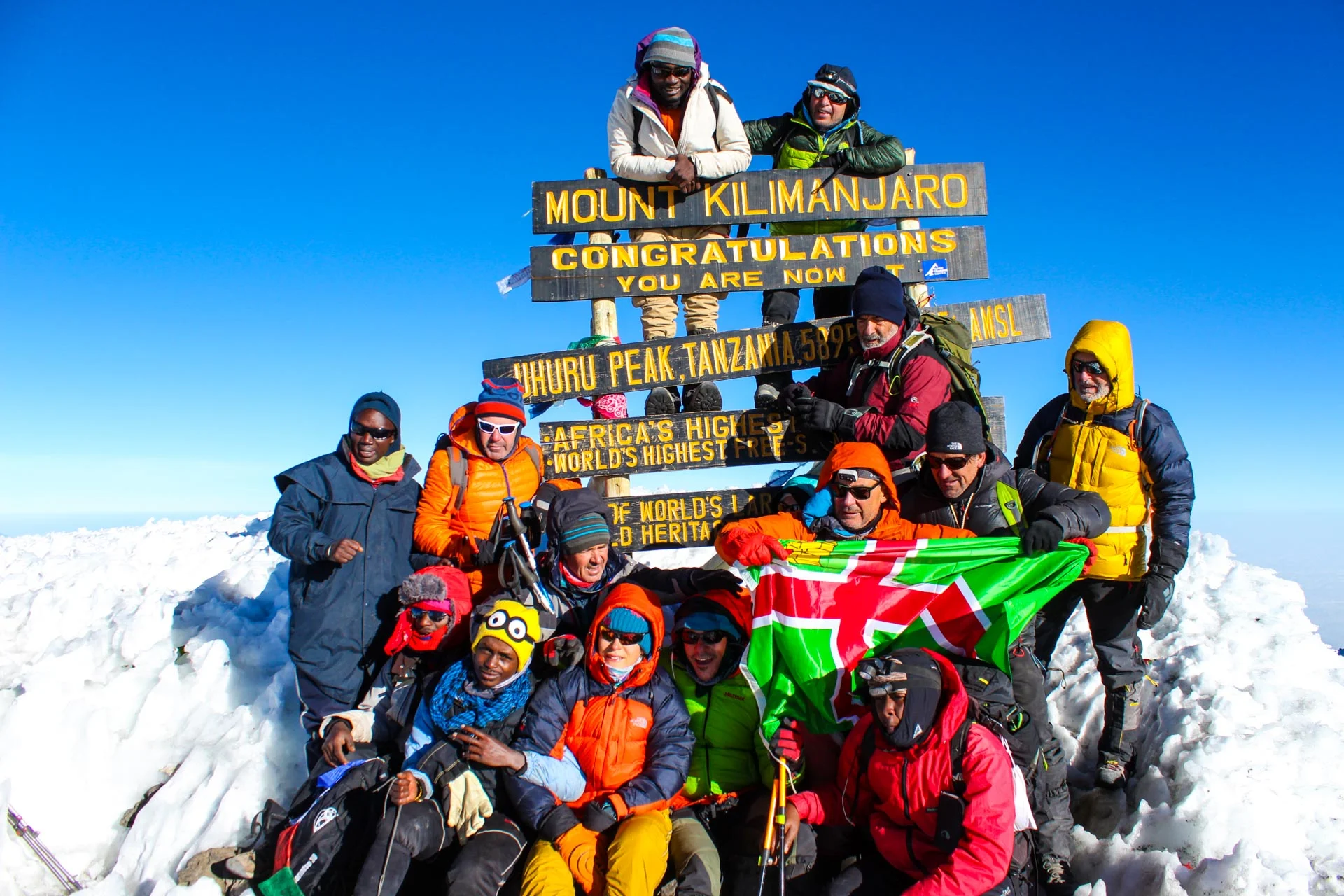
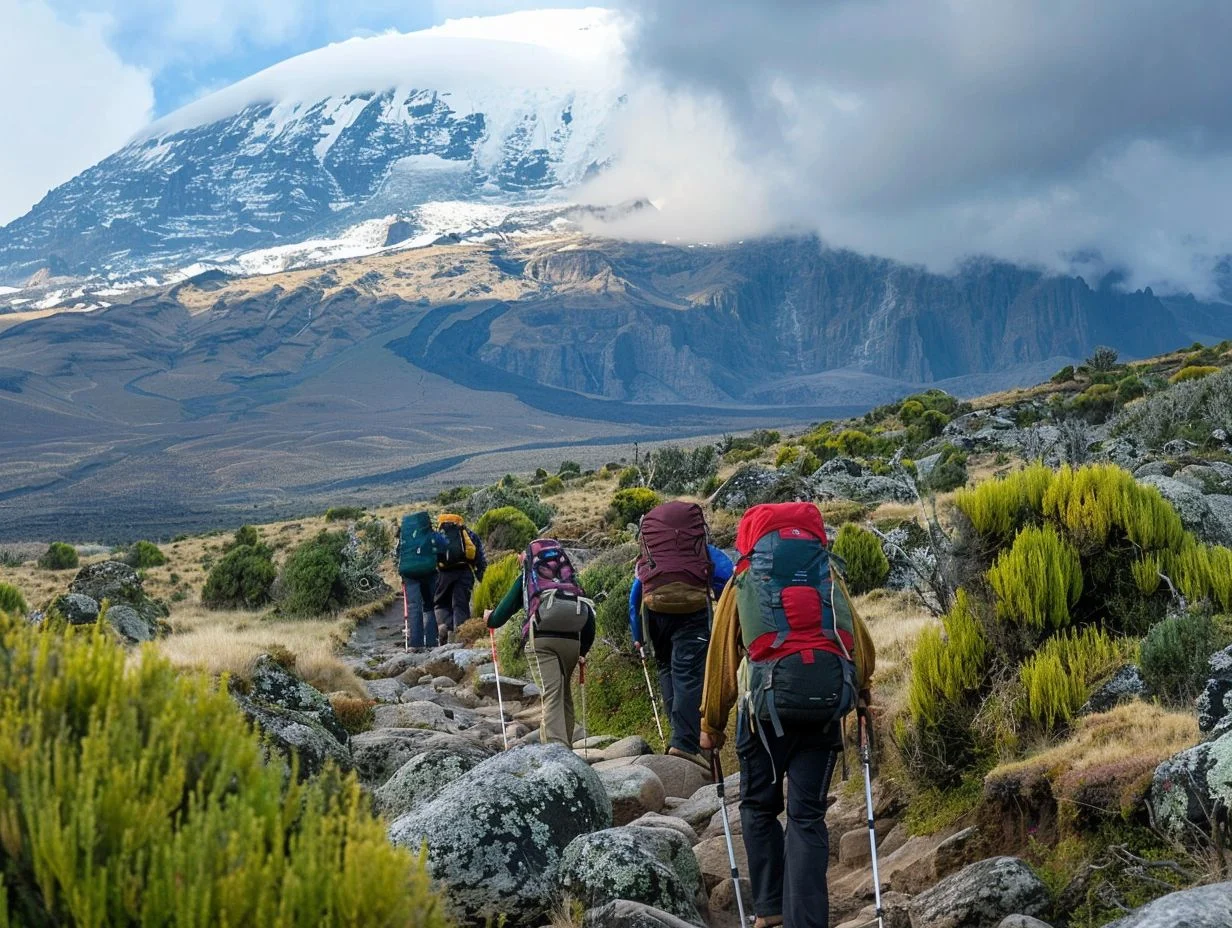
Mount Kilimanjaro is the highest mountain in Africa at 5,895 m (Uhuru Peak) and the most accessible of the world's great summits — no technical climbing, just a long, high walk that hinges almost entirely on acclimatisation. The single biggest factor in reaching the top is the number of days you spend ascending, so choosing the right route matters more than fitness alone.
The main routes#
| Route | Days | Success rate | Character |
|---|
| Marangu ("Coca-Cola") | 5–6 | 50–60% | Only hut route. Lowest success — shortest acclimatisation. |
| Machame ("Whiskey") | 6–7 | 70–80% | Most popular. Scenic camp-based route. |
| Rongai | 6–7 | 75–80% | Drier northern approach; quieter than Machame. |
| Lemosho | 7–8 | 85–90% | Best acclimatisation profile and scenery; remote western start. |
| Northern Circuit | 8–9 | 90%+ | Longest route. Circumnavigates the summit cone. Highest success rate of any route. |
Park fees are $82.60 per person per day; a 7-day Machame climb accumulates approximately $700+ pp in fees alone. Budget this separately when comparing operator quotes.
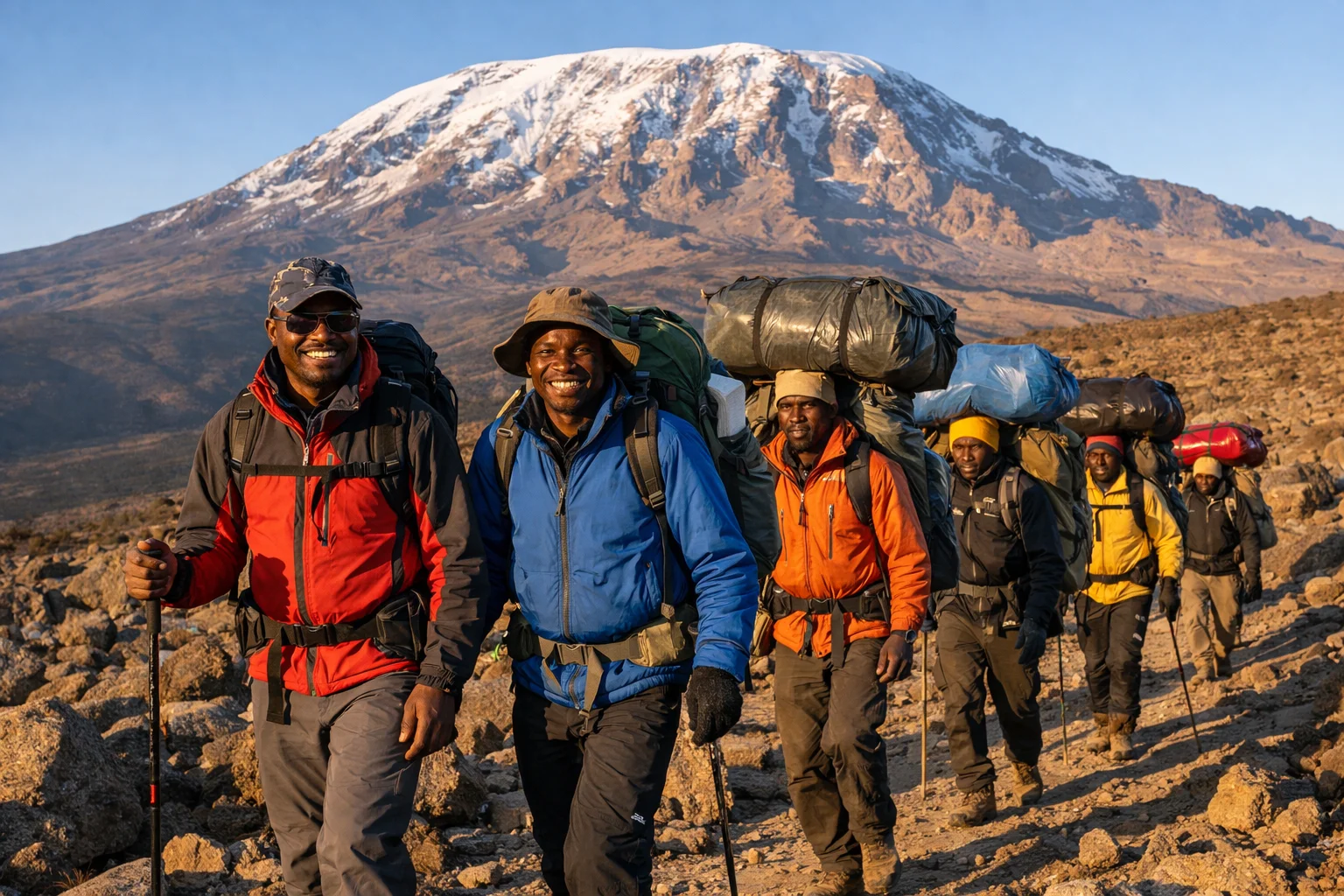
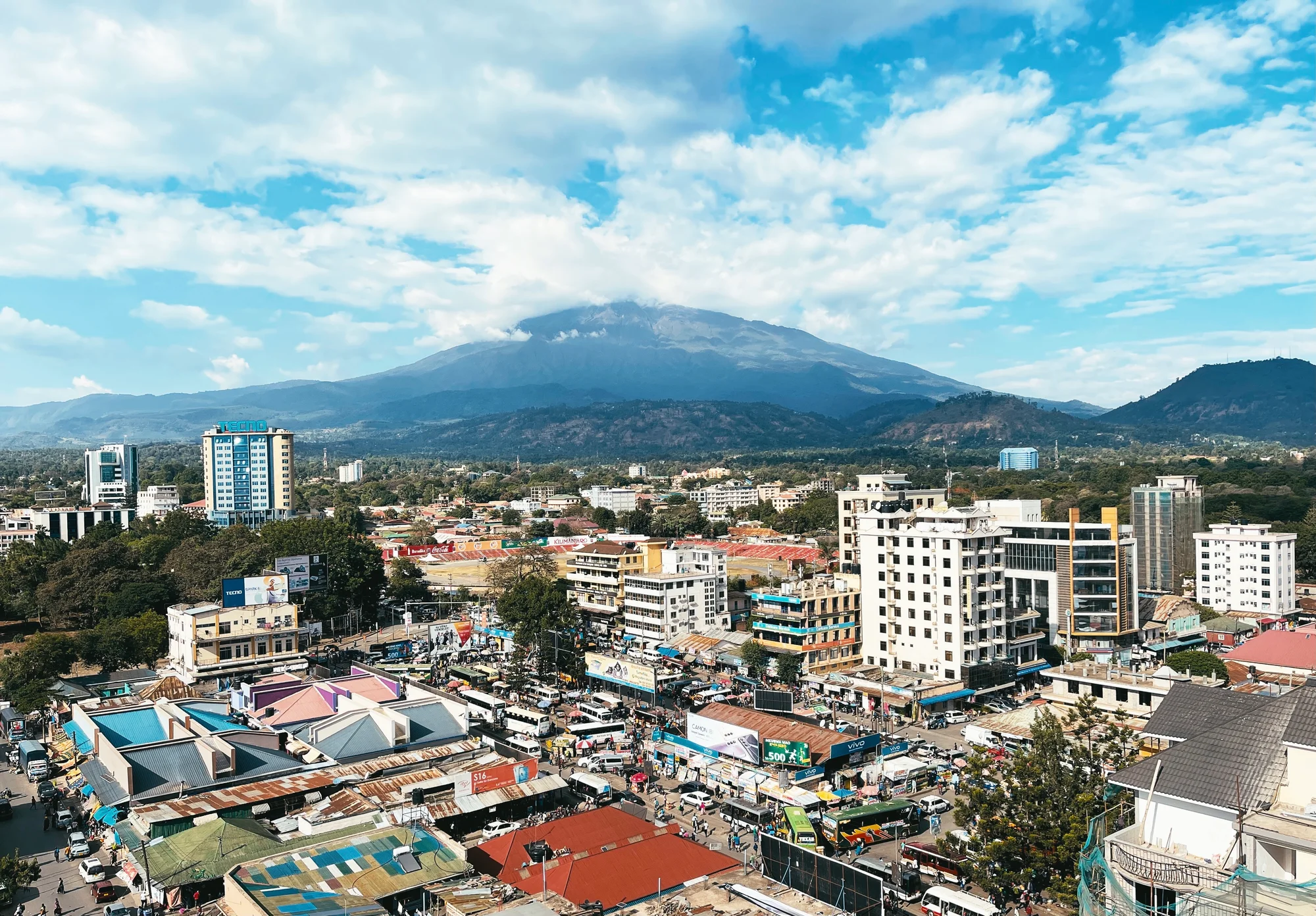
Moshi (not Arusha) is the base town — about 45 minutes from JRO airport. Most trailheads (Machame, Marangu, Rongai) are 45–60 minutes from Moshi; Londorossi Gate (used by Lemosho and the Northern Circuit) is approximately 2 hours from Moshi. All routes require licensed guides, porters and a cook; independent trekking is not permitted.
Give the mountain as many days as you can. More days mean better acclimatisation and a significantly higher chance of summiting — the gap between the Marangu 5-day (50–60%) and the Northern Circuit 8–9-day (90%+) makes the case clearly. The Lemosho and Northern Circuit are the best choices for anyone who can allocate the time. Machame remains the most popular for those wanting a 6–7-day option.
The standard advice is at least one full rest day between the descent and a dawn-to-dusk game drive — two days is better. You descend Kilimanjaro tired after 6–9 days at altitude; a Serengeti drive the next morning will not be enjoyed. Many travellers climb first and recover on safari. Browse the trek and trek-plus-safari itineraries below.
 Tours
Tours Ultra luxePrivé