NoMiddleManTours

Tour packages

Off the Beaten Path Safari

Southern and western Tanzania, northern Kenya — vast, fly-in wildernesses where you can drive all day and rarely see another vehicle.

485 viajes encontrados

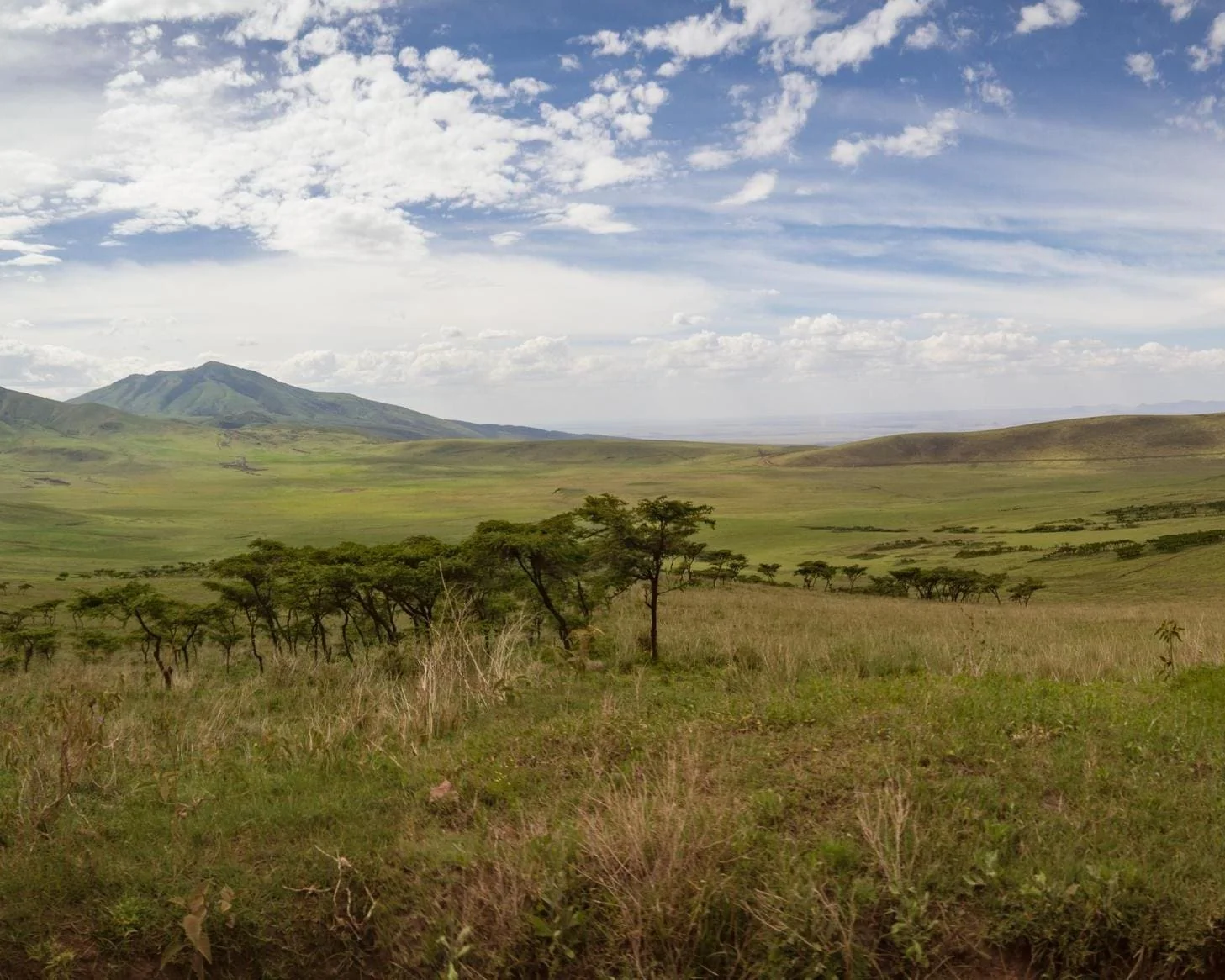
If you have done the headline parks, or simply want wilderness without crowds, the best of East Africa lies off the main circuits. These itineraries head to the genuinely remote corners — places reached by light aircraft, where exclusivity is the whole point.

Where the crowds aren't#

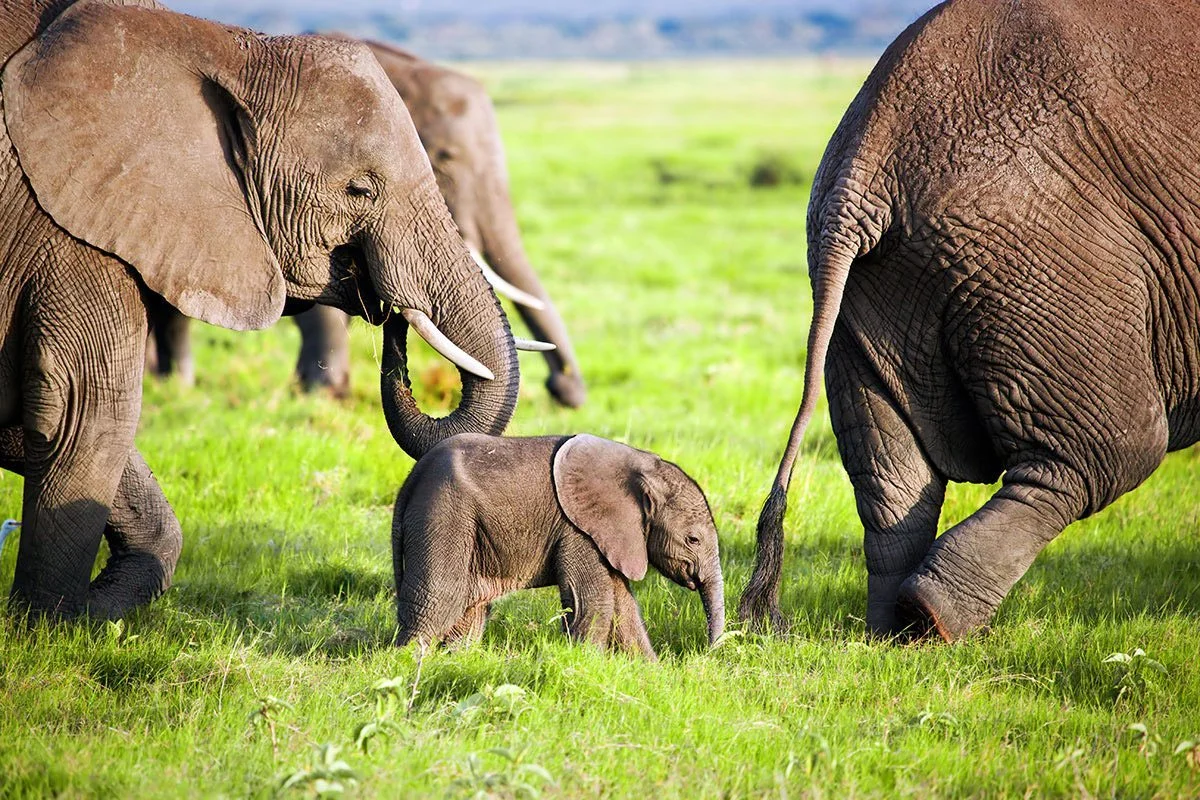
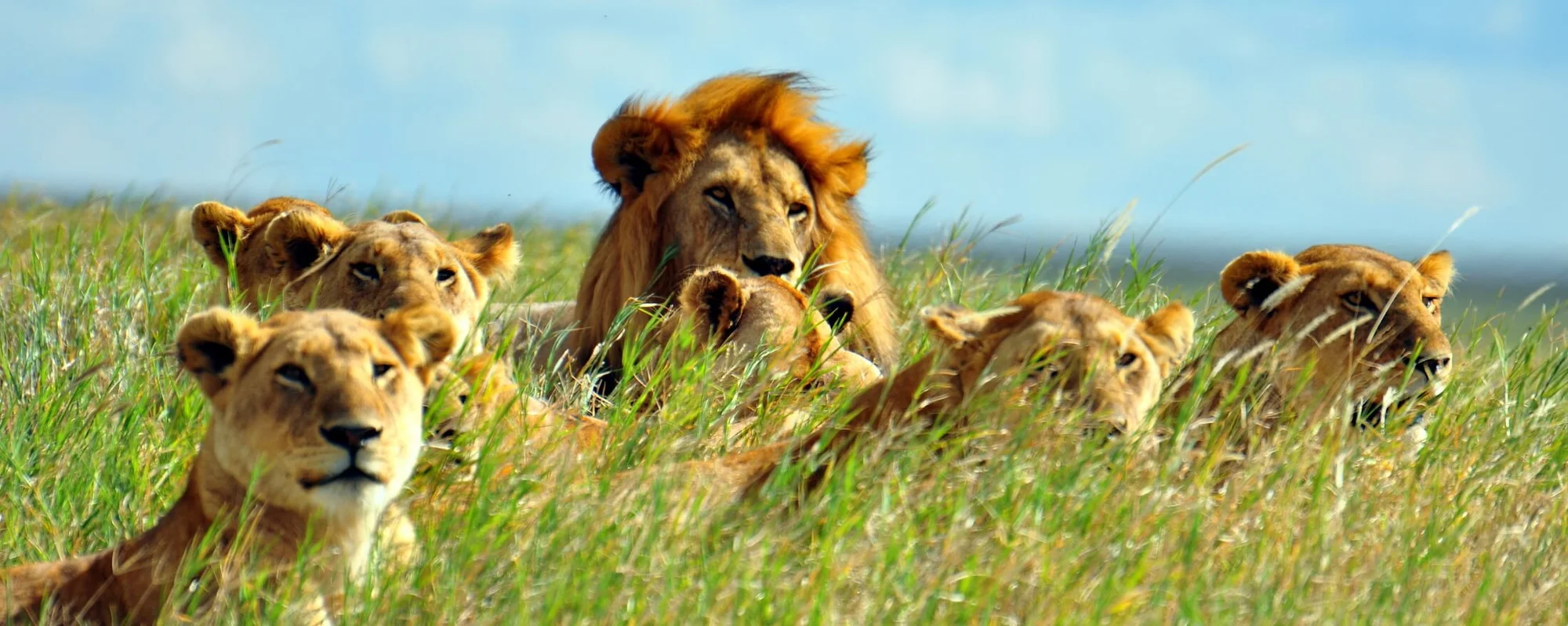
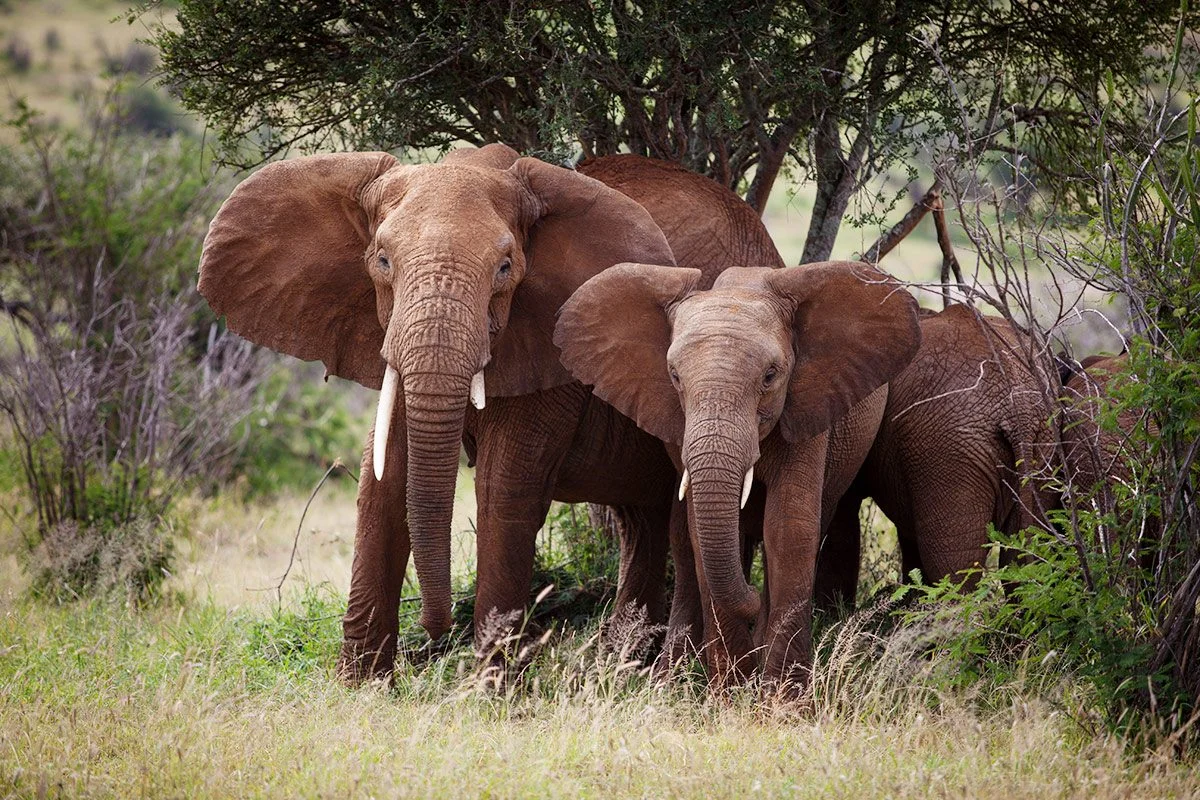
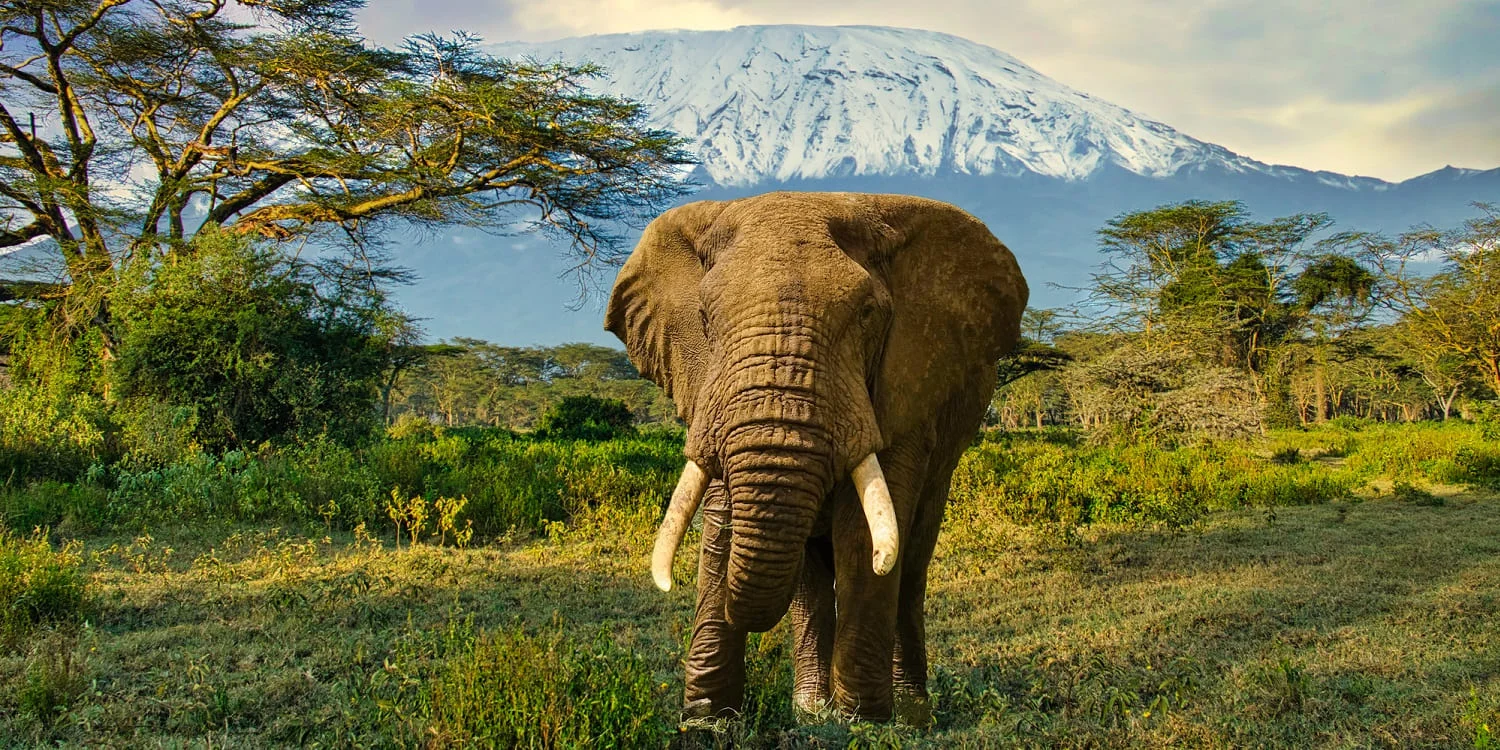
  • Southern TanzaniaRuaha holds an estimated 10% of the world's remaining lions and the largest elephant population in East Africa, with a fraction of the visitors of the northern circuit; park fees are lower too ($35.40/adult/day versus $82.60 in the Serengeti). Nyerere (formerly the Selous Game Reserve) covers 30,000 sq km of protected wilderness — one of the largest in Africa — and is the only southern-circuit park offering Rufiji River boat safaris alongside walking safaris and fly camping.

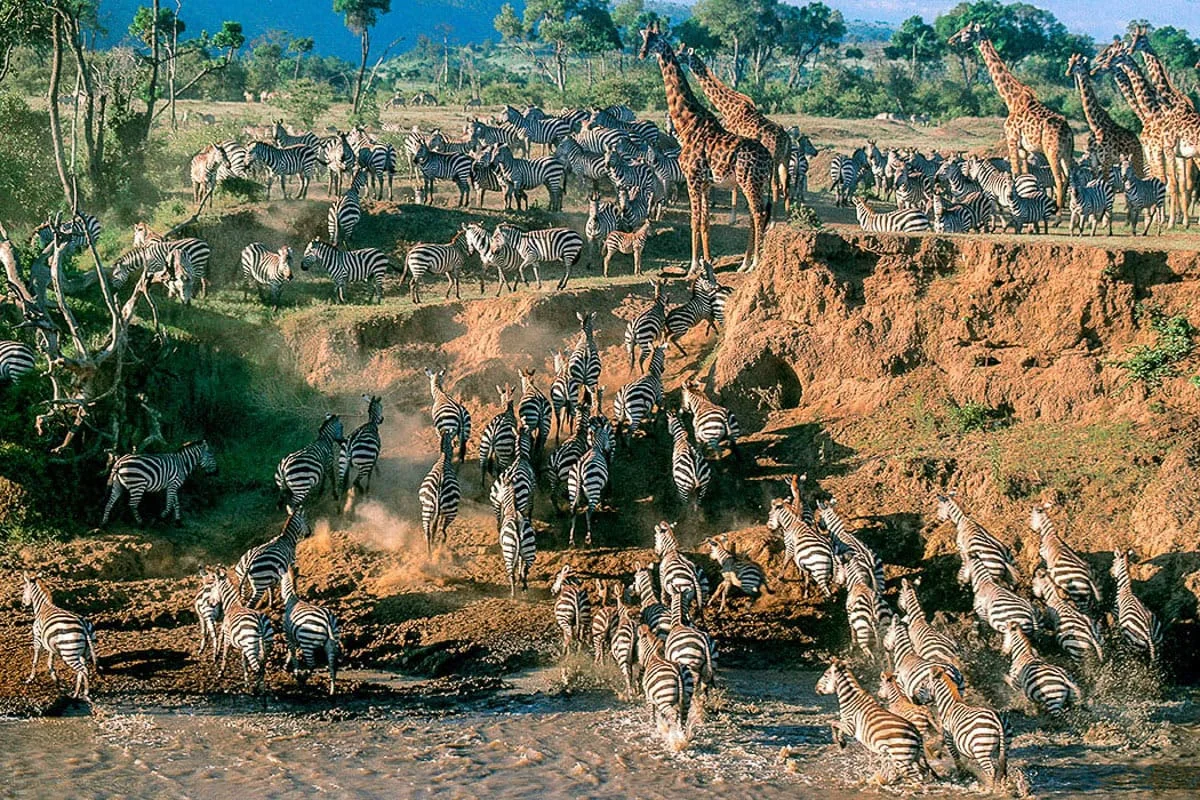
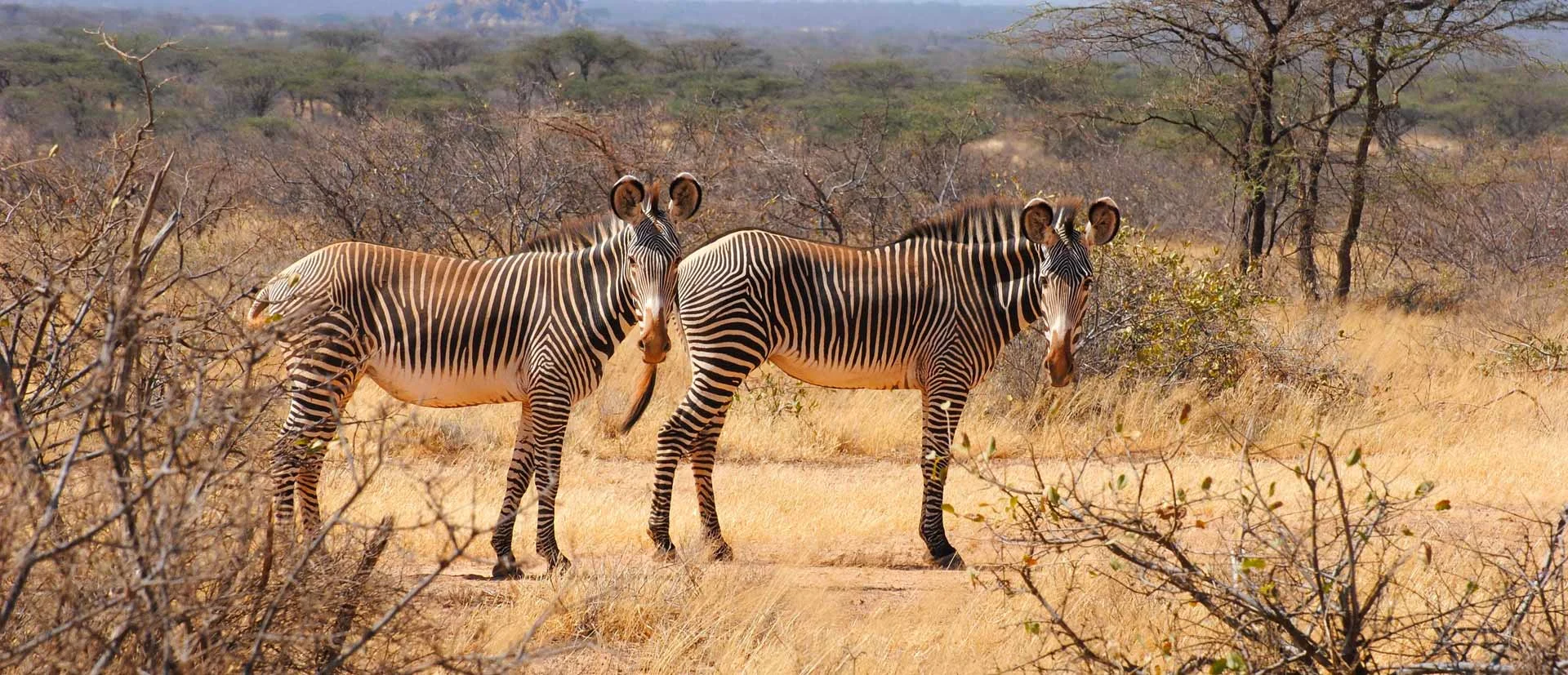
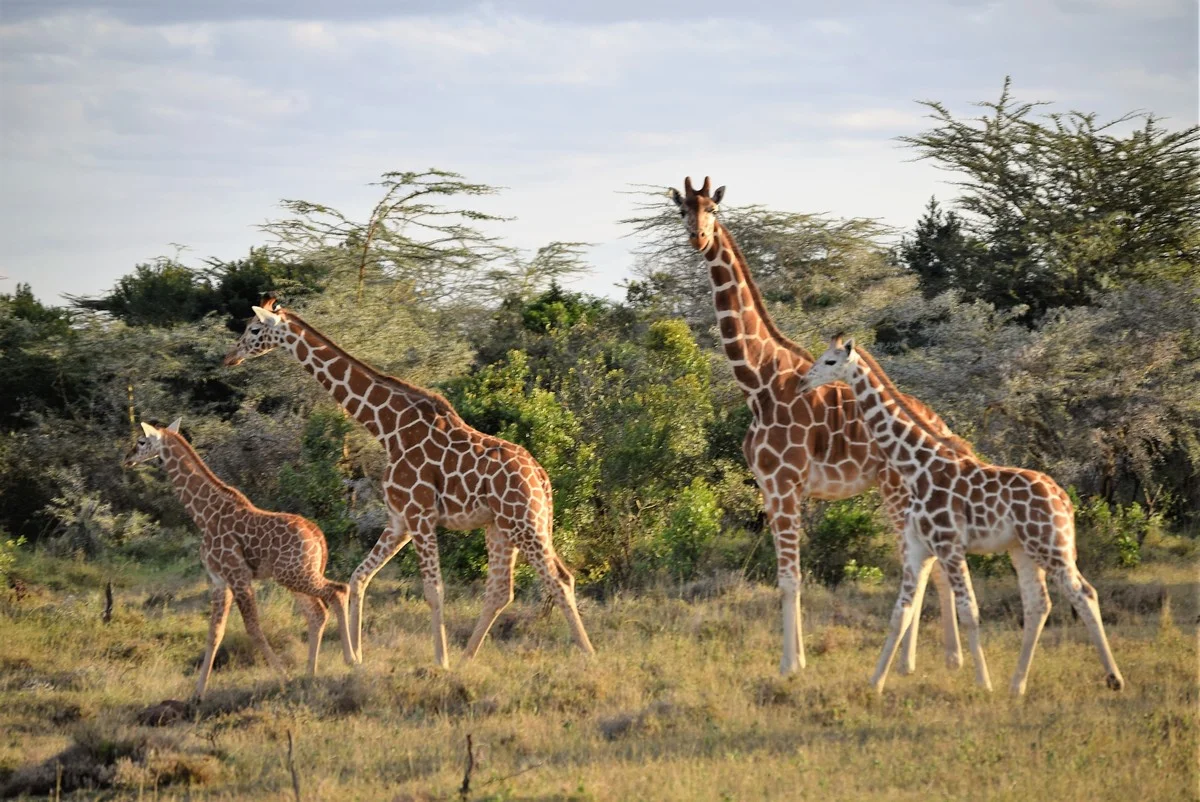
  • Northern KenyaSamburu delivers the "Samburu Special Five" (Grevy's zebra, reticulated giraffe, Somali ostrich, gerenuk and beisa oryx) found nowhere in the south, while the conservancies of Laikipia pioneered the community-conservation model, with walking, riding and camel safaris on private land.

The western circuit: Tanzania's most remote wilderness#

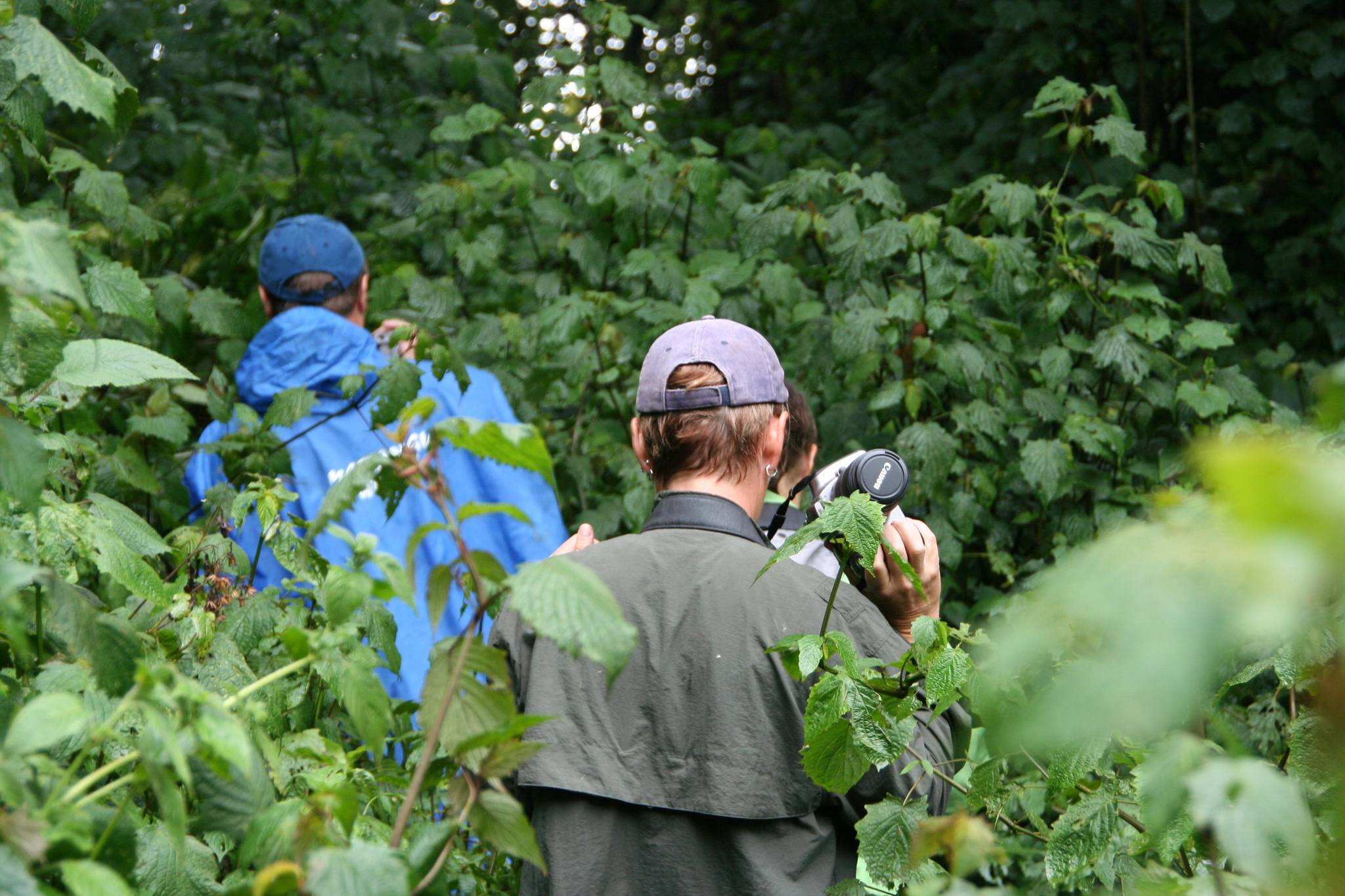
For those who want to go further still, Tanzania's western circuit — Katavi and Mahale Mountains — is in a category of its own. Katavi receives almost no visitors; in the dry season (June–October) its floodplains concentrate buffalo in herds of 1,000+ and hippos in shrinking pools of 600+. Mahale, reached only by charter flight or boat on Lake Tanganyika, is the finest chimpanzee-trekking destination in East Africa. Neither park has a road connection to anywhere; a charter flight is the only realistic option, and the remoteness is the reward.

How to choose#

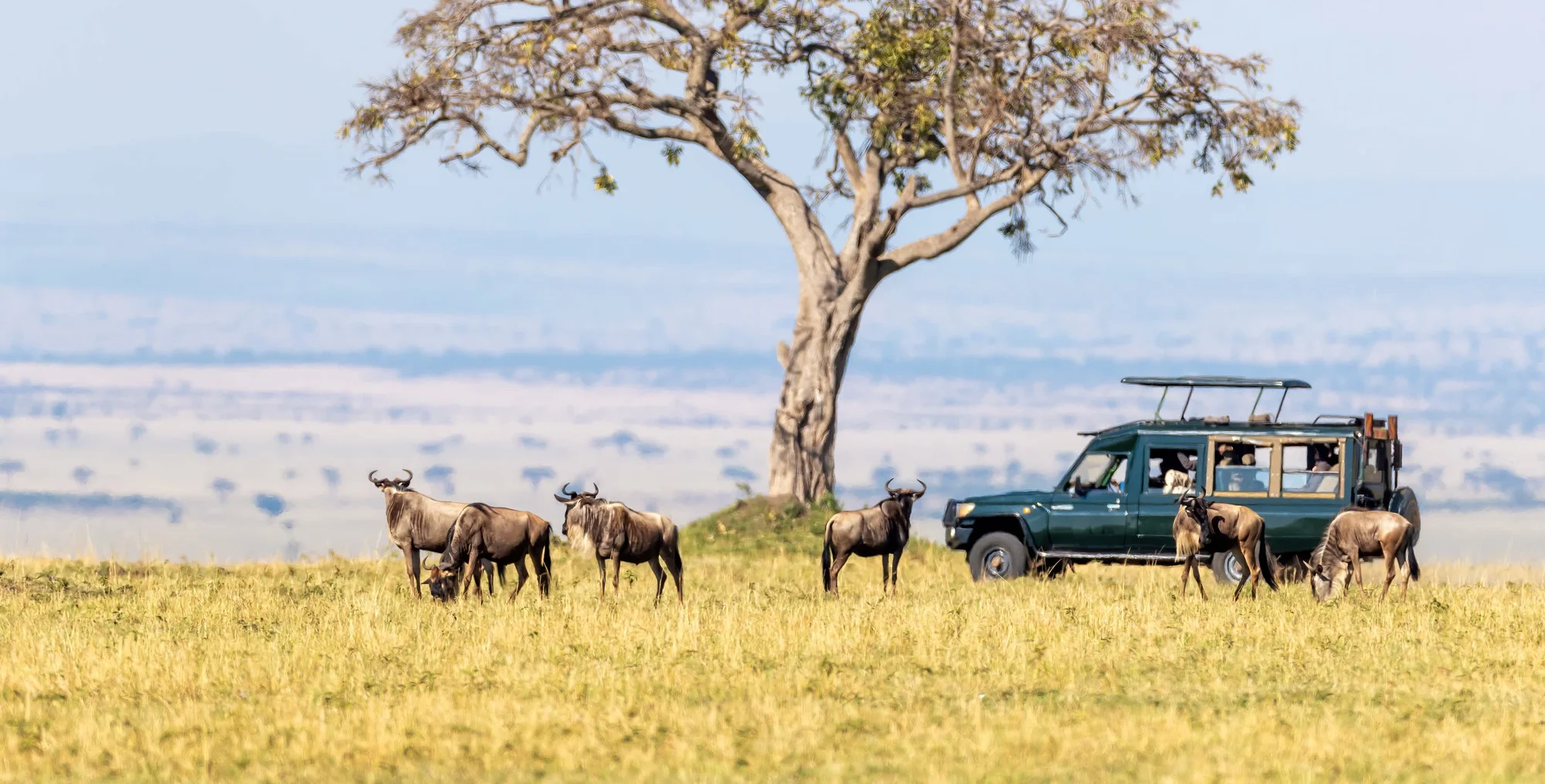
These are fly-in safaris — building light-aircraft transfers in from the start is part of the plan. Tanzania's southern parks (Ruaha, Nyerere) are best June to November and largely close in the long rains (March–May). Katavi is strictly June–October. Mahale is year-round but best July–October. Northern Kenya runs year-round. Browse remote Tanzania parks and northern Kenya safaris below.
Frequently asked questions

Where are the least crowded safari parks in East Africa?
In Tanzania, the southern parks — Ruaha and Nyerere (formerly the Selous) — see a fraction of the northern circuit's visitors. The western circuit (Katavi, Mahale) is even quieter. In Kenya, the northern reserves and conservancies (Samburu, Laikipia) are far quieter than the Masai Mara. All are reached primarily by light aircraft.
Why is Ruaha a good off-the-beaten-path choice?
Ruaha is Tanzania's largest national park, holds an estimated 10% of the world's remaining lions and the largest elephant population in East Africa, yet receives very few tourists. Its park fee ($35.40/adult/day) is also less than half the Serengeti's ($82.60), making it exceptional value for remote wilderness.
What makes Katavi and Mahale worth the journey?
Katavi is one of Africa's most remote wilderness areas — in peak dry season (August–September) you may see more lions than other tourists, and the concentration of hippos in a single shrinking pool is unique on the continent. Mahale, on the shore of Lake Tanganyika, is the finest chimpanzee-trekking destination in East Africa, accessible only by charter flight or boat. Both are fly-in-only and strictly seasonal (Katavi Jun–Oct; Mahale best Jul–Oct).
What is the Samburu Special Five?
Five dry-country species found in northern Kenya but not in the southern parks: Grevy's zebra, reticulated giraffe, Somali ostrich, gerenuk and beisa oryx. They are the headline draw of the Samburu region and a key reason to head north.
When should I go on a remote southern Tanzania safari?
June to November is the prime window — peak game viewing as the dry season concentrates wildlife around water. Most camps in Ruaha and Nyerere close during the long rains (roughly March to May). Katavi is strictly June–October. Northern Kenya runs year-round.