 Tours
Tours
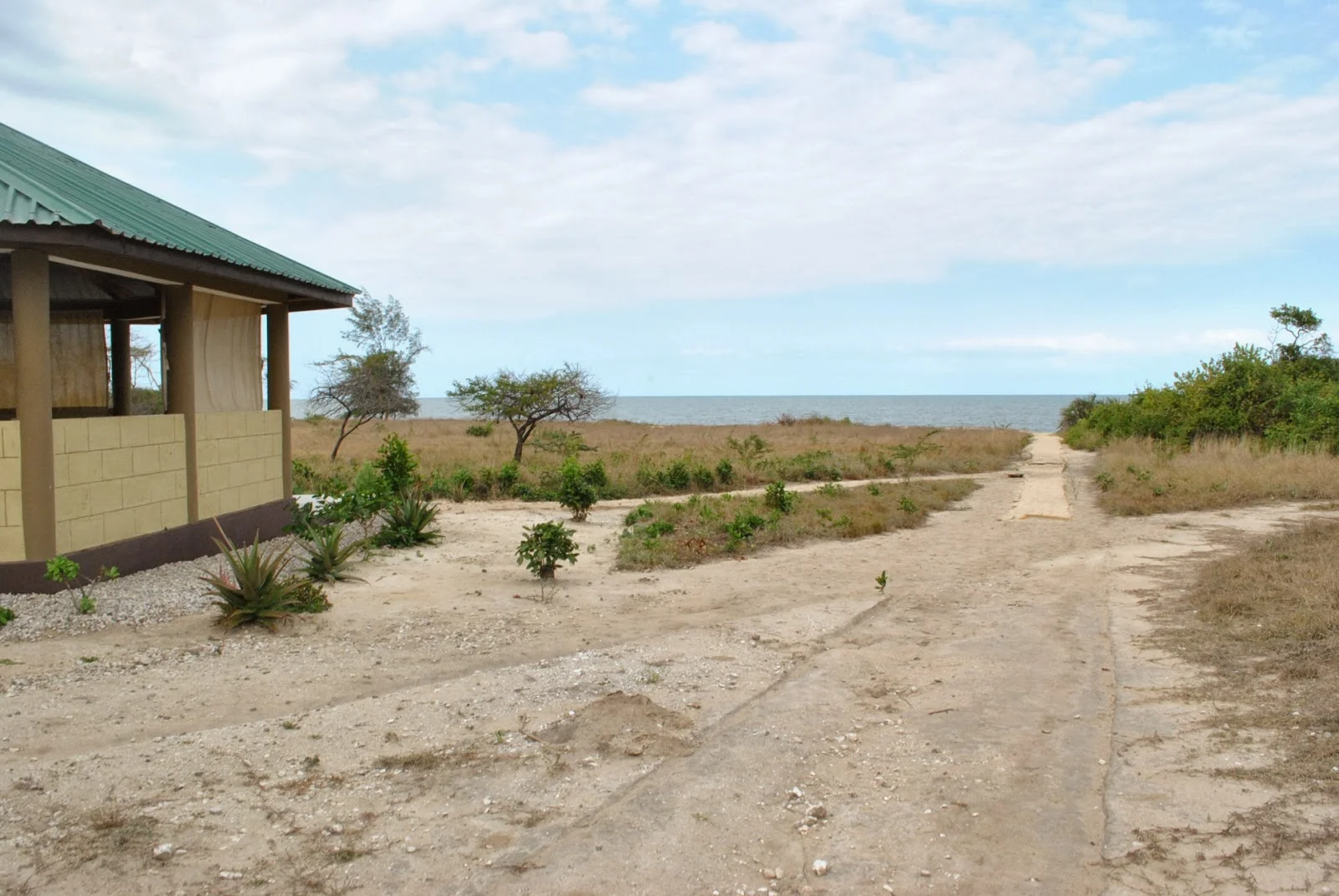
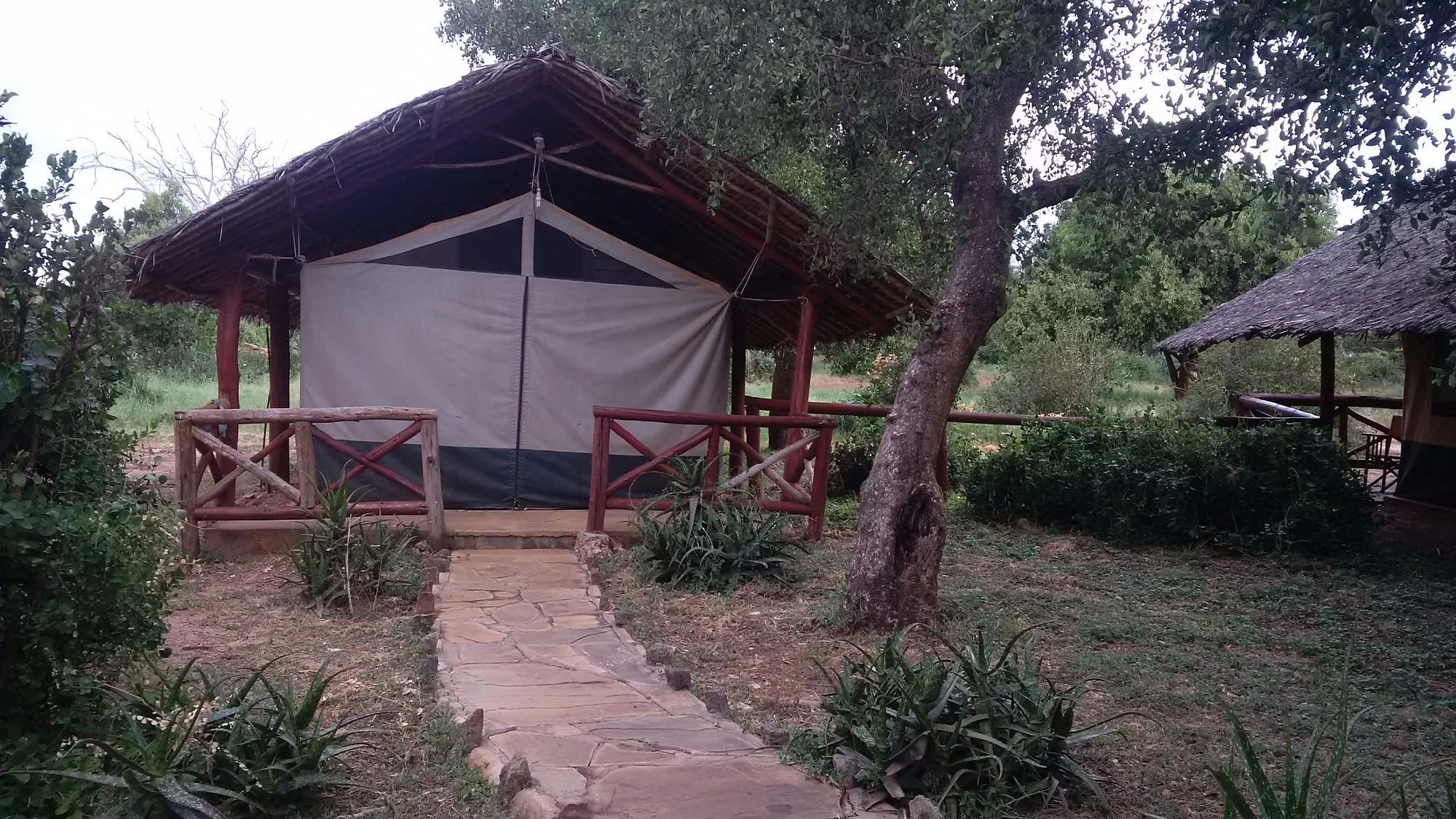
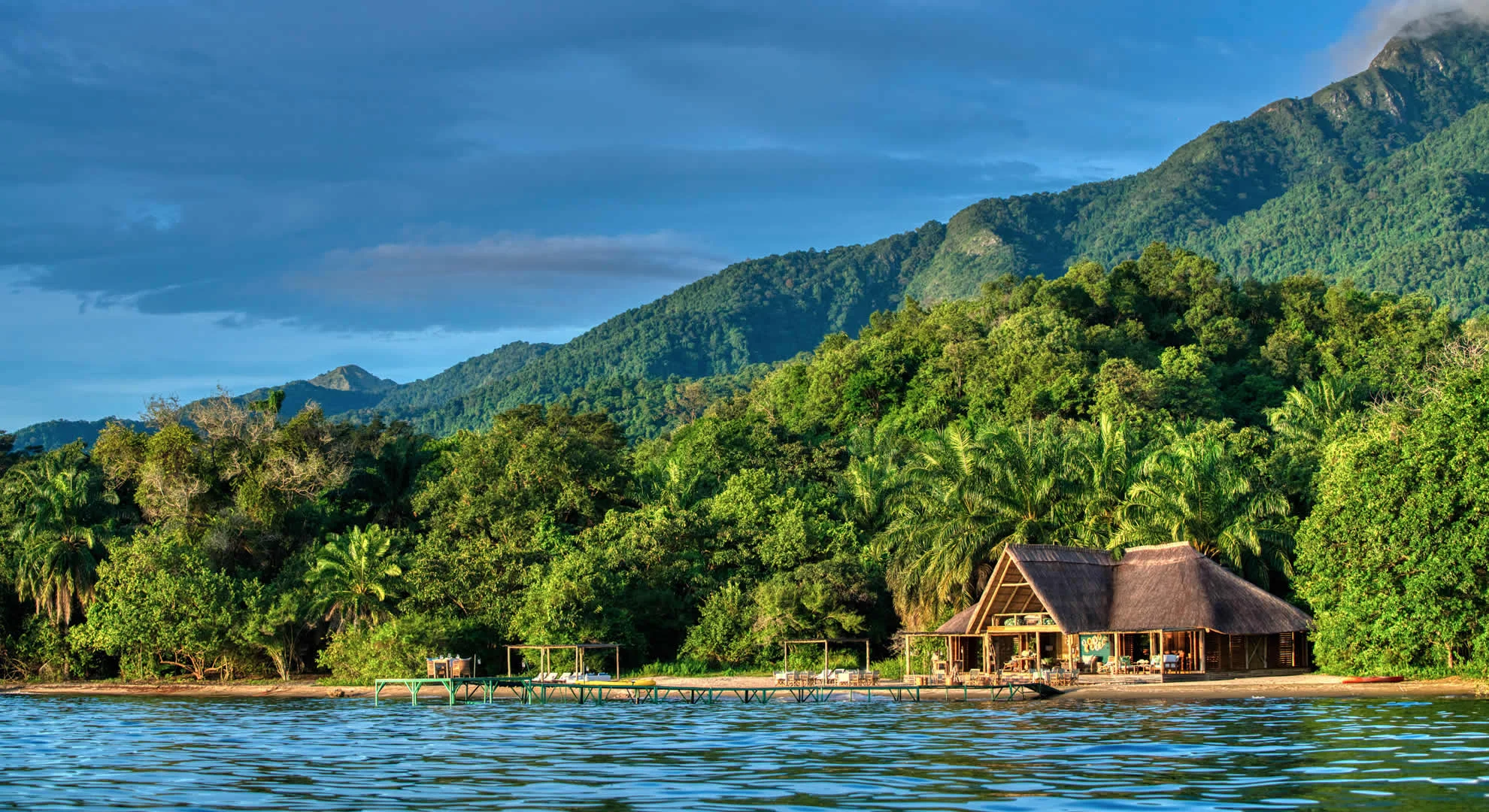
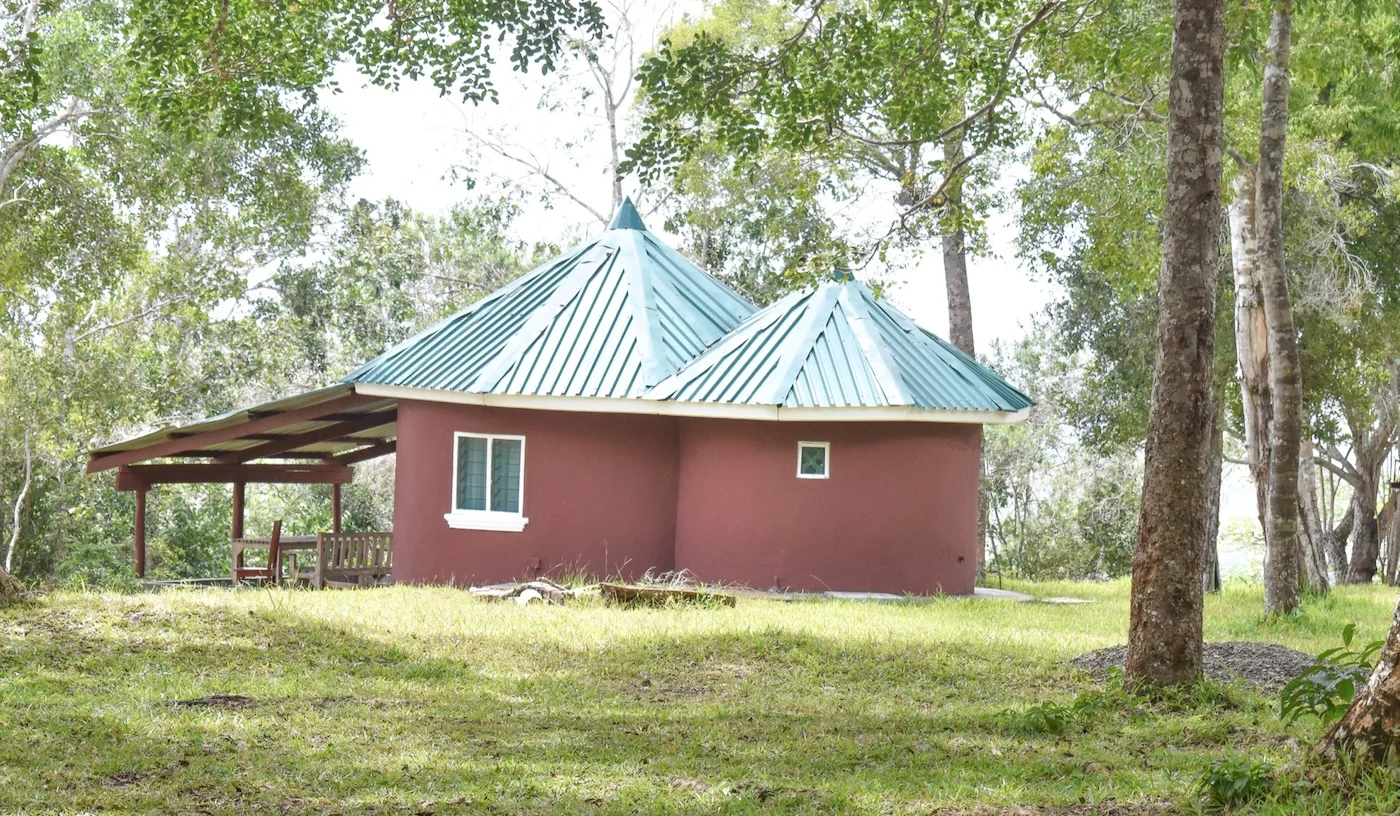
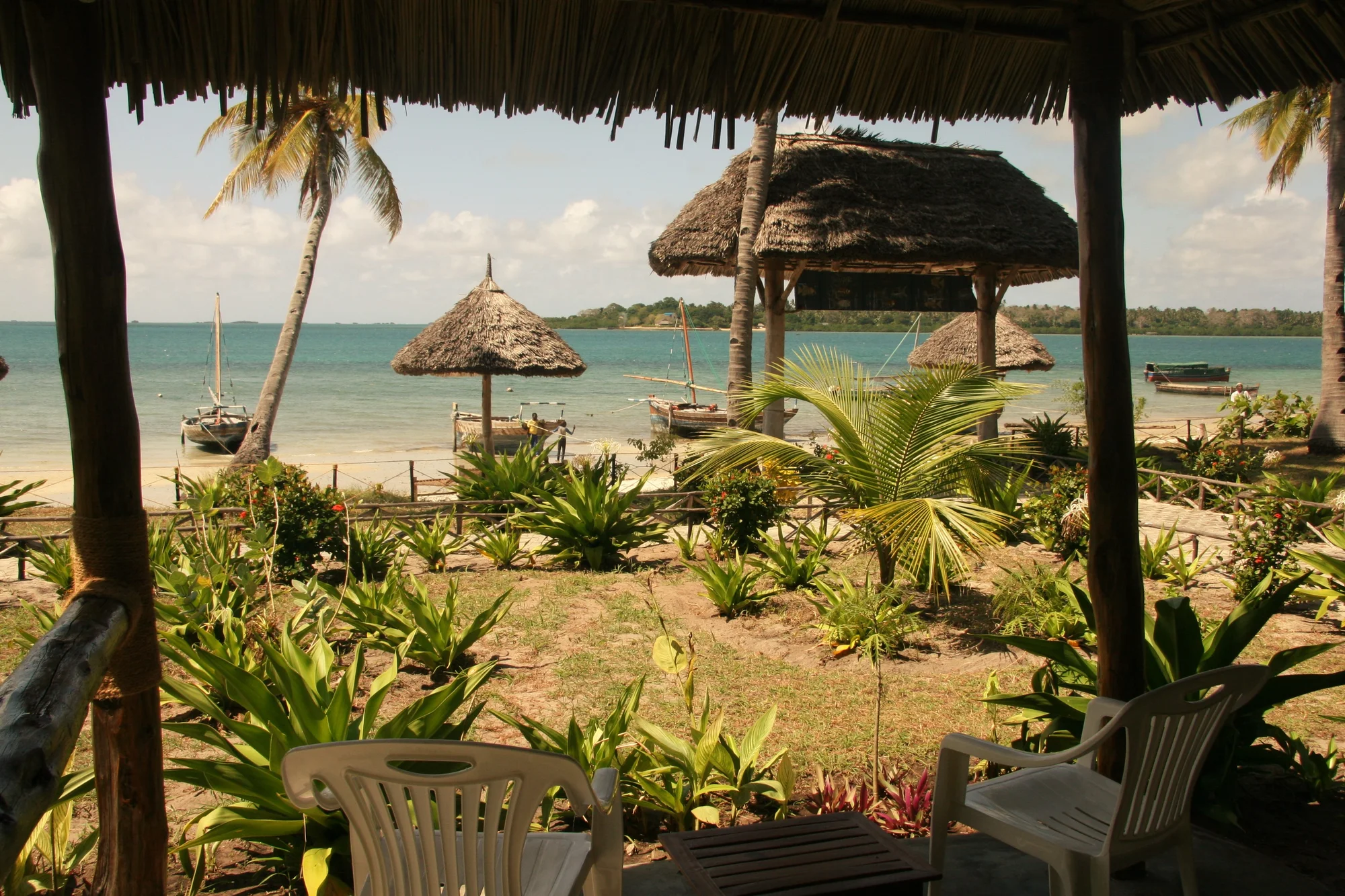
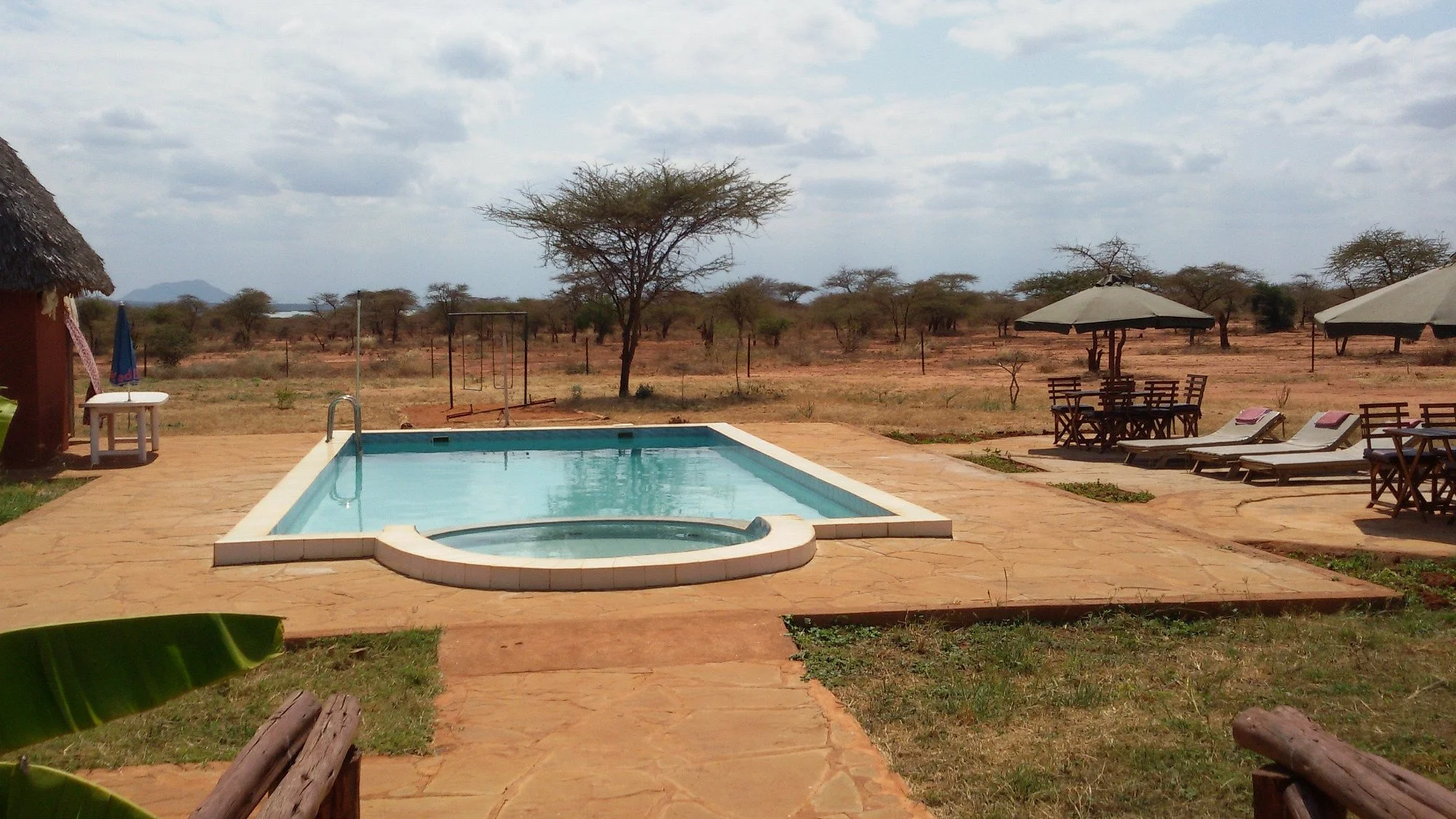
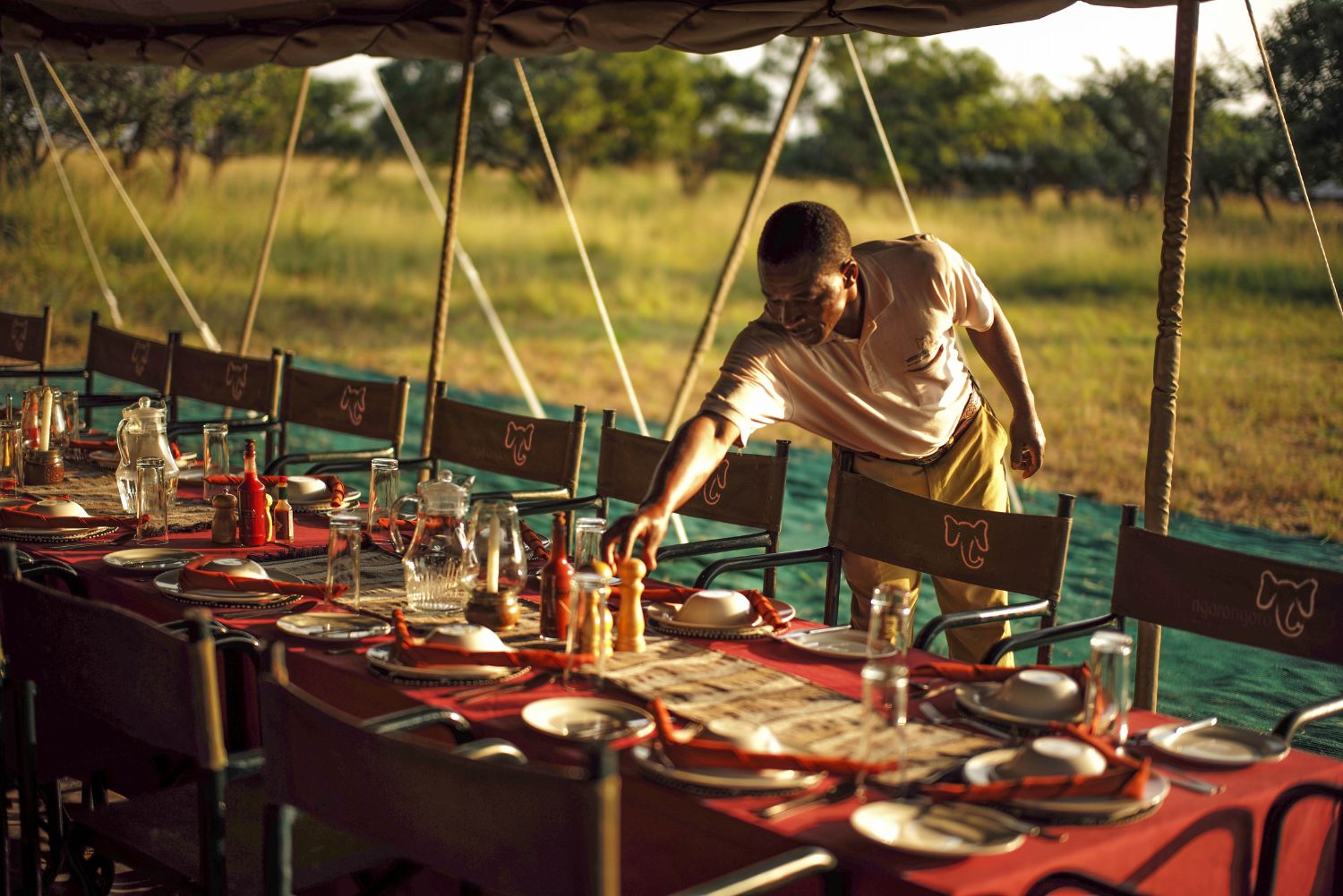
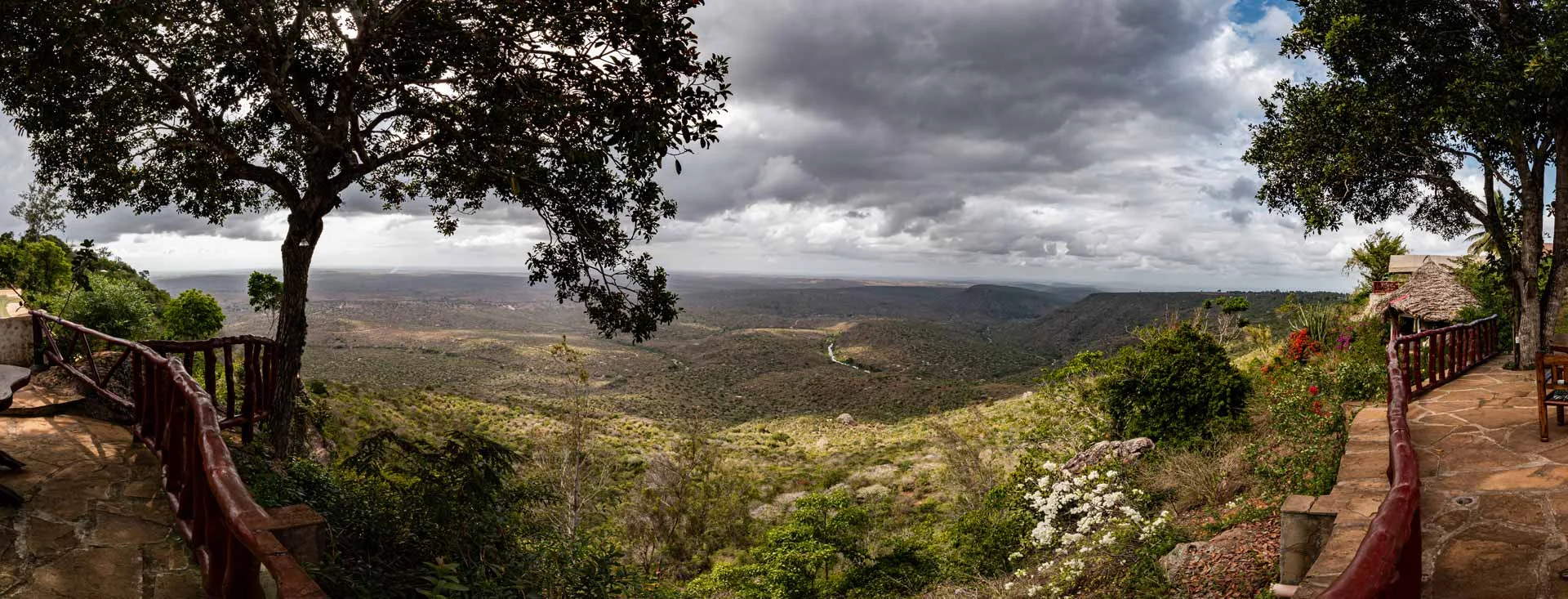
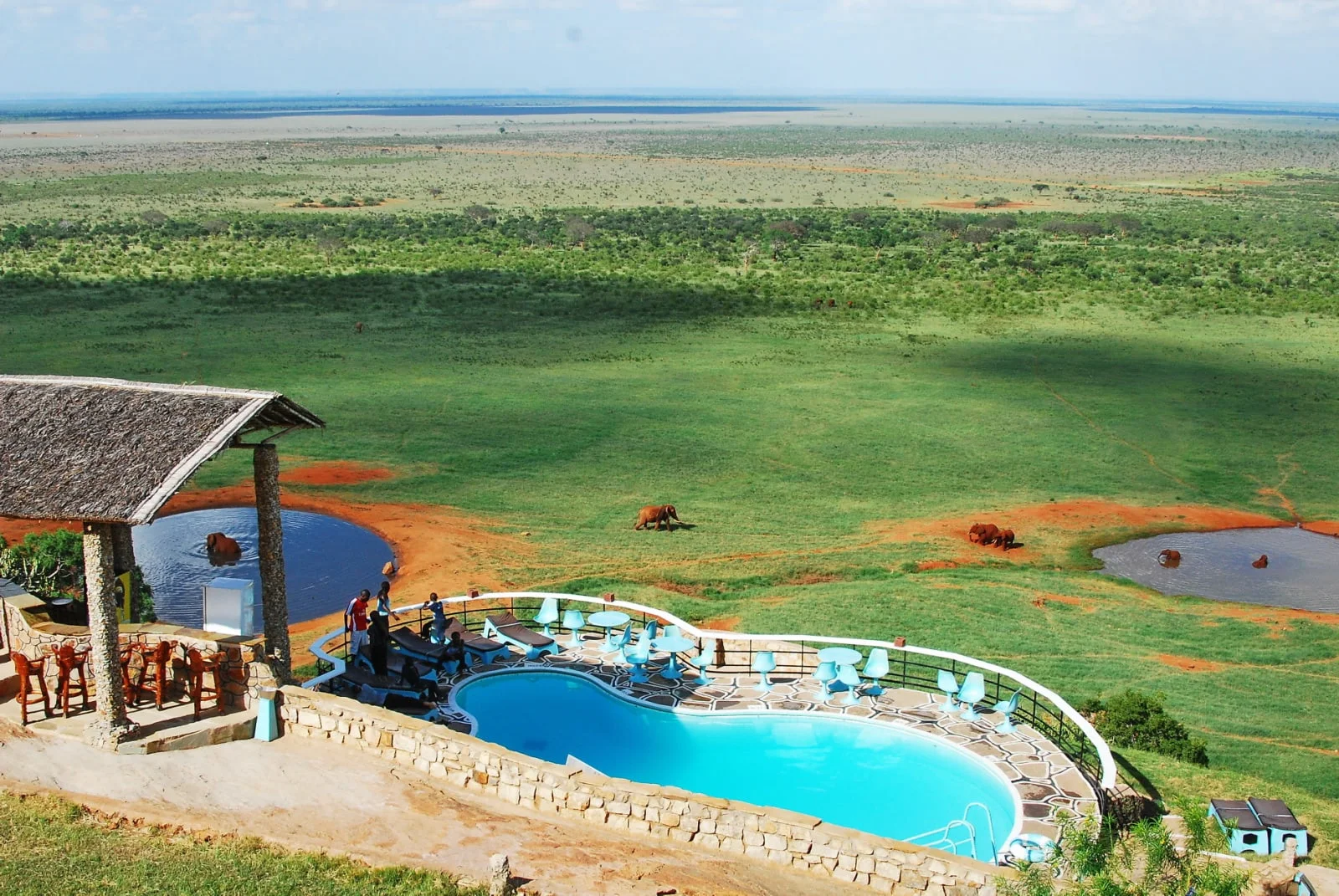
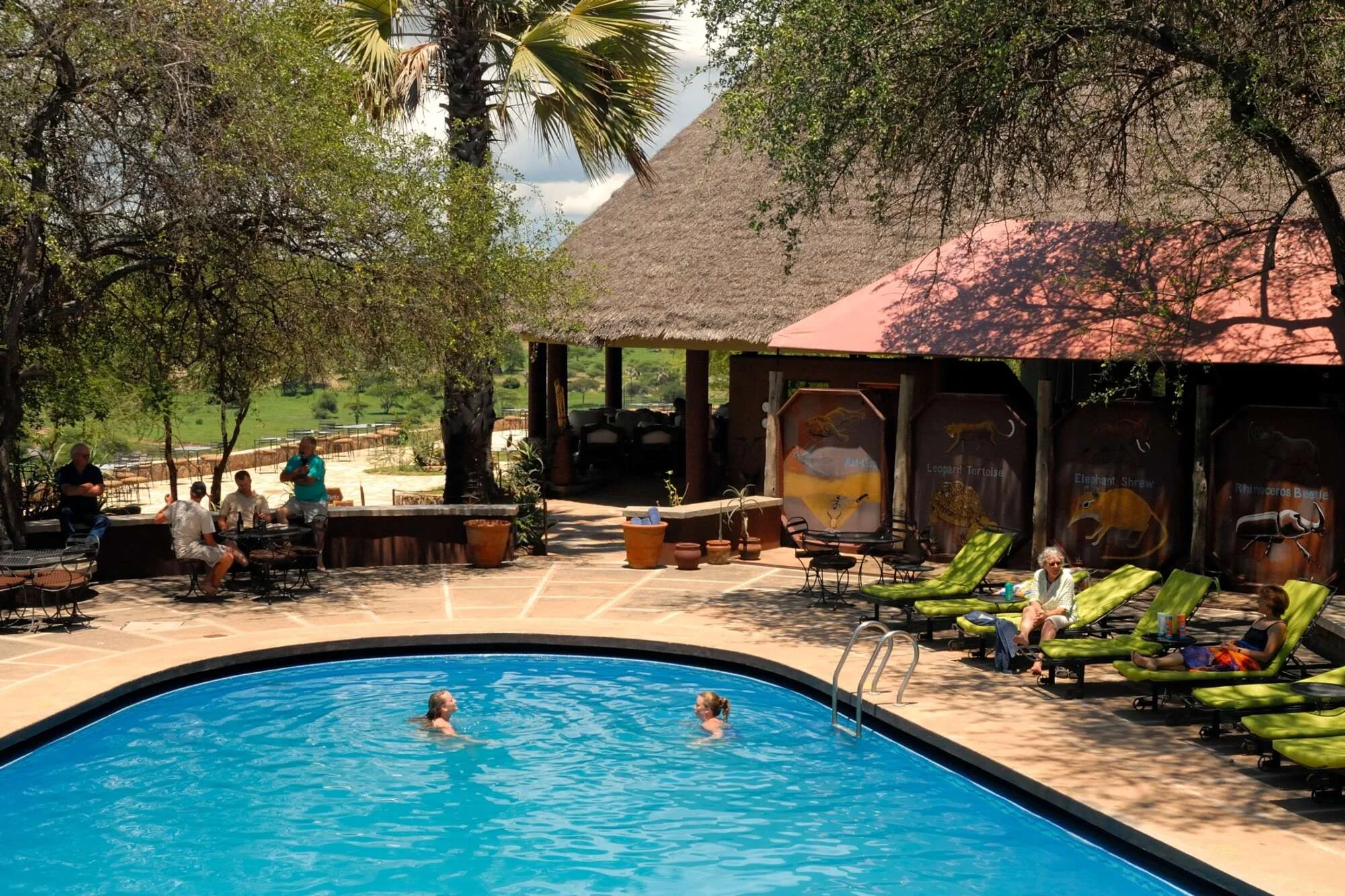
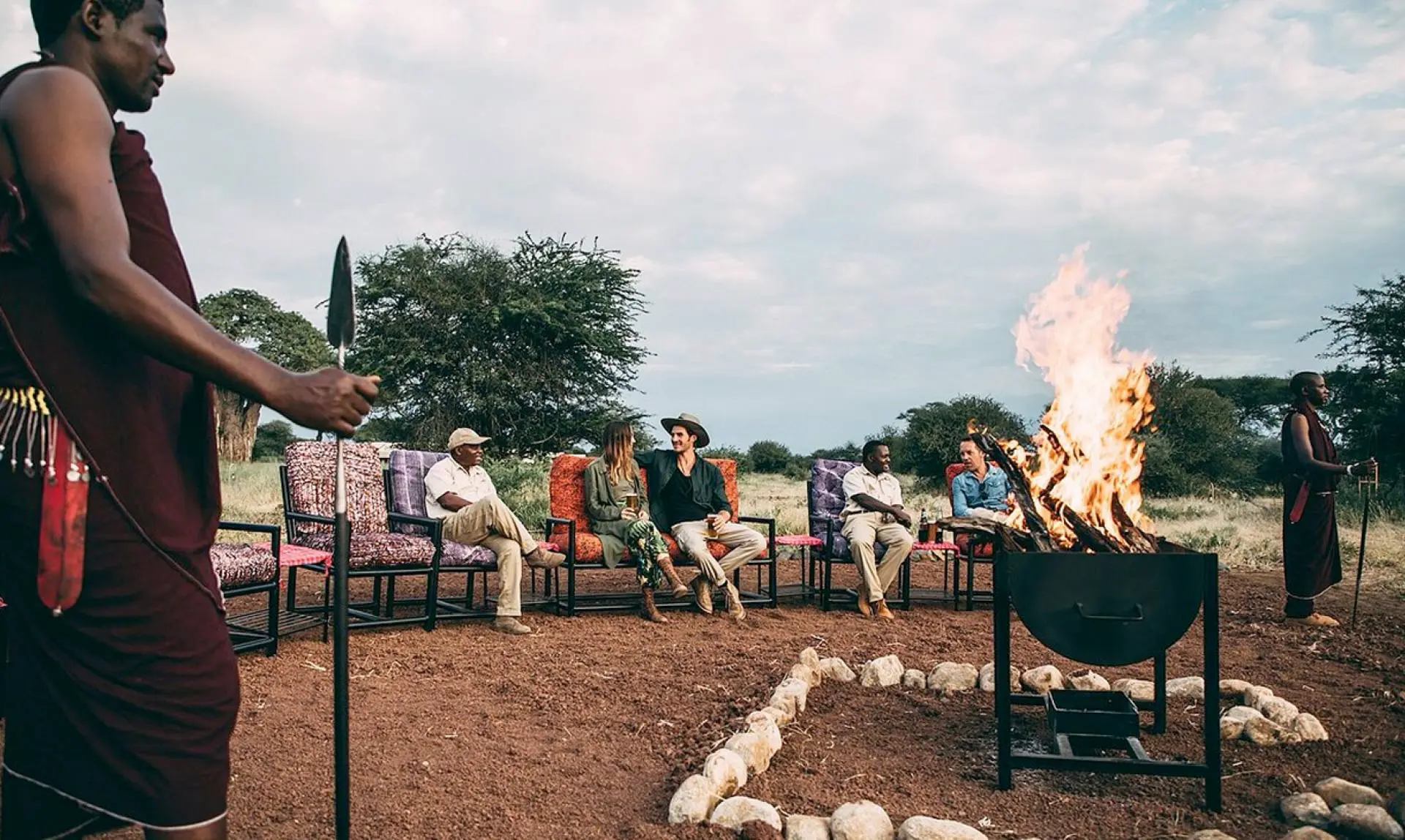
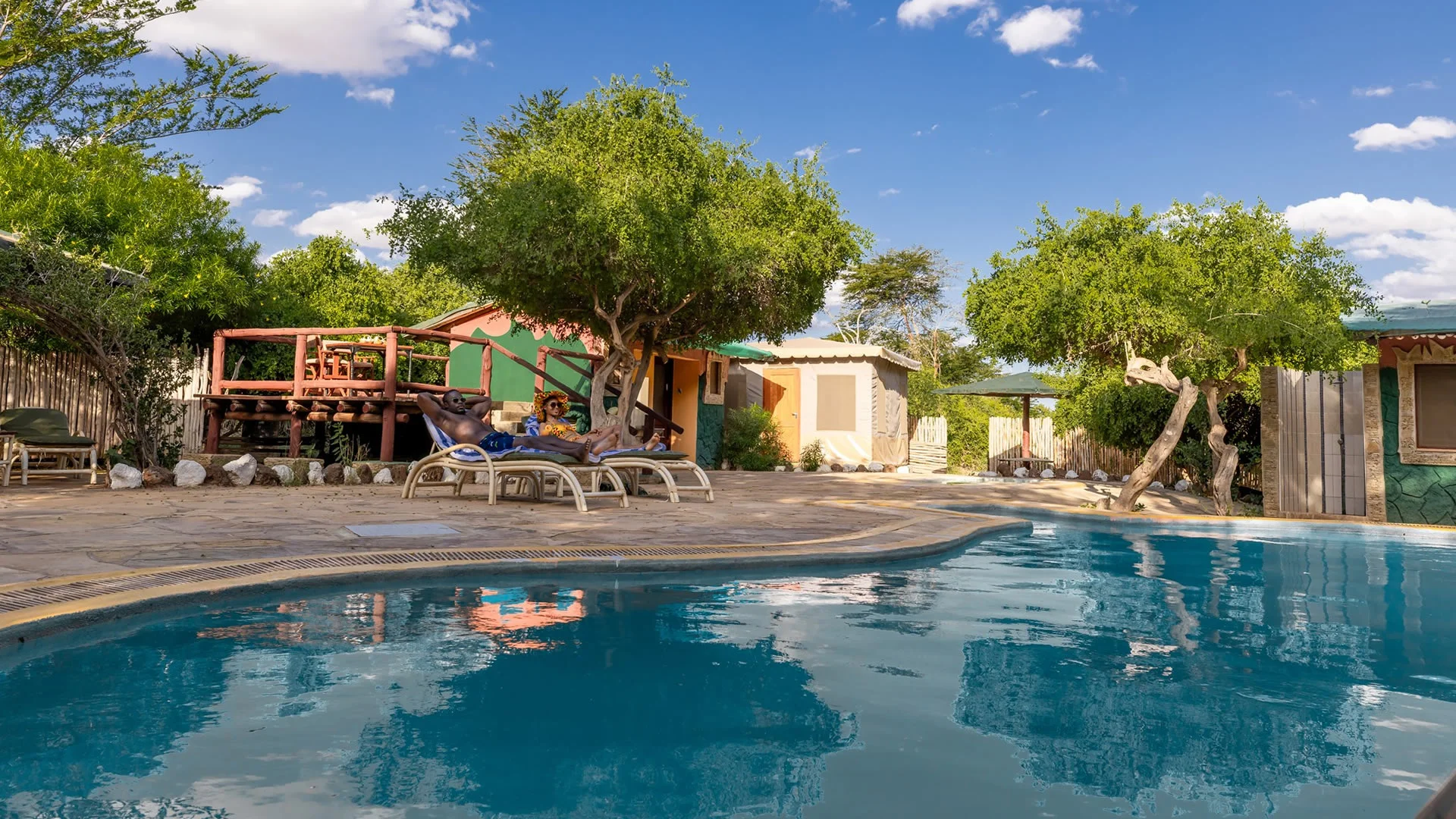
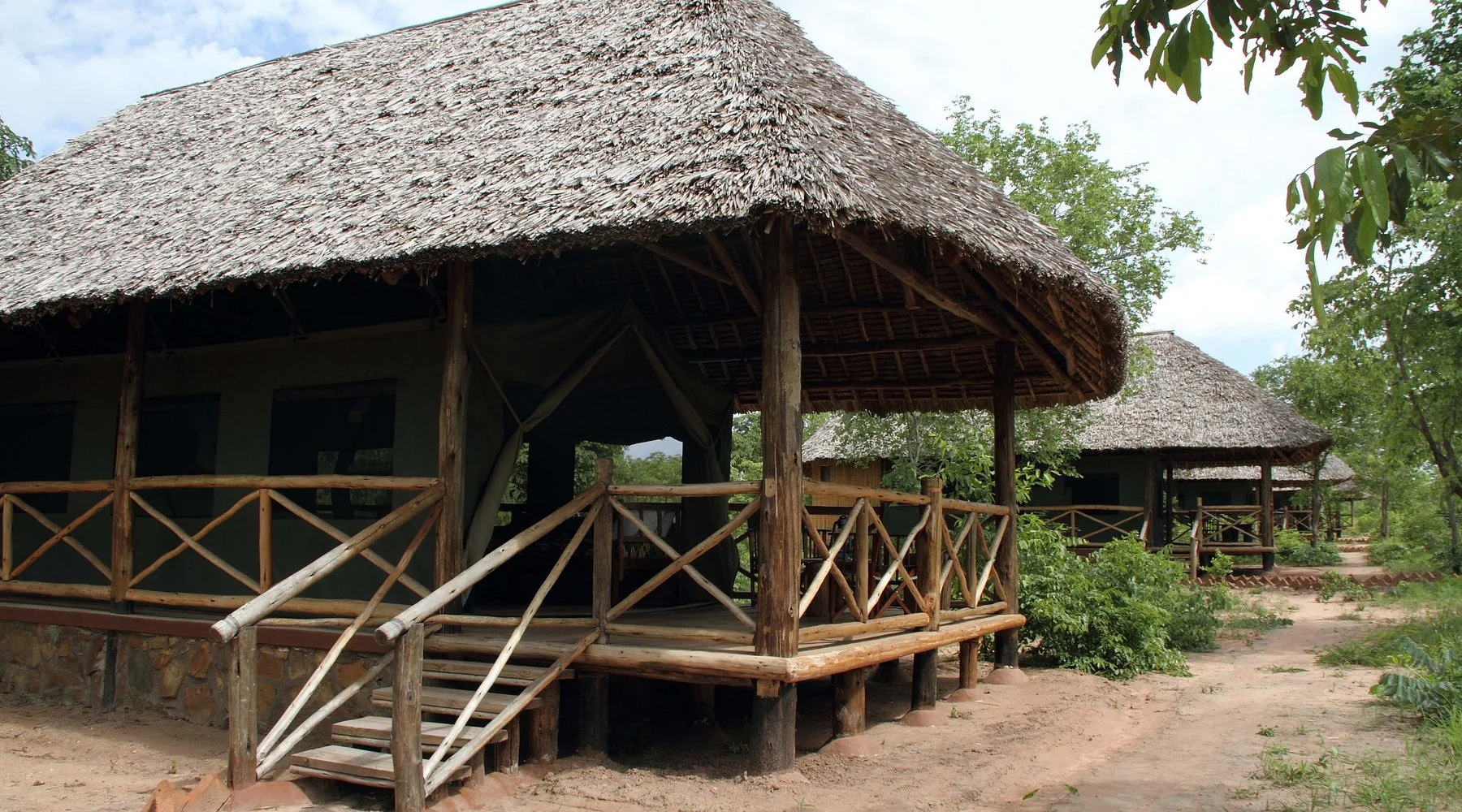
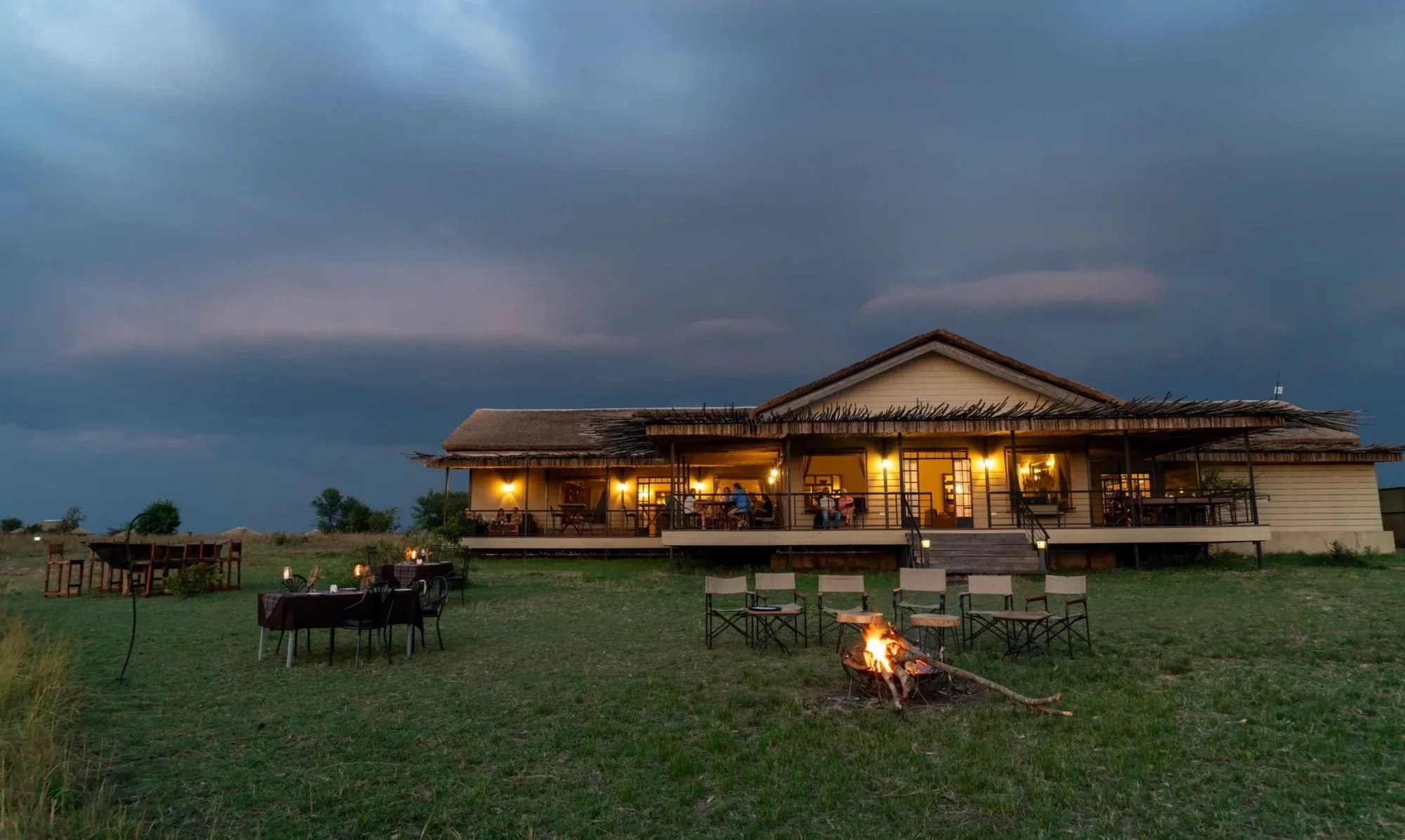
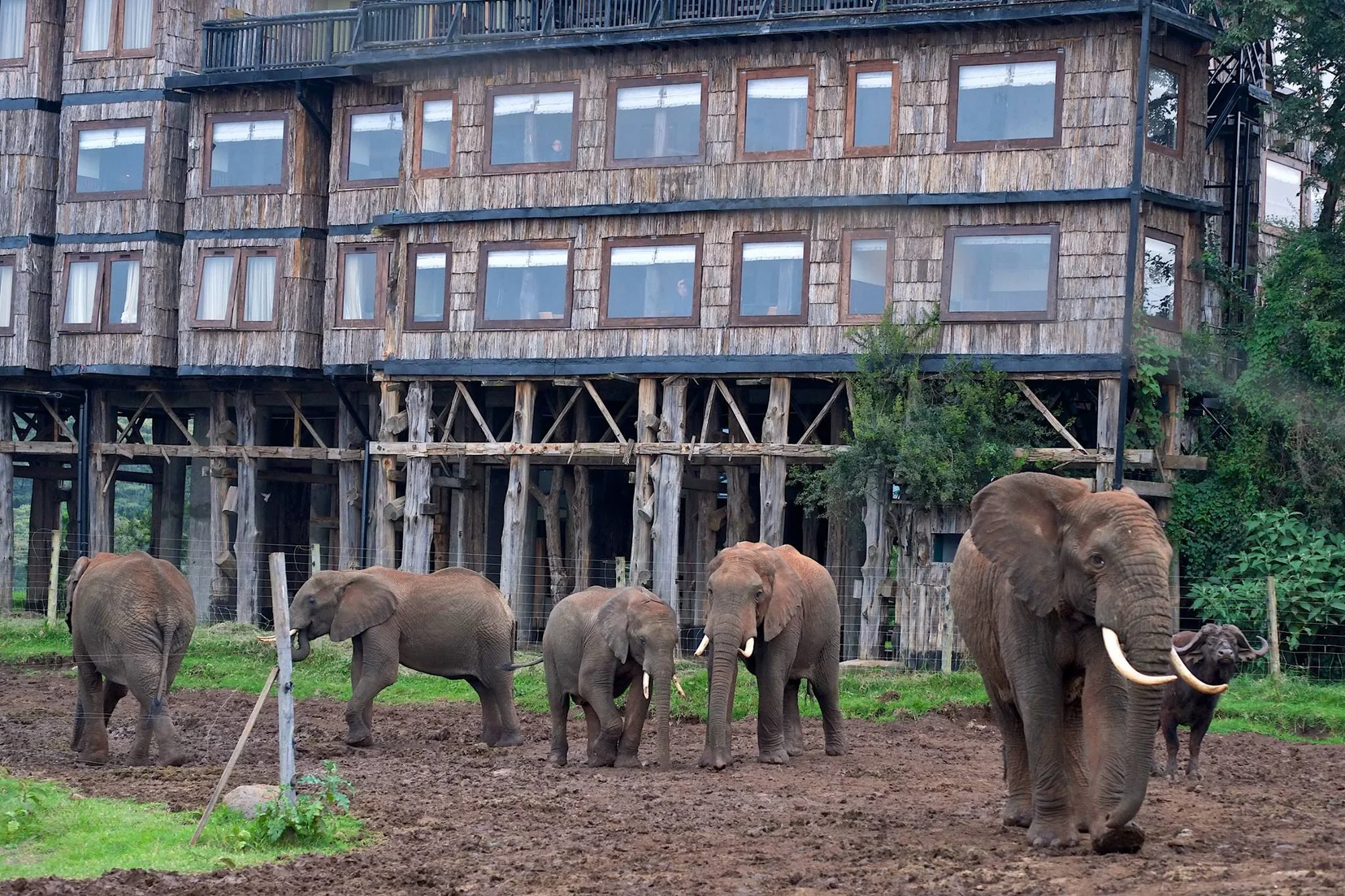
Tanzania's national parks set strict rules about where permanent structures can sit. The result is that in-park camps are fewer, often smaller, and — because they answer to park authorities rather than land developers — tend to take the surrounding ecosystem more seriously than their gate-adjacent counterparts. What follows is a park-by-park breakdown of what being inside the fence actually means for your trip.
Serengeti National Park#
The Serengeti is large enough — 14,763 sq km — that "inside the park" covers four distinct ecosystems and four very different wildlife experiences. Central Serengeti around Seronera holds the highest year-round predator density; the Seronera River concentrates leopard and lion regardless of season, and camps here are the default base for first-time visitors. Southern Serengeti (Ndutu) is a seasonal story: the short-grass calving plains are at their most extraordinary December through March, when wildebeest birth roughly 8,000 calves per day at peak and every predator in the system converges. Kogatende in the north is where you need to be July through October for Mara River crossings — the 5–6 hour drive from Seronera is why most serious migration itineraries fly this leg rather than road it. The Western Corridor around Grumeti gets its migration surge in June and July.
Being inside the park at Seronera means your morning drive begins at 6 AM — the gate-open hour — while vehicles from Karatu or even outside-park lodges near the boundary are still burning 30–45 minutes of dawn light reaching the game areas.
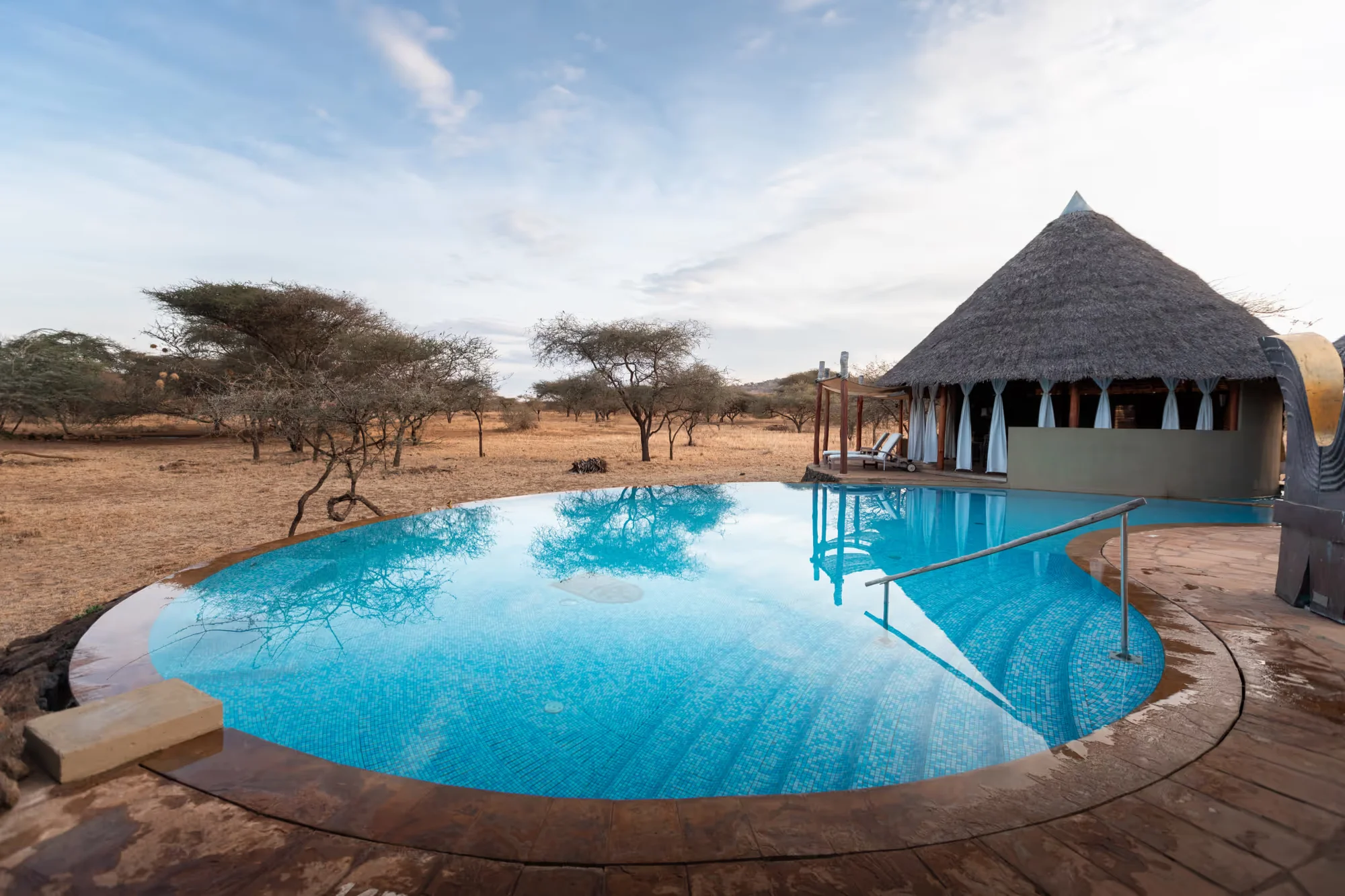
Sayari Camp — Asilia's 15-tent northern Serengeti flagship at Kogatende, with a solar-powered microbrewery, infinity pool, Kuria cultural programme, and a front-row position for the Mara River crossings July–October.
Namiri Plains by Asilia — Situated inside the eastern Serengeti's former cheetah-research exclusion zone; guests join active cheetah research, and the flat open plains deliver the highest cheetah density in the park.
ENVI Sisini Mara — Seasonal luxury camp on the Mara River with private plunge pools, bush spa, and some of the park's most direct crossing access, open specifically for the July–October migration window.
Sanctuary Kusini — The only permanent camp in the southern Serengeti, positioned on a private kopje with access to the Cheetah Conservation Project and year-round resident predators even outside calving season.
Siringit Central Camp — Three-time winner of Africa's Leading Luxury Tented Safari Camp, 10 tents in central Serengeti with a Michelin-starred chef; compact and genuinely intimate even in high season.
Sound of Silence Tented Camp — Eight tents in central Serengeti where zebras wander through camp nightly; à la carte dining and a zero-buffet policy — TripAdvisor's second-ranked lodge in the park at a mid-range price point.
Tarangire National Park#
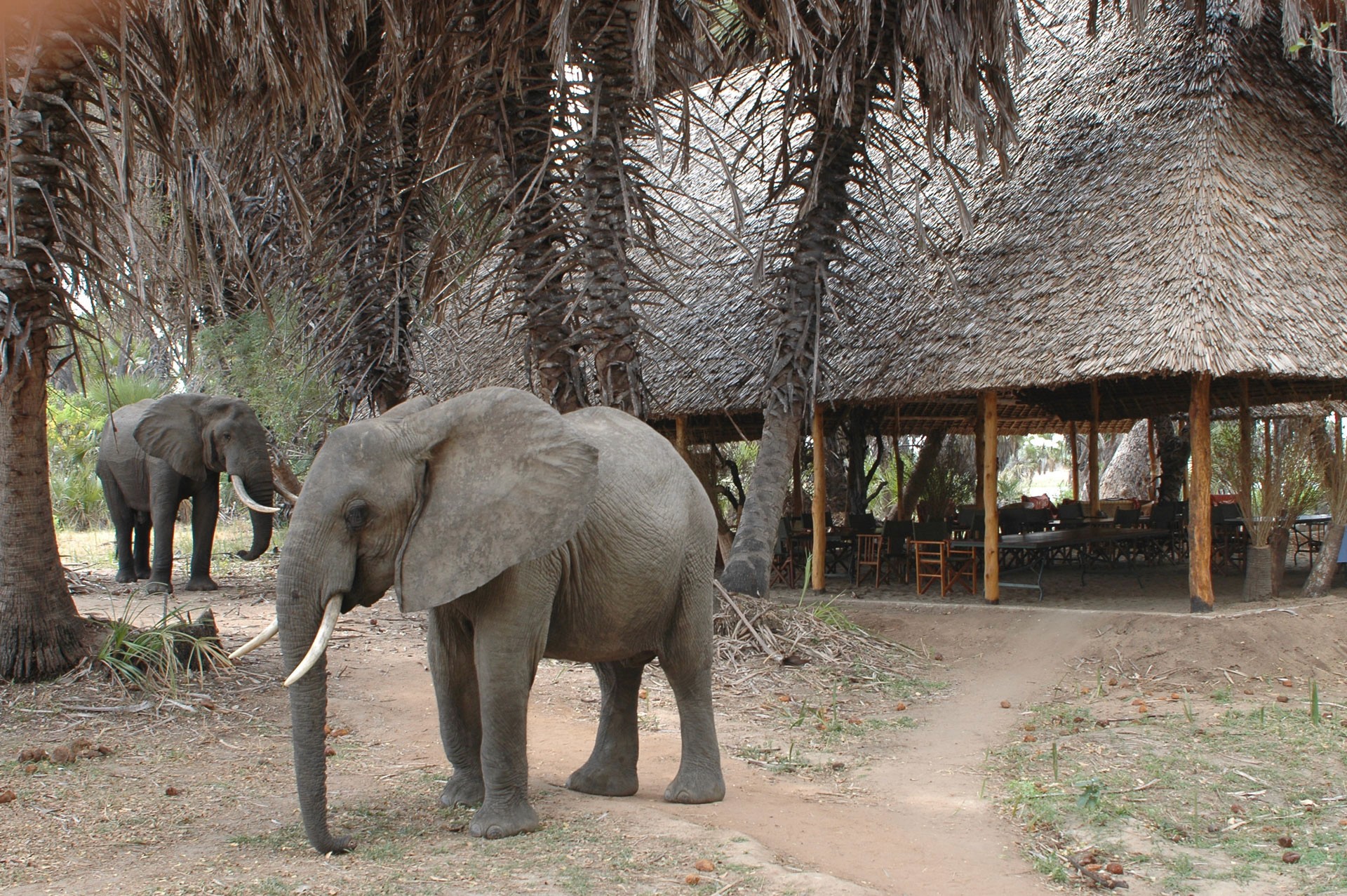
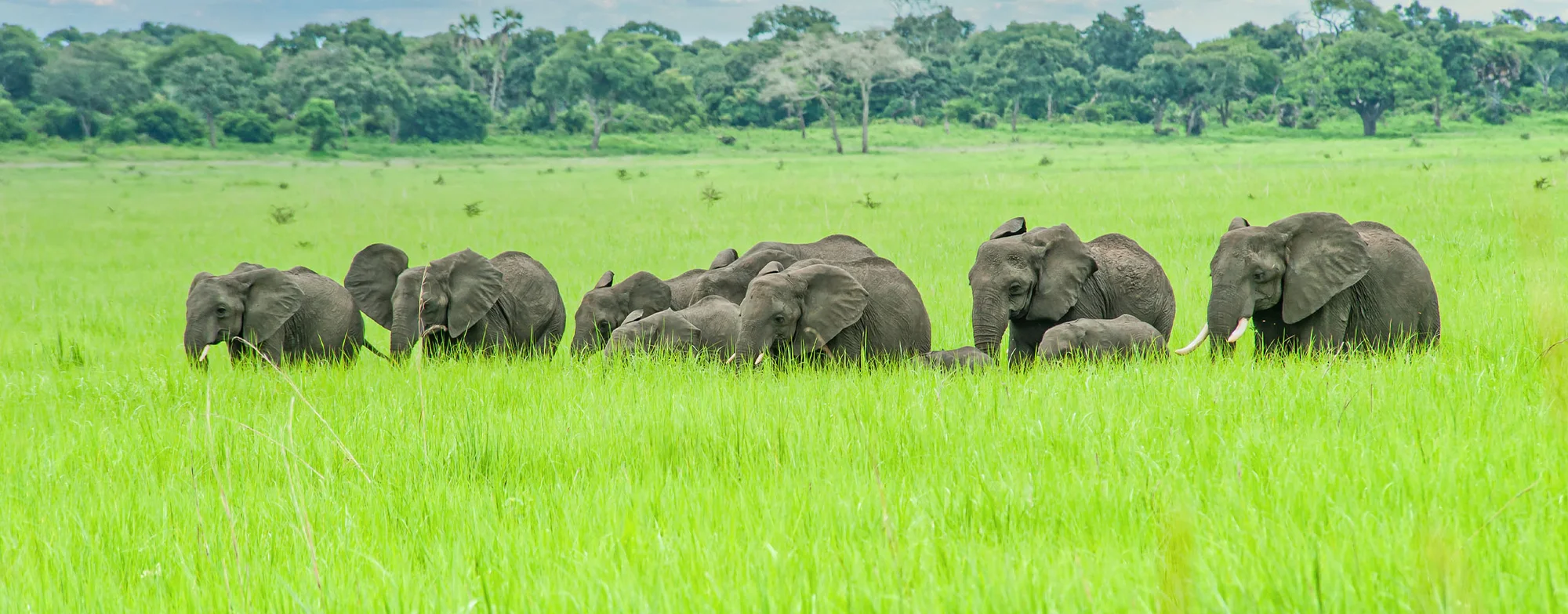
Tarangire sees over 90% of visitors arrive on a day-trip from Karatu or a lodge just outside the gate — in, drive, out, 120 km back to Karatu. Sleeping inside changes the calculation completely. The park's dry-season spectacle (June–October) revolves around the Tarangire River, when herds of 300-plus elephants converge at the water and predators follow. At dawn, before day visitors arrive, the riverine forest and baobab flats around Kuro Airstrip in the south of the park are as close to a private wilderness as Tanzania's northern circuit gets.
The southern half of Tarangire — around Silale Swamp — requires an in-park overnight by operational necessity: the swamp is too far from the gate for a useful day visit. Oliver's Camp and Kuro Tarangire are the lodges that unlock this area.
Tarangire Tortilis Camp — TripAdvisor's #1-rated Tarangire camp (5.0/5), pitched between four giant baobabs above the wetlands; walking safaris, bush dinners, and triple-tent family option inside the park boundary.
Kuro Tarangire by Nomad — Six suites in the remote south of the park near Kuro Airstrip, with night-vision-equipped night drives and chef-led dining; Nomad's most intimate Tanzania bush camp.
Oliver's Camp & Little Oliver's Camp — Asilia's walking-safari pioneer in Tarangire since 1992, with the exclusive-use Little Oliver's wing positioned closest to the Silale Swamp elephant aggregations.
Sanctuary Swala Tarangire — Twelve luxury pavilions set above the Gurusi Swamp waterhole; elephants drink below the infinity pool regularly, and walking safaris depart directly from camp.
Conserve Safari Tarangire Camp — Intimate camp among ancient baobabs; elephant herds of 300 from your deck in dry season, with a wine list curated by the 2023 World's Best Sommelier.
Nyerere National Park#
Nyerere (formerly Selous) is Africa's largest protected area — 50,000 sq km — and almost all of it is fly-in territory. The park's defining feature is water: the Rufiji River and its oxbow lakes, channels, and floodplains. An in-park camp here means boat safaris from a private jetty, walking safaris in true wilderness (vehicle density is a fraction of the northern circuit), and the highest wild dog density of any park in Africa. Most camps close mid-March through end of May when the Rufiji runs high and access roads flood.
Sand Rivers Selous — Eight open-fronted stone cottages built directly into Rufiji River boulders; architecturally one of Africa's most celebrated camps and the launch point for the 4-day walking safari to Tagalala Hot Springs.
Retreat Selous by Nomad — Nomad's 12-suite flagship on the Rufiji with unlimited boat, walk, drive, and fly-camp activities; river suites have private plunge pools overlooking the hippo channels.
Beho Beho — Eight plunge-pool cottages on a hillside above the Rufiji floodplain; walking safaris with some of Nyerere's most experienced guides and the legendary Treehouse fly-camp option.
Roho ya Selous — Asilia's eight-tent mid-range camp on a lake peninsula inside Nyerere; boat safaris, walking safaris, night drives, and one of the few mid-range options to accept children from age five.
Rufiji River Camp — Foxes' original Nyerere camp; 14 tents above the Rufiji with daily boat safaris from a private jetty and hippos routinely audible from the dining area.
Lake Manze Camp — Budget-tier lakeside camp inside the park boundary; storm-lantern evenings, boat safaris on Lake Manze, and some of Tanzania's most reliable wild dog sightings.
Ruaha National Park#
Ruaha is Tanzania's second-largest national park and one of its least visited — a deliberate position the camps here have no interest in changing. The park holds exceptional lion density (some prides number 20-plus individuals), wild dogs, large elephant populations, and habitat that ranges from baobab woodland to the Great Ruaha River. All legitimate camps are fly-in only, reached via Msembe Airstrip. Being inside the park here simply means total isolation: no fences, no tourist buses, and a genuine sense of wilderness that the northern circuit can only approximate.
Jongomero Camp — Eight-tent Laba Laba camp on the remote Jongomero River, 70 km from any other lodge in the park; wild dogs regularly denning near camp and fly-camping available in the dry season.
Jabali Ridge — Asilia's showpiece camp atop a Ruaha kopje, with an infinity pool, private plunge pools, and walking safaris rated among the best in Tanzania for quality of guiding.
Mwagusi Safari Camp — Owner-managed since 1987 by Chris Fox; a waterhole hide built into camp, wild-dog specialist tracking, and the institutional knowledge of 35 years inside the same park.
Asilia Kokoko Camp — Three-tent exclusive-use camp on the Mwagusi River, maximum six guests, with retractable-roof stargazing tents and open-fire dining in Ruaha's best walking-safari corridor.
Kigelia Camp — Nomad Tanzania's six-tent Ruaha classic in a sausage-tree riverbed setting; award-calibre guides and resident elephant herds year-round at mid-range prices.
Katavi National Park#
Katavi is the park most people have never heard of and most serious safari travellers consider unmissable. It is Tanzania's most remote permanent park — reached by light aircraft from Arusha via Tabora or Mbeya — and its dry-season spectacle is among the most dramatic anywhere in Africa. The Katuma River and Chada Floodplain shrink steadily from June onward; by August and September, buffalo herds of 1,000-plus pack the remaining water beside hippo pools numbered in their hundreds, and lion and leopard hunt in plain sight at close range. Total visitor numbers for an entire peak month can be fewer than a single busy day in the Serengeti.
Chada Katavi — Nomad Tanzania's flagship Katavi camp; six tents above the Chada floodplain, fly camping and armed walking safaris fully included, and a camp library that tells you exactly what you are looking at.
Flycatchers Camp Katavi — Six-tent owner-run camp on the Katuma River with maximum 12 guests, walking safaris through buffalo herds, and the particular quality that comes from a small operator whose sole product is this park.
Katuma Bush Lodge — Luxury tented camp above hippo-pool verandas on the Katuma River; walking safaris, bush pool, and a nightly changing menu.
Mbali Mbali Katavi Lodge — Eight raised-platform tents over the floodplain from Tanzanian-owned Mbali Mbali; night drives and fly-camping available at a slightly more accessible price point than the ultra-luxury options.
Mahale Mountains National Park#
Mahale is the most logistically remote park in this collection — reached by light aircraft to Mahale Airstrip then a boat transfer across Lake Tanganyika. There are no roads inside and no vehicles of any kind; all movement is on foot or by boat. The reason to come is the habituated chimpanzee community that ranges through the forest above the beach; most guests track chimps in the morning and spend afternoons kayaking or snorkelling in what is effectively a freshwater sea with 100-metre visibility. Camps operate July through October; the April–May wet season forces full closure.
Greystoke Mahale — Nomad's flagship, six open-fronted dhow-wood bandas above Lake Tanganyika; chimp permits, kayaking, fly-camping, and private beach dinners included; the benchmark camp for this park.
Nomad Mahale Hills Tented Camp — Nomad's second Mahale property; chimp permits included, dhow sundowners, and direct lake snorkelling access at a slightly more accessible price.
Kungwe Beach Lodge — Luxury lodge at Africa's most isolated chimp research site; boat safaris, snorkelling, and candlelit beach dinners with no other lodge within striking distance.