Ultra luxePrivé14-Day Kilimanjaro Lemosho + Safari (Crater Finale)
Plunge pools, plutôt adultes
Tour packages
Africa's highest peak at 5,895 m — choose your route by how many days you can give to acclimatisation, then add a safari to recover.
Ultra luxePrivéPlunge pools, plutôt adultes

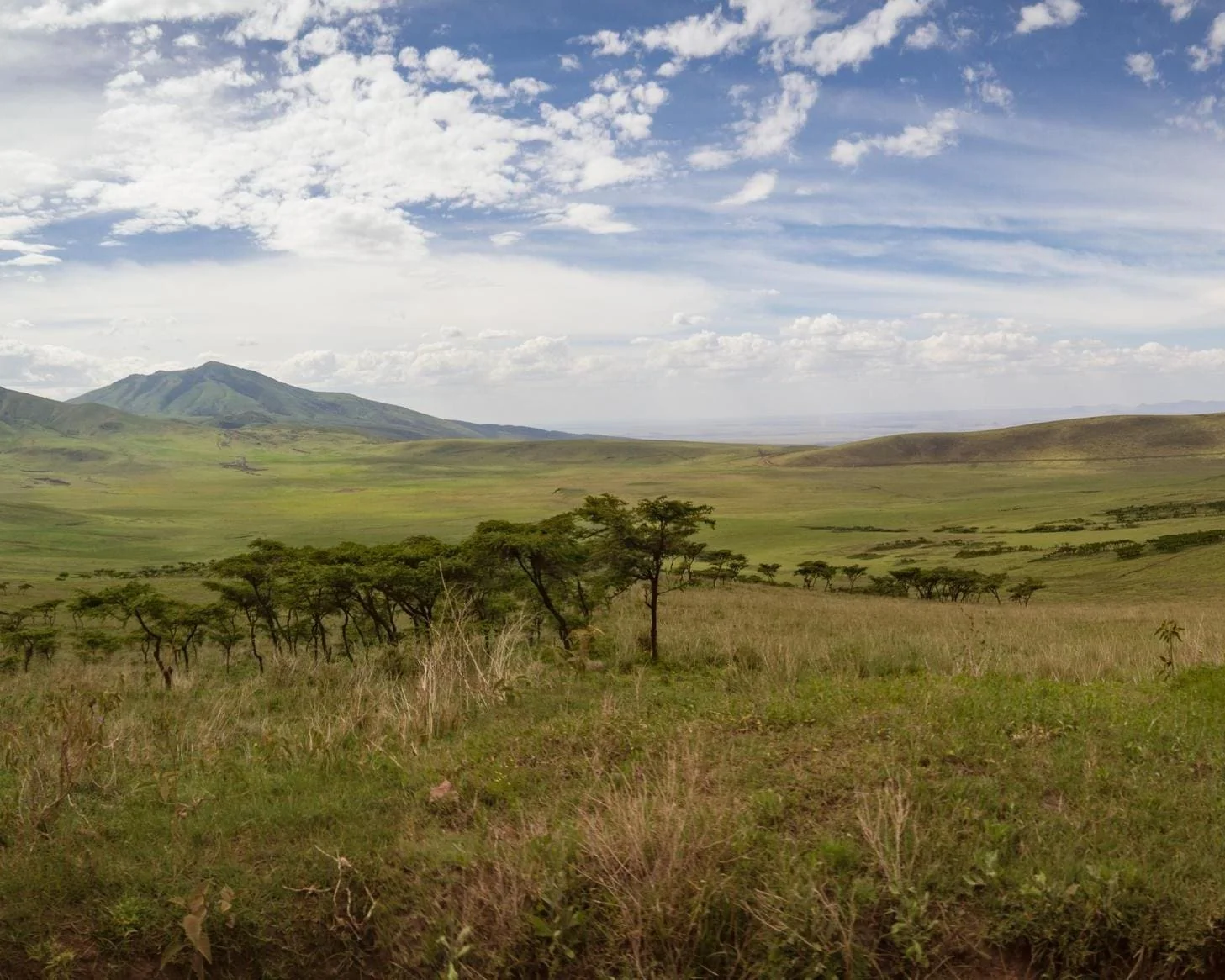
Seven days that cover more vertical and horizontal ground than any standard northern circuit itinerary: three days climbing Mt Meru (4,566m) through Arusha National Park's wildlife-rich montane forest and moorland to the summit, a rest day in Arusha, then two full safari days in Tarangire's elephant-dense woodland and Ngorongoro Crater's 25,000-animal concentration. Summit and savanna in a single week, starting and ending in Arusha.

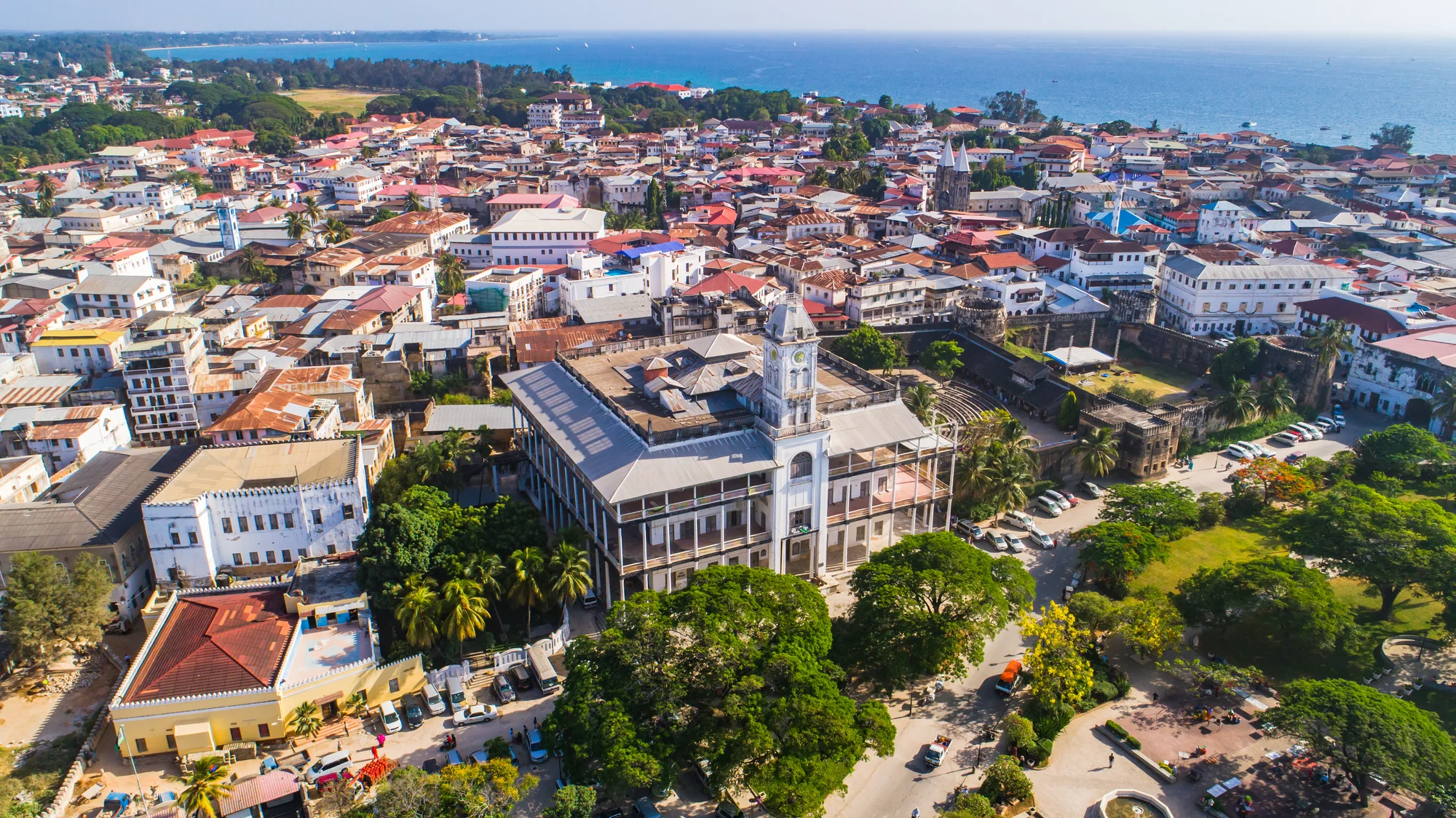
The Marangu Route is Kilimanjaro's original — the only path on Africa's highest mountain where you sleep in a bunk rather than a tent, in huts that have stood on the mountain since the colonial era. Six days on the mountain, from the humidity of the rainforest gate through moorland and alpine desert to the ice-glazed summit at 5,895 metres. Then three days in Zanzibar: Stone Town's layered history, a north coast beach, saltwater that asks nothing of you except that you float in it. Ten days, one mountain, one island, no safari — the complete contrast itinerary for climbers who want the reward to be genuinely different from the effort.

Summit Africa's highest peak via the Machame Route — Kilimanjaro's most popular path with a 70-80% success rate — then fly to Zanzibar for four days of warm-ocean recovery. Seven days of trekking through five ecological zones to 5,895 metres, followed by one night in historic Stone Town and three nights on white-sand beaches where the Indian Ocean washes the altitude from your bones. No safari, no filler — just the continent's greatest vertical adventure followed by its finest horizontal reward.

Climb two of Africa's great volcanic peaks in eleven days: Mt Meru (4,566m) as a three-day acclimatization sequence through Arusha National Park's wildlife-rich forest and moorland, then a full-day rest in Arusha before the seven-day Machame Route on Kilimanjaro to Uhuru Peak (5,895m). The combination is not coincidence — three nights above 2,500m on Meru, including one at the Saddle Hut (3,566m), produces measurably better altitude adaptation before the Machame Route begins, making this the most scientifically grounded strategy for reaching Africa's highest point.

The Rongai Route approaches Kilimanjaro from its northern side — the Kenya border — where the mountain's rain shadow produces a drier climate, a quieter trail, and a remote landscape that southern-approach routes cannot offer. Seven days of tented camp trekking through five ecological zones, including the Mawenzi Tarn acclimatization camp at 4,330 metres, followed by three days in Zanzibar: one night in Stone Town, then the east coast at Paje, where the Indian Ocean's trade winds make the water turquoise and the kitesurfing wind never stops. Eleven days, Africa's highest mountain from its quietest approach, and the island's most wind-energised coast as the reward.

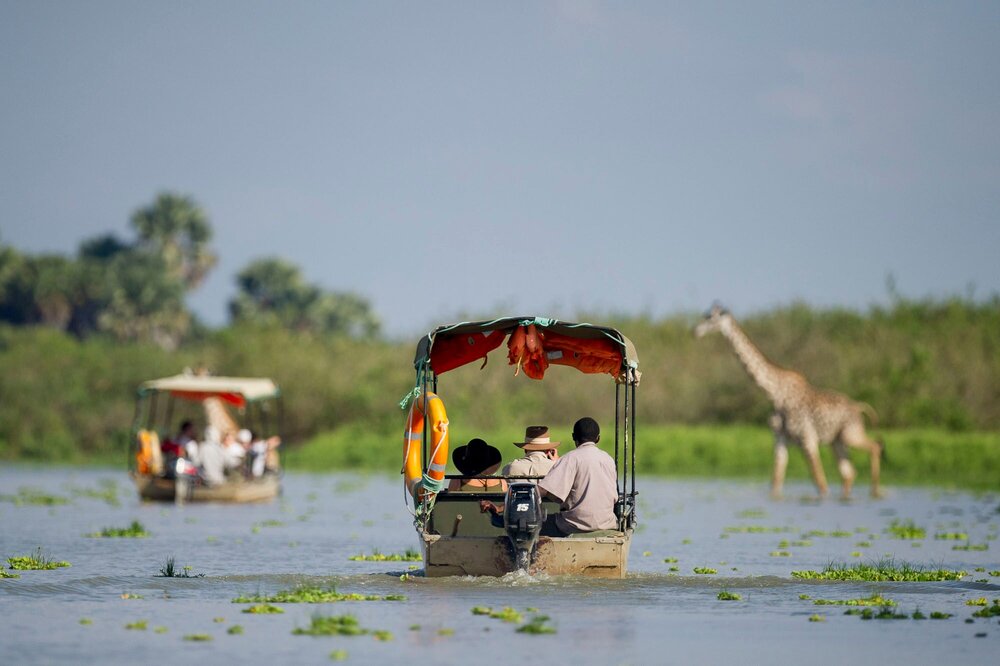
Summit Africa's highest peak via the Machame Route — Kilimanjaro's most popular path with a 70-80% success rate — then recover for one day before flying south to Tanzania's most undervisited wilderness. Days 9 through 12 swap the familiar northern circuit for a boat safari on the Rufiji River in Nyerere National Park and a fly-in afternoon in Ruaha, the country's largest national park. You begin at 5,895 metres on glacial ice. You end watching lions drink from a seasonal pool in baobab country, with almost no other vehicles in sight. This itinerary pairs two bucket-list experiences — Kilimanjaro's summit and Tanzania's southern circuit — in a combination that fewer than one percent of visitors to either destination will attempt. Note: Nyerere and Ruaha close mid-March through end of May during the long rains — this itinerary operates June through February only.

Seven days of altitude, volcanic rock, and a midnight walk to the highest point in Africa. Then a flight, a boat, and an exclusive island atoll where the Indian Ocean's house reef sits fifty metres from your banda door. This twelve-day itinerary pairs Kilimanjaro's Machame Route — summit at 5,895 metres, success rate 70-80%, one of the great walks on Earth — with Mnemba Island's private atoll experience: twelve bandas, a renowned dive site, dolphins feeding off the reef at dawn, and the specific luxury of having nothing to do that requires boots. The contrast between these two destinations is not incidental. It is the design.

Seven days on Kilimanjaro's Machame Route, summit at Uhuru Peak, descent complete. Then a flight to Zanzibar and a speedboat to Bawe Island — a 70-villa private-island resort by The Cocoon Collection, opened in 2024 on a coral islet five kilometres west of Stone Town. Four nights on Bawe: the infinity pool above the Zanzibar Channel, butler-service villas with private pools, a spa with Swahili-spice treatment menus, snorkelling from a private beach, and a morning boat across fifteen minutes of turquoise water to Stone Town's spice markets and coral-rag architecture. Summit, then private island. The contrast is geographic, climatic, and sensory — from sub-zero alpine desert to 30-degree tropical channel in a domestic flight.

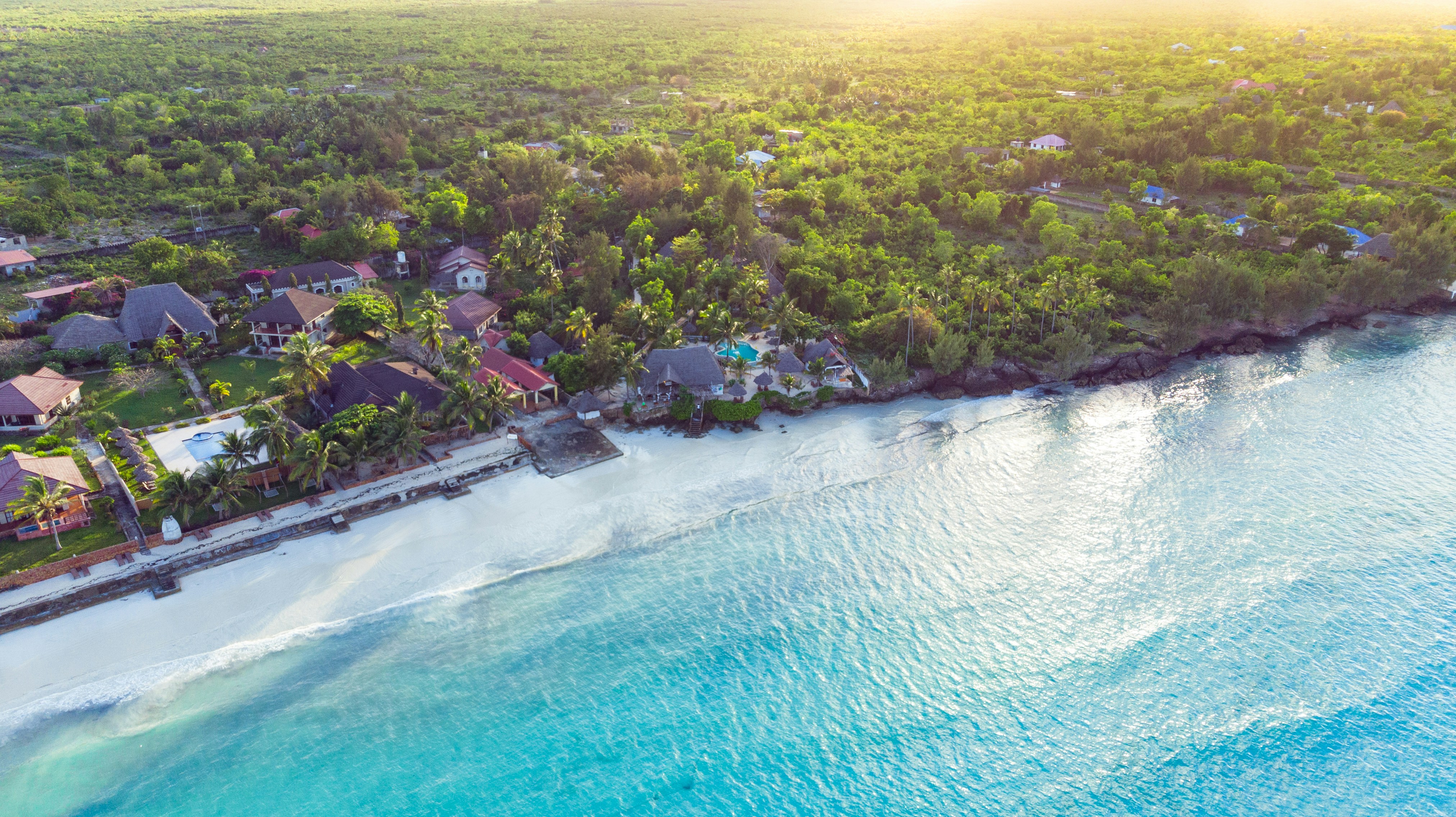
Climb Kilimanjaro via the Lemosho Route — the mountain's finest acclimatization path with an 85-90% summit success rate — then recover on the white sand beaches of Zanzibar. Eight days on the mountain through pristine western rainforest, across the Shira Plateau, over the Lava Tower acclimatization loop, and up to Uhuru Peak at sunrise. Then a flight to Zanzibar for one night exploring Stone Town's labyrinthine alleys and spice-scented markets, followed by three nights on the Indian Ocean coast where turquoise water and coral reefs undo what the mountain did to your body. No safari filler. No rushed transitions. Just the roof of Africa and the beach that heals the climb.
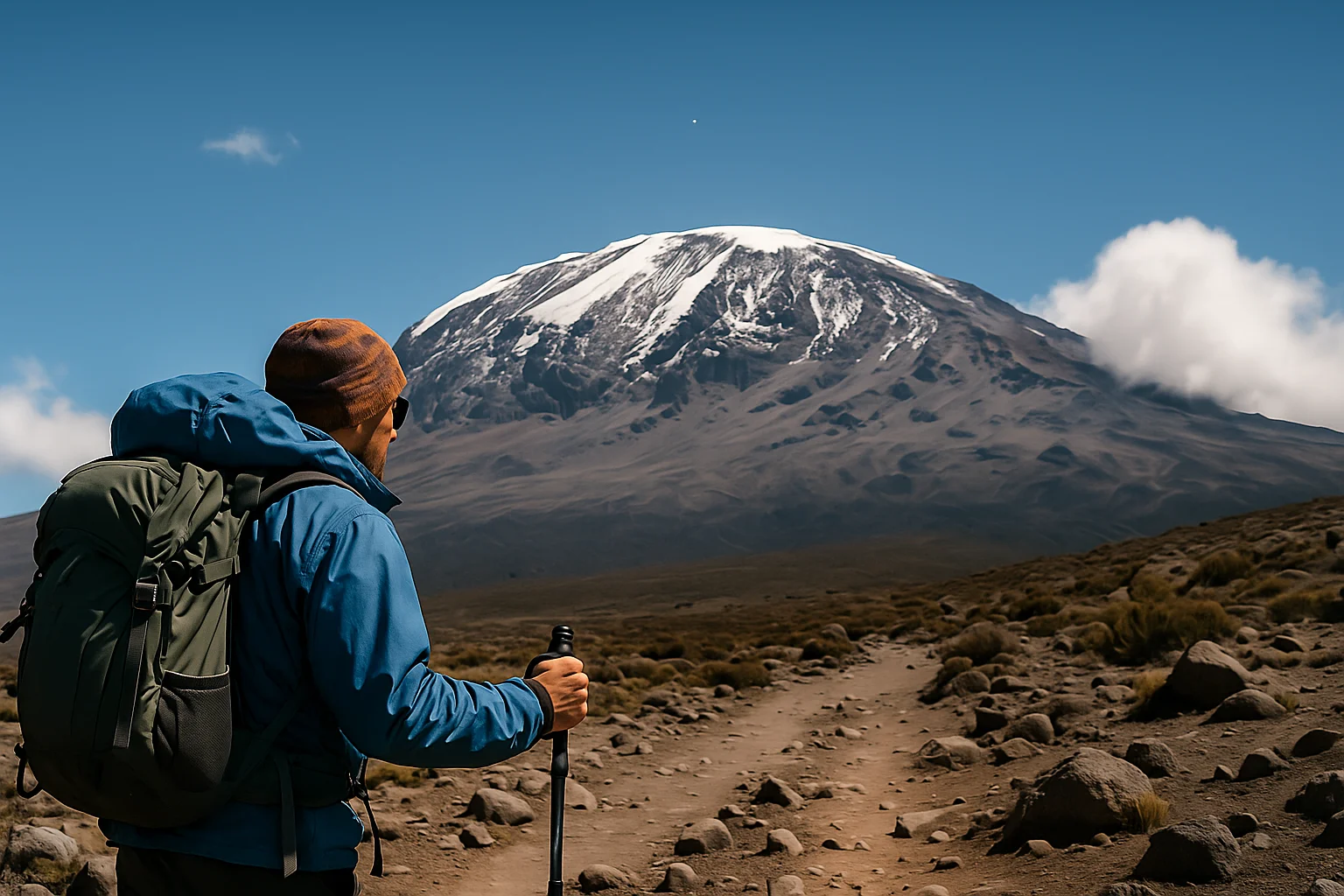
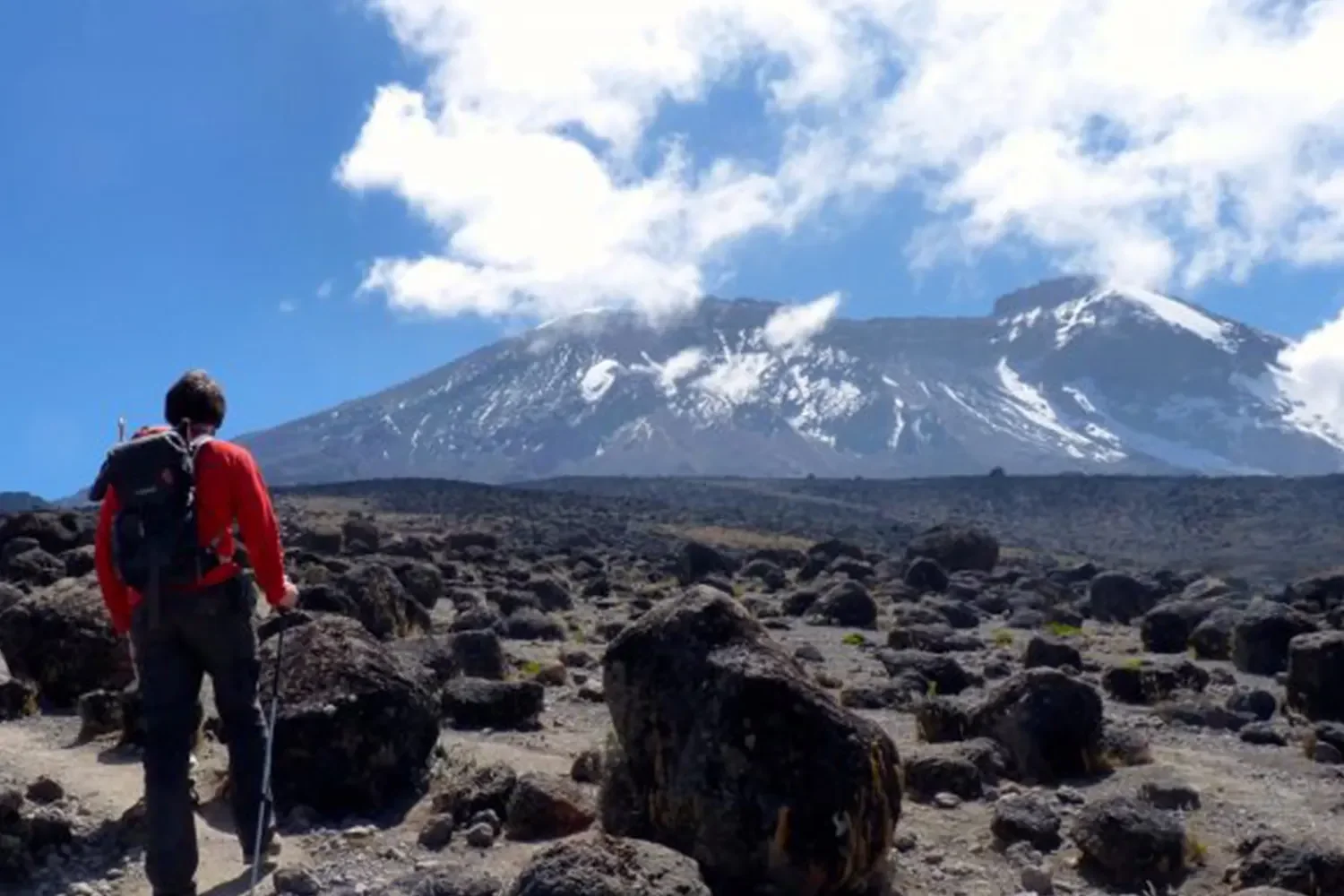
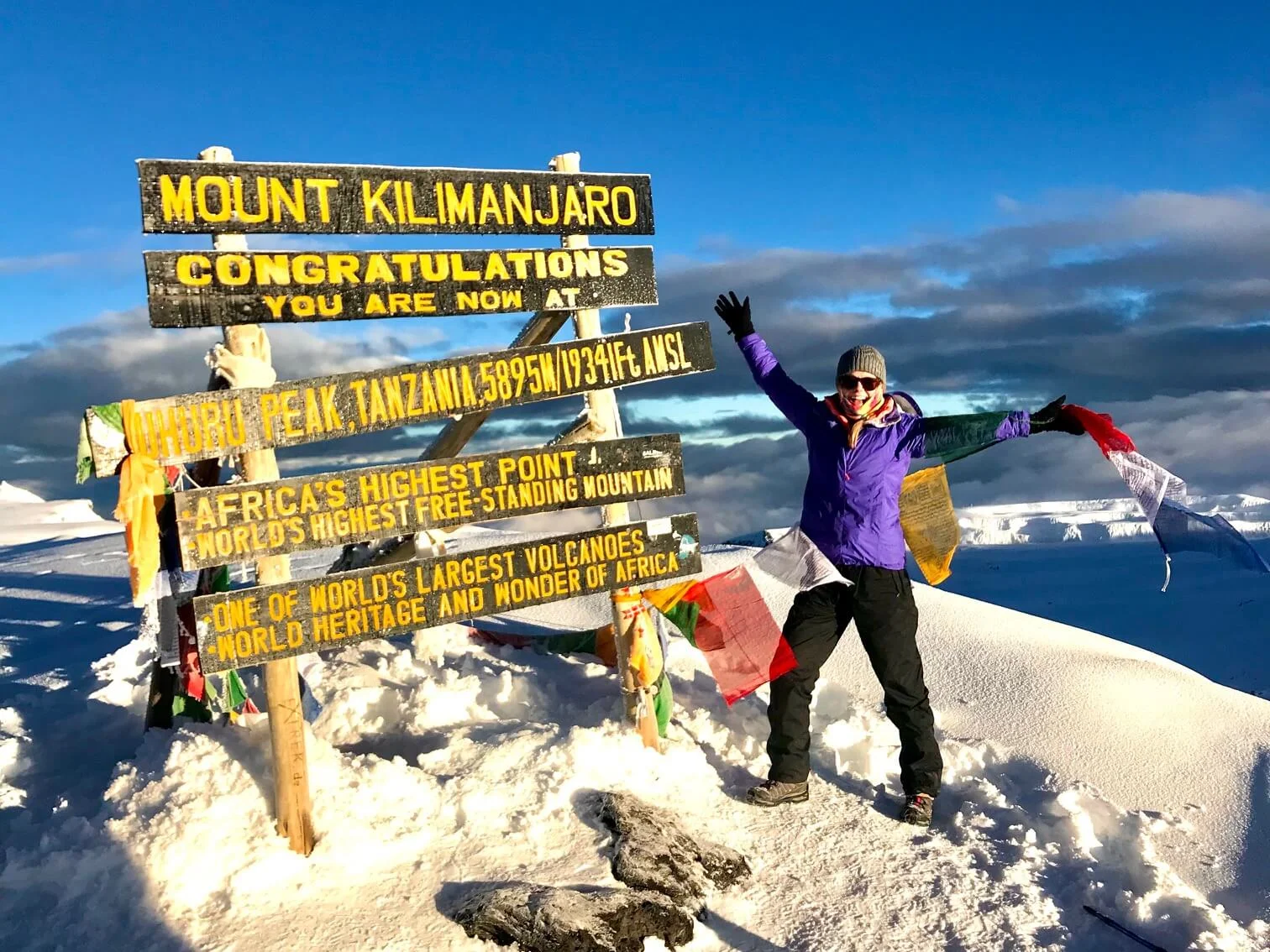
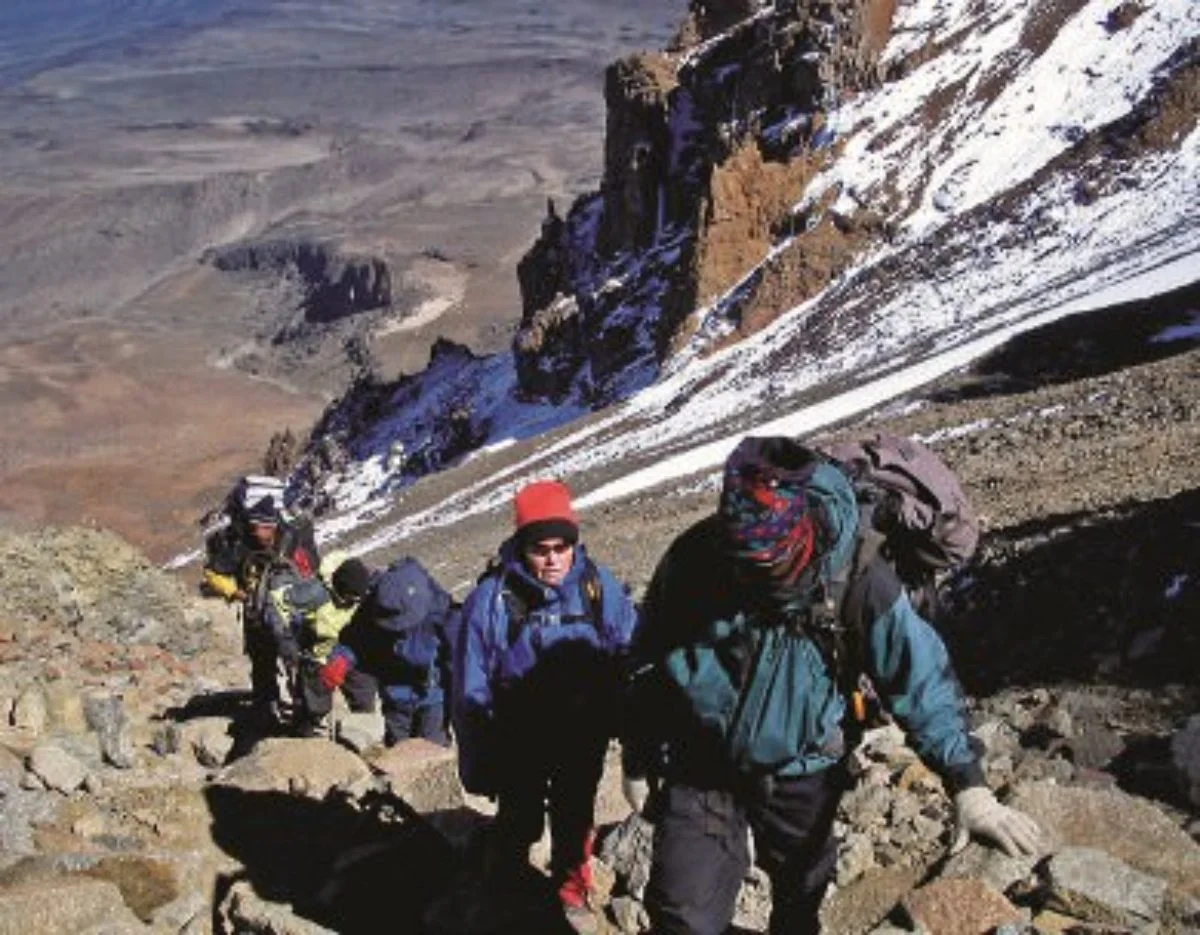
Mount Kilimanjaro is the highest mountain in Africa at 5,895 m (Uhuru Peak) and the most accessible of the world's great summits — no technical climbing, just a long, high walk that hinges almost entirely on acclimatisation. The single biggest factor in reaching the top is the number of days you spend ascending, so choosing the right route matters more than fitness alone.
| Route | Days | Success rate | Character |
|---|---|---|---|
| Marangu ("Coca-Cola") | 5–6 | 50–60% | Only hut route. Lowest success — shortest acclimatisation. |
| Machame ("Whiskey") | 6–7 | 70–80% | Most popular. Scenic camp-based route. |
| Rongai | 6–7 | 75–80% | Drier northern approach; quieter than Machame. |
| Lemosho | 7–8 | 85–90% | Best acclimatisation profile and scenery; remote western start. |
| Northern Circuit | 8–9 | 90%+ | Longest route. Circumnavigates the summit cone. Highest success rate of any route. |
Park fees are $82.60 per person per day; a 7-day Machame climb accumulates approximately $700+ pp in fees alone. Budget this separately when comparing operator quotes.
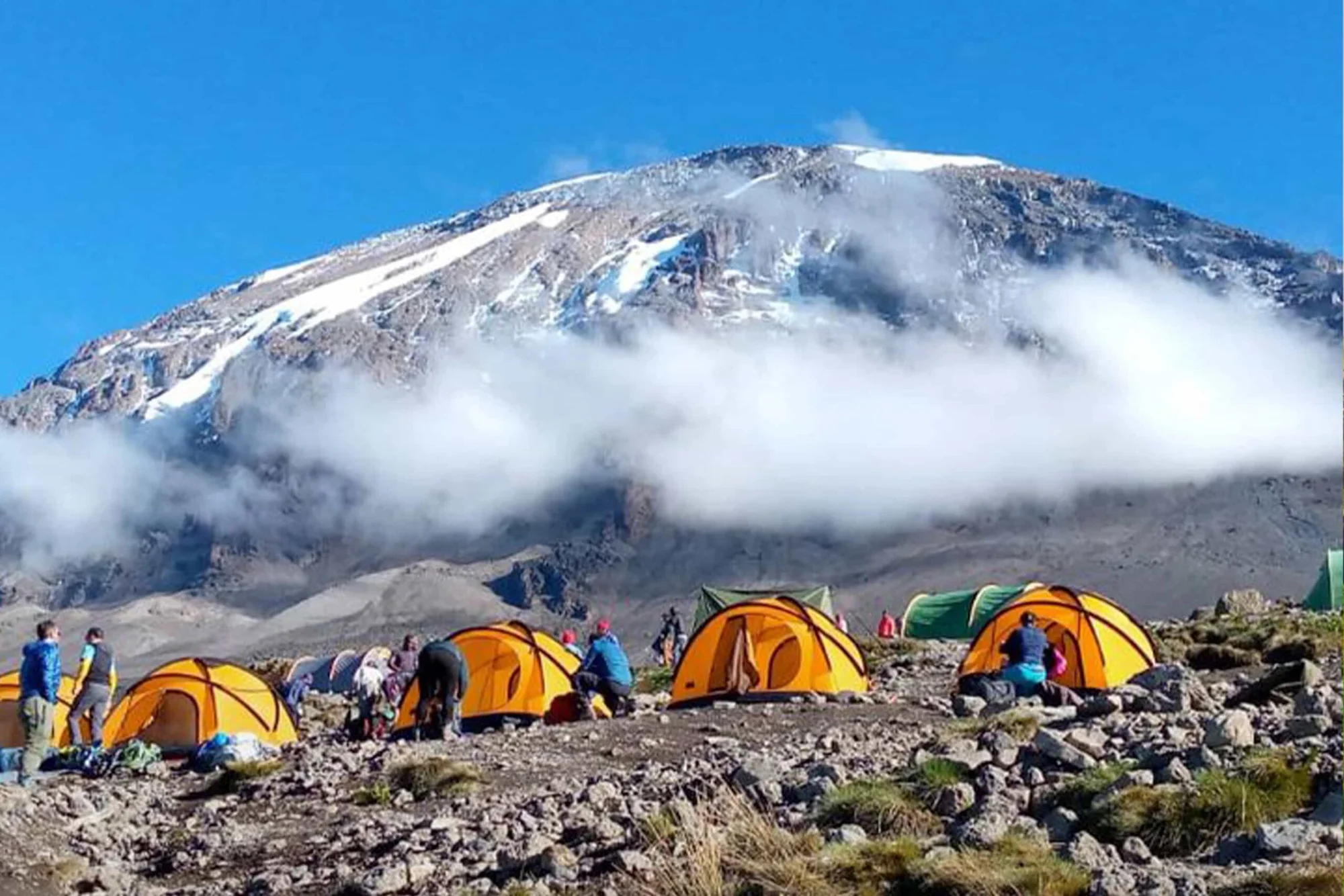
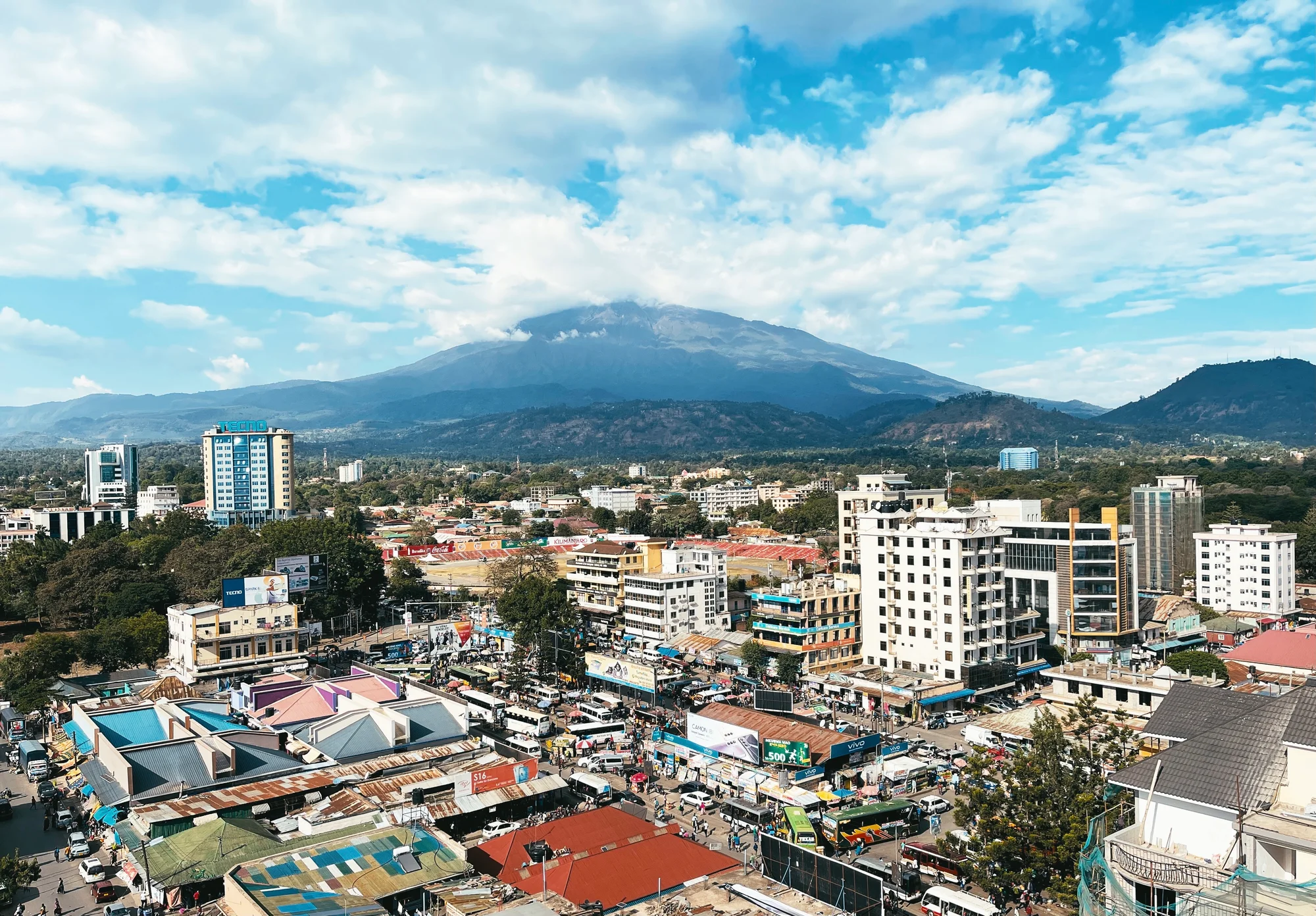
Moshi (not Arusha) is the base town — about 45 minutes from JRO airport. Most trailheads (Machame, Marangu, Rongai) are 45–60 minutes from Moshi; Londorossi Gate (used by Lemosho and the Northern Circuit) is approximately 2 hours from Moshi. All routes require licensed guides, porters and a cook; independent trekking is not permitted.
Give the mountain as many days as you can. More days mean better acclimatisation and a significantly higher chance of summiting — the gap between the Marangu 5-day (50–60%) and the Northern Circuit 8–9-day (90%+) makes the case clearly. The Lemosho and Northern Circuit are the best choices for anyone who can allocate the time. Machame remains the most popular for those wanting a 6–7-day option.
The standard advice is at least one full rest day between the descent and a dawn-to-dusk game drive — two days is better. You descend Kilimanjaro tired after 6–9 days at altitude; a Serengeti drive the next morning will not be enjoyed. Many travellers climb first and recover on safari. Browse the trek and trek-plus-safari itineraries below.