 Tours
Tours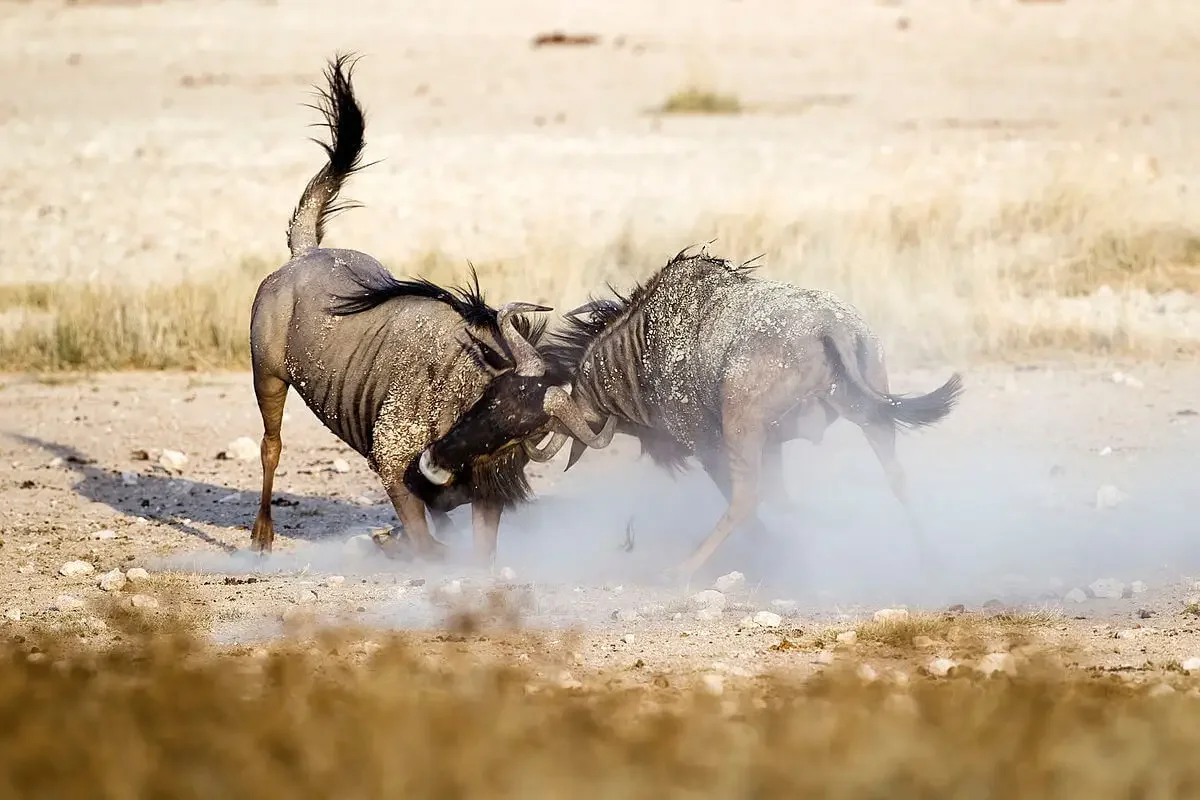
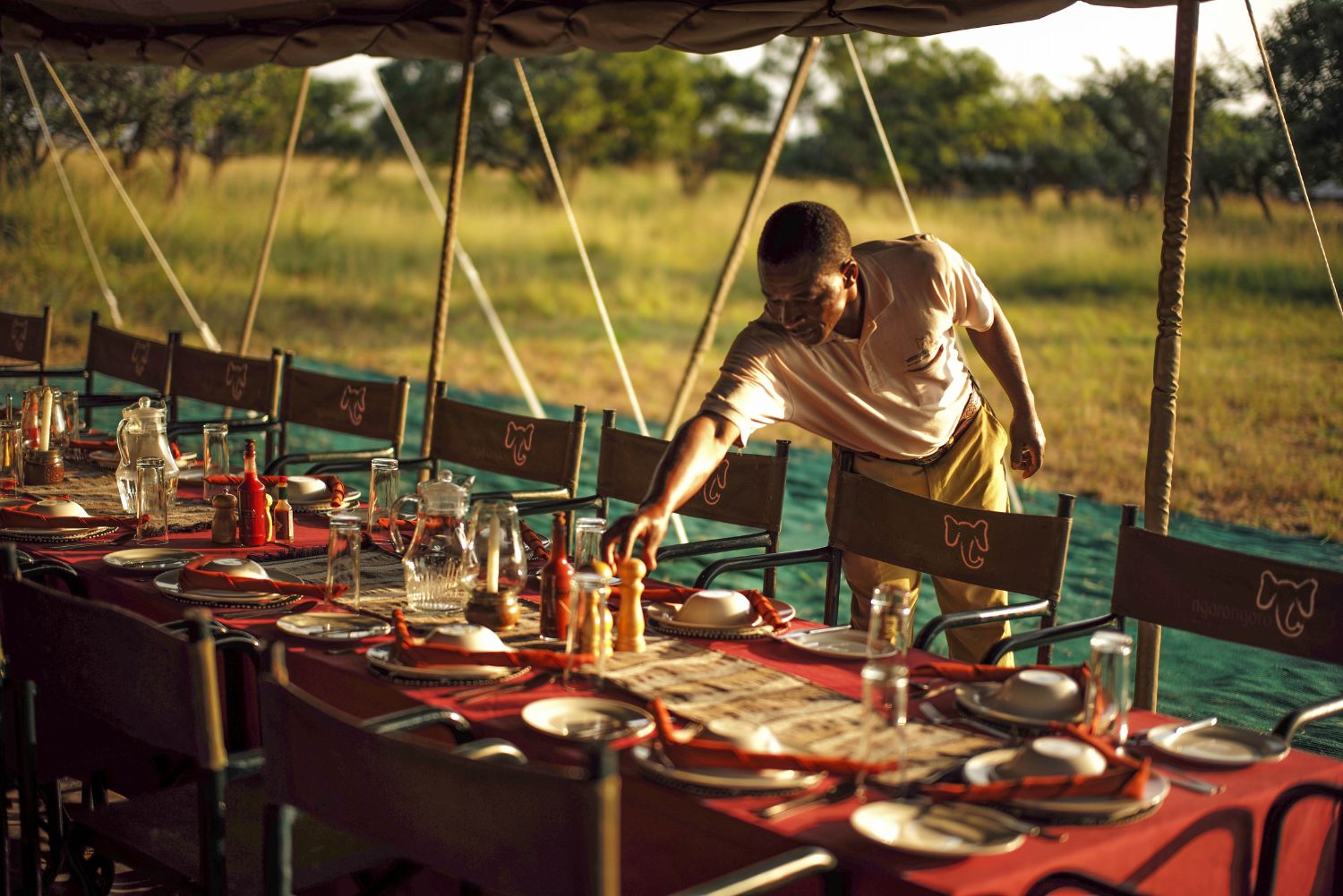
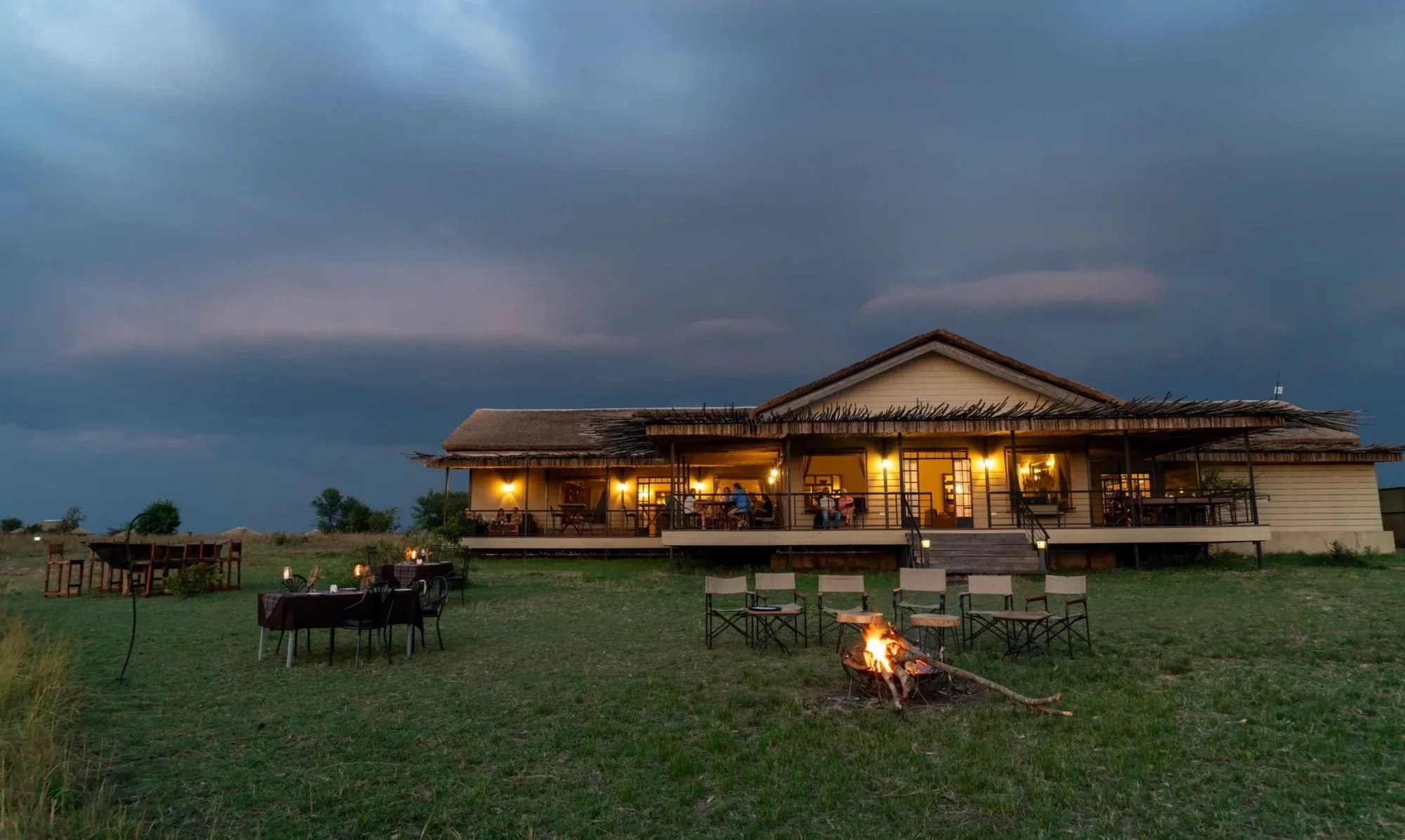
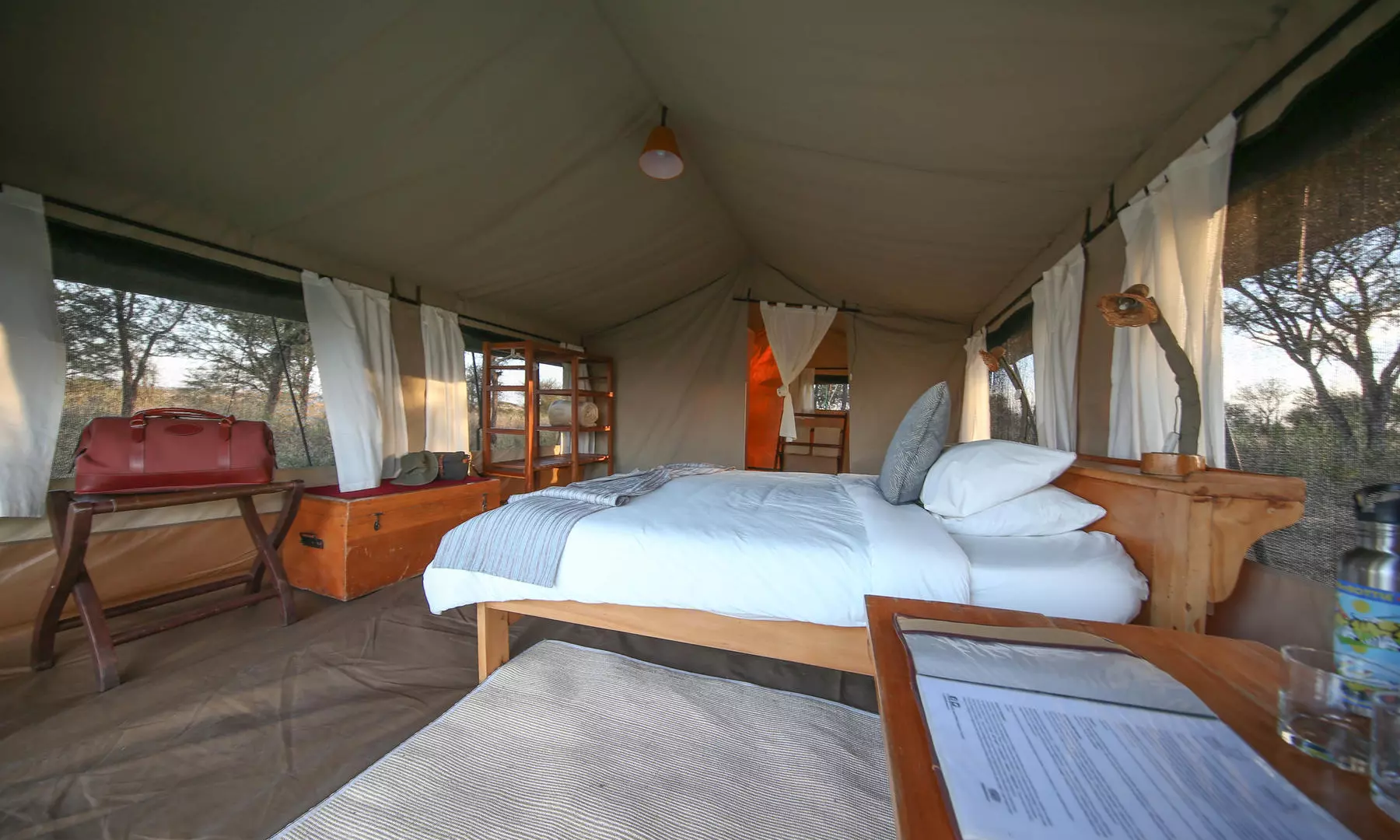
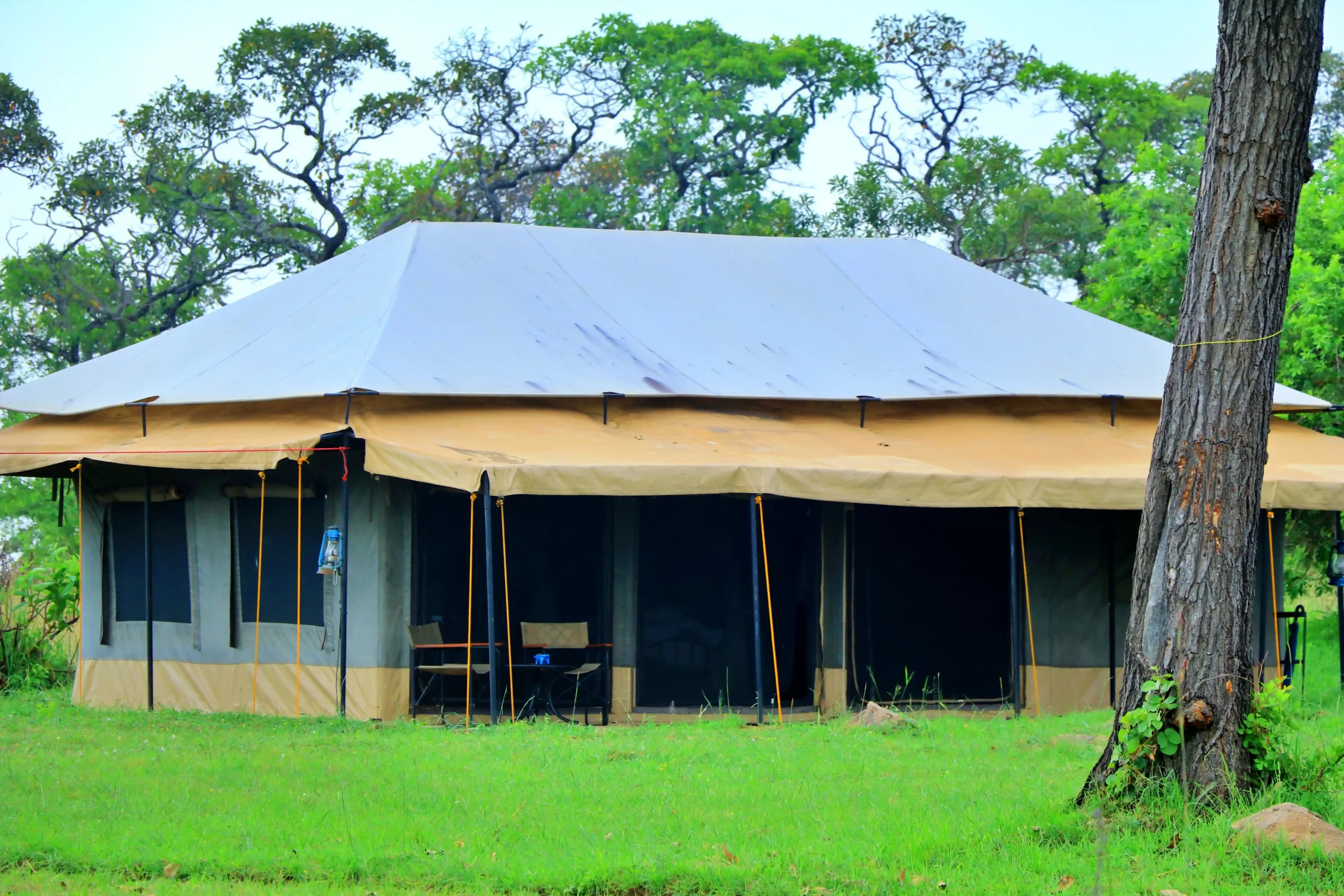
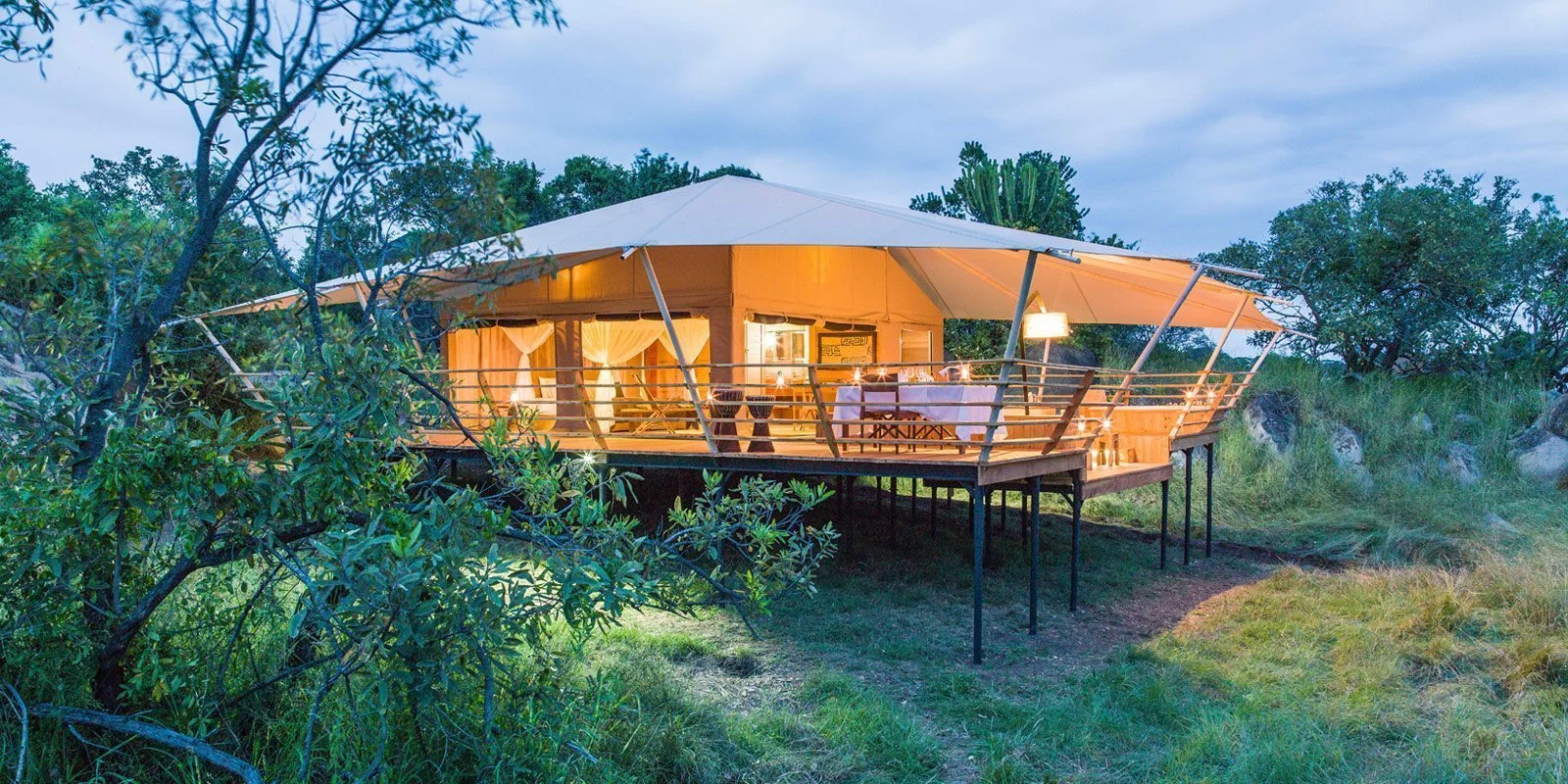
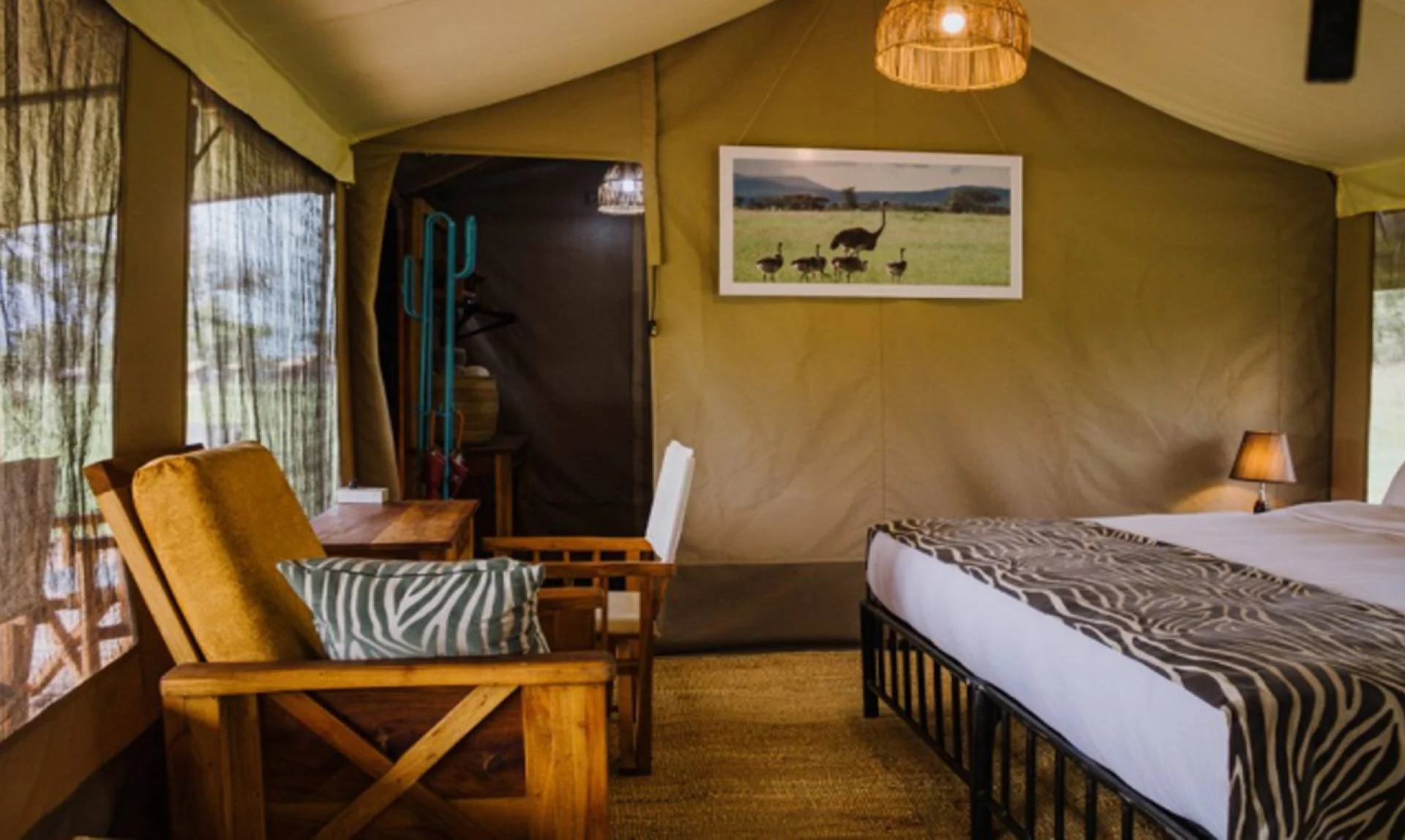
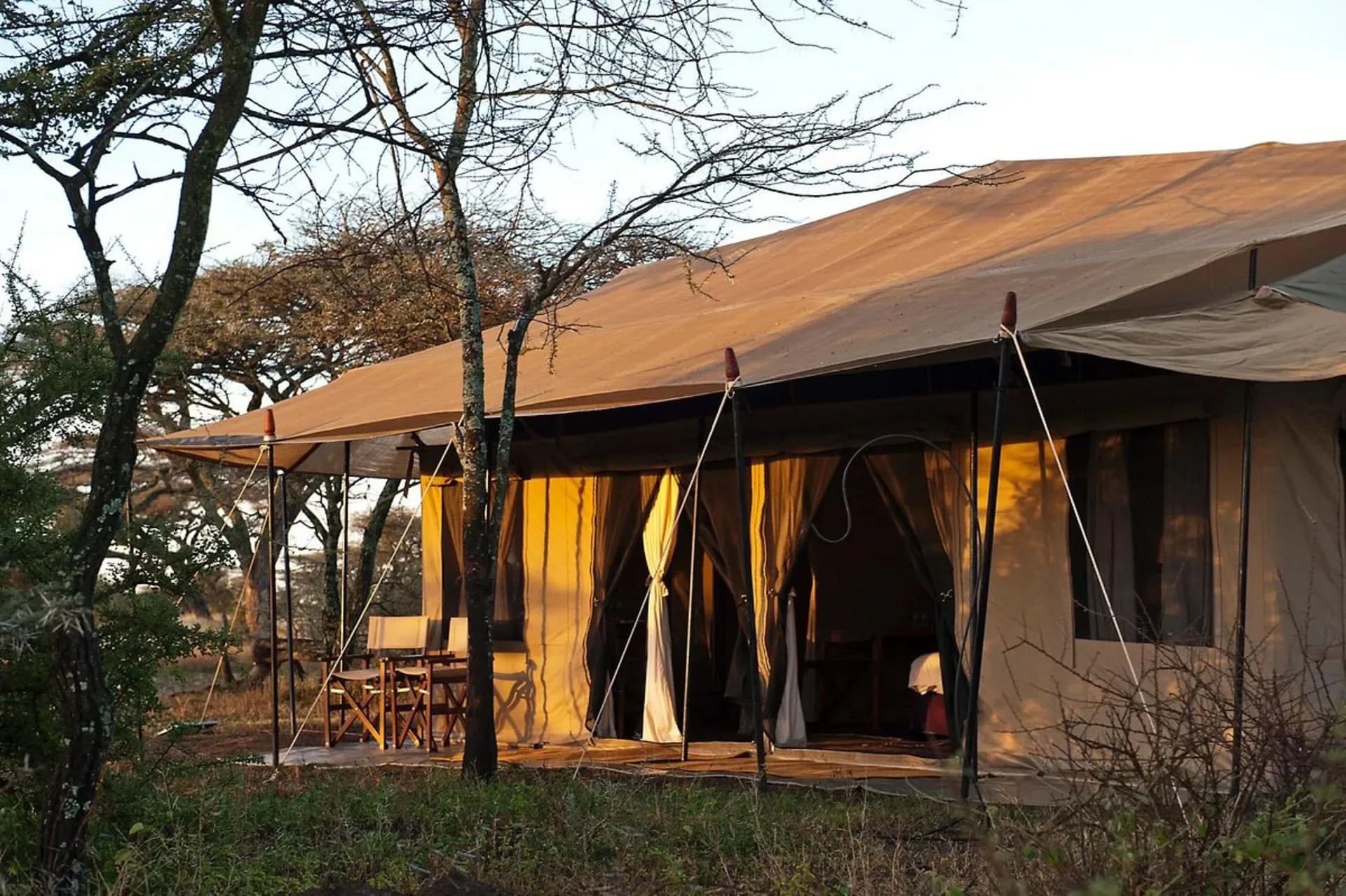
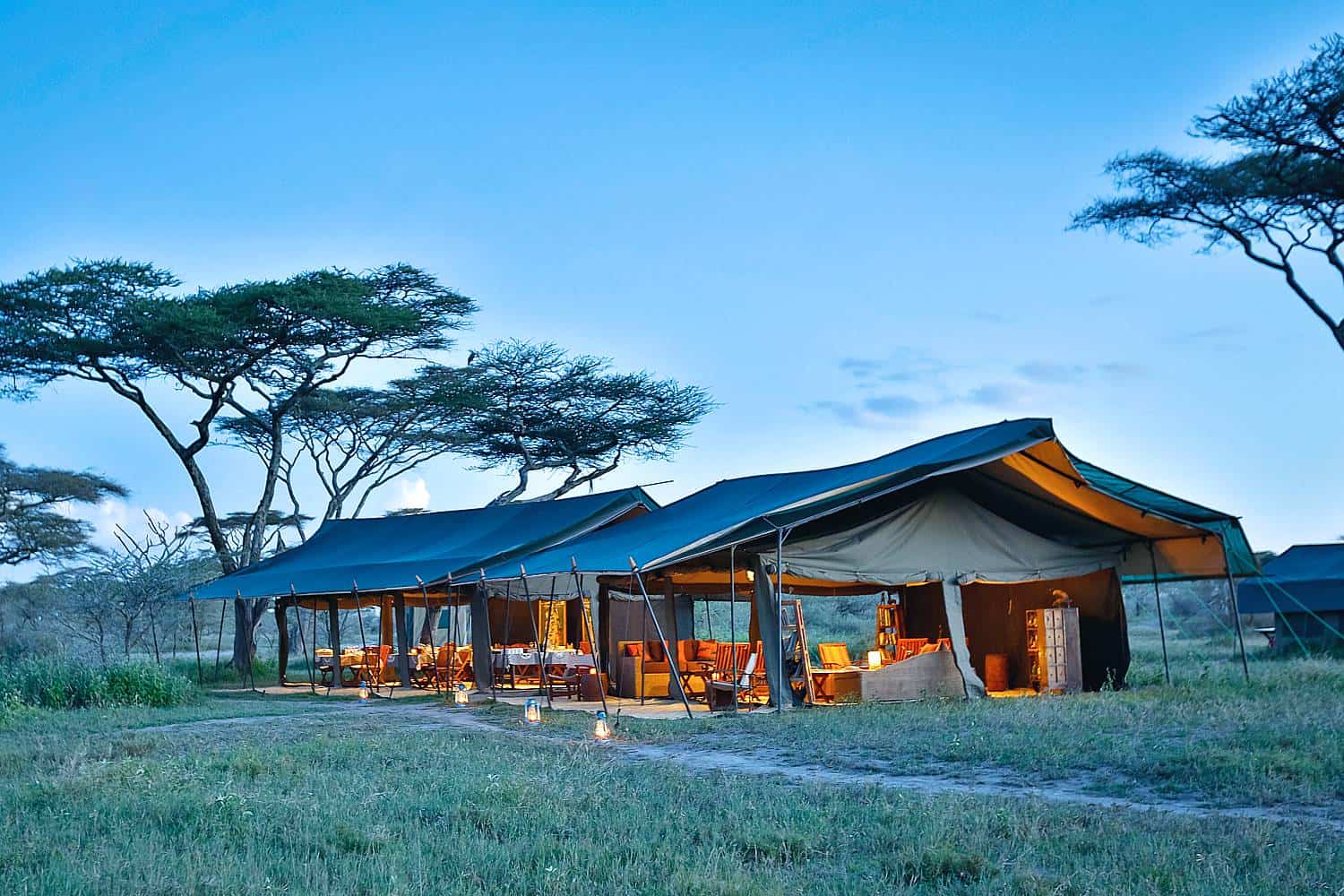
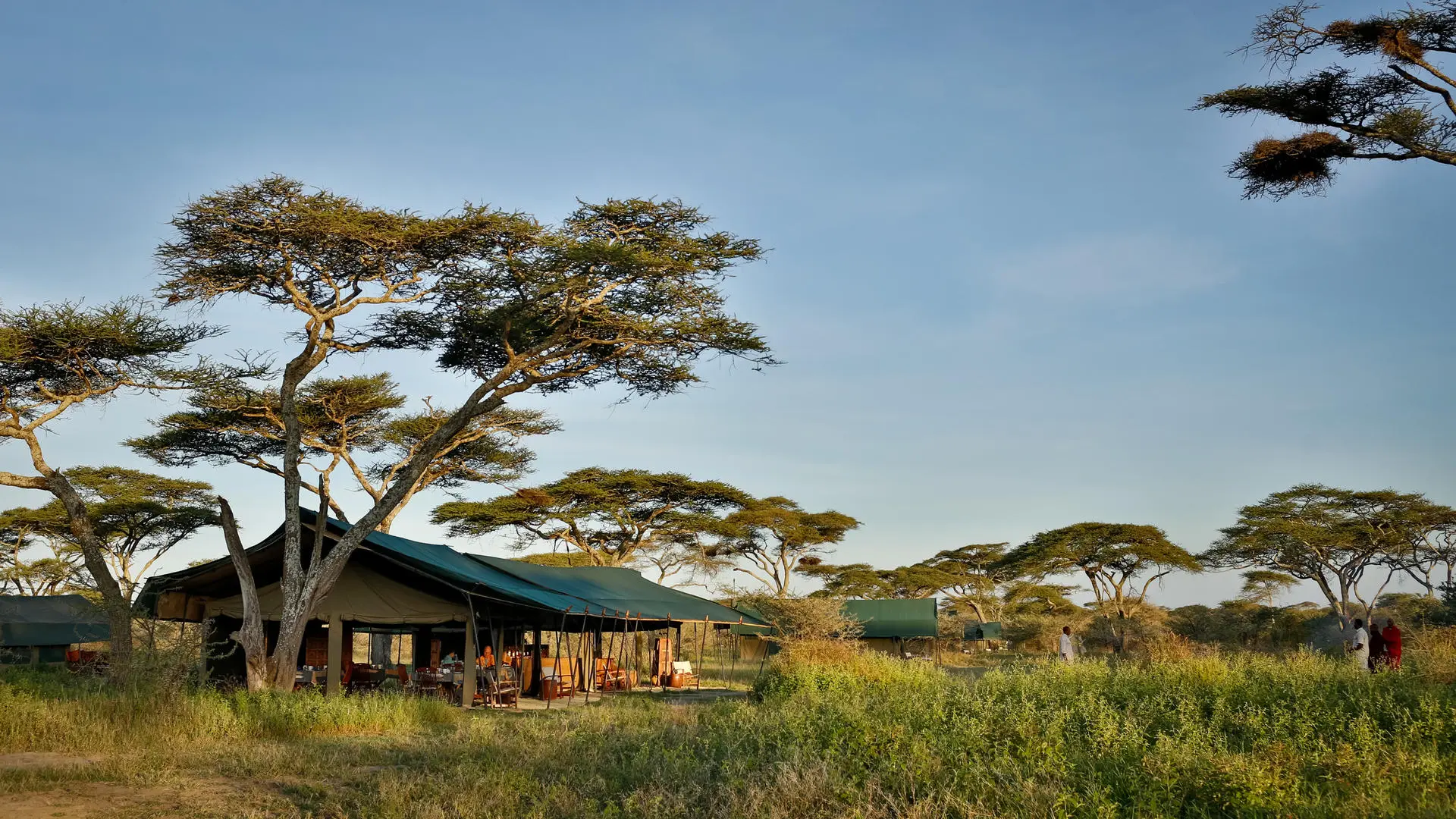
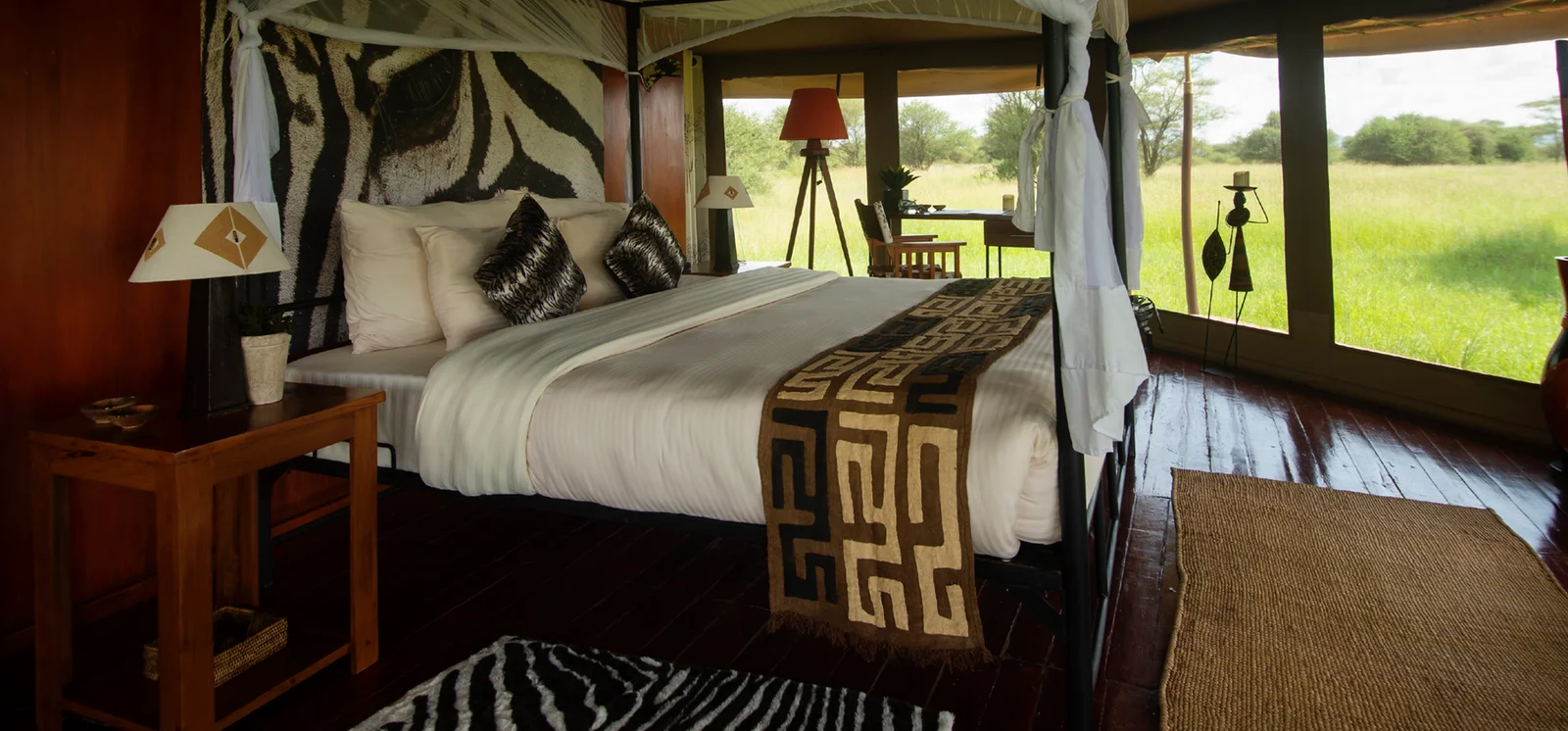
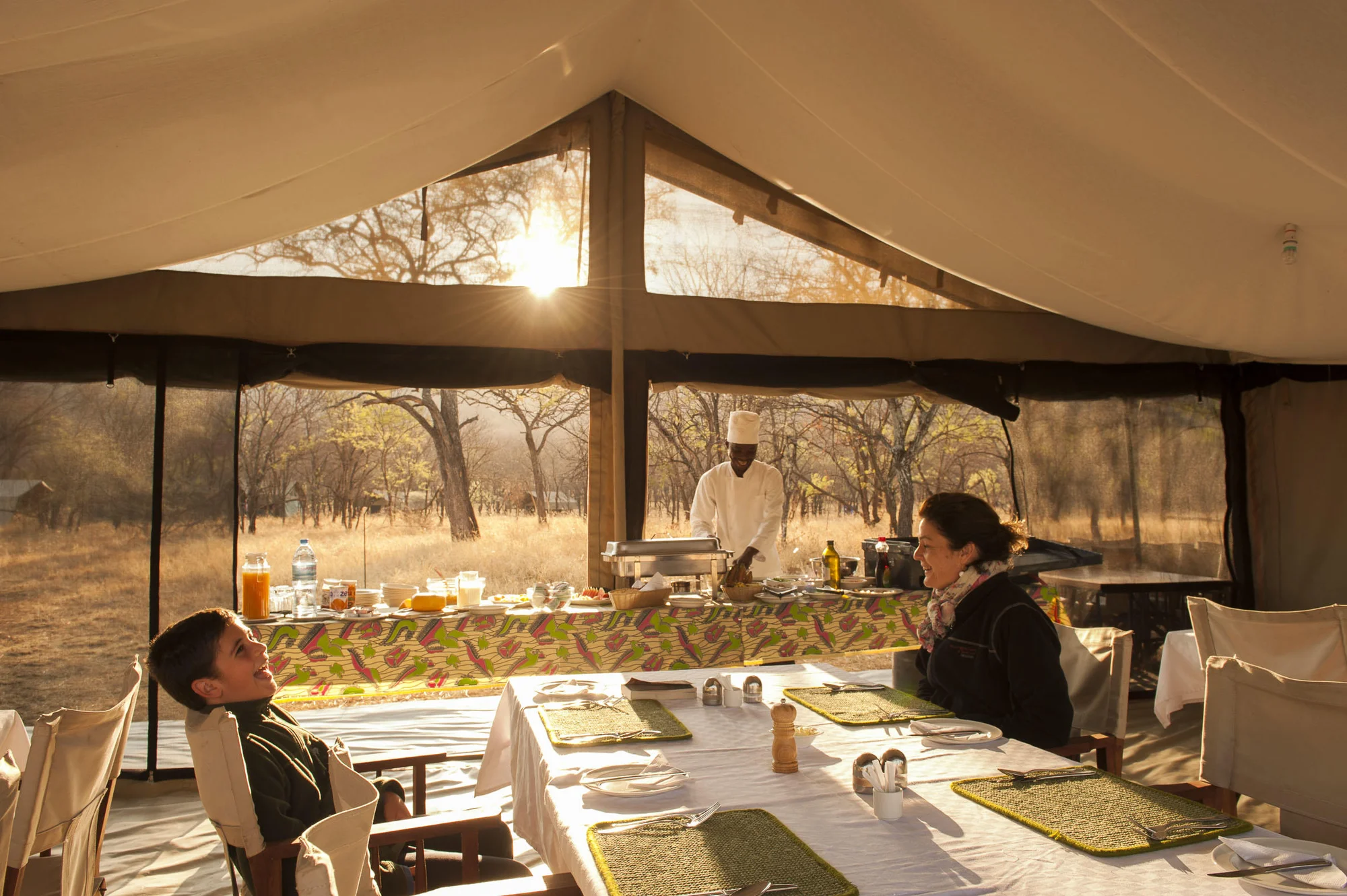
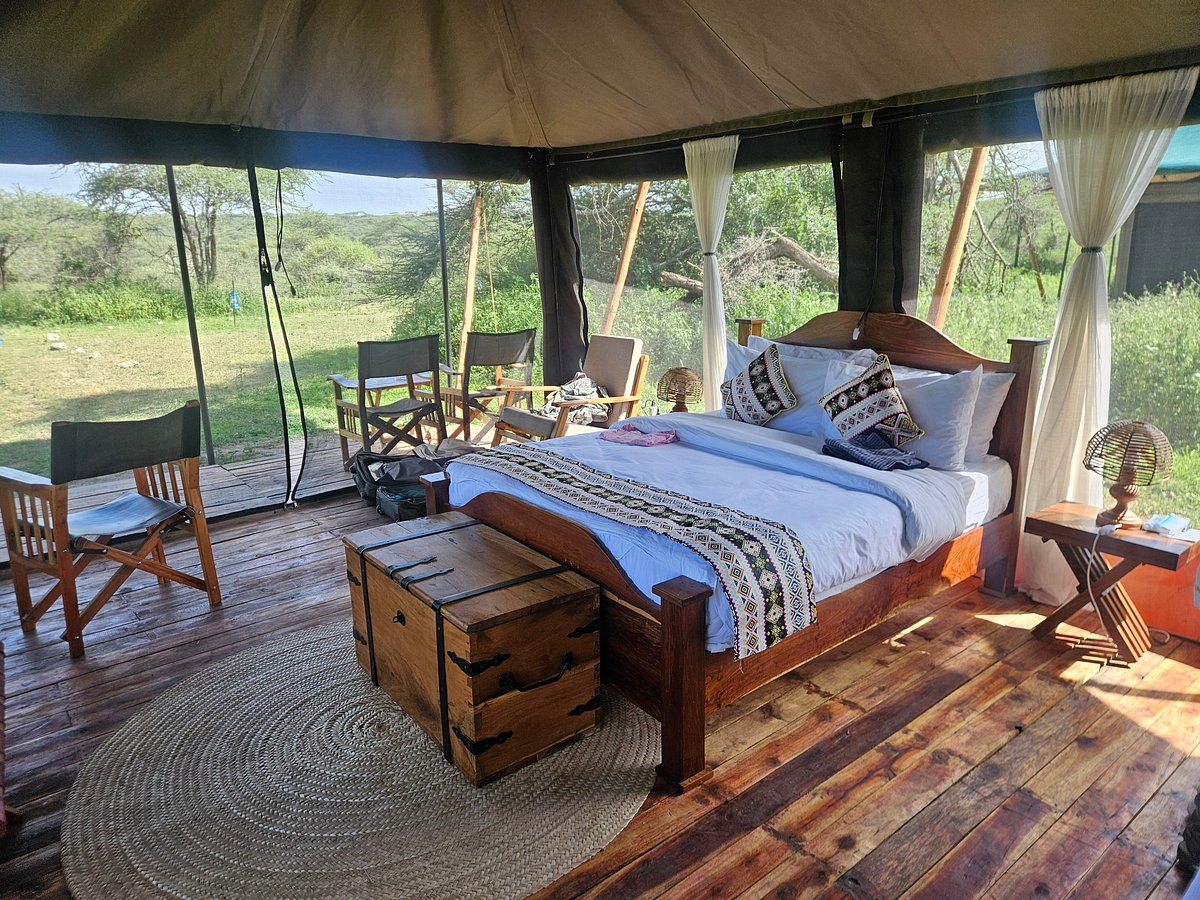
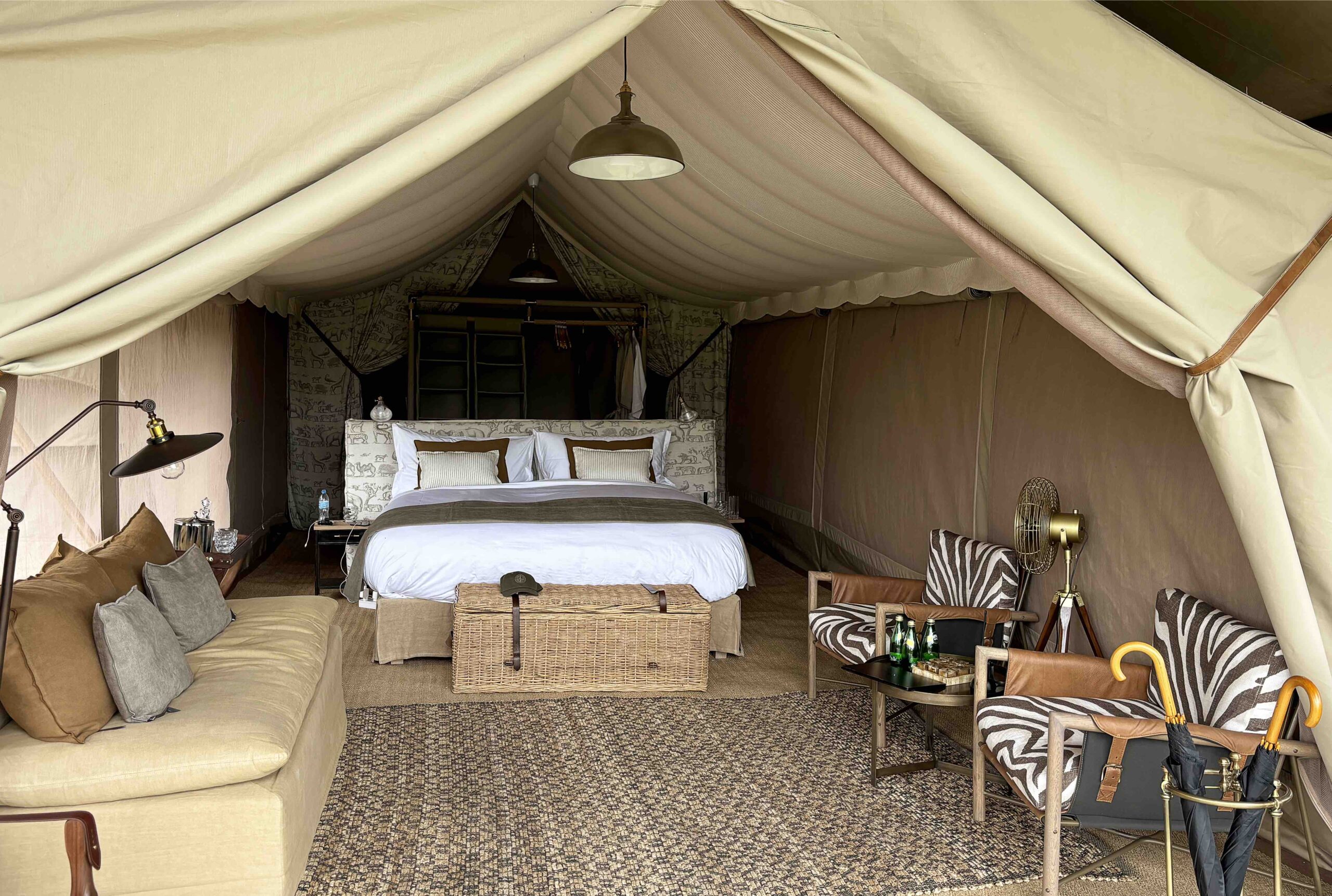
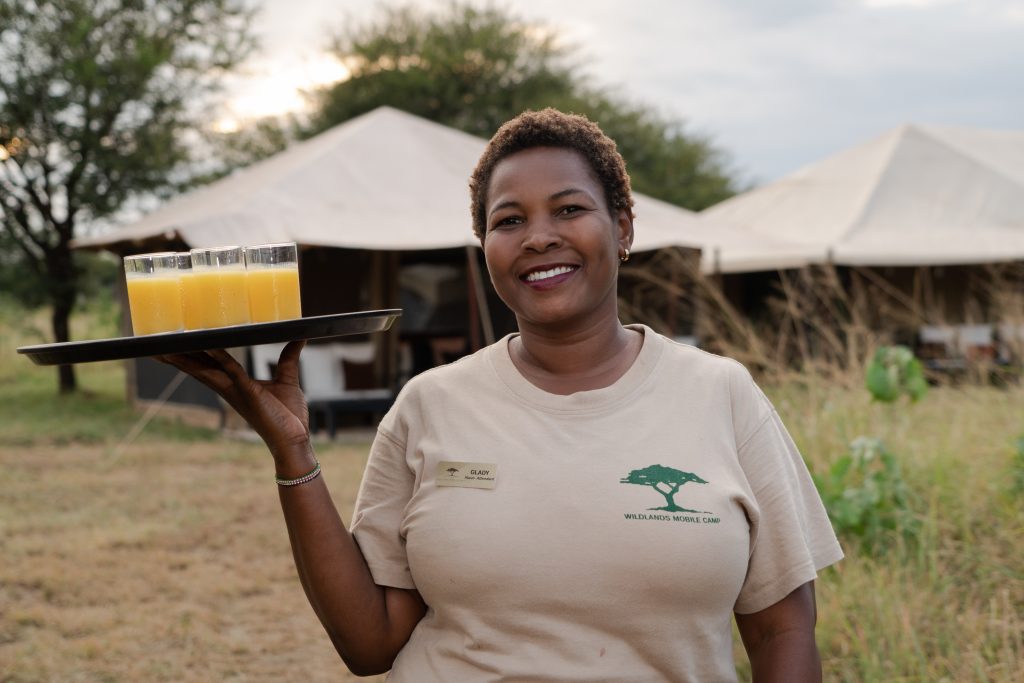
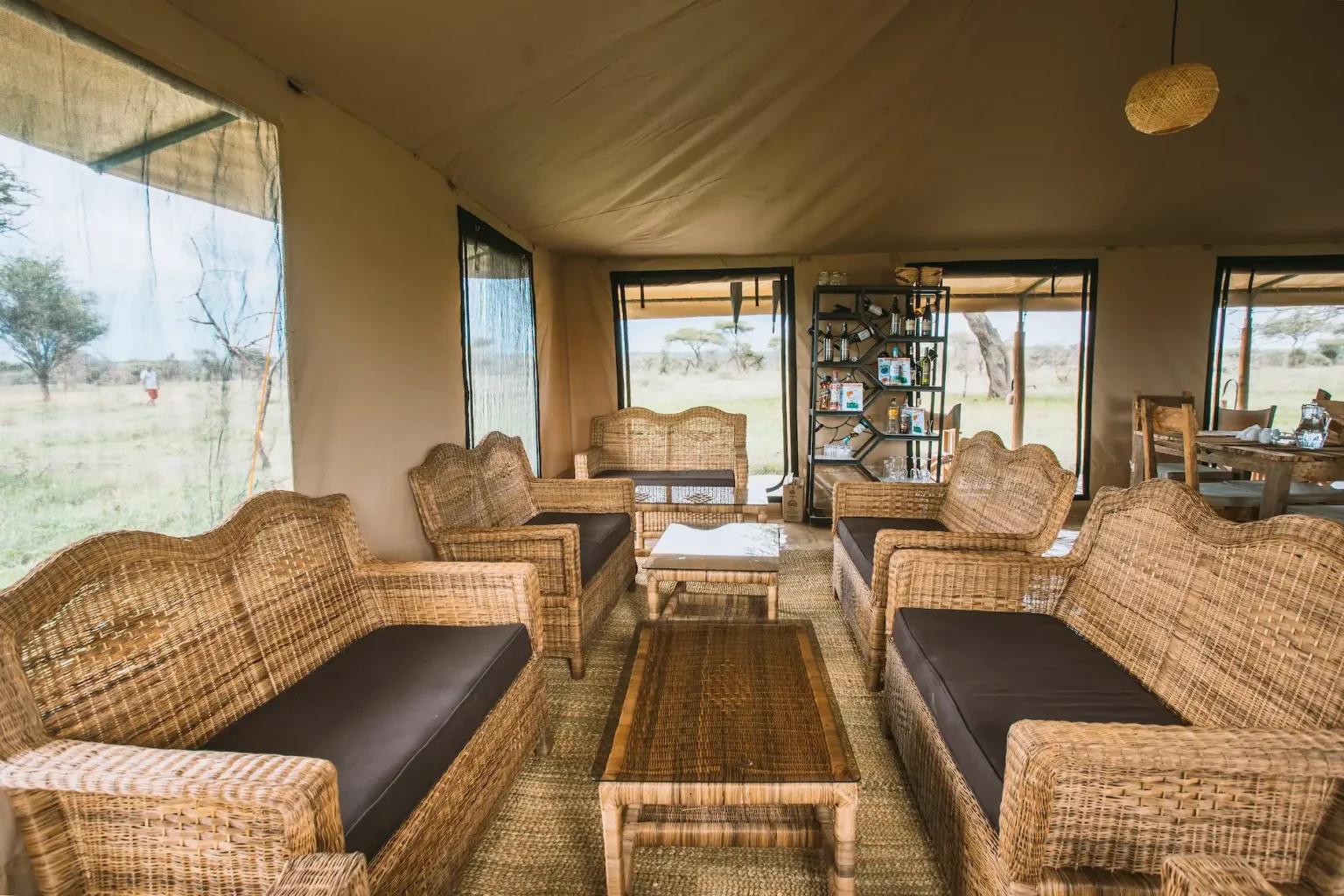
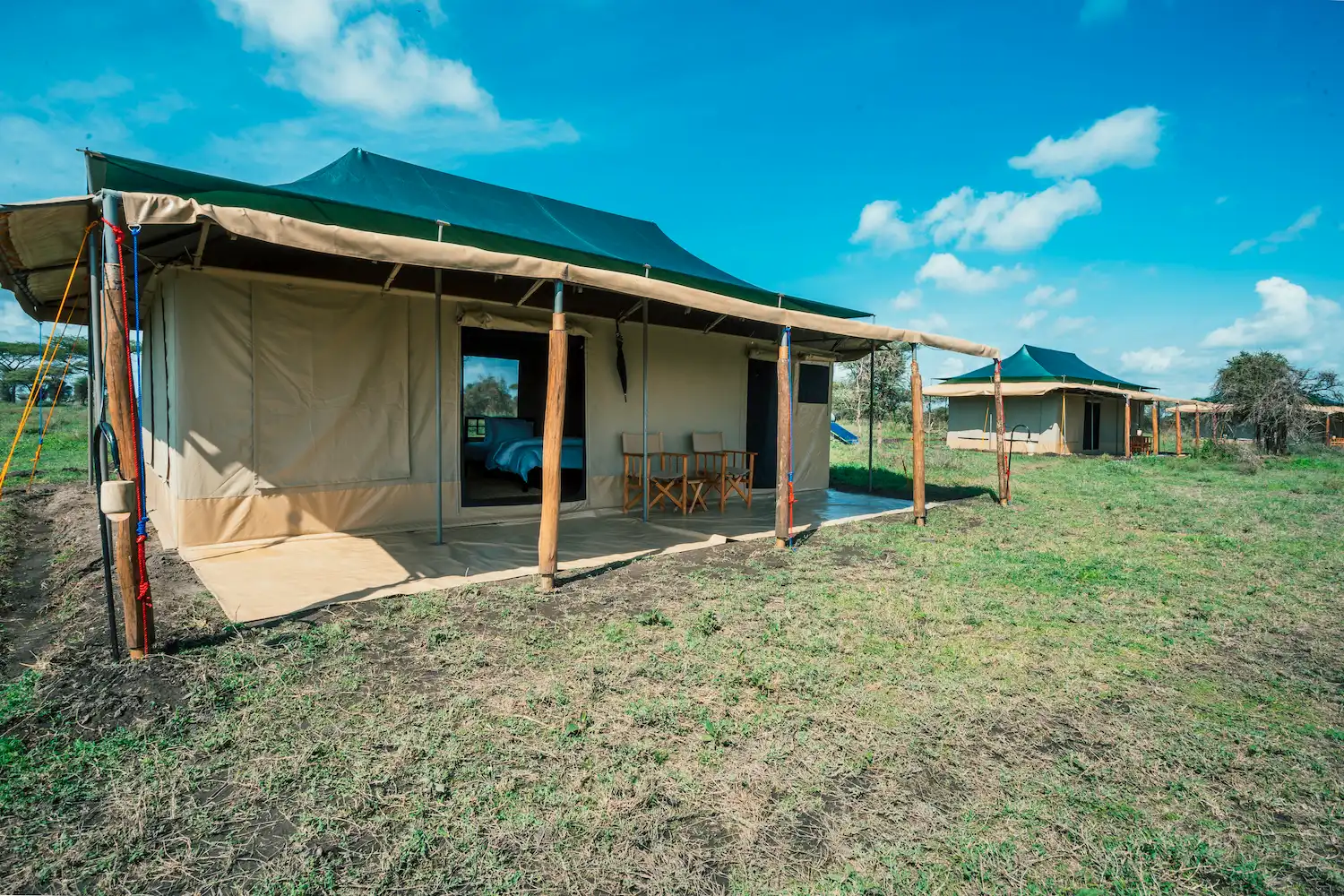
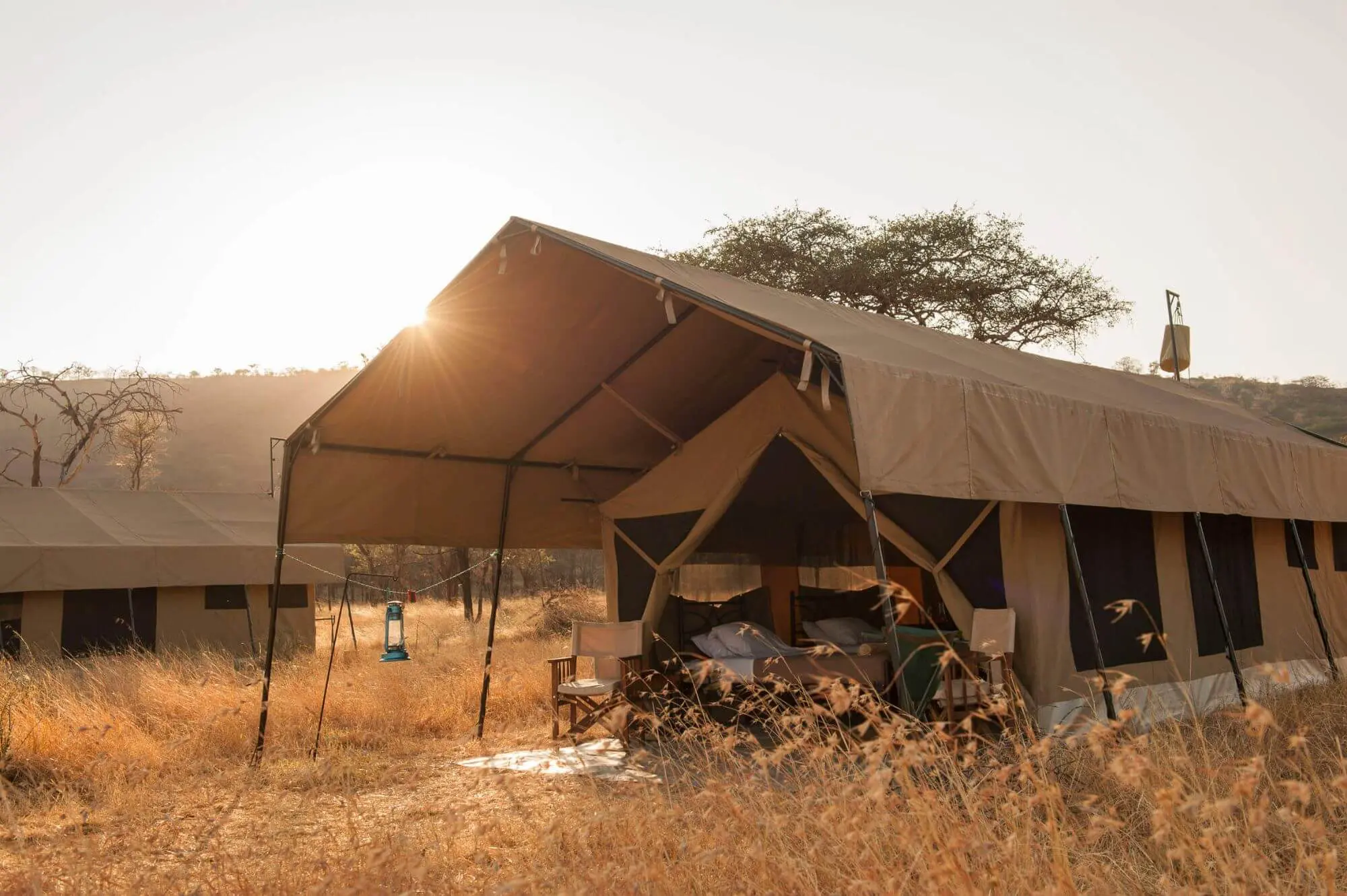
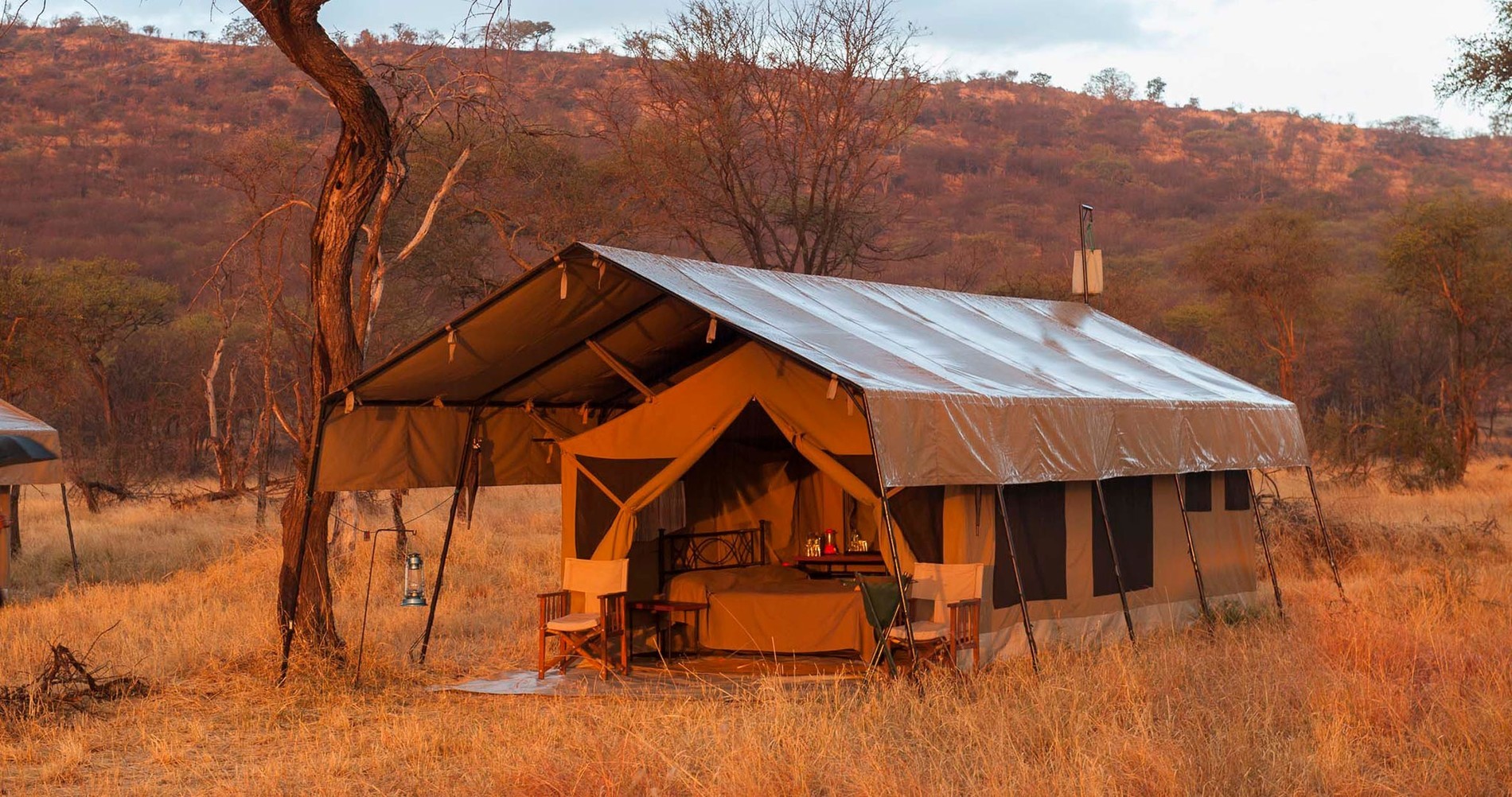
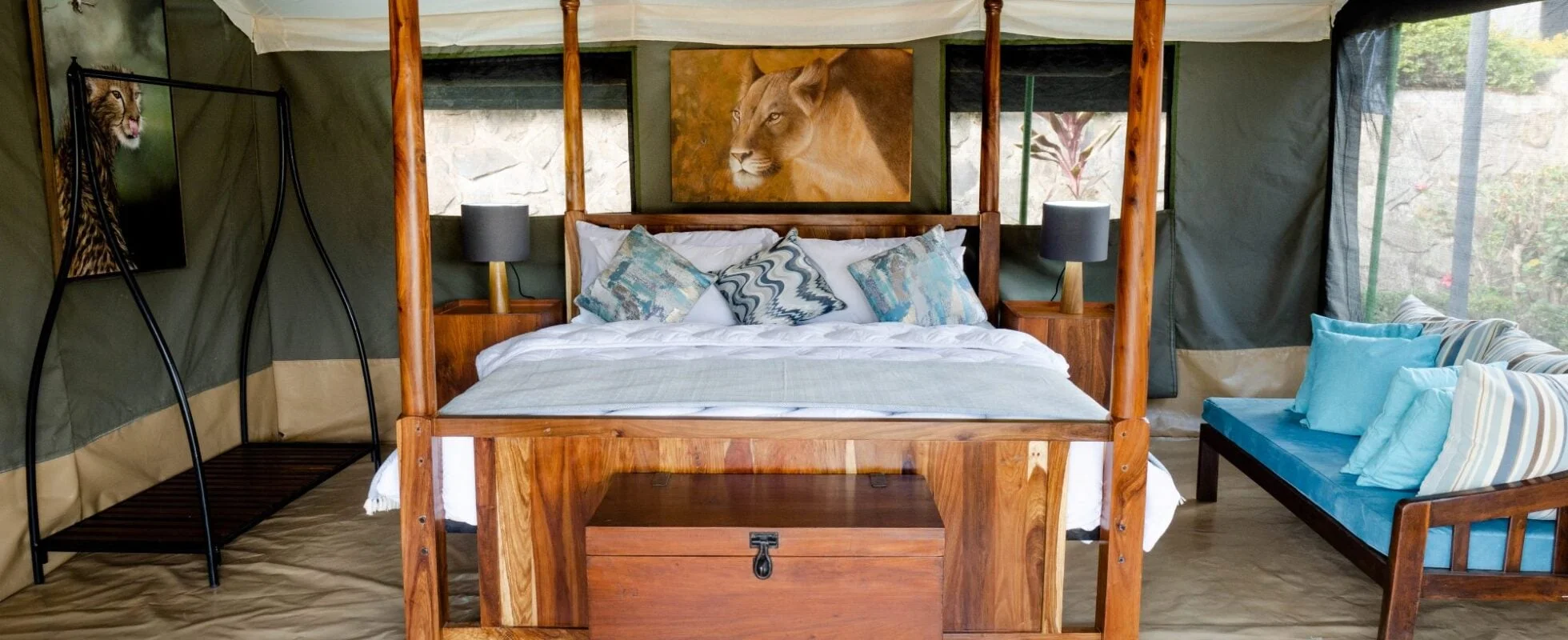
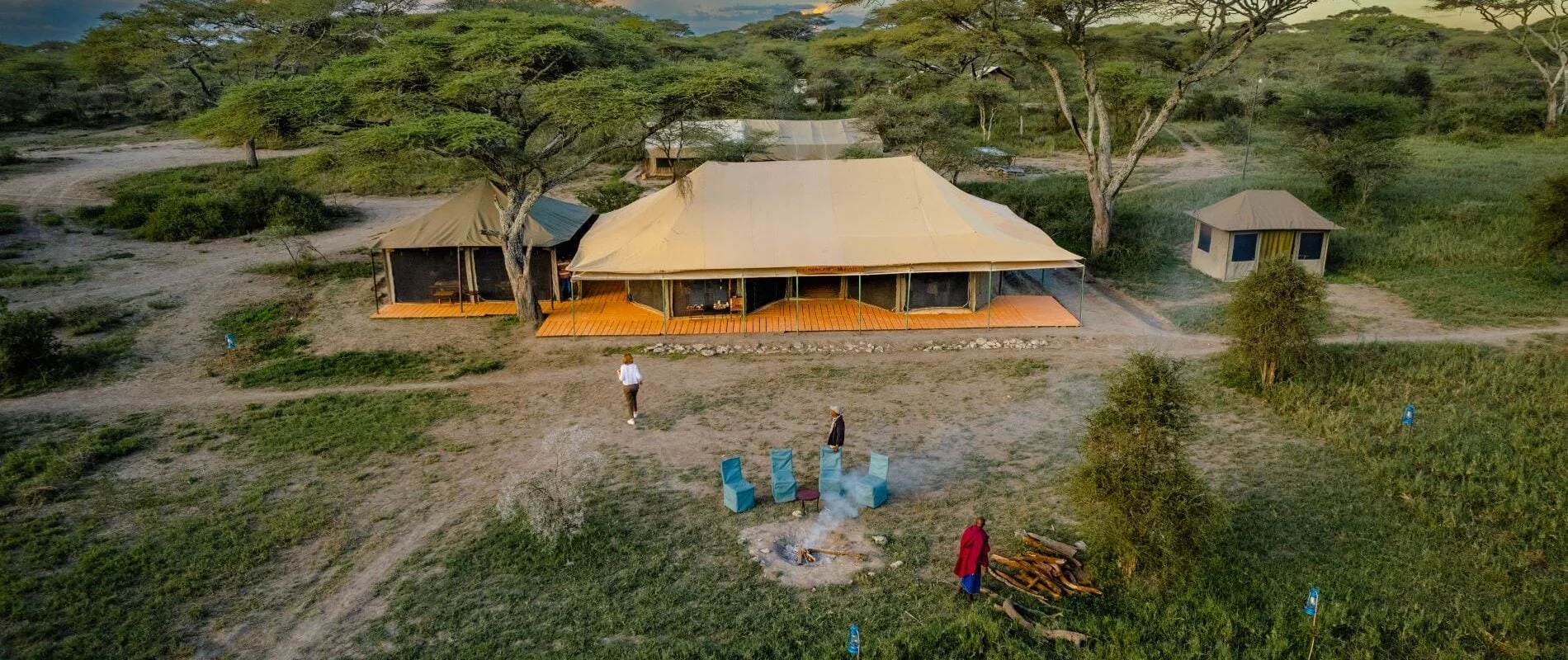
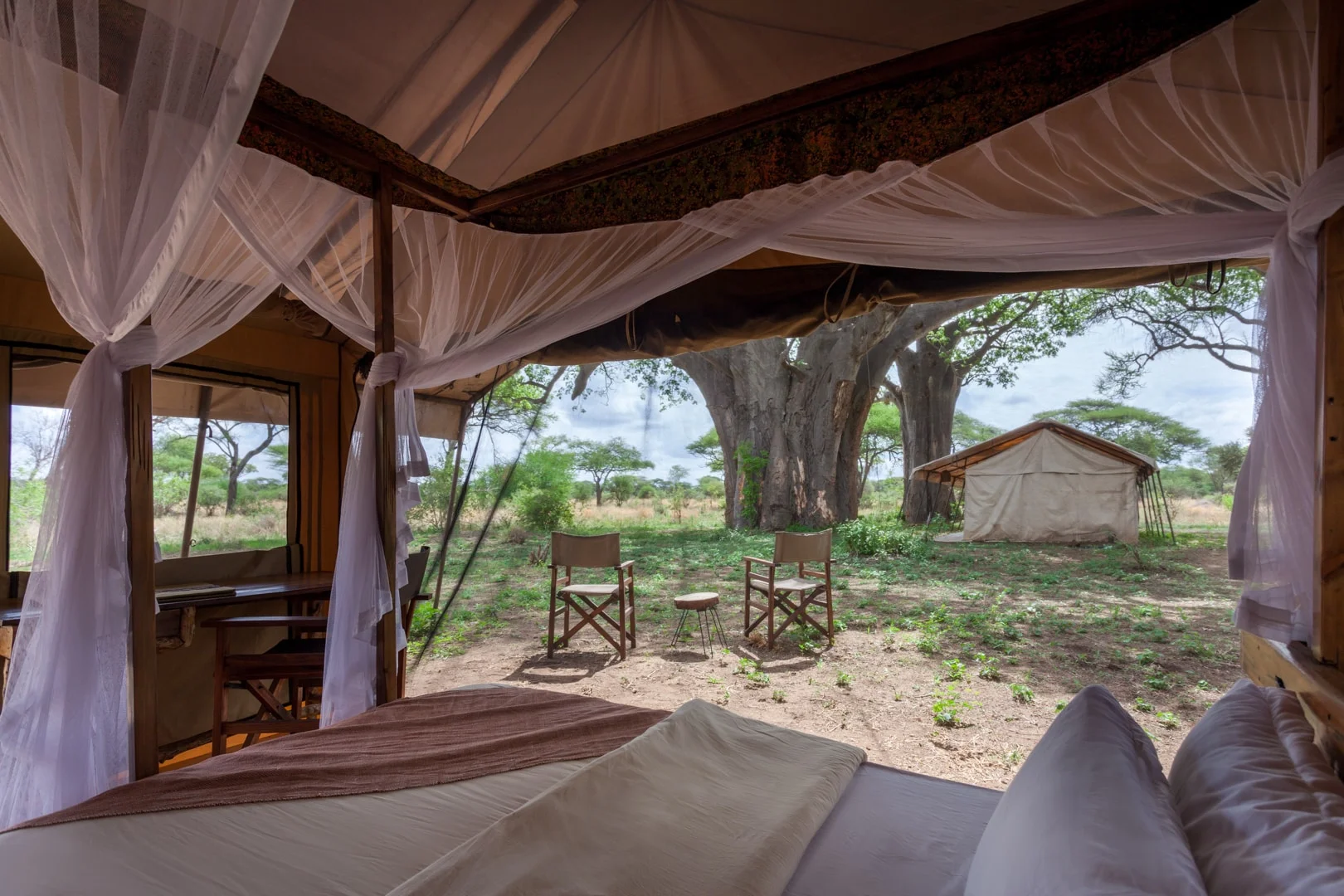
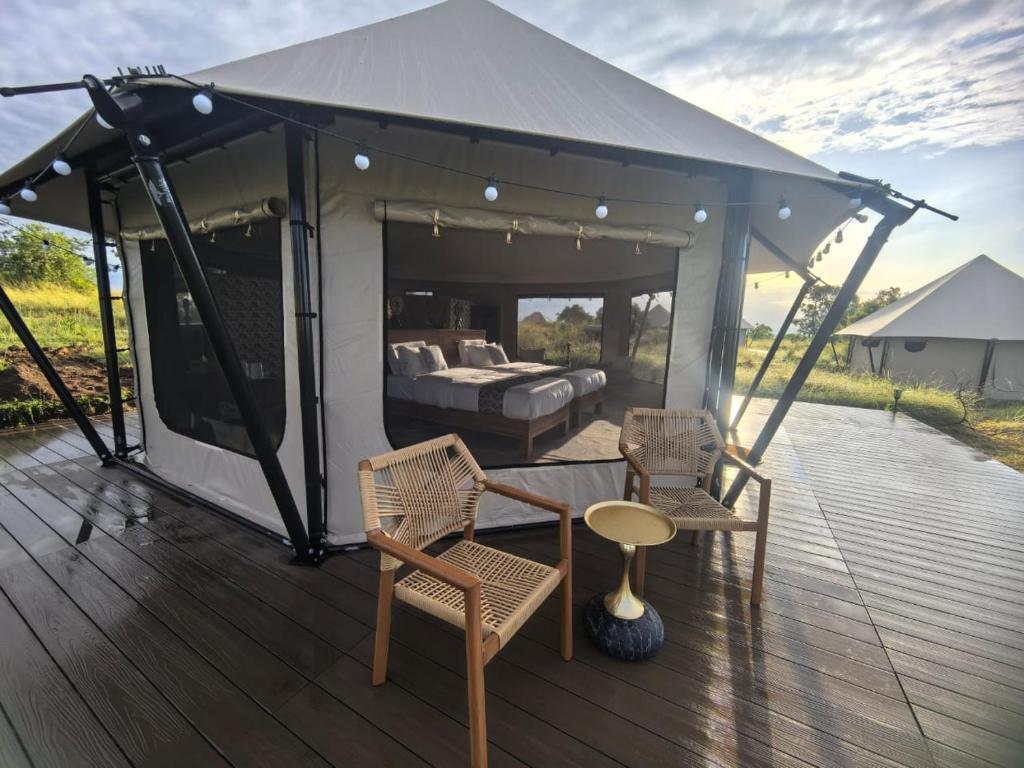
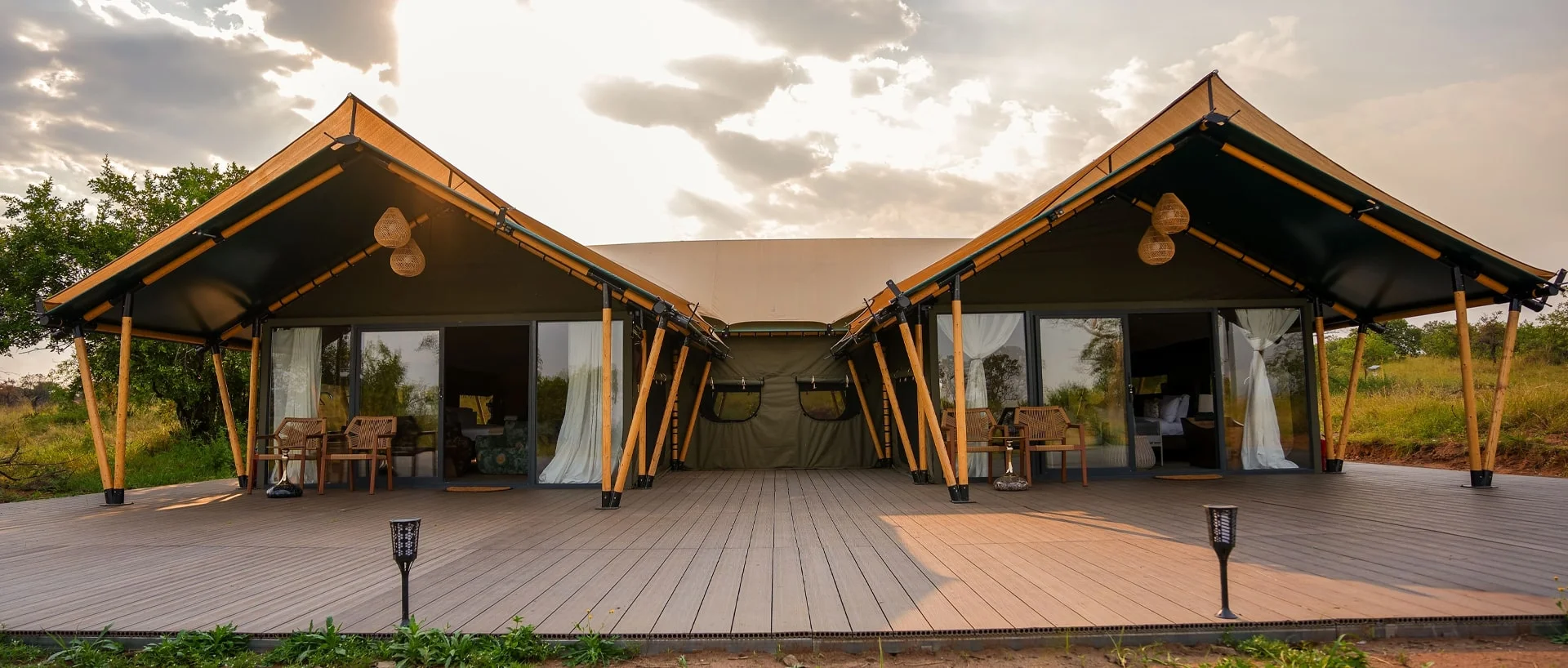
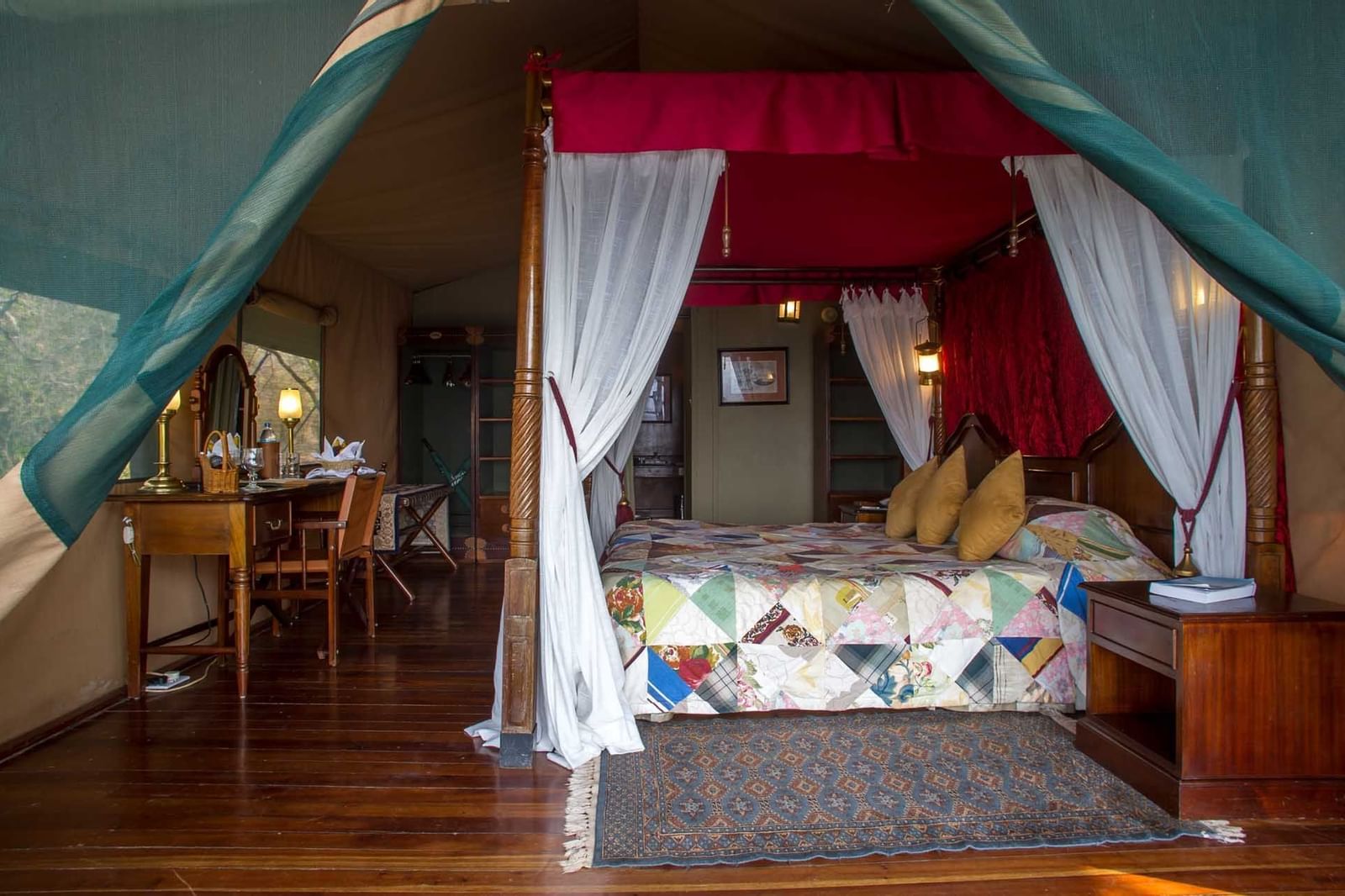
The label "migration camp" covers two distinct formats: true mobile camps that physically relocate two or three times a year to stay inside the moving herd, and seasonal fixed camps that open and close with the migration window in their particular zone. Both serve the same purpose — they put you within a short drive of the action the herds are actually creating on your specific travel dates. The Serengeti's migration circuit has three distinct phases, each in a different part of the ecosystem.
Southern plains & Ndutu — calving, December–March#
From December the wildebeest herds push south onto the short-grass plains straddling the Serengeti and the Ngorongoro Conservation Area, converging on the Ndutu marsh and Lake Ndutu. By February the calving is at peak density — an estimated 500,000 calves born in a six-week window, with cheetah, lion, and leopard all hunting the newborns on open ground that gives unobstructed 360-degree photography. The short-grass habitat means you rarely need to leave your camp zone; the action comes to you. Most Ndutu camps are seasonal mobile operations that pack up in April once the herds begin moving north.
Roving Bushtops Camp Ndutu — ultra-luxury 8-tent mobile operation with a sunken bathtub, hot tub, private guide per tent, daily massages, and Financial Times-rated kitchen; the most opulent way to experience the calving
Siringit Migration Camp Ndutu — 8 Bedouin tents with a Michelin-starred chef in residence, NCA-certified walking safaris, and a slot through December to April that catches both the late arrivals and peak calving
Lemala Migration Camp Ndutu — Lemala's 9-tent mobile camp, one of the NCA's most consistently well-positioned calving-season options; Cubs ranger programme for families
Acacia Migration Camp Ndutu — 20-tent luxury seasonal camp with NCA-certified guides and Olduvai Gorge day trips as a natural pairing
TAASA Ndutu Migration Tented Camp — 12 luxury tents with gourmet bush dining and NCA walking safari access; TAASA also runs a northern camp that repositions for the Mara crossings
Ndutu Wildlands Camp — one of the few true all-year mobile camps: Ndutu Dec–Mar for calving, central Serengeti Jun–Nov for year-round game
Ang'ata Migration Camp Ndutu — mid-range 12-tent calving specialist in prime cheetah country, reliably praised for food and guides at a more accessible price point
Ndutu Kati Kati Tented Camp — Tanzania Walking Company's eco-minimal seasonal setup, closest to 8,000 wildebeest births at the February peak; solar-powered, 12 tents
Western corridor & Grumeti — June–July#
As the dry season tightens in May, the herds begin pushing northwest, funnelling into the western Serengeti's Grumeti River system by June. The Grumeti crossing is more compact and less photographed than the Mara — the river is narrower, the action more sudden, and the tourist numbers a fraction of what you find in the north in August. Resident Nile crocodiles in the Grumeti River are among the largest in Africa, making crossings here as dramatic as any on the circuit. June and July are the window; by late July most herds have moved north.
Elewana Serengeti Migration Camp — 20 elevated tents directly on the Grumeti River, with resident hippos and pool views over the water; western Serengeti's migration frontline lodge
Kirawira Serena Camp — 25 Edwardian-style tents in the western corridor with five-course silver-service dining and a curated Africana library; Serena's most exclusive camp and a genuine piece of safari history
Bush Rover Migration Camp — six suites built inside converted Land Rover Defenders; repositioned three times a year through Grumeti, the Mara zone, and the southern Kusini plains to stay inside the migration across seasons
Northern Serengeti & Kogatende — Mara crossings, July–October#
The Mara River crossings are the defining image of the Great Migration. By late July the herds have built up on the Tanzania side of the Mara, sometimes massing in their tens of thousands before instinct triggers a crossing into Kenya and back. Crossings are neither predictable nor guaranteed on any given day, but spending four or five nights at a northern Serengeti camp near the river gives you multiple game drives along the banks and the realistic chance of witnessing a full crossing. The season peaks in August and September; October sees the last major crossings before the herds begin drifting south again.
Sayari Camp — Asilia's 15-tent northern Serengeti flagship with a solar microbrewery, infinity pool, and Kuria cultural programme; rated 5.0 and positioned directly in the migration zone
Singita Mara River Tented Camp — just 6 solar-powered tents on the Mara River in the Lamai Triangle; Singita's most intimate camp, rated 5.0, with a year-round herd density that makes it exceptional even outside peak crossing months
ENVI Sisini Mara — seasonal luxury camp with private plunge pools, bush spa, and walking safaris; front-row position for Mara crossings with the finish and scale of a permanent lodge
Serengeti Bushtops Camp — 110 sqm tents with private hot tubs, wine cellar, and butler service; rated 5.0, all-inclusive with complimentary massages; among the most lavish northern Serengeti options
Nimali Mara — 10-suite ultra-luxury camp at Kogatende with a cave infinity pool and private plunge pools on every deck
Songa Tented Camp by Legendary — 9 tents from the same team as Mwiba Lodge, moving between Mara crossings (Jul–Oct) and calving plains (Dec–Mar), with night drives and Datoga cultural visits
Mara Under Canvas — Tanzania Walking Company's most authentic crossing camp; ground-level tents under acacias, bucket showers, closest direct position to the river Jun–Nov
Lemala Mara Tented Camp — 12-tent mobile camp repositioned each season to the most active crossing points on the Mara; intimate bush experience without the fixed-camp premium
TAASA Kogatende Migration Tented Camp — 12 luxury tented suites with family interconnecting options and gourmet bush dining; repositioned from Ndutu to Kogatende for Jul–Oct crossings
Karibu Mara River Camp — own vehicles, a pool, and a position 300m from the river; mid-range front-row access without the ultra-luxury price
Tanzania Bush Camps Kogatende — 12 en-suite tents near Kogatende at the most accessible price point in northern Serengeti; walking safaris included