 Tours
Tours
Serengeti National Park#
Exceptional dining in the Serengeti tends to mean one of two things: a fixed-base luxury lodge with a wine cellar and a kitchen brigade, or an intimate mobile camp where the chef's skill is the feature rather than the facilities. The gap between those two formats is smaller than you'd expect — the remote camps invest heavily in food precisely because they can't compete on architecture or room size.
Singita Sasakwa Lodge — Edwardian manor on a private 350,000-acre reserve; a 222-bottle wine cellar and à la carte menus that rival anything you'd eat in Cape Town, set against a view of the Serengeti plains.
Serengeti Bushtops Camp — 5.0 TripAdvisor rating; all-inclusive with a wine cellar, butler service, and in-tent private hot tubs — the kitchen here is treated with the same attention as the guest facilities.
Roving Bushtops Camp Ndutu — mobile camp following the migration; a Financial Times food correspondent has praised the kitchen, which delivers what the FT called "haute cuisine in the field."
Siringit Central Camp — three-time winner of Africa's Leading Luxury Tented Safari Camp award; hosts a Michelin-starred chef who rotates seasonally through this 10-tent camp.
Siringit Migration Camp Ndutu — the Ndutu seasonal sister camp (December–April), also with a Michelin-starred chef and the backdrop of calving season just outside.
Sayari Camp — Asilia's northern Serengeti flagship runs a solar microbrewery alongside its chef-led kitchen — one of the few bush camps where you can drink a locally brewed lager with your dinner.
ENVI Sisini Serengeti — hillside camp with a wine cellar and two restaurants inside the national park, one of which is built around locally sourced organic produce.
Nyumbani Serengeti Camp — 8-suite boutique camp with a curated whisky bar and 5/5 TripAdvisor rating; boutique personal service means the kitchen team is cooking for twelve guests at most.
Karatu & the Ngorongoro Highlands#
The farms and estates around Karatu — a small town forty-five minutes below the crater rim — produce some of the most interesting food on the northern circuit. The altitude (around 1,500m) keeps temperatures cool enough for serious horticulture, and several lodges here run their own working farms.
Gibb's Farm — the iconic 1920s working farm with a 10-acre organic garden; virtually everything on the table comes from the estate, and the kitchen has been a destination for food-focused travellers since well before "farm-to-fork" became a marketing phrase.
The Manor at Ngorongoro — Elewana's Cape Dutch manor on a 1,500-acre coffee estate with its own wine cellar and a dining room that does justice to the setting; Ngorongoro Crater is 45 minutes away.
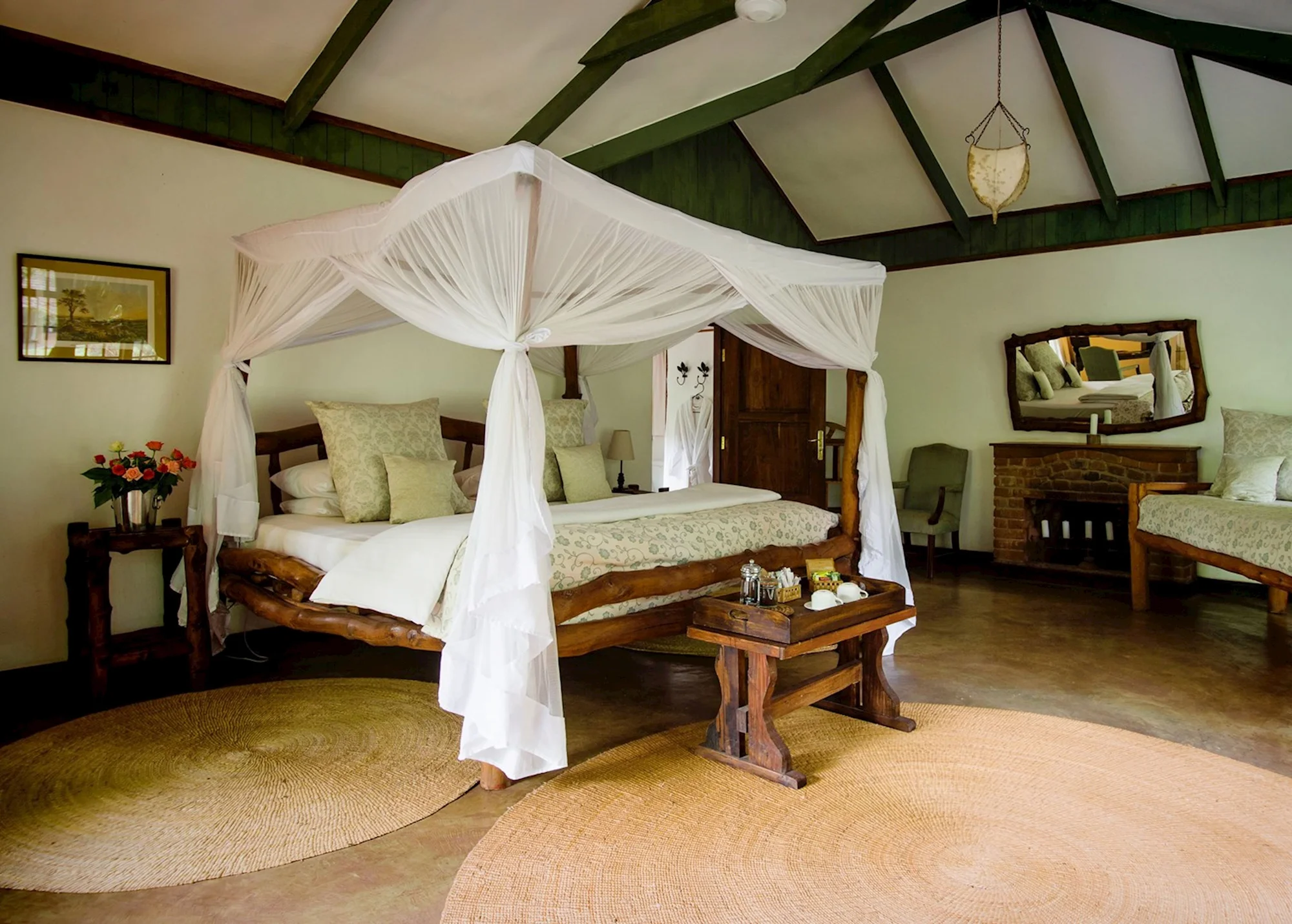
Kitela Lodge — former coffee farm above Karatu with a farm-to-table kitchen and colonial cottages; smaller than Gibb's but with the same philosophical commitment to local sourcing.
Farm of Dreams Lodge — Karatu's top-rated lodge (5.0/5, #2 on TripAdvisor); guests pick vegetables from the organic farm before dinner. A mid-range property where food is the defining quality.
Ngorongoro Conservation Area (Crater Rim)#
At 2,200–2,400m altitude on the crater rim, cooking is a logistical challenge — gas pressure drops, resupply is slow, and the cool evening temperatures shift what dishes work. The lodges here that have cracked it stand out clearly from those that haven't.
andBeyond Ngorongoro Crater Lodge — Africa's most theatrical lodge has a wine cellar, butler service, and five-course dinners suited to candlelit suites with copper freestanding baths; the food matches the drama of the room.
Sanctuary Ngorongoro Crater Camp — exceptional sharing-platter dinners served under canvas with a first crater descent each morning; intimate 10-tent property with direct Olmoti hike access.
Entamanu Ngorongoro — Nomad Tanzania's seven-tent flagship on the northwestern rim; elevated menus in a setting that catches both the Serengeti and Crater panoramas simultaneously.
Ngorongoro Melia Lodge — the most modern lodge on the rim, with two gourmet restaurants and a heated infinity pool; the larger scale (60 rooms) means a full restaurant kitchen rather than a camp cook.
Tarangire National Park#
Tarangire's remote south — the Silale Swamp area — is fly-in territory, and the camps there use food as a central part of the offer. Getting good ingredients to a camp 70 km from the nearest town is genuinely hard; doing it well signals something real about operational standards.
Kuro Tarangire by Nomad — Nomad's six-suite ultra-intimate camp in the remote south; chef-led kitchen producing dinners that leverage the camp's small size — cooking for a maximum of twelve guests allows a standard of attention that a thirty-room lodge can't match.
Oliver's Camp & Little Oliver's Camp — Asilia's walking safari pioneer since 1992; night drives, fly camping, and a kitchen that has fed adventurous travellers in the southern Tarangire wilderness for three decades.
Lemala Mpingo Ridge — fifteen cliff-edge suites with outdoor soaking tubs and a valley-view infinity pool; a formal kitchen operation with menus that change seasonally.
Sanctuary Swala Tarangire — twelve luxury pavilions positioned over the Gurusi Swamp waterhole where elephants drink within view of the dining area; Sanctuary's flagship northern-circuit property, with the kitchen standards that implies.
Ruaha National Park#
Ruaha is two hours by light aircraft from Dar es Salaam and receives a fraction of the visitors that the northern circuit parks do. The lodges here have invested in food partly because there is nothing else to compete with — no town, no restaurants, no alternatives. A private dinner on the Jongomero or Ruaha riverbanks, with the sounds of the bush carrying across the water, is the kind of experience that requires real logistics discipline to pull off well.
Jongomero Camp — eight-tent Laba Laba camp on Ruaha's remote Jongomero River; riverbed dining under the stars is the centrepiece experience, sixty kilometres from any other lodge.
Jabali Ridge — Asilia's showpiece atop a kopje with a gourmet kitchen; walking safaris by day, a proper kitchen operation at night.
Nyerere National Park (Selous)#
The Rufiji River floodplain sets up Nyerere as one of Tanzania's great outdoor dining backdrops — meals beside the river with hippos moving in the dark, a fire burning down, no other guests within range. The best camps here use that setting deliberately.
Sand Rivers Selous — eight open-fronted stone cottages in Rufiji boulders; architecturally iconic and with a kitchen that matches the camp's reputation as one of Africa's most admired properties.
Selous Serena Camp — silver-service à la carte dining at a mid-range price point, with a private jetty and boat safaris that end at a properly laid dinner table; one of the few mid-range camps in the Nyerere cluster to operate silver service.
Azura Selous — design-led luxury on the Ruaha River with a rotating à la carte menu; the Selous's only kids' club, making it the family option in this dining-focused group.
Retreat Selous by Nomad — Nomad Tanzania's Nyerere flagship with private plunge pools on river suites and an all-inclusive offer that covers the full kitchen and wine list.