 Tours
Tours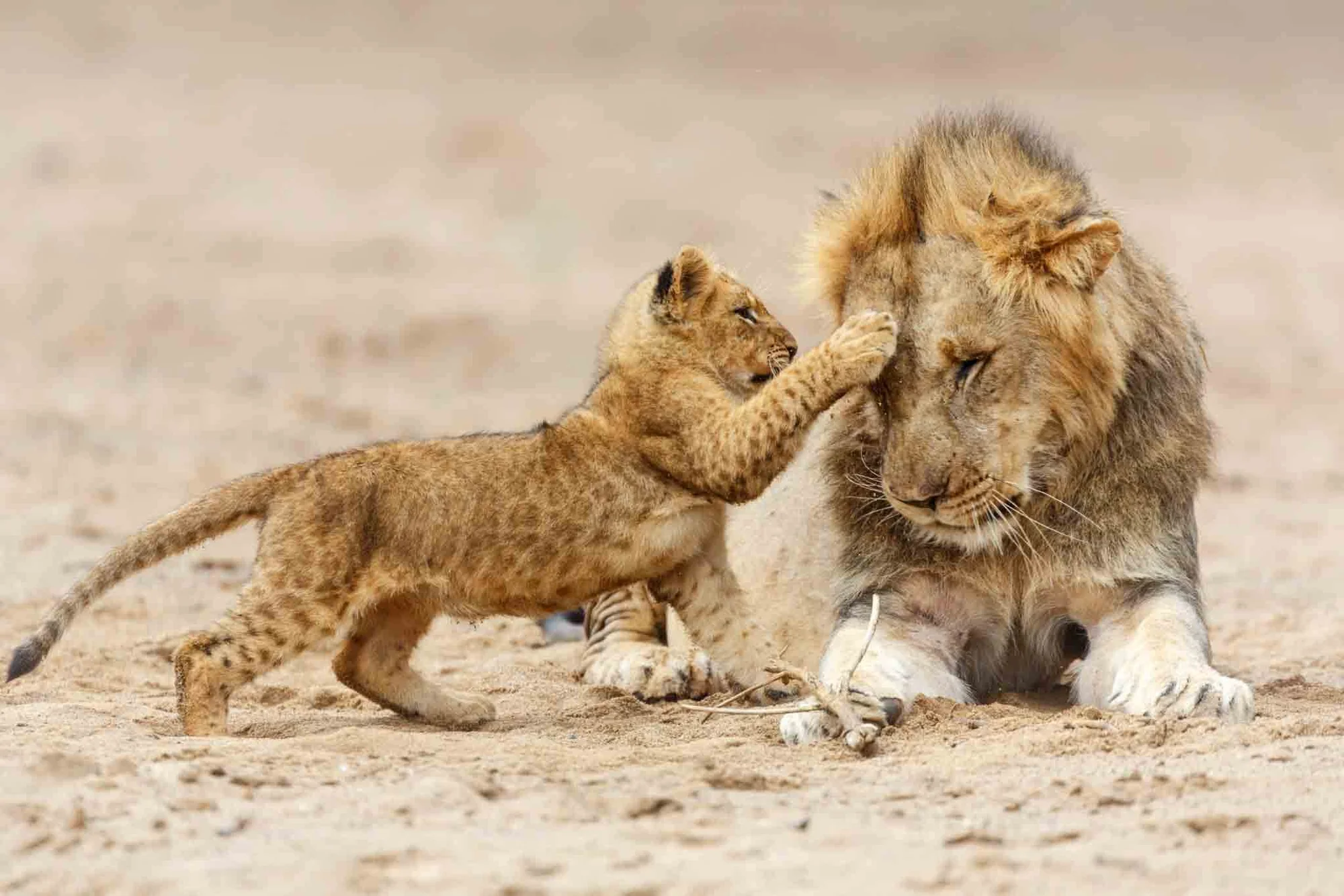
NoMiddleManTours · Jun 22, 2026 · 12 min read
A guide-grade breakdown of where to find lions across Tanzania — Seronera's year-round prides, the tree-climbing lions of Lake Manyara, the Ngorongoro crater population, and the exact months when the dry season stacks the odds.
Tanzania holds more wild lions than any country on earth — an estimated 14,000 to 16,000, roughly a third of the entire continental population. That single fact reframes the planning question. You are not asking whether you will see a lion here; over three days in the right place you almost certainly will. You are deciding which lions you want to see: the year-round prides of central Serengeti, the famous tree-climbing lions of Lake Manyara, the small habituated population trapped on the Ngorongoro crater floor, or the dry-season hunters that concentrate at Tarangire's river when the surrounding bush burns out. Each is a different animal in a different theatre, and this guide tells you exactly where, when and how to put yourself in front of each one.
 Destination
Serengeti National Park
national_park
The short answer: where to see lions in Tanzania#
Lions are not spread evenly across the country, and the single best month or place depends on what kind of sighting you want. Here is the at-a-glance version before the detail.
| Place | What you see | Best months | How likely |
|---|---|---|---|
| Seronera (central Serengeti) | Highest year-round density in Africa; kopje prides | Year-round; Jun–Oct peak | Near-certain over 2–3 days |
| Northern Serengeti (Lobo/Kogatende) | Resident prides + migration-following hunters | Jul–Oct (with crossings) | High in season |
| Southern Serengeti (Ndutu) | Calving-season hunting; cubs timed to the windfall | Jan–Mar | High in the calving window |
| Ngorongoro Crater | Small, habituated, hemmed-in crater prides | Year-round | Very high (enclosed floor) |
| Lake Manyara | Tree-climbing lions in acacia and sausage trees | Year-round; dry season easier | Moderate; a famous, fickle sighting |
| Tarangire | Dry-season prides hunting at the river | Aug–Oct | High in the dry months |
The honest planning takeaway: if you want a guaranteed, repeated lion experience, base two to three nights in central Seronera. If you want the rare and the strange — lions draped in trees — fold in a half-day at Lake Manyara on the way through the northern circuit. And if you want lions at point-blank range with nowhere to hide, the Ngorongoro Crater floor delivers it. All Tanzanian park gates run 6 AM to 6 PM, and no driving is allowed after dark — so every lion sighting in this guide happens in daylight, which shapes the tactics later.
Seronera: the densest lion ground in Africa#
Central Serengeti around Seronera carries the highest concentration of lions anywhere on the continent, and unlike the migration-following dramas elsewhere, this density is permanent. The reason is structural and worth understanding, because it explains why your odds barely move between January and December here.
The Seronera River keeps water and resident prey — topi, impala, warthog, buffalo — on the ground year-round, so the lions never need to leave. Layered on top of that water is the second feature: the kopjes, those island outcrops of 500-million-year-old granite that rise from the plains. A pride controls a kopje the way a landlord controls a building. The rock gives shade in the heat, warmth on cold mornings after the high-altitude night, an elevated lookout over approaching prey, and cubs a fortress of crevices safe from hyena and rival males. Scan the shaded bases and flat tops of those outcrops mid-morning and you will routinely find a pride flat out, paws in the air.
Here is the insider distinction most first-timers blur: Seronera's lions are resident, while the northern and southern prides are partly seasonal hunters. In the north around Lobo and Kogatende there are genuine resident prides that hold territory year-round — but their numbers swell and their behaviour sharpens from July to October as the migration funnels a million wildebeest through their ground. In the south at Ndutu, the spectacle is the reverse: from January to March the calving herds arrive, and the local prides gorge on the easiest prey of the year — newborn calves — and time their own cubs to be weaning when food is at its peak. So the same species behaves like three different populations depending on the sub-region you choose. Seronera is the constant; the north and south are the seasonal amplifiers.
Coalitions, cubs and the politics of a pride#
A lion sighting becomes far more interesting once you can read what is actually happening, and this is where a good guide earns the trip. A few field truths that change how you watch.
A pride is a matriarchy. The lionesses are the permanent core — related females who hunt cooperatively and raise cubs communally, often synchronising births so cubs suckle from any nursing female and grow up as a crèche. The males are the temporary security detail. They arrive as a coalition — usually two to four brothers or unrelated allies who band together because a lone male cannot hold territory — and they take over a pride by force.
That takeover is the brutal engine behind the numbers. When a new coalition ousts the resident males, they routinely kill the existing cubs, because a lioness will not come into heat while nursing, and the new males have perhaps two to three years before they are themselves displaced. Infanticide brings the females back into oestrus within days. It is the reason cub survival is so low — by many estimates only one in four to one in two cubs reaches adulthood — and it is why a pride with a settled, dominant coalition and a litter of romping cubs is a sign of a stable territory, not just a lucky sighting. When your guide points out the scars and the dark mane on a big male, he is reading the political map: who holds this ground, and for how much longer.
In the Serengeti you can sometimes watch all of this in a single morning at one kopje — the lionesses lying with cubs, the coalition males patrolling and roaring the territory at dawn. That dawn roar, audible for five kilometres, is the sound the whole ecosystem orients around.
 Luxury
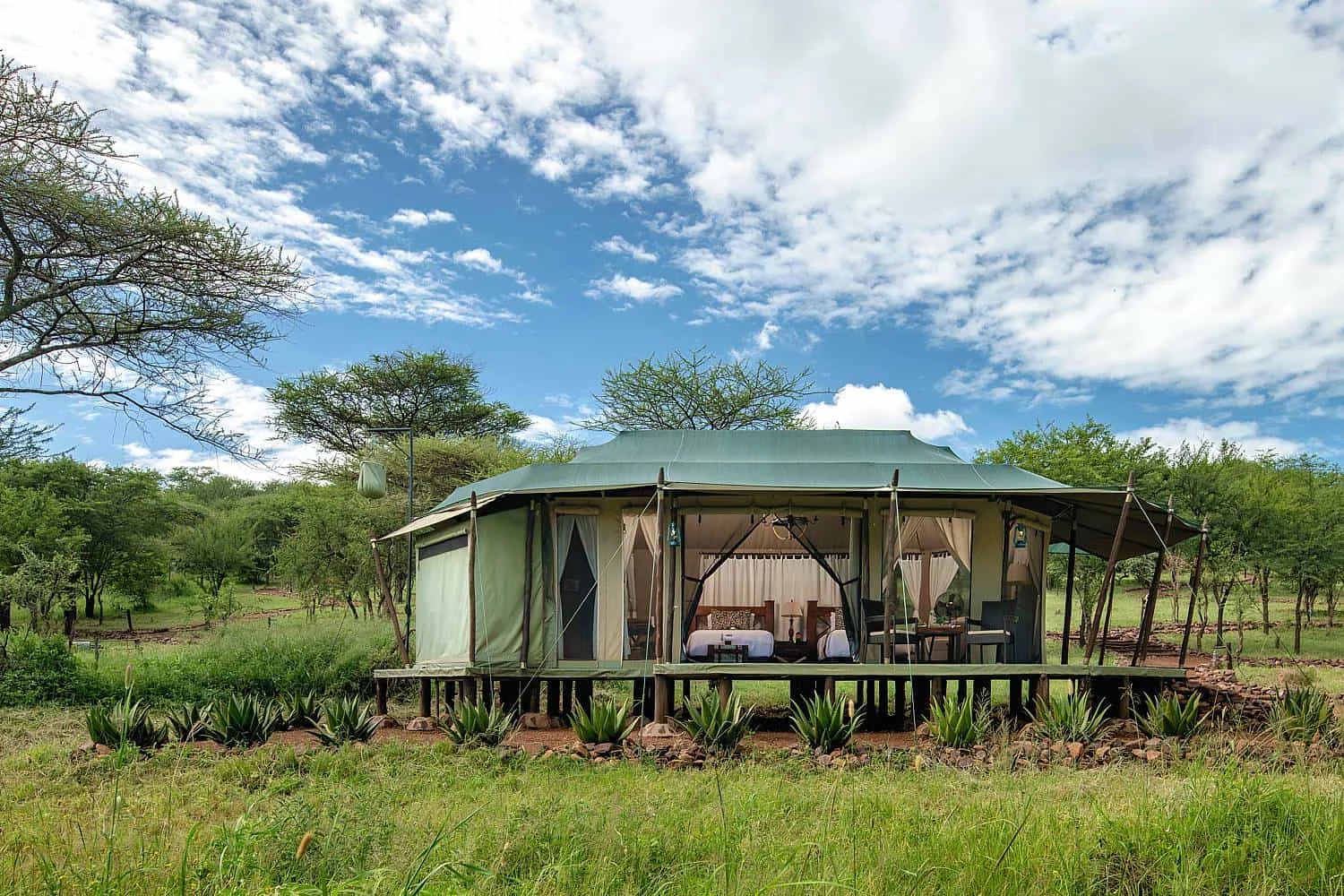
Ole Serai Luxury Camp — Seronera
Luxury · Serengeti National Park
Lake Manyara: the tree-climbing lions#
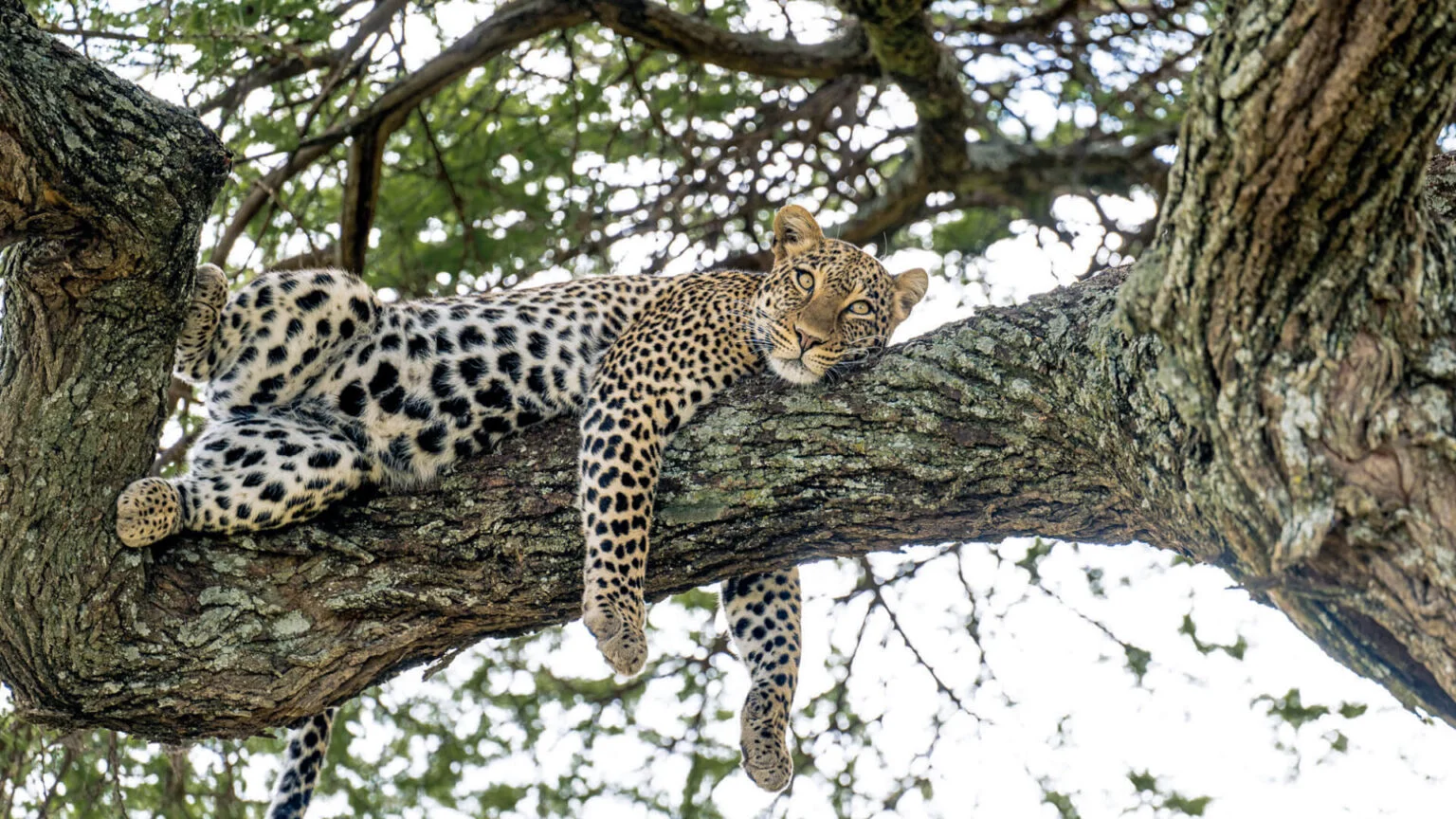
This is the sighting that put Tanzanian lions on the map, and it is the one worth planning a detour for. The lions of Lake Manyara are famous for an unusual habit: they climb trees and lounge along the horizontal limbs of acacias and big sausage trees, sometimes a whole pride draped over the branches like leopards. Lions can climb — almost any lion can scramble up after a kill or a threat — but routinely resting in trees, as a learned pride habit, is rare worldwide. Only a handful of populations do it, Manyara and southern Tanzania's Mikumi among the best known.
Nobody has settled why they do it, and an honest guide will give you the competing theories rather than one tidy answer. The leading explanations: escaping the heat and ground-level humidity of the dense lakeshore woodland by catching the breeze a few metres up; getting clear of the biting tsetse flies and insects that swarm the forest floor; gaining a vantage point to watch for prey and for the buffalo herds that can turn the tables on a lion at ground level; and simple learned culture — a behaviour one generation picked up and passed down, now self-reinforcing within these specific prides. The likeliest truth is a combination, and it is local — these are not a special sub-species, just prides that have learned a trick the textbooks did not predict.
The honest expectation: Manyara is a small, narrow park squeezed between the Rift Valley escarpment and the soda lake, its lion population is modest, and the tree-lounging is not guaranteed on any given drive. Sightings are easier in the dry season when the lions concentrate in the groundwater forest and along the lakeshore. Many northern-circuit trips fold in a half-day at Manyara on the way between Arusha and the highlands precisely for this sighting, alongside its enormous baboon troops and the elephants of the groundwater forest. Treat a tree-climbing lion as a thrilling bonus, not a banker — and if you get one, you have seen something most safari-goers never will.
Ngorongoro Crater: lions with nowhere to go#
The lions of the Ngorongoro Crater are a study in what happens when a population is hemmed in. The crater floor is a 264-square-kilometre bowl walled by roughly 400-metre walls, and while lions can climb in and out, very few do. The result is one of the most isolated, most studied and most habituated lion populations on earth — animals that grew up with vehicles and barely lift their heads as you pass. For a close, calm, prolonged sighting on an open floor with no tall grass to hide in, nowhere in Tanzania beats it.
That isolation is also a cautionary tale. The crater population is small — typically only a few prides totalling on the order of fifty to seventy lions — and it has crashed before. A 1962 plague of biting flies, and chronic inbreeding from the near-total lack of new males arriving over the rim, have repeatedly bottlenecked the gene pool. It is the textbook example of an island population: spectacular to watch, genetically fragile, and entirely dependent on the occasional immigrant male making the climb to refresh the bloodline.
A crater morning is a separate logistical day, not a detour from inside the Serengeti — the descent is roughly a 4-hour drive from central Seronera, much farther from northern Kogatende, and is normally done while transiting between Karatu and the highlands. It carries its own costs: the US$82.60 conservation-area fee per adult per 24 hours, a US$295-per-vehicle crater service fee for the descent, and roughly US$40 for the mandatory ranger. Descend early, work the open grassland and the Lerai Forest, and you will likely see lions within the first hour — often the same individuals the long-term researchers know by name.
Tarangire: the dry-season hunters#
Tarangire is not where most people think of lions, but it earns a place in this guide for one seasonal reason. In the dry months from roughly August to October, when the surrounding bush and the Maasai steppe burn dry, the Tarangire River becomes the only reliable water for miles, and the herds — including the largest dry-season elephant gathering in the country — pile in to drink. Where the prey concentrates, the predators follow. Tarangire's prides hunt the riverine corridor hard in these months, and lion sightings that are merely possible in the green season become reliable in the dry.
The flip side is the wet season. From November through May the rains scatter the game across a far wider area, the river is no longer the only water, and the lions disperse with their prey into ground that is harder to drive and harder to read. So Tarangire is the most seasonal of the major lion grounds: a strong bet in the dry, a quiet one in the green. If your trip falls in August to October and your route opens with a night or two at Tarangire before the Serengeti, you are likely to bank lions before you even reach the plains.
When to go for lions#
Lions are present in every region every month, so the "best time" is really about which spectacle you weight most heavily. The dry season from June to October is the broad answer for the most predictable, most active viewing — but the calving window has a strong case of its own.
| Period | What's happening | Lion angle |
|---|---|---|
| Jan–Mar | Calving on the southern (Ndutu) plains | Ndutu prides gorge on calves; the most concentrated predation of the year; cubs timed to the windfall |
| Apr–May | Long rains, lush and quiet | Cheapest; lions disperse into tall grass and are harder to find; green-season solitude |
| Jun–Oct | Dry season, peak game viewing | Easiest lion overall; prides concentrate at water; Tarangire river hunting Aug–Oct; northern crossings Jul–Oct |
| Nov–Dec | Short rains, herds shifting south | Strong all-round; resident Seronera and crater prides unaffected; good value before peak |
If you can optimise for only one thing: June to October gives the most predictable lion viewing across the whole northern circuit and overlaps the river crossings in the north. But the January-to-March calving season at Ndutu offers something the dry months cannot — sustained, daily, close-range hunting as the prides exploit the easiest prey of the year. Crucially, the resident populations of Seronera and the Ngorongoro Crater barely care what month it is, which is why a Seronera-anchored trip is the surest lion plan regardless of when you can travel.
How to actually see them: game-drive tactics#
Lions reward time in the right place far more than luck. A few field-tested rules.
Go at dawn and dusk. Lions hunt in the cool hours and sleep through the heat — they can rest up to twenty hours a day. The first and last two hours of light hold almost all the action; midday is for finding a pride asleep under a tree and a packed lunch nearby.
Read the kopjes in the Serengeti, the trees at Manyara. Around Seronera's granite outcrops, check the shaded bases and flat tops where prides lie up. At Lake Manyara, scan the horizontal limbs of acacias and sausage trees at eye level, not the ground.
Listen at first light. A territorial roar at dawn tells your guide where a coalition is holding ground. Guides also share sightings by radio, so a strong guide turns one vehicle's pride into yours. The single highest-leverage decision you make is the operator and the guide, not the lodge.
Give it two or three days in one region. Two to three nights based in central Seronera covers lions comfortably, with repeat sightings that let you watch real behaviour rather than tick a box. One night is a coin toss.
Stay close to the action. Sleeping inside the park near Seronera means you are on a pride at first light instead of queuing at a gate at 8 AM, by which time the cats have already gone to shade.
Where to base yourself#
The single most useful decision for lions is to base in or near central Seronera, where density is highest and resident year-round, then add a second leg around your priority — the northern Serengeti for the July-to-October crossings and the hunting prides that shadow them, a Ngorongoro crater morning for the close, habituated floor population, or a Lake Manyara half-day for the tree-climbers. A classic northern-circuit route threads Tarangire, the highlands and the central and northern Serengeti, often with a bush flight to skip the long final drive — and along that line you can realistically encounter four genuinely different lion experiences in a single trip.
If you would rather compare every lion-and-Big-Five-focused route side by side — durations, regions and lodge tiers — start here:
See all Big Five safarisFrequently asked questions#
Where is the best place to see lions in Tanzania? Central Serengeti around Seronera holds the highest year-round lion density in Africa and is the most reliable place for repeated sightings. For close, calm, habituated lions on an open floor, the Ngorongoro Crater is the best; for the rare tree-climbing lions, Lake Manyara is the place.
When is the best time to see lions in Tanzania? The dry season from June to October gives the most predictable lion viewing as prides concentrate at water. The January-to-March calving season at Ndutu in the southern Serengeti delivers the most intense hunting. Resident Seronera and crater prides can be seen reliably in any month.
Why do lions climb trees at Lake Manyara? No single reason is proven. Leading theories are escaping ground-level heat and humidity, avoiding biting tsetse flies, gaining a vantage point over prey and buffalo, and a learned cultural habit passed down within these specific prides. The likeliest answer is a combination, and it is local to Manyara and a few other populations such as Mikumi.
How many lions are there in the Ngorongoro Crater? The crater floor typically holds only a few prides totalling roughly fifty to seventy lions. It is one of the most isolated and most studied lion populations on earth, genetically fragile due to inbreeding and historic crashes, but exceptionally habituated and easy to see on the open floor.
Are you guaranteed to see lions on a Tanzania safari? Nothing in the wild is guaranteed, but over two to three days based in central Seronera a lion sighting is near-certain given the density there. Adding a Ngorongoro Crater morning makes lions about as close to a sure thing as African wildlife gets.
How many lions does Tanzania have? Tanzania holds an estimated 14,000 to 16,000 wild lions, more than any other country and roughly a third of the entire African population. The largest single stronghold is the greater Serengeti ecosystem.
Why do so few lion cubs survive? Cub survival is low — by many estimates only a quarter to a half reach adulthood. The main cause is infanticide: when a new male coalition takes over a pride, it usually kills the existing cubs to bring the females back into breeding condition. Predation by hyenas, starvation in lean seasons and abandonment also take a toll.
Can you do night drives to see lions hunt in Tanzania? Not in the national parks. The Serengeti, Tarangire, Lake Manyara and the Ngorongoro Conservation Area all prohibit driving after the 6 PM gate closing, so there are no night drives and all lion viewing happens in daylight. Night drives are only possible in private concessions or Wildlife Management Areas outside the parks.
Ready to plan the real thing?
Compare honest, all-in safari packages with real lodge choices — straight to the local operator, no middleman.
Browse safari packagesKeep reading
wildlife
The Big Five in the Serengeti: Four You’ll Find, One You’ll Earn
wildlife
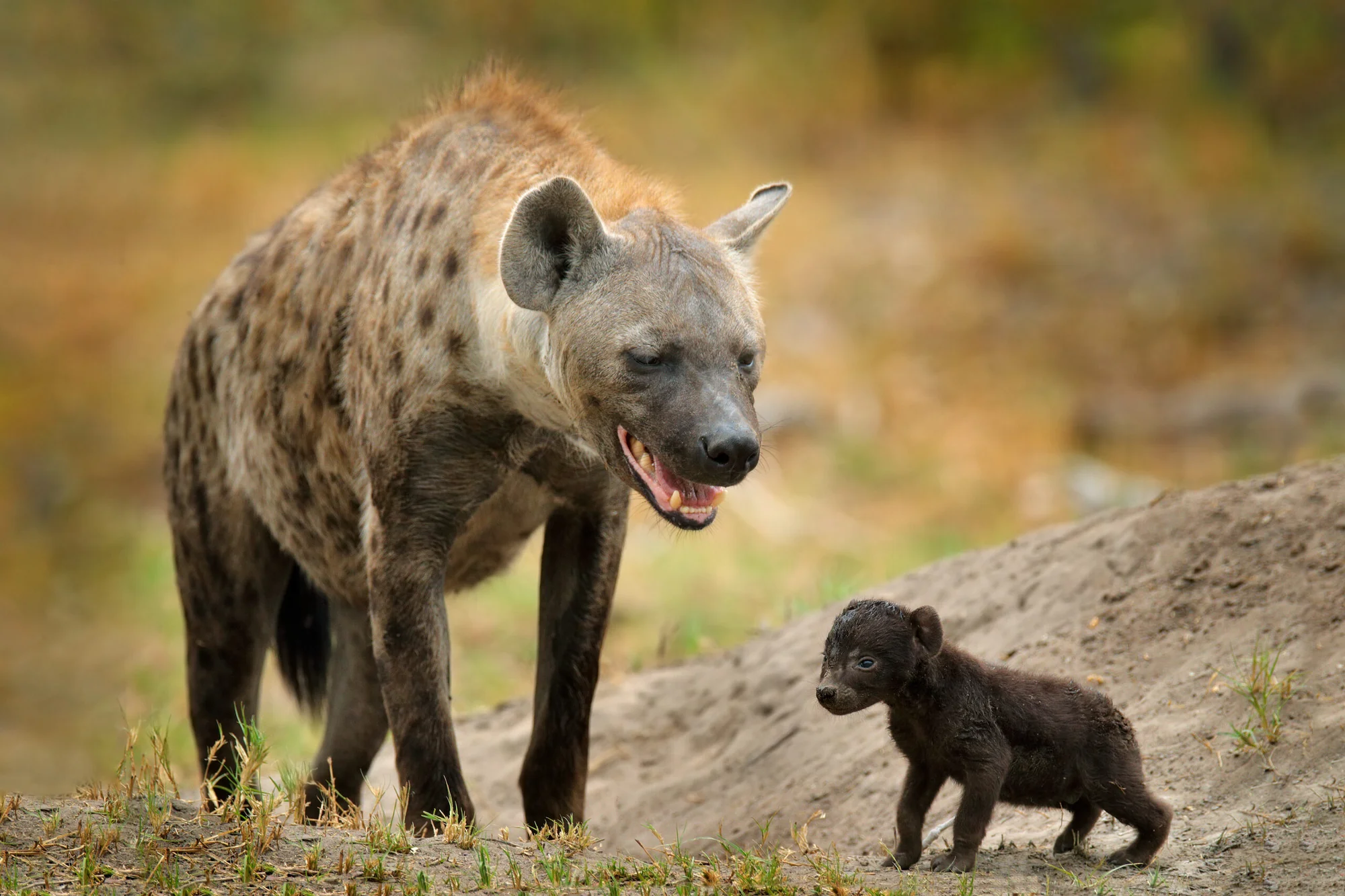
Hyenas in Tanzania: Spotted, Striped and Wildly Misunderstood
wildlife
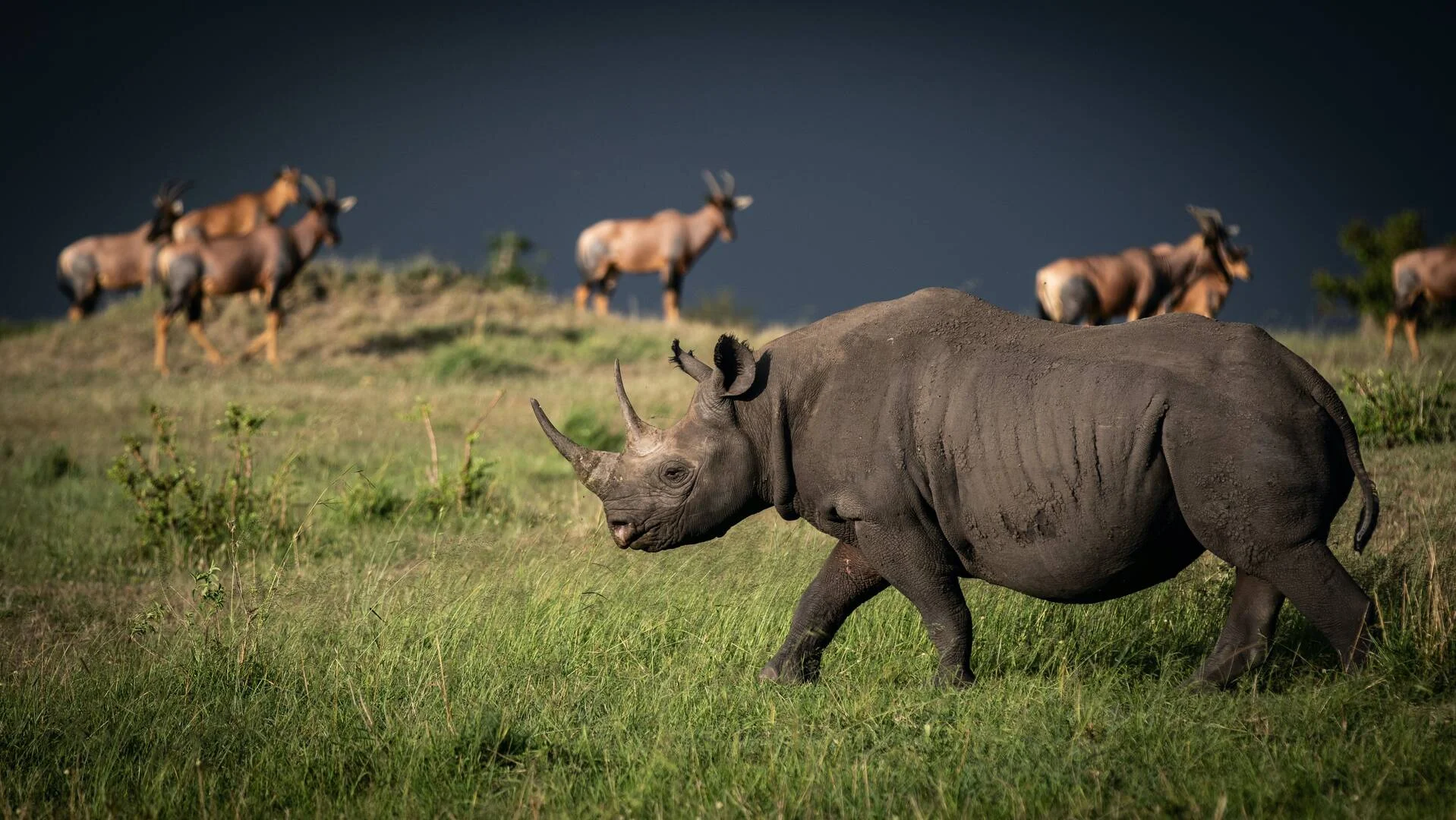
Black Rhino in Tanzania: Finding the Rarest of the Five
wildlife
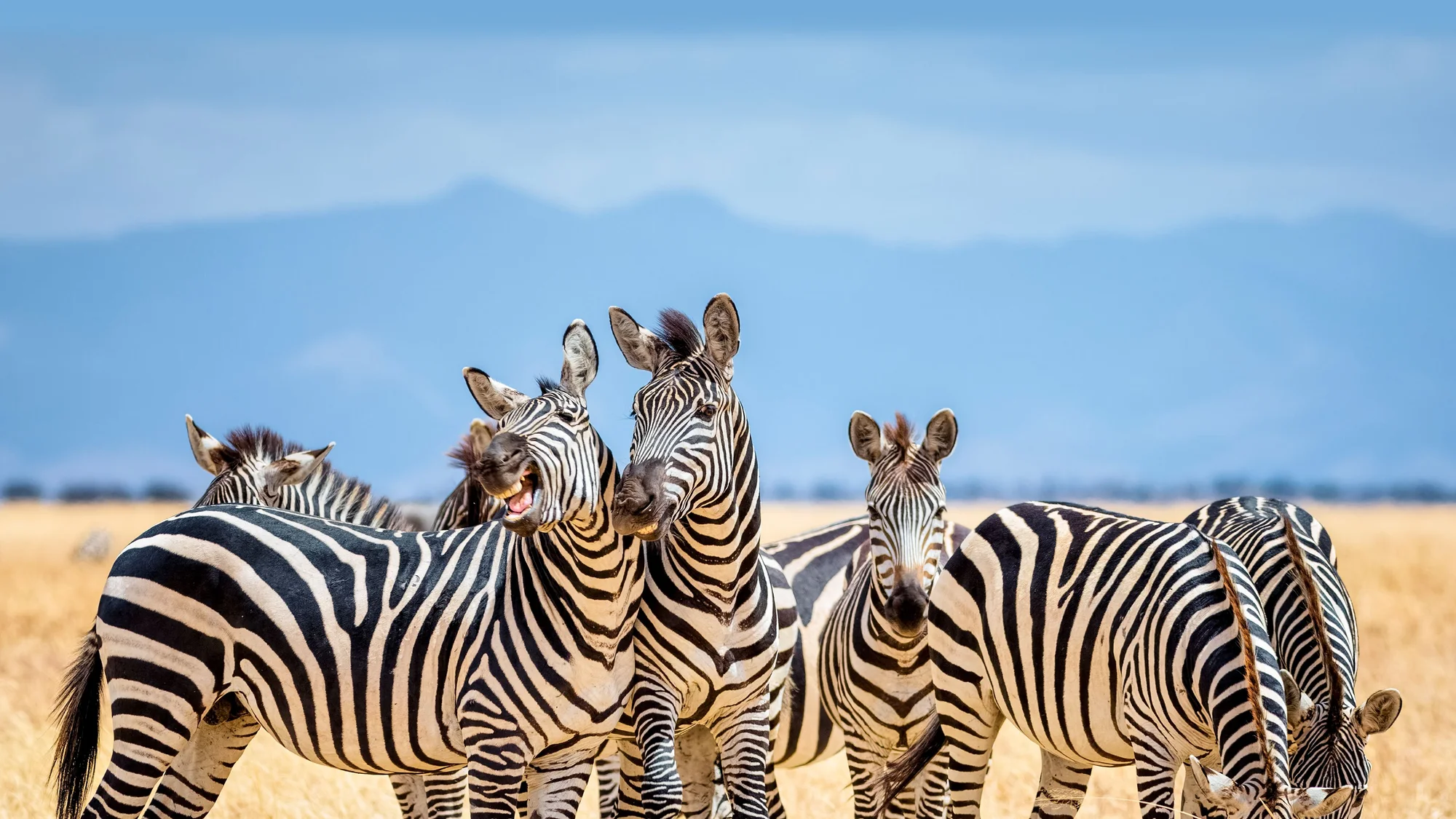
The Stripes That Lead the Migration: Zebras in Tanzania
wildlife
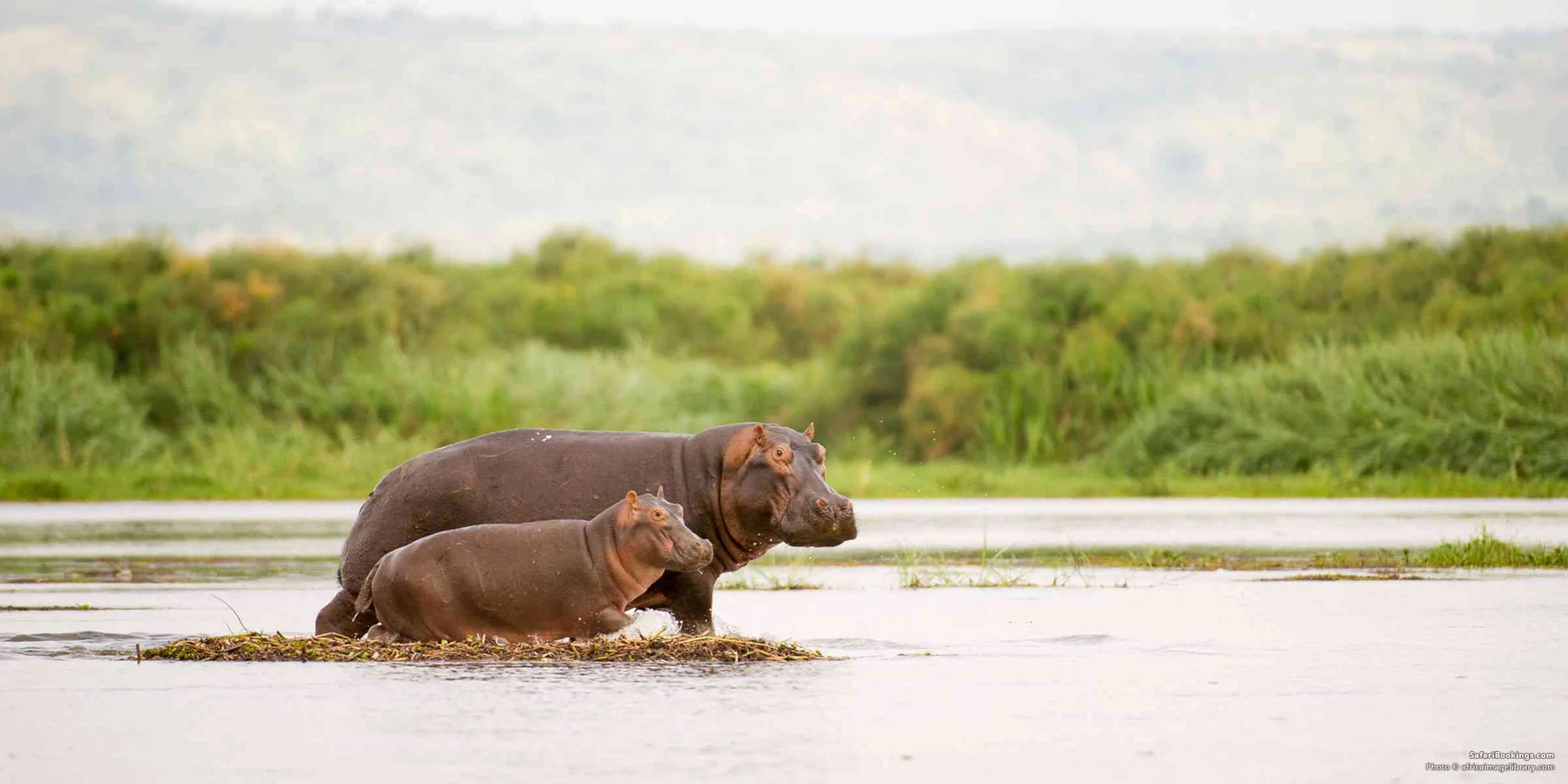
River Giants: Where to Meet Tanzania’s Hippos
wildlife
The Dagga Boys: Cape Buffalo in Tanzania