 Tours
Tours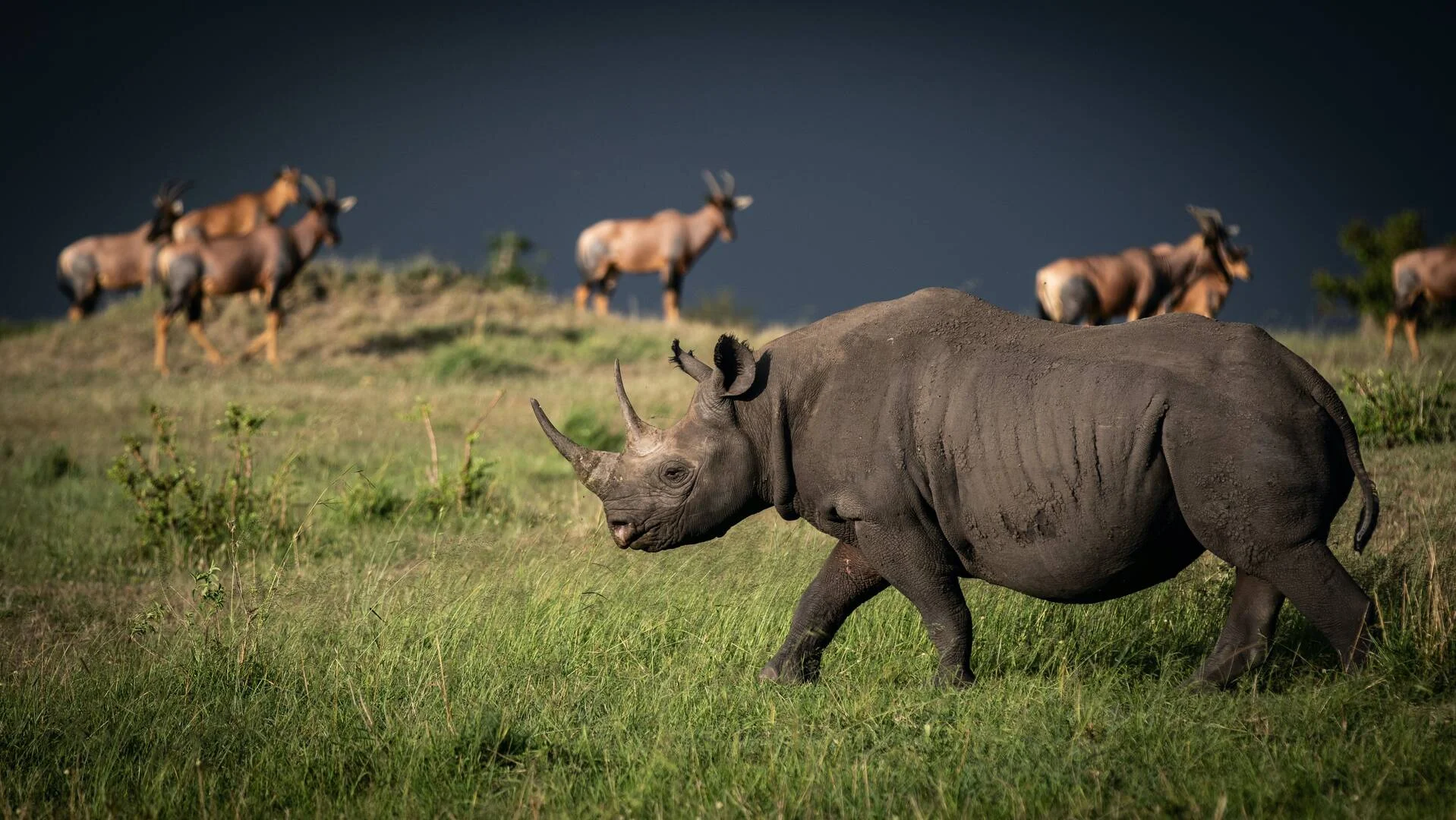
NoMiddleManTours · Jun 22, 2026 · 11 min read
A guide-grade reality check on seeing rhino in Tanzania: only black rhino survive here, the Ngorongoro Crater holds the one reliable population of about 20-30, the Serengeti has a single fragile pocket at the Moru Kopjes, and there are no wild white rhino at all.
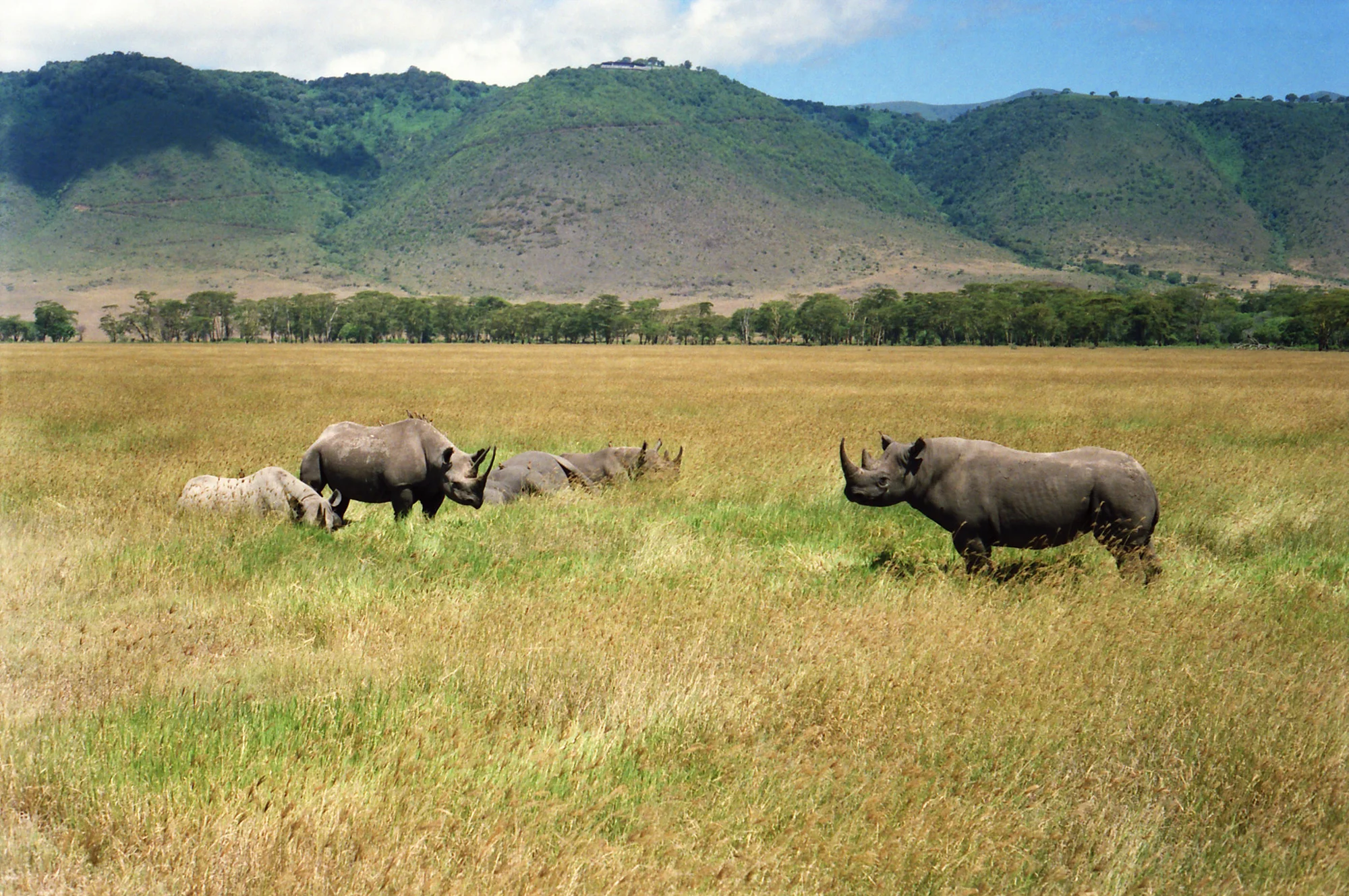
If you want to see a rhino in Tanzania, there is essentially one place to do it: the floor of the Ngorongoro Crater, where roughly 20 to 30 black rhino live inside a 264-square-kilometre bowl. Everywhere else the answer ranges from "a long-shot pocket" to "not at all." There are no wild white rhino in Tanzania — every white rhino you might encounter is in a fenced sanctuary across the border in Kenya — and the country's only other free-ranging black rhino worth planning around live in a single cluster of granite outcrops in the central-south Serengeti called the Moru Kopjes. This guide tells you exactly where the animals are, the honest odds of seeing one, why the population is so small, and how to build a trip that actually puts a rhino in your binoculars.
 Destination
Ngorongoro Conservation Area
conservation_area
The short answer: which rhino, where, and how likely#
Two of the world's five rhino species are African — the black rhino and the white rhino — and only one of them, the black rhino (Diceros bicornis), occurs wild in Tanzania. Within that, only two places hold animals you can realistically plan a sighting around. Here is the at-a-glance version before the detail.
| Where | Species | How many | Best months | Realistic odds |
|---|---|---|---|---|
| Ngorongoro Crater floor | Black rhino | ~20-30 | Year-round | High on a full crater morning |
| Moru Kopjes (central-south Serengeti) | Black rhino | A handful | Year-round, by luck | Low — a distant, lucky glimpse |
| Rest of the Serengeti & northern circuit | — | — | — | Effectively none |
| White rhino, anywhere in Tanzania | None wild | 0 | — | Only in Kenyan sanctuaries |
The planning takeaway is simple: if a rhino sighting matters to you, build your trip around a full game-drive morning on the Ngorongoro Crater floor, and treat any Serengeti rhino as a windfall. Entry to the Ngorongoro Conservation Area is US$82.60 per adult per 24 hours, plus a US$295-per-vehicle service fee for the crater descent, and the floor itself has a six-hour time limit and a 6 PM gate close — no driving after dark.
Black rhino vs white rhino — and why Tanzania has only one#
The names mislead everyone. Neither animal is black or white; "white" is widely thought to be a mistranslation of the Afrikaans or Dutch wijd (wide), describing the white rhino's broad, square, grazing lip. The black rhino has a pointed, prehensile upper lip built for browsing leaves and twigs off shrubs and trees — a different mouth for a different diet. Black rhino are smaller, more solitary, more temperamental, and prefer thicker bush, which is part of why they are harder to spot than the placid, grass-grazing white rhino of the open southern-African plains.
White rhino were never native to Tanzania's ecosystems in modern times; their historic range sits to the south and, for the northern white rhino, in central Africa. So the question "where can I see white rhino in Tanzania?" has a clean answer: nowhere in the wild. The nearest wild-ish white rhino are in fenced conservancies in Kenya — most famously the last two northern white rhino on Earth, both female, under 24-hour armed guard. In Tanzania, the animal you are looking for is the eastern black rhino, the subspecies of East Africa's highlands and savanna.
Why so few: poaching, collapse, and a slow recovery#
Understanding the numbers explains the odds. Tanzania once held thousands of black rhino across the northern parks. An industrial poaching wave through the 1970s and 1980s — driven by demand for horn — collapsed the population to a remnant. The Serengeti's black rhino, once spread across the woodlands, were all but wiped out; the Ngorongoro Crater's enclosed, heavily patrolled floor became the last stronghold where a viable group survived.
That history is why today's rhino live where they live. The crater functions as a natural, ranger-guarded enclosure — steep walls, a small floor, and a permanent anti-poaching presence — which is exactly the kind of place a recovering population can hold on. The animals there are individually known, named and monitored by the conservation authority and researchers; guides will often tell you which rhino you are looking at by name and territory. Numbers have crept up over the decades through protection and a handful of reintroductions, but recovery is slow: a female black rhino calves only once every two to three years, so even a well-protected population grows at a crawl. When you see a crater rhino, you are looking at one of a few dozen surviving animals carrying a population that nearly vanished in living memory.
Where to actually see them: the Ngorongoro Crater#
The crater floor is the single best place to see a rhino in Tanzania, and on a full morning down there your odds are genuinely high — most well-run crater game drives find at least one. The mechanics are favourable: the rhino live in open, short-grass country and the swampy fringes, the floor is small enough to cover its key areas in a few hours, and guides know the resident animals' patterns.
Two areas reward attention. The open grassland around Lake Magadi — the crater's shallow alkaline soda lake — is classic rhino ground, where the animals graze and browse the low scrub in clear sightlines, often at a distance that needs binoculars. The Lerai Forest, a stand of yellow-barked fever trees on the southern floor, is the other reliable zone, especially in the cooler hours when rhino move into the shade. The play is to descend early, before the crowds: the Seneto descent road opens at 6 AM, and being among the first vehicles on the floor means you can work the Magadi grasslands and Lerai edges while the light is soft and the rhino are still active before the midday heat — the floor can hold 50-plus vehicles by late morning, which makes the animals harder to approach and the experience busier. Note that the Seneto descent road closes at 4:00 PM — that is the last point at which you can enter the crater, so this is not a destination for a mid-afternoon change of plan. The effective planning window for starting a descent is 6 AM to 4 PM (6 AM gate opening, 4 PM last descent entry), even though the park itself does not close until 6 PM.
Costs to budget for the crater day, on top of your safari rate: the US$82.60 per-adult conservation-area fee, the US$295-per-vehicle crater service fee for the descent, and roughly US$40 for the ranger. The six-hour floor limit and the one-way roads (Seneto down, Lerai up) shape the day, so a single, well-timed morning is the standard play rather than a slow all-day drift.
Where to base for the crater rhino morning#
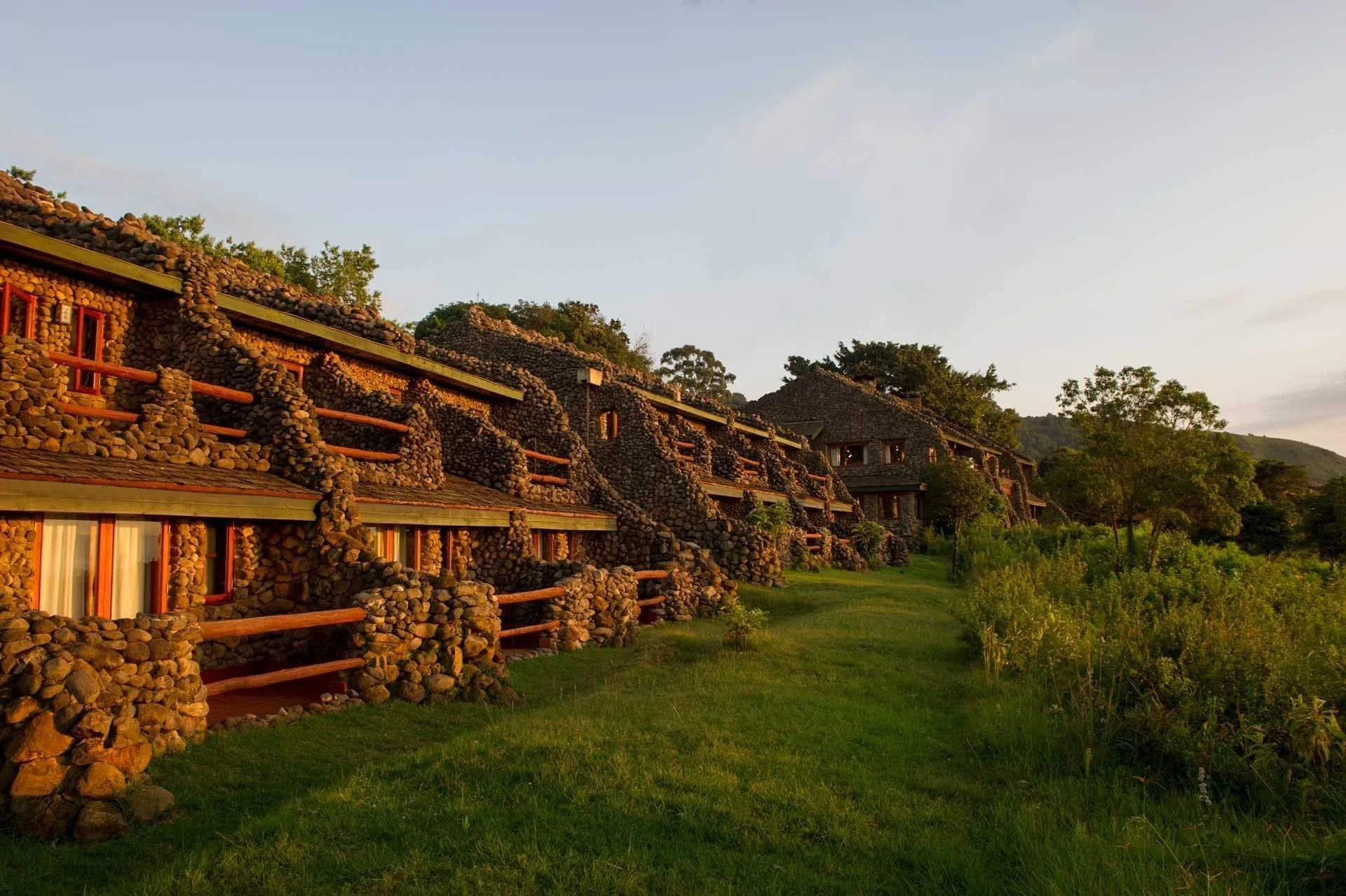
The highest-leverage decision for a rhino sighting is sleeping on the crater rim the night before, not down in the town of Karatu 45 minutes below the gate. A rim lodge puts you about 15 minutes from the descent road, so you can be among the first vehicles on the floor at first light — exactly when the rhino are most active and the floor is emptiest. The lodge below sits on the southern rim with views straight down into the bowl.
 Luxury
Ngorongoro Serena Safari Lodge
Luxury · Ngorongoro Conservation Area
The Serengeti's fragile pocket: the Moru Kopjes#
The only place in the wider Serengeti with free-ranging black rhino is the Moru Kopjes, a cluster of ancient granite outcrops in the central-south of the park, roughly an hour southwest of Seronera. A small, protected group survives here — the descendants of the population that the poaching era nearly erased — guarded by a dedicated anti-poaching unit. It is the genuine wild-rhino experience: animals on the open plains rather than in an enclosed crater.
It is also a long shot, and you should plan around that honesty rather than the romance. Sightings at Moru are a matter of luck and distance — the rhino range widely across open country, and on most days you either do not see one at all or you catch a grey shape grazing far out, identifiable through binoculars more than a camera. Many visitors who specifically ask their guide to work the Moru area still leave without a rhino. Treat a Moru rhino as a bonus on top of a visit that earns its keep on the kopjes' other draws — resident lion prides on the rocks, the Maasai rock paintings, and the gong rock. If a confirmed rhino is the goal, the crater is the answer; if you happen to be transiting the central Serengeti and want the wild-plains version, Moru is where you ask.
Building a trip that delivers a rhino#
The clean way to all-but-guarantee a rhino is to pair Serengeti game-viewing with a full crater morning on the same northern-circuit trip. The crater floor is roughly a 4-hour drive from central Serengeti (Seronera) and considerably farther from the northern Kogatende sector, so the crater day is normally done while transiting between Karatu and the park — a dawn descent on the way in or out — rather than as a detour from deep inside the Serengeti. The descent gate closes at 4 PM, which is why the crater is always done as the morning activity, never an afternoon detour from the Serengeti side. A classic northern-circuit route typically runs Tarangire for elephant, the Serengeti for the cats and the herds (with the option to work the Moru Kopjes if you are in the central-south), and the Ngorongoro Crater as the finale where you collect your rhino and the rest of the Big Five in one bowl.
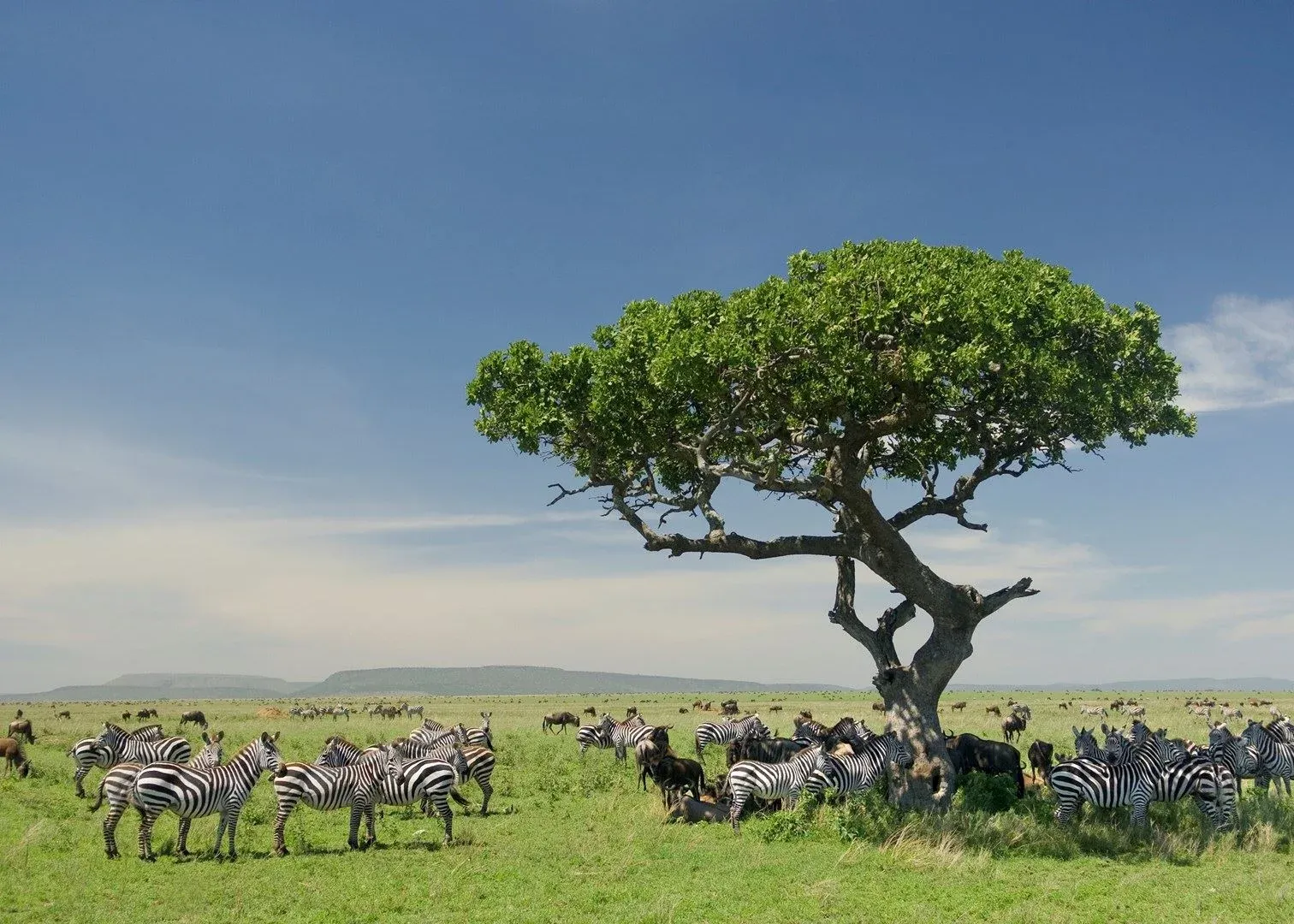
The itinerary below is one such route — northern parks plus a dedicated crater finale — that threads the Serengeti's plains with the one place a rhino is a near-certainty.
 Itinerary
5-Day Classic Northern Circuit Safari (Crater Finale)
5 days · From $1,344 pp
A few field rules for the rhino-specific part of the day:
Descend at dawn. Be on the floor as the Seneto road opens at 6 AM. The first ninety minutes are the best light and the lowest vehicle traffic, and rhino are most active before the heat pushes them into cover. The Seneto road accepts descents from 6 AM to 4 PM only; plan your day accordingly.
Bring binoculars, manage the camera expectation. Crater and Moru rhino are frequently seen at distance. A pair of 8x or 10x binoculars turns a far grey smudge into an unmistakable rhino; assume the sighting is for your eyes more than your long lens.
Ask your guide by name. Crater guides know the resident rhino individually. A guide who can say which animal you are watching, and where it tends to be at this hour, is worth far more than the lodge you sleep in.
Don't gamble the whole trip on Moru. Use the crater as your reliable sighting and treat any Serengeti rhino as the windfall it is. Building a trip around a Moru rhino is how people end up disappointed.
Conservation: what your visit funds#
The crater rhino are not an accident of nature; they are the product of relentless, expensive protection. The US$295 vehicle descent fee and the per-person conservation-area fee feed the Ngorongoro Conservation Area Authority's ranger patrols, monitoring and anti-poaching work — the apparatus that keeps a few dozen rhino alive in a country that lost almost all of them. Tanzania's longer-term strategy adds careful reintroductions: small numbers of black rhino have been translocated back into protected zones of the Serengeti to rebuild the wild population the poaching era destroyed, and these animals are intensively guarded.
For the traveller, the practical conservation rule is to keep your distance, never pressure a guide to approach or cut off a rhino, and choose operators who respect the floor's etiquette and limits. The animal you are watching is a survivor of a near-extinction; a quiet, distant, unhurried sighting is the right one. If you want to fold a rhino-reliable crater morning into a wider Tanzanian safari, start by comparing routes:
Browse all Tanzania safarisFrequently asked questions#
Are there rhinos in Tanzania? Yes, but only black rhino, and only in two places worth planning around. The Ngorongoro Crater floor holds roughly 20 to 30 black rhino and is the one reliable place to see them. A small, fragile population also survives in the Moru Kopjes of the central-south Serengeti, but sightings there are a long shot.
Can you see white rhino in Tanzania? No. There are no wild white rhino anywhere in Tanzania. White rhino were never part of these ecosystems in modern times; the nearest are in fenced conservancies in Kenya, including the last two northern white rhino on Earth at Ol Pejeta.
Where is the best place to see rhino in Tanzania? The Ngorongoro Crater floor, without question. On a full morning game drive your odds of a black rhino sighting are high, especially around the Lake Magadi grasslands and the Lerai Forest. Descend early via the Seneto road when it opens at 6 AM.
How many rhinos are left in Tanzania? The Ngorongoro Crater holds roughly 20 to 30 black rhino, the country's single largest reliable group. A handful more survive in the Moru Kopjes area of the Serengeti, plus small reintroduced and protected populations elsewhere. The national total is in the low hundreds at most, after poaching collapsed the population in the 1970s and 1980s.
Why are there so few rhinos in Tanzania? Industrial poaching for horn through the 1970s and 1980s collapsed a population that once numbered in the thousands. The Ngorongoro Crater's enclosed, ranger-patrolled floor became the last stronghold. Recovery is slow because black rhino calve only once every two to three years.
Can you see rhino in the Serengeti? Only in one small pocket, the Moru Kopjes in the central-south of the park, and even there it is a matter of luck and distance. Most of the Serengeti has no rhino. For a confirmed sighting, add a Ngorongoro Crater morning, about 4 hours from central Serengeti (Seronera).
How much does it cost to see the rhino in Ngorongoro Crater? On top of your safari rate, budget the US$82.60 per-adult conservation-area fee per 24 hours, a US$295-per-vehicle service fee for the crater descent, and roughly US$40 for the required ranger. The floor has a six-hour time limit; the Seneto descent road closes at 4:00 PM (last entry), and the park closes at 6 PM.
What is the difference between black and white rhino? The black rhino has a pointed, hooked upper lip for browsing leaves and twigs and is smaller, more solitary and more temperamental. The white rhino has a wide, square lip for grazing grass. Only the black rhino occurs in Tanzania; the white rhino is a southern-African and central-African animal.
Ready to plan the real thing?
Compare honest, all-in safari packages with real lodge choices — straight to the local operator, no middleman.
Browse safari packagesKeep reading
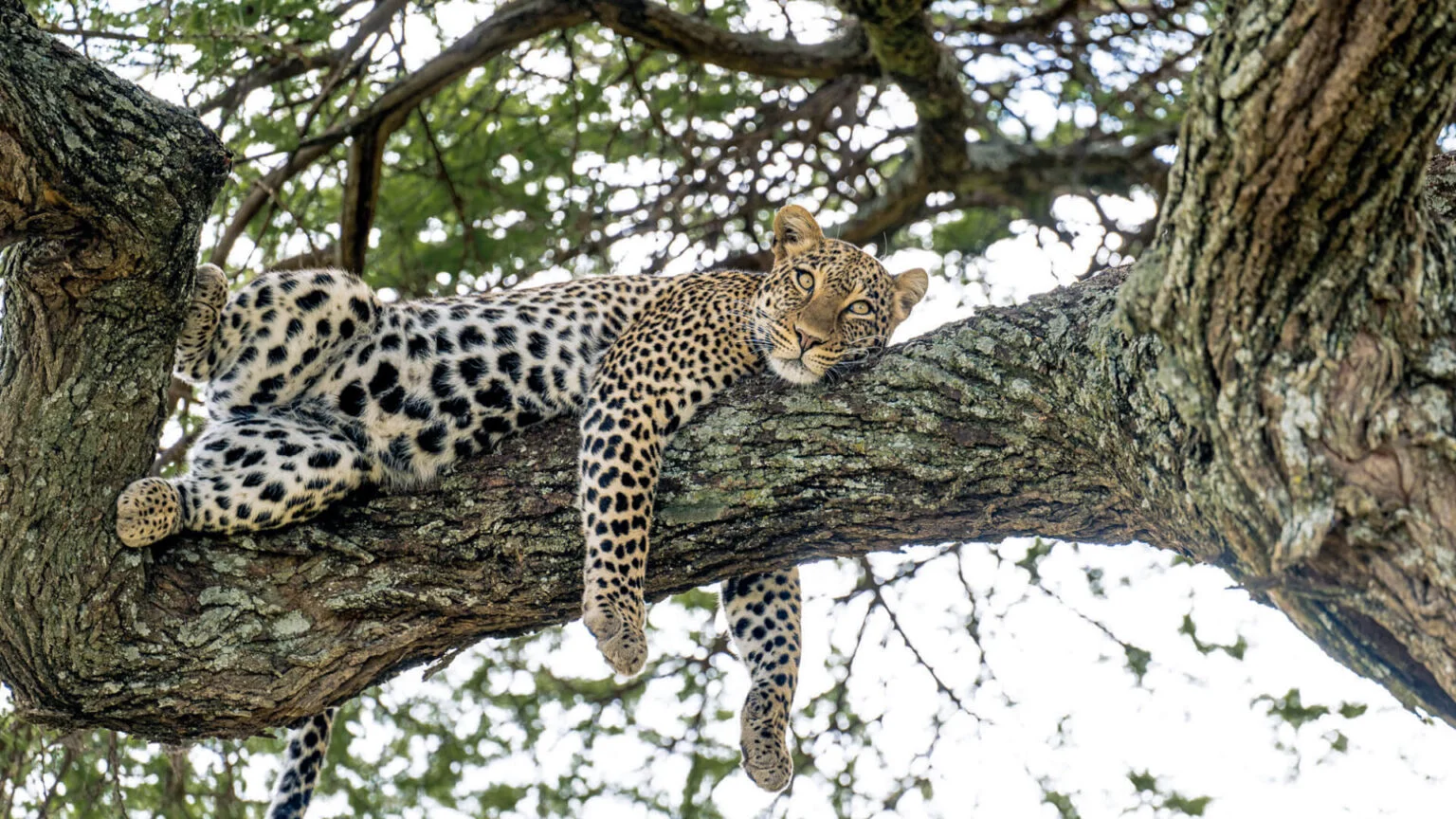
wildlife
The Big Five in the Serengeti: Four You’ll Find, One You’ll Earn
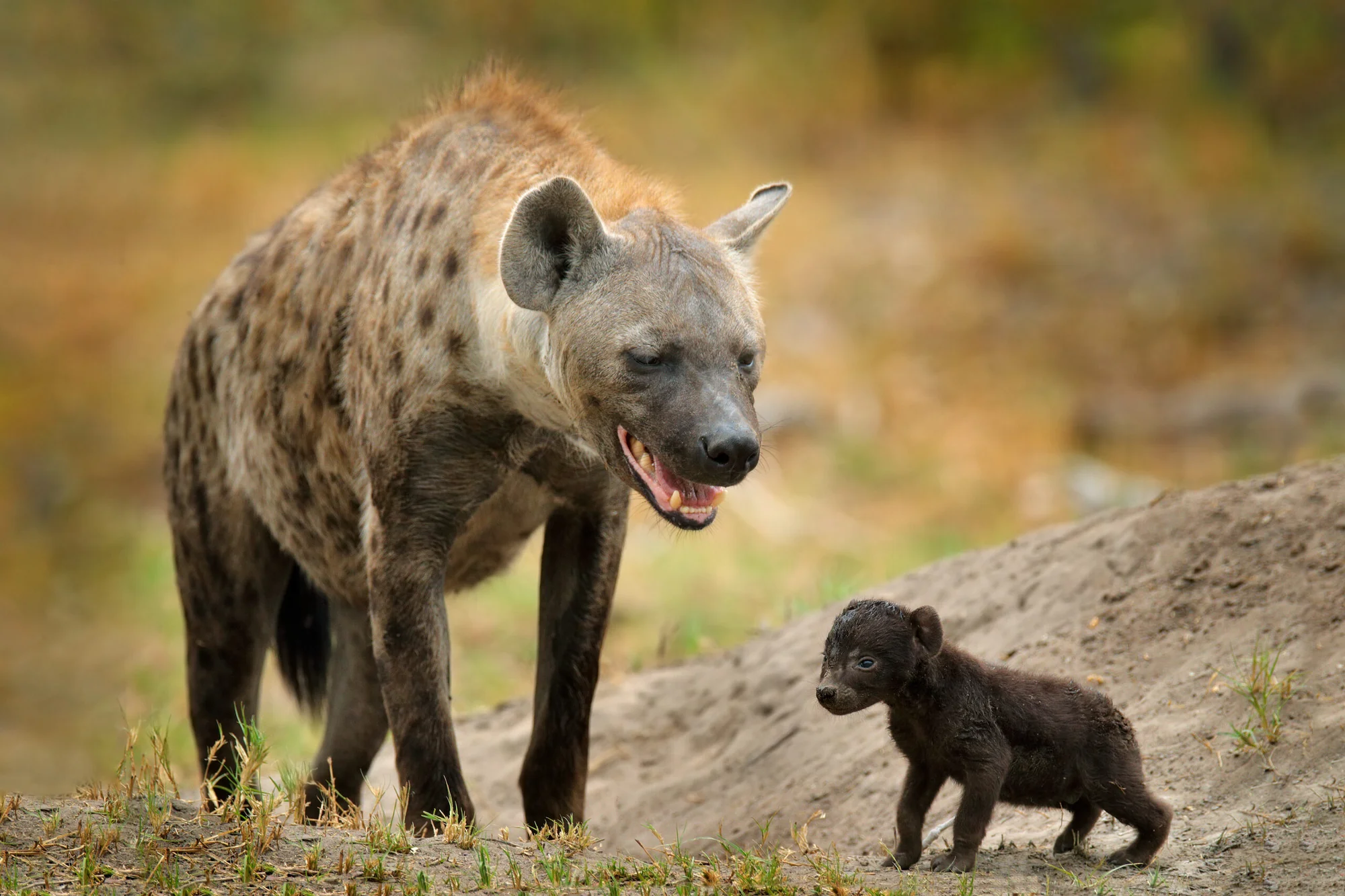
wildlife
Hyenas in Tanzania: Spotted, Striped and Wildly Misunderstood
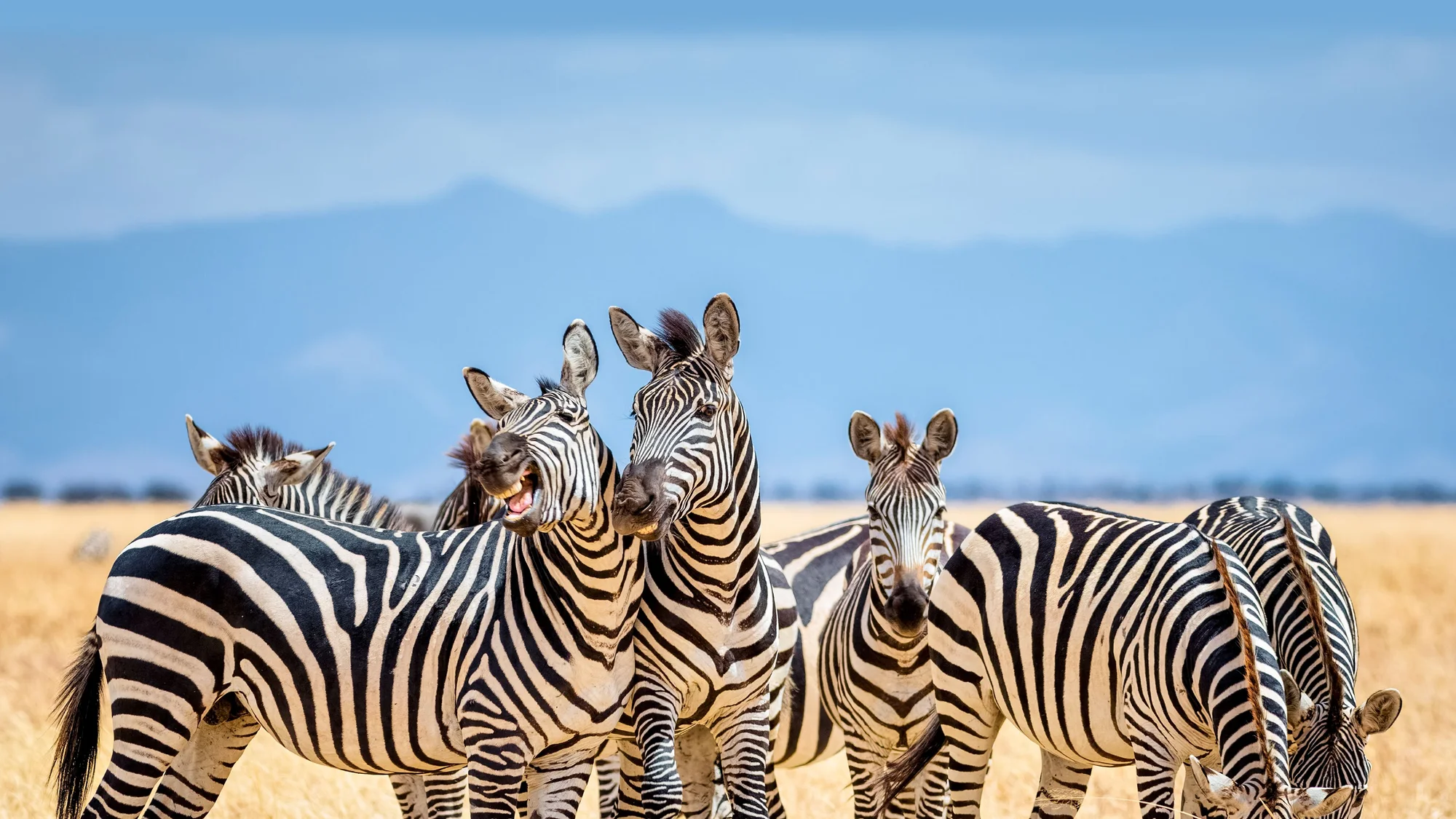
wildlife
The Stripes That Lead the Migration: Zebras in Tanzania
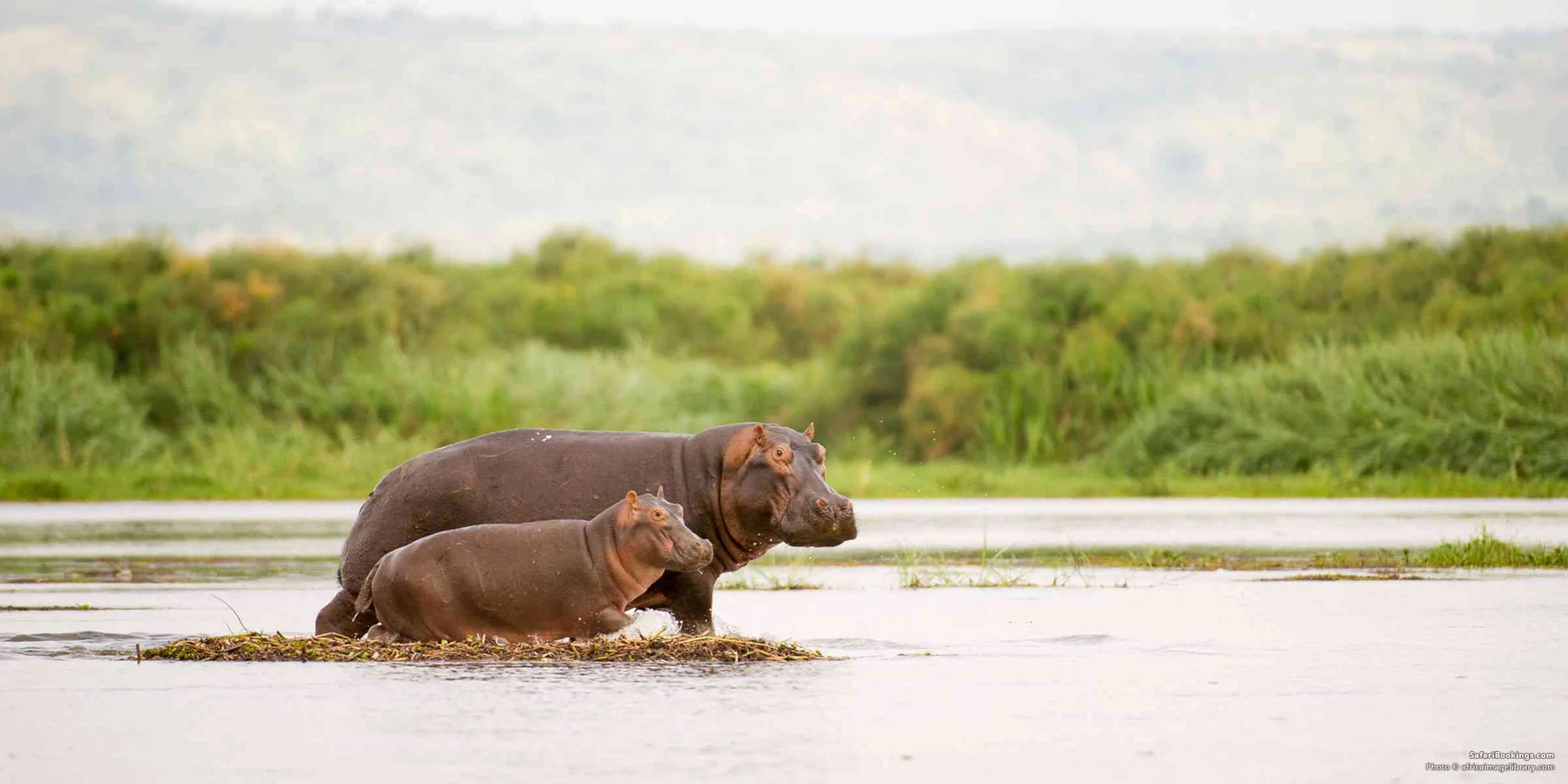
wildlife
River Giants: Where to Meet Tanzania’s Hippos
wildlife
The Dagga Boys: Cape Buffalo in Tanzania
wildlife
Built for the Plains: A Guide to Tanzania’s Cheetahs