 Tours
Tours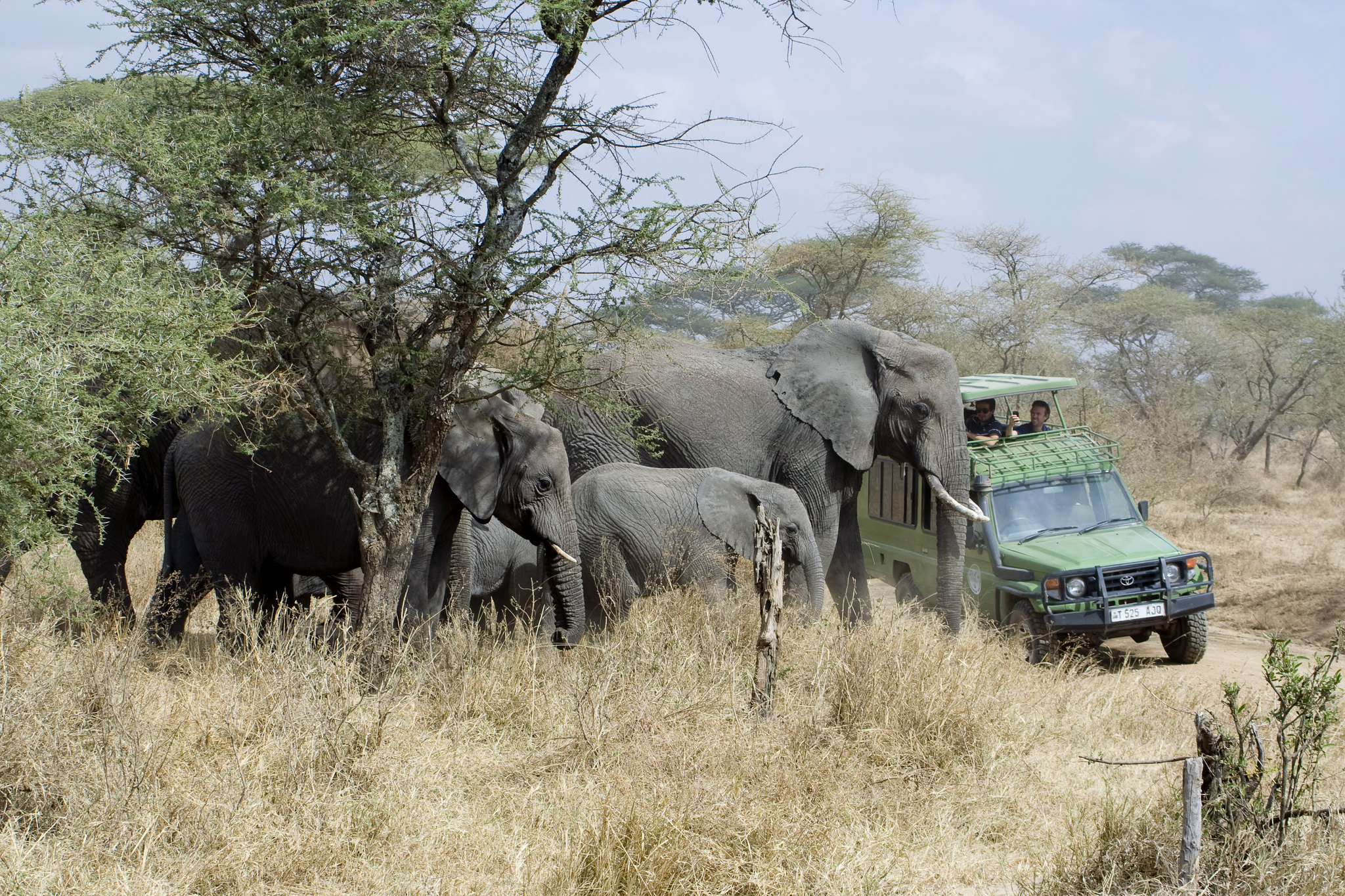
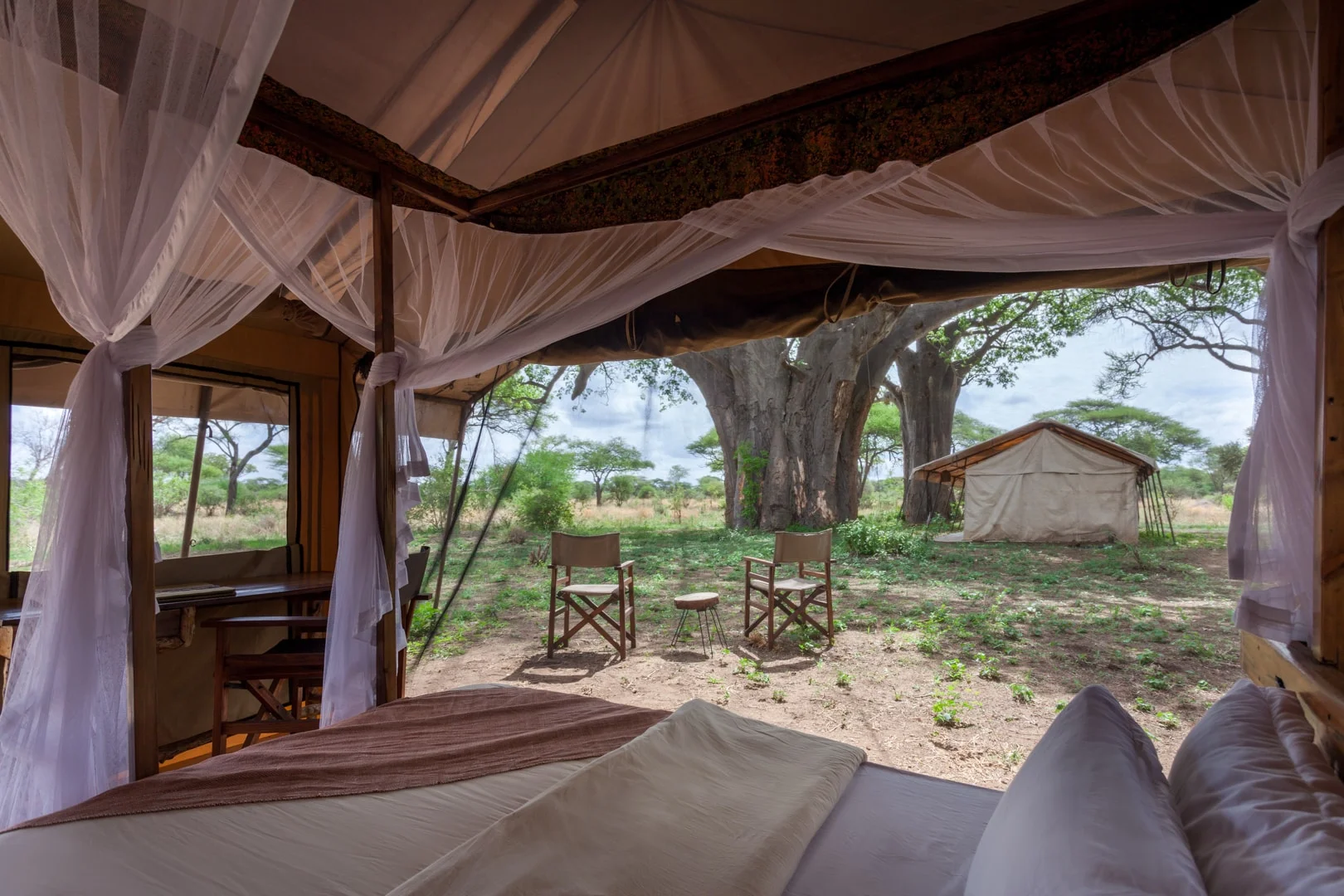
Tarangire National Park#
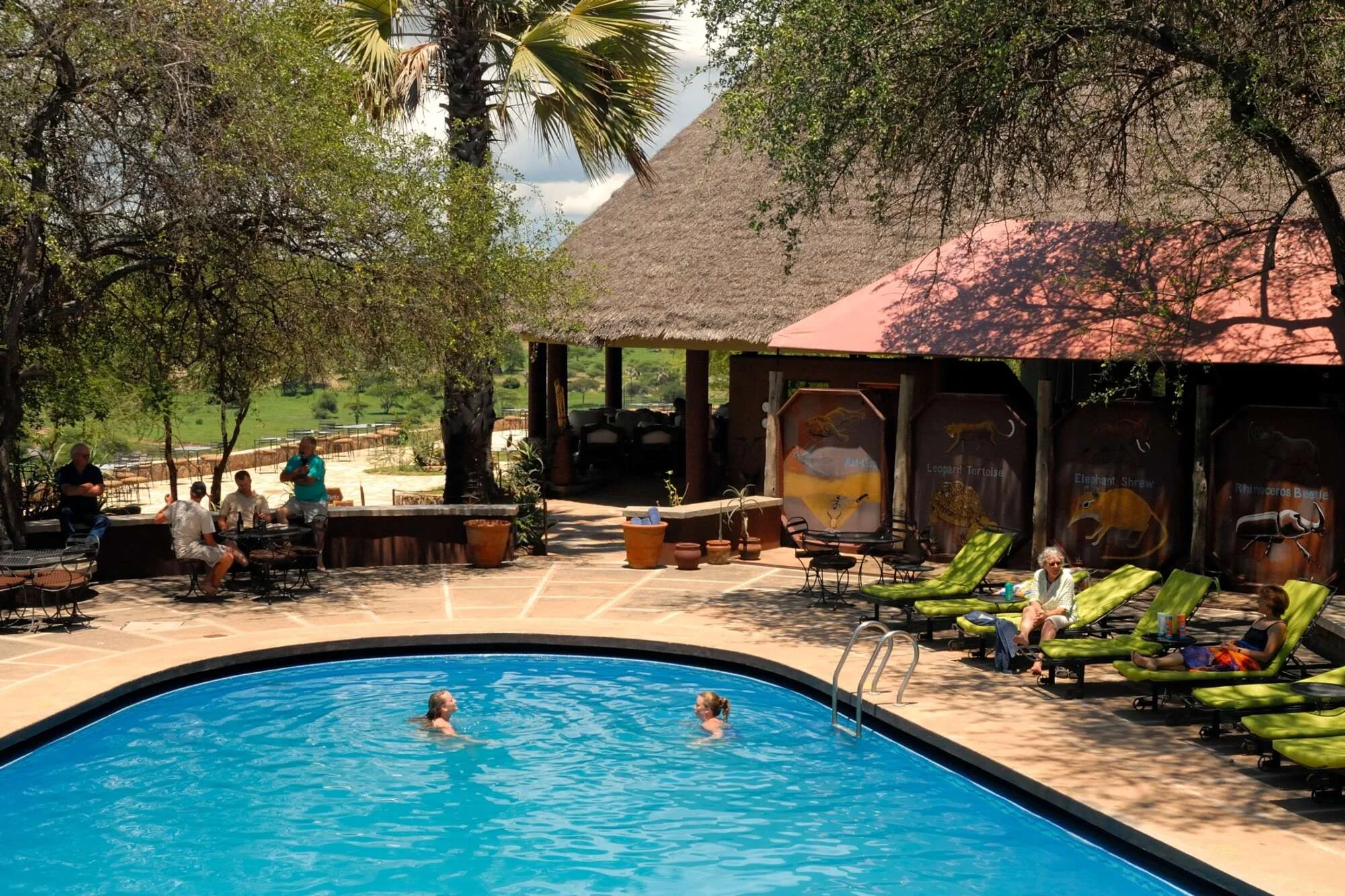
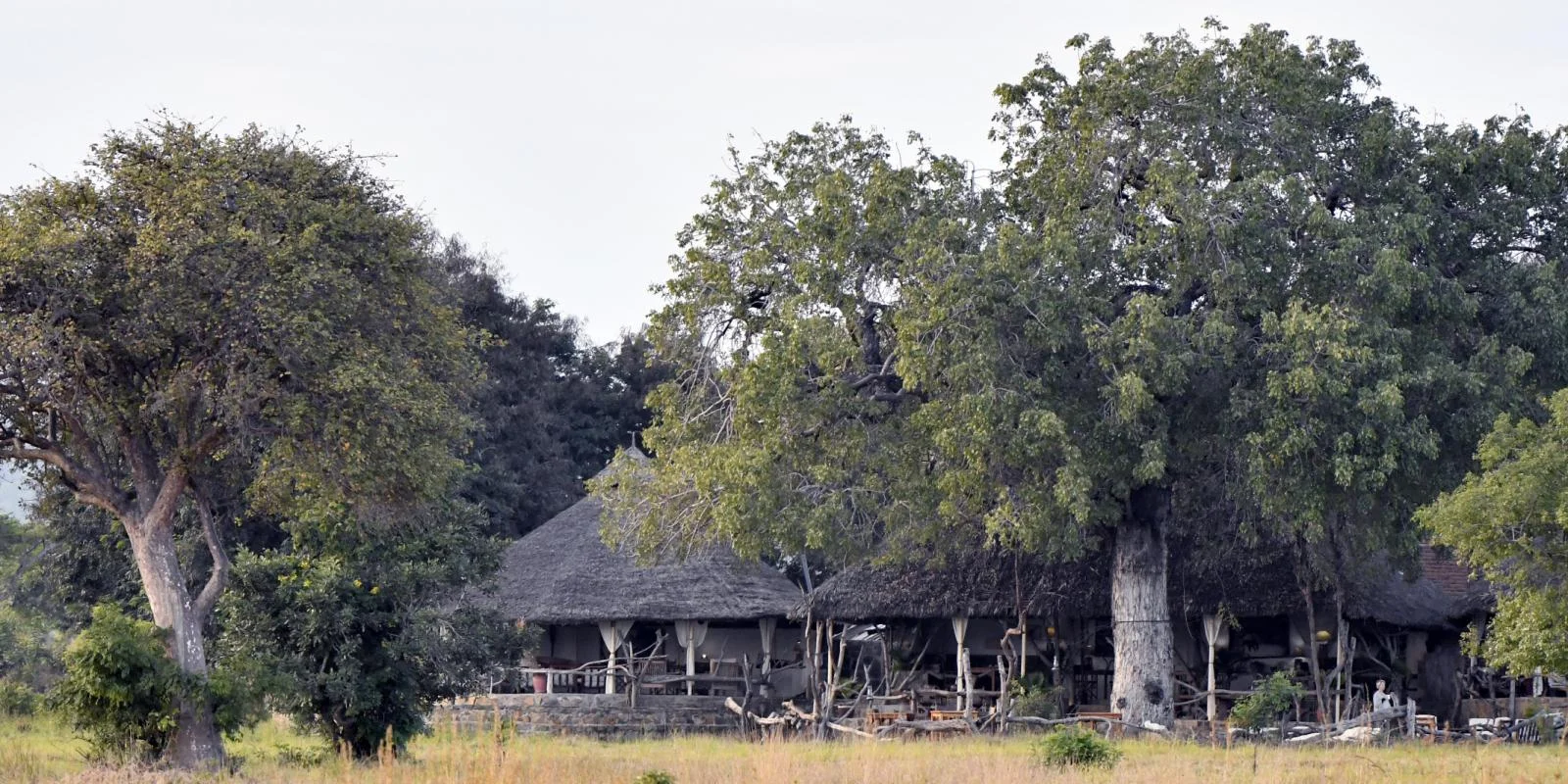
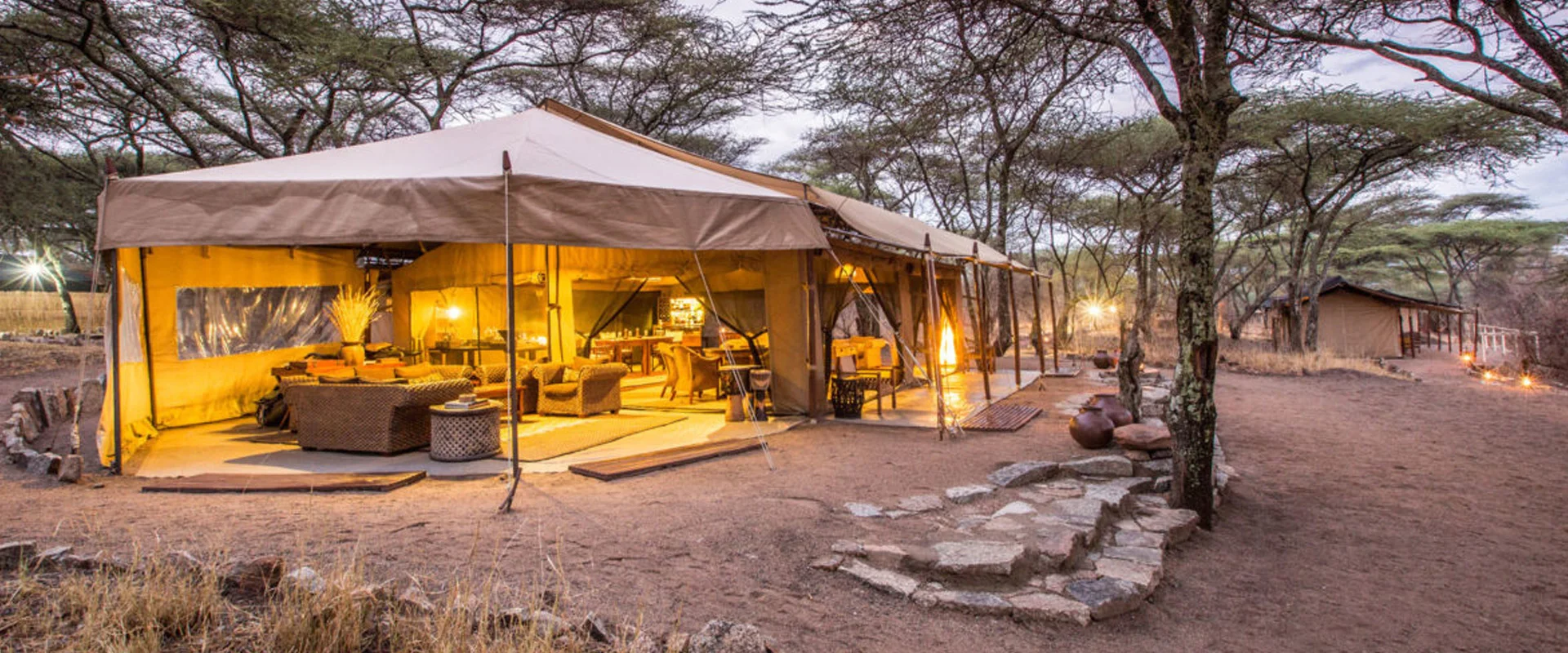
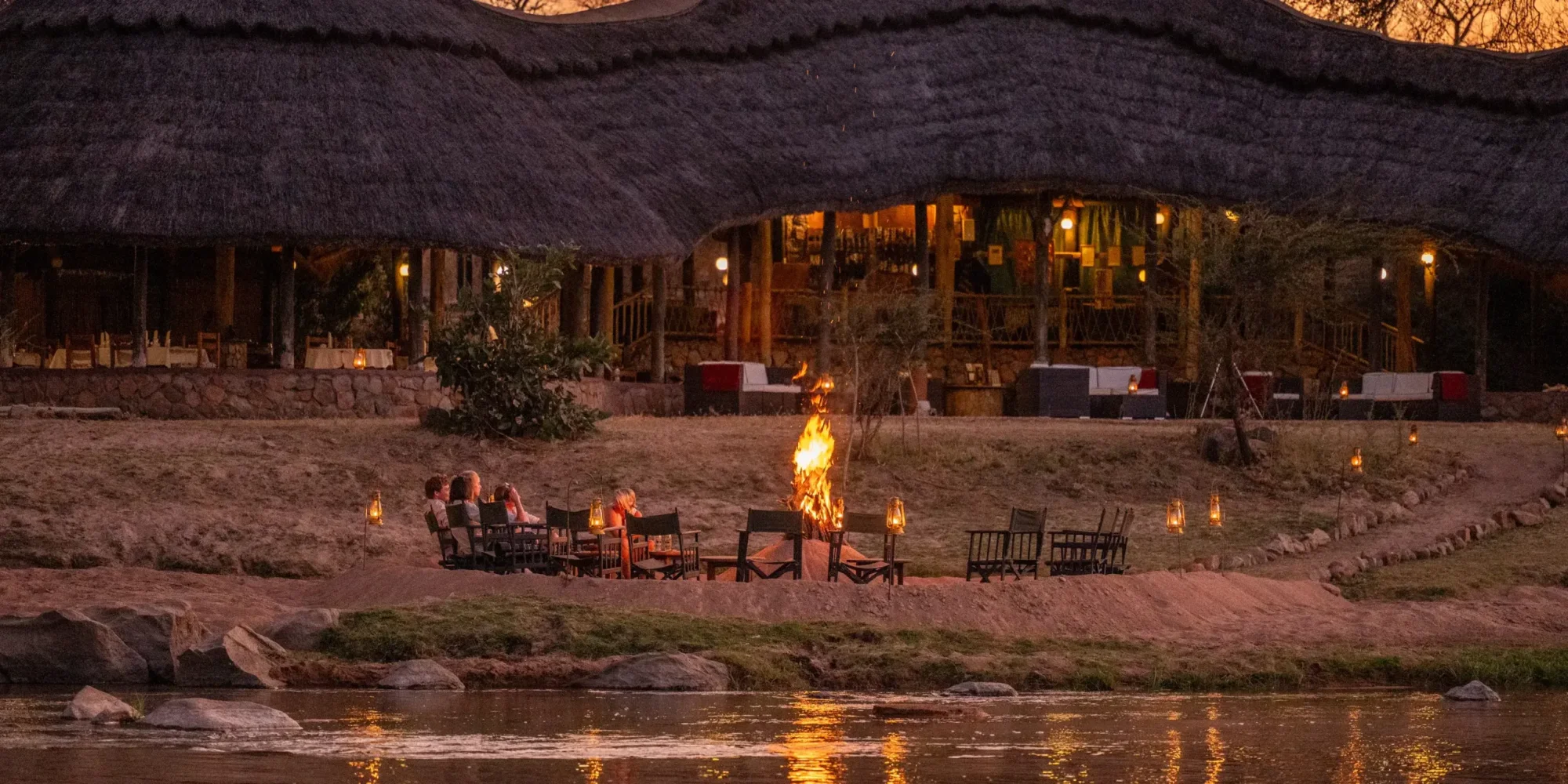
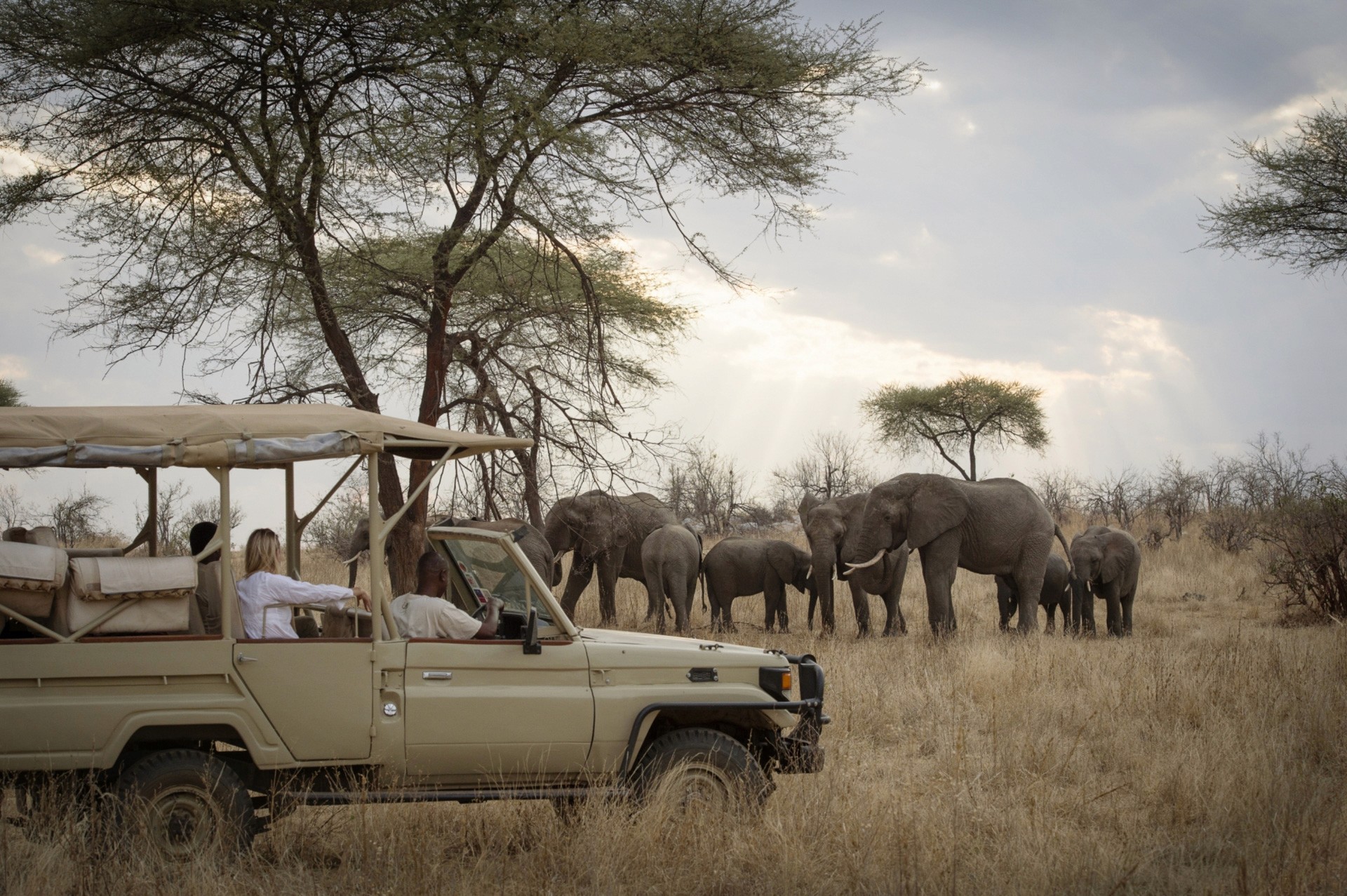
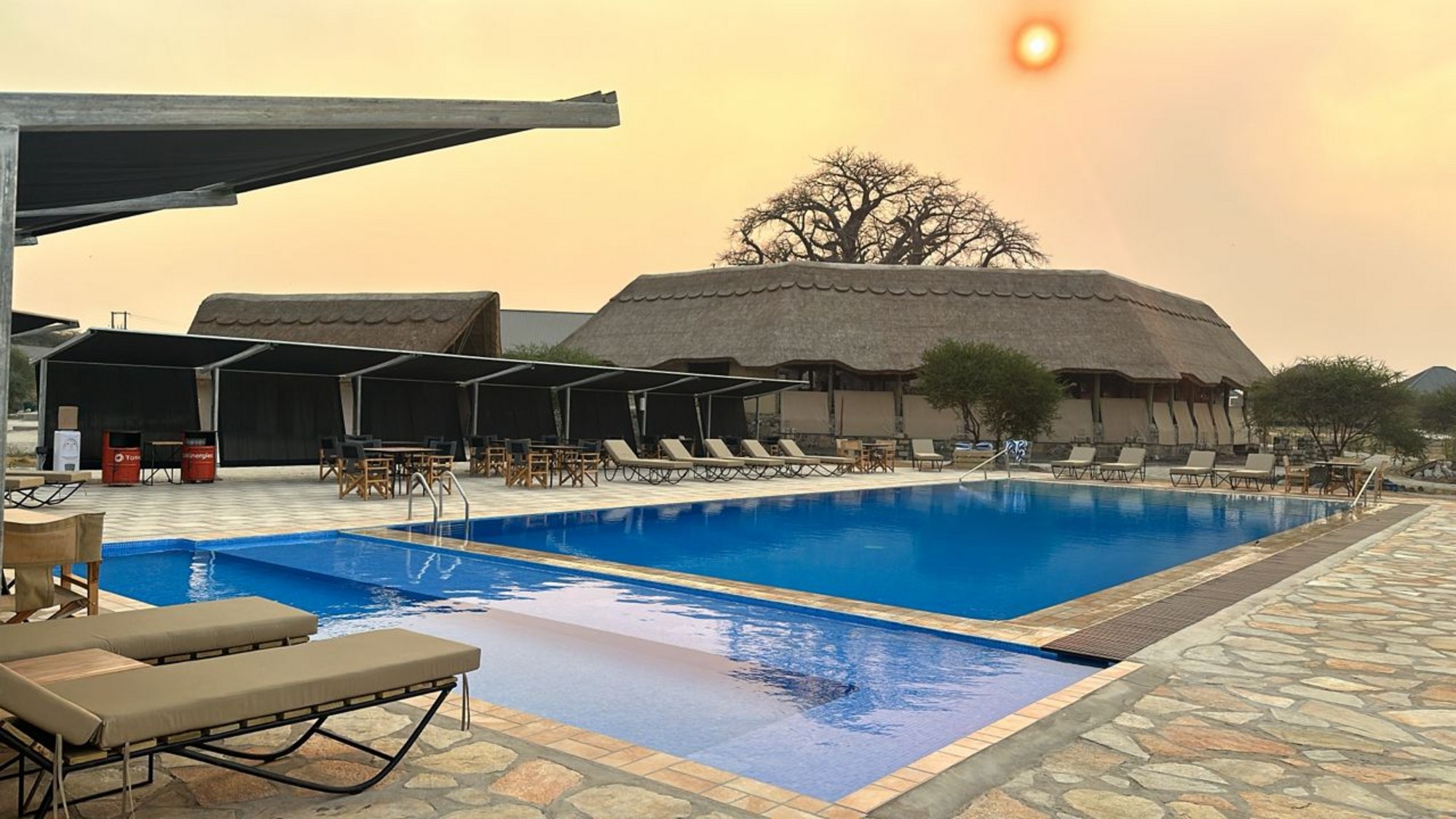
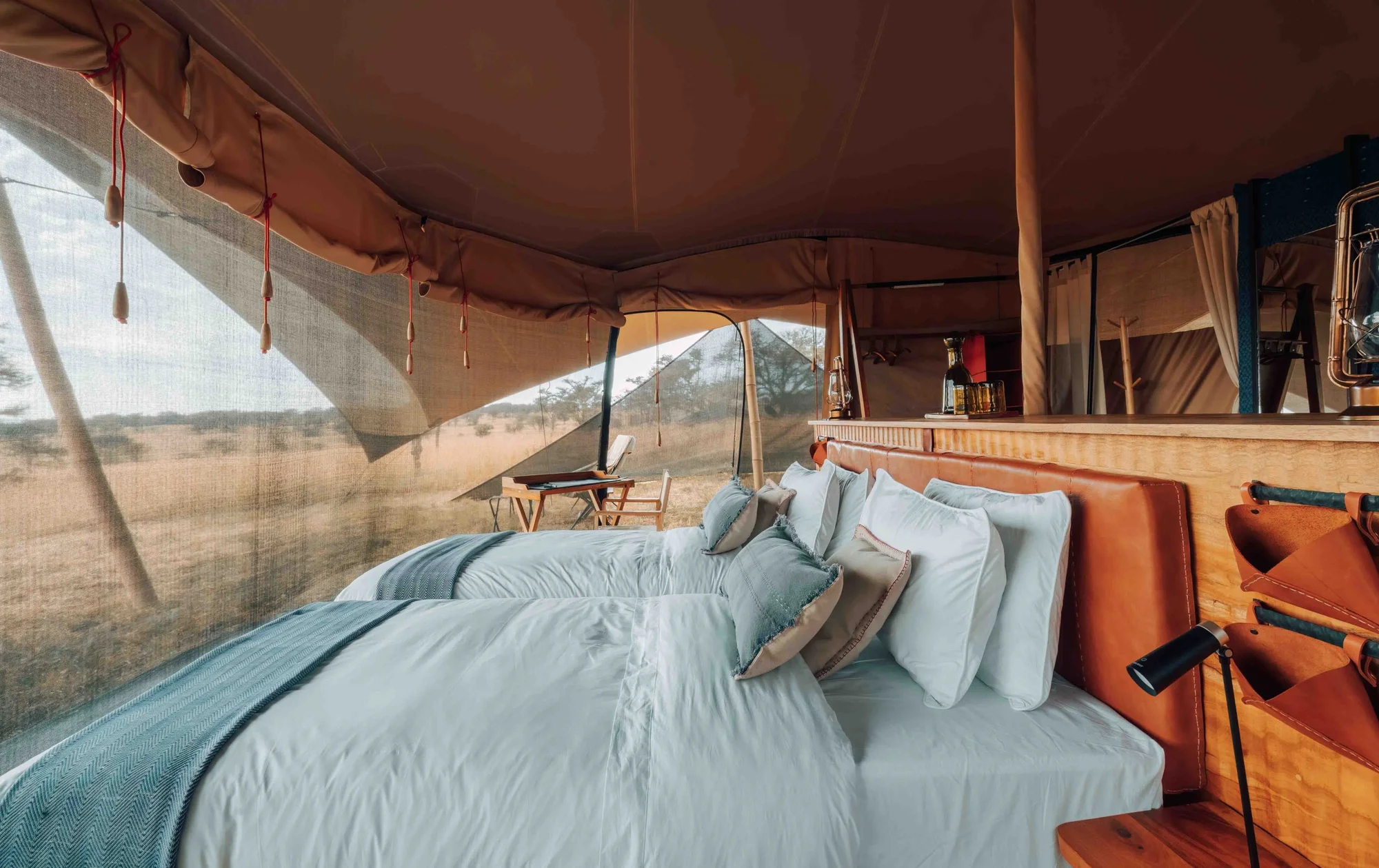
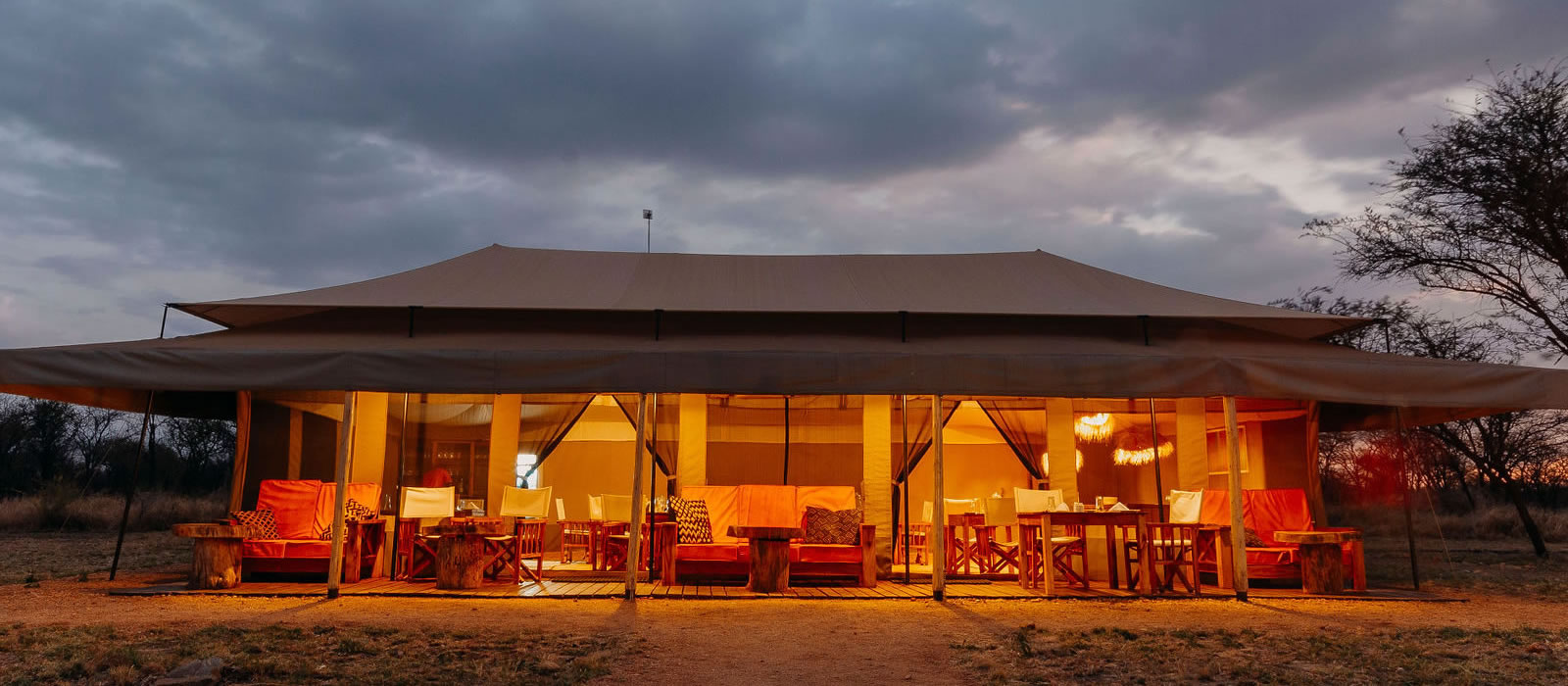
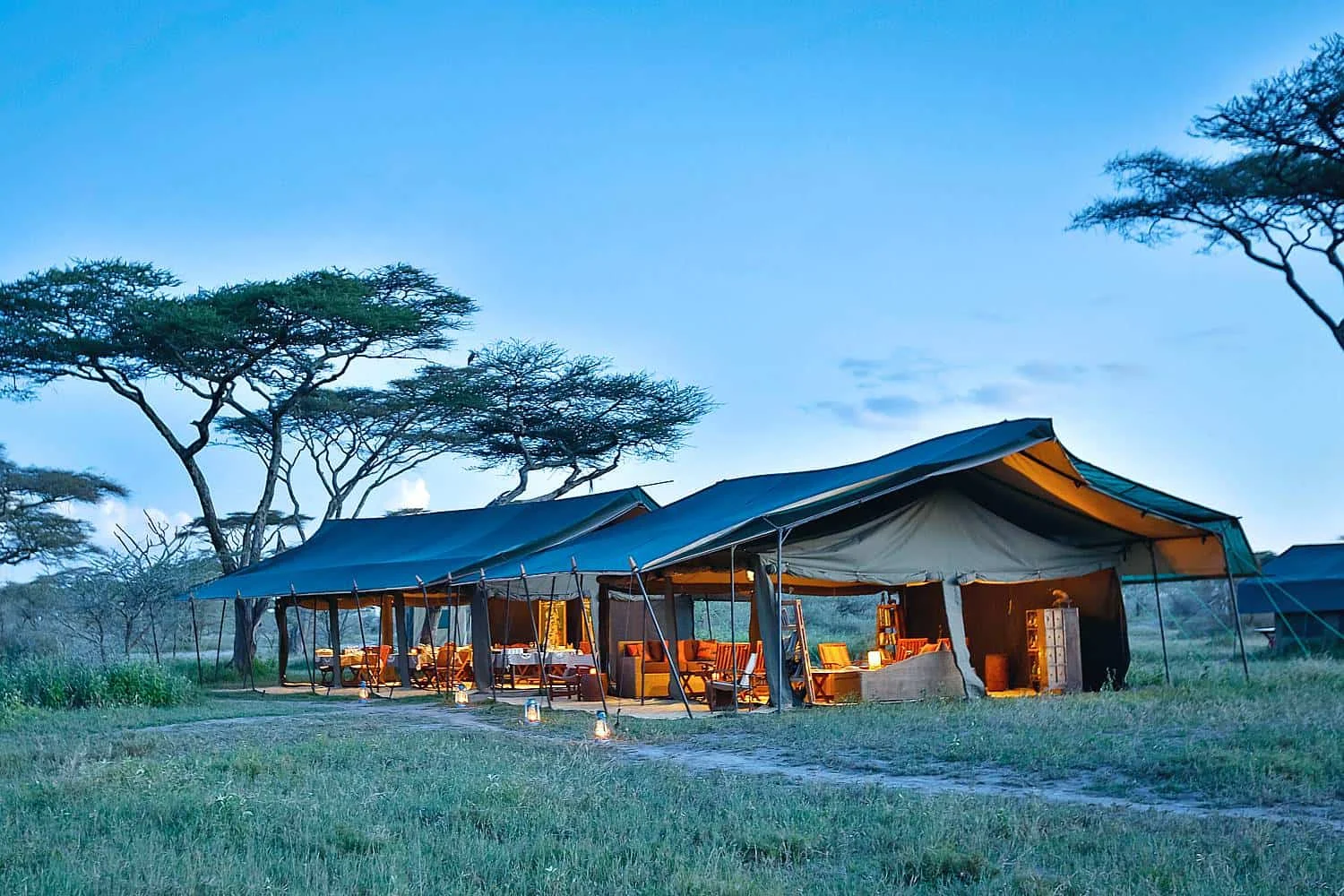
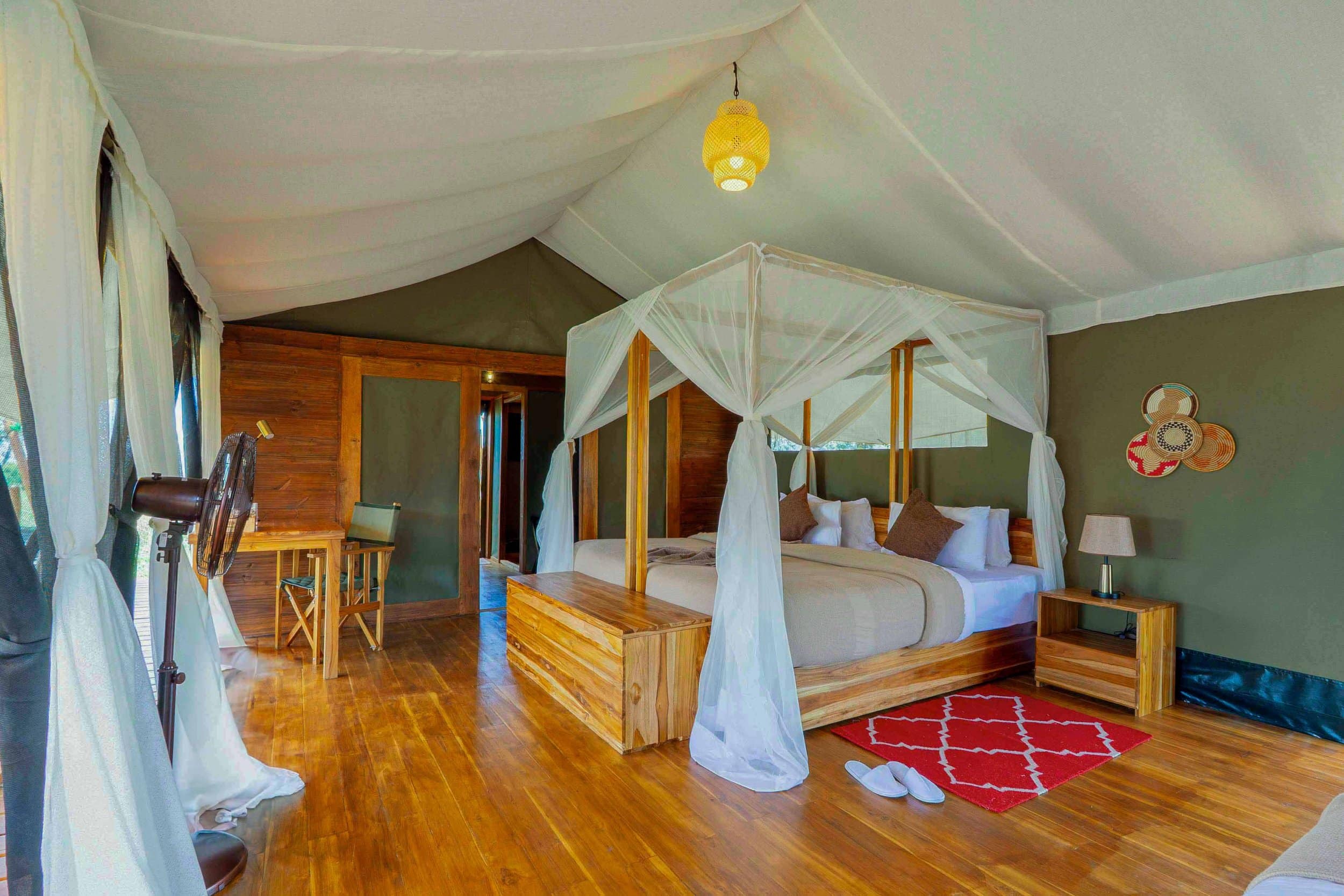
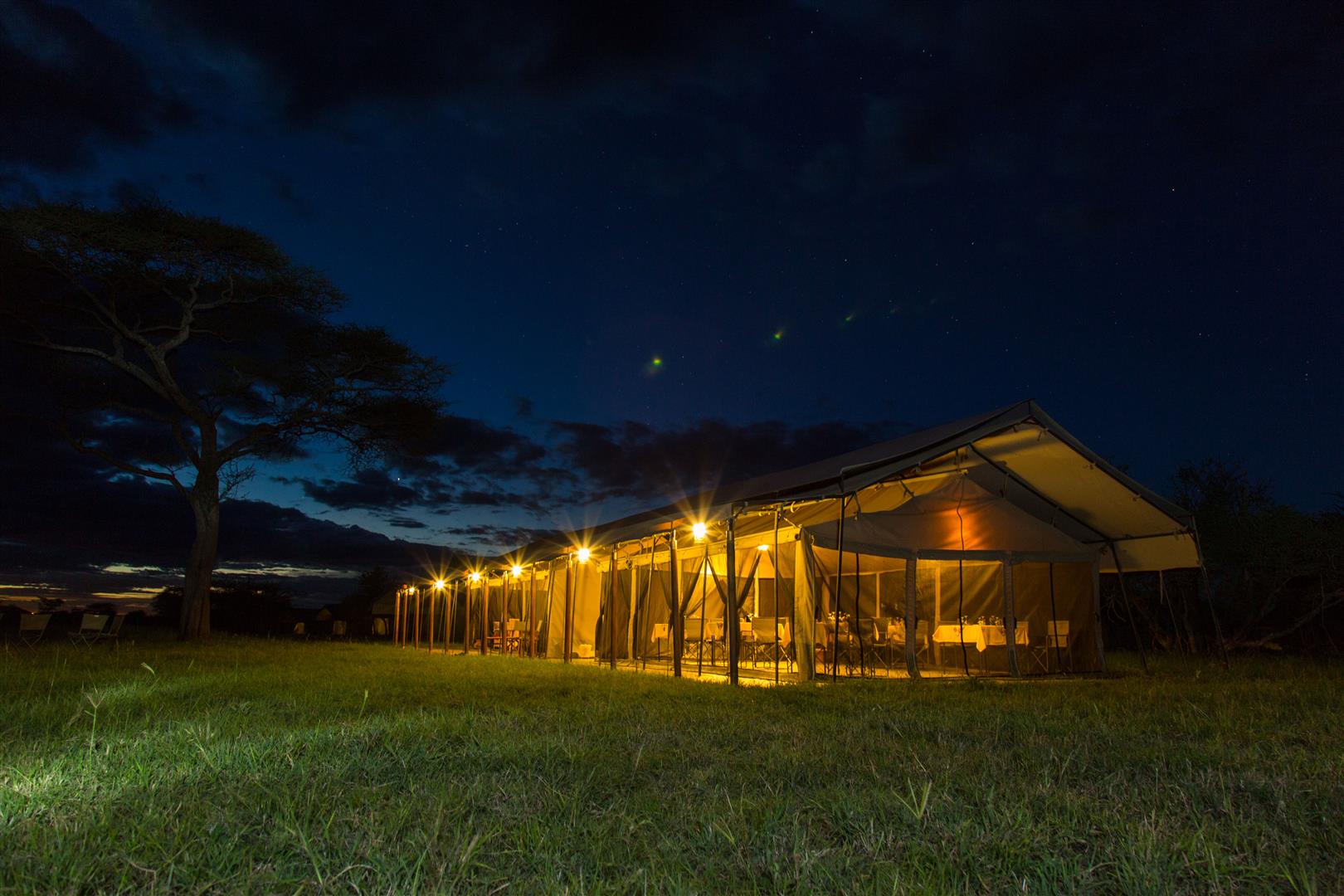
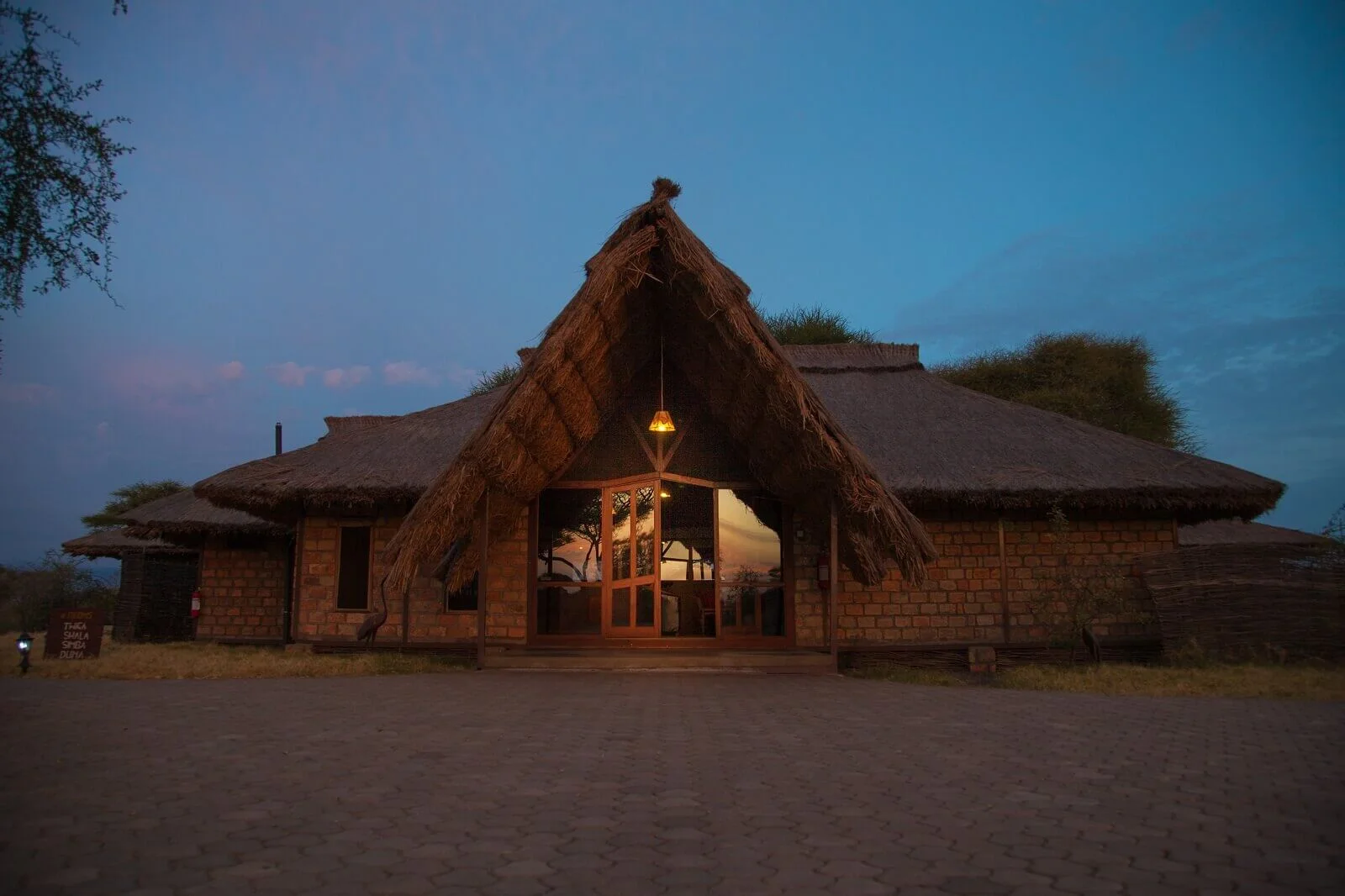
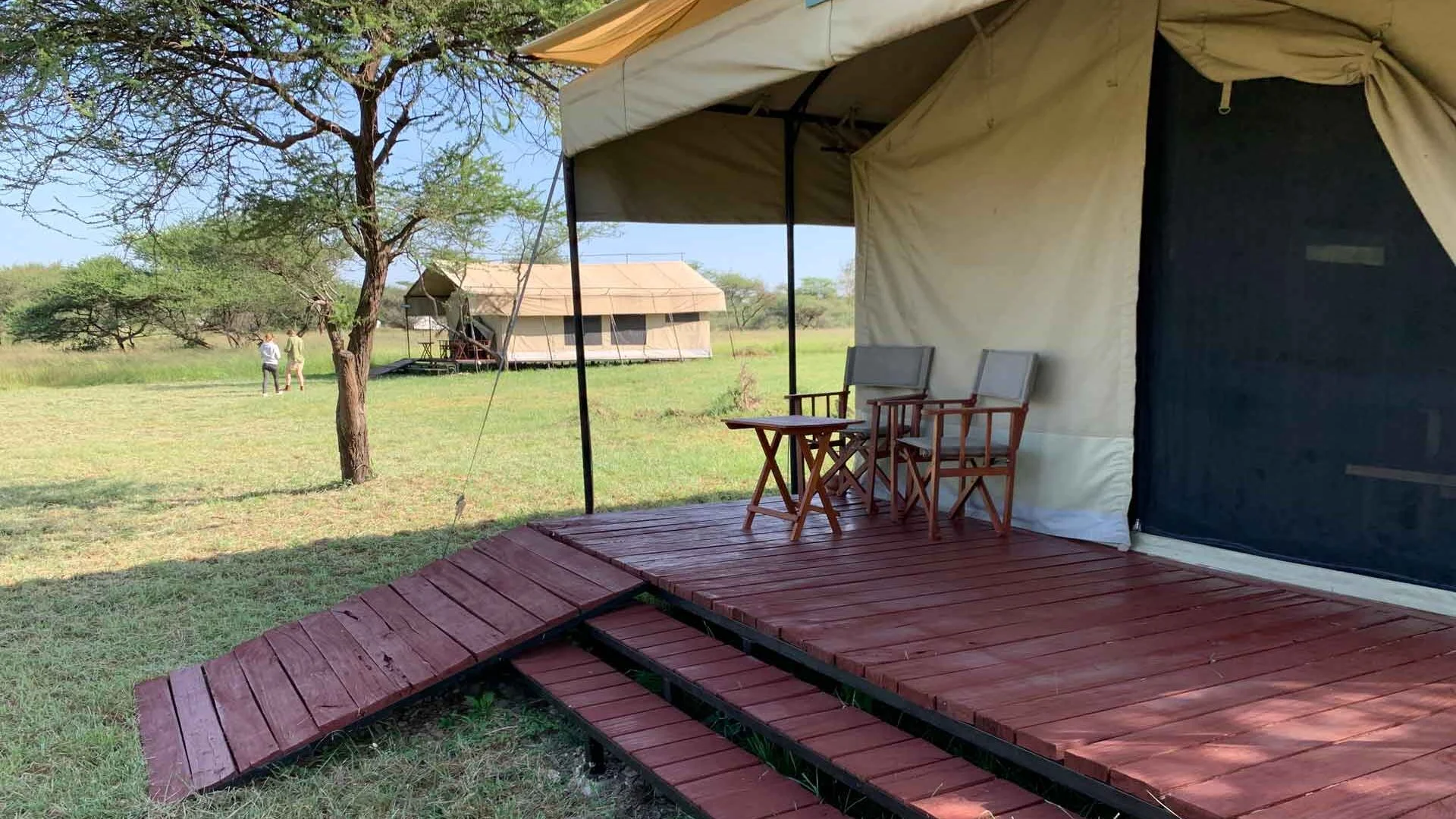
Tarangire waterhole camps split into two different propositions depending on where in the park they sit. Along the main Tarangire River — the only permanent surface water in the ecosystem during the June-to-October dry season — camps like Tarangire Elephant Springs Camp are positioned directly above the springs where elephant herds of fifty or more arrive daily. This is a true waterhole camp: the water is there year-round, and the animals come because they have no alternative. Further north, Sanctuary Swala Tarangire overlooks the Gurusi Swamp — one of a handful of semi-permanent water features inside the park that hold animals into the shoulder months — with an infinity pool designed to sit flush with the animal-drinking area below. Nimali Tarangire Camp operates from the Randilen Wildlife Management Area with an underground hide that puts guests at ground level with approaching wildlife rather than above them. In the WMA fringe, Conserve Safari Tarangire Camp sits among baobabs with direct sight lines to concentrations of up to 300 elephants from the deck. The contrast with the dry season: in the green season (November to May), animals disperse widely across the ecosystem as pans fill across the Maasai Steppe, and waterhole dynamics flatten — resident-wildlife camps then outperform waterhole-specific ones for reliable daily sightings.
Tarangire Elephant Springs Camp — true waterhole camp; Karibu's boutique 10-suite luxury property on the elephant-gathering springs with daily herds arriving at the water below.
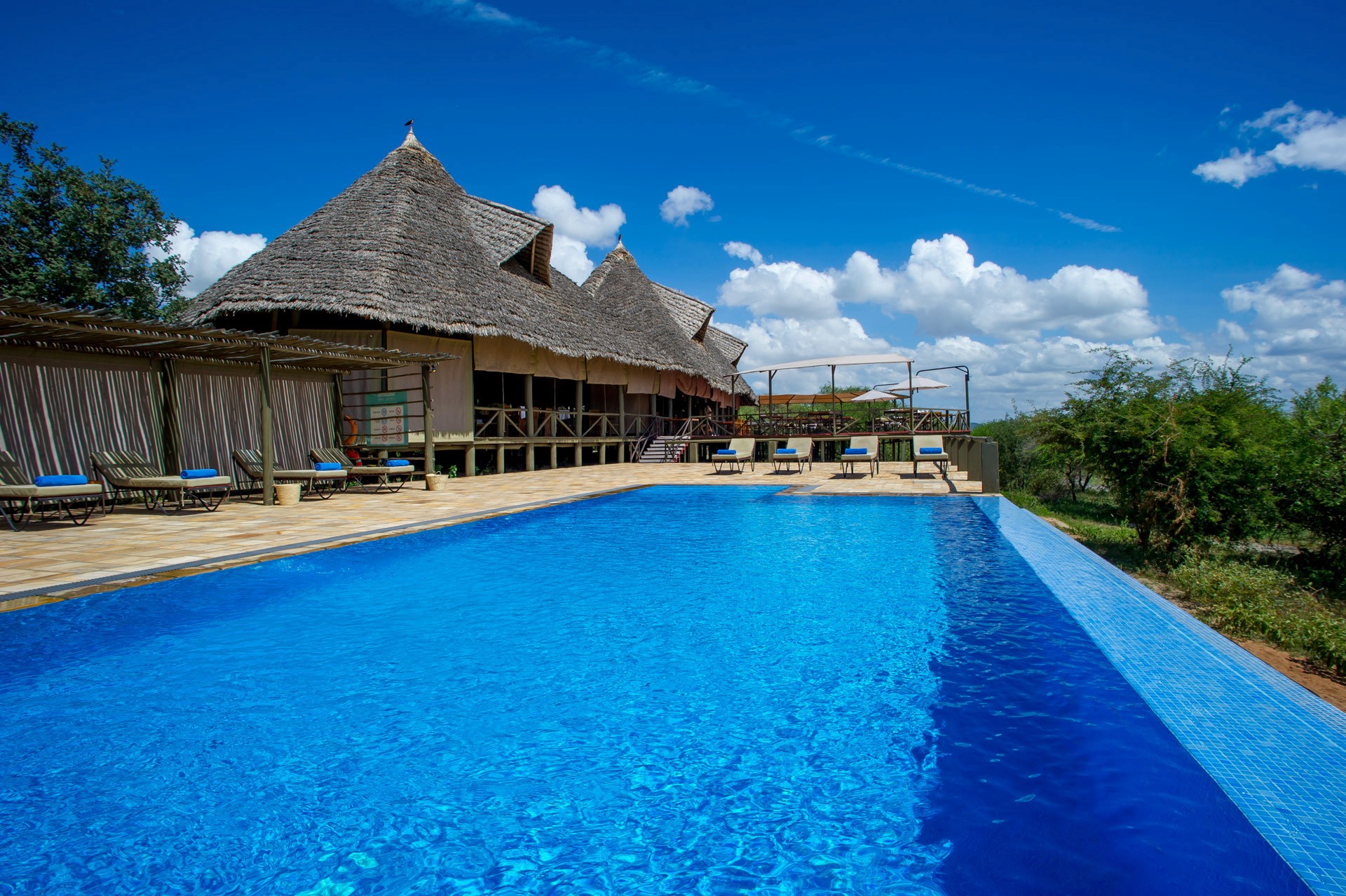
Sanctuary Swala Tarangire — both waterhole and resident-wildlife camp; 12 pavilions overlooking the Gurusi Swamp, where the infinity pool is designed to merge visually with the waterhole and elephants drink metres from the sunloungers.
Nimali Tarangire Camp — waterhole camp; 8-suite property in Randilen WMA with an underground wildlife hide for eye-level encounters with drinking animals.
Conserve Safari Tarangire Camp — waterhole camp; inside the park among ancient baobabs, with direct deck views to seasonal concentrations of hundreds of elephants.
Wellworth Tarangire Kuro Treetops Lodge — waterhole camp; 25 kopje-top treetop suites deep inside Tarangire, with night drives permitted and 8 km from Kuro Airstrip for fly-in access.
Serengeti National Park#
The Serengeti's resident-wildlife camps work on a different logic from Tarangire. There is no single dry-season bottleneck here — instead, certain locations along the Seronera River corridor concentrate prey animals year-round, which in turn keeps lion prides, leopard, and cheetah resident through every month. Namiri Plains by Asilia sits in the eastern Serengeti in what was a closed cheetah research zone until 2012 — the restricted-access history means cheetah density here is among the highest on the plains, and guides participate in live research. Four Seasons Safari Lodge Serengeti is the Serengeti's most prominent waterhole camp: a 77-room lodge in central Serengeti with an infinity pool built above an active waterhole that draws elephants, buffalo, and giraffe within a few metres of guests at the pool deck. In the Grumeti private concession, Singita Sabora Tented Camp runs dual waterholes inside a 350,000-acre private reserve where vehicle-crowd rules don't apply — you may be the only observers when a pride comes to drink. Kubu Kubu Tented Lodge sits on a ridge above the Seronera River at the Makoma Hills area, with an infinity pool positioned to watch elephants cross the valley below.
Namiri Plains by Asilia — resident-wildlife camp; eastern Serengeti's former cheetah exclusion zone, with active research access and exceptional big-cat density year-round.
Four Seasons Safari Lodge Serengeti — waterhole camp; the only lodge in the Serengeti with an infinity pool positioned directly above an active elephant and buffalo waterhole.
Singita Sabora Tented Camp — waterhole camp; 1920s explorer-style camp in the Grumeti private concession with dual waterholes and no outside vehicles.
Kubu Kubu Tented Lodge — resident-wildlife camp; ridge-top pool watching elephants cross the Seronera River valley, Big Five resident year-round.
Singita Faru Faru Lodge — waterhole camp; nine-suite contemporary lodge in Grumeti with waterhole access on a private reserve where the Grumeti Fund controls the entire ecosystem.
Ruaha National Park#
Ruaha's waterhole camps are defined by the Great Ruaha River and its tributaries, which shrink to deep pools and sandy-banked crossings during the June-to-October dry season. Mwagusi Safari Camp is both: owner-managed by Chris Fox since 1987, with a dedicated waterhole hide in front of camp and a location inside active wild-dog and lion territory, making it one of the few properties on this list with documented sightings in both categories. Mdonya Old River Camp sits deep in Ruaha accessible only by fly-in, with Meru tents positioned in ancient baobab woodland where the Mdonya River corridor funnels resident elephant, buffalo, and leopard through the camp perimeter. Tandala Tented Camp is the outlier: a 5 km-from-gate property with an active elephant waterhole in front and a baobab-shaded rock pool — more affordable than the fly-in options, and the waterhole here is genuine, fed daily by elephants who use the camp clearing as a regular stop.
Mwagusi Safari Camp — waterhole and resident-wildlife camp; a dedicated hide overlooking the camp waterhole plus wild-dog and lion territory on the Mwagusi Sand River, owner-managed since 1987.
Tandala Tented Camp — waterhole camp; active elephant waterhole in front of the tents, 5 km from Ruaha gate, with the best mid-range waterhole access in the park.
Mdonya Old River Camp — waterhole camp; fly-in-only property in baobab woodland on the Mdonya River, where the river corridor itself functions as a linear waterhole drawing wildlife through camp daily.
Jongomero Camp — resident-wildlife camp; eight tents on the remote Jongomero River with wild dogs, lion prides, and fly-camping; a true resident-wildlife camp 70 km from the nearest other lodge.
Kigelia Camp — resident-wildlife camp; Nomad Tanzania's six-tent Ruaha classic in a sausage-tree riverbed setting with year-round resident elephant herds in front of the tents.
Mikumi and Nyerere#
Outside the main northern and southern circuits, Mikumi Wildlife Camp is one of the most literal waterhole camps in Tanzania: six bandas inside Mikumi National Park on the Mkata Floodplain, built directly overlooking an active waterhole with documented daily visits from elephant, buffalo, and lion. It is also the most accessible waterhole camp by road — roughly four hours from Dar es Salaam. In Nyerere (former Selous), Sable Mountain Lodge has operated since 1999 with a pool built specifically to feed a resident wildlife waterhole; hippos and crocodiles are the year-round draws on the waterhole side, while wild dog and boat safaris on Lake Tagalala give it broader scope.
Mikumi Wildlife Camp — waterhole camp; six bandas on the Mkata Floodplain inside Mikumi, with daily elephant and buffalo at the waterhole in front and game drives departing from the tents.
Sable Mountain Lodge — waterhole camp; Nyerere's oldest solar-powered lodge with a pool that feeds a resident wildlife waterhole, wild dog territory, and Lake Tagalala boat access.
Katavi National Park#
Chada Katavi is the only property on this list that qualifies as a resident-wildlife camp because of what surrounds it: the Chada floodplain, where dry-season hippo pods run to several hundred individuals and the buffalo herds that follow the receding water draw the largest lion prides in Tanzania. There is no waterhole at camp — the floodplain itself contracts into pools during June-to-October, and the action concentrates accordingly. Six tents above that plain, with armed walks and fly-camping included, make it the most remote resident-wildlife experience on this page.
Chada Katavi — resident-wildlife camp; Nomad Tanzania's flagship over the Chada floodplain, where contracting dry-season pools concentrate hippo pods of 200+ and the lion prides that prey on the buffalo herds.