 Tours
Tours
NoMiddleManTours · Jun 22, 2026 · 17 min read
What you actually need, what is strongly recommended, and the insider rules most travel blogs miss — including the yellow-fever certificate transit trap, which malaria drugs work best in East Africa, and the altitude factors that change your risk profile on Kilimanjaro and the Ngorongoro rim.
The core vaccine question for a Tanzania or Kenya safari is not complicated — but two details catch travellers every year. First, the yellow-fever certificate rule depends entirely on your routing, not just your destination. Second, malaria prevention is not one-size-fits-all: the right prophylaxis depends on which parks you visit, the season, and whether you are climbing to altitude. This guide gives you the complete picture, clearly flagged where advice may change between now and your departure date.
One non-negotiable before reading further: health guidance is updated regularly. Use this article to understand the landscape and the questions to ask; then book an appointment with a travel-medicine clinic or your GP ideally six to eight weeks before departure to get personalised, current advice.
Yellow fever: the certificate that controls your entry#
What the rule actually is#
Neither Tanzania nor Kenya requires yellow-fever vaccination for all arrivals. The requirement is triggered by routing: you need a valid International Certificate of Vaccination or Prophylaxis (ICVP — the yellow card) only if you are arriving from or have transited through a country the destination government classifies as yellow-fever endemic.
Tanzania applies the rule to anyone arriving from an endemic country or having transited one in the past twelve months. Kenya applies essentially the same standard. The list of endemic countries is maintained by the World Health Organization and includes much of equatorial Africa, sub-Saharan West Africa, and parts of South America. -- VERIFY: the WHO/CDC endemic-country list is updated annually; always confirm the current list at time of travel with a travel clinic or the relevant embassy.
The most important practical upshot: both Tanzania and Kenya are NOT on the endemic country list themselves, so East Africa arrivals flying directly from Europe, North America, Australia or Southeast Asia do not need the certificate.
The Kenya-then-Tanzania transit trap#
Here is the scenario that catches travellers more than any other: you fly into Nairobi, spend several days on safari, then cross overland or by bush flight into Tanzania. Kenya is NOT on the yellow-fever endemic list, so this Kenya visit does not by itself trigger the Tanzania entry requirement. But if your journey to Nairobi included a transit through an endemic country — even a single airport connection in Addis Ababa, Lagos, Accra, Kinshasa or Entebbe — Tanzania's border or immigration officers may ask to see your certificate, because your routing put you in an endemic country's territory.
The transit window matters too. Some countries define transit as time on the ground, even airside. Spend a layover in an endemic-country airport, and you may be treated as having entered. The twelve-month look-back window is standard across East Africa.
Practical rule: if any leg of your journey passes through equatorial or West African airspace with a stop — even a brief one — get the yellow-fever vaccine and carry the ICVP. The vaccine is live-attenuated, typically single-dose, and is now considered valid for life (the older ten-year certificate is no longer enforced under the 2016 IHR update -- VERIFY). The shot cannot be given within four weeks of most other live vaccines, so timing matters if you are also getting MMR boosters.
Exemptions and medical waivers#
If you have a genuine medical contraindication to the yellow-fever vaccine (immunosuppression, thymus disorders, severe egg allergy, age under nine months), a licensed yellow-fever vaccination centre can issue a medical waiver on official ICVP paper. Border officers may still refuse entry on their own authority — this is a real risk on certain overland crossings — but the waiver gives you documentation to present.
Malaria prophylaxis: which drug, which region, which altitude#
Malaria is the most serious ongoing health risk for safari travellers in both Tanzania and Kenya. Both countries have Plasmodium falciparum malaria, the most dangerous species, and it is present year-round at low to moderate elevations across the safari regions. The right drug choice involves a genuine medical decision based on your health history, the exact regions you are visiting, trip length, and planned altitude.
The main prophylaxis options#
Three drugs are commonly prescribed for East African safari travel:
Atovaquone-proguanil (Malarone): Daily tablet, starting one to two days before arrival in a malaria zone and continuing for seven days after leaving. Well-tolerated by most travellers, no photosensitivity, no extended post-trip tail. The standard choice for shorter trips (under three weeks). More expensive than doxycycline if taken for a full month-long trip.
Doxycycline: Daily antibiotic, starting one to two days before exposure and continuing for four weeks after. Cheapest option. Known side effects include photosensitivity (stay out of strong midday sun and wear sun protection), gastrointestinal discomfort if not taken with food, and reduced efficacy of the oral contraceptive pill. Not suitable during pregnancy or for children under eight.
Mefloquine (Lariam): Weekly tablet, starting two to three weeks before travel (the loading schedule matters — start late and you may not reach protective levels). Now rarely a first-line choice given the neuropsychiatric side-effect profile (vivid dreams, anxiety, mood changes in a minority of users). Can be appropriate if daily dosing is genuinely difficult to maintain. -- VERIFY: resistance patterns and prescribing guidance vary by country and update periodically; a travel clinic will confirm current recommendation.
Which regions are highest risk#
All the classic safari parks in both countries — Serengeti, Tarangire, Masai Mara, Amboseli, the Serengeti's western Grumeti corridor, Nyerere National Park, and the coastal zones including Zanzibar — sit below 1,800m and carry moderate to high malaria transmission year-round. Assume full-dose prophylaxis is needed for any time in these areas.
The altitude exception: Ngorongoro rim and Kilimanjaro#
Two destinations genuinely reduce (but do not eliminate) malaria risk through altitude:
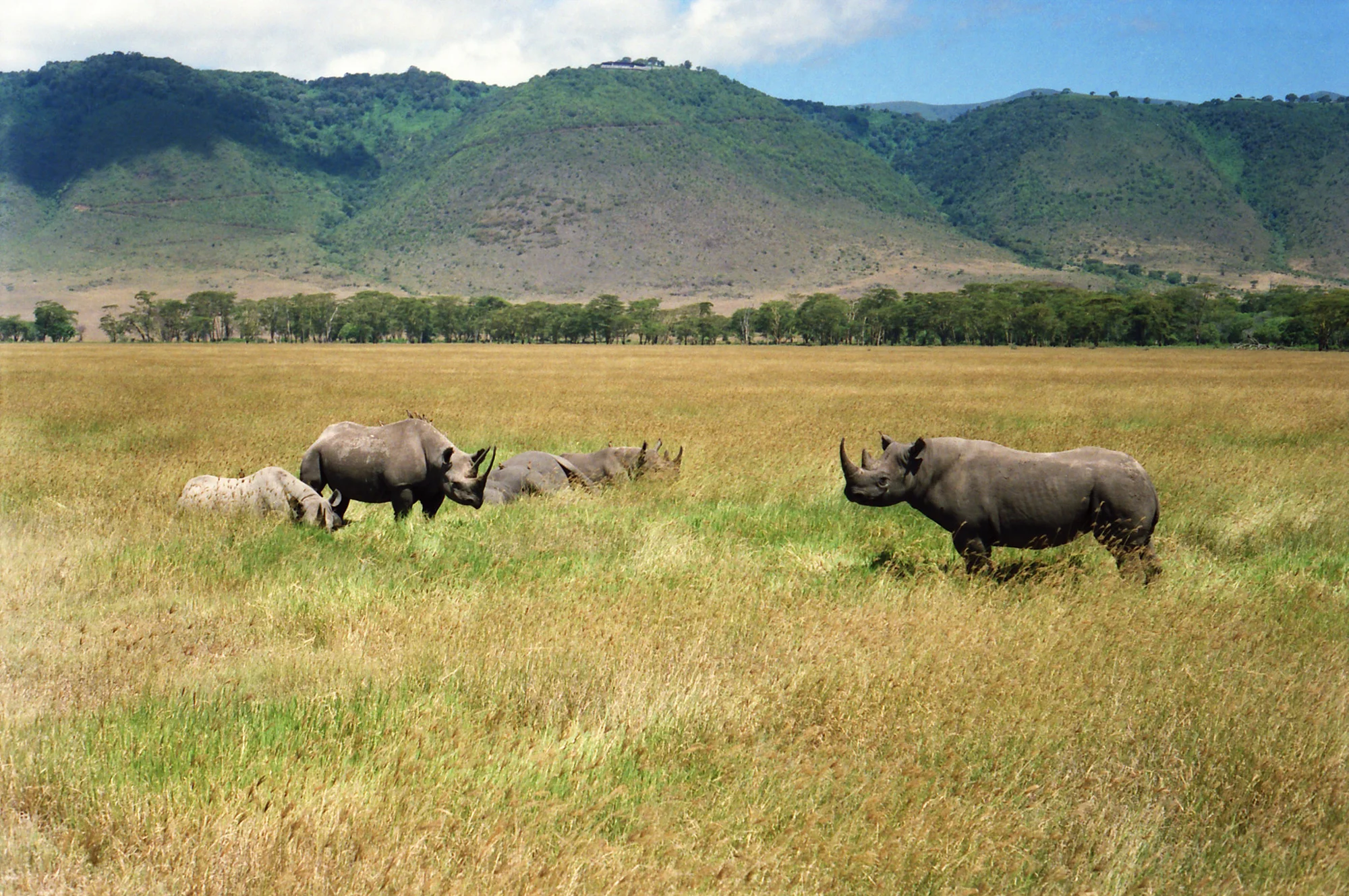
Ngorongoro Crater rim sits at approximately 2,200m. Anopheles mosquitoes (the malaria vector) are rare above around 2,000 to 2,500m, and transmission at the rim is considered low. The crater floor at about 1,800m is borderline and does see occasional mosquito activity. The standard medical guidance for most northern-circuit itineraries is still to maintain prophylaxis, because most travellers who spend a night on the Ngorongoro rim also spend nights at lower elevations in Tarangire, Lake Manyara, or the Serengeti before and after. Stopping prophylaxis mid-trip based on one night at altitude is not recommended. -- VERIFY: current guidance from a travel clinic, as risk assessments for specific altitudes are updated.
 Destination
Ngorongoro Conservation Area
conservation_area
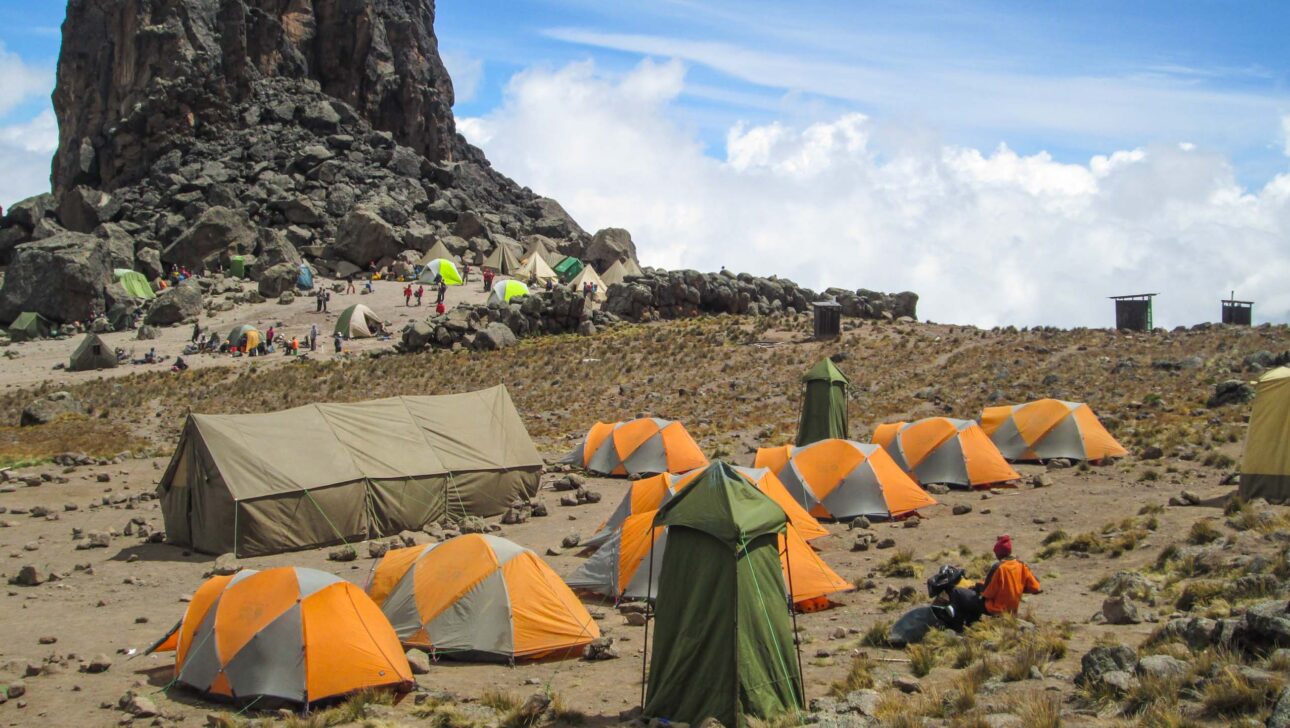
Kilimanjaro: Above 3,000m on the mountain, malaria risk drops to negligible — Anopheles cannot breed at those temperatures. The two primary base towns, Arusha (at around 1,400m) and Moshi (at around 900m), do carry some malaria risk and most climbers pass through them before and after the ascent. The practical guidance for a Kilimanjaro trip: maintain prophylaxis through the Arusha/Moshi stays; some climbers choose to discontinue once well above 3,000m (typically Camp 2 or higher) and resume on descent, but this requires a specific discussion with a prescribing physician because the timing of re-exposure matters. -- VERIFY: specific advice on pausing/resuming prophylaxis at altitude should come from a travel-medicine specialist.
 Destination
Mount Kilimanjaro
mountain
Mosquito avoidance still matters#
No prophylaxis is 100% effective; drug resistance exists; and the drugs do not prevent bites. Layer your protection: DEET-based repellent (at least 30–50% concentration) applied to exposed skin from dusk, long sleeves and trousers after sunset, and sleeping under a permethrin-treated mosquito net where one is provided. Most quality safari lodges and camps have nets and screens; tented camps often have mesh rather than net enclosures. If you are staying at budget guesthouses in Nairobi, Arusha or Dar es Salaam, inspect the room for gaps and bring a travel net if in doubt.
Routine and recommended vaccinations#
Beyond yellow fever and malaria, a travel-clinic visit will review a set of recommended vaccinations. These are not specific to Tanzania and Kenya — they apply to many international destinations — but they are worth addressing for East Africa because some are given in a series and others depend on your activity profile.
Typhoid#
Typhoid is spread through contaminated food and water, and the risk is real in Tanzania and Kenya beyond the high-end lodge circuit. Two options exist: the injectable Vi-polysaccharide vaccine (single dose, protective for two to three years) or the live-attenuated oral vaccine (taken as four capsules on alternating days, seven to ten days before travel, protective for around five years). The oral version cannot be taken simultaneously with antibiotics or mefloquine — both can reduce the effectiveness of the live bacterial vaccine strain. Recommended for virtually all travellers to East Africa who will spend time in towns, eat from local restaurants, or do any off-road travel.
Hepatitis A#
Hepatitis A is the other food-and-water disease consistently recommended for East Africa. The initial single dose gives protection for about a year; a booster given six to twelve months later extends cover to roughly twenty years. If you have already had both doses, no action needed. Given how long the vaccine lasts and how widely hepatitis A circulates in the region, this is one of the easier decisions.
Hepatitis B#
Transmitted through blood, needles and sexual contact. Recommended if you might receive medical treatment abroad (which you should plan for in case of a road accident or medical emergency), if you work in healthcare, or if the trip is long. Three-dose schedule over six months, or an accelerated two-dose or three-dose schedule over one to three weeks depending on brand. -- VERIFY: accelerated schedule options and brands with your travel clinic.
Cholera#
Cholera risk in both countries is low for typical safari travellers staying in lodges and camps. The oral Dukoral vaccine (two doses ten days apart, taken two weeks before travel) is occasionally recommended for travellers going to very remote areas with limited water infrastructure, healthcare workers, or long-term travellers. Most short-stay safari visitors do not need it. -- VERIFY: current cholera outbreak status in specific regions.
Meningococcal meningitis#
Recommended if you are visiting during the dry season, are staying in crowded accommodation (including dormitories or budget hostels in larger cities), or are in close contact with local populations over extended periods. The quadrivalent ACWY conjugate vaccine is standard. Pilgrims travelling through sub-Saharan Africa to the Hajj require it. For a typical northern-circuit safari, it is in the "discuss with your doctor" category rather than routine. -- VERIFY: current outbreak maps and your own risk profile.
Rabies#
Both Tanzania and Kenya have endemic dog and bat rabies. The pre-exposure vaccine series (three doses on days 0, 7 and 21–28) is recommended for long-term travellers, wildlife researchers, cave explorers, or anyone working directly with animals. For a typical two-week safari, the risk to an ordinary traveller is low, but getting it simplifies post-exposure treatment enormously: instead of the full post-exposure protocol (which involves rabies immune globulin that may be unavailable in remote areas), you would only need two booster doses. For travellers visiting remote areas far from reliable medical facilities, pre-exposure vaccination is worth discussing even on shorter trips. -- VERIFY: current availability of rabies immune globulin at hospitals in your specific itinerary locations.
COVID-19#
Check entry requirements for both countries at time of travel — requirements have changed repeatedly and may change again. As of mid-2026, neither Tanzania nor Kenya requires proof of vaccination or a negative test for entry, but airline policies and transit-country requirements can differ. -- VERIFY: current entry requirements with the relevant embassy or official government travel advisory.
Routine vaccines you may be behind on#
A travel clinic will also check your status on: MMR (measles-mumps-rubella), diphtheria-tetanus-pertussis, and polio. Measles outbreaks occur in parts of sub-Saharan Africa and unvaccinated travellers are at real risk in crowd-level exposures. Make sure you are up to date before departure.
A clear prioritisation framework#
Not all of the above is equally urgent. Here is how to prioritise:
| Priority | Vaccine / Drug | Who needs it |
|---|---|---|
| Required (routing-dependent) | Yellow fever ICVP | If transiting any endemic country en route |
| Required (year-round) | Malaria prophylaxis | All travellers below 2,500m (virtually all safari destinations) |
| Strongly recommended | Typhoid | All travellers |
| Strongly recommended | Hepatitis A | All travellers |
| Recommended | Hepatitis B | Most travellers |
| Discuss with your doctor | Rabies | Remote areas, wildlife-close activities, long trips |
| Discuss with your doctor | Meningococcal ACWY | Dry-season travel, crowded accommodation |
| Discuss with your doctor | Cholera | Very remote, budget accommodation, long trips |
| Check status | MMR, dTaP, polio | Everyone — should be current regardless |
Medication, kit and practical health planning#
What to carry in your med kit#
A practical safari health kit for East Africa goes beyond the pharmacy basics:
Your full prophylaxis supply plus a five-day buffer (pharmacies in remote areas may not stock your brand)
DEET repellent, 30–50% concentration, plus a permethrin spray for treating clothing
Water-purification tablets or a UV SteriPen — even if you plan to rely on lodges, overland transfers can put you at informal water stops
Oral rehydration sachets — heat, altitude and a gut upset together can cause rapid dehydration
A basic wound kit (antiseptic, closure strips, sterile gloves) — medical facilities are far from most park circuits
Diamox (acetazolamide) if climbing Kilimanjaro or spending time above 3,000m — prevents and treats acute mountain sickness; requires a prescription and should be trialled before the trip to check tolerance. -- VERIFY: current clinical guidance on Diamox dosing from your prescribing physician.
Travel insurance documentation, emergency contacts and blood group card
Medical facilities and evacuation#
Nairobi has the best medical infrastructure in the region; hospitals such as Nairobi Hospital and Aga Khan University Hospital are capable of handling serious emergencies. In Arusha, Mount Meru Regional Referral Hospital handles emergencies. Remote park areas — particularly in western Tanzania, the Ruaha plateau, or northern Serengeti — are many hours from any facility of note.
Flying doctors / air evacuation insurance is strongly recommended for safari travellers. The African Medical and Research Foundation (AMREF) and Nairobi-based air ambulance services can evacuate from airstrips in most major parks within a few hours; coverage is typically included in comprehensive travel insurance or can be purchased separately as an annual AMREF Flying Doctors membership. -- VERIFY: current membership rates and coverage areas.
Altitude on Kilimanjaro#
If you are climbing Kilimanjaro, altitude sickness is a more immediate risk than malaria above 3,000m. Acute Mountain Sickness (AMS) is a predictable consequence of ascending too quickly; severe forms (HACE and HAPE) are life-threatening and can develop in hours. The route you choose matters: the Machame Route (six to seven days) and the Lemosho Route (seven to eight days) have better acclimatisation profiles than the shorter Marangu Route (five to six days), which has a noticeably higher turn-back rate. Walk slow, drink three to four litres of water per day, do not ascend with a headache, and carry a prescription of Diamox if any doubt exists about your acclimatisation response. Your guide and operator should have pulse oximeters on all high-camp nights. -- VERIFY: current Diamox prescription guidance and route day-counts from your climb operator.
Planning your health prep timeline#
Most vaccines require lead time. Here is a working backwards schedule from departure:
Eight weeks before: ideal window to start. Allows time for courses that need multiple doses (rabies, hepatitis B accelerated), lets live vaccines (yellow fever, oral typhoid) clear before taking antibiotics or mefloquine, and gives you time to source medications that may need ordering.
Six weeks before: still comfortable for most vaccines; tight for three-dose hepatitis B standard course (use accelerated if available).
Four weeks before: minimum for yellow fever (live vaccine needs time to generate immunity; also cannot be given within four weeks of MMR or other live vaccines). Tight but workable for most other decisions.
Two weeks before: last call for oral typhoid course (four capsules over eight days) and hepatitis A single dose (gives short-term protection). Atovaquone-proguanil can be started one to two days before entering a malaria zone, so prescription lead time is the only issue.
At departure: confirm you have your ICVP yellow card if required by routing, your full prophylaxis supply, and your travel insurance documents including air evacuation cover.
Browse Tanzania safarisCross-border trips: the combined Kenya and Tanzania picture#
Many travellers combine both countries — flying into Nairobi, visiting Masai Mara, crossing to Serengeti, then continuing through Ngorongoro — and the vaccination picture applies equally to both. Neither country adds requirements relative to the other; the routing-based yellow-fever rule applies at whichever entry point you use first.
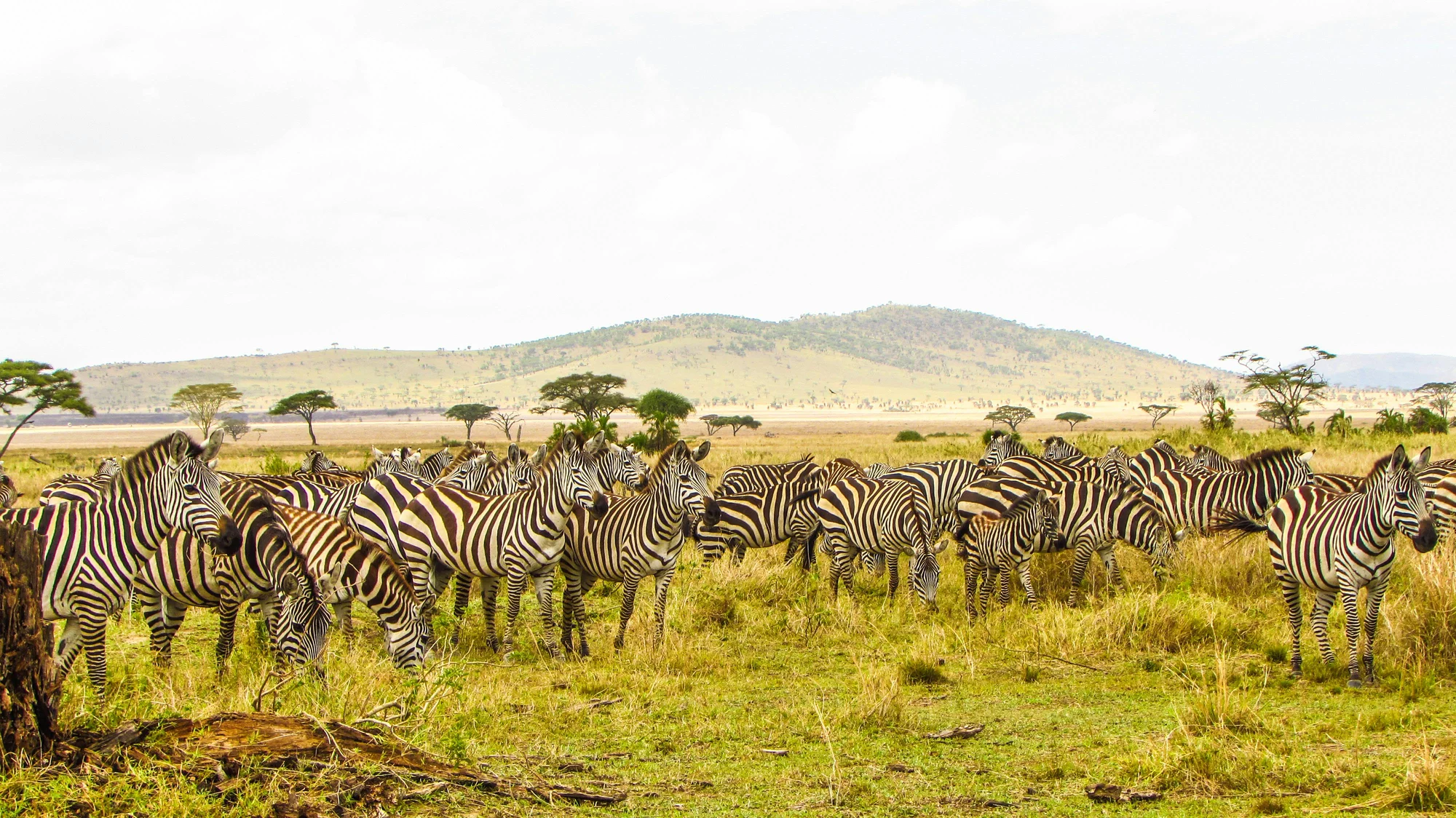
The practical difference for cross-border trips is that you are more likely to spend time at a wider range of altitudes and regions, which may lengthen the total time you are at malaria-risk elevations. A Masai Mara–Serengeti–Ngorongoro combination keeps you at low-to-moderate risk throughout (Ngorongoro rim is the one partial exception). A trip that also includes coastal Zanzibar or Mombasa should be considered full malaria risk for the entire coastal portion.
 Itinerary
10-Day Mara & Serengeti Premium Fly-In
10 days
Frequently asked questions#
Do I need a yellow-fever vaccination certificate to enter Tanzania or Kenya? You need the certificate (ICVP) only if you are arriving from or have transited a yellow-fever endemic country. Direct arrivals from Europe, North America or Australia do not need it. If your routing includes a stop in equatorial Africa, West Africa or endemic parts of South America, you do need it — even a brief airport transit can trigger the requirement at some border crossings.
What is the Kenya-then-Tanzania transit trap? If you fly to Nairobi and onward to Tanzania, the Kenya leg itself does not trigger Tanzania entry requirements. But if any earlier leg of your journey passed through an endemic country, you may be required to show a yellow-fever certificate at the Tanzania border. The twelve-month look-back window applies. When in doubt, get vaccinated and carry the card.
Which malaria tablet is best for Tanzania and Kenya? All three main options — atovaquone-proguanil (Malarone), doxycycline and mefloquine — are effective against East African malaria. Atovaquone-proguanil is the most widely prescribed for short to medium trips because of its tolerability and the short post-trip tail. Doxycycline is cheaper but requires sun protection and can affect gut health. The choice should be made with a prescribing physician who knows your health history, the specific regions you are visiting, and how long you will be there.
Is malaria risk lower at Ngorongoro Crater and on Kilimanjaro? The Ngorongoro rim at approximately 2,200m has low malaria transmission due to altitude, but most travellers on a northern-circuit itinerary also spend nights in lower-elevation parks. Stopping prophylaxis mid-trip is not recommended without specific medical guidance. On Kilimanjaro, malaria risk is negligible above 3,000m, but the base towns of Arusha and Moshi carry some risk and most climbers are prescribed prophylaxis for those stays.
How far in advance should I get vaccinations for Tanzania and Kenya? Eight weeks before departure is ideal — it covers multi-dose courses, lets live vaccines clear before any antibiotic prescriptions, and gives you time to source medications. Six weeks is still comfortable for most decisions. Four weeks is the minimum for the yellow-fever vaccine to generate reliable immunity.
Do I need Diamox for Kilimanjaro? Diamox (acetazolamide) prevents and reduces acute mountain sickness and is frequently recommended for Kilimanjaro climbers, particularly on faster routes. It requires a prescription and should ideally be tried before the climb to check for side effects (tingling fingers and increased urination are common). Discuss it specifically with your travel-medicine provider — it is not mandatory but is widely used on summit routes.
What medical insurance should I get for an East Africa safari? Look for a policy that includes emergency medical evacuation, repatriation, and direct billing with hospitals. For park-based safari travel, AMREF Flying Doctors air-ambulance coverage (either via insurance or a standalone annual membership) is strongly recommended — it covers evacuation from most major national park airstrips in Tanzania and Kenya to a major hospital, typically within a few hours.
Can I drink tap water in Tanzania and Kenya? In Nairobi and Arusha some areas have treated water, but travellers are generally advised to drink bottled or filtered water. At safari lodges the water situation varies — most provide filtered or bottled water for drinking. On overland transfers between parks, stops at informal roadside places carry food-and-water risk. Carry purification tablets or a UV purifier as backup.
Ready to plan the real thing?
Compare honest, all-in safari packages with real lodge choices — straight to the local operator, no middleman.
Browse safari packagesKeep reading
planning
What a Tanzania Safari Really Costs, Line by Line
planning
Lodge, Tented Camp or Mobile? Safari Stays in Tanzania, Explained

planning
Getting Your Tanzania Visa: The 2025–2026 Playbook
planning
Sleeping in the Wild: Fly-Camping & Walking Safaris in Tanzania
planning
Tanzania or Kenya? An Honest Safari, Trek & Beach Showdown
planning
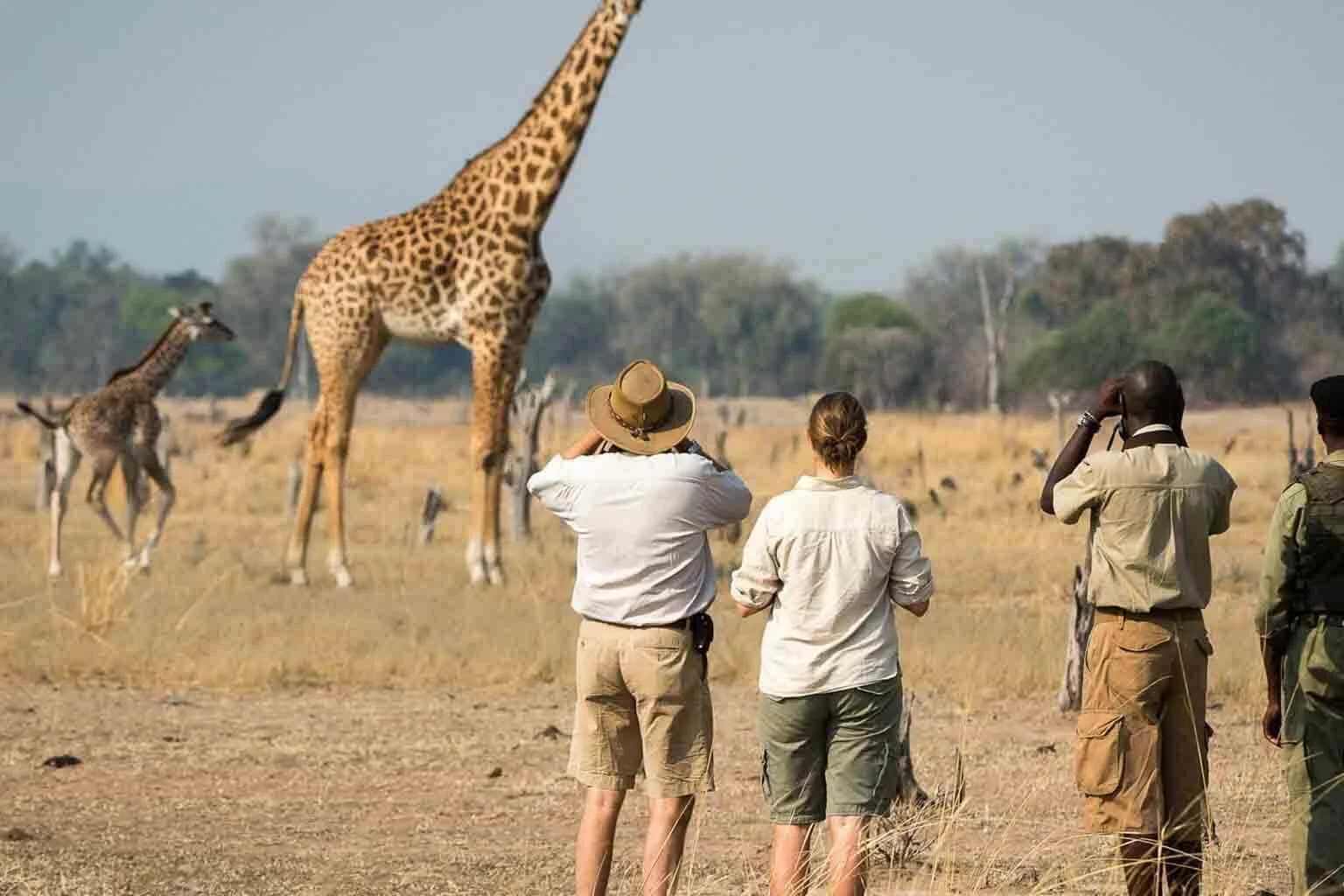
On Foot in East Africa: Walking Safaris in Tanzania & Kenya